Why Pest Prevention Matters for Homeowners
When a tiny ant trails across your kitchen counter or a mouse scurries behind the wall, the problem often feels isolated. In reality, those first signs are usually the tip of an iceberg that can cost you time, money, and peace of mind if left unchecked.
Hidden costs you don’t see coming
Beyond the obvious damage—chewed wiring, ruined wood, or stained upholstery—pests bring hidden expenses. A single termite colony can compromise structural integrity, leading to repair bills that run into thousands of dollars. Rodents gnaw insulation and expose your home to fire hazards, while cockroaches and bed bugs trigger medical expenses and lost workdays due to allergic reactions or skin infections. Add the emotional toll of sleepless nights and constant worry, and the true price of an infestation skyrockets.
What the numbers say
- According to the National Pest Management Association, approximately 1 in 5 U.S. homes reports a pest‑related issue each year.
- Homeowners collectively spend over $10 billion annually on damage repairs caused by insects and rodents.
- Studies from the American College of Allergy, Asthma & Immunology show that up to 30 % of asthma attacks in children are linked to indoor allergens from pests such as cockroaches and dust‑mite infestations.
Prevention beats reaction—every time
A reactive approach—waiting until you see droppings, bites, or structural damage—means you’re already paying for the problem. Proactive pest management, on the other hand, tackles the issue before it takes hold. Regular inspections and scheduled treatments create a protective barrier that deters insects from nesting and rodents from entering. Over a year, homeowners who invest in prevention typically see a 30‑40 % reduction in
Common Household Pests and How to Identify Them
Termites
Termites work silently, but they leave unmistakable clues. Look for mud‑filled tubes running up walls or along foundations—these are the highways termites build to stay moist. Inside wood, a honey‑comb pattern or thin, papery layers indicate active feeding. In late summer, you may spot winged swarmers (often called “white ants”) near light sources; their discarded wings are a red flag that a colony is ready to spread. If you notice any of these signs, call a professional before the damage becomes structural.
- Thin mud tubes on exterior walls or foundation
- Wood that sounds hollow when tapped or shows surface pitting
- Discarded wings or piles of shed skins near windows
Mosquitoes
Mosquitoes breed in standing water, so any container that holds water for more than 48 hours can become a nursery. Check birdbaths, clogged gutters, plant saucers, and even old tires. Bites typically appear as itchy, raised bumps that may turn red and swell. Beyond irritation, some species transmit West Nile virus, Zika, or dengue, making early detection crucial. Reducing these breeding sites can cut mosquito numbers by up to 80%.
- Stagnant water sources within 10 feet of the home
- Itchy, raised welts that appear soon after outdoor activity
- Increased mosquito activity at dusk and dawn
Rodents
Rats and mice are nocturnal, so you’ll often hear scurrying in walls or attics after dark. Look for dark, pellet‑shaped droppings near food storage areas, gnaw marks on wood, plastic, or wires, and shredded insulation. A fresh, musky odor may also indicate a nesting site. Early detection prevents costly wiring damage and potential health hazards.
- Small, dark droppings (1‑2 mm for mice, 3‑5 mm for rats)
- Gnaw holes with smooth edges on wood, baseboards, or cables
- Noises in walls, ceilings, or attic spaces at night
Cockroaches
Cockroaches hide in dark, damp places—kitchens, bathrooms, and crawl spaces. Spotting egg cases (oval, brown‑tan ovals about ½ inch long) or a greasy, musty odor signals an infestation. Their droppings look like pepper flakes or black specks near food prep areas. A persistent smell often means the infestation is well established.
- Egg cases (oothecae) in cabinets, behind appliances
- Black speck‑like droppings near food or water sources
- Persistent, oily odor especially in kitchens
Ants (including Carpenter Ants)
Ants travel in visible trails, often leaving a faint line of pheromones that other ants follow. Carpenter ants differ by their larger size and the damage they cause: smooth, clean galleries inside wood, especially in moist, decaying areas. Regular ants usually don’t damage structures but can be a nuisance. Treating the source of moisture helps keep carpenter ants at bay.
- Continuous ant trails on countertops, baseboards, or walls
- Carpenter ant galleries—smooth, clean tunnels in wood
- Presence of winged ants (swarmers) in the spring
Bed Bugs
Bed bugs hide in seams of mattresses, box springs, and behind headboards. Look for tiny, rust‑colored blood spots on sheets, or dark, pepper‑like excrement on mattress edges. Their bites appear in a line or cluster, often on exposed skin, and may cause itching that peaks after a day. Because they hide so well, professional inspection is the most reliable way to confirm an infestation.
- Small, reddish‑brown spots on bedding (blood or excrement)
- Bite patterns in rows or clusters on skin
- Live bugs or shed skins in mattress seams or furniture cracks
Quick “Look‑First” Checklist
- Termites: Mud tubes, hollow‑sounding wood, discarded wings.
- Mosquitoes: Stagnant water, itchy welts, dusk activity.
- Rodents: Pellet droppings, gnaw marks, nighttime noises.
- Cockroaches: Egg cases, pepper‑like droppings, oily odor.
- Ants: Visible trails, carpenter ant galleries, swarmers.
- Bed Bugs: Blood spots, line‑shaped bites, hideouts in seams.
How Your Local Environment Influences Pest Activity

Seasonal Cycles and Pest Surges
When spring arrives, warming soil awakens ant colonies and termite workers that have been dormant through winter. Homeowners often notice swarms of winged termites and long lines of foraging ants as the ground thaws. Summer brings a different set of invaders—mosquitoes thrive near any standing water, and their numbers can explode after a rainy spell. In the fall, rodents such as mice and rats begin their seasonal migration, seeking shelter inside walls and attics before the first frost.
Vegetation, Water, and Soil: The Hidden Habitat Factors
Beyond the calendar, the immediate landscape around a house creates micro‑habitats that either welcome or repel pests. Dense, low‑lying shrubs provide cover for spiders and cockroaches, while over‑grown lawns retain moisture that attracts termites. Soil type matters, too: sandy soils drain quickly, reducing moisture‑loving pests, whereas clay retains water, creating ideal conditions for fungus‑gnats and root‑eating insects. Even a small, unmaintained birdbath can become a mosquito breeding hotspot if not emptied regularly.
Living Near Woods or Mountains
Homes bordering forests or situated at higher elevations face a unique pest profile. Wooded areas host a higher density of carpenter ants, which can tunnel through structural wood to establish satellite colonies. Moisture‑loving pests such as millipedes and certain beetles also flourish in the leaf litter and shaded crevices typical of forest edges. In mountainous regions, temperature fluctuations can push pests like bark beetles to seek lower, warmer zones—often right under your roof.
Proactive Landscape Tweaks to Keep Pests at Bay
Fortunately, most of these environmental advantages can be managed with a few strategic adjustments. By creating a clear zone around your foundation, you remove the bridges pests use to enter your home.
- Trim tree branches and shrubs so they sit at least two feet away from the house; this eliminates direct pathways for ants and squirrels.
- Eliminate standing water by regularly cleaning gutters, emptying birdbaths, and ensuring proper drainage in flower beds.
- Seal cracks and gaps in the foundation, siding, and roof vents to block rodents and insects from slipping inside.
- Choose planting beds with well‑draining soil and keep mulch at least six inches away from the foundation to discourage termites.
- Install mesh screens on vents and chimney openings to stop larger invaders like birds, bats, and raccoons.
Effective Treatment Options and What to Expect

Step 1: Comprehensive Inspection
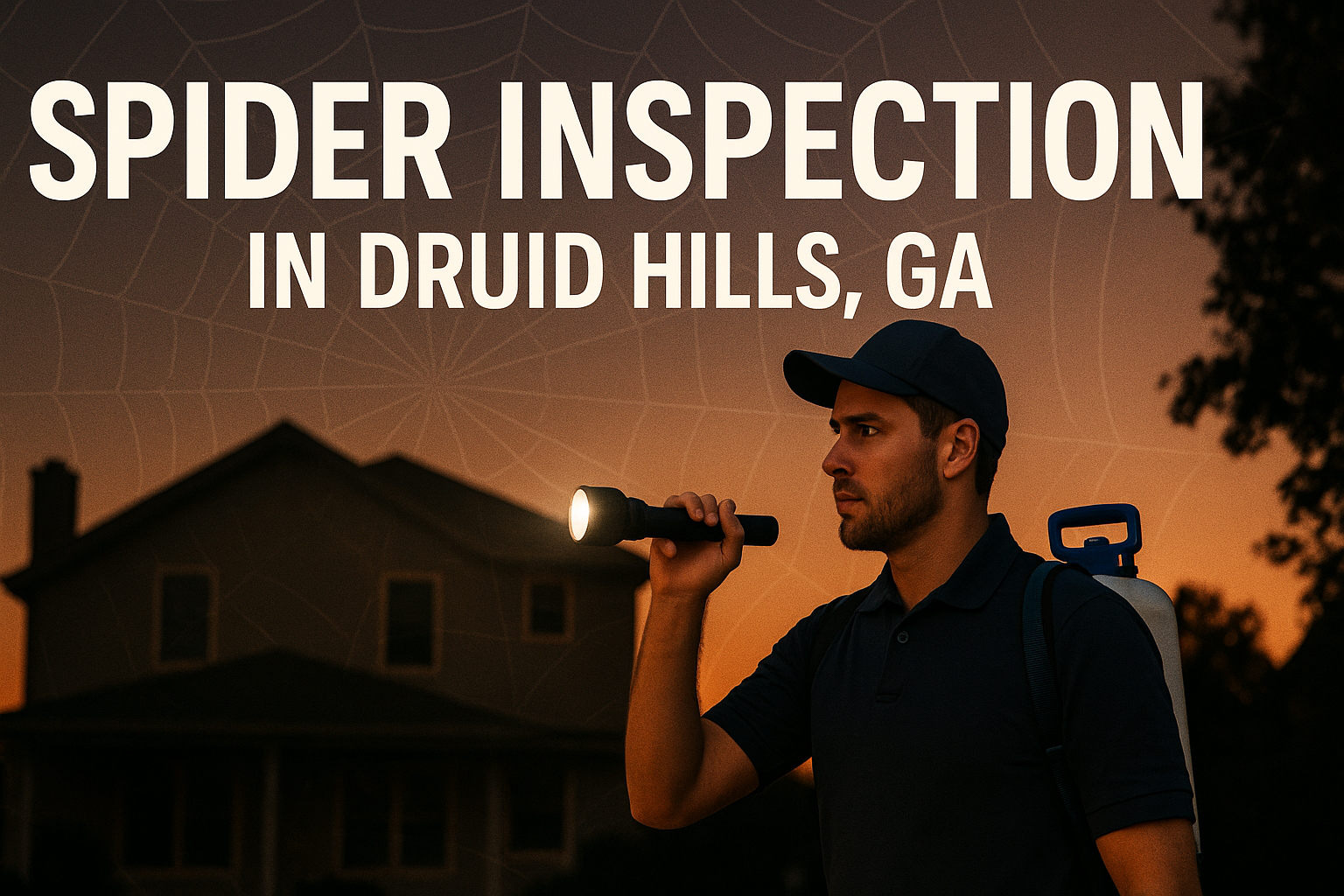
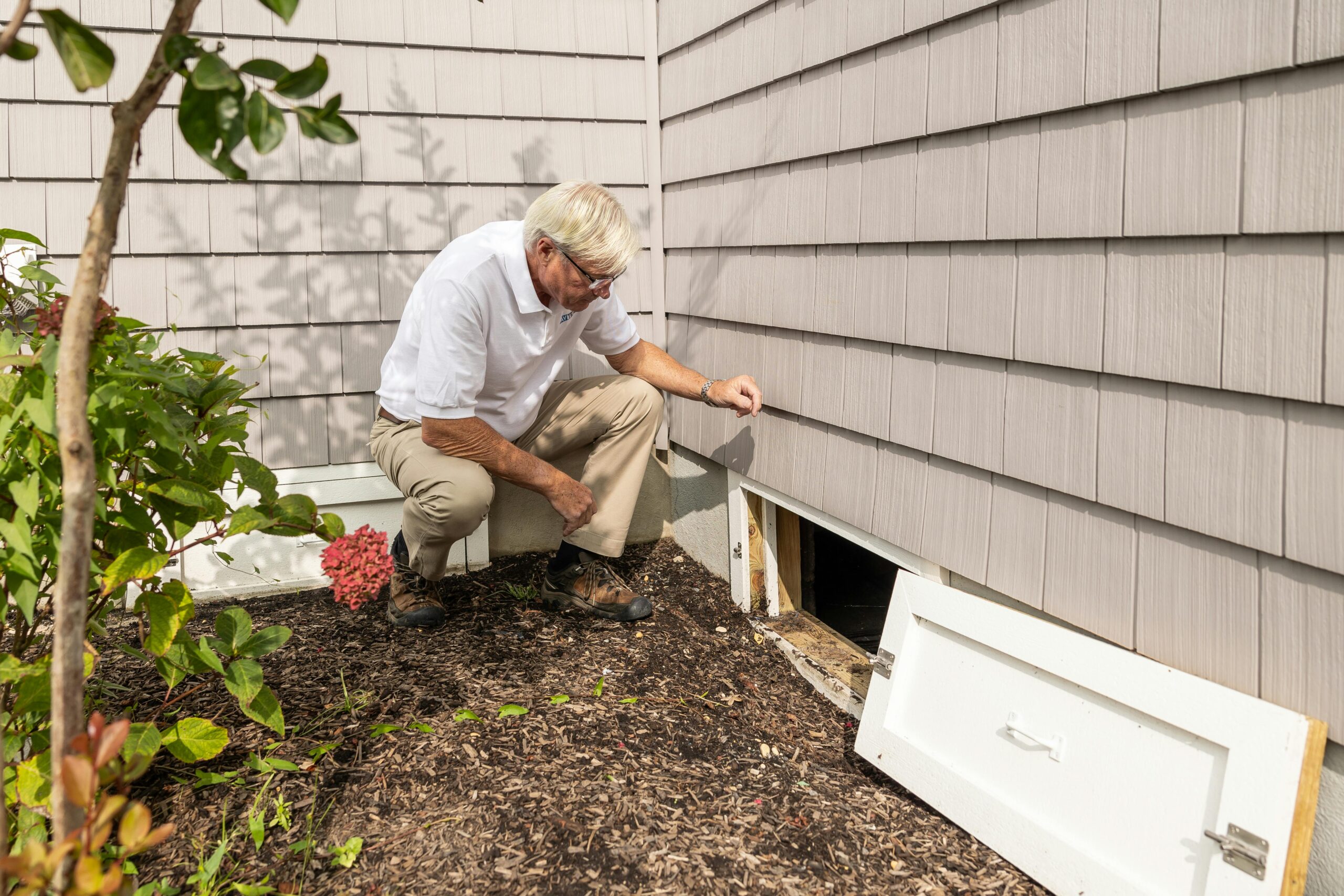
Our technicians begin every job with a visual walk‑through, noting signs of activity, entry points, and vulnerable areas. Using infrared cameras, moisture meters, and digital traps, we pinpoint hidden infestations that the naked eye often misses. The data collected creates a customized action plan, so you know exactly what we’re treating and why.
Step 2: Low‑Toxicity Chemical Treatments
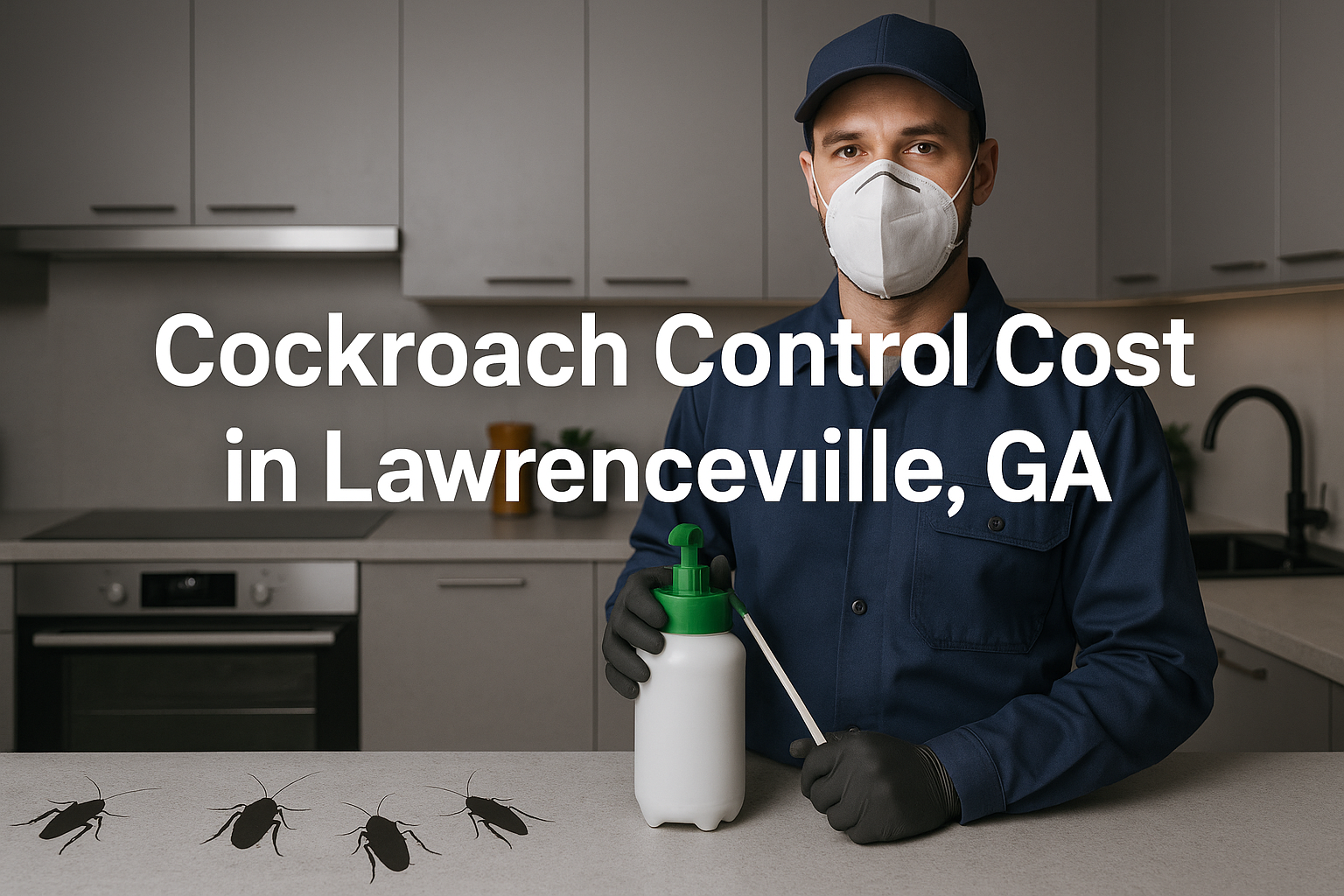
When chemicals are necessary, Anthem relies on EPA‑approved, low‑toxicity formulations. For ants, roaches, and mosquitoes we apply targeted sprays that degrade quickly yet stay lethal to pests. Rodent control includes discreet bait stations placed in concealed locations, while bed‑bug eradication uses spot‑on micro‑encapsulated gels that reach cracks and crevices without contaminating surfaces.
Each product is selected for its effectiveness against the specific pest while minimizing exposure to humans, pets, and the environment. Our technicians wear protective gear and follow strict application protocols, ensuring a safe finish every time.
Step 3: Non‑Chemical Alternatives
Homeowners who prefer chemical‑free options have several proven choices. Heat treatments raise room temperatures to 120 °F (49 °C) for a controlled period, killing bed bugs at every life stage without residues. For rodents, we set up snap‑traps and live‑catch devices, then seal gaps to prevent re‑entry. Ultrasonic emitters are offered for minor insect nuisances, delivering high‑frequency sound waves that deter pests without chemicals.
Step 4: Integrated Pest Management (IPM)
Anthem’s IPM strategy blends monitoring, exclusion, and targeted treatment. We install discreet monitoring stations that alert us to new activity, allowing early intervention. Exclusion work—such as sealing cracks, installing door sweeps, and repairing screens—removes the pathways pests use to invade. When treatment is required, we apply the smallest effective dose, integrating chemical and non‑chemical tools for lasting control.
Safety Assurances
Family health, pet safety, and environmental stewardship are non‑negotiable. All products meet stringent safety standards, and we provide a clear safety data sheet before each application. Technicians keep children and pets out of treated zones until the recommended dwell time passes, typically a few minutes for sprays and up to an hour for foggers. After we finish, we conduct a walkthrough to verify that no hazards remain.
What the Timeline Looks Like
- Day 1 – Initial Visit: Inspection, discussion of findings, and presentation of the treatment plan.
- Day 2‑3 – First Treatment: Application of the chosen chemical or non‑chemical method, followed by immediate safety check.
- Day 7‑10 – Follow‑Up Inspection: Technicians assess efficacy, replace baits or traps, and address any lingering hotspots.
- Day 30 – Verification Call or Visit: We confirm that the pest problem is resolved and discuss preventive measures to keep it that way.
This schedule can shift slightly depending on the pest type—bed‑bug heat treatments may require a second heating cycle, while mosquito control often involves monthly re‑applications during peak season. Throughout the process, you receive clear updates via email or text, so you always know what’s happening and when.
Customer Experience at Every Stage
From the moment you schedule a call, Anthem’s friendly dispatch team confirms the appointment and explains what to expect. Technicians arrive in uniform, present identification, and review the service plan with you before any work begins. After treatment, we leave a concise after‑care sheet that outlines any required ventilation, pet restrictions, and tips for long‑term prevention.
Our goal isn’t just to eliminate the current infestation; it’s to empower you with knowledge and tools that keep your home pest‑free year after year. By combining precise inspections, safe chemicals, proven non‑chemical options, and an IPM mindset, Anthem delivers results you can see—and peace of mind you can feel.
Pricing, Guarantees, and Choosing the Right Service

Transparent Pricing Model
At Anthem, we believe you shouldn’t have to guess what a pest‑control job will cost. Our pricing is broken down into three clear components:
- Flat‑rate inspections: A one‑time fee of $79 covers a thorough walkthrough, identification of problem species, and a written treatment plan.
- Per‑service fees: Each treatment—whether it’s a termite barrier, mosquito misting, or rodent exclusion—is priced upfront, so there are no surprise add‑ons.
- Package discounts: Homeowners who bundle services (e.g., quarterly ant control plus annual termite inspection) receive a 10‑15% reduction compared with purchasing each service separately.
Service Packages at a Glance
| Package | Treatments Included | Frequency | Price (per year) |
|---|---|---|---|
| Basic | Quarterly ant & roach spray, One termite inspection | 4 visits | $299 |
| Standard | All Basic services + monthly mosquito misting, Rodent exclusion | 6 visits | $529 |
| Premium | All Standard services + bi‑annual bed‑bug heat treatment, Full‑home termite barrier | 8 visits | $799 |
Our Guarantees Keep You Covered
Choosing Anthem means you’re backed by a set of guarantees that protect both your home and your wallet.
- Warranty periods: Most treatments come with a 90‑day warranty; termite barriers extend to 2 years.
- Re‑treatment policy: If pests return within the warranty window, we’ll re‑treat at no extra cost.
- Satisfaction guarantee: Unhappy with the results after the first visit? We’ll work with you to adjust the plan or issue a full refund.
How to Evaluate a Pest‑Control Provider
Not all pest‑control companies are created equal. Use these criteria to separate the trustworthy from the “fly‑by‑night” operators:
- Licensing and certifications: Verify that the company holds a state‑approved pest‑control license and that technicians are certified in Integrated Pest Management (IPM).
- Customer reviews: Look for consistent five‑star feedback on Google, Yelp, or the Better Business Bureau. Pay attention to comments about punctuality, thoroughness, and follow‑up.
- Local expertise: A provider who knows the specific pests prevalent in your region—whether it’s carpenter ants in the Pacific Northwest or fire ants in the Southeast—will deliver more effective, targeted solutions.
- Transparent pricing: Avoid companies that only give vague “call for a quote” promises. A clear breakdown, like Anthem’s, signals honesty.
Get a Free, No‑Obligation Quote from Anthem
Ready to see how affordable professional pest control can be? Follow these three simple steps:
- Visit anthempest.com and click the “Free Quote” button.
- Enter your address, select the pests you’re concerned about, and choose any preferred service package.
- Submit the form. One of our certified specialists will call within 24 hours to confirm details and schedule your flat‑rate inspection—completely free of charge.
With transparent pricing, rock‑solid guarantees, and a straightforward quoting process, Anthem gives homeowners the confidence to choose a pest‑control partner that truly delivers value.
Protect Your Home Today – Get a Free Quote
When it comes to keeping your home safe from unwanted invaders, waiting until an infestation is visible is a gamble you can’t afford. Proactive pest control stops termites from silently eating your foundation, prevents mosquitoes from turning your backyard into a disease‑bearing zone, and blocks rodents before they gnaw through wiring or insulation. Anthem Pest Control understands that each homeowner has a unique set of concerns—whether it’s protecting a newborn’s nursery from bed bugs, preserving a freshly renovated kitchen from cockroaches, or safeguarding a family pet from toxic chemicals. Our comprehensive service plans are built around those exact needs, delivering targeted treatments that are both effective and safe for people and pets alike.
Scheduling Made Simple
We know your time is valuable, so we’ve stripped the scheduling process down to two easy steps. Visit our website and fill out the short online form, or give us a call—whichever you prefer. The form automatically captures the essential details of your home and pest concerns, while a quick phone conversation lets us answer any immediate questions you might have. In either case, you’ll receive a confirmation within minutes and a dedicated technician assigned to your area, ready to fit your preferred time slot.
Free Quote, No‑Obligation Inspection, Fast Response
Every new request triggers a complimentary, no‑obligation inspection. Our certified technicians arrive on time, assess the situation, and provide a transparent, itemized quote—free of hidden fees. Because pests don’t wait, we prioritize rapid response: most appointments are scheduled within 24‑48 hours of your request, and emergency cases receive same‑day attention. This blend of speed, clarity, and cost‑free evaluation ensures you can make an informed decision without pressure.
Imagine the peace of mind that comes from knowing your family, belongings, and home structure are protected by a trusted, local expert. You don’t have to live with the anxiety of hidden infestations or the hassle of endless DIY attempts. Let Anthem Pest Control shoulder the burden, so you can focus on what truly matters—enjoying a clean, healthy living space.
Ready to take the first step? Call us at 877-371-8196 or visit Anthem Pest Control to request your free quote today. Our friendly team is standing by to answer your questions, schedule your inspection, and help you safeguard your home—no strings attached.