Identifying Fruit Fly Infestations

Fruit flies may seem harmless, but a small colony can quickly turn your kitchen into a breeding ground. In most U.S. homes, the culprits are Drosophila melanogaster (the common vinegar fly) and Drosophila suzukii (the spotted wing fruit fly). Both species thrive on fermenting sugars, which means ripe fruit, vegetables, and even damp organic debris are perfect buffet tables for them.
Typical symptoms to watch for
- Tiny, tan‑brown insects hovering in slow, erratic loops near fruit bowls, trash cans, or drains.
- Vinegar or wine traps that suddenly fill with dozens of flies after just a few days.
- White, worm‑like larvae tucked inside overripe produce or in the mushy base of a compost bin.
- Unexplained “fuzz” on the surface of fermenting liquids, indicating a growing larval population.
Why early detection matters
Fruit flies reproduce at a startling rate—one female can lay up to 500 eggs in a single lifetime, and those eggs hatch within 24 hours. Within a week, a handful of adults can spawn a full‑blown infestation. This rapid cycle not only creates a nuisance but also raises health concerns. Flies can carry bacteria from decaying organic matter onto countertops, utensils, and food, increasing the risk of cross‑contamination.
Distinguishing fruit flies from other small flies
Fungus gnats, common in houseplant soil, are a frequent look‑alike. The key differences are:
- Body shape: Fruit flies have a rounded abdomen and a distinct, slightly enlarged head, while gnats are more slender.
- Behavior: Fruit flies linger near fruit, sugary spills, and drains; gnats hover close to moist soil and rarely venture onto countertops.
- Wing pattern: The spotted wing fruit fly shows a faint dark spot on each wing—a detail absent in gnats.
Mapping hotspots in your neighborhood
Fruit flies don’t respect property lines. If several neighbors report sightings, the pressure on your home increases dramatically. Keep a simple log of dates and locations where you notice activity—kitchen sink, pantry shelf, outdoor compost, etc. Sharing this information with a local pest professional, like Anthem Pest Control, helps them tailor a treatment plan that addresses both your home and the surrounding environment.
Quick DIY check: the “four‑point sweep”
Before calling in the pros, run through this fast inspection:
- Kitchen counters: Remove all fruit, wipe down surfaces, and look for tiny larvae or adult flies.
- Garbage disposals & drains: Run hot water and a mixture of baking soda and vinegar; watch for flies emerging.
- Indoor plants: Check soil moisture—overly wet soil can host fungus gnats, which may be confused with fruit flies.
- Entry points: Seal cracks around windows, doors, and screens; install fine mesh to keep flies from slipping inside.
Spotting these signs early gives you a head start on containment. When in doubt, a professional inspection can confirm the species, assess the severity, and recommend safe, effective treatments that protect your family and your wallet.
Eliminating Breeding Sites and Preventing Reinfestation
Where Fruit Flies Love to Breed Indoors
Fruit flies are opportunistic; they turn any pocket of moisture and decaying organic matter into a nursery. The most common indoor hotspots include:
- Kitchen sink drains and garbage disposals – a thin film of food particles clings to pipe walls.
- Fruit bowls – especially when ripe produce sits uncovered.
- Compost bins – small indoor containers that retain moisture.
- Indoor plant soil – over‑watering creates a damp medium for larvae.
- Refrigerator drip trays – unnoticed spills become breeding grounds.
Why Drains Are a Gold Mine for Eggs
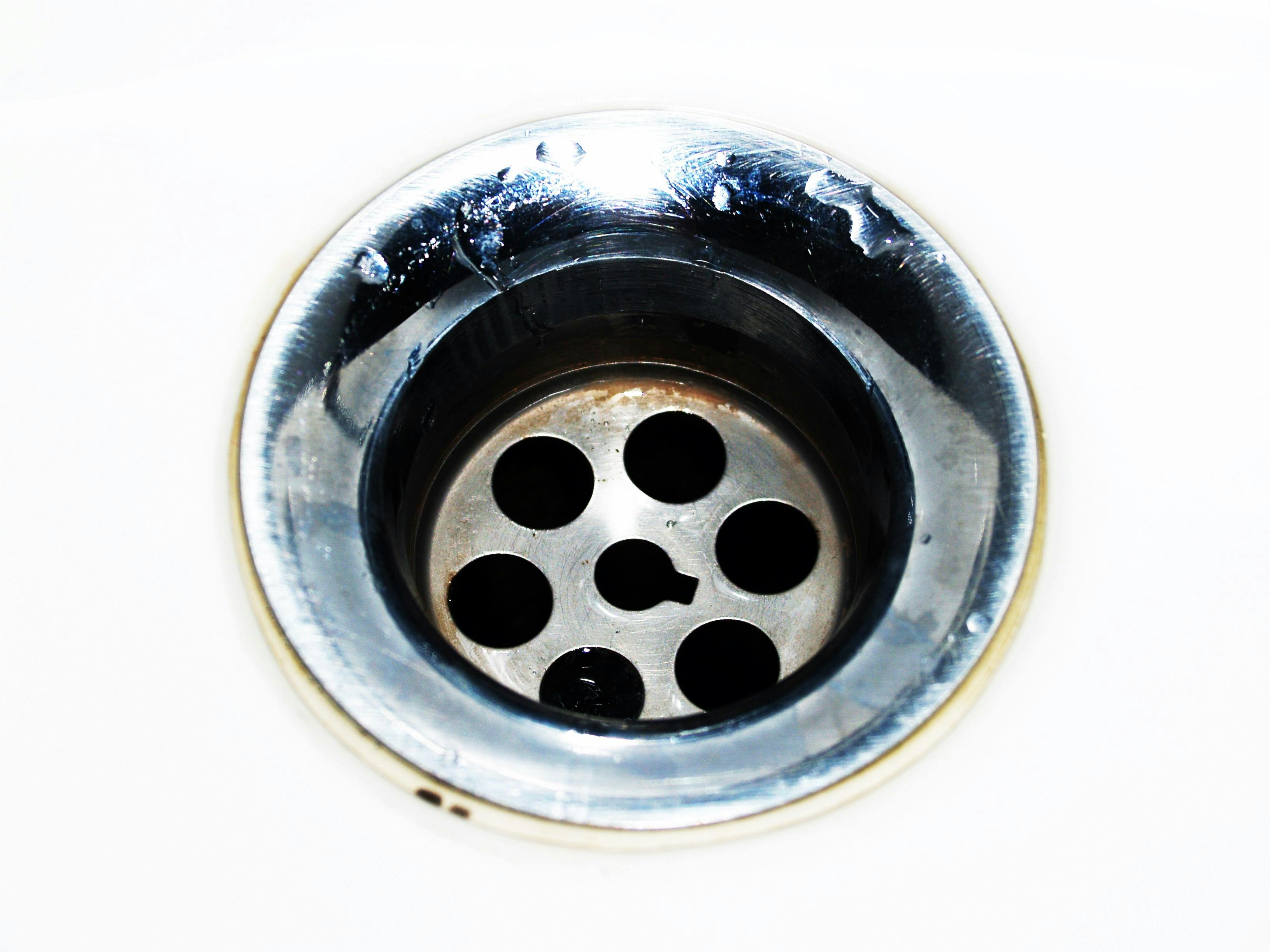
The organic film that builds up inside a sink drain is exactly what a female fruit fly needs to lay a clutch of eggs. Within hours, those eggs hatch into larvae that feast on the residue, mature, and emerge as buzzing adults. The photo above illustrates a typical drain environment where unseen food particles accumulate, making it a prime nursery.
Step‑by‑Step Drain Deep‑Clean
- Remove visible debris – use a flexible brush or an old toothbrush to scrape away gunk from the trap.
- Boiling water flush – carefully pour 2‑3 liters of boiling water down the drain to melt grease and dislodge particles.
- Baking‑soda and vinegar reaction – sprinkle ½ cup of baking soda, follow with 1 cup of white vinegar, let it fizz for 10‑15 minutes.
- Second hot‑water rinse – pour another kettle of boiling water to wash away the loosened residue.
- Enzyme cleaner finish – apply a commercial enzyme drain cleaner according to the label; it breaks down any remaining organic film without harming pipes.
Smart Fruit Storage Practices
Keeping fruit flies away starts with denying them a food source.
- Store ripe produce in the refrigerator whenever possible.
- Use airtight containers or resealable bags for cut fruit.
- Inspect fruit daily; discard any that are bruised or overripe.
- Place a small bowl of vinegar‑water with a drop of dish soap near the fruit area – it acts as a trap for any stray flies.
Effective Waste Management
- Seal trash bags tightly and change them before they become overloaded.
- Rinse and scrub recycling bins weekly; a quick spray of diluted bleach helps eliminate residues.
- Position outdoor trash cans at least 3 feet away from exterior doors and windows.
- Consider a foot‑pedal‑operated trash can inside the kitchen to minimize hand contact.
Seal the Gaps, Block the Entry
Even the cleanest kitchen can’t stop fruit flies if they find a crack to slip through. Walk the perimeter of each room and:
- Apply silicone caulk to gaps around baseboards, window frames, and door thresholds.
- Install fine‑mesh screens on all operable windows, vents, and dryer exhausts.
- Check for damaged weather‑stripping and replace it promptly.
- Use expandable foam for larger openings around plumbing penetrations.
Seasonal Boost: Summer‑Time Cleaning Routine
Warm weather accelerates fruit fly life cycles, so increase your vigilance from late spring through early fall. Add a quick 5‑minute drain flush with boiling water twice a week, rotate fruit stock more frequently, and schedule a deeper kitchen wipe‑down every weekend. By staying ahead of the seasonal surge, you protect your home from a re‑infestation before it even starts.
Effective Treatment Options for Fruit Flies
What a successful treatment looks like
When you tackle a fruit‑fly problem, the goal is three‑fold: eliminate every adult fly buzzing around your kitchen, destroy the hidden eggs and larvae that are the next generation, and put barriers in place so the insects don’t return. Achieving all three targets stops the rapid life cycle that can turn a few stray flies into a full‑blown infestation within days.
DIY methods that work
Many homeowners can get a solid reduction in fruit‑fly numbers with simple, low‑cost tools. Below are the most reliable do‑it‑yourself options and how they function.
- Homemade vinegar trap: Fill a small jar with apple cider vinegar, add a few drops of dish soap, and cover the opening with plastic wrap punched with tiny holes. The sweet scent lures adults, while the soap breaks surface tension so they can’t escape.
- Commercial sticky traps: These are pre‑treated cards coated with a non‑toxic adhesive. Place them near fruit bowls, trash cans, or drain openings. Flies become stuck on contact, giving you a visual gauge of population density.
- Residual kitchen‑safe sprays: Look for EPA‑approved aerosols labeled for indoor use on food‑preparation surfaces. These create a thin, invisible film that kills flies on contact and can interrupt the egg‑laying cycle for up to two weeks.
Professional treatment options
If the infestation is moderate to severe, or if you prefer a hands‑off approach, professional services can deliver faster, longer‑lasting results.
- Targeted bait stations: Technicians place discreet stations that contain an attractant mixed with a low‑dose insecticide. Flies feed, carry the toxin back to breeding sites, and the colony collapses from within.
- Residual perimeter sprays: A licensed applicator treats baseboards, cabinet interiors, and window sills with a professional‑grade formulation. The spray remains active for weeks, preventing new adults from establishing footholds.
- Heat treatment for cabinets: In heavily infested cupboards, technicians raise the temperature to 120‑130°F for a short period. This kills eggs, larvae, and pupae hidden in cracks and crevices without chemicals.
How Anthem Pest Control customizes your plan
Anthem begins every fruit‑fly engagement with a thorough inspection. Our technicians locate breeding hotspots—often the hidden drains, overripe produce, or even damp mop buckets—then design a treatment package that blends the most effective methods for your home’s layout. Whether you need a single bait‑station setup, a full residual spray program, or a combination that includes heat treatment, Anthem tailors the approach to eradicate the current population and block future incursions.
Safety first: choosing pet‑ and child‑friendly products
All EPA‑approved products used by Anthem meet strict safety standards for indoor use. For DIY fans, select sprays that carry the “Safe for Kitchen Use” label and keep them away from food preparation surfaces until they dry. Many sticky traps and bait stations are non‑toxic to mammals, making them ideal for homes with curious children or pets.
How often should you treat?
A single, well‑executed treatment often suffices for a light infestation. However, in high‑risk environments—such as homes with frequent fruit deliveries, indoor potted plants, or open compost bins—quarterly maintenance helps keep the fly population below the threshold where they become noticeable. Seasonal spikes in late summer and early fall are prime times to schedule a preventive visit.
When it’s time to call a professional
If you’ve been using DIY traps for two weeks and still see adult flies, or if you discover larvae crawling inside wall voids, it’s a clear sign that the problem has moved beyond surface control. Large outdoor fruit trees that constantly drop ripe fruit can also act as a reservoir, feeding indoor infestations. In any of these scenarios, a prompt call to Anthem Pest Control (877‑371‑8196) ensures you get a fast, thorough solution before the flies multiply again.
Comparing Pricing Packages
At Anthem Pest Control we stand by a transparent‑pricing philosophy: what you see is what you pay. No hidden service fees, no surprise add‑ons. This approach lets homeowners compare options side‑by‑side and choose the level of protection that fits their budget and risk profile.
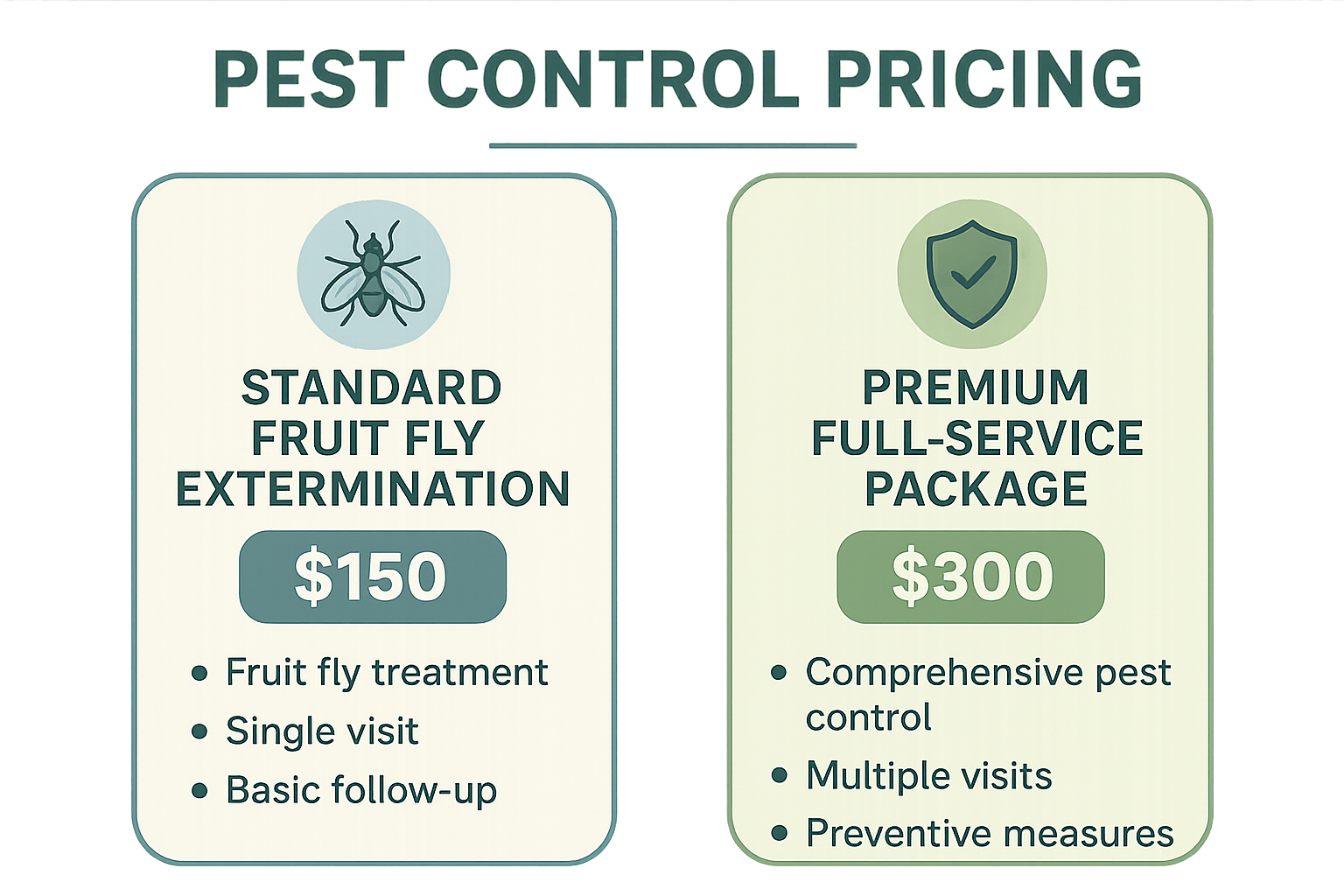
Side‑by‑Side Package Comparison
| Feature | Standard Fruit Fly Extermination | Premium Full‑Service Package |
|---|---|---|
| Initial Inspection | Basic visual check | Comprehensive inspection with detailed report |
| Treatment Visits | Single‑visit treatment | Multi‑visit treatment (3‑5 visits) |
| Bait Stations | Standard bait stations (up to 5) | Premium bait stations (up to 10) + indoor/outdoor barrier |
| Guarantee | 30‑day satisfaction guarantee | 12‑month guarantee with unlimited follow‑up visits |
| Seasonal Monitoring | Not included | Quarterly monitoring and adjustment |
| Price Range | $120 – $180 | $350 – $480 |
Standard Fruit Fly Extermination
The standard package is ideal for homeowners who notice a brief spike in fruit flies and need a quick, effective fix. It includes a single professional visit, placement of up to five bait stations, and a 30‑day guarantee that covers any re‑infestation during that period. Because the treatment is a one‑time event, the price stays modest, typically ranging from $120 to $180.
Premium Full‑Service Package
For households located near farms, orchards, or waste‑disposal areas—where fruit flies can return season after season—the premium package offers lasting peace of mind. It starts with a thorough inspection, followed by multiple treatment visits, a full indoor/outdoor barrier, and seasonal monitoring. Unlimited follow‑up visits are covered for an entire year, and the price reflects that comprehensive coverage, ranging from $350 to $480.
Cost‑Benefit Analysis
While the premium plan carries a higher upfront cost, it often saves money in the long run for high‑risk homes. A single‑visit treatment may need to be repeated every few months, quickly adding up to the cost of the premium package. Additionally, the unlimited follow‑up visits prevent hidden expenses such as emergency call‑outs, making the premium option the smarter investment for households that experience recurring fruit‑fly pressure.
Current Promotions
New customers who schedule a service this month receive a 10 % discount on the premium package and a complimentary indoor inspection with the standard package. The offer is limited to the first 50 bookings, so act quickly.
Request Your Free Quote
Ready to protect your kitchen and enjoy a fruit‑fly‑free home? Request a free, no‑obligation quote today or call us at 877‑371‑8196. Choose the package that matches your needs, and let Anthem handle the rest.
Seasonal Activity Trends in Peachtree City
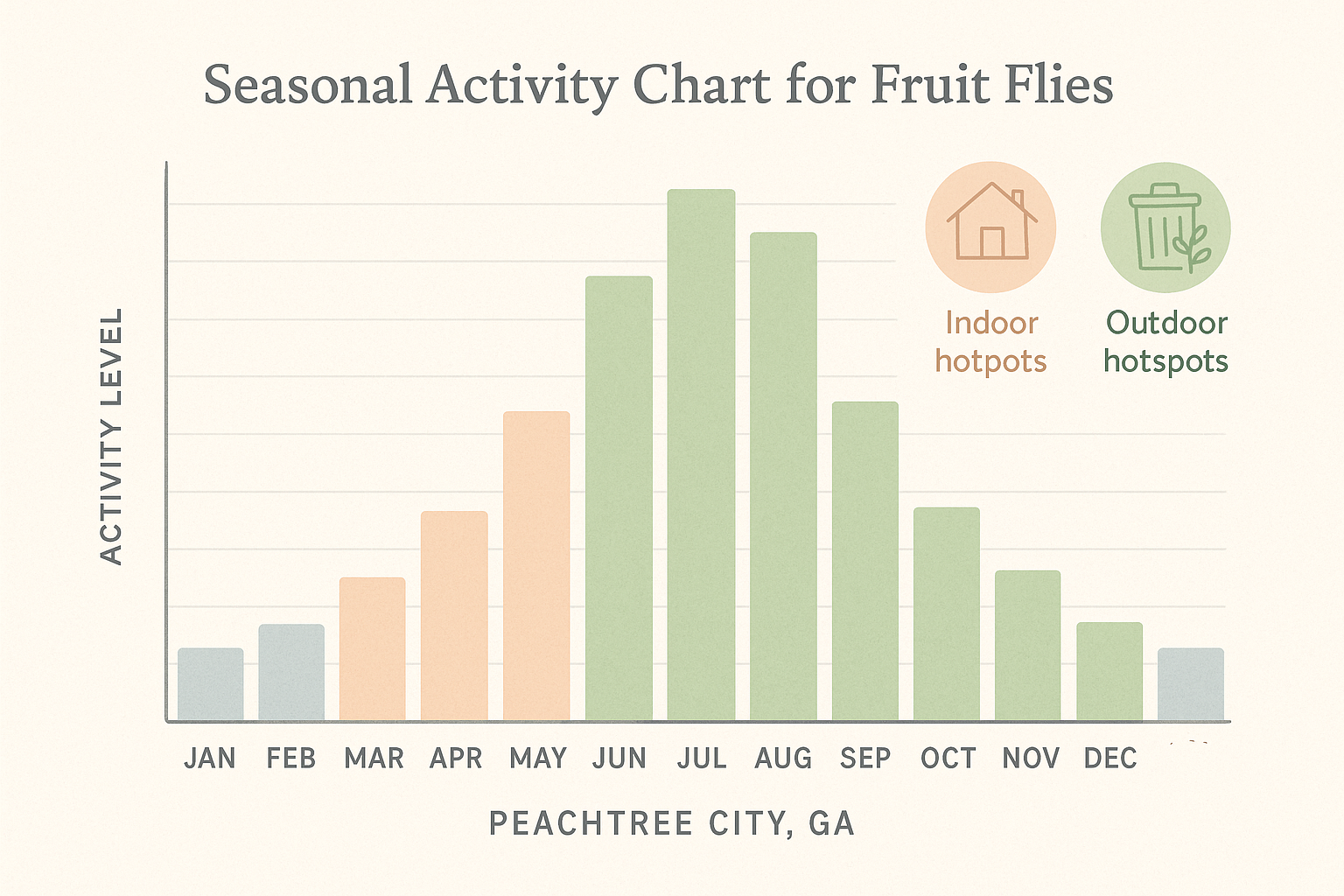
Fruit flies are highly sensitive to the climate around them. Warm temperatures accelerate their life cycle, while higher humidity creates the moist environments they love for laying eggs. When the air cools or dries out, development slows and adult activity drops. This natural rhythm means that each month brings a predictable shift in how many flies you’ll see buzzing around your kitchen or garden.
Reading the infographic
The chart paints a clear picture for Peachtree City homeowners. From December through February, activity is almost negligible—cold nights and crisp mornings keep the flies dormant. Come March, the first rise appears as daytime highs climb above 65°F, and you’ll notice a modest uptick in indoor sightings. By June, the curve peaks sharply, staying high through August when both temperature and humidity are at their summer apex. September marks the beginning of a steady decline, and by November the numbers have dropped back to winter‑low levels.
Indoor vs. outdoor hotspots by month
- January–February: Minimal activity everywhere; focus on sealing entry points.
- March–May: Indoor kitchens become the first hotspot as flies seek warm, food‑rich environments.
- June: Outdoor fruit trees and berry bushes start attracting large numbers, especially in sun‑exposed neighborhoods.
- July: Kitchen activity spikes again, coinciding with summer picnics and open‑window ventilation.
- August: Garden fruit trees hit peak attraction; outdoor traps are most effective now.
- September–October: Both indoor and outdoor numbers taper, but lingering fruit on trees can still draw flies.
Seasonal action plan
Spring (Mar–May): Perform a deep clean of all food‑storage areas. Dispose of overripe produce, wipe down countertops, and seal trash cans. This reduces the early indoor draw and prepares your home for the summer surge.
Summer (Jun–Aug): Schedule a barrier treatment around the exterior of your home, focusing on doorways, window screens, and the perimeter of fruit‑bearing trees. Deploy outdoor traps near garden beds and use indoor bait stations in kitchens to intercept the July spike.
Fall (Sep–Nov): Conduct a thorough inspection before the cooler months set in. Remove fallen fruit from lawns, prune trees to improve airflow, and reinforce screens. A final preventive spray can keep any lingering flies at bay as temperatures dip.
Why Anthem’s local expertise matters
Peachtree City’s micro‑climates—think shaded cul‑de‑sacs versus sun‑baked parkways—create subtle differences in fly hotspots. Anthem’s technicians map these nuances month by month, allowing us to target treatments exactly where they’re needed most. Trust our neighborhood‑specific knowledge to keep your home comfortable year‑round, no matter how the seasons change.
Protect Your Home with Anthem Pest Control
When it comes to fruit flies, the battle starts with solid knowledge. Here’s a quick refresher on the five pillars we covered:
- Identification: Spotting the tell‑tale signs—tiny hovering insects, fruit‑scented odors, and breeding sites in overripe produce or drains.
- Prevention: Keeping kitchens clean, sealing entry points, and managing waste to deny flies a foothold.
- Treatment: Targeted, low‑toxicity sprays and traps that eliminate adults and disrupt the life cycle.
- Pricing: Transparent, flat‑rate packages that let you budget without surprise fees.
- Seasonal Timing: Acting during peak summer activity for maximum impact, while staying vigilant year‑round.
Rest assured, fruit fly infestations are not a permanent fixture in your home. With the right combination of identification, prevention, and treatment, the problem can be eradicated quickly and stay that way.
Anthem Pest Control delivers solutions that are safe for families and pets, highly effective against stubborn flies, and affordable for any household budget. Our pricing is clear from the first call, and every service is backed by a 30‑day guarantee—if the flies return, we’ll re‑treat at no extra cost.
Ready to put an end to the buzzing? Schedule a free, no‑obligation inspection so our certified technicians can assess your specific situation and recommend a tailored plan. Call us today at 877‑371‑8196 or visit Anthem Pest Control for a quick quote. Your home deserves the peace of mind that comes with professional, trustworthy pest protection.