Identifying Common Spiders in Decatur, GA
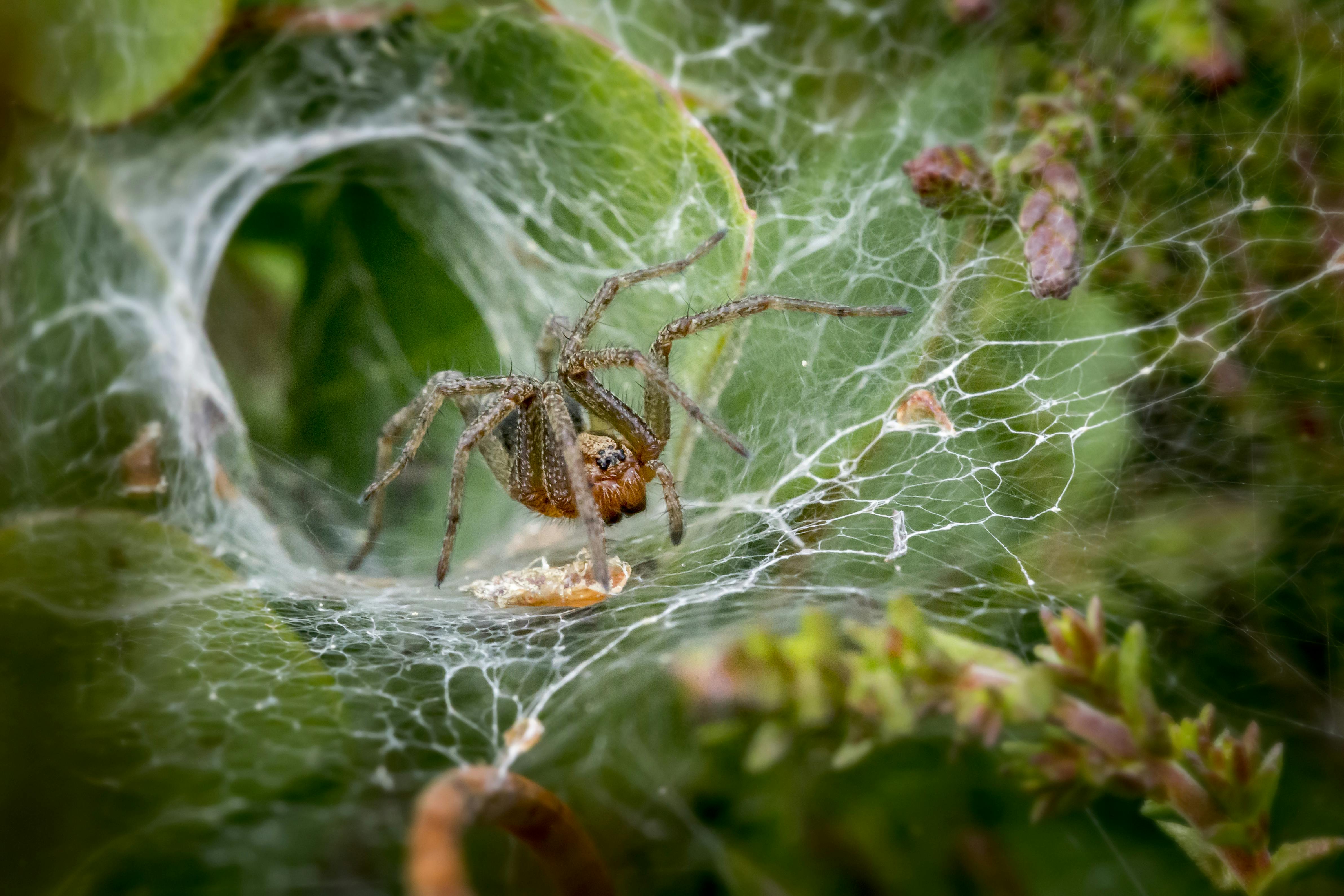
Black Widow (Latrodectus mactans)
The female black widow is instantly recognizable by its glossy black body and the iconic red hour‑glass shape on the underside of the abdomen. Adults range from 1.5 to 2 inches (including legs). In Decatur, they favor dark, undisturbed areas such as wood piles, garage corners, and under eaves. Their webs are irregular, sticky, and often appear as a tangle of silk near the shelter.
Brown Recluse (Loxosceles reclusa)
A brown recluse is typically uniformly brown with a slightly darker violin‑shaped marking on the dorsal side of the cephalothorax. They measure about ¼ to ½ inch in body length, but their legs can make them look larger. These spiders hide in secluded spots—basements, closets, or behind stored boxes—where they can stay motionless for long periods. Their webs are flat, sheet‑like, and often go unnoticed.
House Spider (Parasteatoda tepidariorum)
The common house spider is small (about ½ inch total length), light‑brown to tan, and builds classic circular webs in corners, window frames, and ceiling edges. Unlike the widow or recluse, they are harmless to humans and actually consume flies and other small insects, providing a natural form of pest control.
Key Visual Cues at a Glance
- Size: Black widow (1.5–2 in), brown recluse (¼–½ in), house spider (≈½ in).
- Coloration: Widow – glossy black with red hour‑glass; Recluse – uniform brown with violin mark; House spider – light brown/tan.
- Web type: Widow – irregular sticky tangle; Recluse – flat sheet; House spider – circular orb.
- Typical hiding spots: Widow – wood piles, garages; Recluse – basements, closets; House spider – indoor corners and window frames.
Safely Capturing a Specimen for Identification
If you need a professional to confirm the species, follow these steps to protect yourself and preserve the spider:
- Wear thick gloves and, if possible, a long‑sleeve shirt.
- Place a clear container (like a small jar) over the spider without crushing it.
- Slide a stiff piece of cardboard under the container to seal the specimen inside.
- Label the container with the location and date of capture.
- Contact Anthem Pest Control at 877‑371‑8196 or use the website to arrange a safe removal.
When handling any pesticide or trap, always read the label and follow safety guidelines. For detailed pesticide safety information, refer to the EPA Pesticides resource.
When Spiders Become a Threat – Warning Signs and Seasonal Activity
Common warning signs
- Increased webbing in corners, under furniture, or around windows.
- Bite incidents that cause unusual pain, swelling, or a “pin‑prick” sensation.
- Egg sacs spotted in hidden places such as basements, crawl spaces, or attic corners.
- Nocturnal activity near exterior lights—clusters of spiders gathering around porch lamps after dusk.
Normal indoor spiders vs. an emerging infestation
Most house spiders (Pholcidae and common Theridiidae) are solitary hunters that build a single web and stay put. If you notice a handful of webs scattered throughout the home, that’s typical. An infestation, however, shows a pattern: multiple webs in the same room, clusters of egg sacs, and frequent sightings of the same species in different locations. When the same spider type appears in your kitchen, bedroom, and garage within a few weeks, it signals that a breeding population has taken root.
Seasonal activity in Decatur, GA
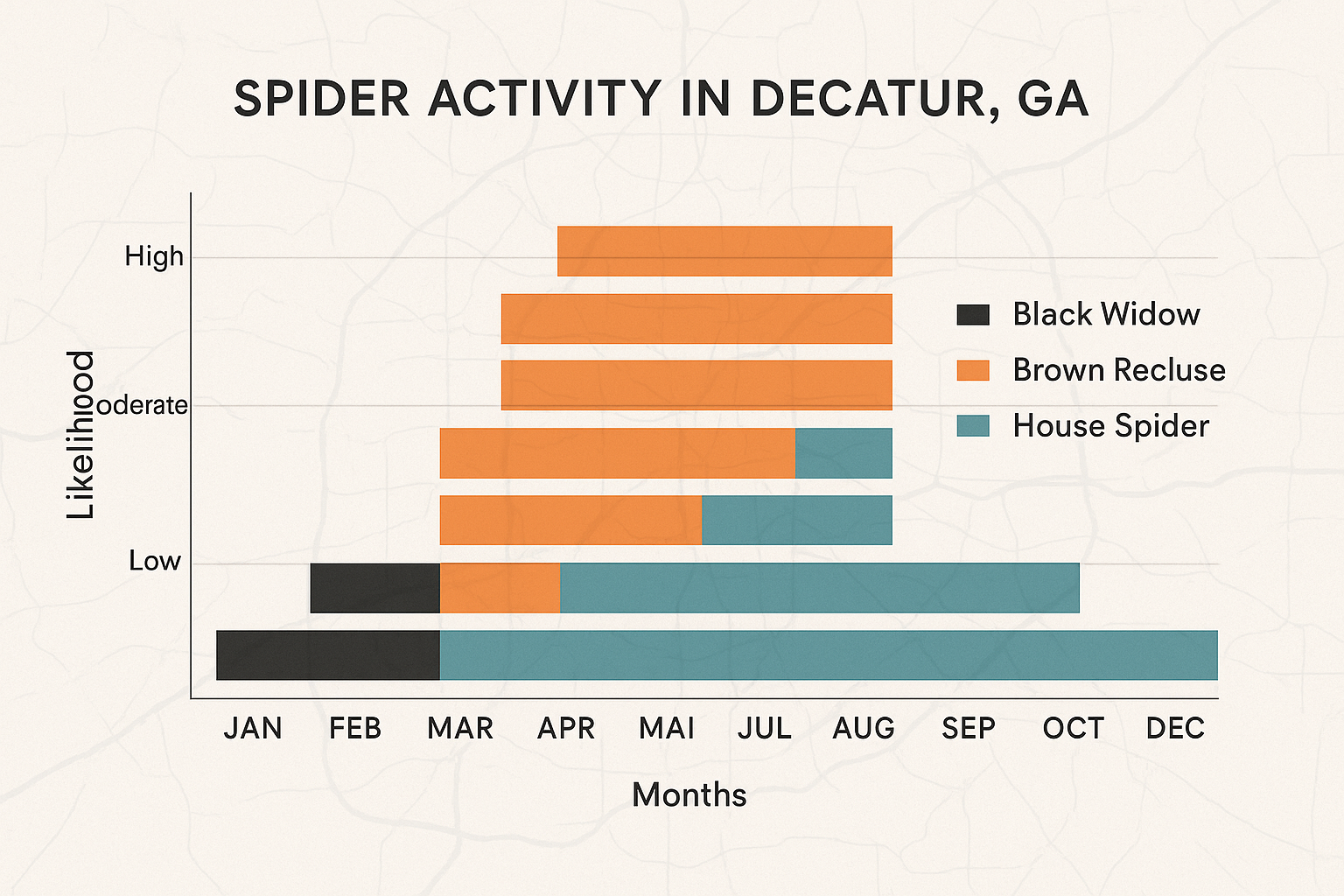
The chart below outlines the typical activity levels for the three most concerning spiders in our area:
| Month | Black Widow | Brown Recluse | House Spider |
|---|---|---|---|
| January | Low | Low | Low |
| February | Low | Low | Low |
| March | Low | Low | Moderate |
| April | Low | Low | Moderate |
| May | Moderate | Low | Moderate |
| June | Moderate | Low | High |
| July | High | Low | High |
| August | High | Moderate | High |
| September | High | Moderate | High |
| October | Moderate | High | Moderate |
| November | Low | Low | Low |
| December | Low | Low | Low |
Why activity spikes in late summer and early fall
Warmer temperatures accelerate spider metabolism, prompting faster growth and more frequent mating. Both Black Widow and Brown Recluse reach peak reproductive periods between July and September, laying egg sacs that hatch in the cooler months. House spiders, while less dangerous, also proliferate during this window because indoor humidity rises with summer storms, creating ideal web‑building conditions.
Pre‑emptive inspections before the peak
Schedule a thorough inspection in late May or early June—right before the activity curve climbs. A professional technician will:
- Check crawl spaces, basements, and attic corners for hidden egg sacs.
- Identify entry points around windows, doors, and utility penetrations.
- Assess moisture levels that may attract house spiders.
Addressing these issues early can dramatically reduce the chance of a summer surge.
EPA guidelines on safe pesticide use
When treatment is necessary, follow the EPA’s Integrated Pest Management (IPM) recommendations. Use products labeled for indoor use only, apply them in well‑ventilated areas, and keep children and pets away during and after application. Professional services, like those offered by Anthem Pest Control, adhere to these standards, ensuring effective control while protecting your family’s health.
Treatment Options for Spider Control
When spiders invade your home, a systematic approach works best. Start with a thorough inspection, choose the right treatment—chemical or non‑chemical—and finish with vigilant monitoring. Below is a step‑by‑step guide that balances effectiveness, safety, and the professional standards Anthem Pest Control upholds.
1. Initial Inspection: Find the Source
The first move is a meticulous walk‑through of both interior and exterior zones. Look for:
- Silky nests tucked behind baseboards, in closets, or under eaves.
- Entry points such as gaps around windows, doors, and utility penetrations.
- High‑traffic areas where insects—spider prey—are most abundant, like kitchen corners or outdoor lights.
Mark each location on a simple sketch; this map will guide targeted treatments and prevent wasted effort.
2. Chemical Treatments: Targeted & Low‑Toxicity
When chemicals are needed, choose EPA‑approved products that minimize health risks. Two common methods are:
- Targeted indoor sprays: Apply directly to nests, cracks, and baseboards. Look for formulations labeled “low‑toxicity” or “pet‑safe.”
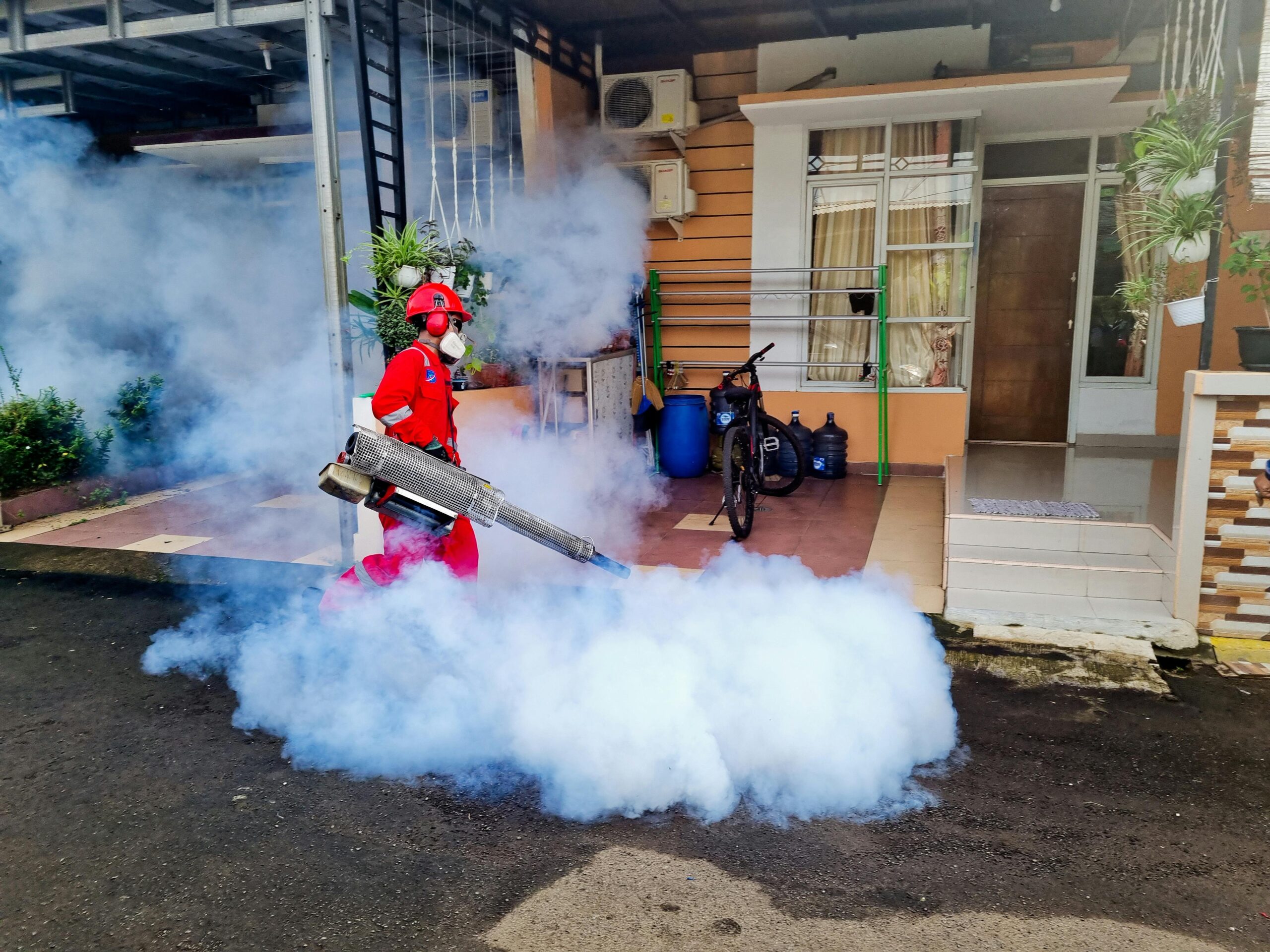
- Perimeter fogging: A fine mist around the home’s foundation creates a protective barrier that deters spiders from crossing onto the property.
Always follow label directions, wear gloves, and ventilate the area after application. If you have children or pets, schedule treatments for times when the home is empty.
3. Non‑Chemical Approaches: Reduce the Habitat
Spiders thrive where their prey hide. Simple, chemical‑free steps can dramatically cut their numbers:
- De‑clutter storage spaces; piles of cardboard and clothes provide perfect hideouts.
- Seal cracks and gaps with caulk or weather‑stripping to block entry.
- Trim vegetation away from the house and dim outdoor lighting, which attracts insects.
- Place sticky traps in corners, under appliances, and along baseboards to catch wandering spiders.
4. Professional Indoor Application
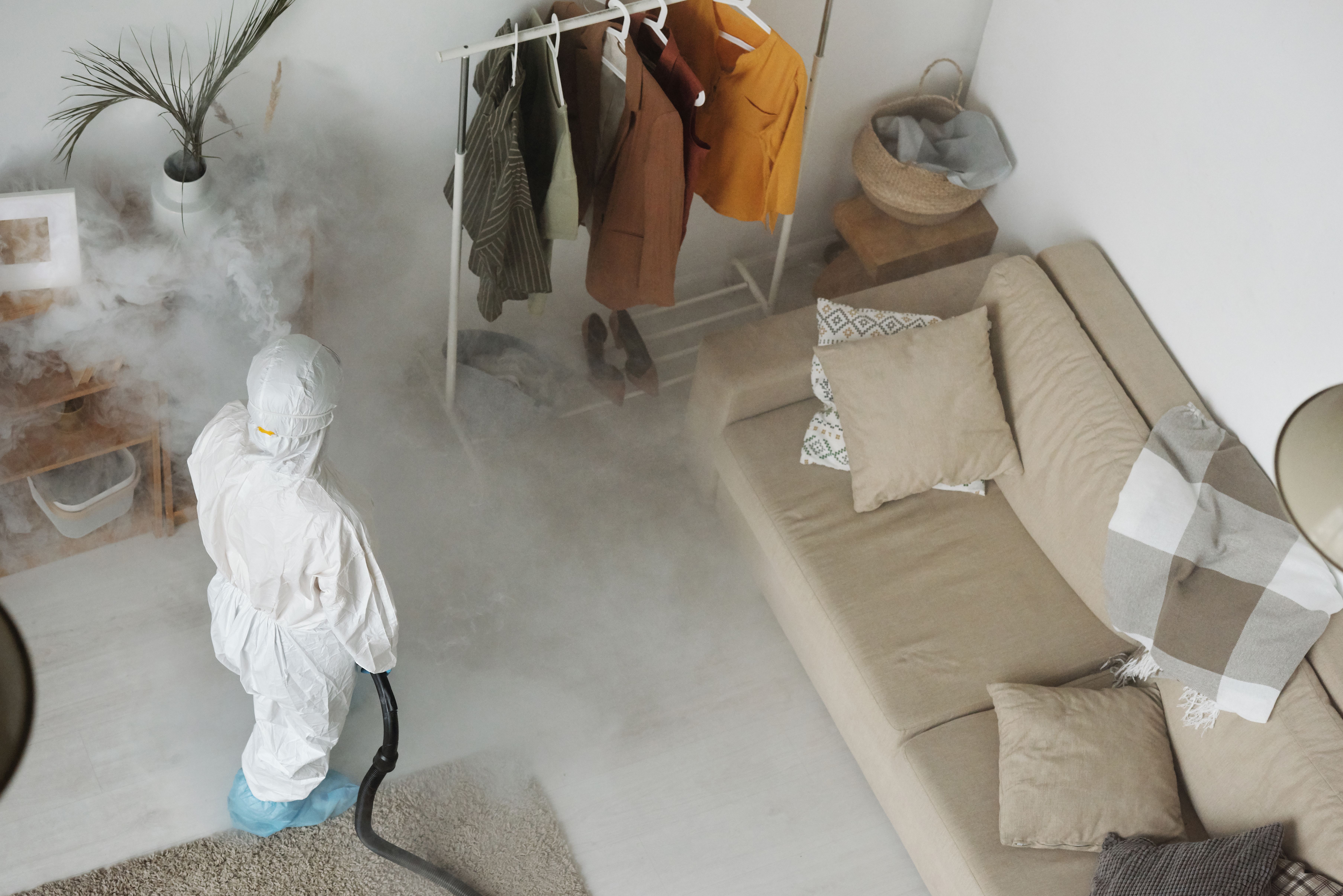
A certified Anthem technician arrives in full protective gear, uses a calibrated hand‑held sprayer, and applies a focused, low‑toxicity solution directly to identified nests and entry points. The process is quick, contained, and backed by a guarantee that the treatment meets state‑approved safety standards.
5. DIY Considerations vs. Hiring a Licensed Service
| Option | Cost | Effectiveness | Safety | Best For |
|---|---|---|---|---|
| DIY (sprays, traps, sealing) | Low – $50‑$150 | Moderate; depends on thoroughness | Higher risk if chemicals are misused | Minor infestations, budget‑conscious homeowners |
| Professional (licensed technician) | Medium – $250‑$500 | High; includes inspection, targeted treatment, and follow‑up | Lowest; technicians follow EPA guidelines and wear protection | Severe infestations, families with children/pets, peace of mind |
If the spider presence is limited to a few corners, a DIY approach can work—provided you follow label directions and wear protective gloves. For larger colonies, hidden nests, or when you’re unsure about product safety, hiring a licensed pest‑control professional saves time and reduces health risks.
6. Post‑Treatment Monitoring & Follow‑Up Visits
After any treatment, keep an eye on the previously identified hotspots. Use sticky traps for two weeks to gauge activity. If you still see spiders or notice new nests, contact Anthem within 48 hours. Our technicians will perform a follow‑up visit, re‑apply treatment if needed, and advise on long‑term prevention measures such as seasonal exterior sprays and regular home maintenance checks.
Pricing and Service Packages for Emergency Spider Control
Basic Tier – Quick Relief
The Basic package is designed for homeowners who need an immediate, one‑time fix. It includes a thorough on‑site inspection followed by a single, targeted spray that tackles visible spiders and their webs. We guarantee a response within 48 hours of your call. Pricing typically falls between $149 – $199, depending on square footage and severity of the infestation.
Standard Tier – Ongoing Defense
The Standard tier steps up the protection with a comprehensive inspection, two follow‑up treatments, and basic exclusion work (sealing cracks and entry points). This package promises a faster 24‑hour response and is ideal for families who want to keep spiders at bay without committing to a full‑year plan. Expect costs in the $259 – $329 range.
Premium Tier – Full‑Service Assurance
Our Premium offering is the ultimate peace‑of‑mind solution. It features an in‑depth inspection, unlimited follow‑up treatments for a full 12 months, and extensive exclusion measures covering vents, doors, and foundation gaps. With a priority 12‑hour response, this tier ensures you’re never left waiting during a spider emergency. Pricing is transparent at $449 – $549, reflecting the year‑long coverage and rapid service.
Package Comparison
| Tier | Response Time | Services Included | Price Range |
|---|---|---|---|
| Basic | Within 48 hours | Inspection + one‑time spray | $149 – $199 |
| Standard | Within 24 hours | Inspection, two follow‑ups, basic exclusion | $259 – $329 |
| Premium | Within 12 hours (priority) | Inspection, unlimited follow‑ups (12 mo), full exclusion | $449 – $549 |
All three packages are backed by Anthem Pest Control’s no‑hidden‑fees policy. What you see is what you pay—no surprise add‑ons after the work is done. Additionally, each plan carries our satisfaction guarantee: if you’re not completely happy with the results, we’ll re‑treat at no extra cost.
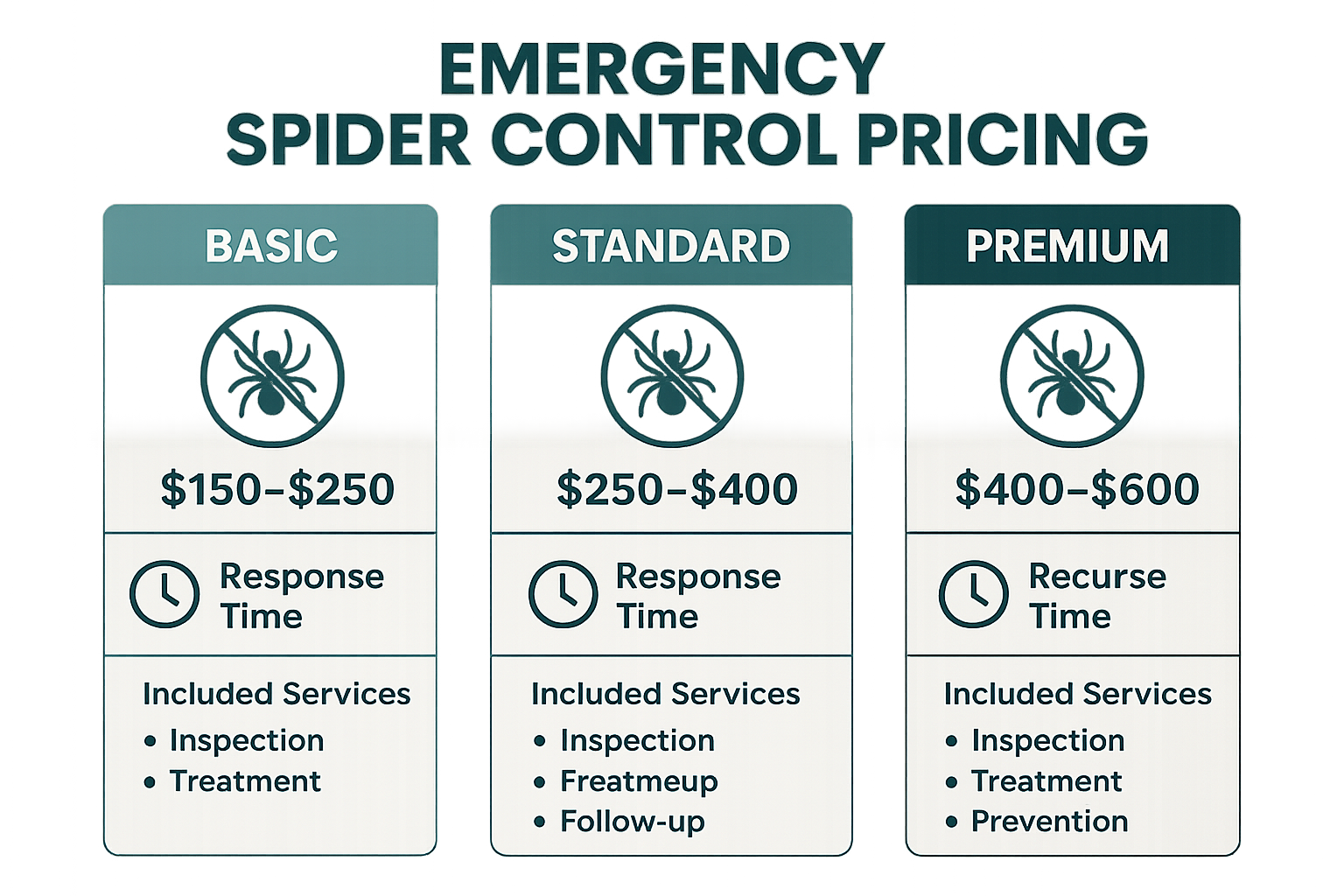
Choosing the right tier depends on how quickly you need help, how extensive the spider activity is, and whether you prefer a short‑term fix or a year‑long shield. Review the table, match the services to your situation, and call Anthem Pest Control at 877‑371‑8196 to lock in the package that fits your home and budget.
Protect Your Home with Anthem Pest Control Today
When a spider invasion threatens your Decatur home, the best defense starts with knowledge. You’ve learned how to spot the most common culprits, understand the seasonal spikes that bring them indoors, weigh the pros and cons of DIY sprays versus professional treatments, and appreciate our transparent, upfront pricing.
- Identification: Recognize venomous versus harmless species.
- Seasonal risks: Early summer and fall are peak periods.
- Treatment options: Targeted spot‑treatments, perimeter barriers, and interior sprays.
- Transparent pricing: No hidden fees, clear estimates before work begins.
Act now, before the next wave of spider activity reaches its height. A swift professional response not only removes the current infestation but also creates a lasting barrier, giving you the peace of mind you deserve while you relax at home.
At Anthem Pest Control, our certified technicians rely on EPA‑approved products and proven methods to safeguard your family from dangerous spiders. We pride ourselves on clear, upfront pricing, rapid response times, and a satisfaction guarantee that means we don’t consider the job done until you’re completely comfortable.
Ready to protect your home? Call us today at 877‑371‑8196 for a free, no‑obligation quote. Our friendly team will assess your situation, outline a customized plan, and schedule treatment at a time that works for you.
The sooner you act, the easier it is to prevent a full‑scale infestation and avoid costly repairs later.
Your home’s safety is our top priority.