Why House Spiders Matter to Homeowners
When you spot a spider lurking in a corner or weaving a web behind a cupboard, it’s easy to dismiss it as a harmless guest. In reality, the most common house spiders across the United States—such as the American house spider (Parasteatoda tepidariorum), the long-legged cellar spider, the agile wolf spider, and the familiar brown recluse in certain regions—can signal underlying issues that deserve a homeowner’s attention and may require a professional spider exterminator Decatur residents can rely on for safe, effective control.
Potential Risks Beyond the Bite
Most spiders are shy and will retreat when disturbed, but a few concerns make them more than just a visual nuisance:
- Bites and allergic reactions: While the majority of house spider bites cause only mild irritation, species like the brown recluse or the black widow can deliver venom that leads to severe pain, necrotic lesions, or systemic reactions in sensitive individuals.
- Psychological discomfort: Even non‑venomous spiders can trigger arachnophobia, anxiety, or sleeplessness—especially when webs appear in bedrooms or high‑traffic areas.
- Health‑related myths: Misconceptions about spiders spreading disease persist, and although spiders are not disease vectors, the fear they generate can affect a family’s sense of safety.
Spiders as Early Warning Indicators
Spiders are natural predators, and their presence often reflects the abundance of other insects in your home. A sudden surge of cellar spiders, for example, usually points to an increase in flies, silverfish, or other small arthropods that provide a steady food source. Similarly, wolf spiders thrive where there are plentiful ground‑dwelling insects like ants or beetles. In this way, a spider “infestation” can be a red flag that your home’s overall pest management is slipping, and it may precede more damaging invasions such as cockroaches or termites.
CDC Guidance on Spider Safety
The Centers for Disease Control and Prevention (CDC) offers clear, science‑based recommendations for dealing with spiders safely. Their guidance emphasizes:
“Avoid handling spiders directly. Use a container and a piece of paper to relocate them outdoors, and seek medical attention promptly if you experience a painful bite, spreading redness, or systemic symptoms.”
Following CDC advice not only reduces the risk of bites but also helps you make informed decisions about when professional intervention is warranted.
Understanding the role of house spiders—both as potential hazards and as indicators of broader pest activity—empowers you to act before a minor inconvenience escalates into a costly problem. At Anthem Pest Control, we combine this knowledge with safe, effective treatments to keep your home spider‑free while protecting the overall health of your household.
Spotting a Hidden Spider Infestation
Spiders are masters of stealth. They love the dark, the undisturbed corners, and the places you rarely think to look. Recognizing the subtle signs of their presence early can save you a lot of stress—and prevent a full‑blown infestation.
Visual clues you can’t ignore
Even the most discreet spider leaves a trace. Look for:
- Silky, irregular webs tucked into ceiling corners, behind refrigerators, or under the sink.
- Fine, tangled strands in dark crevices such as baseboard gaps, attic rafters, or the space behind wall hangings.
- Clusters of tiny, dew‑like droplets on windowsills—often a sign that spiders are hunting flying insects.
Physical signs that reveal a hidden colony
Spiders shed their exoskeletons as they grow, and they protect their offspring in conspicuous egg sacs. Keep an eye out for:
- Shed skins (transparent, paper‑like shells) scattered near webs or in corners.
- Silvery or brown egg sacs, usually attached to the underside of furniture, in closets, or tucked behind appliances.
- Unexplained bite marks—small, red punctures that may itch or cause mild swelling, especially if you notice them after a night of restless sleep.
Behavioral clues that hint at a spider problem
Spiders follow the food chain. If you notice a sudden surge in other insects—such as flies, moths, or pantry pests—spiders are likely moving in to feast. An increase in nocturnal “buzzing” or the occasional sight of a quick, darting shadow on the wall can also be a giveaway.
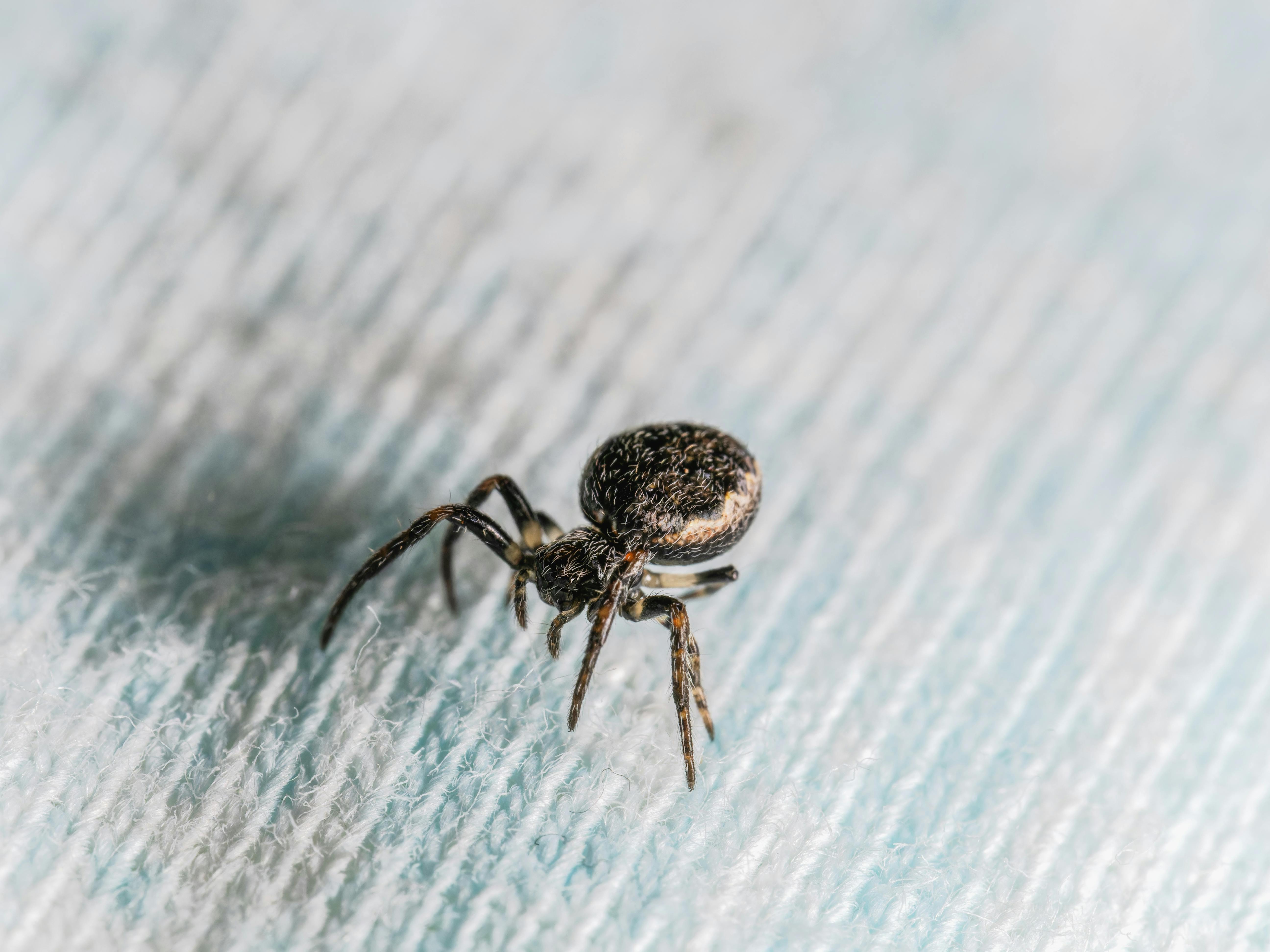
The macro image above shows a typical house spider: eight long legs, a mottled brown‑gray abdomen, and keen eyes that can spot prey from a distance. Knowing what a normal spider looks like helps you differentiate harmless house guests from potentially dangerous species like black widows or brown recluses.
Quick self‑inspection checklist
Grab a flashlight, a step ladder, and a few minutes each week. Use this checklist to stay ahead of a hidden infestation:
- Inspect all ceiling corners and baseboards for fine, uneven webs.
- Slide a flashlight behind appliances, under the sink, and inside the pantry for shed exoskeletons.
- Check ceiling fans, light fixtures, and vent covers for egg sacs.
- Look for increased insect activity—especially flying insects near windows.
- Examine sleeping areas for bite marks or tiny red welts after a night’s rest.
- Record any findings in a simple log; patterns over time can guide a professional treatment plan.
By mastering these visual, physical, and behavioral clues, you’ll catch a spider problem before it spreads. If the checklist reveals multiple red flags, it’s time to call Anthem Pest Control. Our local experts in Decatur, GA can confirm the species, assess the extent of the infestation, and deploy fast, safe treatments that keep your home spider‑free.
When Spiders Are Most Active
Understanding when spiders are most active is the first step toward a proactive defense. In Decatur, GA, spider populations follow a predictable rhythm driven by temperature, humidity, and the natural life cycle of each species. By aligning your pest‑control schedule with these peaks, you can stop an infestation before it reaches your living spaces.
Life‑Cycle Overview
Most common household spiders—such as the brown recluse, black widow, and house spider—begin their annual cycle as eggs laid in late summer. These eggs hatch in early spring, releasing spiderlings that disperse across your yard and home. The first generation matures quickly, producing a second brood by midsummer. By early fall, the adult population peaks, and females lay a final batch of eggs that overwinter in protected crevices.
Temperature, Humidity, and Breeding
Spiders thrive when daytime highs stay between 70°F and 85°F and relative humidity hovers around 60‑70%. Warm, moist conditions accelerate egg development and increase the success rate of mating flights. A sudden warm spell in late March can trigger an early surge of activity, while a humid summer encourages rapid growth of the second generation.
Indoor Influx and Seasonal Spikes
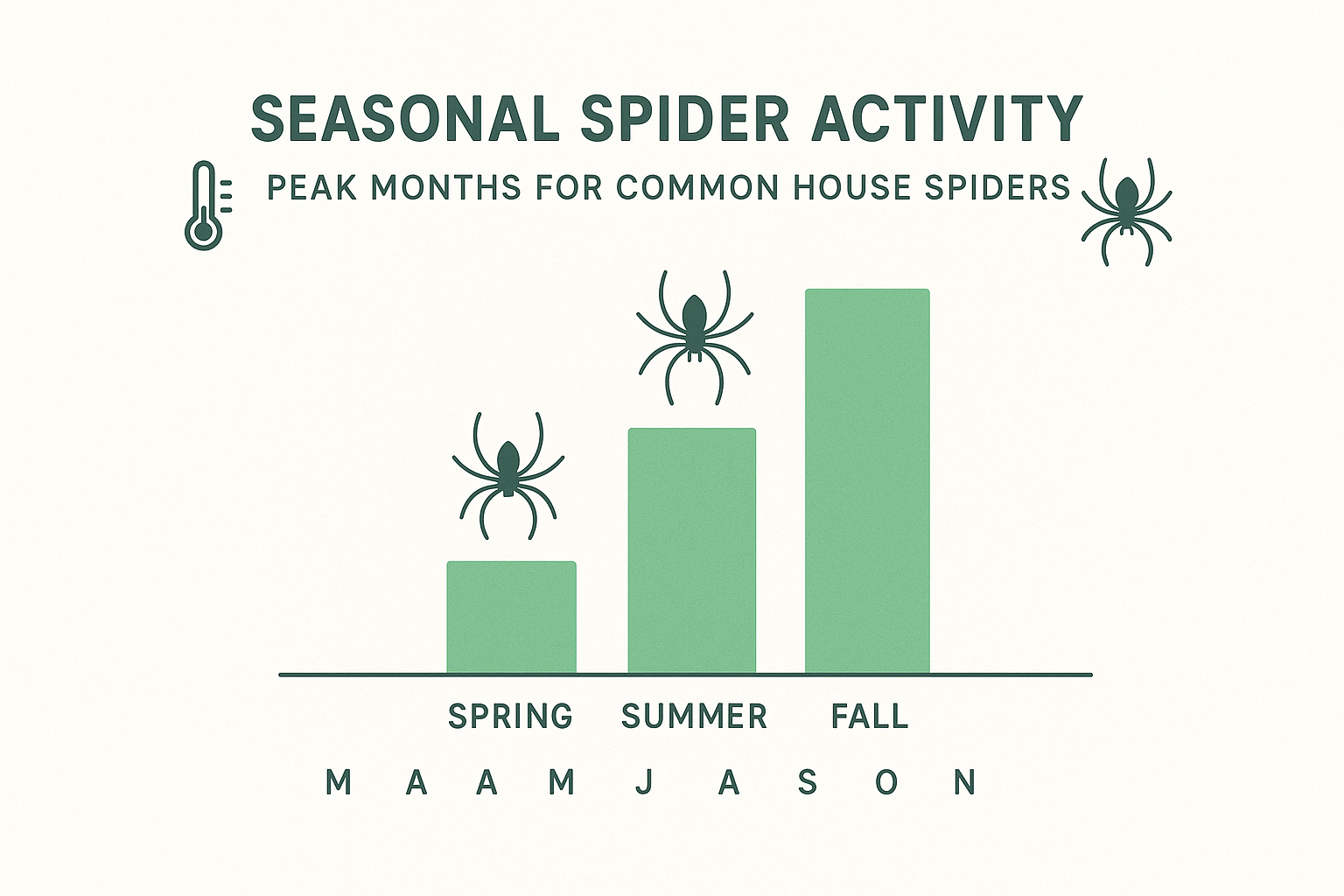
As outdoor populations swell, spiders naturally seek shelter indoors, especially during rainstorms or when outdoor humidity spikes. This is why homeowners often notice a noticeable uptick in sightings during late spring and early fall. The chart below visualizes these seasonal spikes, showing how outdoor abundance directly translates to indoor encounters.
Best Times for Inspection & Treatment
Targeted inspections and treatments are most effective when scheduled just before the peak periods. For Decatur homeowners, working with a professional spider exterminator Decatur experts recommend during these optimal windows helps prevent infestations before spider activity reaches its highest level:
- Mid‑March to early April: Catch the first hatch and prevent spiderlings from establishing indoor routes.
- Late May to early June: Treat before the summer generation expands and seeks refuge inside.
- Early September to mid‑October: Address the fall surge when adults are most aggressive in searching for overwintering sites.
Booking a professional inspection during these windows allows Anthem Pest Control to apply preventive barriers, seal entry points, and, if needed, target interior spaces with low‑toxicity treatments. Acting early not only reduces the number of spiders you’ll see, but also minimizes the chance of bites and the long‑term need for repeated interventions.
Effective Treatment Methods for Spider Control
When spiders invade your Decatur home, the quickest relief comes from a treatment plan that balances efficacy with safety. Whether you call a licensed spider exterminator Decatur homeowners trust or tackle the problem yourself, understanding the available options helps you choose the right approach for your family, pets, and budget.
Professional Approaches
Anthem Pest Control relies on three core tactics that target spiders where they hide and where they enter:
- Targeted sprays: Low‑volume, fast‑acting insecticides are applied directly to corners, baseboards, and other spider hot spots. The formulation is designed to kill on contact while minimizing residue on surfaces you touch.
- Perimeter treatments: A thin, invisible barrier is sprayed around the exterior foundation, doors, and windows. This stops new spiders from crossing the threshold and reduces the chance of future infestations.
- Structural sealing: Technicians inspect cracks, gaps around utility penetrations, and vent openings. Sealing these entry points not only blocks spiders but also cuts off the insects they prey on.

The image above shows a certified technician applying a spray under a kitchen sink—a common spider refuge. Notice the protective gloves and mask; these are standard safety gear that keep both the applicator and your household safe from accidental exposure.
DIY Alternatives
Homeowners often start with low‑cost, do‑it‑yourself methods. While they can reduce spider sightings temporarily, they rarely eliminate the problem on their own.
- Vacuuming: A quick way to remove visible spiders and egg sacs. Empty the bag or container outdoors immediately to prevent re‑release.
- Sticky traps: Place them in corners, behind appliances, and along baseboards. Traps help you monitor activity but won’t stop new spiders from entering.
- Essential oil sprays: A blend of peppermint, tea tree, or citrus oils can repel spiders for a short period. The scent fades quickly, so frequent re‑application is needed.
- Why DIY may fall short: These methods address only the adult spiders you see. They don’t affect hidden nests, webbing, or the insect prey that sustains spider populations.
Addressing the Underlying Insect Prey
Spiders are opportunistic hunters; a thriving insect population—ants, flies, or beetles—creates a buffet that keeps them around. Professional treatments often include a pre‑emptive insect control component, reducing the food source and making your home less attractive to spiders in the long run.
Safety Precautions for Families and Pets
Even the safest residential insecticides require careful handling. Follow these guidelines during and after any chemical treatment:
- Keep children and pets out of treated rooms for at least 2–4 hours, or as directed on the product label.
- Ventilate the area by opening windows and running fans to disperse any lingering vapors.
- Store all pesticide containers out of reach, and never reuse them for household cleaning.
- If you notice skin irritation, eye redness, or unusual pet behavior, contact your technician immediately and seek medical advice.
By combining professional expertise with informed DIY steps—and always prioritizing safety—you can achieve quick, lasting spider control that protects your Decatur home and the people (and pets) who live in it.
Understanding Spider Extermination Pricing
When it comes to spider control, homeowners often wonder why quotes can vary so much. At Anthem Pest Control we believe the best way to build trust is to pull back the curtain on pricing. Below you’ll see the key factors that shape the cost of a spider‑extermination job, the three most popular service plans we offer, and practical tips for deciding which option gives you the most bang for your buck.
What drives the cost?
- Infestation severity: A light sighting usually requires a single spot‑treatment, while a full‑home invasion may need multiple applications and a thorough inspection.
- Treatment type: Conventional sprays, low‑odor foggers, or eco‑friendly baits each have different material and labor expenses.
- Frequency of service: One‑time visits are priced for immediate relief, whereas scheduled maintenance spreads the work (and the cost) over several months, often reducing the per‑visit price.
Three common plans
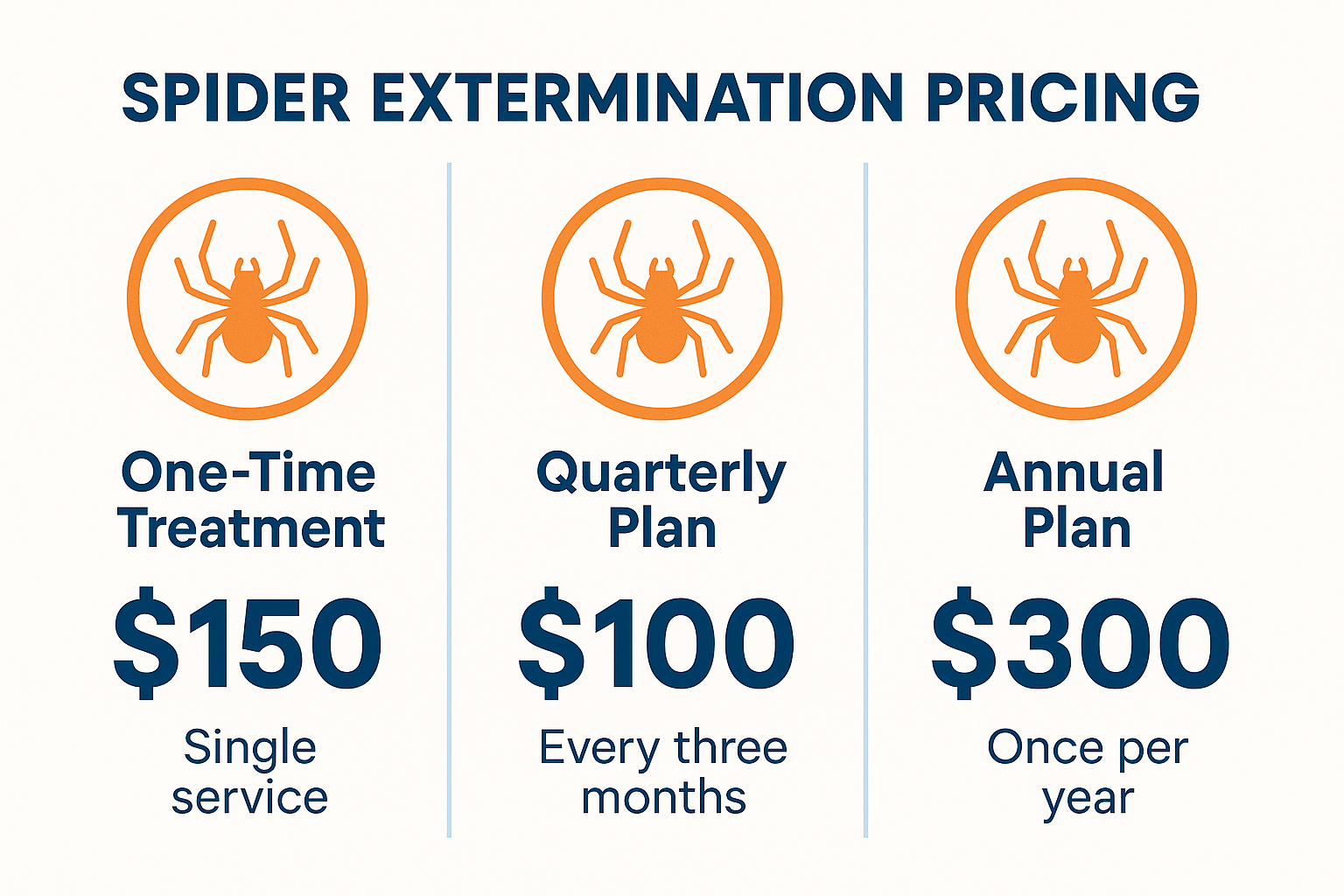
| Plan | Typical Price Range | What’s Included | Best For |
|---|---|---|---|
| One‑Time Treatment | $120 – $180 | Initial inspection, targeted spray, 30‑day guarantee | Homeowners with a single, isolated spider problem |
| Quarterly Maintenance | $350 – $420 per year | Four visits, interior & exterior barrier, ongoing monitoring | Those who want seasonal protection without a long‑term contract |
| Annual Subscription | $480 – $560 per year | Eight visits, priority scheduling, unlimited re‑treatments, pest‑free guarantee | Families seeking continuous, worry‑free protection year‑round |
Evaluating cost‑benefit
Consider the long‑term picture rather than the immediate price tag. A single visit may solve a current sighting, but without follow‑up treatments spiders can return, leading to repeated fees. Quarterly or annual plans spread the expense and often include additional services—such as perimeter barriers—that keep other pests at bay, delivering greater overall value.
Ask yourself:
- Do I live in an area where spiders are active year‑round?
- Am I comfortable handling occasional re‑treatments myself?
- Would a predictable, all‑inclusive bill help me budget better?
By answering these questions, you can match your budget to the plan that offers the right balance of protection and price.
Anthem Pest Control stands behind transparent, affordable pricing. Every quote includes a detailed breakdown so you know exactly what you’re paying for, and our technicians are happy to walk you through each line item before any work begins.
Protect Your Home with Professional Spider Control
We’ve walked through how to spot common household spiders, why the spring‑to‑early‑summer window is critical, and the importance of a thorough, targeted treatment plan. Those three pillars—identification, timing, and proper application—form the backbone of lasting spider relief.
When you choose a licensed pest‑control provider, you’re not just hiring a service; you’re investing in safety, effectiveness, and regulatory compliance. Licensed technicians are trained to follow CDC Spider Safety guidelines, ensuring that chemicals are applied at the right concentrations, in the right locations, and with the proper protective measures for your family and pets. This level of expertise dramatically reduces the risk of accidental exposure and maximizes the chance that the spider population stays under control year after year.
At Anthem Pest Control, we make professional spider management simple and transparent. Our nationwide network means you’ll receive the same high‑quality service whether you live in Decatur, GA, or any other U.S. community. Here’s what sets us apart:
- Transparent pricing – No hidden fees; you’ll know exactly what you’re paying for before any work begins.
- Experienced technicians – All team members are fully certified, regularly trained, and equipped with the latest tools for safe, effective spider control.
- Comprehensive coverage – From interior crack‑and‑crevice treatments to exterior perimeter barriers, we tailor a plan that fits your home’s unique layout.
Ready to take the next step? Contact Anthem Pest Control for a free, no‑obligation quote. Our friendly specialists will assess your home, recommend a customized spider‑control strategy, and answer any questions you may have about safety or timing.
Give us a call today at 877‑371‑8196 or click the link below to start the conversation online. Fast, reliable spider relief is just a phone call or click away.
Visit Anthem Pest Control for more information and to schedule your free quote with a trusted spider exterminator Decatur homeowners rely on. Let us handle the spiders so you can enjoy peace of mind and a spider-free home.