Why Silverfish Matter to Homeowners
Silverfish (Lepisma saccharina) are small, wingless insects that most people first notice when they spot the fish-shaped silhouette darting across a bathroom floor at night. Though they are harmless to people and pets, their presence often signals a hidden moisture problem—one that commonly prompts homeowners to schedule a professional silverfish inspection Suwanee residents rely on to protect their home and belongings.
Biology and habits
These nocturnal pests thrive in damp environments. They prefer relative humidity above 70 % and will congregate where water collects—under sinks, around shower stalls, and in basements with poor ventilation. Silverfish survive on a diet of carbohydrates and proteins, feeding on starches, sugars, glue, and even the natural fibers found in paper, clothing, and wallpaper. Their ability to go weeks without food allows them to persist unnoticed until conditions become ideal for rapid breeding. An adult silverfish lives up to three years, and a single female can lay up to 100 eggs, which hatch in as little as three weeks under optimal humidity.
Where you’ll find them
Typical hotspots in a typical Georgia home include:
- Bathrooms: tile grout, under tubs, and behind toilet tanks.
- Kitchens: pantry shelves, behind appliances, and inside cabinets that store flour or cereal.
- Basements and crawl spaces: concrete walls that retain moisture and stored boxes.
- Attics: insulation that has become damp from roof leaks.
Because they are excellent climbers, silverfish can move from one area to another through wall voids and ductwork, making a small infestation easy to spread throughout the house.
Potential damage
Silverfish are not disease carriers, but they are voracious eaters of cellulose‑based materials. Common victims include:
- Paper documents, books, and magazines—especially those stored in damp basements.
- Clothing made of natural fibers such as cotton, silk, or wool.
- Wallpaper and wallboard adhesive, leading to unsightly peeling.
- Food packaging, particularly cardboard boxes that hold cereal, crackers, or pet food.
While a single insect rarely causes noticeable harm, a growing population can chew through enough material to require costly replacements or professional restoration. In a typical home, a moderate infestation can cost several hundred dollars in replacement of damaged books, linens, and food packaging.
Misconceptions vs. reality
Many homeowners assume silverfish are a health hazard because they are insects, but the EPA confirms they do not transmit diseases to humans or pets. The real concern lies in the economic impact of material loss and the underlying moisture issue that attracts them. They are attracted to the starches in book bindings and the protein in natural fibers, which explains why old libraries and closets are frequent hotspots. Ignoring a silverfish sighting often means allowing a hidden water problem to fester, which can invite mold, termites, or other moisture‑loving pests.
Understanding the biology, preferred habitats, and damage potential of silverfish equips you to act before a minor nuisance becomes a costly repair.
For a comprehensive overview of silverfish behavior and control options, consult the EPA’s silverfish fact sheet.
Spotting a Silverfish Infestation Early
Visual identifiers
Silverfish are instantly recognizable once you know what to look for. Their bodies are silvery‑gray, smooth, and fish‑shaped, measuring roughly half to three‑quarters of an inch long. The most distinctive feature is the trio of tail‑like appendages that wave gently as the insect moves, giving the creature its common name.
Typical signs of activity
Even if you never see a live silverfish, the evidence they leave behind is hard to miss. Look for the following clues:
- Fine, translucent shed skins that resemble tiny fish scales. These are usually found near baseboards or in corners.
- Yellowish, pepper‑like fecal pellets, often deposited in a line or scattered across paper surfaces.
- Small, irregular holes in paper, book pages, wallpaper, or fabric. The damage often appears as shredded edges rather than clean cuts.
Areas to inspect
Silverfish thrive in cool, damp environments where they can hide during the day. Systematically check these hotspots in every room:
- Under kitchen and bathroom sinks, especially around leaky pipes.
- Behind baseboards and in the gaps between wall and floor.
- Closets, especially where sweaters, linens, or stored paper are kept.
- Near any source of moisture – think bathroom vents, laundry rooms, or humid basements.
How to differentiate silverfish droppings from other pests
Not all tiny pellets are silverfish feces. Cockroach droppings are darker, more irregular, and often contain bits of food residue. In contrast, silverfish pellets are uniform, light‑brown to yellow, and feel slightly gritty when touched. If you’re unsure, compare the shape: silverfish droppings are generally oval and smooth, whereas ant or spider droppings appear more amorphous.
Using simple tools for confirmation
A quick visual sweep isn’t enough to rule out an infestation. Grab a few household items to verify what you’re dealing with:
- Flashlight: A bright, focused beam reveals hidden shed skins and dark droppings in tight crevices.
- Sticky traps: Place a few in suspected zones (under sinks, behind baseboards). Check them after 48–72 hours; captured silverfish will confirm the presence of an active population.
- Magnifying glass: A 2×–5× lens helps you examine the texture of pellets and the fine edges of shed skins, making identification easier.
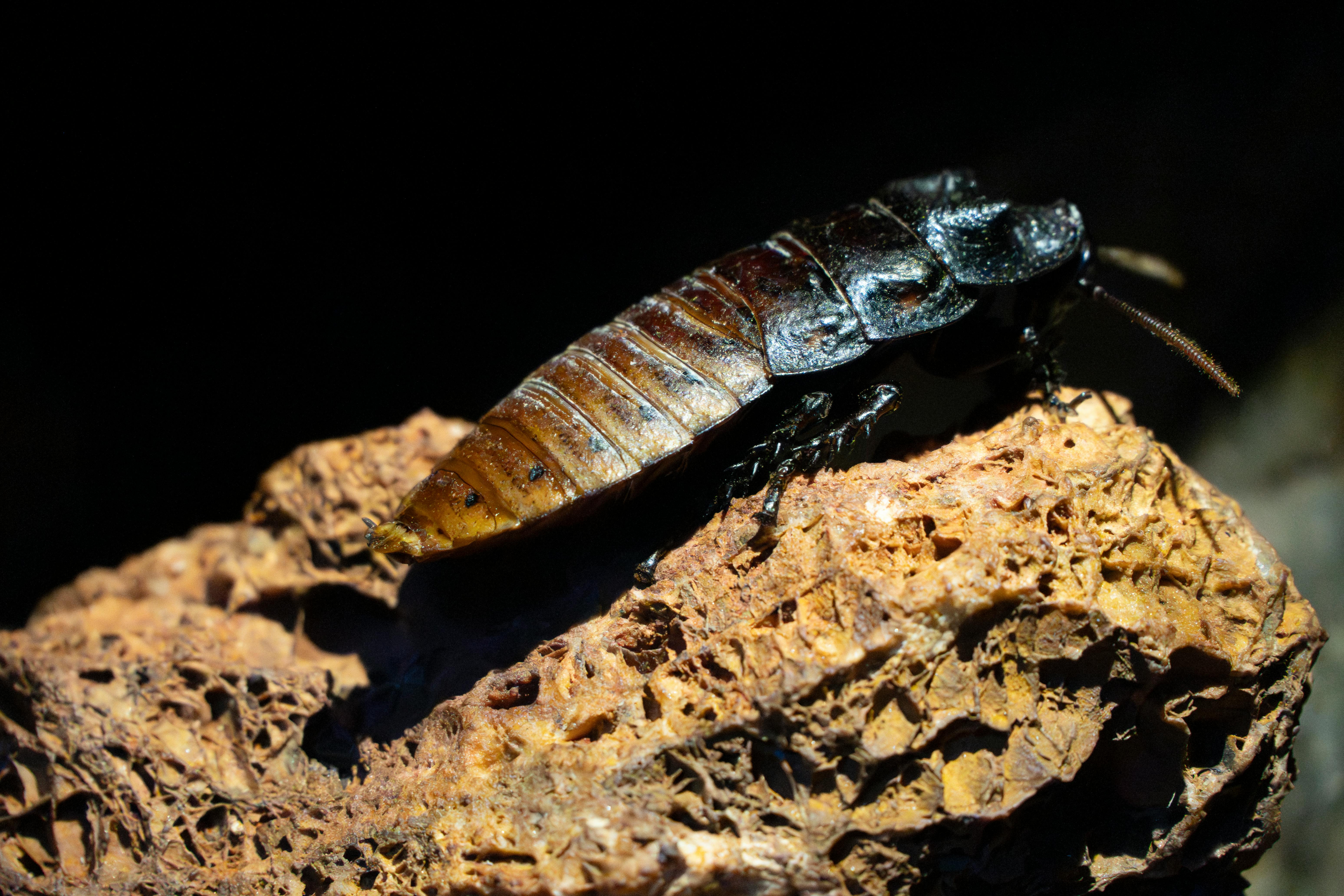
The macro image above illustrates typical silverfish damage: shredded paper fibers, a faint silvery sheen from shed skins, and scattered yellow pellets. Use this visual reference when you’re scanning bookshelves, cardboard boxes, or fabric drawers.
Early detection is the most cost‑effective strategy. By recognizing these signs and inspecting the right locations, you can intervene before silverfish cause noticeable damage to clothing, books, or wallpaper. If you spot multiple indicators or a steady stream of traps, it’s time to call a professional. Anthem Pest Control offers a thorough inspection and targeted treatment plan that eliminates the problem while protecting your home’s delicate items.
Seasonal Peaks and Hotspots for Silverfish
Life Cycle and the Weather Connection
Silverfish (Lepisma saccharina) thrive on a simple formula: moisture + moderate warmth = activity. Their life cycle—egg, nymph, adult—can stretch from a few months to over a year, depending on the environment. Eggs hatch faster when humidity stays above 60 % and temperatures linger between 70 °F and 85 °F. In cooler, drier months development slows dramatically, and many nymphs seek shelter in the most humid corners of a home. Understanding this temperature‑humidity relationship lets you predict when silverfish are most likely to surface.
Monthly Activity Chart

| Month | Activity Level |
|---|---|
| January | Low |
| February | Low |
| March | Moderate |
| April | Moderate |
| May | High |
| June | High |
| July | Peak |
| August | Peak |
| September | High |
| October | High |
| November | Moderate |
| December | Low |
Notice the climb from late spring into the summer months, with the highest activity from July through October. As humidity drops in late fall and winter, the population recedes, but a few survivors linger in the most damp indoor spots.
Indoor Hotspots That Keep Silverfish Happy
Even when outdoor conditions turn chilly, silverfish can survive inside any area that stays moist. The most common year‑round refuges are:
- Bathrooms: Shower stalls, under sinks, and tile grout retain water after each use.
- Laundry rooms: Damp clothing piles, washing‑machine leaks, and lint traps create a humid micro‑climate.
- Crawl spaces & basements: Poor ventilation and ground moisture raise relative humidity dramatically.
- Kitchen cabinets: Food crumbs mixed with occasional spills provide both food and moisture.
- Attic insulation: Condensation on roof vents can create hidden pockets of dampness.
Targeting these zones during an inspection gives you the best chance to locate active silverfish before they spread.
Managing Humidity Through the Seasons
Because moisture drives silverfish, controlling indoor humidity is your most effective defense. Here’s a seasonal checklist:
- Spring: Run exhaust fans while showering and after laundry cycles. Fix any roof or pipe leaks that appear with thawing weather.
- Summer (peak months): Deploy a dehumidifier in basements and crawl spaces, aiming for 45‑55 % relative humidity. Keep bathroom doors closed when not in use.
- Fall: As outdoor humidity drops, seal gaps around windows and doors to prevent outdoor moisture from seeping in. Continue using fans in high‑use rooms.
- Winter: Even low activity can persist in poorly ventilated areas. Open interior doors periodically to promote air flow, and consider a small portable dehumidifier in the laundry room if you notice condensation.
Adjusting ventilation, repairing leaks promptly, and using moisture‑absorbing products (silica gel packets, charcoal briquettes) can keep relative humidity below the silverfish comfort zone year‑round.
Timing Your Inspection
Plan a professional silverfish inspection Suwanee homeowners can rely on during the high-activity window—late July through October—when the pests are most visible. If you spot signs (tiny fish-like scales, yellowish droppings, or damage to paper products) outside this window, still schedule a visit; a technician can locate the hidden colonies in indoor hotspots and apply targeted treatments before the next surge.
Professional Inspection and Service Tier Options
When a certified Anthem pest‑control technician steps onto your Suwanee home, they bring more than a spray can—they bring a systematic, science‑backed approach to locating and eliminating silverfish. Below is a walk‑through of what the inspection looks like, followed by a clear breakdown of Anthem’s three service tiers so you can choose the level of protection that fits your budget and peace‑of‑mind needs.
Steps of a Thorough Silverfish Inspection
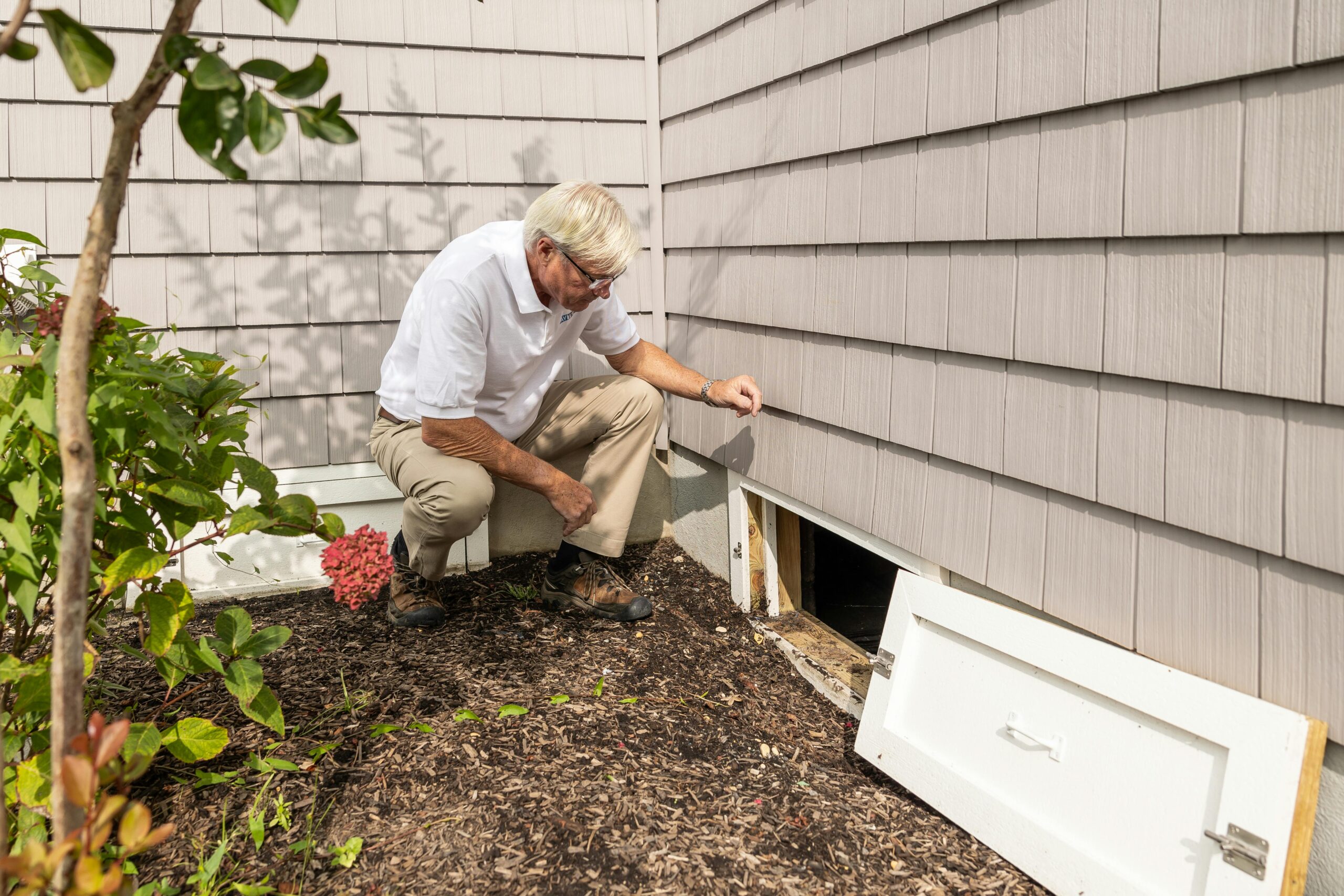
- Visual sweep: The technician begins with a room‑by‑room visual scan, paying special attention to baseboards, under sinks, behind appliances, and any dark, damp crevices where silverfish love to hide. This quick “eye‑test” often reveals tell‑tale signs such as shed skins, fecal specks, or tiny egg cases.
- Moisture meter reading: Silverfish thrive in humidity above 60 %. Using a handheld moisture meter, the pro measures surface moisture levels on walls, floors, and cabinetry. Elevated readings pinpoint problem zones that might otherwise be missed.
- Trap placement: Sticky traps infused with a pheromone lure are strategically placed in high‑risk areas. The technician records the exact locations so follow‑up visits can focus on hotspots where activity is confirmed.
- Reporting: After the sweep, a detailed report is generated on the spot. It includes a map of inspected rooms, moisture readings, trap locations, and any immediate recommendations. Homeowners receive a printed copy and a digital PDF for future reference.
Technician’s Handheld Inspection Tool & Safety Gear
Anthem’s field technicians rely on a compact, Bluetooth‑enabled inspection device that integrates a high‑resolution camera, moisture sensor, and trap‑status logger. The tool streams real‑time data to the company’s cloud platform, ensuring accurate documentation and seamless follow‑up scheduling.
Safety is never an afterthought. Technicians wear disposable gloves, goggles, and a N‑95 respirator when entering attics or basements with potential mold or dust. Their training includes identification of silverfish species, understanding of building construction, and the latest low‑impact treatment methods, so you can trust that every square foot is examined with both precision and care.
Anthem’s Service Tier Options
Anthem offers three tiered packages designed to match the size of your home and the level of ongoing protection you desire. All tiers include the full inspection process described above; the differences lie in treatment depth, follow‑up visits, and coverage limits.
- Basic – Ideal for renters or homeowners with a single problem area.
- Single‑room inspection (up to 1,500 sq ft coverage)
- Standard treatment: targeted dusting or spot‑spray
- One‑time service, no follow‑up visits
- Price point: $149
- Standard – Best for average‑size homes seeking moderate protection.
- Whole‑home inspection (covers up to 3,000 sq ft)
- Two follow‑up visits within 30 days to assess treatment efficacy
- Treatment plus a preventive barrier around entry points
- Price point: $269
- Premium – The all‑inclusive solution for peace of mind.
- Comprehensive inspection of every room, attic, and crawl space (unlimited coverage)
- Quarterly monitoring visits for a full year
- All‑inclusive treatment plan: barrier, spot‑spray, and humidity‑control recommendations
- Priority scheduling for emergencies
- Price point: $449
Benefits of Each Tier
Basic provides an affordable entry point, perfect when you’ve spotted silverfish in a single area and need a quick knock‑out. The limited coverage keeps costs low while still delivering a professional, certified treatment.
Standard balances cost and long‑term protection. The follow‑up visits ensure that any hidden colonies are caught, and the preventive barrier reduces the chance of re‑infestation across the entire home.
Premium eliminates guesswork. With unlimited coverage and quarterly monitoring, you receive continuous oversight, rapid response to any resurgence, and the added benefit of humidity‑control advice that tackles the root cause of silverfish activity.
Tier Comparison Infographic

| Feature | Basic | Standard | Premium |
|---|---|---|---|
| Inspection Scope | Single room (≤1,500 sq ft) | Whole home (≤3,000 sq ft) | Unlimited coverage |
| Follow‑up Visits | None | Two (within 30 days) | Quarterly (12 months) |
| Treatment Type | Spot‑spray/dust | Spot‑spray + preventive barrier | All‑inclusive (barrier, spot‑spray, humidity control) |
| Priority Scheduling | No | Standard | Yes – immediate |
| Price | $149 | $269 | $449 |
Choosing the right tier depends on your home’s size, the severity of the silverfish activity, and how proactive you want to be. Whether you need a quick fix or a year‑long shield, Anthem’s transparent pricing and certified expertise ensure you get exactly the protection you deserve.
Treatment Methods and DIY Prevention Tips
Professional Treatment Options
When silverfish have taken up residence in a Suwanee home, a licensed technician can deploy targeted solutions that go beyond what a DIY kit can achieve. A professional silverfish inspection Suwanee homeowners trust helps identify hidden moisture sources, nesting areas, and entry points before targeted treatments are applied. Below are the most common professional methods and how they work.
- Chemical sprays (pyrethroids and desiccants) – Pyrethroids attack the insect’s nervous system, causing rapid knock‑down, while desiccants such as diatomaceous earth abrade the exoskeleton, leading to dehydration. Technicians apply these products in cracks, voids, and along baseboards where silverfish hide. Safety is a priority: applicators wear protective gear, and products are calibrated to leave only trace residues that are safe for families and pets when used as directed.
- Bait stations and growth regulators – Bait stations contain slow‑acting insect growth regulators (IGRs) that the insects ingest and then spread to other members of the colony, disrupting molting cycles. Because silverfish feed on starchy debris, the bait is formulated to be attractive yet harmless to humans. These stations are placed in kitchens, bathrooms, and closets, providing continuous control even after the initial visit.
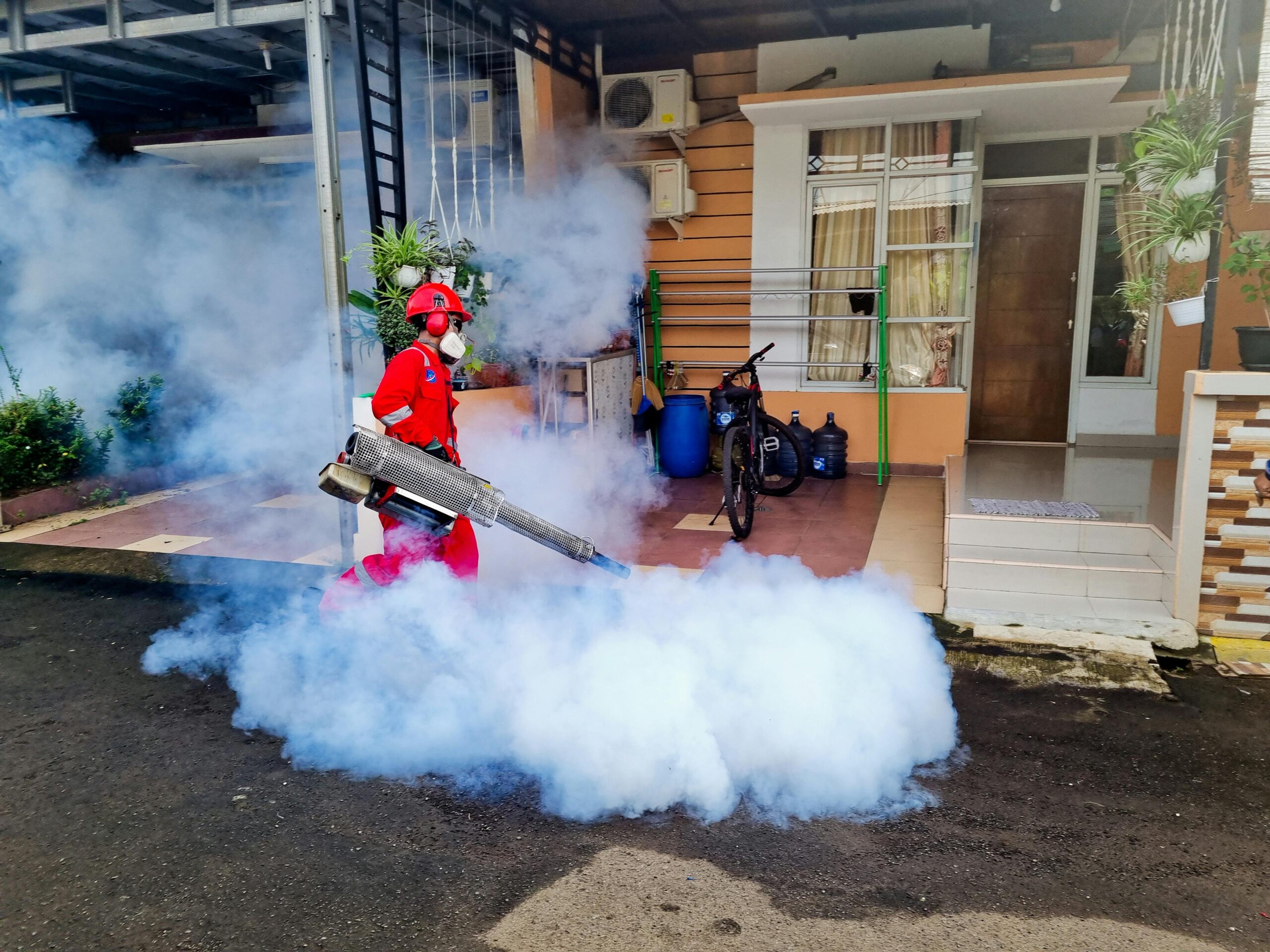
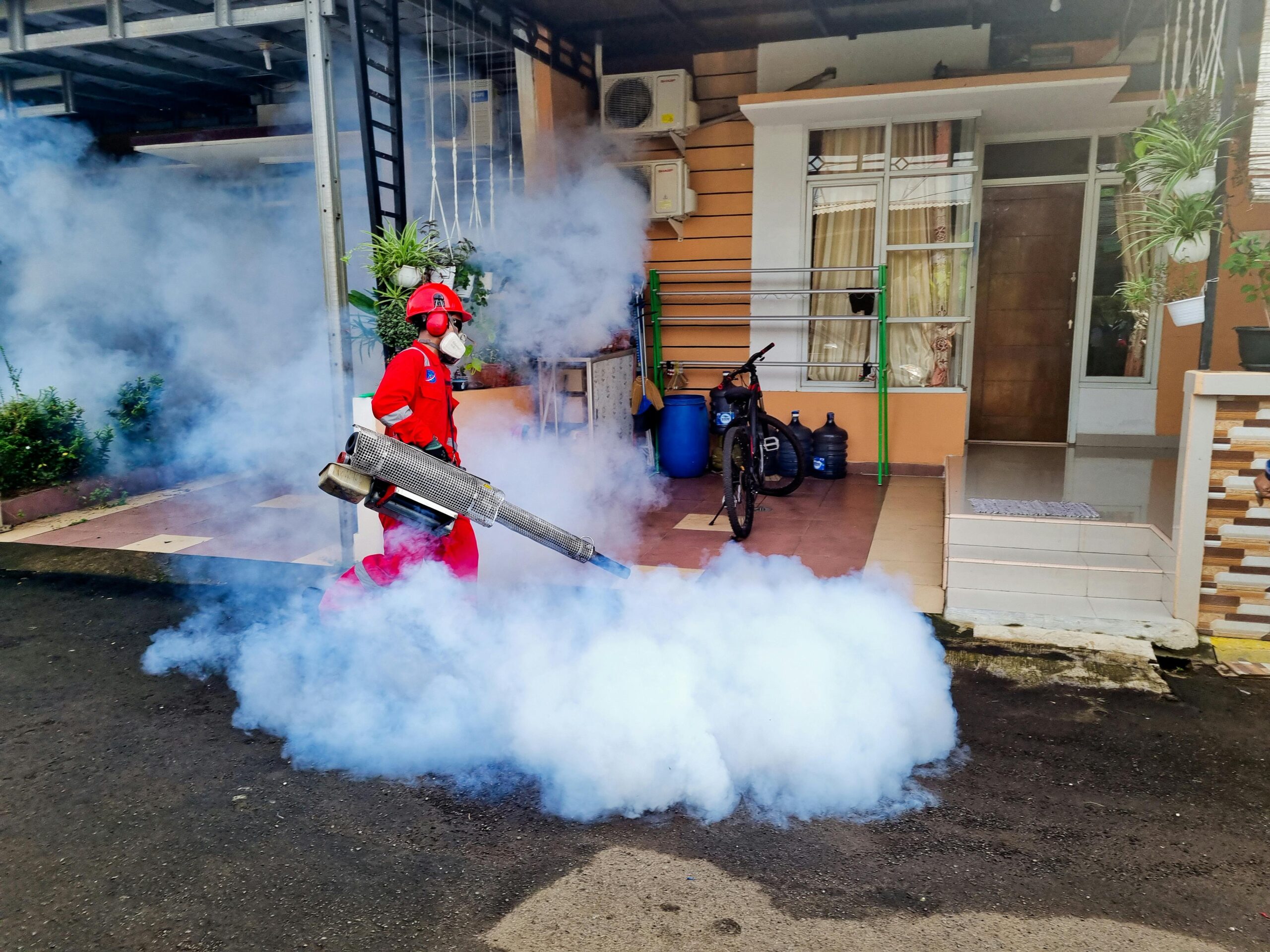
- Structural treatments (dusting and fogging) – For severe infestations, technicians may dust hard‑to‑reach voids with residual powders or use low‑pressure foggers to blanket larger areas. Dusting targets hidden galleries behind wall panels and under flooring, while fogging delivers a fine mist that settles into crevices, creating a long‑lasting barrier.
Professional services are especially valuable when silverfish have colonized multiple rooms, when humidity levels are persistently high, or when previous DIY attempts have failed to reduce activity.

When to Choose Professional Help vs. DIY
Not every silverfish sighting warrants a full‑scale extermination. Use this quick decision guide:
- Minor, isolated sightings – If you spot a single silverfish in a dry, well‑ventilated area, start with the DIY checklist below. Often, simple moisture control and sanitation will eliminate the problem.
- Multiple rooms or recurring activity – When you notice silverfish in the kitchen, bathroom, and bedroom over several weeks, it signals a larger, hidden infestation. A professional inspection can locate breeding sites and apply treatments that reach deep into wall voids and crawl spaces.
- Health‑sensitive households – Families with young children, seniors, or pets may prefer a licensed technician who can select low‑toxicity products and ensure proper application techniques.
- Severe humidity issues – If your home’s humidity consistently exceeds 60 %, structural treatments combined with moisture remediation are often required to break the silverfish life cycle.
DIY Prevention Checklist
Even if you decide to handle the problem yourself, a disciplined prevention routine can keep silverfish at bay long after the last sighting.
- Reduce indoor humidity – Run dehumidifiers in basements and attics, and use vent fans while cooking or showering. Aim for a relative humidity below 50 %.
- Seal cracks, crevices, and entry points – Apply caulk around baseboards, window frames, and utility openings. Install door sweeps to block the tiny gaps that silverfish love to slip through.
- Store food in airtight containers – Transfer cereals, flour, and pet food into sealed plastic or glass jars. Clean up crumbs immediately to remove food sources.
- Remove paper clutter and vacuum baseboards – Silverfish feed on starches found in books, magazines, and cardboard. Keep storage areas tidy, and use a vacuum with a hose attachment to pull out eggs and debris from baseboards and corners.
- Use natural repellents – Sprinkle cinnamon, cloves, or cedar shavings in closets and pantry shelves. These scents act as mild deterrents and add a pleasant aroma to your home.
Consistency is key. Perform the checklist monthly, especially during the humid summer months when silverfish activity spikes.
The Value of a Follow‑Up Inspection
After implementing DIY measures, schedule a follow‑up inspection with a certified technician. A professional can verify that hidden colonies have been eradicated, recalibrate humidity controls, and recommend any additional treatments if needed. This final step ensures peace of mind and protects your home from future silverfish invasions.
Protect Your Home with Anthem Pest Control Today
Finding silverfish before they turn a quiet corner into a full‑blown infestation saves you time, money, and stress. Early detection is especially critical in Suwanee’s humid spring and early summer, when these nocturnal insects multiply rapidly. Acting promptly means a simple, targeted treatment can stop the problem in its tracks, rather than resorting to extensive, costly interventions later.
Our Three Service Tiers
- Basic Protection – One‑season inspection and localized treatment of silverfish hotspots. Perfect for homeowners who need a quick, budget‑friendly fix.
- Comprehensive Shield – Seasonal monitoring, preventive barriers, and treatment for multiple pest types, including silverfish, ants, and cockroaches. Ideal for families seeking year‑round peace of mind.
- Premium Guard – Unlimited inspections, priority scheduling, and a full suite of preventative services for all common household pests. Best for those who want the ultimate safeguard and the convenience of a dedicated pest‑care partner.
Why choose Anthem? We blend safe, EPA‑approved products with proven techniques to deliver effective results without compromising your home’s health. Our pricing is transparent—no hidden fees, no surprise charges—so you always know exactly what you’re paying for. Whether you opt for a single treatment or a full‑service plan, you’ll receive the same high‑quality, affordable protection that has earned us trust across the United States.
Ready to act? Schedule a free, no‑obligation inspection today. Call us at 877‑371‑8196 or use the link below to book online. Our friendly technicians will assess your property, explain the best timing for treatment, and provide a clear quote before any work begins.
We look forward to helping you keep your home silverfish-free and comfortable for years to come. Schedule your free silverfish inspection Suwanee homeowners rely on and experience the Anthem difference.