Recognizing Silverfish and Their Warning Signs
Silverfish (Lepisma saccharina) are small, wing-less insects that have earned their name from the silvery, fish-like shimmer of their bodies—often prompting homeowners to search for a silverfish exterminator near me Suwanee when sightings increase indoors. An adult typically measures ½ to ¾ inch (12-19 mm) long, with a tapered, carrot-shaped abdomen covered in overlapping scales that catch the light. Their color ranges from light gray to brown, and they move in a rapid, side-to-side “wiggle” that resembles a tiny fish darting across a pond.
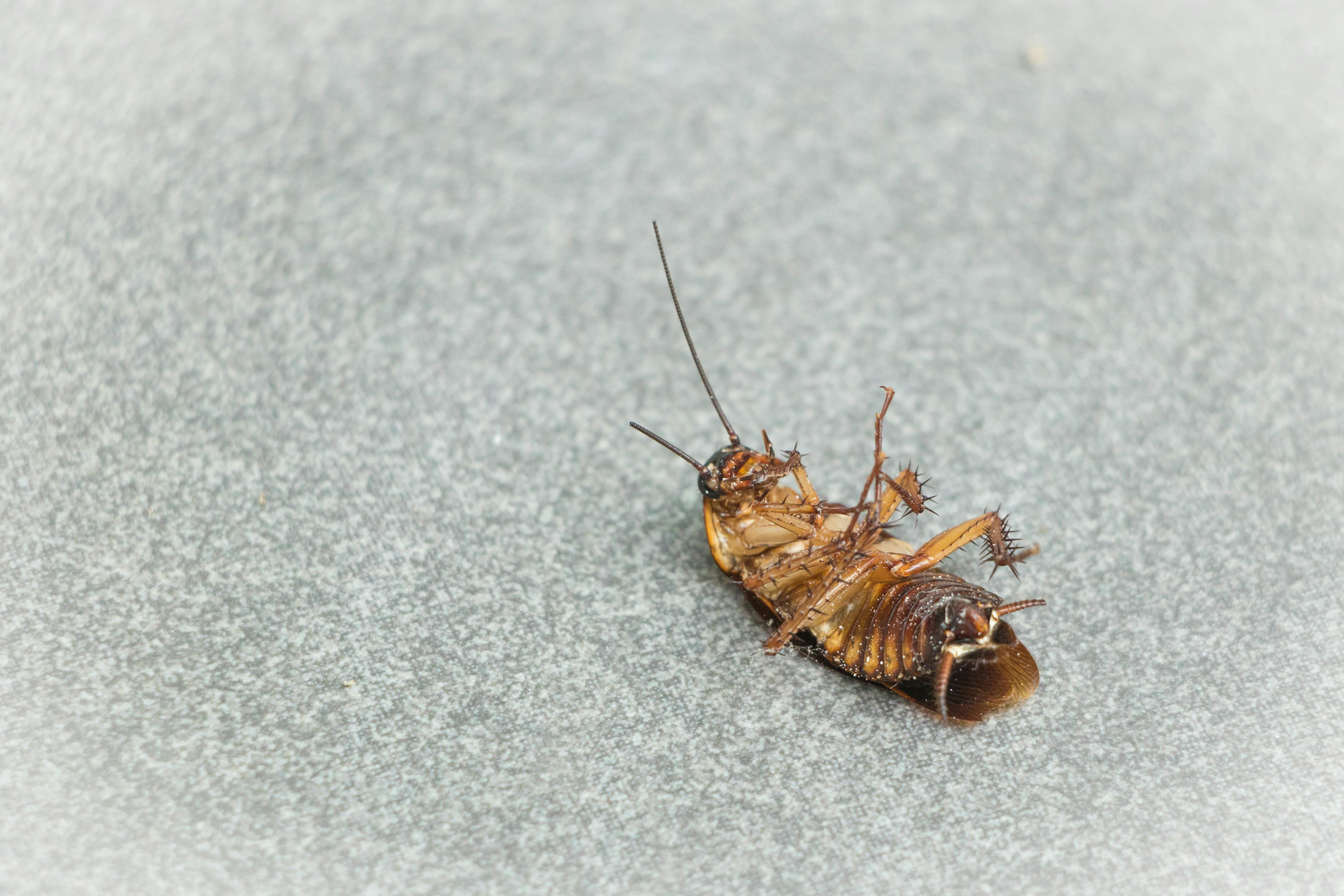
Key Visual Identifiers
- Silvery scales: The most distinctive feature is the metallic sheen created by tiny, overlapping scales.
- Fish‑like movement: Unlike the straight, deliberate crawl of cockroaches, silverfish dart in a quick, serpentine motion.
- Body shape: A flattened, elongated body that tapers toward the tail, giving it a “paper‑clip” silhouette.
Where They Hide
Silverfish thrive in moist, dark environments where food sources such as starches, sugars, and protein are readily available. Typical hotspots in a Suwanee home include:
- Kitchens – behind appliances, under the sink, and in pantry corners.
- Bathrooms – around tubs, shower stalls, and under tile grout.
- Basements and crawl spaces – especially where humidity is high.
- Closets and storage rooms – inside boxes, between clothing, or tucked behind bookshelves.
Early Indicators of Activity
Even if you haven’t seen a live insect, several subtle clues can signal a developing infestation:
- Shed skins: As they molt, silverfish leave behind translucent, paper‑thin exoskeletons.
- Fecal specks: Tiny, black‑brown droppings that look like pepper grains often appear near feeding sites.
- Yellowish stains: A faint, mustard‑colored stain on paper, wallpaper, or fabric is a tell‑tale sign of their digestive enzymes.
- Unexplained damage: Small holes or ragged edges on books, cereal boxes, and clothing may be caused by their constant chewing.
How to Differentiate Silverfish from Similar Pests
| Feature | Silverfish | Cockroach | Moth Larva |
|---|---|---|---|
| Size | ½–¾ in (12‑19 mm) | ¾–1½ in (20‑38 mm) | ¼–½ in (6‑12 mm) |
| Body Shape | Tapered, fish‑like | Broad, flattened | Soft, elongated, often with setae |
| Movement | Quick, side‑to‑side wiggle | Steady, deliberate walk | Slow, inching crawl |
| Color | Silvery gray to brown | Dark brown to black | Varies; often greenish or brown |
| Habitat Preference | Moist, dark corners | Warm, food‑rich areas | Stored fabrics, wool, grains |
Quick Inspection Checklist for Homeowners
- Check under kitchen appliances, especially the refrigerator and stove, for shed skins or droppings.
- Inspect bathroom corners, tile grout, and behind the toilet for moisture‑related stains.
- Open closets and pull out stored boxes; look for tiny exoskeletons on the floor or inside packaging.
- Examine books, paperbacks, and clothing for yellowish spots or ragged edges.
- Use a flashlight to scan dark, undisturbed areas such as basements, attic corners, and crawl spaces.
- If any of the above signs appear, document the location and take photos for a pest‑control professional.
For a deeper dive into best‑practice indoor pest management, the U.S. Environmental Protection Agency offers comprehensive guidance. Read the EPA’s indoor pest management recommendations here.
Why Silverfish Invade Homes – Common Causes and Risks

Moisture and Humidity: The Silverfish Magnet
Silverfish thrive in environments where moisture is abundant. Even a slight rise in relative humidity—above 60 %—creates a comfortable micro‑climate for these nocturnal insects. Bathrooms, kitchens, and basements that lack proper ventilation become prime real estate. When hot, humid air is trapped behind a closed door or a faulty exhaust fan, condensation forms on walls, pipes, and even on the back of bookshelves. That thin film of water is enough to attract silverfish, which can survive for weeks without food as long as the humidity remains high.
Food Sources: What’s Luring Them In?
Silverfish are opportunistic feeders. Their diet includes:
- Starches found in cereal, flour, and cracked grains.
- Sugars from spilled drinks, fruit juices, or even pet food crumbs.
- Paper products, cardboard, and glue—think old books, magazines, and wallpaper paste.
- Dead insects and shed skins, which provide protein.
When these items are left uncovered on countertops or stored in damp closets, they become an open buffet. The scent of starches can travel a surprising distance, guiding silverfish straight to the source.
Structural Issues: Pathways Inside the Home
Cracks in foundation walls, gaps around window frames, and damaged drywall act as highways for silverfish. Leaky pipes not only increase humidity but also create tiny water trails that silverfish follow. Even a seemingly insignificant gap behind a baseboard can serve as a hidden entry point. Once inside, the insects slip into wall voids, crawl under floorboards, and emerge wherever moisture and food intersect.
Seasonal Humidity Spikes
In Suwanee, Georgia, the summer months bring outdoor humidity levels that often exceed 80 %. Without adequate dehumidification, indoor humidity mirrors the outside surge, especially in homes without air‑conditioning or with older, unsealed windows. Conversely, the winter heating season can dry out a house, but localized moisture—such as from a bathroom fan that isn’t vented outside—still creates pockets of high humidity. Understanding these seasonal patterns helps homeowners anticipate when silverfish activity is most likely to spike.
Health and Property Risks
While silverfish are not disease vectors, their feeding habits can cause real damage:
- Books and paper: The insects chew tiny holes in pages, weakening bindings and rendering valuable collections unreadable.
- Clothing and fabrics: Silk, rayon, and even cotton can show tiny, irregular holes after prolonged exposure.
- Wallpaper and paint: Starch‑based adhesives are a favorite snack, leading to bubbling or peeling surfaces.
- Allergens: Their shed skins and feces add to indoor dust, potentially aggravating asthma or allergic reactions.
Real‑World Example: When Neglect Fuels an Outbreak
Consider a typical suburban home where a small leak behind the kitchen sink went unnoticed for months. The constant drip raised humidity in the cabinet to 70 %. Simultaneously, a box of unopened cereal sat on a damp shelf, and a few old magazines were stored in the same closet. Within six weeks, the homeowner discovered a silverfish trail leading from the cabinet to the bedroom closet. By the time a professional pest control service arrived, the infestation had multiplied to dozens of insects, each laying dozens of eggs. The resulting damage to the cereal box, a pair of silk shirts, and several paperback novels required both pest treatment and costly replacement of the affected items.
Best Practices from the EPA
The EPA’s Indoor Pest Management guidelines recommend a three‑step approach that aligns perfectly with silverfish prevention:
- Identify and eliminate moisture sources: Repair leaks, use dehumidifiers, and ensure proper ventilation in high‑humidity rooms.
- Reduce food availability: Store dry goods in airtight containers, keep pantry shelves clean, and promptly dispose of paper waste.
- Seal entry points: Caulk cracks, install door sweeps, and replace damaged drywall or baseboards.
Following these steps not only curbs silverfish but also creates a healthier indoor environment overall.
Seasonal Patterns and Prevention Strategies
Life Cycle Overview
Silverfish thrive in moist, hidden corners of your home, progressing through egg, nymph, and adult stages over several months. Adults can live up to three years, shedding their exoskeletons several times a year, which means a single infestation can linger if conditions stay favorable. Their activity spikes when temperatures hover between 70°F and 80°F and humidity exceeds 60%, creating the perfect environment for rapid breeding.
Seasonal Activity Chart
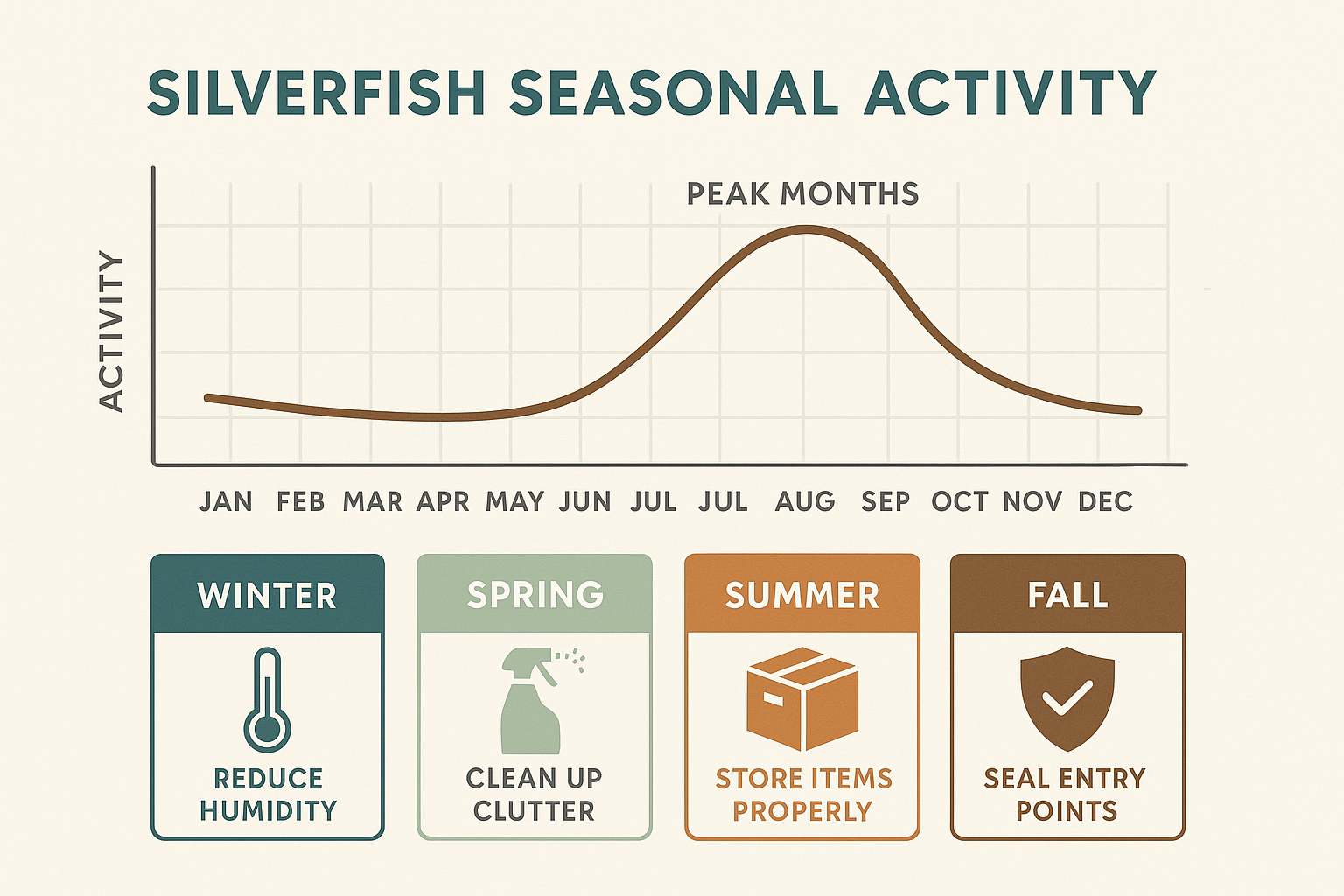
The line graph above maps average silverfish captures in a typical Suwanee home. Notice the gentle climb from June, peaking sharply in September and maintaining high numbers through November. Those months represent the highest risk period, when moisture from summer rains and cooling indoor heating combine to keep humidity elevated—often leading homeowners to search for a silverfish exterminator near me Suwanee as activity increases indoors.
Seasonal Preventive Checklist
- Spring – Declutter attics, basements, and closets; repair any dripping pipes or roof leaks; run dehumidifiers in problem areas for at least 24 hours after heavy rains.
- Summer – Keep basement humidity below 55 % with a dehumidifier; seal gaps around windows, doors, and utility penetrations; use weather‑stripping on exterior doors to block moisture‑laden air.
- Fall – Inspect stored clothing, linens, and books for signs of silverfish; place silica‑gel packets in drawers, closets, and storage bins to absorb excess moisture.
- Winter – Maintain indoor temperatures above 65 °F to prevent condensation on cold surfaces; regularly wipe down window sills and pipe elbows where water may collect.
Year‑Round Humidity Management
Consistently low humidity is your strongest defense. Install vent fans in bathrooms and kitchens, and ensure they exhaust directly outdoors—not into the attic. Use exhaust fans while cooking or showering, and leave them on for a few minutes after you finish to pull lingering steam out. Houseplants can be beneficial, but avoid over‑watering; place saucers on trays with pebbles and water only enough to keep the soil moist, not soggy.
Household Products for Barrier Protection
When you need an extra layer of defense, two household items are especially effective:
- Dry ice (solid carbon dioxide) – Place small pieces in closets or under appliances; as the ice sublimates, it lowers local humidity and creates an inhospitable environment for silverfish.
- Boric acid – Sprinkle a thin dusting along baseboards, under sinks, and in crawl‑space entry points. The powder adheres to the insects’ exoskeletons, disrupting their moisture balance and eventually killing them.
Apply these products sparingly and keep them out of reach of children and pets. For larger infestations, a professional treatment from Anthem Pest Control can safely augment your DIY measures and seal any hidden entry points.
Treatment Options: DIY vs Professional Services
What homeowners usually try first
When silverfish start showing up in kitchens, bathrooms, or closets, many people reach for a quick do-it-yourself fix before contacting a silverfish exterminator near me Suwanee. The most common DIY tools are:
- Sticky traps – simple paper or plastic pads that capture wandering insects.
- Boric acid dust – a fine powder applied in cracks and behind baseboards.
- Diatomaceous earth – a food‑grade mineral that desiccates the soft‑bodied silverfish.
- Homemade sprays – mixtures of soap, vinegar, or essential oils that claim to repel or kill.
DIY: Benefits and drawbacks
Pros
- Low upfront cost – most products are under $20.
- Immediate availability – you can buy them at a local hardware store.
- Sense of control – you decide where and how often to treat.
Cons
- Limited reach – silverfish hide in wall voids, under floor joists, and behind insulation where powders and traps rarely penetrate.
- Safety concerns – boric acid and diatomaceous earth can irritate skin, eyes, and especially the respiratory system of children and pets if applied incorrectly.
- Inconsistent results – without a proper assessment, you may treat the wrong areas and see the insects return.
Professional solutions that go beyond the shelf
Licensed pest‑control technicians bring tools and knowledge that DIY kits simply can’t match. Typical professional methods include:
- Commercial bait stations – sealed units containing a slow‑acting insecticide that silverfish carry back to hidden colonies.
- Targeted residual sprays – EPA‑registered formulations applied to baseboards, joist spaces, and other voids where the insects travel.
- Structural fumigation – a short‑term, whole‑house treatment for severe infestations, using gases that permeate inaccessible areas.
- Integrated Pest Management (IPM) – a strategic plan that combines monitoring, sanitation, exclusion, and selective chemical use.
How pros assess the problem
Before any product is applied, a certified technician conducts a visual inspection and often uses a handheld moisture meter. Silverfish thrive in damp environments, so identifying moisture sources (leaky pipes, condensation, poor ventilation) is essential. The professional will:
- Map the extent of activity – noting where traps or droppings are found.
- Determine the type of structure – wood framing, concrete slab, or crawl space each requires a different approach.
- Recommend remediation steps – such as fixing leaks or improving airflow, which are as important as chemical treatment.
Safety first: Regulations and household protection
All professional products must comply with EPA regulations, and technicians are trained to apply them in a way that protects children, pets, and indoor air quality. Key safety points include:
- Using low‑toxicity, residual products that remain effective for weeks without posing a health risk.
- Applying chemicals during off‑peak home‑occupancy times when possible.
- Providing clear post‑treatment instructions – such as ventilating rooms and restricting access to treated zones for a specified period.
When to call a pest‑control expert
DIY can keep a few stray silverfish at bay, but certain signs indicate it’s time to enlist a professional:
- Seeing dozens of insects in a single night.
- Discovering silverfish in multiple rooms or in wall cavities.
- Repeatedly clearing traps only to have the problem return within weeks.
- Having small children, seniors, or pets who could be vulnerable to DIY chemicals.
Quick decision matrix
| Infestation Indicator | DIY Feasible? | Call a Professional? |
|---|---|---|
| 1–2 insects spotted in a single area | Yes | No |
| Multiple rooms affected or >10 insects per week | Limited | Yes |
| Visible colonies in wall voids, floor joists, or under appliances | No | Yes |
| Home includes infants, pets, or allergy‑prone occupants | Proceed with caution | Professional recommended |
| Previous DIY attempts failed repeatedly | No | Yes |
Bottom line for the homeowner
If you’re dealing with a modest, isolated sighting, a well‑placed trap and a thin layer of diatomaceous earth can buy you time. However, silverfish are masters of hiding, and an unchecked colony can quickly spread to new areas of the home. A professional inspection from Anthem Pest Control not only delivers targeted chemistry but also addresses the underlying moisture issues that attract these pests in the first place. When the signs above point toward a larger problem, picking up the phone (877‑371‑8196) or visiting anthempest.com ensures a safe, effective, and long‑lasting solution.
Cost Comparison and Choosing the Right Plan
When it comes to silverfish control, the price you pay is shaped by three main drivers: the type of treatment you select, how often you need it, and the size or layout of your home. A simple DIY kit might be enough for a small apartment, but larger homes or severe infestations often require professional visits and ongoing maintenance. Understanding these variables helps you match your budget to the level of protection you really need.
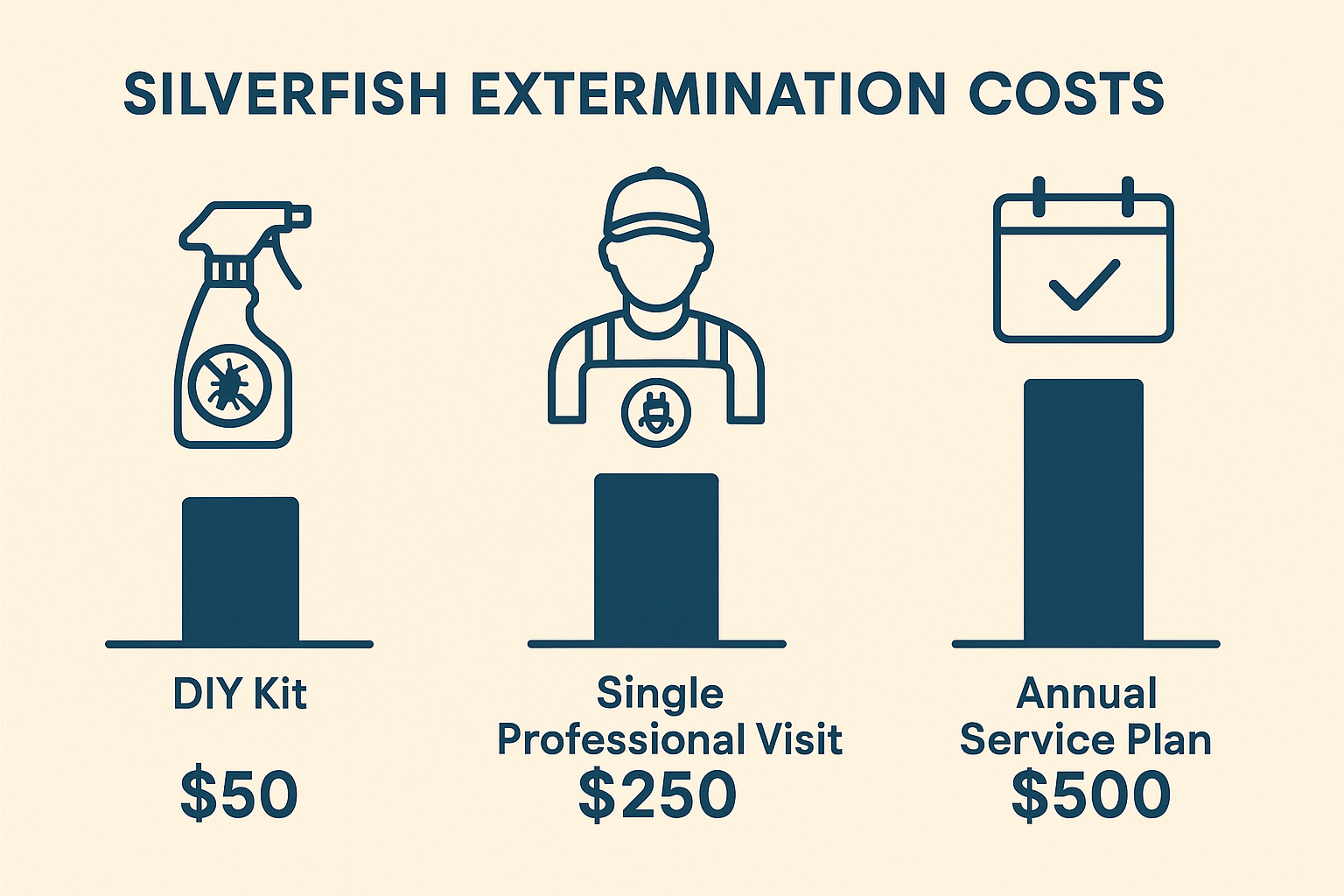
Breakdown of the three most common options
| Option | Typical Price Range | What’s Included |
|---|---|---|
| DIY Kit | $30 – $70 | Pre‑measured traps, dusts, and instructions for a one‑time application. |
| Single Professional Visit | $150 – $250 | Inspection, targeted treatment, and a 30‑day guarantee. |
| Annual Service Plan | $350 – $500 per year | Four scheduled visits, ongoing monitoring, warranty extensions, and priority support. |
Cost‑benefit analysis of each tier
DIY kits are the cheapest upfront, but they rely on your ability to identify hotspots and apply products correctly. If you miss a hidden area, the infestation can rebound, forcing you to purchase additional kits later. In the long run, the savings may evaporate, especially for larger homes where multiple kits are required.
Single professional visits bring expertise and a guarantee that a DIY approach can’t match. The technician will locate breeding sites, treat cracks, and advise on preventive steps. However, the one‑time price does not cover future flare‑ups, and you may need repeat visits if the problem persists.
Annual service plans spread the cost over four visits, each with a fresh assessment. The plan often includes a warranty that covers re‑treatments at no extra charge, and many providers—like Anthem Pest Control—offer priority scheduling, which can be a lifesaver during a sudden surge. When you calculate the per‑visit expense, the plan usually ends up cheaper than paying for multiple ad‑hoc visits.
Factors that can push the price up
- Severe infestations that require extensive chemical applications or heat treatment.
- Structural repairs such as sealing cracks, replacing damaged drywall, or fixing moisture sources.
- Multi‑unit properties where each unit needs individual attention.
- Specialized treatments for historic homes that demand low‑toxicity products.
Getting a transparent quote – what to ask
- What exactly is included in the price (inspection, treatment, follow‑up visits, warranties)?
- Is there a written guarantee and what does it cover?
- How many visits are recommended for my property size and infestation level?
- Are there any hidden fees for travel, disposal, or additional chemicals?
- Can I see a detailed breakdown before I sign up?
Why Anthem Pest Control stands out
Anthem Pest Control prides itself on a transparent pricing model that eliminates surprise charges. Their standard single‑visit silverfish treatment starts at $179, with a clear outline of what’s covered: inspection, targeted application, and a 30‑day follow‑up. For homeowners who prefer peace of mind, the annual maintenance plan is priced at $399 and includes four visits, unlimited re‑treatments, and a 12‑month warranty that protects against recurring infestations.
When you request a quote, Anthem provides a written estimate that lists every service component, so you can compare it side‑by‑side with DIY kits or other local providers. Their optional maintenance plans also let you add seasonal inspections for other pests—like termites or mosquitoes—at a discounted bundle rate, making it a smart, cost‑effective choice for long‑term home protection.
Protect Your Home with Anthem Pest Control
Quick Recap
By now you know how to spot silverfish—those silvery, fish‑shaped insects that love damp corners, paper, and starches. We’ve explored why they thrive in humid basements, kitchens, and bathrooms, and how seasonal factors such as spring moisture spikes can turn a quiet home into a silverfish hotspot. You’ve also learned practical prevention steps, from fixing leaks to reducing food debris, as well as DIY treatment options like traps and boric‑acid dust. These fundamentals give you a solid foundation, but lasting peace of mind often requires more than a quick fix.
Why a Professional Assessment Matters
A trained pest‑control specialist can see what the naked eye misses. Professionals conduct a thorough inspection, identify hidden moisture sources, and determine whether silverfish are the only issue or part of a larger infestation. Their expertise ensures that treatment plans target the root cause, not just the visible insects, delivering results that stick around for months instead of weeks. In short, a professional assessment turns a temporary band‑aid into a permanent solution.
What Anthem Pest Control Brings to Your Doorstep
Anthem Pest Control combines nationwide experience with local know‑how to protect Suwanee homeowners. Our service suite includes:
- Comprehensive inspections that pinpoint entry points and moisture problems.
- Targeted silverfish treatments using EPA‑approved, low‑toxicity products safe for families and pets.
- Integrated pest management that addresses termites, mosquitoes, rodents, cockroaches, ants, bed bugs, and more—all under one service contract.
- Preventive maintenance plans scheduled to match seasonal pest cycles, keeping your home a step ahead year‑round.
Our approach is safe, effective, and affordable, backed by a network that spans the entire United States, so you receive consistent quality no matter where you live.
Transparent Pricing & Ongoing Education
At Anthem, we believe you should never guess the cost of protection. Our quotes are clear, itemized, and free of hidden fees. We also empower you with educational resources—checklists, seasonal tips, and a dedicated support line—so you understand what’s happening in your home and how to prevent future invasions. This commitment to transparency builds trust and helps you make informed decisions about your home’s health.
Take the First Step – Free Inspection
Ready to turn knowledge into action? Contact Anthem Pest Control today for a no‑obligation, free inspection and quote. Our friendly team will schedule a visit at your convenience, walk you through the findings, and recommend a customized plan that fits your budget.
Call us now at 877-371-8196 or visit Anthem Pest Control to claim your free quote from a trusted silverfish exterminator near me Suwanee homeowners rely on. Let us handle the silverfish so you can enjoy a pest-free home with confidence.