Recognizing the Brown Marmorated Stink Bug
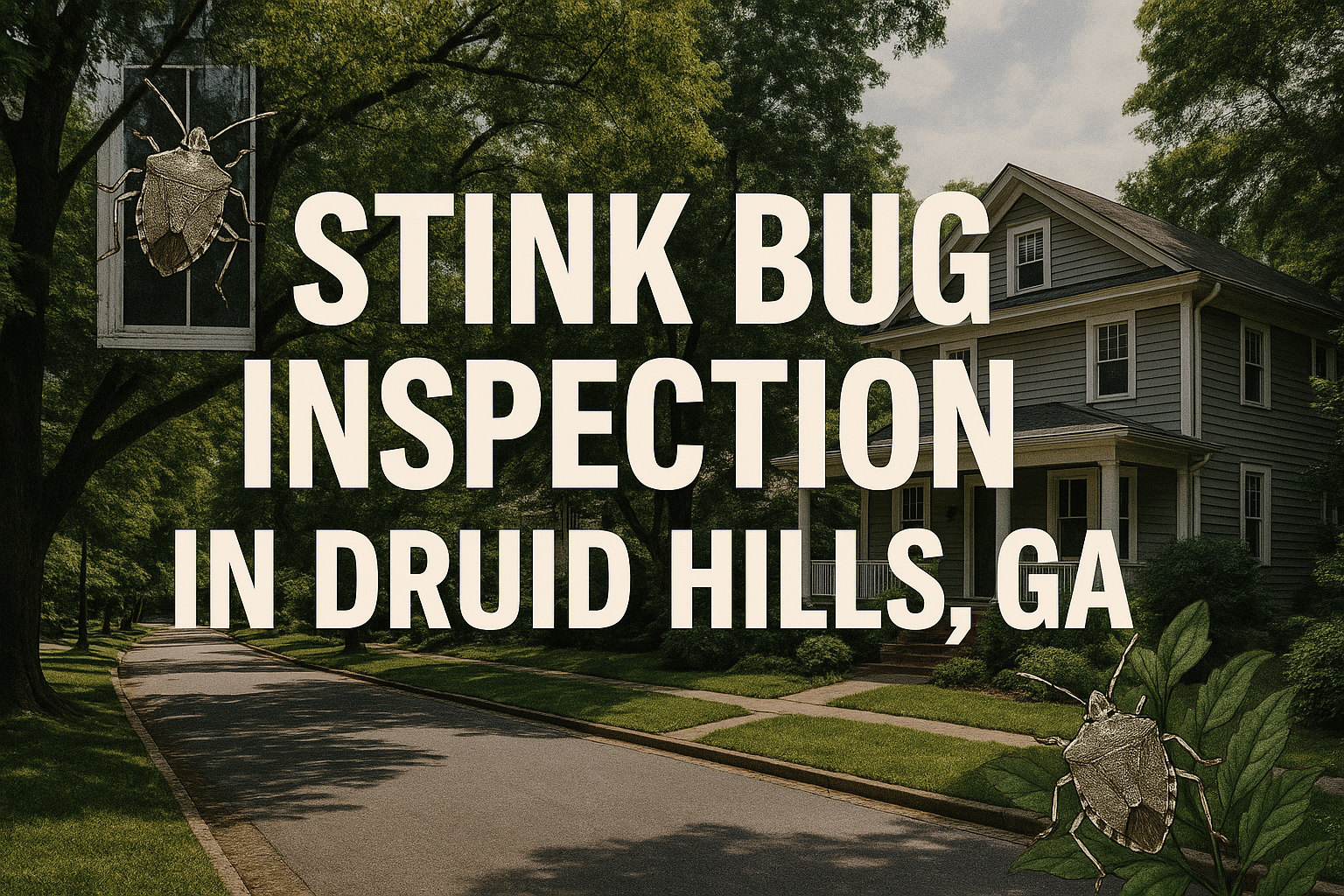
The brown marmorated stink bug (Halyomorpha halys) is an invasive species that hitchhiked from East Asia to the United States in the late 1990s. Within a decade it colonized most of the country, including Suwanee, Georgia—making early stink bug inspection Suwanee homeowners schedule essential for limiting damage. Though it won’t bite or sting people, it feeds on a wide range of fruits, vegetables, and ornamental plants, leaving behind unsightly, shriveled patches.

Key visual identifiers make spotting this bug easier than you might think:
- Shield‑shaped, roughly ½‑inch (12‑14 mm) body.
- Mottled brown‑gray color with a faint bronze sheen.
- Antennae that feature a bold white band near the base.
- Six legs that appear slightly longer than those of native stink bugs.
Typical habitats include the outer foliage of trees, shrubs, and garden beds where they feed during the growing season. As temperatures drop, they seek warm entry points—cracks around windows, door frames, and utility openings—to overwinter inside homes. You’ll often find them gathering in sunny corners of basements, attics, or behind wall voids.
Distinguishing the brown marmorated stink bug from harmless native relatives is simple once you know the clues. Native stink bugs usually have a uniform brown or green hue and lack the distinctive white band on their antennae. Their bodies are also less “metallic” and the overall shape is slightly more rounded rather than the classic shield profile of the invasive species.
Quick tip for homeowners: Capture a clear, close‑up photo of the insect against a plain background (a white sheet works well). Compare the image to reputable online guides or forward it to your local pest‑control professional—accurate identification is the first step toward effective treatment.
Why Stink Bugs Become a Home Problem
As autumn cools the Georgia evenings, stink bugs begin their seasonal migration from outdoor feeding sites to warmer indoor refuges. The insects follow temperature cues, seeking cracks, gaps, and light fixtures where heat is retained. This natural behavior turns a garden nuisance into a household concern once the first frost approaches.
Inside the kitchen, stink bugs can become a hidden food‑safety risk. They love to feed on ripe fruits, vegetables, and garden produce that homeowners often store on countertops or in pantry bins. While they don’t transmit disease, their mouthparts can puncture soft produce, creating entry points for bacteria and accelerating spoilage.
Beyond the kitchen, large numbers of stink bugs create a structural nuisance. They gather in visible clusters on walls, ceilings, and especially around light fixtures where heat and illumination attract them. Homeowners may find unsightly patches that look like decorative art, but the reality is a sign of an infestation that can quickly spread throughout a residence.
When a stink bug is accidentally crushed, it releases a potent, sulfur‑like odor that can linger in the air. The smell not only irritates occupants but also reduces indoor air quality, prompting concerns for sensitive individuals such as children, the elderly, or those with respiratory conditions.
For a comprehensive overview of indoor pest concerns, the U.S. Environmental Protection Agency provides guidance on stink bugs and their impact on indoor air quality. You can review the details at the EPA’s stink bug page. Understanding these factors helps homeowners recognize when a professional inspection—like those offered by Anthem Pest Control—is the next logical step.
Seasonal Activity and When to Inspect Your Home
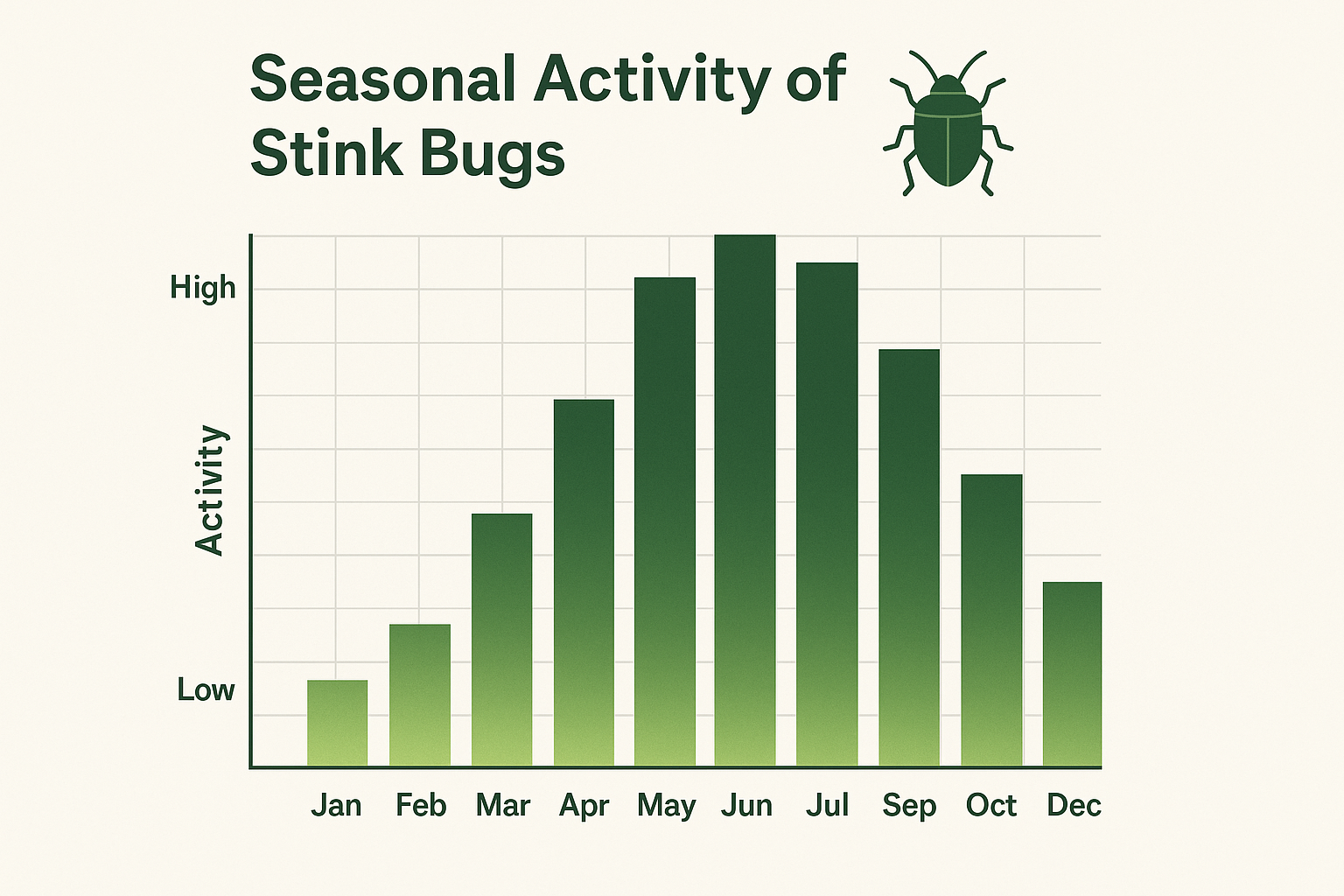
The bar chart above highlights the classic stink-bug curve for Suwanee: activity climbs steadily through July, peaks in late August, and remains high into early September before dropping sharply as frost approaches. Those peak bars signal the period when the insects are most eager to find a warm place inside your home, making a timely stink bug inspection Suwanee homeowners rely on especially important.
Why do they rush indoors as summer wanes? As daytime temperatures dip below 75 °F, stink bugs lose the heat they need to stay active. Their bodies are ectothermic, so cooler evenings trigger a survival instinct to seek shelter. Cracks around windows, gaps under siding, and even the warm interior of your attic become attractive real‑estate options.
Our field technicians recommend opening your inspection calendar from early September through November. This window captures the tail‑end of the outdoor flight season and gives you a chance to locate and seal entry points before the bugs settle for winter. Early October is often the sweet spot: most insects have arrived, but before they become dormant.
Quick visual sweep before winter
- Check exterior lighting fixtures and porch lights—these attract lingering bugs.
- Inspect window sills, door frames, and the underside of eaves for clusters of dead or hiding insects.
- Look inside attics and crawl spaces; a few dozen bugs can indicate a larger entry problem.
- Seal any obvious gaps with caulk or weather‑stripping before the first hard freeze.
Weather isn’t always predictable. A warm, wet autumn can extend the flight period into late November, while an early cold snap may force bugs to seek shelter as soon as mid‑September. Keep an eye on local forecasts and adjust your inspection timing accordingly—early detection is the most cost‑effective way to keep stink bugs out of your home.
Inspection Process and What Professionals Look For
When a certified technician from Anthem Pest arrives at your Suwanee home, the first step is a systematic walk‑through that separates guesswork from data. By following a proven checklist, we pinpoint how stink bugs are getting inside and where they’re hiding, so you only pay for the treatment you truly need.
Exterior assessment
We start at the outside, scanning siding, eaves, and the foundation for any cracks, gaps, or loose siding panels. Even a millimeter‑wide opening around a utility pipe can become a highway for stink bugs. Our flashlight and handheld mirror let us see behind trim, under roof overhangs, and around vent caps, marking each potential entry point with a color‑coded sticker.
Interior review
Inside, the focus shifts to window screens, attic vents, and utility penetrations such as dryer exhausts or plumbing stacks. We pull screens apart, feel for worn mesh, and test door sweeps for a snug seal. Every seam around cabinets, baseboards, and crawl‑space openings is examined, because stink bugs love the warm, undisturbed spaces that homeowners often overlook.
Active entry points vs. dead‑end hiding spots
Not all gaps are equal. Using a fine‑toothed probe, we distinguish a true entry route—one that shows fresh frass or live bugs—from a dead‑end crack that merely serves as a temporary shelter. This distinction guides where we apply sealants versus where we set up monitoring devices.
Monitoring devices
Sticky traps and, when appropriate, pheromone lures are placed in strategic locations. After 24‑48 hours we check trap captures to gauge infestation intensity and to confirm whether the bugs are actively moving through the identified entry points.
Reporting format for homeowners
At the end of the inspection, you receive a concise report that includes high‑resolution photos of each problem area, a prioritized action checklist, and clear cost estimates. This transparent format lets you see exactly what will be treated, why it matters, and how we’ll prevent future invasions.
Treatment Options and Pricing Plans
What’s Available?
Anthem Pest Control offers three primary stink‑bug control modalities:
- Chemical barrier sprays – a perimeter application that creates a protective wall around your home.
- Indoor residual applications – a low‑volume spray applied to cracks, baseboards, and other entry points inside the house.
- Eco‑friendly alternatives – products such as diatomaceous earth or botanical concentrates that work without synthetic chemicals.
Pros, Cons, and Safety
Each method has its own strengths and trade‑offs. Below is a quick snapshot to help you decide:
| Method | Pros | Cons | Pet/Child Safety |
|---|---|---|---|
| Chemical barrier | Long‑lasting protection; covers large perimeter | Requires professional application; may need re‑treatment in heavy rain | Low risk when applied correctly; keep children/pets indoors until dry |
| Indoor residual | Targets hidden indoor populations; quick knock‑down | May need multiple visits for severe infestations | Formulated for indoor use; ventilate area after spray |
| Eco‑friendly (e.g., diatomaceous earth) | Non‑toxic, suitable for sensitive households | Works slower; requires thorough coverage | Completely safe for pets, children, and the environment |
Treatment Frequency
Most homeowners start with a once‑off application to knock down the current population. If you live in a high‑risk area or notice repeated entries each fall, a seasonal repeat (typically every 3‑4 months) keeps the barrier intact and reduces future invasions.
Service Tiers – What You’ll Pay For
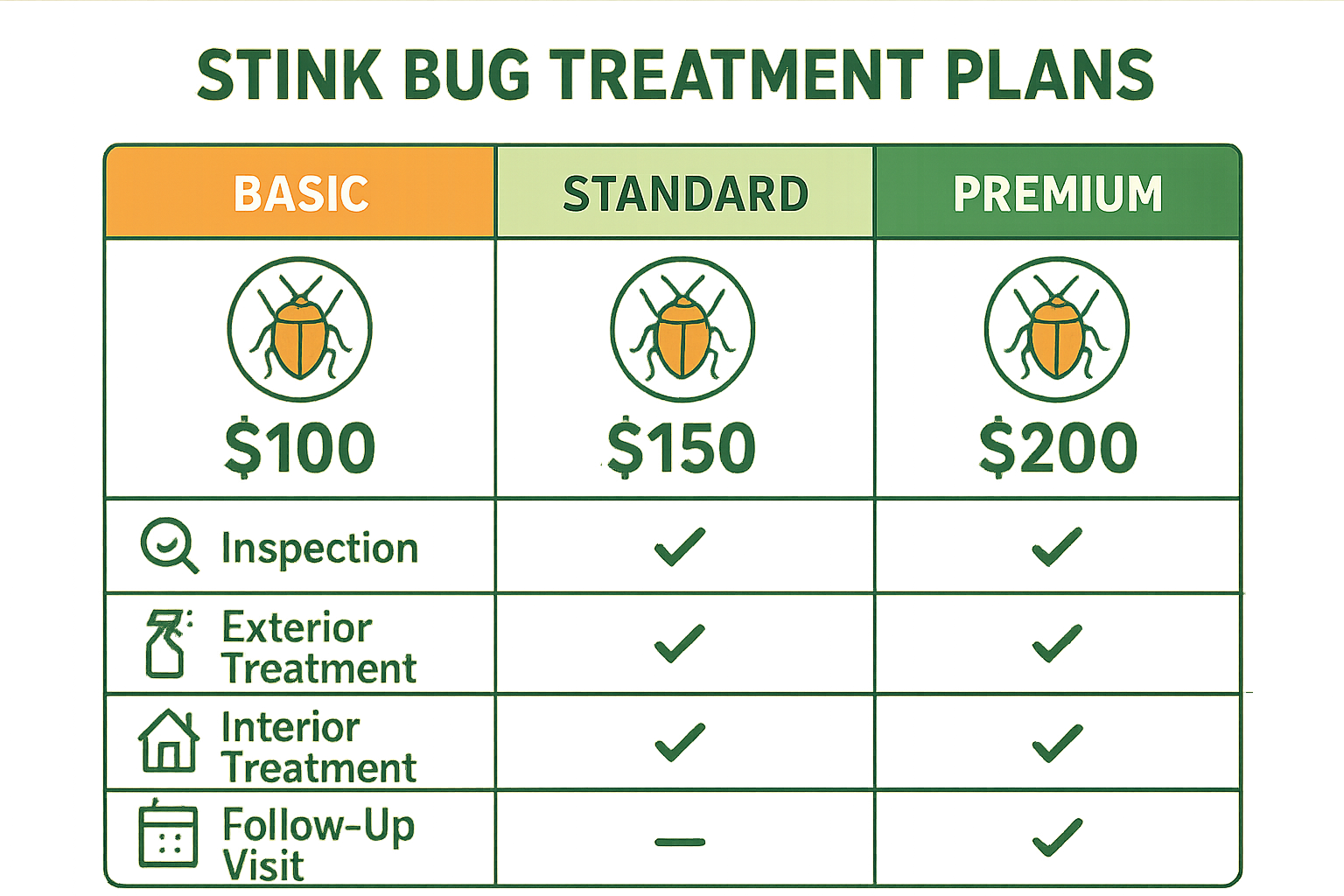
Our transparent pricing is organized into three tiers. All tiers include a thorough inspection, the chosen treatment modality, and a follow‑up visit to verify results.
| Tier | Price (per visit) | Coverage Area | Included Follow‑Ups |
|---|---|---|---|
| Basic | $149 | Up to 1,500 sq ft | 1 post‑treatment check |
| Standard | $229 | Up to 2,500 sq ft | 2 follow‑up visits (3‑month interval) |
| Premium | $319 | Up to 4,000 sq ft | Quarterly follow‑ups + annual perimeter boost |
Choosing the Right Tier
If you’ve spotted a few bugs near doors and windows, the Basic plan usually suffices after a professional stink bug inspection Suwanee homeowners can rely on. A moderate infestation that’s spreading to multiple rooms calls for the Standard tier, giving you extra follow-ups to catch any stragglers. For larger homes or neighborhoods with chronic stink-bug pressure, the Premium package provides the most comprehensive coverage and peace of mind.
Protect Your Home with Anthem Pest Control
Stink bugs are easily recognized by their shield‑shaped bodies and the unmistakable odor they release when disturbed. In Suwanee, they become most active in late summer through early fall, when they seek warmth inside walls and attics. Prompt identification and timely treatment are essential to prevent large colonies from establishing and causing structural damage.
Anthem Pest Control brings years of experience to every stink‑bug inspection, using EPA‑approved products that target the insects while protecting your family and pets. Our technicians follow a systematic approach—locating entry points, treating nesting sites, and sealing gaps—to ensure the infestation is eliminated and stays eliminated. We also offer a seasonal monitoring program that catches new invasions before they become problems.
What sets Anthem apart is our transparent pricing model—no hidden fees, just a clear quote before any work begins. We serve homeowners nationwide, so whether you live in Suwanee or any other U.S. city, you receive the same high‑quality service and satisfaction guarantee. Our goal is to give you peace of mind, knowing your home is protected year after year.
Ready to take the next step? Contact Anthem Pest Control today for a free, no-obligation stink bug inspection Suwanee homeowners can trust. Call us at 877-371-8196 or visit our website to schedule your inspection. Let our experts safeguard your home before the bugs find a way in.