Why Fleas Are a Growing Concern for Homeowners
Flea Control Druid Hills homeowners trust starts with understanding the pest itself. Fleas are tiny, wing-less insects that thrive on the blood of warm-blooded animals. Their life cycle is a rapid four-stage process: an egg hatches into a larva, which spins a protective cocoon and becomes a pupa, and finally emerges as an adult ready to bite. Under ideal conditions—warm temperatures, humidity, and a steady food source—this cycle can complete in as little as two weeks, allowing populations to explode before a homeowner even notices a problem.
Rising Incidence Across U.S. Households
Recent surveys indicate that roughly 1 in 5 U.S. homes with pets experience a flea infestation each year. While dogs and cats are the primary hosts, fleas readily move into yards, carpets, and upholstered furniture, making indoor spaces vulnerable. In the Southeast, where Druid Hills sits, the climate’s mild winters and humid summers create a perfect breeding ground, contributing to a noticeable uptick in reported cases.
Health Risks for Pets and People
For pets, flea bites trigger intense itching, hair loss, and in some cases, allergic dermatitis—a condition where even a few bites can cause severe skin inflammation. Untreated infestations may also lead to tapeworms, as pets ingest fleas while grooming.
Humans are not immune. Flea bites appear as small, red, itchy welts, often in clusters around the ankles or lower legs. While most bites are merely a nuisance, fleas can transmit diseases such as murine typhus and, in rare instances, the plague. The psychological discomfort of knowing your home is a flea haven can also add stress to an already busy household.
Economic Impact You Can’t Ignore
Beyond the emotional toll, fleas impose a tangible financial burden. The average cost of professional flea treatment for a typical home ranges from $150 to $300, depending on the severity and the need for repeat visits. Add to that the expense of pet‑specific products—topical spot‑ons, oral preventatives, and medicated shampoos—which can run another $50‑$100 annually. Property damage isn’t limited to the cost of cleaning; severe infestations can lead to carpet replacement or upholstery repair, pushing expenses well over $1,000 in extreme cases.
What the Experts Recommend
Effective control starts with a clear understanding of flea biology and a proactive approach to prevention. The U.S. Environmental Protection Agency provides comprehensive guidelines on safe pesticide use, integrated pest management, and homeowner responsibilities. For a detailed, science‑backed overview, visit the EPA Flea Control page.
At Anthem Pest Control, we combine this expert knowledge with local experience to deliver safe, affordable solutions that protect both your family and your pets. By recognizing why fleas are a growing concern, you’re already one step closer to a flea‑free home.
Spotting Fleas in Your Yard and Home

Before you call in a professional, the first step in any flea battle is to know where they like to hide. Fleas are tiny, but they’re surprisingly selective about their hangouts—both outside in your yard and inside the house. Spotting the hotspots early can save you weeks of frustration and keep your pets comfortable.
Typical flea habitats around the house
- Tall grass and lawn edges: Flea larvae thrive in the cool, moist shade that tall blades provide.
- Mulch beds and garden borders: Organic mulch retains humidity, creating a perfect nursery for eggs and pupae.
- Garden furniture and outdoor cushions: Fabric and crevices trap debris and moisture, inviting flea development.
- Pet bedding and favorite resting spots: Anywhere your dog or cat sleeps becomes a prime feeding ground for adult fleas.
Visual cues you can’t afford to miss
- Flea dirt: Tiny dark specks (often mistaken for pepper) that appear on pet fur or in bedding are actually digested blood.
- Moving insects on pets: A quick glance at your dog’s coat may reveal a tiny, jumping speck—adult fleas are about the size of a grain of sand.
- Excessive scratching or biting: Persistent itching, especially around the neck, tail base, and belly, is a classic early warning sign.
How to conduct a simple “flea comb” test
Grab a fine-toothed flea comb and gently run it through your pet’s fur, starting at the head and working toward the tail. After each pass, tap the comb onto a white paper towel. If you see tiny black specks that turn reddish when moistened, you’ve likely collected flea dirt. This quick test confirms an infestation and helps homeowners determine whether professional Flea Control Druid Hills services may be necessary.
Inspecting indoor areas
Fleas don’t stay confined to the yard; they quickly migrate to carpets, rugs, and the cracks between floorboards. Pay special attention to:
- Carpet pile and the backing of area rugs.
- Cracks around baseboards, especially in rooms where pets spend time.
- Under sofas, chairs, and any low‑lying furniture where pet hair accumulates.
- Pet resting spots such as dog houses, crates, and upholstered pet beds.
Using light to reveal hidden movement
A flashlight held low to the floor can make adult fleas glitter as they move. For an even clearer view, spread a white sheet or sheet of paper on the floor and sweep it with the beam; any jumping specks will stand out against the bright background.
The backyard scene: a common breeding ground
In Druid Hills, the combination of warm evenings and frequent mulch use turns many backyards into flea factories. If your dog loves to lounge on a mulched patio or dig in a flower bed, those areas become a continuous source of new fleas. Regularly rake mulch, trim grass to a manageable height, and rinse pet‑frequent zones with a hose to disrupt the moisture flea larvae need to survive.
By systematically checking these outdoor and indoor hotspots, you’ll catch a flea problem before it spreads. Once you’ve confirmed activity, a targeted treatment plan—whether DIY or professional—will be far more effective.
Professional vs. DIY Flea Treatment Options
What’s available for the DIY homeowner?
When fleas appear, many homeowners reach for the nearest over‑the‑counter solution. Common DIY tools include flea shampoos that you pour over your pet’s coat, spot‑on treatments that drip onto the animal’s neck, aerosol sprays for carpets and upholstery, and foggers that fill an entire room with insecticide mist. Each product promises quick relief, and the price tag is usually modest compared to a full service call.

DIY: Pros and cons
- Cost‑saving: A single bottle of spot‑on treatment can cost under $20, making it attractive for budget‑concerned homeowners.
- Immediate action: You can apply the product the moment you spot a flea, which feels empowering.
- Incomplete eradication: Most over‑the‑counter options target adult fleas only, leaving eggs and larvae hidden in cracks, bedding, and pet fur.
- Chemical exposure: Sprays and foggers release fine particles that can linger in the air, posing inhalation risks for children, pets, and anyone with respiratory sensitivities.
- Resistance buildup: Repeated use of the same class of insecticide can encourage flea populations to develop tolerance, reducing effectiveness over time.
What a professional treatment looks like
When you call Anthem Pest Control, the process begins with a thorough inspection. A certified technician examines pet bedding, carpet seams, baseboards, and outdoor entry points to map the infestation’s scope. From there, the treatment follows a four‑step protocol:
- Targeted indoor application: Low‑odor, EPA‑approved micro‑encapsulated insecticides are applied to carpets, cracks, and upholstery using precision sprayers.
- Outdoor perimeter treatment: The same formulation is sprayed around the home’s foundation, focusing on shaded areas where adult fleas often rest.
- Pet‑safe follow‑up: One to two weeks later, the technician returns to re‑treat high‑risk zones and verify that the flea life cycle has been interrupted.
- Preventive recommendations: Homeowners receive a customized plan—often including regular vacuuming schedules and pet‑specific products—to keep fleas from returning.
Safety first: Why a trained technician matters
Professional pest control companies are required to use EPA‑registered products that have undergone rigorous testing for human and animal safety. Our technicians complete extensive training on proper dilution, application techniques, and protective equipment. This expertise minimizes the risk of accidental exposure, ensuring that pets and children can safely occupy treated spaces within hours, not days.
Inside the living room: A technician at work
Imagine a technician setting up a portable misting system in a sun‑lit living room. They first move furniture to expose hidden carpet seams, then apply a fine, virtually odorless spray that penetrates deep into cracks where flea larvae hide. After the mist settles, they use a handheld UV light to verify coverage, documenting every treated zone with a tablet. The result is a uniform barrier that a DIY spray simply cannot achieve, and the homeowner can see the professionalism in every step.
When it’s time to call in the pros
- Infestations that span multiple rooms or levels of the house.
- Persistent bites despite regular use of over‑the‑counter products.
- Evidence of flea eggs or larvae in carpet, bedding, or cracks.
- Pets that react adversely to DIY chemicals.
- Suspected resistance to common insecticides, indicated by rapid re‑infestation.
In these scenarios, a professional approach not only eradicates the current problem but also builds a protective shield against future outbreaks. Choosing Anthem Pest Control means leveraging science, training, and a proven treatment roadmap—so you can enjoy a flea‑free home without the guesswork.
Understanding Flea Control Pricing Packages
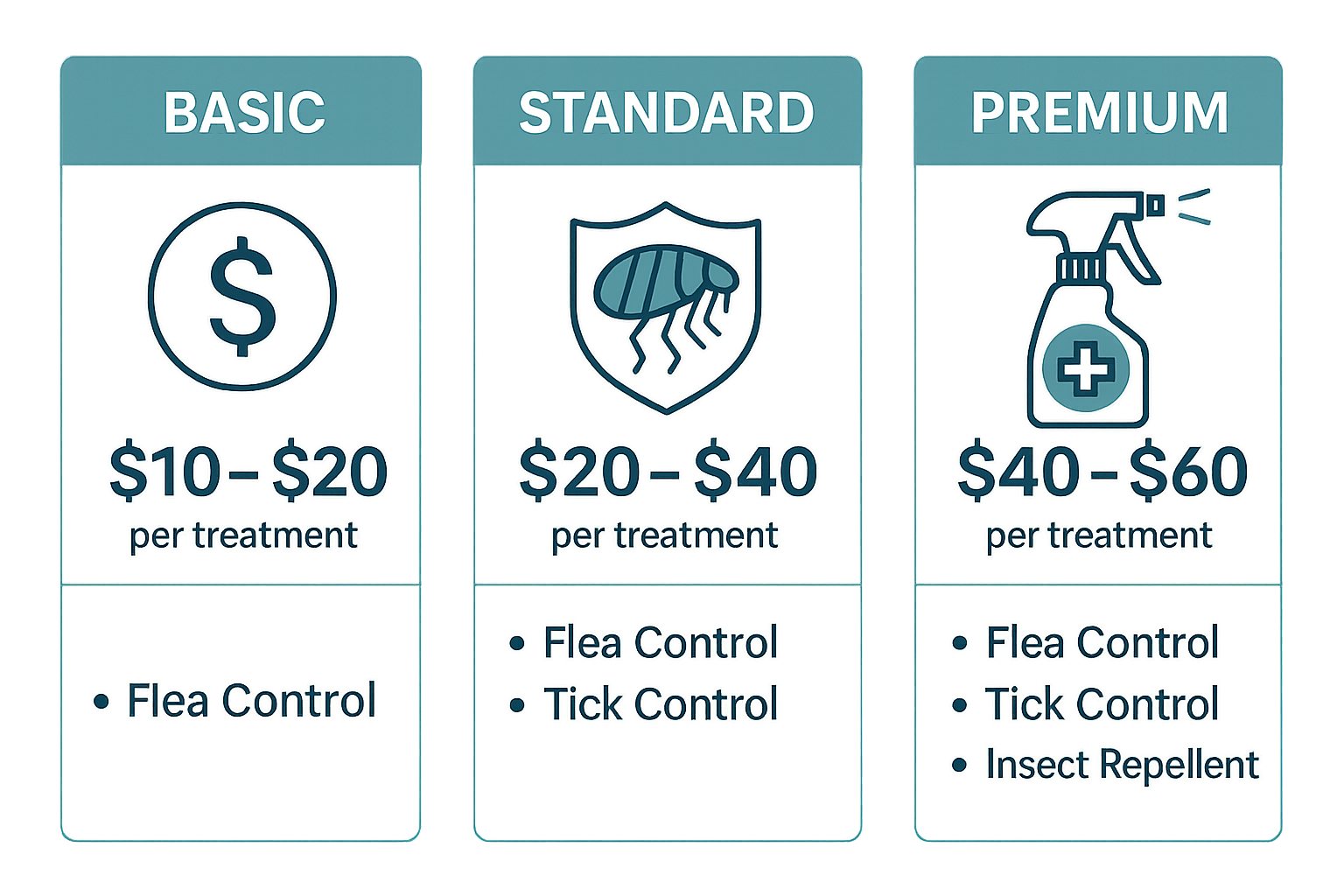
When you call a professional pest‑control company, the first question on most homeowners’ minds is “how much will this cost?” At Anthem Pest Control we group our flea‑control solutions into three clear tiers—Basic, Standard, and Premium—so you can instantly see what you’re paying for and why. The visual infographic below lays out each tier, the associated price range, and the services you’ll receive.
Basic Tier – One‑Time Indoor Treatment
- Single application of a fast‑acting adulticide inside the home.
- Targeted focus on high‑traffic areas such as carpets, pet bedding, and floor seams.
- Ideal for light infestations or homeowners who need an immediate knock‑down.
Typical cost: $80 – $120 per treatment. This price reflects a straightforward, single‑visit service with no outdoor work or follow‑up visits.
Standard Tier – Indoor + Outdoor Perimeter
- All services included in the Basic tier.
- Additional treatment of the yard’s perimeter (foundation, mulch, and shaded zones) where adult fleas often hide.
- Application of a residual spray that continues to kill fleas for up to 8 weeks.
Typical cost: $150 – $220 per treatment. The added outdoor work and longer‑lasting product increase the value, especially for homes with pets that spend time outside.
Premium Tier – Comprehensive, Multi‑Visit Protection
- Three scheduled visits over a 6‑week period, each with indoor and outdoor treatment.
- Pet‑safe, low‑odor products that protect dogs and cats while still eliminating fleas at every life stage.
- Includes a 90‑day warranty: if fleas return, we’ll re‑treat at no extra charge.
- Pre‑treatment inspection and a detailed post‑treatment report.
Typical cost: $300 – $420 per treatment package. This tier offers the highest peace of mind for larger homes, severe infestations, or families with sensitive pets.
What Influences the Price?
Even within a single tier, the final quote can vary based on three key factors:
- Home size: Larger square footage requires more product and longer application time.
- Infestation severity: A heavy flea population may need a higher‑dose formulation or extra visits.
- Seasonality: Spring and summer are peak flea seasons; demand can affect labor rates and product availability.
Our technicians assess these variables during the initial walkthrough, then present a transparent estimate before any work begins.
Transparent Pricing Builds Trust
At Anthem Pest Control we believe that clear, upfront pricing is the cornerstone of a trustworthy relationship. By breaking down exactly what you receive at each tier—and why the cost differs—we eliminate surprise fees and empower you to choose the level of protection that fits your budget and lifestyle. When you see the same numbers on the invoice that were discussed on the phone, confidence in the service naturally follows.
Understanding these packages helps you compare options, gauge value, and make an informed decision that protects your family and pets from the irritation and health risks of fleas.
Timing Your Flea Control for Seasonal Peaks
Fleas are cold‑blooded parasites, so their development is directly tied to outdoor temperature and humidity. When the mercury climbs above 65°F (18°C), eggs hatch faster, larvae mature quicker, and adult fleas begin reproducing at an accelerated rate. In warm months a single flea can complete its four‑stage life cycle—egg, larva, pupa, adult—in as little as two weeks, compared with six weeks or more when it’s cooler. This rapid turnover means a small, unnoticed problem can explode into a full‑blown infestation before you even notice the first bite.
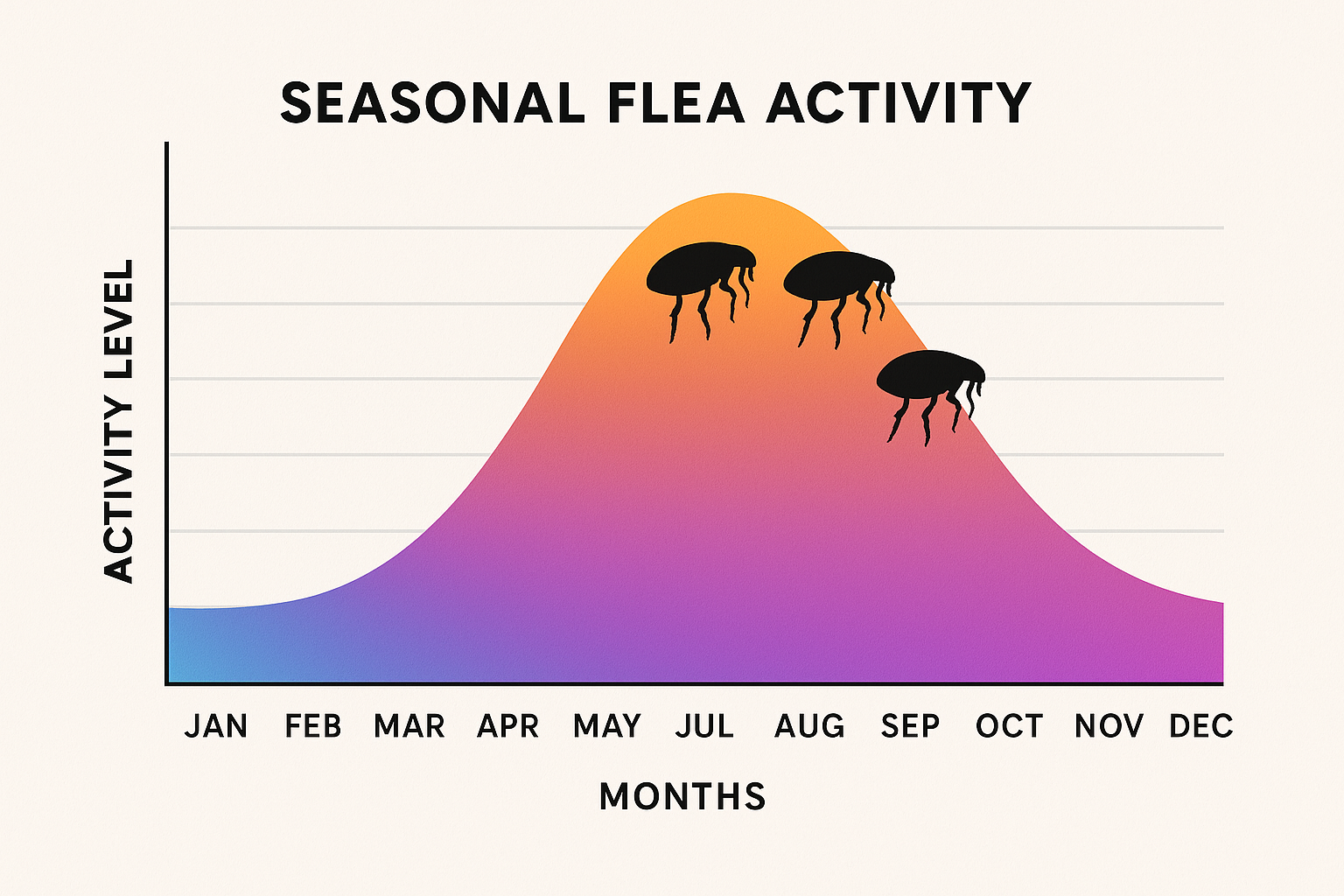
Seasonal Activity Overview
| Month | Activity Level |
|---|---|
| January – February | Low |
| March – April | Moderate |
| May – June | High |
| July – August | Peak |
| September – October | High |
| November – December | Low to Moderate |
The chart above illustrates why late spring through early fall is the critical window for flea control. As temperatures rise, the environment becomes ideal for eggs to hatch and for adult fleas to jump onto pets or into indoor spaces. By the time you notice a few bites, the colony may already be well‑established.
Why Pre‑Emptive Treatment Works
Starting a flea program in early spring—ideally before May—acts like a “vaccination” for your home. A pre‑emptive treatment interrupts the life cycle before it gains momentum, reducing the number of breeding adults that can lay eggs inside your carpet, bedding, or pet’s favorite hangout. Homeowners who schedule a service in March or early April typically see a 60‑80% drop in indoor flea counts compared with those who wait until summer heat forces a reactive approach.
Adjusting Frequency for Your Climate
In hotter southern states such as Georgia, flea activity can linger well into November, so a monthly maintenance schedule from March through October is often recommended. In cooler northern regions, a bi‑monthly plan—April, June, August, and October—usually suffices because the cooler nights slow larval development. Regardless of location, pairing chemical treatments with regular vacuuming, frequent pet bathing, and washing pet bedding amplifies the effect and keeps the flea population from rebounding.
By aligning your treatment calendar with the seasonal peaks shown in the infographic, you give Anthem Pest Control the best chance to stay one step ahead of fleas. A timely, data‑driven approach not only protects your family from itchy bites but also saves you money by preventing a large‑scale infestation that would require intensive, repeated interventions.
Protect Your Home Today with Anthem Pest Control
Effective flea control starts with three fundamentals: correctly identifying the pest, treating at the optimal time of year, and choosing the right method—whether it’s a targeted spray, a pet‑safe fogger, or a comprehensive indoor/outdoor program. Mastering these steps gives you a lasting, flea‑free environment.
Why Choose Anthem Pest Control?
- Certified technicians who stay current on the latest flea biology and treatment protocols.
- EPA‑approved products that eliminate fleas quickly while protecting children and pets.
- Transparent pricing with no hidden fees, so you know exactly what you’re paying for.
- Nationwide coverage that brings the same high‑quality service to Druid Hills and beyond.
Our team is committed to delivering safe, effective, and affordable solutions. We understand that families want peace of mind without compromising the health of their loved ones or four‑legged companions. That’s why every treatment plan is customized, environmentally responsible, and backed by a satisfaction guarantee.
Take the Next Step—No Pressure, No Obligation
Ready to protect your home from fleas once and for all? Schedule a free, no‑obligation quote today. Our friendly specialists will assess your situation, explain the best options, and provide a clear estimate.
Call Anthem Pest Control now at 877‑371‑8196 or visit Anthem Pest Control to request your quote. A flea‑free home is just a phone call away—let us handle the pests so you can enjoy a comfortable, worry‑free space.