
Understanding Silverfish and Their Impact at Home
Silverfish, scientifically known as Lepisma saccharina, are small, wing-less insects that have been sharing our homes for centuries. Though they may look like tiny fish gliding across a floor, they are actually primitive insects that have survived because they thrive in the dark, damp places most of us try to keep hidden—conditions that often lead homeowners to seek emergency silverfish control Decatur professionals when infestations appear suddenly.
What Do Silverfish Look Like?
Adult silverfish typically measure 12–25 mm (½–1 in) in length. Their bodies are elongated, covered with tiny scales that give them a silvery‑gray sheen—hence the name. They move in a distinctive, fish‑like “wriggle” that can startle anyone who spots them at night. Their three long, bristle‑like tail appendages (cerci) and two shorter ones near the abdomen help them balance as they dart quickly across surfaces.
Where Do They Hide?
Silverfish are drawn to environments that stay cool and moist. In a typical Decatur home, you’ll find them in:
- Kitchens—especially behind appliances, under sinks, and near pantry boxes.
- Bathrooms—around tile grout, under tubs, and in shower curtains.
- Basements and crawl spaces—where humidity is naturally higher.
- Closets and wardrobes—particularly if stored fabrics are damp or stored for long periods.
These entry points are often accidental; a small crack around a pipe or a gap under a door can be enough for a silverfish to slip inside.
Why Should Homeowners Care?
Unlike cockroaches or rodents, silverfish are not disease vectors. They don’t carry pathogens that directly threaten human health. However, they are classified as nuisance pests because of the subtle but costly damage they can inflict. Their diet consists of carbohydrates, proteins, and starches, meaning they’ll chew on:
- Paper products—books, magazines, and important documents.
- Natural fabrics—silk, cotton, wool, and even stored clothing.
- Food stores—cereal, flour, sugar, and pet food.
Over time, a moderate infestation can lead to noticeable holes, staining, and a musty odor that signals a moisture problem.
How Common Is the Problem?
According to the National Pest Management Association (NPMA), approximately 30 % of U.S. households report seeing silverfish at least once a year. In the Southeast, where humidity levels frequently exceed 60 %, the prevalence climbs to nearly 45 %. Moreover, the NPMA notes that homes with visible water damage or poor ventilation are three times more likely to host silverfish colonies.
| Region | Reported Silverfish Sightings | Homes with Moisture Issues |
|---|---|---|
| National Average | 30 % | 22 % |
| Southeast (including Georgia) | 45 % | 38 % |
| Pacific Northwest | 18 % | 12 % |
Setting the Stage for Control
Understanding where silverfish come from, how they move, and what they damage is the first step toward effective control. In the sections that follow, we’ll explore why swift action matters, which treatment methods work best in Decatur homes, and how Anthem Pest Control can help you eliminate these silent intruders before they turn a minor inconvenience into a costly repair.
Identifying Silverfish Damage and Warning Signs
Silverfish are tiny, silvery-scaled insects that love the dark, damp corners of a home. Their feeding habits leave a trail of very specific damage that, once you know what to look for, can signal the need for emergency silverfish control Decatur homeowners shouldn’t delay before an infestation gets out of hand.
What the damage looks like
Unlike the clean cuts left by moth larvae, silverfish create irregular, ragged holes in paper, book pages, and cardboard. On fabrics you’ll often see yellowish, tea‑stain‑like marks where they’ve chewed through natural fibers. In the kitchen, their surface feeding on starches produces a fine, powdery residue and tiny bite marks on flour bags, cereal boxes, and even wallpaper paste.
How silverfish feeding differs from other pests
- Moths: Moth larvae eat from the inside out, leaving smooth, oval holes and a silken webbing.
- Termites: Termite damage is characterized by hollowed wood, mud tubes, and a distinct “pencil‑shaped” frass.
- Cockroaches: Cockroach chewing is more random and often accompanied by droppings that look like dark pepper grains.
- Silverfish: Their feeding is superficial, leaving the thin, silvery tracks and the tell‑tale yellow stains on fabrics.
Where you’ll usually find the signs
Silverfish thrive in areas where moisture and food sources intersect. Common hotspots include:
- Bookshelves and magazine racks
- Pantry boxes, especially those containing flour, sugar, or cereal
- Behind wallpaper or baseboards where humidity collects
- Clothing drawers and closets with natural fibers (wool, cotton, silk)
- Bathrooms and laundry rooms with poor ventilation
Step‑by‑step inspection checklist
- Turn off the lights. Silverfish are nocturnal; a flashlight will make any live insects easier to spot.
- Search for shed skins. These translucent, fish‑shaped exuviae indicate recent activity.
- Look for fecal pellets. Small, pepper‑like specks near food sources are a clear sign.
- Examine surfaces for bite marks. Use a magnifying glass to differentiate the ragged holes from moth damage.
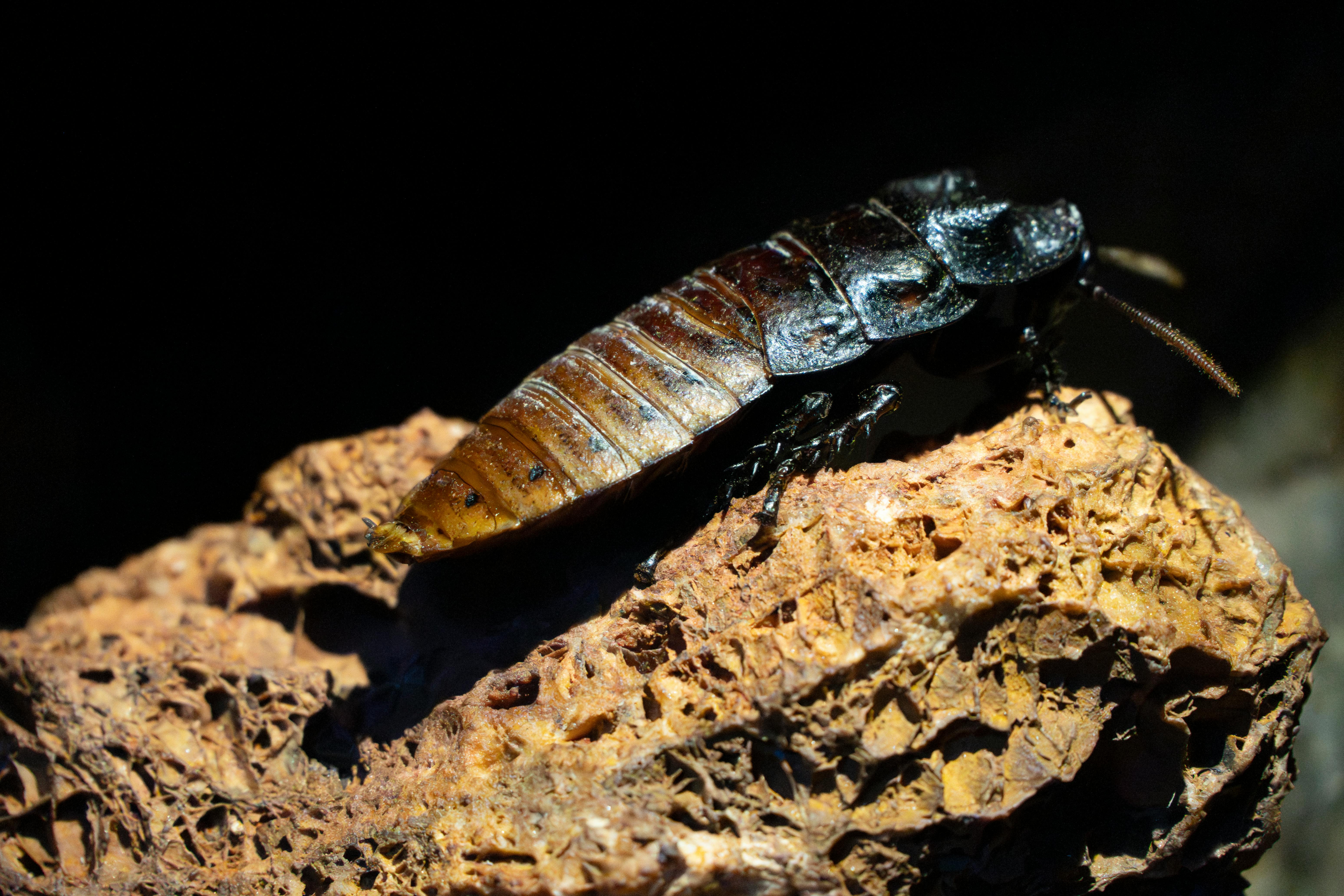
- Take macro photos. Close‑up images help you compare the tiny, silvery bodies to the provided photograph of a Madagascar hissing cockroach, illustrating the similar sheen and feeding patterns.
Documenting what you find
Before you call a professional, gather clear evidence. This speeds up diagnosis and ensures you receive the most effective treatment.
- Snap photos of each damage type (holes, stains, pellets) with a smartphone.
- Note the exact location—room, shelf, and height from the floor.
- Record the date and any environmental conditions (e.g., high humidity, recent water leaks).
- Keep a short log of any live sightings, including the time of night they were observed.
Armed with these visual cues and a systematic inspection routine, you’ll be able to identify silverfish activity early and give Anthem Pest Control the information it needs to eliminate the problem swiftly and safely.
Environmental Factors That Encourage Silverfish Infestations
Moisture: The Silverfish Magnet
Silverfish thrive when the air is damp. Research from the EPA’s Indoor Pest Management Guidelines shows that indoor humidity levels between 60 % and 80 % create the perfect breeding ground for these nocturnal insects. When moisture accumulates on walls, floors, or stored items, it softens cellulose—what silverfish love to eat—and speeds up their life cycle, often triggering the need for emergency silverfish control Decatur in homes where humidity regularly spikes above the recommended range.
Temperature: Warmth Keeps Them Moving
While moisture is the primary driver, temperature plays a supporting role. Silverfish are most active in environments that stay around 70 °F to 80 °F (21 °C–27 °C). This temperature range aligns with the warm months in Decatur, Georgia, when outdoor humidity also rises. Seasonal humidity trends—higher in late spring through early fall—coincide with the peak of silverfish activity, explaining why homeowners often see a surge in sightings during those periods.
Food Sources: Everyday Items They Love
Silverfish are opportunistic eaters. Their diet includes anything rich in starch or protein, such as:
- Paper products (newspapers, books, cardboard boxes)
- Glue and starch‑based adhesives
- Food crumbs, especially from cereals, flour, and rice
- Dead insects and other organic debris
Because these items are common in most households, a silverfish infestation can develop silently—often unnoticed until you spot the insects themselves.
Structural Entry Points: How They Slip Inside
Silverfish are small enough to exploit the tiniest gaps. Cracks in the foundation, gaps around plumbing or electrical pipes, and poorly sealed windows provide direct pathways from the moist outdoors to the interior of your home. Once inside, they hide in wall voids, under baseboards, and behind appliances where humidity remains high.
Homeowner Actions: Simple Steps to Make Your Home Less Inviting
Fortunately, most of the conditions that favor silverfish can be managed with a few proactive steps:
- Use a dehumidifier: Keep indoor humidity below 60 %—the CDC’s recommendation for optimal indoor air quality—to deter moisture‑loving pests.
- Fix leaks promptly: Repair dripping faucets, roof leaks, and condensation problems before water can seep into walls or cabinets.
- Seal entry points: Apply caulk around windows, doors, and pipe penetrations; fill foundation cracks with appropriate sealant.
- Store vulnerable items properly: Keep paper goods, books, and food in airtight containers or sealed plastic bins.
- Ventilate high‑moisture areas: Use exhaust fans in kitchens and bathrooms, and consider a ventilation system for basements or crawl spaces.
By controlling humidity, maintaining stable temperatures, eliminating food sources, and sealing structural gaps, you dramatically reduce the likelihood of a silverfish outbreak. If you’ve already noticed signs of activity—silvery fish‑like insects, tiny black droppings, or damage to paper—contact a local professional like Anthem Pest Control. Our team can assess the specific conditions in your Decatur home and implement targeted treatments that address both the insects and the environment that supports them.
DIY vs Professional Silverfish Control – What Works Best
Popular DIY solutions
Homeowners often reach for readily-available products when silverfish make an unwelcome appearance, but in severe cases this first response may quickly escalate into a need for emergency silverfish control Decatur residents can depend on. The most common do-it-yourself options include:
- Boric acid powder – a low‑toxicity dust applied in cracks, baseboards, and pantry corners.
- Sticky traps – adhesive pads that capture wandering insects and give a quick visual of activity levels.
- Diatomaceous earth – a fine, silica‑based powder that desiccates insects on contact.
- Over‑the‑counter sprays – aerosol or liquid insecticides marketed for “general household pests.”
Pros of the DIY route
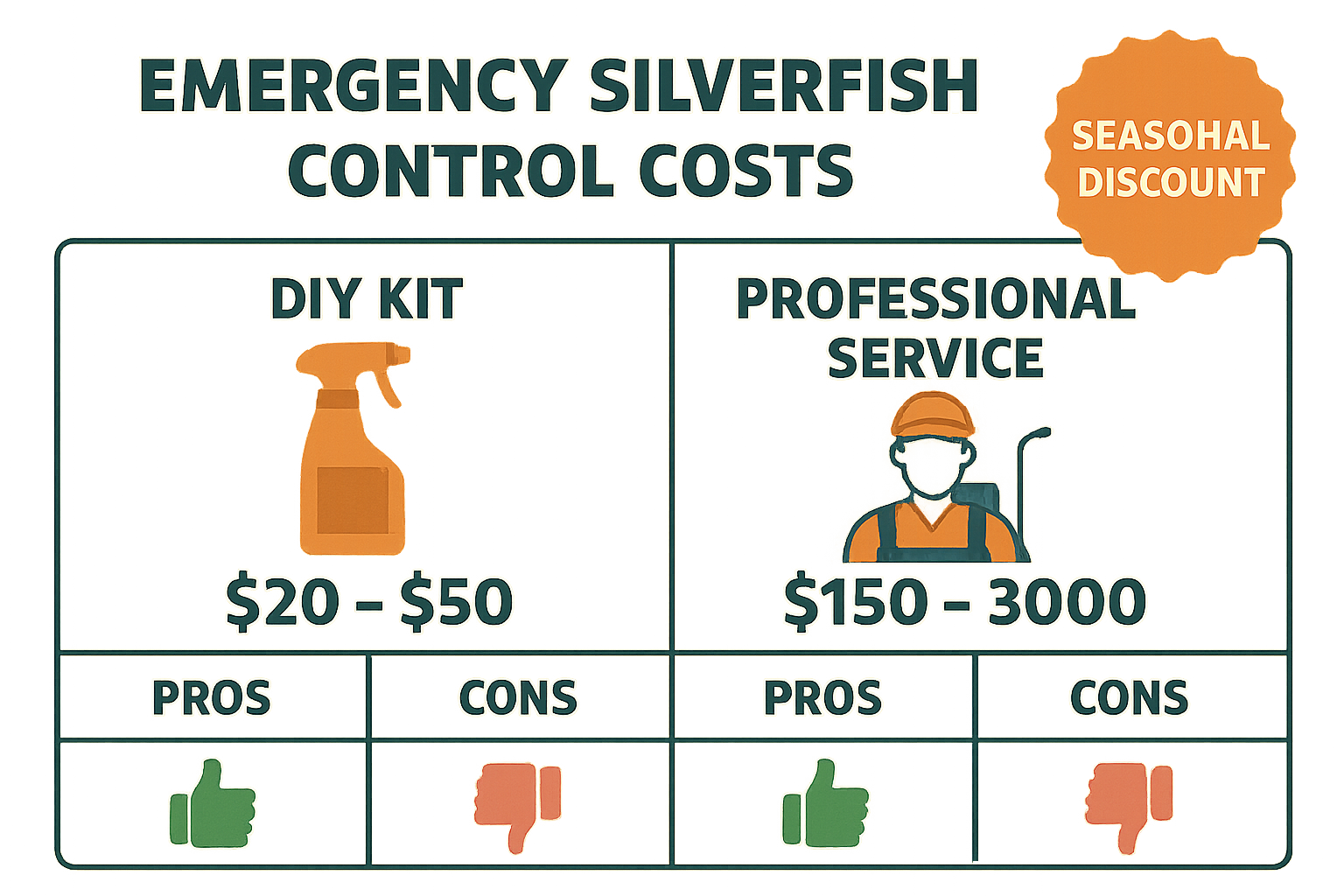
- Lower upfront cost – a single kit can be bought for under $30.
- Immediate availability – no need to schedule a technician.
- Effective for minor sightings – a few traps or a dusting can curb a light infestation.
Cons of DIY methods
- Limited coverage – products only treat visible areas; hidden nests often remain untouched.
- Potential health hazards – powders can irritate lungs or skin if applied without proper protection.
- Repeated applications – effectiveness wanes quickly, requiring frequent re‑treatment.
What a professional service brings
When you call a licensed pest‑control provider like Anthem Pest Control, you receive a comprehensive package:
- Thorough inspection – technicians locate breeding sites behind walls, under flooring, and inside insulation.
- Targeted chemical or heat treatments – EPA‑approved products applied with calibrated equipment, or heat‑based eradication for hard‑to‑reach areas.
- Follow‑up monitoring – post‑treatment inspections ensure the population stays suppressed.
- Warranty options – many companies offer a guarantee period, giving homeowners peace of mind.
Cost comparison
| Option | Typical Cost (USD) | Pros | Cons |
|---|---|---|---|
| DIY Kit (boric acid, traps, diatomaceous earth) | $10 – $30 | ✅ Low upfront expense ✅ Immediate use |
❌ Limited reach ❌ Requires repeated application ❌ Potential safety risks |
| Professional Call‑out (inspection + treatment) | $150 – $300 per visit | ✅ Comprehensive coverage ✅ EPA‑approved chemicals ✅ Follow‑up guarantee |
❌ Higher initial cost ✅ Scheduling needed |
When an emergency response is warranted
If you notice any of the following, DIY may no longer be sufficient and a rapid professional intervention is advisable:
- Heavy infestation – dozens of silverfish visible each night.
- Structural damage – gnawed paper, cardboard, or fabric showing signs of extensive feeding.
- Health concerns – allergic reactions or respiratory irritation triggered by silverfish droppings.
Safety considerations for both approaches
Whether you opt for a home‑brew solution or a licensed technician, safety should never be an afterthought.
- Personal protective equipment (PPE) – wear gloves, a dust mask, and eye protection when handling powders or sprays.
- Child and pet protection – keep treated areas off‑limits until residues are dry or fully cleared.
- EPA compliance – only use products that are registered for indoor use; professionals must follow label directions and provide a safety data sheet.
In short, DIY methods can buy you time and a modest win against a few stray silverfish, but a professional service delivers the depth, consistency, and legal safeguards needed for a true emergency in Decatur, Georgia.
Seasonal Timing for Silverfish Prevention and Treatment
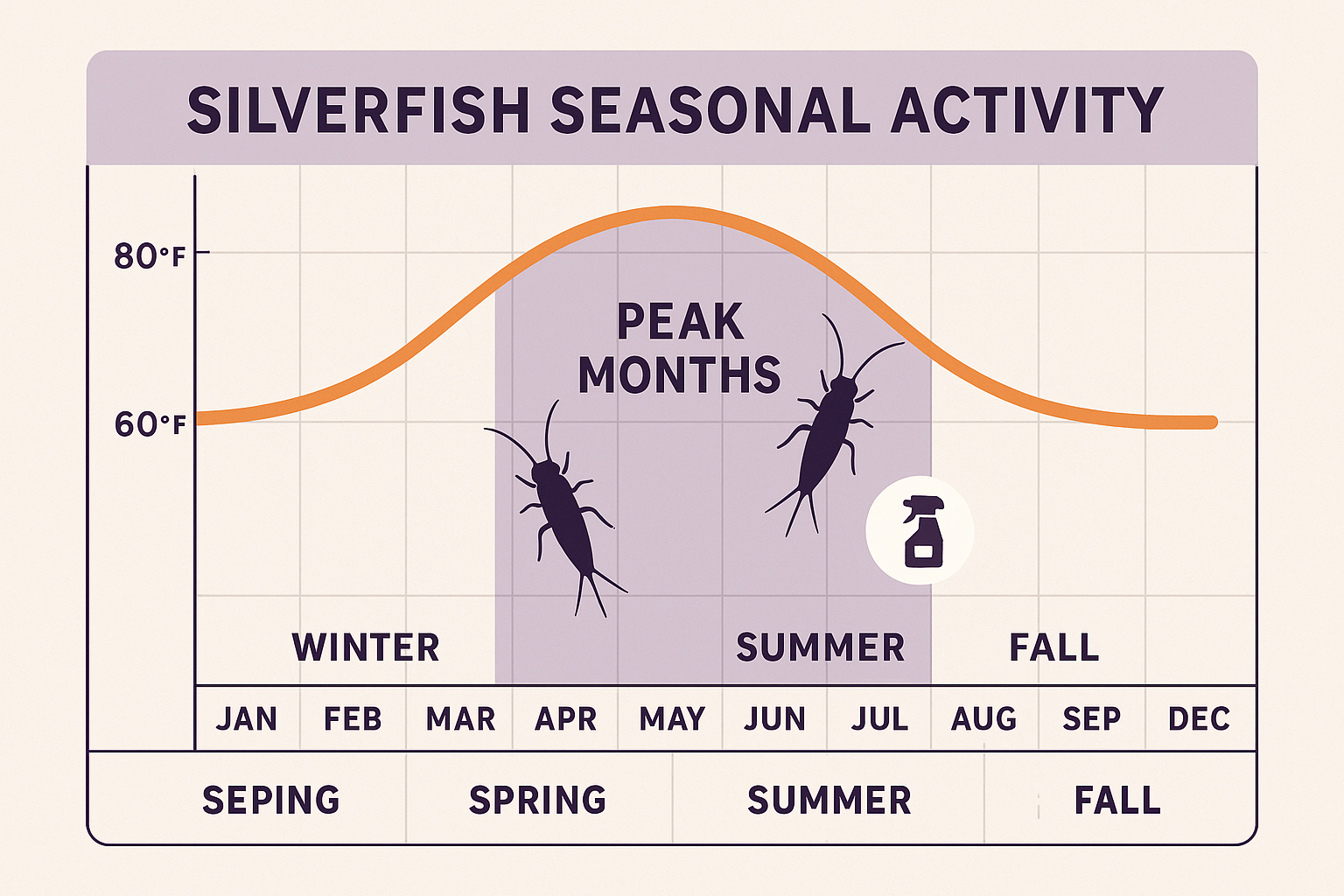
Silverfish thrive when the air is warm and moist—conditions that swing dramatically through the year in Decatur. Their life cycle speeds up as temperatures rise above 70°F (21°C) and humidity climbs above 60%. In cooler, drier months, development slows, eggs hatch less frequently, and adult activity drops. Understanding this temperature‑humidity link lets you anticipate when the bugs will be most active and plan your defenses accordingly.
Peak Activity Months
The chart above highlights the two‑month window where silverfish are at their most aggressive: late April through August. During this period, the combination of rising daytime temperatures and lingering summer humidity creates the perfect breeding ground. You’ll notice more sightings near kitchens, bathrooms, and basements as the insects search for food and shelter.
Recommended Treatment Windows
- Early Spring (mid‑March to early April): Conduct a pre‑emptive inspection and apply a barrier treatment. This “front‑load” approach reduces the initial population before they can explode in the warm months.
- Late Summer (late August to early September): Follow up with a targeted retreat. By this time, the indoor humidity begins to drop, making residual products more effective and preventing a fall resurgence.
Aligning Home Maintenance with the Calendar
Pair your pest‑control schedule with simple home‑care tasks:
- March–April: Run dehumidifiers in basements and crawl spaces. Declutter stored boxes, especially those kept in attic or garage spaces, to eliminate hiding spots.
- May–July: Keep kitchen and bathroom vents clean; fix any leaky pipes promptly. Replace weather‑stripping around doors and windows to curb moisture ingress.
- September–October: Perform a final deep‑cleaning sweep, focusing on corners and under appliances where silverfish may have taken refuge during the summer.
Seasonal Discounts and Professional Inspections
Many local pest‑control firms, including Anthem Pest Control, offer reduced‑rate packages during the low‑demand months of January and February. Taking advantage of these discounts not only saves money but also secures a spot on the calendar before the spring surge. We recommend scheduling a professional inspection no later than early March—this gives you a detailed report and a customized treatment plan just in time for the first wave of activity.
| Month | Average Temperature (°F) | Average Humidity (%) | Activity Level |
|---|---|---|---|
| January | 43 | 55 | Low |
| February | 46 | 57 | Low |
| March | 55 | 62 | Moderate |
| April | 64 | 68 | High |
| May | 73 | 71 | Very High |
| June | 80 | 73 | Very High |
| July | 82 | 72 | Very High |
| August | 79 | 70 | High |
| September | 71 | 66 | Moderate |
| October | 60 | 60 | Low |
| November | 52 | 58 | Low |
| December | 45 | 55 | Low |
Protect Your Home Today with Anthem Pest Control
Silverfish are the tiny, fish‑shaped insects that love the dark, damp corners of your home. You’ve learned how to spot their silvery bodies, the tell‑tale fish‑scale skin, and the tell‑tale signs they leave behind—tiny yellow stains, shredded paper, and those characteristic fish‑scale holes in fabrics or books. Knowing these clues lets you act before they multiply.
Moisture, humidity, and food sources such as starches, sugars, and paper create the perfect breeding ground for silverfish. Leaky pipes, bathroom condensation, and cluttered storage areas are the environmental triggers that invite them inside. The longer you wait, the more entrenched the infestation becomes, and the harder it is to eradicate.
Timely treatment is essential. A swift response stops silverfish from damaging books, clothing, and even wiring. Early intervention also prevents the insects from spreading to neighboring rooms, saving you time, stress, and money.
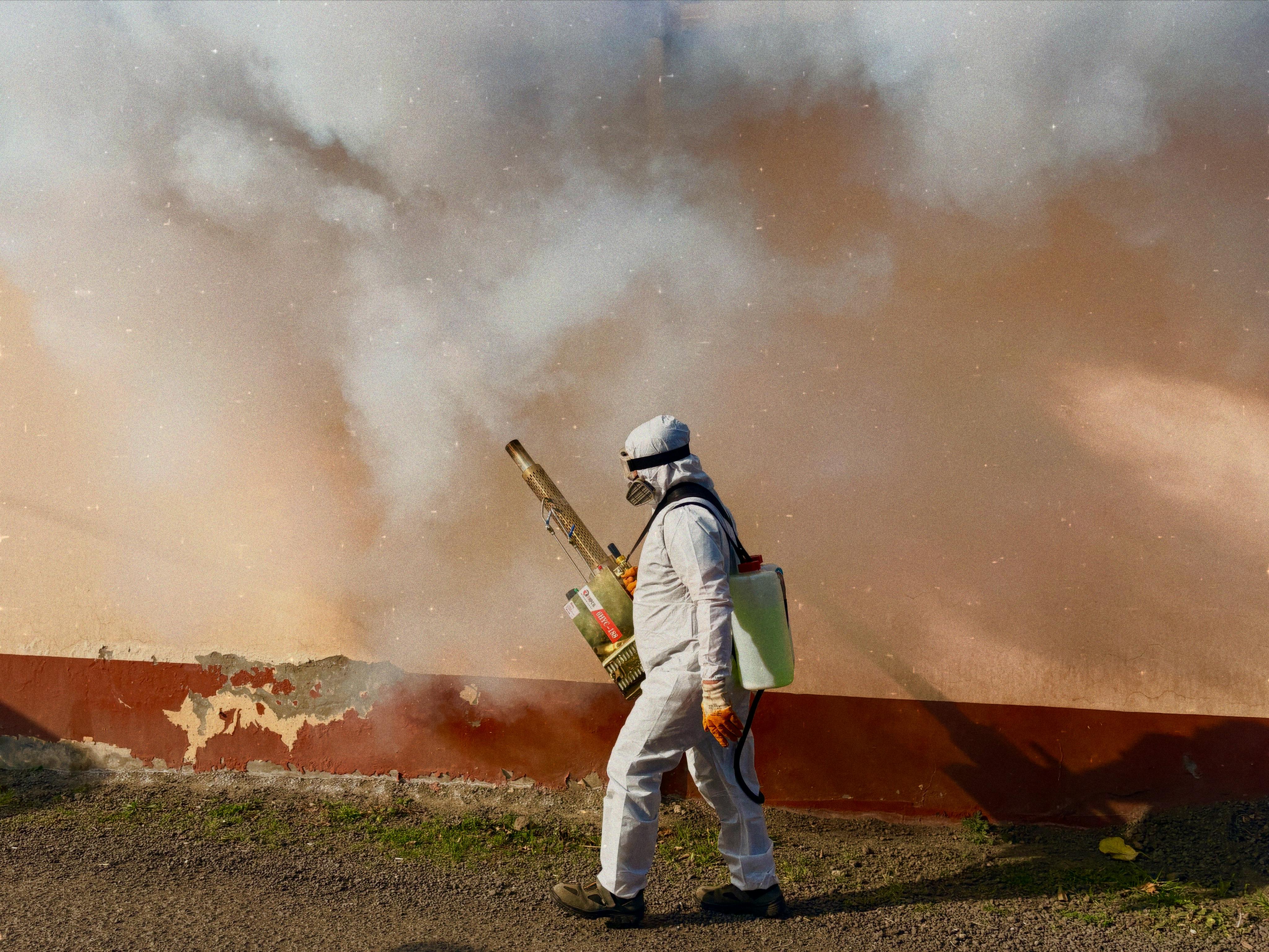
Choosing a professional pest‑control service brings three major advantages. First, a certified technician conducts a thorough inspection, identifying hidden hotspots that DIY methods often miss. Second, licensed treatments are both safe for your family and highly effective against the resilient silverfish life cycle. Finally, ongoing monitoring ensures that any resurgence is caught early, keeping your home pest‑free year after year.
Anthem Pest Control combines nationwide expertise with a local‑homeowner focus. Our technicians are trained to recognize silverfish behavior patterns specific to the Decatur climate, and we apply proven, low‑toxicity products that protect your loved ones and pets. Transparent pricing means you know exactly what you’re paying for—no hidden fees, just honest, affordable solutions.
If you’ve spotted silverfish or simply want peace of mind, let our certified technicians handle the problem for you. We’ll perform a detailed inspection, recommend the most appropriate treatment, and set up a schedule for regular follow‑ups, all while respecting your home’s unique layout.
Ready to act? Call us today at 877‑371‑8196 for a free, no‑obligation quote. Our friendly team is standing by to answer your questions and schedule an appointment that fits your busy life.
Visit Anthem Pest Control to learn more about our safe, effective, and affordable silverfish control services. If you’re facing a sudden infestation, our team is ready to provide emergency silverfish control Decatur homeowners can trust, so you can enjoy a pest-free environment—today and tomorrow.