Recognizing Crickets in Your Home
Crickets belong to the family Gryllidae and are drawn indoors when they seek shelter, moisture, or a warm place to lay eggs. In Suwanee’s humid climate, they often slip through tiny openings and end up in kitchens, basements, or bathrooms where food and water are plentiful—one of the main reasons homeowners search for a cricket exterminator near me Suwanee.
What Do They Look Like?
Most household crickets are black or dark brown with a smooth, elongated body that ranges from ½‑inch to 1‑inch long. Their long hind legs are built for jumping, and the wings—when present—are thin, translucent, and may have a faint vein pattern. The most reliable visual cue is the pair of cerci (tail‑like filaments) that extend from the rear of the abdomen.
The Signature Chirp
Male crickets produce a rhythmic chirping sound by rubbing their forewings together—a behavior called stridulation. In a quiet home, you’ll hear a steady “chirp‑chirp‑chirp” that peaks at night, usually lasting 2‑3 seconds per bout. If the chirp sounds louder or more continuous, it may indicate a growing population.
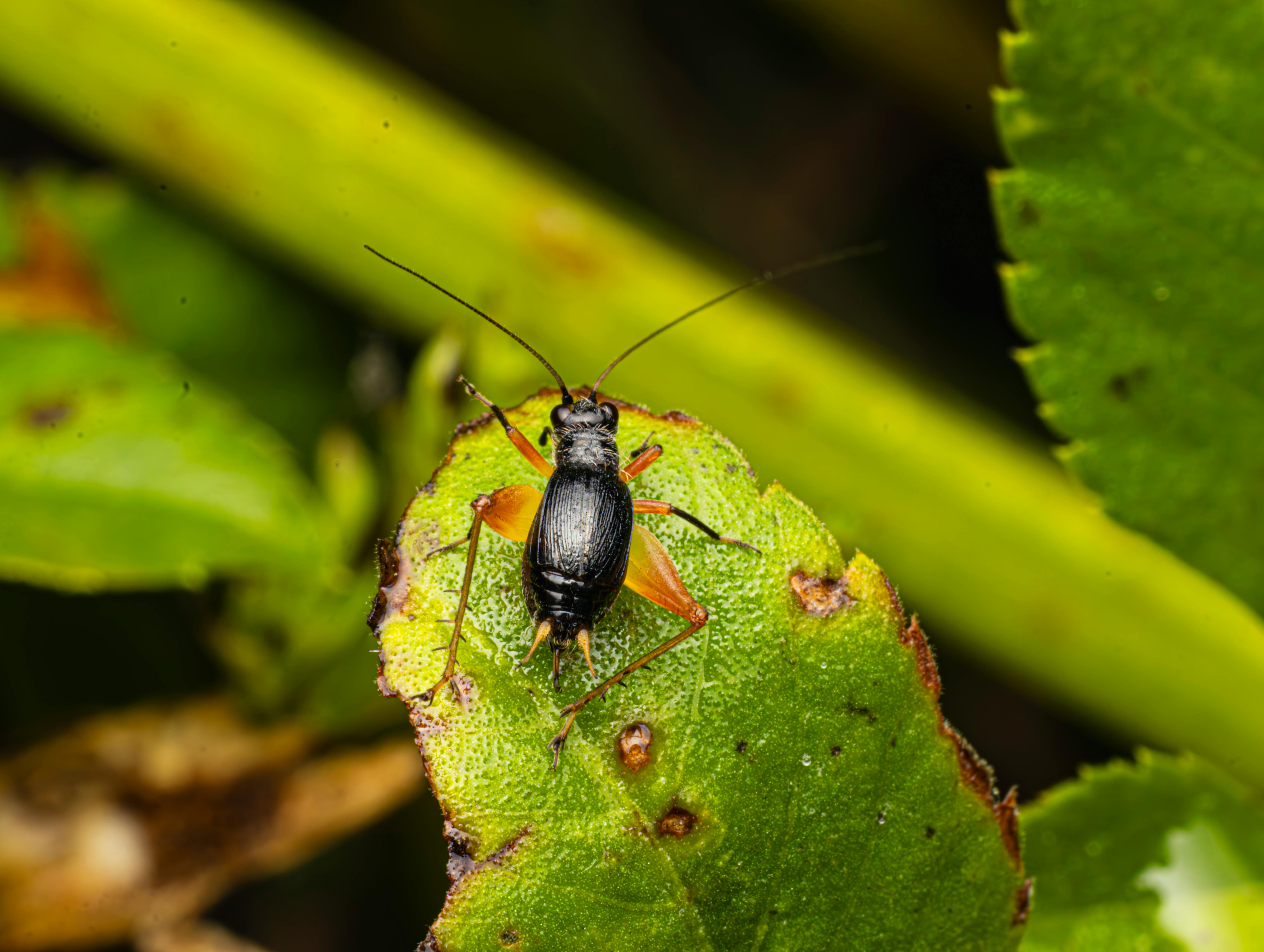
The macro photograph above highlights the cricket’s dark exoskeleton, the shape of its wings, and the tiny spines on its legs—details that help you confirm the species when you spot one.
Where Do They Get In?
- Unsealed doors or windows, especially those left open at night.
- Cracks around foundation walls, utility penetrations, or vent openings.
- Gaps around plumbing fixtures in bathrooms and kitchens.
Once inside, crickets gravitate toward damp areas. Basements with poor ventilation, kitchen sinks, and bathroom showers provide the moisture they need to survive and reproduce.
Warning Signs of a Breeding Population
Early detection can prevent a full‑blown infestation. Look for:
- Small, oval egg pods hidden in soil, mulch, or under appliances.
- An increase in nighttime chirping that seems to come from multiple locations.
- Fine, dark droppings resembling ground coffee, often found near food prep areas.
Why Identification Matters
Knowing you’re dealing with crickets—not ants or cockroaches—guides the right treatment approach. Crickets are primarily a nuisance; however, large numbers can cause structural damage to fabrics and wood, and their droppings may trigger allergic reactions.
For a data‑driven perspective on local cricket activity, consult the National Pest Management Association and the Georgia Department of Agriculture pest alerts. These resources track seasonal trends and help homeowners time interventions for maximum effectiveness.
When Crickets Are Most Active – A Seasonal Overview
Life‑cycle basics
Crickets follow a simple three‑stage life cycle: egg, nymph, then adult. Eggs hatch when soil temperatures consistently stay above 55 °F (13 °C). Warm, moist conditions accelerate nymph development, while cooler, dry spells can stall it for weeks.
How temperature and humidity drive growth
Each degree above the 55 °F threshold shortens the nymph stage by roughly two days. Humidity above 60 % keeps the soil soft enough for nymphs to emerge and molt without desiccation. This is why you’ll see a rapid population surge once late‑spring warmth settles in.
Monthly activity chart
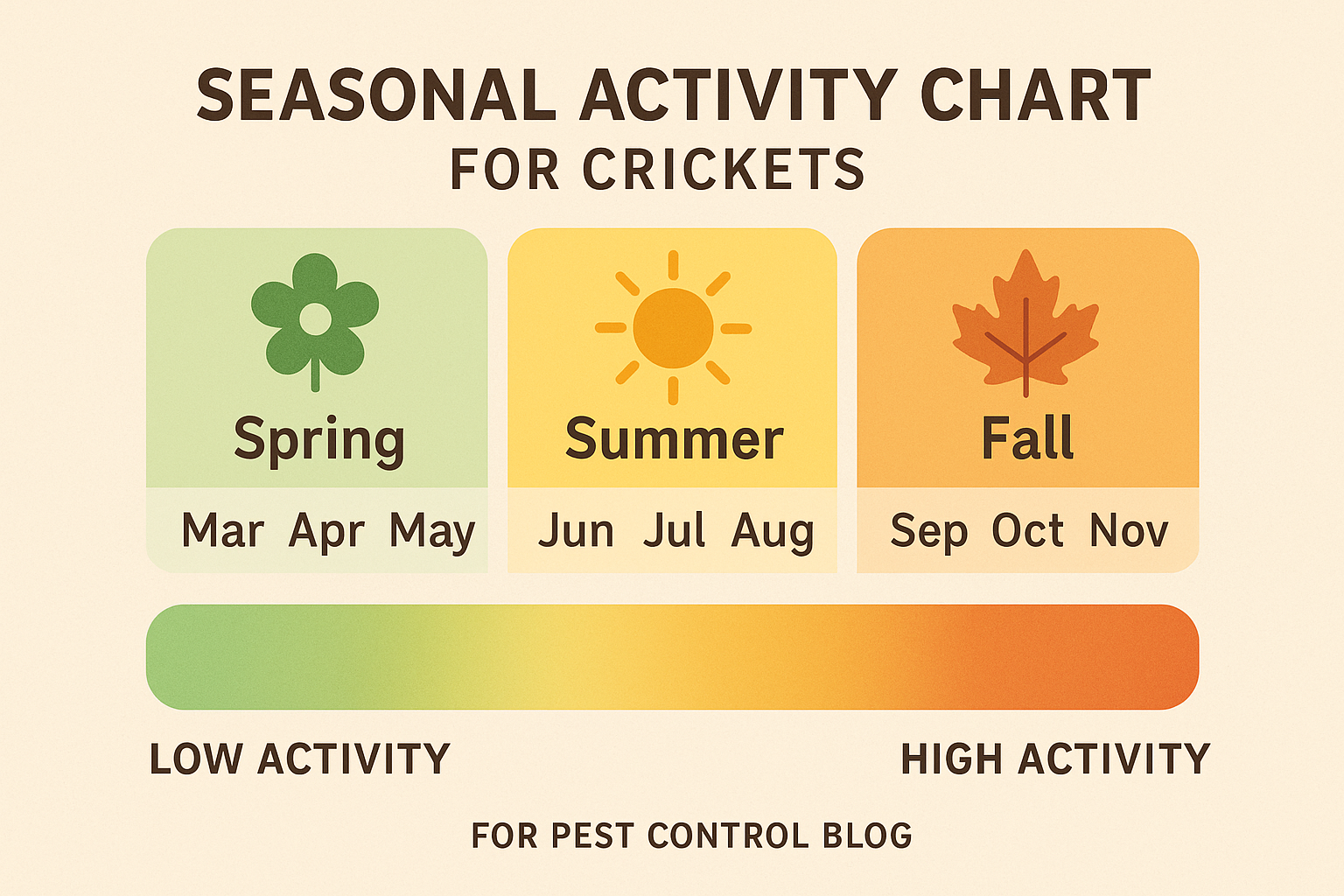
Our seasonal chart breaks the year into four clear phases:
- March–April: First adults appear, producing the earliest chirps.
- May–July: Population peaks; evenings are filled with loud, continuous songs.
- August–September: Numbers begin to decline as adults age and die.
- October–November: Only a few late‑season survivors linger, often seeking shelter in basements.
Regional variations
In warmer southern states like Georgia, soil warms earlier, so crickets can emerge as early as late February. In contrast, northern regions often wait until late May for the first audible chirps. Adjust your monitoring schedule accordingly.
Homeowner complaints tied to peaks
During the summer boom, homeowners most frequently report:
- Loud, rhythmic chirping that starts at dusk and lasts for hours.
- Increased sightings of adult crickets in kitchens, garages, and basements.
- Occasional damage to indoor plants from feeding.
These complaints align directly with the chart’s “peak” window, making it the optimal time for targeted treatments.
Timing outdoor treatments
The EPA’s pest-management guidelines recommend applying residual outdoor insecticides just before the spring emergence, typically when soil temperatures reach 55 °F. This pre-emptive approach reduces the initial adult population and curbs the summer explosion—often a key strategy used by a cricket exterminator near me Suwanee homeowners rely on.
For detailed timing recommendations, see the EPA pest‑management guidelines.
Why Crickets Can Become a Household Problem
When a chorus of crickets fills your living room after sunset, it may sound charming, but the reality for most homeowners is far less musical. A modest infestation can quickly turn from an annoyance into a multi‑faceted problem that touches health, comfort, and even property value. Understanding how these seemingly harmless insects affect your home is the first step toward effective prevention and treatment.
Noise nuisance that disrupts sleep
Male crickets produce a steady chirp by rubbing their wings together—a behavior designed to attract mates. In a quiet bedroom, that rhythm can become a relentless alarm clock, waking you several times a night. Chronic sleep interruption not only reduces quality of life but can also impair concentration, mood, and overall wellbeing. For light‑sleepers, even a few minutes of chirping can feel like a full‑blown insomnia episode.
Food contamination and unpleasant odors
Crickets are opportunistic feeders. They will chew on pantry staples such as grains, cereals, and dried fruit, leaving behind droppings, shed skins, and a faint, musty odor. Those remnants can attract other insects and create a breeding ground for mold if moisture is present. In severe cases, contaminated food must be discarded, leading to waste and additional grocery expenses.
Allergic reactions and respiratory concerns
For sensitive individuals, cricket droppings, shed exoskeletons, and even the insects themselves can act as allergens. Inhalation of these particles may trigger asthma attacks, sneezing, or skin irritation. The risk is similar to that posed by dust mites or cockroach debris, and it is documented in the EPA’s indoor pest health‑risk guidelines. Homeowners with children, seniors, or asthma sufferers should treat cricket sightings with urgency.
Structural concerns and secondary pest attraction
Although crickets rarely chew through wood or insulation, large numbers can lure predators such as spiders, centipedes, and even small mammals seeking an easy meal. Those secondary pests may cause their own damage—spider webs in corners, centipede bites, or gnaw marks on stored items. The cascading effect can turn a simple cricket problem into a broader infestation that requires professional intervention.
Psychological impact and property perception
Seeing crickets scuttle across floors or hearing their chorus at night can create a feeling of loss of control. This perception often lowers homeowner satisfaction and can influence resale value, especially in neighborhoods where pest‑free homes are the norm. A visible pest issue signals to potential buyers that maintenance may be lacking, prompting lower offers or additional inspection costs.
In short, crickets are more than a summer soundtrack. Their presence can compromise sleep, contaminate food, trigger allergies, invite unwanted predators, and erode confidence in your home’s condition. Prompt identification and professional treatment—like the solutions offered by Anthem Pest Control—help keep your household comfortable, safe, and valuable.
Effective Cricket Control Methods
Prevention First
Before you reach for a trap or a spray can, think of prevention as the first line of defense. Crickets slip inside through tiny cracks around windows, doors, and utility openings, so sealing those gaps with caulk or weather‑stripping cuts off their entry points. Outdoor lighting attracts the insects at night; swapping bright white bulbs for amber‑tinted LEDs reduces the lure. Finally, eliminate excess moisture by fixing leaky gutters, using a dehumidifier in damp basements, and keeping mulch or leaf piles away from the home’s foundation.
DIY Control Options
If you prefer a hands‑on approach, several low‑cost methods can keep a small cricket population in check. Below are the most common tools, along with their advantages and drawbacks.
- Sticky traps – Simple adhesive boards placed along baseboards or under appliances capture wandering crickets. Pros: No chemicals, easy to monitor. Cons: Only catches active insects; traps must be replaced frequently.
- Boric acid baits – Mix boric acid with sugar or peanut butter and place the bait in corners where crickets hide. Pros: Ingested poison spreads to other insects, effective for moderate infestations. Cons: Toxic if pets or small children can access the bait.
- Indoor vacuuming – A quick vacuum run over floor seams and under furniture removes visible crickets and their eggs. Pros: Immediate removal, no residue. Cons: Only a temporary fix; eggs may hatch later.
Chemical Treatments and Professional Fogging
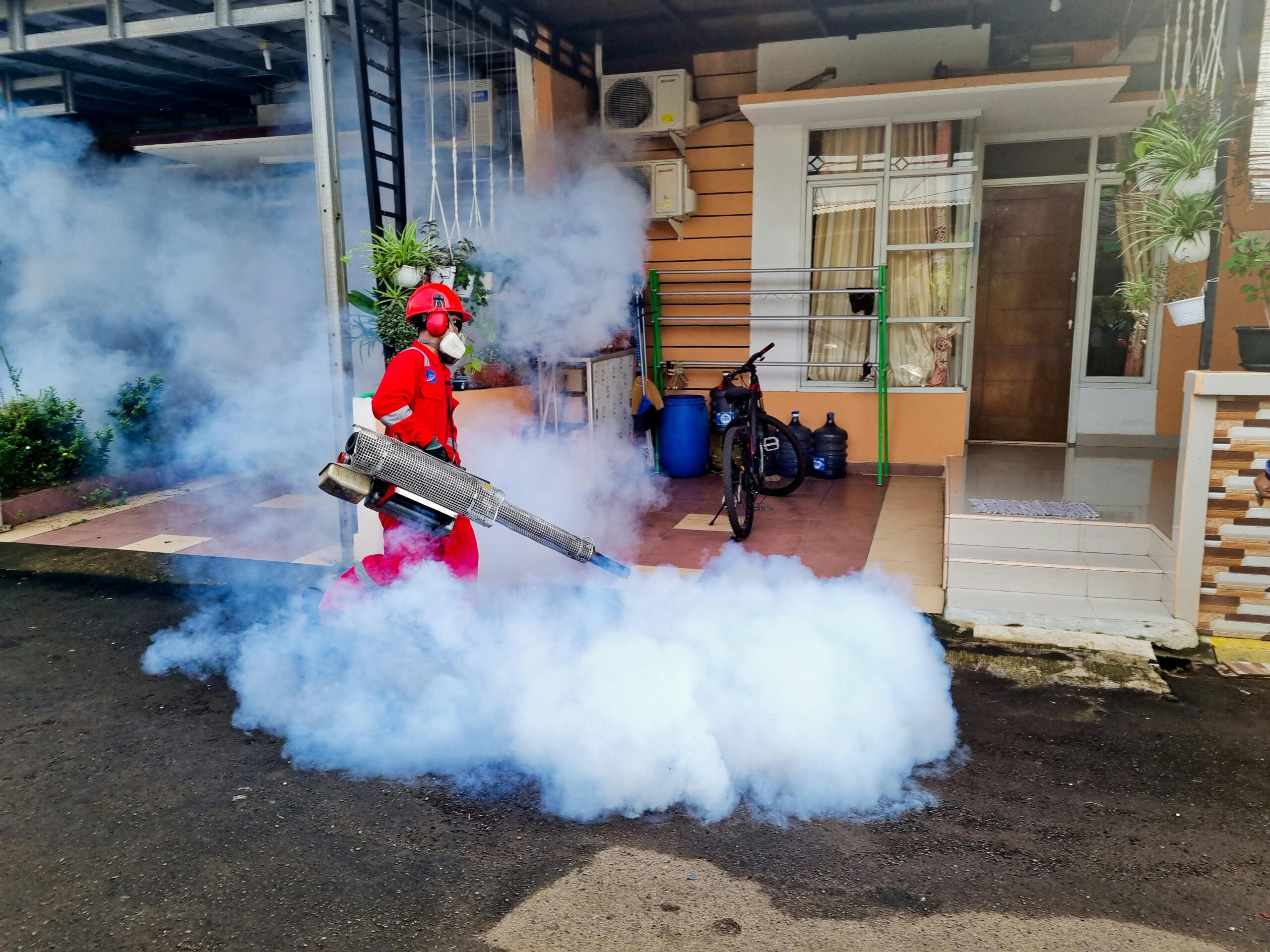
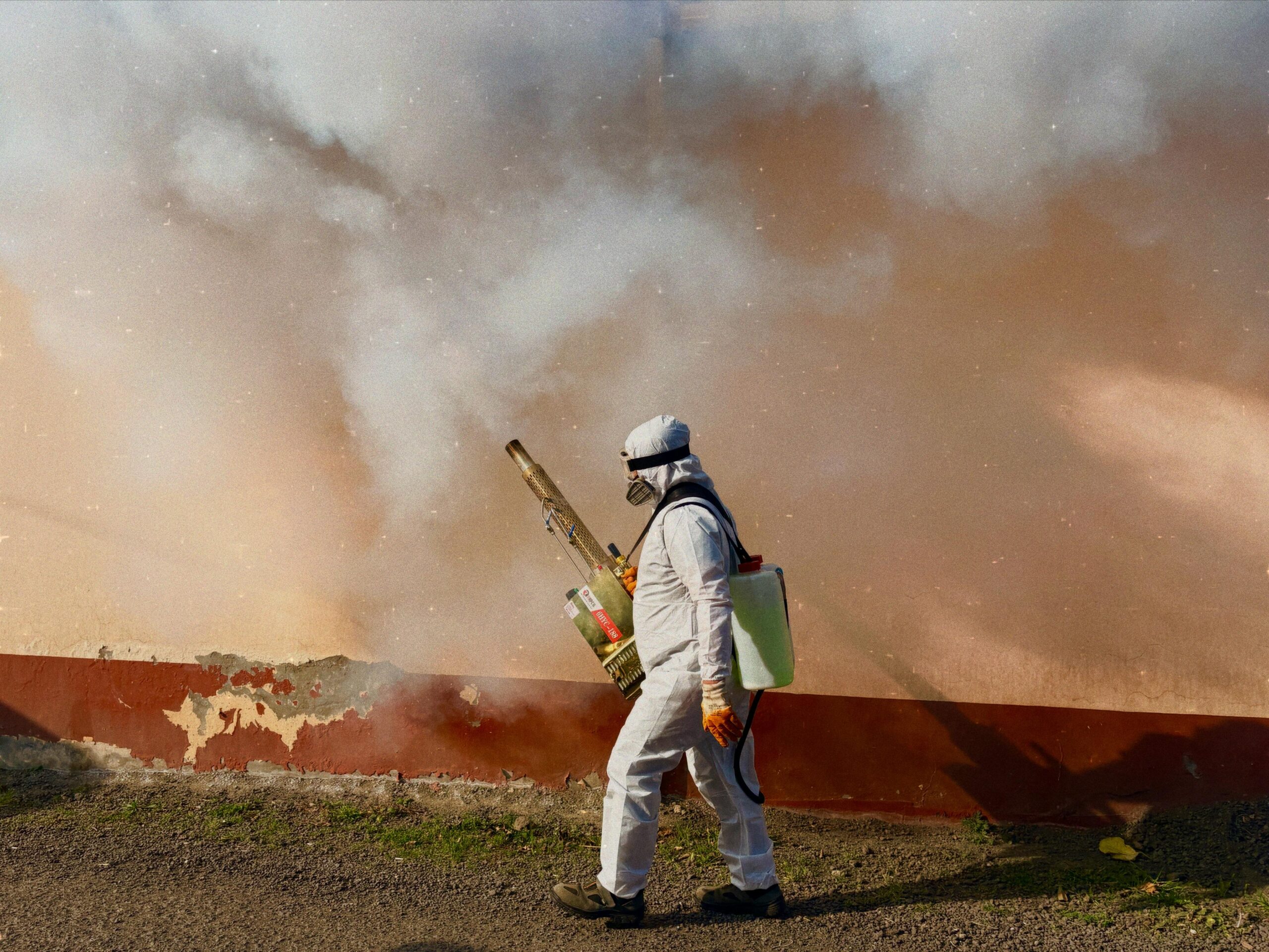
When DIY measures aren’t enough, targeted chemical applications become necessary—an approach commonly recommended by a cricket exterminator near me Suwanee homeowners trust. A perimeter spray around the home’s exterior creates a barrier that repels or kills crickets before they cross the threshold. Inside, an indoor residual spray applied to cracks, baseboards, and voids offers lasting protection for weeks. For severe outdoor infestations—especially in large yards or near patios—professional foggers disperse a fine mist that coats vegetation, soil, and hardscape, reaching places a handheld sprayer can’t.

When to Call a Professional
Even the most diligent homeowner can hit a wall. Consider dialing a pro if you notice any of the following:
- Large indoor cricket populations that overwhelm DIY traps.
- Repeated re‑infestations despite sealing entry points and regular vacuuming.
- Households with pets or children where low‑toxicity solutions are essential.
Anthem Pest Control’s certified technicians specialize in cricket management using EPA‑registered products that meet strict safety standards. Their formulations are designed to minimize risk to non‑target organisms while delivering rapid knock‑down. By following EPA pest‑management best practices, Anthem ensures each treatment is both effective and environmentally responsible.
Comparing Cricket Extermination Pricing
When you call a pest-control professional, the first question on most homeowners’ minds is cost—especially when comparing options from a cricket exterminator near me Suwanee residents may contact. In the cricket-extermination market, two pricing models dominate: a one-time treatment and a monthly subscription plan. Understanding how each model is structured helps you decide which delivers the best value for your Suwanee home.
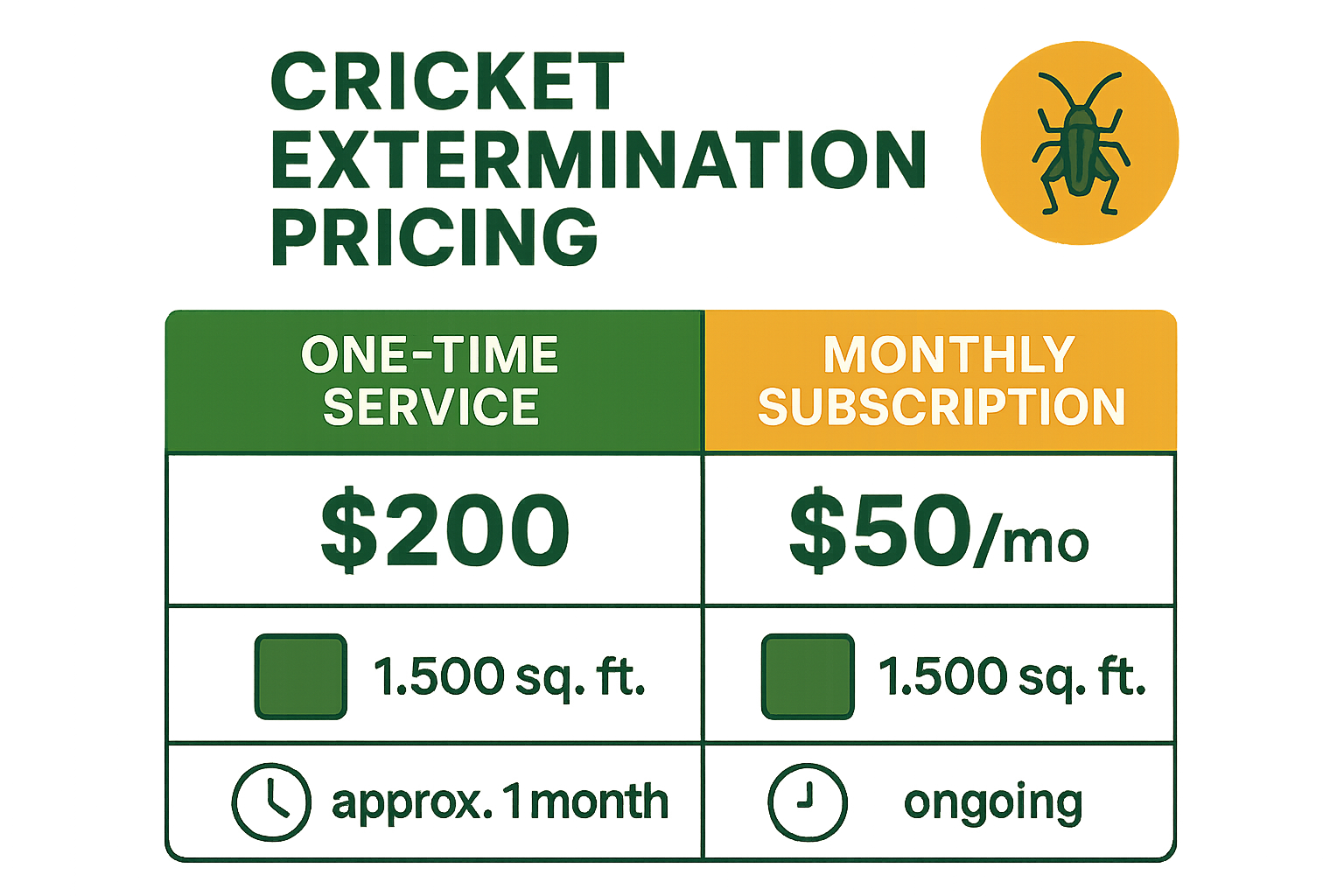
| Service Type | Average Cost | Coverage Area | Protection Duration | Visit Frequency |
|---|---|---|---|---|
| One‑time Treatment | $180 – $250 | Up to 2,000 sq ft | 30‑45 days | Single visit |
| Monthly Subscription | $45 – $70 per visit | Up to 5,000 sq ft | Continuous (quarterly visits) | 4 visits per year |
Several factors can shift these numbers up or down. A larger property naturally requires more product and labor, raising the per‑visit price. Severe infestations demand higher‑strength treatments, which add to the bill. Finally, geographic nuances—such as Suwanee’s warm, humid summers—can increase the frequency of treatments needed compared with cooler regions.
Anthem Pest Control aligns its pricing with the figures shown above, but with two key differentiators: every new customer receives a free initial inspection, and the quote you receive is fully itemized—no hidden fees. Whether you opt for a one‑time knock‑out or the subscription model, Anthem’s transparent pricing means you know exactly what you’re paying for.
For homeowners living in high‑activity zones—where crickets thrive from late spring through early fall—a subscription often proves more economical. The quarterly visits keep the perimeter sealed and the interior treated, preventing the rapid rebound that a single 30‑day treatment can’t contain. When you factor in the seasonal spike illustrated in the accompanying chart, the subscription’s lower per‑visit cost and broader coverage translate into real savings over the long term.
In short, if you’re looking for a quick fix, the one‑time service fits the bill. If you want steady, year‑round protection and want to spread the expense across several visits, the monthly subscription delivers better value—especially in a cricket‑prone area like Suwanee.
Take the Next Step to a Cricket‑Free Home
Early identification, timing your treatment with the cricket season, and selecting the right control method are the three pillars of a successful defense. Spotting the characteristic chirping at night, noticing the tell‑tale “cricket holes” in walls, or finding fresh droppings lets you act before an infestation spreads. Treating in early summer, when crickets are most active, maximizes product efficacy. And choosing a targeted, low‑toxicity solution protects your family while eliminating the pests.
Anthem Pest Control stands behind those pillars with a promise of safe, effective, and affordable service. Our technicians are trained to assess your home’s unique vulnerabilities and recommend a plan that meets both your budget and your health standards. Transparent pricing means you’ll know exactly what you’re paying for—no hidden fees, no surprise add‑ons. Whether you need a one‑time extermination or an ongoing prevention program, we deliver results that keep crickets, and the noise they bring, out of your life.
Ready to move from concern to confidence? Schedule a complimentary inspection today and receive a free, no‑obligation quote. Our team responds quickly, often within 24 hours, so you won’t have to endure another night of relentless chirping. Simply call or click the link below, and we’ll arrange a visit at a time that fits your schedule.
Contact us now:
Phone: 877‑371‑8196
Website: https://anthempest.com
We’re happy to answer any questions about cricket prevention, seasonal pest trends, or our broader range of services—including termites, mosquitoes, rodents, and more. Let Anthem Pest Control be your trusted partner and go-to cricket exterminator near me Suwanee homeowners rely on for a quieter, pest-free home.