Recognizing House Centipedes in Georgia Homes
Biology and Climate Preference
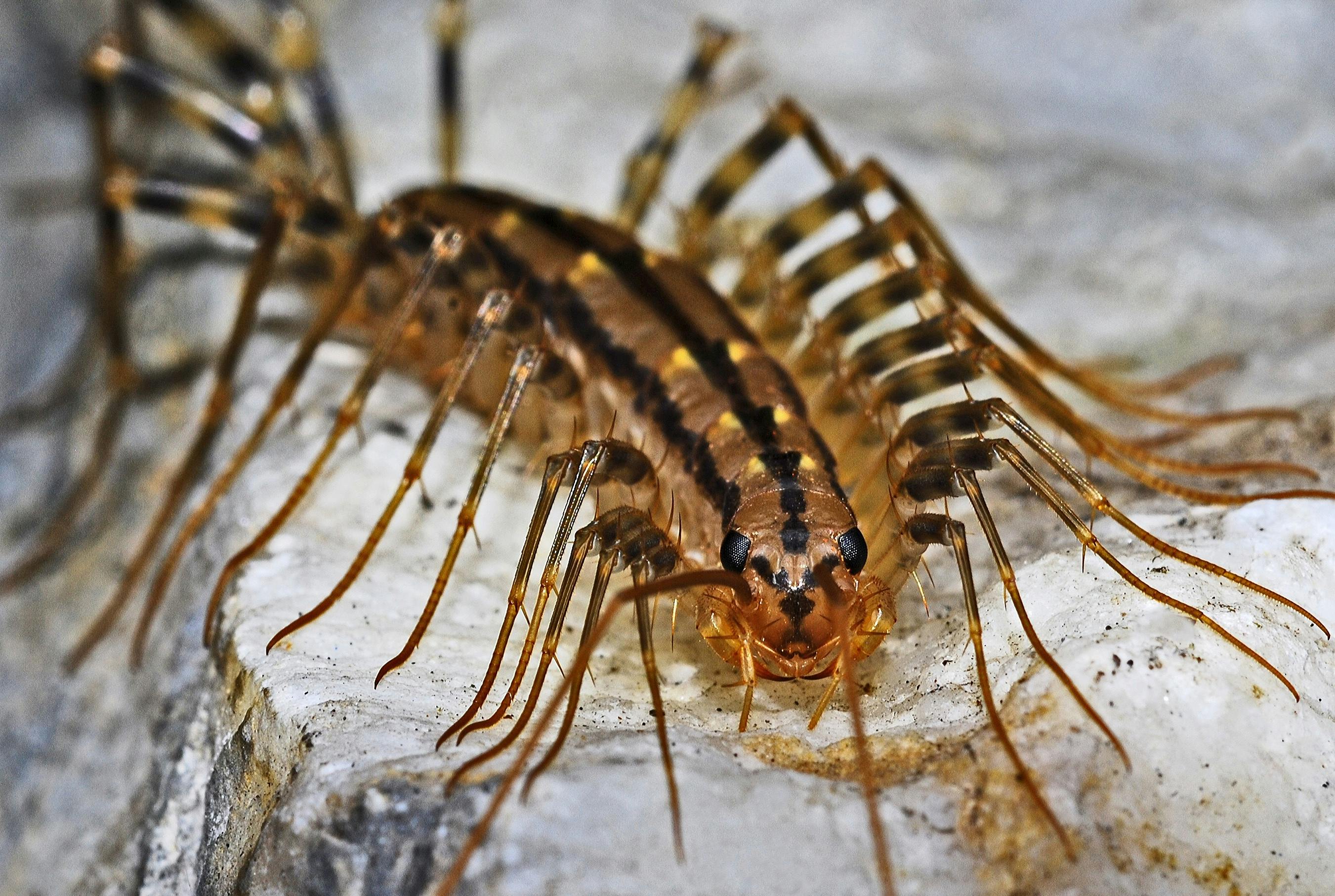
House centipedes (Scutigera coleoptrata) are fast-moving arthropods that thrive in damp environments. Their elongated bodies contain 15 pairs of long, delicate legs that enable them to sprint across walls and ceilings. Georgia’s humid summers and moist basements create the perfect micro-climate for these predators, which is why a professional centipede inspection Suwanee homeowners rely on often reveals year-round activity.
How to Spot a House Centipede
Identification hinges on a few visual cues. Adults range from 1½ to 2 inches (3.8–5 cm) in length, with a pale yellow‑to‑light brown body marked by darker dorsal stripes. The most striking feature is their 30‑plus slender legs that fan out like a tiny, living broom. Their segmented body gives a slightly flattened appearance, making them look like a miniature centipede‑shaped spider.
Typical Indoor Habitats
Inside a Georgia home, house centipedes favor dark, moist zones—think basements, crawl spaces, and bathroom corners where tile grout holds lingering humidity. They slip in through cracks around foundations, gaps under doors, or even hitch a ride on fire‑wood and potted plants. Once inside, they hide in leaf litter, insulation, or behind pipework, emerging at night to hunt other small insects.
Health Impact and What to Do
Although house centipedes are generally harmless to humans, their sudden appearance can trigger anxiety. Their bite is rare and typically results in only mild irritation, similar to a bee sting. For reassurance, the CDC notes that centipedes are not disease vectors and pose minimal health risk.
“Indoor arthropods such as centipedes are indicators of excess moisture; controlling humidity and sealing entry points are key preventative steps.” – EPA Guidance on Indoor Pests
Understanding these identifiers helps homeowners differentiate a harmless house centipede from more concerning pests like spiders or cockroaches. If sightings become frequent, it may signal an underlying moisture problem that warrants professional assessment. Anthem Pest Control can evaluate your home’s humidity levels, seal potential entryways, and implement targeted treatments to keep these speedy visitors outside where they belong.
Warning Signs of a Centipede Infestation
Centipedes are nocturnal hunters, but they don’t always wait until the dark to make an appearance. Spotting a live centipede crawling across a kitchen counter in daylight is a clear red flag that they’ve found a comfortable foothold in your home.
Shed Exoskeletons
These delicate, translucent shells are left behind whenever a centipede molts. You’ll often find them in damp corners—under sinks, behind appliances, or along baseboards. A few molts may be harmless, but a growing pile signals a breeding population.
Surge in Insect Prey
Centipedes thrive on other small pests. An uptick in spiders, flies, or pantry insects often precedes a centipede boom because they’re attracted to the easy food source. If you’re suddenly battling more “little bugs,” keep an eye out for their larger predators.
Moisture Problems
These arthropods love moisture. Leaky pipes, standing water in basements, or consistently high humidity create the perfect environment. Check for water stains, condensation on windows, or musty odors—each could be inviting centipedes inside.
Bite Reactions
Centipede bites are rare, but when they happen you may notice mild irritation, redness, or a small welt. The venom is weak, so medical attention is seldom required unless you experience severe swelling or an allergic reaction. Still, treat the bite with basic first‑aid—clean, apply a cold compress, and monitor.
Quick DIY Inspection Checklist
- Walk through each room after dark with a flashlight; note any live centipedes.
- Inspect damp areas (under sinks, laundry rooms, basements) for shed skins.
- Look for signs of increased insect activity—spiders, flies, or pantry pests.
- Check for water sources: leaky faucets, pipe drips, or standing puddles.
- Examine walls and baseboards for tiny entry holes or cracks.
- Note any unexplained bite marks or skin irritation.
If you tick several boxes on this list, it’s time to act before the infestation spreads. A professional inspection can pinpoint hidden colonies, identify moisture issues, and recommend targeted treatments that keep your home safe and comfortable.
Effective Treatment Methods for Centipedes

Chemical Barriers: Residual Insecticides
Professional technicians apply residual insecticides as a thin, invisible barrier around the perimeter of your home and in high‑traffic indoor zones. These products cling to surfaces for weeks, targeting centipedes when they cross the treated line. The chemicals disrupt the insect’s nervous system, causing rapid knock‑down and preventing re‑entry. Because the formulation is EPA‑approved, it remains safe for occupants when applied according to label directions, yet lethal enough to keep centipedes at bay.
Non‑Chemical Strategies You Can Start Today
Centipedes thrive in damp, cluttered environments. Reducing moisture and eliminating hiding places often cuts the population in half before any spray is needed.
- Moisture control: Repair leaky pipes, use dehumidifiers in basements, and ensure proper drainage around the foundation.
- Seal entry points: Caulk cracks around windows, doors, and utility penetrations; install door sweeps to block the low‑lying pathways centipedes favor.
- Declutter: Remove piles of cardboard, firewood, and stored items that create dark refuges near the foundation.
These steps not only deter centipedes but also make any subsequent chemical treatment more effective.
Professional Smoke Treatment
When a centipede infestation hides deep within wall voids or crawl spaces, many pest-control pros turn to a smoke machine during a professional centipede inspection Suwanee homeowners request. The device generates a fine, insect-killing fog that penetrates cracks, gaps, and insulation layers. As the smoke settles, it contacts the centipedes’ respiratory system, causing immediate immobilization. After the fog clears, technicians vacuum or sweep residual particles, leaving a clean, treated area ready for a follow-up barrier spray.
What to Expect During a Service Call
A typical Anthem Pest Control visit follows a clear, three‑step process:
- Inspection: A certified technician walks your property, identifying centipede hotspots, moisture sources, and potential entry points.
- Treatment plan: Based on the findings, they recommend a combination of residual insecticide, smoke treatment, and non‑chemical measures tailored to your home.
- Follow‑up: Most plans include a second visit within 7‑10 days to assess efficacy and reapply if necessary, ensuring a long‑lasting barrier.
Safety First: Families and Pets
All products used by Anthem are EPA‑registered and applied at label‑specified rates, minimizing risk to children, pets, and indoor plants. Technicians wear protective gear and advise a short “no‑entry” window—usually 30 minutes—to allow the spray to dry. For homes with sensitive occupants, low‑odor, reduced‑toxicity formulations are available, and the smoke treatment leaves no chemical residue behind.
For more scientific background on centipede behavior and control, visit the NPMA centipede facts page. This resource reinforces why an integrated approach—chemical barriers, moisture management, and professional expertise—delivers the most reliable protection for Suwanee homeowners.
Understanding Pest‑Control Pricing in Georgia
When you call a pest‑control company in Georgia, the first question on most homeowners’ minds is cost. Knowing exactly what you’re paying for helps you compare options, avoid surprises, and fit protection into your budget. Below we break down the three service tiers you’ll typically see, what they cover, and the price brackets you can expect in the Peach State.

Service tiers you’ll encounter
Most Georgia pest‑control firms organize their offerings into three levels: a basic inspection, a standard treatment package, and a premium full‑home protection plan. The basic tier is a one‑time walkthrough with a technician who identifies pest activity and provides a written report. The standard tier adds a scheduled treatment—usually a combination of chemical and bait applications—followed by a second visit to assess efficacy. The premium tier expands coverage to every room, includes quarterly follow‑up visits, and often bundles a multi‑year warranty.
What each tier typically includes
- Basic Inspection
- One‑time on‑site assessment.
- Written report with DIY steps.
- Standard Treatment
- Two visits with targeted sprays or baits.
- 12‑month limited warranty.
- Premium Full‑Home Protection
- Quarterly visits + perimeter barrier.
- 24‑month warranty and priority scheduling.
Average monthly cost ranges in Georgia
Based on recent market surveys, residential customers in Georgia typically spend between $35 and $55 per month for a basic inspection plan, $70 to $110 per month for a standard treatment package, and $130 to $190 per month for premium full‑home protection. These figures assume a single‑family home of around 2,000 sq ft and a moderate level of pest activity. Prices can be higher in larger properties or in neighborhoods with a history of severe infestations.
Key factors that can shift the price
Property size is the biggest driver—every additional 500 sq ft usually adds $10‑$15 to the monthly fee. The severity of the infestation matters, too; a heavy centipede problem may require extra bait stations or a more intensive barrier, nudging the cost up 10‑20 %. Seasonal promotions also play a role; many companies, including Anthem, offer 10‑15 % discounts for early‑spring bookings or bundled services such as mosquito control combined with centipede treatment.
How Anthem Pest Control’s pricing aligns with industry standards
Anthem aligns its plans with Georgia’s typical price bands while adding clear value. The basic inspection is $39 /month and includes a digital report plus a 30‑day follow‑up call. The standard tier costs $95 /month, covering two quarterly visits, EPA‑approved chemicals, and a 12‑month warranty. The premium full‑home package is $165 /month, providing four visits a year, a perimeter barrier, and a 24‑month warranty. Across the board, Anthem’s rates sit 5‑10 % below the regional average and are backed by transparent service guarantees.
Seasonal Activity of Centipedes and Optimal Treatment Timing
Georgia’s warm, humid climate creates the perfect backdrop for centipedes to thrive. These nocturnal hunters love moisture and moderate temperatures, so you’ll notice their numbers rise as spring turns into summer. Understanding when they’re most active helps you plan treatments—and schedule a timely centipede inspection Suwanee homeowners can rely on—to keep your home centipede-free.
Georgia’s Climate Drives Centipede Behavior
From May through September, daytime highs hover between 75‑90°F (24‑32°C) with nightly humidity often exceeding 70%. Those conditions accelerate centipede metabolism, prompting them to hunt, breed, and seek shelter inside homes. When temperatures dip below 50°F (10°C) in winter, activity drops dramatically as they retreat deeper into soil and mulch.
Seasonal Activity Chart
| Month | Activity Level | Notes |
|---|---|---|
| January | Low | Cool, dry conditions limit movement. |
| February | Low | Still chilly; occasional indoor sightings. |
| March | Moderate | Warming soil encourages surface activity. |
| April | Moderate | Humidity rises, prompting indoor forays. |
| May‑September | High | Peak warmth and moisture; most sightings. |
| October | Moderate | Temperatures fall, activity eases. |
| November‑December | Low | Cooler, drier weather drives them underground. |
How Centipede Peaks Align With Other Pests
The same warm, damp months that favor centipedes also boost ants, termites, and rodents. Planning a comprehensive pest‑management schedule means tackling these threats together. A single spring visit can address ant trails, seal entry points for rodents, and set up a barrier that deters centipedes before they multiply.
Timing Your Treatments for Maximum Protection
Schedule a pre‑emptive treatment in early April, just before centipedes hit their stride. This proactive approach reduces the population that can seek shelter inside your walls during summer. Follow up with a second visit in late August or early September to catch any late‑season survivors and to reinforce barriers before the cooler months set in.
Why a Local Expert Makes All the Difference
Anthem Pest Control knows Suwanee’s micro‑climates, soil types, and typical infestation patterns. A local technician can pinpoint high‑risk zones—like shaded foundations or damp basements—and tailor products that work best in Georgia’s humidity. Trusting a regional specialist ensures you’re not just treating a generic pest, but addressing the specific seasonal rhythm of centipedes in your neighborhood.

Protect Your Home with Anthem Pest Control Today
Early detection and treatment of centipedes isn’t just about keeping those quick‑moving critters out of your living room; it’s about preserving the comfort, safety, and structural health of your home. A single centipede can signal excess moisture, cracks, or gaps that invite a host of other pests. By acting promptly, you stop the problem before it spreads, protect family members from potential bites, and avoid costly repairs caused by moisture‑related damage.
Why Anthem Pest Control is the Right Partner
- EPA‑approved methods: We use products that meet strict federal safety standards, ensuring effective control without compromising your family’s health.
- Transparent pricing: No hidden fees—our quotes break down every step so you know exactly what you’re paying for.
- Local Georgia expertise: Our technicians understand Suwanee’s seasonal pest cycles, allowing us to time treatments for maximum impact.
We stay current with the latest research, so you benefit from cutting‑edge treatments that are both humane and highly effective.
Our team combines scientific knowledge with a friendly, homeowner‑first approach. Whether you need a one‑time inspection or an ongoing prevention plan, we tailor solutions to fit your budget and your schedule.
Take the Next Step—Risk‑Free
Ready to secure your home? Request a free, no‑obligation quote today and let us schedule a thorough inspection at a time that works for you. Our specialists will walk you through the findings, explain the recommended treatment, and answer any questions you may have.
Call us now at 877-371-8196 or visit Anthem Pest Control for your free quote and peace of mind. Affordable, safe, and locally trusted—your home’s protection starts with a single call for a professional centipede inspection Suwanee homeowners can count on.