What Are Earwigs and Why Homeowners Should Care
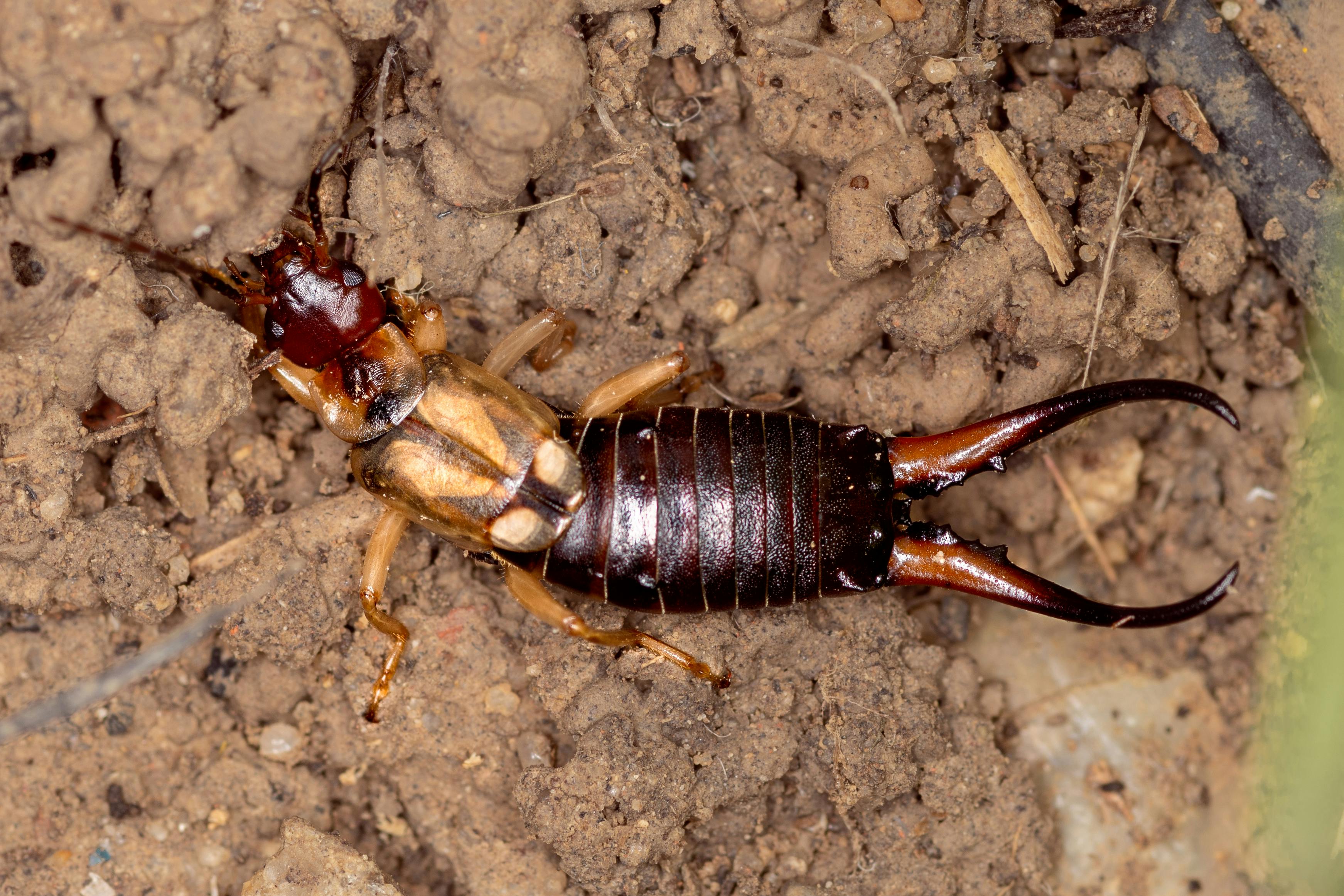
Earwigs belong to the order Dermaptera, a small group of insects that most people first notice when they’re rummaging through mulch or scurrying across a kitchen floor at night. In the United States, the most common household species are the European earwig (Forficula auricularia) and the American earwig (Labidura riparia). Both are harmless to humans in low numbers, but their presence can quickly become a nuisance when they multiply—often prompting homeowners to seek emergency earwig control Decatur professionals recommend.
Physical traits you’ll spot right away
Earwigs are easily recognized by their elongated, flattened bodies that range from ½‑inch to 2 inches long. Their most distinctive feature is a pair of forceps‑like pincers (cerci) at the rear of the abdomen—males typically have curved, more aggressive pincers, while females have straighter ones. They’re nocturnal, so you’ll usually see them after dusk, often drawn to lights or the cool, damp places you keep around the house.
Where they like to hang out
These insects thrive in environments that stay moist and sheltered. Typical habitats include:
- Mulch and leaf litter in garden beds
- Damp soil around foundations and crawl spaces
- Wood piles, compost bins, and under deck boards
- Indoor corners that stay humid, such as bathrooms or basements
Why homeowners start to notice them
Even a modest earwig population can catch a homeowner’s eye for several reasons:
- Foraging for food – they eat decaying plant material, aphids, and other small insects, which can bring them into flower beds and even kitchen cabinets.
- Occasional bites – a quick pinch feels like a mild pinprick; it’s harmless but unsettling.
- Damage to seedlings – large numbers may chew tender roots or seedlings, slowing growth.
- The “creepy‑crawl” factor – seeing a cluster of dark, fast‑moving insects at night can be enough to spark a call for professional help.
While earwigs are generally considered beneficial in small numbers—helping control aphids and other garden pests—problems arise when moisture conditions and food sources create a surge in their population. A sudden influx can lead to visible crowds in basements, crawl spaces, and even inside homes, prompting concerns about hygiene and comfort.
Understanding the biology and habits of earwigs is the first step toward effective control. For a deeper dive into identification and management, the National Pest Management Association provides an excellent fact sheet: NPMA Earwig Guide.
Identifying Earwig Infestations and Early Warning Signs

Earwigs are easy to miss until they start causing trouble. The first step in any emergency earwig control Decatur plan is to recognize what they look like. A typical earwig is a small (½-inch to 1-inch), dark-brown or black insect with a flat, oval body and a pair of curved cerci—those tiny pincers you’ll see at the rear. Unlike many bugs, the cerci are visible even when the insect is moving, giving you a quick visual cue.
Where to Look
Earwigs love damp, sheltered spots. Walk a slow, methodical line around these high‑risk zones and you’ll often spot the first signs:
- Loose garden mulch and the edges of flower beds
- Cracks in foundations, especially near siding or exterior brickwork
- Under porch overhangs, decks, and any wood that contacts the ground
- Indoor damp areas such as basements, crawl spaces, and bathroom corners
Signs of Activity
Even if you don’t see the insects directly, earwigs leave tell‑tale evidence. Look for:
- Shed skins (exoskeletons) that appear as translucent, paper‑thin shells
- Minute black specks—earwig droppings—often found near plant roots or in bathroom grout
- Chewed or wilting tender seedlings, especially on the lower leaves where earwigs feed at night
Night‑time Inspection
Earwigs are nocturnal and are drawn to light. After dusk, grab a flashlight and conduct a quick sweep of the previously listed locations. The light will often cause a few earwigs to scuttle into view, confirming their presence before they hide again.
How to Tell Earwigs Apart from Other Pests
Confusing earwigs with roaches, silverfish, or centipedes is common, but a few key differences help you stay accurate:
- Roaches have a broader, more rounded body and long antennae; they lack the distinctive rear pincers.
- Silverfish are slender, fish‑shaped, and move in a wavy motion; they are silvery‑gray and have no cerci.
- Centipedes are elongated with many visible legs and a distinctly segmented look; they also possess venom claws, not pincers.
When to Call a Professional
If you’ve spotted earwigs repeatedly despite sealing cracks, reducing moisture, or applying DIY traps, it’s time to enlist a pro. Persistent sightings often indicate a hidden breeding site or a larger population that DIY methods can’t fully suppress. Anthem Pest Control can assess the extent of the infestation, identify entry points, and implement a targeted treatment plan that protects both your garden and indoor spaces.
Seasonal Earwig Activity in Decatur, GA and Prevention Tips
Decatur’s humid subtropical climate creates the perfect backdrop for earwig populations to thrive, which is why emergency earwig control Decatur services are often needed during peak seasons. Warm summers, mild winters, and abundant rainfall keep soil moisture high, which earwigs love for nesting and hunting. When daytime temperatures hover between 75-85°F and the ground stays damp, you’ll notice these nocturnal insects emerging in larger numbers.
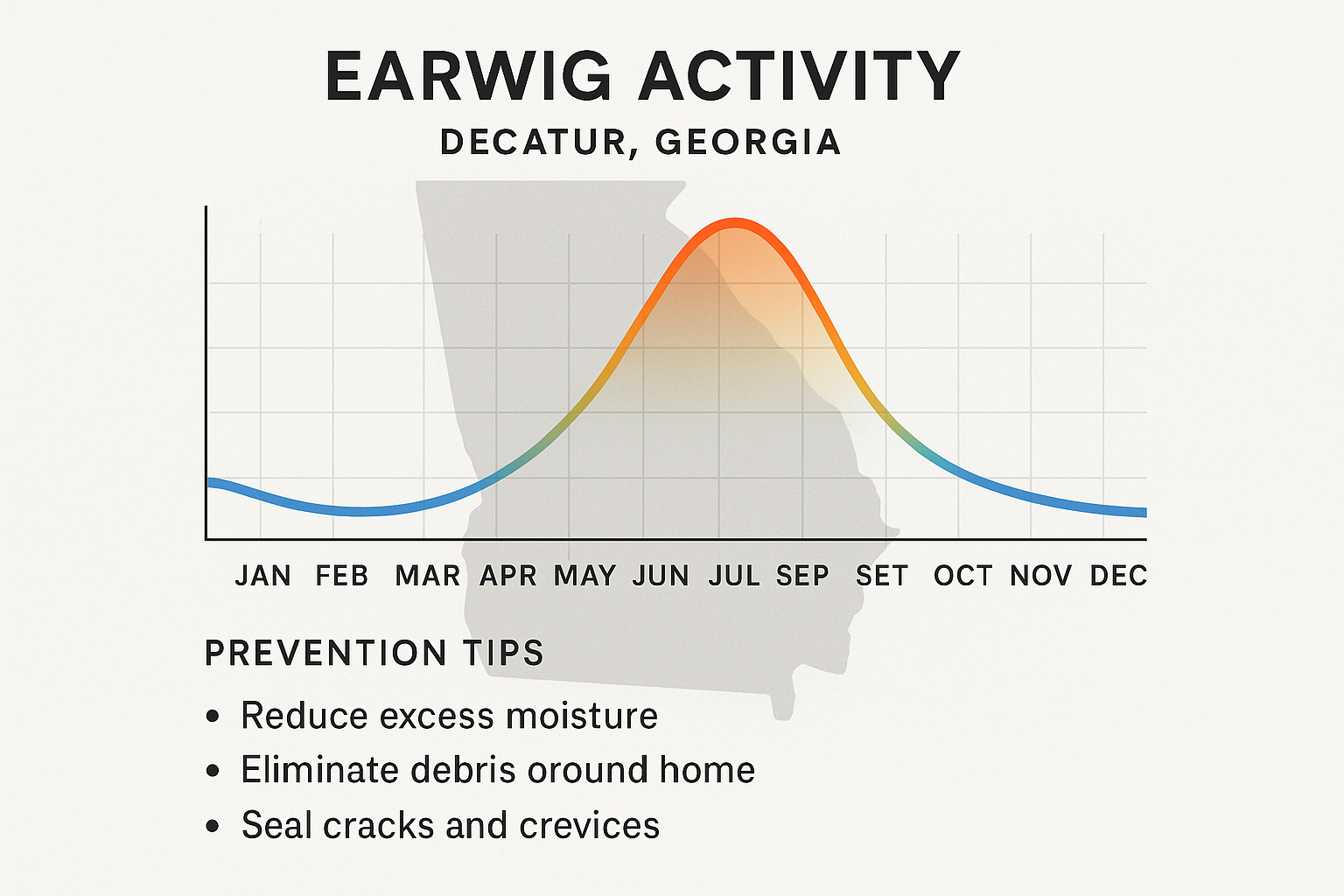
The line‑graph above illustrates the typical earwig cycle in Decatur. Activity climbs steadily from late spring, peaks sharply in August and early September, then tapers off as temperatures drop in October. By December, numbers are minimal, only to rise again as spring rains return. Recognizing this pattern lets you time your prevention steps for maximum impact.
Monthly Prevention Checklist
- March–May:
- Thin or remove excess mulch that retains moisture against foundation walls.
- Keep garden beds tidy—rake away leaf litter and decaying plant matter.
- Repair any drainage problems; standing water near the house invites earwigs.
- June–August:
- Apply a perimeter barrier treatment around the foundation (professional or DIY).
- Avoid over‑watering lawns and flower beds; excess moisture fuels earwig breeding.
- Place sticky traps along exterior walls and under decks to catch wandering adults.
- September–October:
- Check outdoor lighting; replace incandescent bulbs with yellow‑tinted LEDs that attract fewer insects.
- Seal cracks, gaps, and vent openings where earwigs could slip indoors.
- Conduct a post‑season inspection—look for egg cases in mulch, leaf piles, and under siding.
- November–February:
- Maintain indoor humidity below 50 % using dehumidifiers or proper ventilation.
- Store firewood at least three feet away from the house and off the ground.
- Limit indoor food sources: keep pet food sealed, clean crumbs promptly, and use airtight containers for pantry items.
Early, season‑specific interventions are the key to keeping earwig numbers low. By acting in March, you remove the moisture reservoirs that kick‑start breeding. A summer barrier stops adults from crossing the foundation, while fall inspections catch any lingering egg cases before winter. Even during the dormant months, controlling indoor humidity and eliminating food sources prevents the few survivors from establishing a hidden indoor colony. Consistent, month‑by‑month care not only reduces earwig sightings but also protects your home from the damage they can cause to plants, wooden structures, and outdoor lighting.
Treatment Options, Pricing, and Choosing the Right Service
DIY Approaches You Can Try Now
If you prefer a hands-on approach, several over-the-counter options can keep earwigs at bay while you decide whether to call a professional for emergency earwig control Decatur homeowners rely on.
- Diatomaceous earth: A fine, abrasive powder that damages the insect’s exoskeleton. It’s inexpensive and safe around pets, but it loses effectiveness when wet and offers only short‑term control.
- Insecticidal soaps: Soap‑based sprays disrupt the earwig’s cell membranes. They work quickly on contact but must be reapplied after rain or irrigation.
- Sticky traps: Placed in dark corners, these traps capture wandering earwigs and give you a visual gauge of infestation levels. They don’t eliminate the source, so they’re best used for monitoring.
- Natural predators (ground beetles): Introducing beneficial beetles can create a biological balance. While eco‑friendly, it’s a slow process and may not curb a heavy outbreak.
DIY methods are cost‑effective, typically under $30 for a full‑home kit, but they rarely provide lasting residual protection. If you’re dealing with a moderate to severe infestation, professional intervention is usually the smarter route.
When Professional Help Beats DIY
Anthem Pest Control offers two service tiers designed to match the urgency of your earwig problem.
- Standard earwig control: A perimeter spray combined with targeted crack‑and‑crevice applications. Technicians return for a seasonal follow‑up to ensure the population stays below nuisance levels.
- Emergency response: Identical treatments delivered with priority scheduling—often within 24 hours—for severe infestations that threaten indoor comfort or structural integrity.
Pricing Snapshot
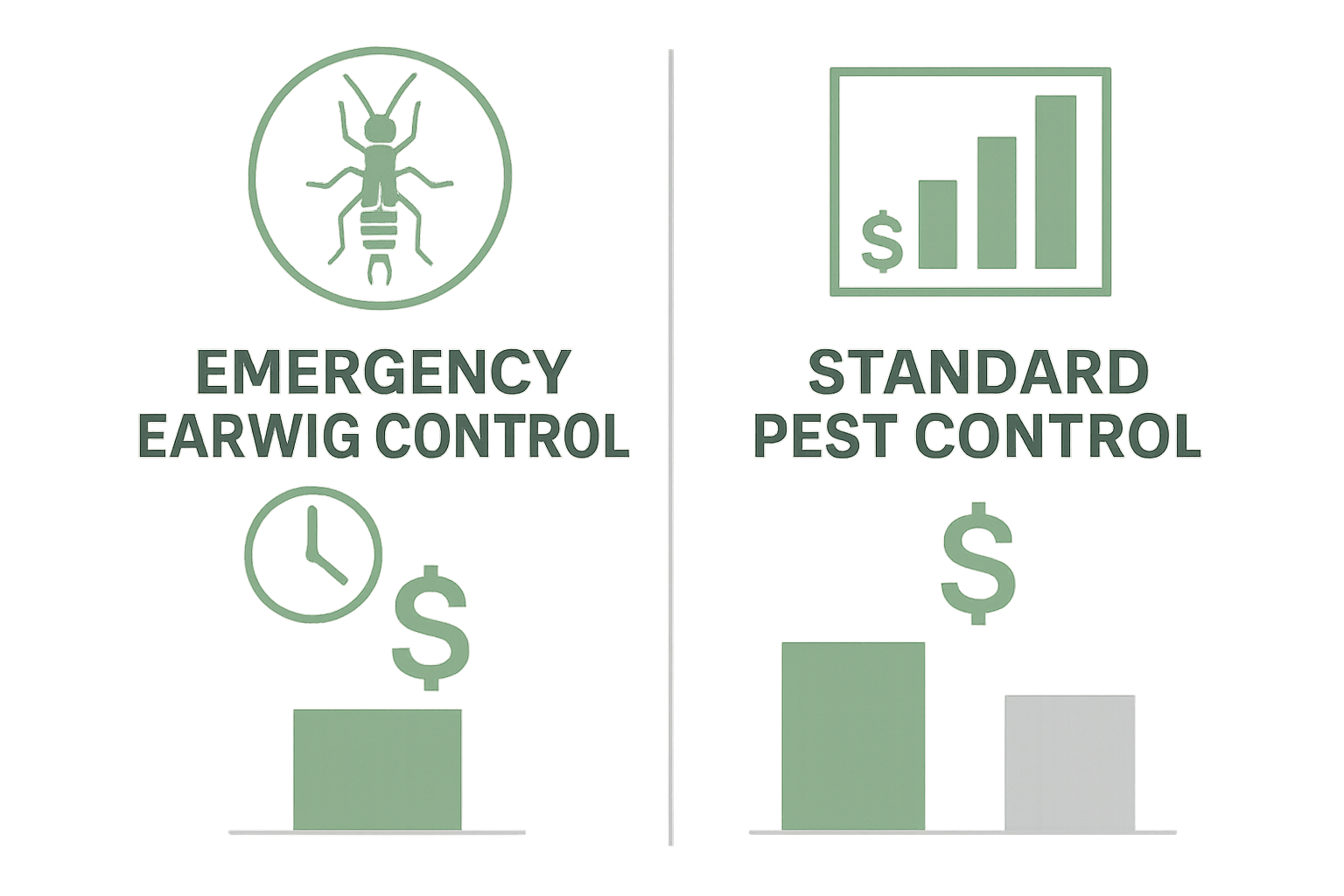
| Service Type | Typical Price per Treatment | Response Time | Includes |
|---|---|---|---|
| Standard | $120 – $150 | 48 hours | Perimeter spray, crack‑and‑crevice treatment, seasonal follow‑up |
| Emergency | $180 – $220 | 24 hours | All standard treatments + extra follow‑up visit |
What Drives the Bottom Line?
Pricing isn’t one‑size‑fits‑all. Larger homes, multi‑story properties, or extensive landscaping increase the amount of product and labor required. Likewise, a high infestation level may demand multiple applications in a single season, while a light‑touch problem could be resolved with a single visit. Frequency of scheduled treatments—quarterly versus bi‑annual—also influences the overall cost.
Why Choose Anthem Pest Control?
Our licensed technicians use EPA‑approved products that target earwigs without jeopardizing family safety. Every treatment comes with a warranty and a long‑term monitoring plan, so you won’t be left guessing after the spray dries. With transparent pricing and a reputation for rapid, reliable service in Decatur, we give homeowners the confidence that the earwig issue is truly resolved—once and for all.
Protect Your Home with Anthem Pest Control
Earwigs are the slender, dark‑brown insects you may spot scurrying across walls at night, recognizable by their pair of pincers and the distinctive sideways shuffle. In Decatur they become most active in late summer through early fall, when warm, moist conditions give them a breeding boost. Catching them early—before they nest under decks, in mulch or behind siding—prevents the night‑time foraging that can damage garden plants and become a nuisance inside your home.
Anthem Pest Control brings a nationwide network of certified technicians to Decatur, each trained in the latest earwig management protocols. Our team applies EPA‑approved products that target earwigs while leaving your family, pets, and beneficial insects unharmed. Because we work with a data‑driven calendar, we know exactly when the seasonal peaks hit, allowing us to schedule interventions that interrupt the life cycle before populations explode.
Transparency is built into every quote. You’ll see a clear breakdown of labor, product costs, and any optional add‑ons, so there are no surprise fees. Whether you need a routine seasonal service or an emergency response after a sudden earwig surge, we offer both standard and rapid‑deployment plans. The emergency option guarantees a same‑day visit, giving you peace of mind when pests threaten your home’s comfort.
If you’ve spotted earwigs around your home or want to stay ahead of seasonal surges, let the experts at Anthem Pest Control handle it with emergency earwig control Decatur homeowners can trust. Our licensed technicians use safe, EPA-approved treatments that protect your family and pets while keeping earwig populations under control. Call us today at 877-371-8196 for a free, no-obligation quote, or visit Anthem Pest Control to schedule your service.