Recognizing House Flies and Their Health Risks
House fly control cost Cumming homeowners should expect can vary depending on infestation severity, property size, and treatment method.
When you hear that familiar buzzing in the kitchen or spot a lone insect perched on the garbage can, you’re most likely looking at a house fly (Musca domestica). These pests thrive in human-occupied spaces because they find food, moisture, and warm surfaces in abundance. In a typical Cumming home, you’ll see them buzzing around countertops, near open windows, and congregating over trash bins or compost piles. Their rapid, erratic flight patterns and tendency to land on anything from dishes to pet food make them a constant nuisance.

Identifying a house fly is straightforward once you know the key visual cues. Look for these characteristics:
- Size: 6‑9 mm in length, roughly the size of a grain of rice.
- Body color: A dull gray‑black thorax and abdomen that may appear slightly glossy.
- Wings: Clear, membranous wings that fold flat over the back when at rest.
- Eyes: Prominent, compound eyes that often have a reddish‑brown hue, giving the fly a “staring” look.
Beyond being a visual annoyance, house flies are vectors for a surprising range of food‑borne illnesses. The CDC reports that flies can carry pathogens such as E. coli, Salmonella, Shigella, and even the parasites that cause dysentery. These microbes hitch a ride on the fly’s body hairs, legs, and mouthparts, allowing them to travel from filth to your dinner plate in seconds.
The transmission method is purely mechanical. A fly lands on a piece of decaying organic matter—think rotting fruit, animal waste, or a damp trash bag—picking up bacteria and viruses. When it later alights on a clean surface, like a kitchen counter or a slice of bread, it deposits those microorganisms, contaminating food and surfaces without ever biting or injecting anything. This “pick‑up‑and‑drop” process is why a single fly can spread disease to multiple family members in a single day.
Recognizing the early signs of a fly infestation helps you act before health risks mount. Keep an eye out for the following warning indicators:
- Increased fly activity around waste stations, compost bins, or pet food dishes.
- Visible clusters of flies gathering on windowsills, light fixtures, or near doorways.
- Presence of maggots (fly larvae) in decaying organic material—these are small, creamy‑white worms that indicate a breeding site.
- Unexplained food spoilage or a lingering, unpleasant odor near food prep areas.
Understanding how house flies look, where they like to hang out, and the health hazards they bring equips you to take decisive action. By catching the problem early—through diligent cleaning, proper waste management, and, when needed, professional fly control—you protect your family’s well‑being and keep your home comfortable year‑round.
Seasonal Fly Activity Patterns in Georgia
Georgia’s humid subtropical climate creates the perfect breeding ground for house flies. When daytime temperatures hover between 75°F and 85°F and humidity stays above 60%, flies reproduce at a break‑neck pace. Conversely, the cooler, drier months of December through February dramatically slow their life cycle, leaving your home far less attractive to these pests.
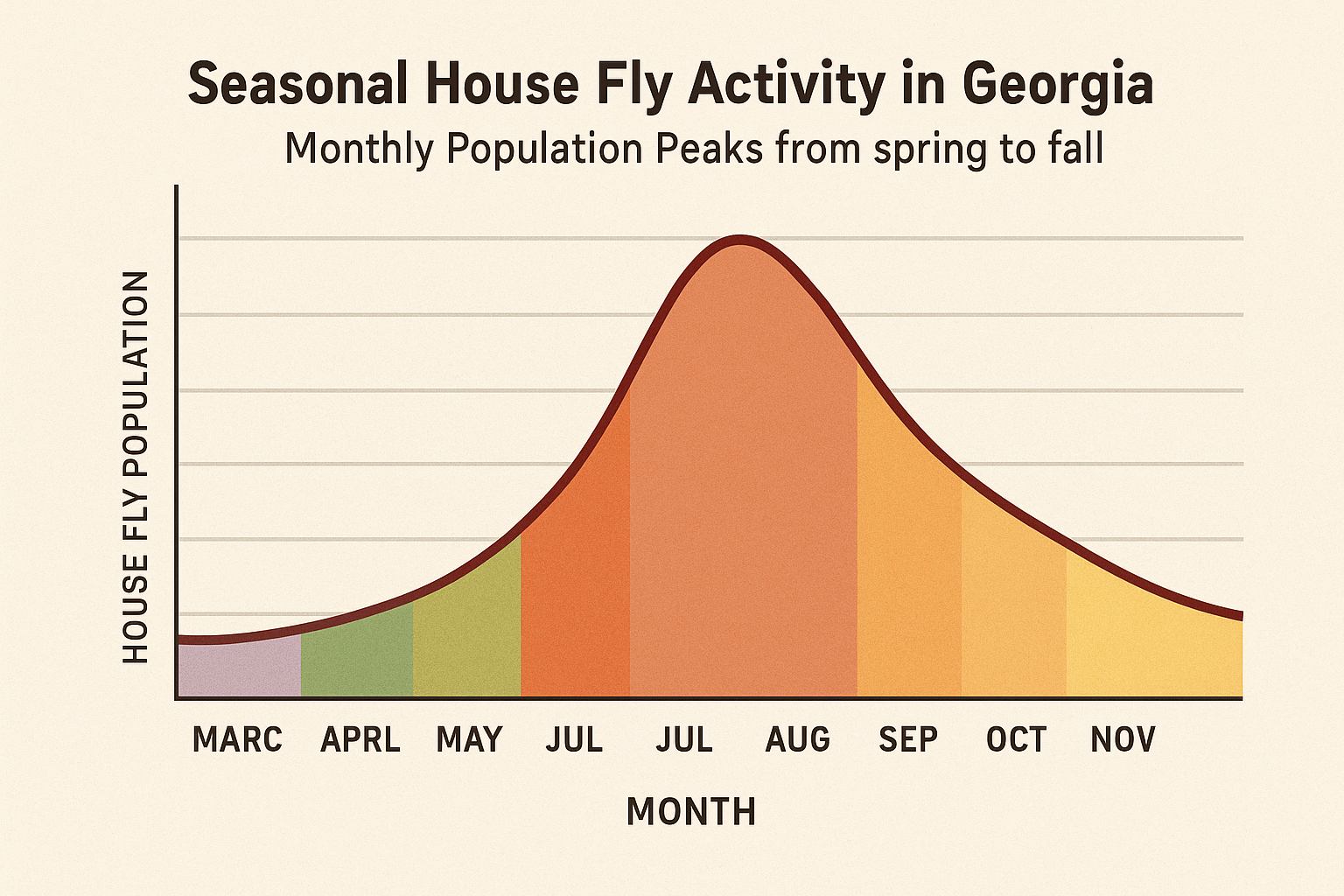
What the graph tells you
House fly control cost Cumming is closely tied to seasonal activity trends in Georgia.
The line graph above tracks average house-fly counts from January to December across the state. Notice the sharp rise beginning in late May, peaking in June, July, and August—these are the months when flies are most active and professional fly control services are most commonly needed. After September, activity tapers off, reaching its lowest point in January and February.
Why flies surge in summer
Summer brings three key factors that fuel fly populations:
- More outdoor waste: Barbecues, picnics, and increased trash output give flies abundant food sources.
- Open doors and windows: Warm nights encourage homeowners to keep openings ajar, allowing flies to slip inside.
- Ideal breeding sites: Rotting organic matter, pet waste, and standing water multiply quickly in the heat, providing perfect egg‑laying spots.
Seasonal prevention tips for homeowners
Target the high‑risk months with these simple habits:
- Secure all trash cans with tight‑fitting lids and empty them daily during June‑August.
- Eliminate standing water in gutters, birdbaths, and pet water dishes; refresh water at least once a day.
- Keep pet areas clean—scoop litter boxes regularly and wash outdoor pet feeding stations.
- Install screen doors or use mesh to block flies while still enjoying fresh air.
- Promptly clean up food spills and compost bins, especially after outdoor gatherings.
Timing professional treatments for maximum impact
Because fly numbers spike in early summer, house fly control cost Cumming homeowners face is often lowest when treatments begin early, making the most effective window for a professional fly-control program late May to early June. This pre-emptive treatment attacks adult flies before they reproduce and creates a barrier that reduces the size of the summer surge. A follow-up service in August helps knock down any late-season breeders, keeping your home fly-free well into the cooler months.
By aligning your DIY prevention steps with Anthem Pest Control’s seasonal treatment schedule, you’ll stay one step ahead of the fly cycle. The result? Fewer flies buzzing around your porch, fewer unsightly fly‑infested trash, and a more comfortable home all summer long.
Effective Fly Control Methods for Homeowners
DIY Measures You Can Start Today
Many homeowners begin with low‑cost, do‑it‑yourself tools that can curb a small fly population. Common options include:
- Fly traps – UV light or baited traps that lure flies and trap them on sticky pads.
- Sticky ribbons – Adhesive strips placed in corners, doorways, or near garbage cans to catch flies on contact.
- Indoor insecticide sprays – Aerosol or pump sprays formulated for quick knock‑down of flies inside kitchens and living areas.
- Natural repellents – Essential oils such as eucalyptus, peppermint, or citronella mixed with water and sprayed around windows and entry points.
These solutions are easy to purchase at hardware stores and can give you immediate visual results, especially during a brief fly surge.
Why DIY Isn’t Always Enough
While DIY tools are convenient, they come with several drawbacks that often lead homeowners back to the professionals:
- Short‑term effectiveness – Traps and sprays only work while the bait is fresh or the chemical remains on surfaces. Flies quickly learn to avoid them.
- Frequent re‑application – Sticky ribbons lose their tack, and sprays must be reapplied every few weeks, increasing time and cost.
- Safety concerns – Aerosol insecticides contain chemicals that can irritate children, pets, or anyone with respiratory sensitivities if not applied correctly.
- Limited reach – DIY products rarely address the source of the infestation, such as cracks, gaps, or outdoor breeding sites.
When flies keep returning despite your best efforts, it’s a sign that a more comprehensive approach is needed.
Professional Treatment Options
Licensed technicians have access to a broader arsenal that targets flies at every stage of their life cycle. Typical services include:
- Exterior fogging – A fine mist applied around the property’s perimeter to create an immediate barrier against incoming flies.
- Residual sprays – Long‑lasting chemicals applied to outdoor surfaces, window frames, and eaves that continue to kill flies for weeks.
- Bait stations – Strategically placed stations that contain attractants and insecticide, drawing flies away from indoor spaces.
- Structural sealing – Identification and closure of gaps, vents, and cracks where flies can enter, often combined with caulking or mesh screens.

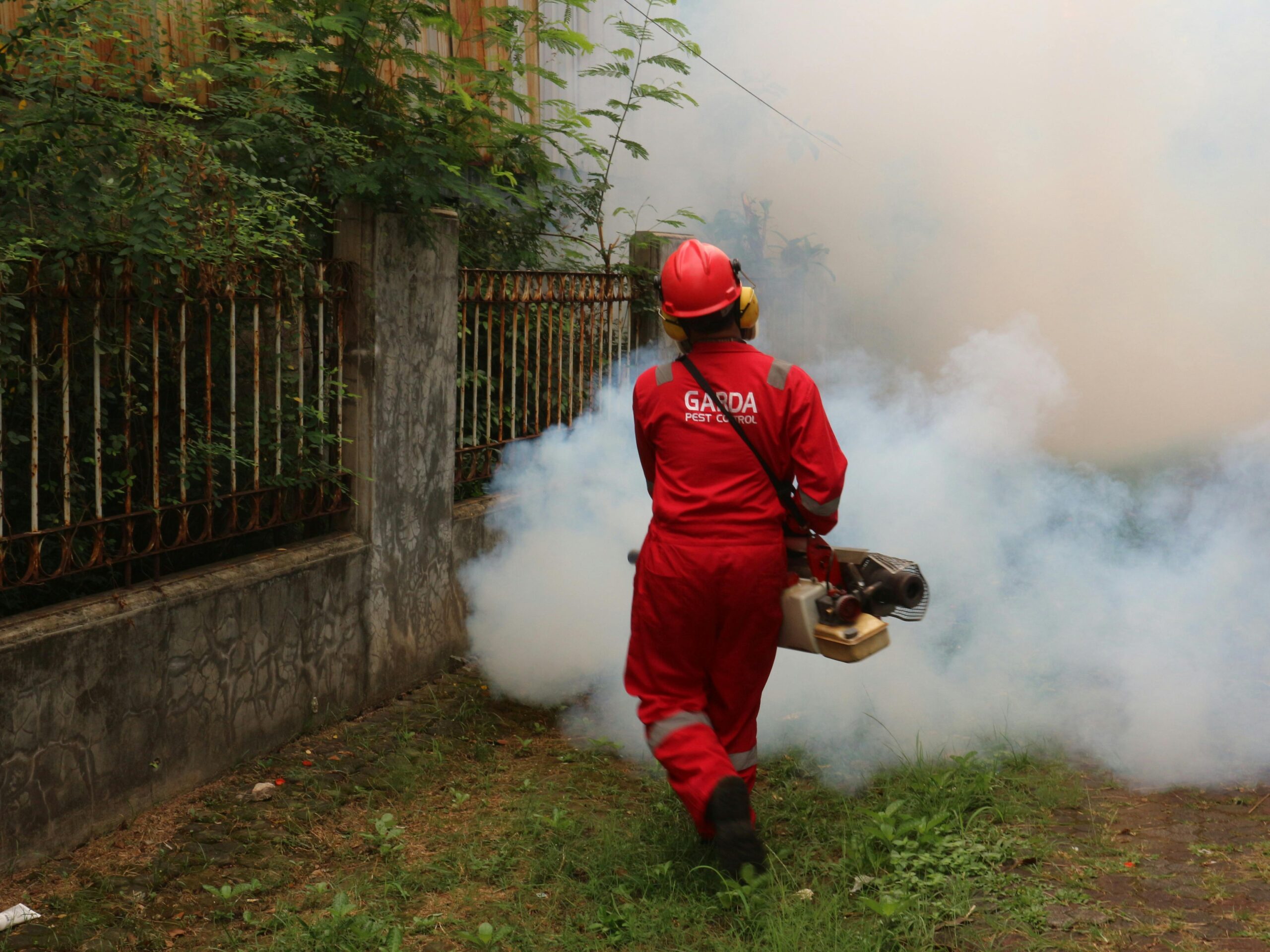
In the image above, a certified technician employs a smoke machine to lay down a uniform barrier treatment around a two‑story residence. The smoke ensures the insecticide penetrates hard‑to‑reach crevices, delivering protection that DIY sprays simply cannot achieve.
Benefits of Choosing a Professional Service
When you enlist a reputable company like Anthem Pest Control, you gain several advantages beyond the chemicals themselves:
- Thorough inspection – Technicians assess both indoor and outdoor conditions, pinpointing breeding sites that most homeowners overlook.
- Targeted application – Treatments are calibrated to the specific fly species and the layout of your property, maximizing efficacy while minimizing waste.
- Follow‑up visits – Most plans include a post‑treatment check to confirm the population is under control and to address any lingering hotspots.
- EPA‑compliant products – Professionals use registered, low‑toxicity formulations that meet strict federal safety standards.
How to Evaluate a Pest‑Control Provider
Not all pest‑control companies are created equal. Use these criteria to select a partner you can trust:
- Licensing – Verify that the company holds a valid Georgia pest‑control license, which ensures technicians have completed required training.
- Insurance – Proper liability coverage protects you in the unlikely event of property damage or accidental exposure.
- Local experience – Firms familiar with Cumming’s climate and common fly species can tailor treatments more effectively.
- Transparent pricing – Look for upfront estimates, clear breakdowns of service components, and no hidden fees.
By weighing DIY convenience against professional thoroughness—and by choosing a licensed, insured provider with a solid local reputation—you’ll secure a fly‑free home that stays comfortable for you, your family, and your pets.
Understanding Fly Control Costs in Cumming, GA
When you call a pest‑control professional, the price you see on the invoice is rarely a single, flat number. In Cumming, GA, house‑fly services are priced based on a blend of factors that reflect how much work is needed to keep those buzzing nuisances at bay. The main drivers are the level of service you choose (basic spray versus a comprehensive protection plan), the square footage of your home, the severity of the infestation, and how often the technician must return. Knowing which variable is influencing the cost helps you budget accurately and compare quotes with confidence.
Typical Cost Factors
- Service level: A one‑time “basic” spray targets adult flies only, while a “comprehensive” package includes larval control, outdoor perimeter treatment, and ongoing monitoring.
- Property size: Larger homes or properties with extensive landscaping require more product and labor, nudging the price upward.
- Infestation severity: A light, occasional presence costs less than a heavy, breeding‑site‑filled problem that demands extra attention.
- Visit frequency: Quarterly or monthly maintenance contracts spread the cost over time, whereas emergency or extra visits add a premium.
Price Tier Overview
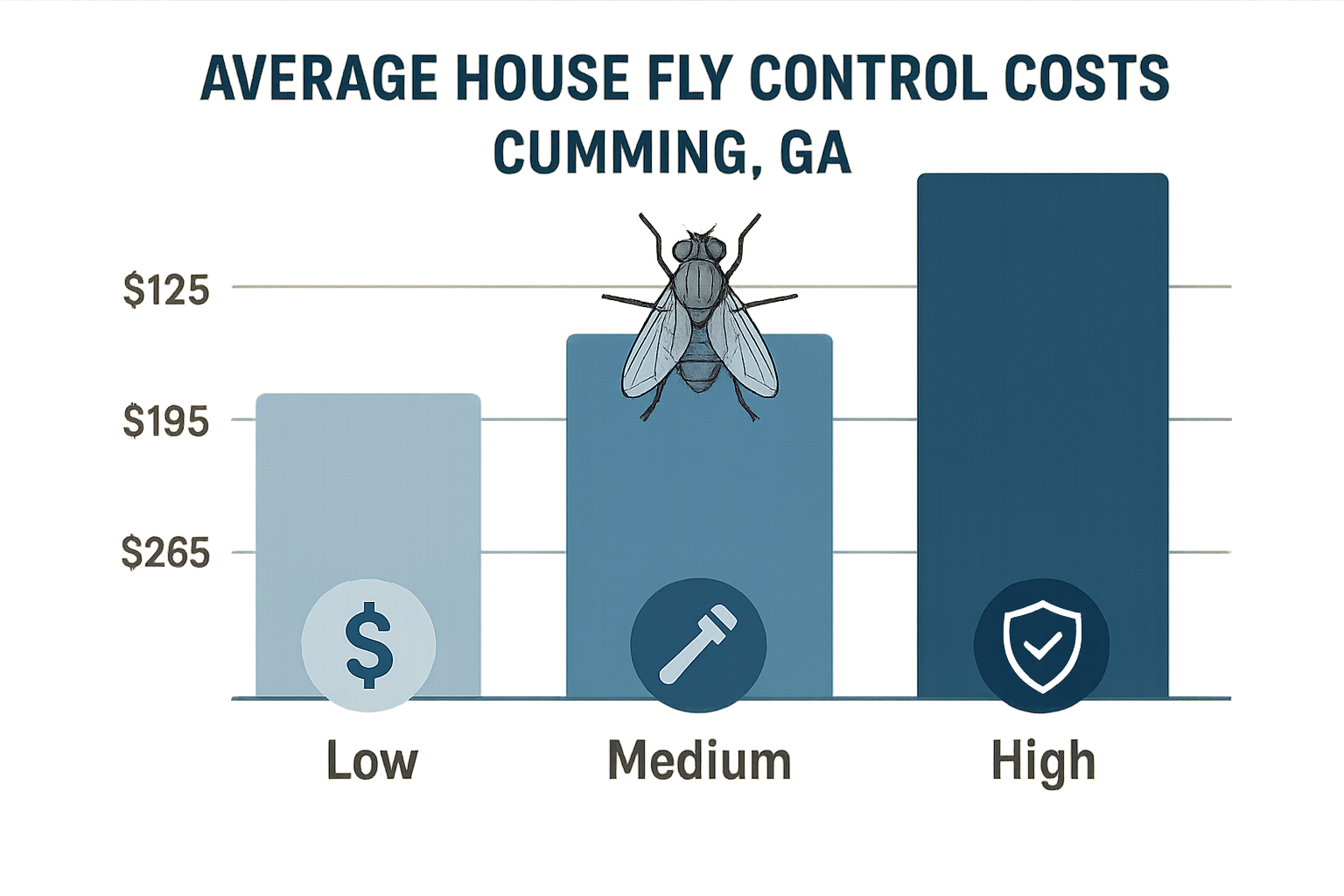
The bar‑chart above illustrates three pricing buckets that most local providers fall into:
- Low ($80‑$120): Ideal for a single, targeted spray on a small‑to‑medium home with a mild fly issue.
- Medium ($150‑$250): Covers quarterly visits, basic perimeter treatment, and a follow‑up inspection.
- High ($300‑$450): A full‑home protection plan that includes monthly visits, indoor/outdoor barrier applications, and a guarantee against re‑infestation.
What Each Tier Generally Includes
Understanding the deliverables behind each price point prevents surprise add‑ons later on:
- Low tier: One‑time interior spray, focused on adult flies; no follow‑up unless requested.
- Medium tier: Four seasonal treatments, interior and exterior barrier, basic monitoring, and a written service report.
- High tier: Monthly visits, advanced baiting or larvicide applications, comprehensive perimeter coverage, detailed reports, and a service guarantee that includes free re‑treatment if flies return within the contract period.
Hidden Fees to Watch For
Even a transparent company can have line items that catch homeowners off guard. Common extra charges include:
- Additional visits outside the agreed schedule (often billed at a premium hourly rate).
- Emergency or same‑day call‑outs, which can add $50‑$100 per incident.
- Specialized treatments for hard‑to‑reach areas (e.g., attic or crawl‑space) that require extra labor.
- Disposal fees for hazardous chemicals, though many reputable firms absorb this cost.
Tips for Getting the Best Value
Budget‑savvy homeowners can stretch every dollar by following a few simple steps:
- Request written quotes: A detailed estimate lets you compare apples‑to‑apples across different providers.
- Ask about guarantees: A solid warranty (often 30‑60 days) protects you from paying twice for the same problem.
- Consider bundled packages: If you need mosquito or rodent control as well, a combined service plan can reduce the overall cost per pest.
- Check for seasonal promotions: Many companies, including Anthem Pest Control, run discounts during the spring and fall when fly activity spikes.
Protect Your Home Today with Anthem Pest Control
House flies aren’t just a nuisance; house fly control cost Cumming homeowners consider is often justified because these pests can spread bacteria like E. coli and Salmonella from waste to food, putting your family’s health at risk. Their numbers surge each summer and early fall, so waiting until the infestation is obvious often means you’re already behind schedule.
Flies breed in standing water, decaying organic matter, and even in the shade of your own garage. By eliminating these hotspots before the temperature consistently hits 80°F, you cut the life cycle short and keep numbers from exploding.
Quick recap of what works and what it costs
In the earlier sections we covered the most reliable strategies:
- Targeted indoor residual sprays – $80‑$120 per treatment.
- Exterior perimeter fogging – $120‑$180 per application.
- Integrated fly‑prevention packages (inspection, exclusion, and follow‑up) – $200‑$350 for a full season.
These methods, when applied at the first sign of a seasonal peak, keep fly populations low and reduce the chance of disease transmission.
Why choose Anthem Pest Control?
Anthem’s licensed technicians arrive with EPA‑approved products that are safe for children and pets. Our pricing is transparent—no hidden fees, and every job comes with a satisfaction guarantee. Whether you need a one‑time treatment or a year‑round protection plan, we tailor the solution to your home’s layout and budget.
Take the next step—free, no‑obligation quote
Don’t let flies take over your porch, kitchen, or backyard. Call us today at 877‑371‑8196 or visit Anthem Pest Control to schedule a complimentary inspection. Our team will assess the situation, explain the recommended approach, and provide a clear cost estimate—no pressure, just peace of mind.
Our free quote includes a detailed report and a customized action plan, so you know exactly what to expect before any work begins.
Proactive fly management protects your health, your home’s reputation, and your wallet. Let Anthem handle the details so you can enjoy a fly‑free summer.