What Are Earwigs and How They Impact Your Home
Earwig control Druid Hills GA becomes essential when you hear a faint rustle behind a kitchen cabinet or spot a slender, dark insect with tiny pincers scuttling across the floor. These little critters are more than a curiosity; they can quickly turn into a genuine nuisance for local homeowners if left unchecked.
Biology at a Glance
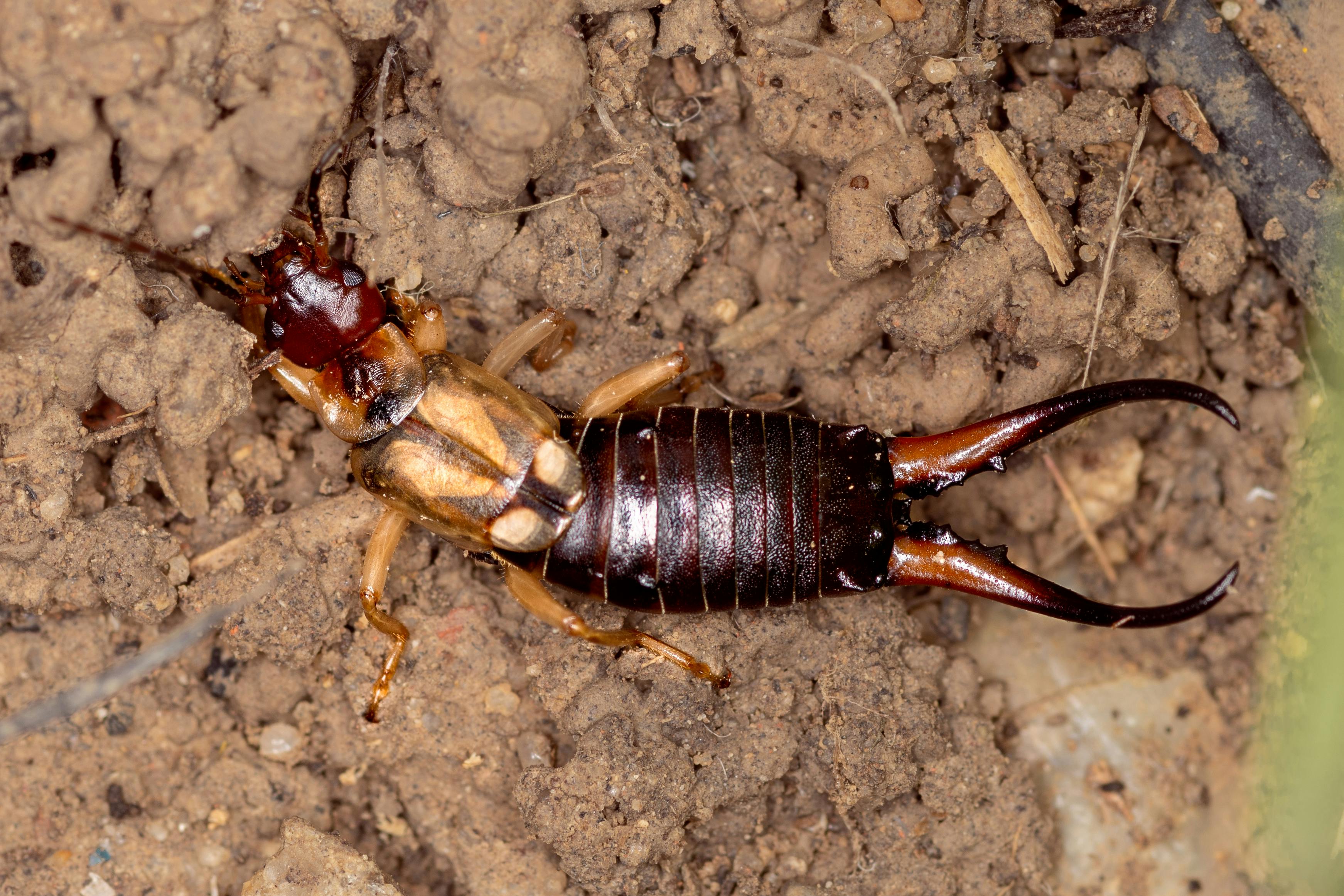
Earwigs belong to the order Dermaptera, a name that translates to “skin‑winged” because of their short, leathery forewings that protect a pair of delicate hind wings. The most recognizable feature is the pair of curved forceps—actually modified cerci—at the end of their abdomen. These pincers are used for defense, mating rituals, and even for folding their wings. Earwigs are primarily nocturnal, emerging after sunset to hunt for decaying plant material, other insects, and occasionally the occasional crumb left on a countertop.
Why They Become a Nuisance
In a well‑maintained garden, earwigs can actually be beneficial, feeding on aphids and other soft‑bodied pests. However, when moisture accumulates around your home’s foundation, mulch, or indoor plumbing, earwigs migrate indoors seeking shelter. Once inside, they may:
- Chew on tender garden seedlings or ornamental plants, leaving ragged edges on leaves.
- Scatter across countertops, pantry shelves, or pet food dishes, creating an unsettling visual.
- Potentially contaminate food with their excrement or shed skins, especially in kitchens with poor sealing.
Spotting the Difference
Earwigs are often confused with cockroaches, silverfish, or even beetles. A few quick identifiers set them apart:
- Size: Most earwigs measure 1‑2 inches long, slightly smaller than a common household cockroach.
- Shape: Their elongated, flattened bodies taper to a distinctive pair of pincers, whereas cockroaches have a broader, rounded silhouette.
- Behavior: Earwigs are shy and tend to hide in damp crevices; they rarely scuttle in daylight like cockroaches.
Health and Structural Concerns
Fortunately, earwigs are not known to bite humans or transmit diseases. The real alarm bell is what their presence signals: excess moisture. Persistent dampness can lead to mold growth, wood rot, and attract other, more harmful pests such as termites or carpenter ants. In this way, earwigs act as an early warning system, prompting homeowners to address underlying moisture issues before they evolve into costly structural damage.
For a broader perspective on indoor pest management, the U.S. Environmental Protection Agency’s indoor pest guidance emphasizes the importance of moisture control as a first line of defense against a wide range of insects, including earwigs.
Identifying Entry Points and Simple Backyard Preventive Steps
Earwigs are nocturnal explorers that love damp, hidden spaces. When they find a crack or a moist nook around your home, they slip inside looking for food, shelter, and a place to lay eggs. Spotting how they get in is the first step to keeping them out.
Typical Entry Locations
Most earwigs follow the path of least resistance. Common gateways include:
- Cracks in foundations – tiny fissures in concrete or brick that collect moisture.
- Gaps under siding – especially where vinyl or wood panels meet the ground.
- Vent openings – attic, dryer, and bathroom vents often lack fine mesh screens.
- Door sweeps – worn or missing sweeps create a gap at the threshold.
- Soil‑to‑structure transitions – where the house meets the garden, especially around crawl‑space vents.
Moisture: The Earwig Magnet
Earwigs thrive in damp environments. Leaky gutters, cracked pipes, or poor drainage create the perfect humidity for them. Fixing leaks, directing downspouts away from the foundation, and ensuring the soil slopes away from the house can dramatically reduce the humidity that draws these insects indoors.
DIY Inspection Checklist
Before you start sealing, give your property a quick night‑time walk‑through. Use a flashlight and look for the following signs:
- Thin, silvery tracks along walls or baseboards.
- Small, oval bodies or pincers tucked in corners.
- Accumulations of mulch or leaf litter right against the foundation.
- Wet spots or condensation near windows and doors.
Mark any problem areas with a piece of tape so you can address them systematically.
Simple Barrier Methods
Once you’ve identified the weak spots, a few household tools can create a solid barrier:
- Apply a high‑quality caulk to all visible cracks in foundations, siding, and around window frames.
- Install or replace door sweeps on exterior doors, ensuring they sit flush against the floor.
- Fit fine vent screens over dryer, attic, and bathroom vents; replace any torn mesh.
- Remove or treat decaying wood—such as rotted porch steps or old fence posts—that provides a perfect earwig hideout.
Landscape Adjustments
The yard is an extension of your home’s defense. Simple gardening habits can cut off earwig highways:
- Keep mulch at least six inches away from the house foundation; earwigs love the cool, moist layer directly against walls.
- Trim back vegetation, especially low‑lying shrubs, so they don’t brush the siding and create a bridge.
- Eliminate any standing water in flower pots, bird baths, or low spots in the lawn.
- Consider using a gravel border between the house and garden beds to improve drainage and reduce humidity.
By combining a focused inspection with these easy DIY barriers, you can dramatically lower the chances that earwigs will find their way inside. If you still notice activity after sealing and landscaping, it may be time to call a professional like Anthem Pest Control for a targeted treatment plan.
Professional Treatment Options and What to Expect
What’s on the toolbox?
Anthem Pest’s technicians draw from four main categories when tackling earwig infestations: chemical sprays, gel or granular baits, insecticidal dusts, and targeted fogging or smoke applications. Sprays provide rapid knock‑down on surfaces where earwigs hide, while baits lure the insects to a poison they carry back to the nest. Dusts—often silica‑based—remain active in wall voids and under deck boards for months, offering a “set‑and‑forget” layer of protection. Fogging or smoke machines, a newer addition to the industry, disperse a fine mist that penetrates cracks, crevices, and even underground galleries, reaching places a spray simply can’t.
How the specialist decides
Before any product touches your home, the technician conducts a quick but thorough assessment. They look for tell‑tale signs such as earwig exoskeletons in basements, damage to mulch, or nocturnal activity near outdoor lights. The severity of the infestation—whether it’s a few stray individuals or a dense colony—guides the choice of method. For light, localized problems, a targeted spray or bait may suffice. Heavy, multi‑room invasions often merit a combination of dust for hidden voids and a smoke‑machine pass to blanket the entire structure.
Step‑by‑step: What happens during a service visit
- Inspection: The technician walks through interior and exterior zones, noting entry points, moisture sources, and existing clutter that could shelter earwigs.
- Treatment plan discussion: You’ll receive a clear explanation of the recommended products, why they’re chosen, and how long they’ll remain effective.
- Safety briefing: Any pets, children, or sensitive items are identified so the crew can protect them—often by moving objects or using low‑odor formulations.
- Application: Sprays are applied to baseboards, door frames, and outdoor perimeters; dust is puffed into wall cavities; baits are placed in discreet, moisture‑prone corners; and the smoke‑machine runs a short, controlled fog that fills hard‑to‑reach spaces.
- Post‑treatment advice: The technician leaves a concise checklist—keep lights off at night to reduce attraction, trim vegetation away from the foundation, and avoid excessive moisture in crawl spaces.

Why go professional?
DIY earwig control often relies on over‑the‑counter sprays that evaporate quickly and leave gaps in coverage. A licensed Anthem Pest specialist uses EPA‑registered products formulated for deep penetration and lasting residual action. This means you get protection that endures weeks, not days. Moreover, the technicians are trained to apply chemicals safely around children and pets, reducing the risk of accidental exposure—a concern that many homeowners overlook when they spray indiscriminately.
Professional treatment also offers a comprehensive approach. Instead of treating only the visible insects, the crew addresses the entire habitat: sealing entry points, correcting moisture problems, and setting up monitoring stations. The result is a dramatic reduction in earwig activity and a lower chance of re‑infestation.
Follow‑up and monitoring
Most Anthem Pest contracts include at least one follow‑up visit within 30 days. During this appointment, the technician checks the treated zones, re‑applies dust if needed, and replaces any depleted baits. For homeowners who want long‑term peace of mind, the company offers a seasonal monitoring program that schedules quarterly inspections and preventative treatments, ensuring earwigs never gain a foothold again.
In short, a professional earwig service blends science, experience, and the right tools to deliver fast, safe, and lasting results. By letting Anthem Pest handle the heavy lifting, you protect your home, your family, and your peace of mind—all without the guesswork of DIY solutions.
Pricing Comparison – One‑Time Treatment vs. Quarterly Service
When it comes to earwig control, most pest‑control companies in Druid Hills offer two primary pricing models: a one‑time treatment that tackles the current infestation, or a quarterly service plan that provides ongoing protection throughout the year. Understanding how each model is priced helps you match the service to your budget and your home’s specific needs.
Key Factors That Influence the Price
- Property size: Larger homes or multi‑unit buildings require more product and labor, raising the overall cost.
- Infestation level: A light, occasional sighting costs less than a heavy, multi‑room infestation.
- Treatment type: Spot‑treatments, perimeter sprays, or indoor fogging each have different material expenses.
- Service frequency: Quarterly plans spread the cost over four visits, often including follow‑up inspections and re‑applications.
Infographic Data Presented in Text Form
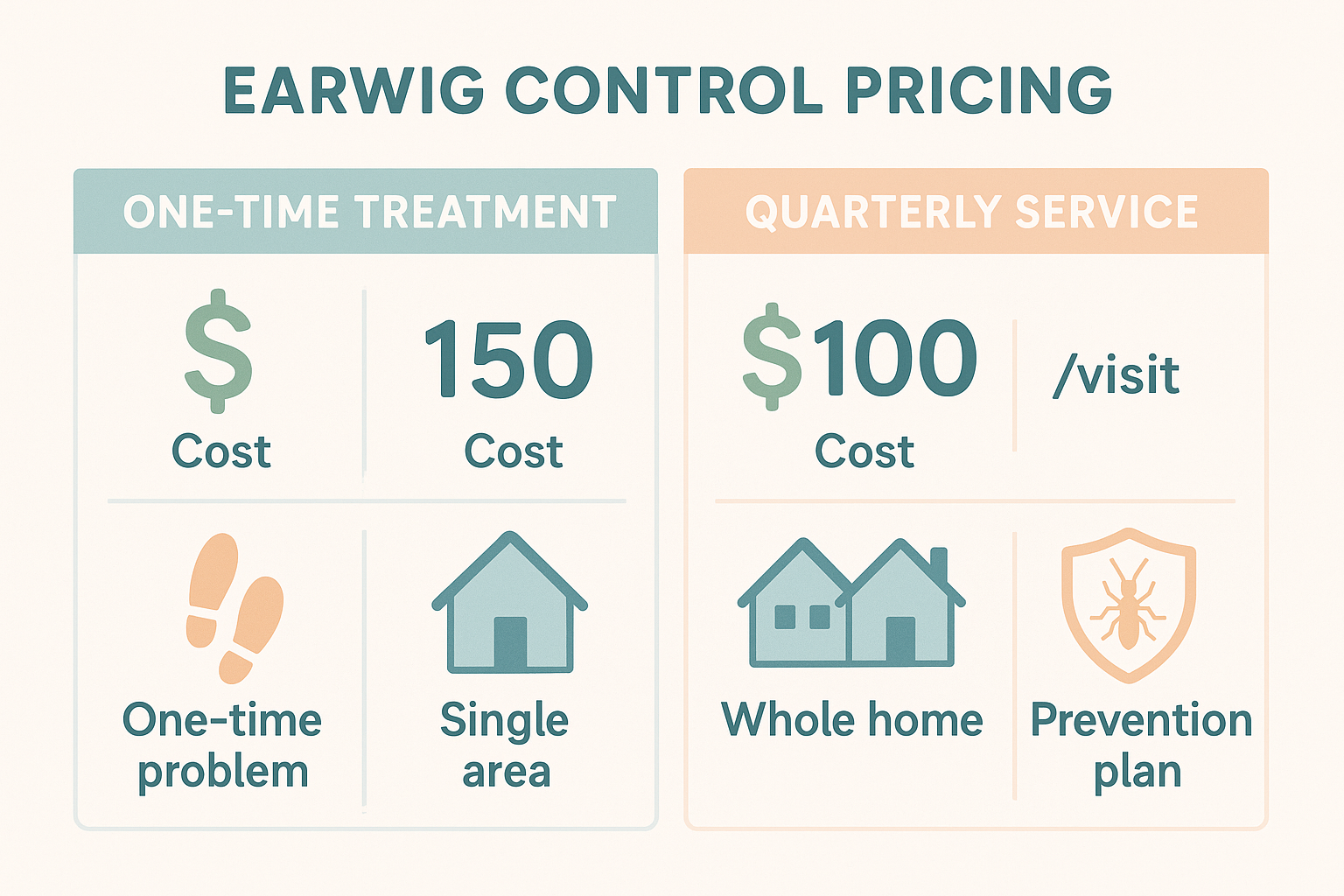
The accompanying infographic breaks down the typical cost ranges, coverage areas, and ideal scenarios for each model. Below is a text‑friendly version for screen‑reader users.
| Model | Cost Range (per visit) | Typical Coverage Area | Recommended Scenarios |
|---|---|---|---|
| One‑Time Treatment | $120 – $250 | Up to 2,500 sq ft (single‑visit focus) | Minor infestations, short‑term stay, budget‑tight homeowners |
| Quarterly Service | $90 – $150 per visit (total $360 – $600 annually) | Up to 5,000 sq ft (includes seasonal re‑applications) | Heavy or recurring infestations, families with pets/children, long‑term property owners |
Pros and Cons of Each Model
One‑Time Treatment
- Pros: Lower upfront expense, ideal for immediate relief, no long‑term commitment.
- Cons: Protection may fade after a few weeks, especially during peak earwig season; may require repeat visits if the problem recurs.
Quarterly Service
- Pros: Continuous coverage guards against seasonal spikes, often includes a warranty that covers re‑treatments, and spreads cost over the year.
- Cons: Higher total annual spend, and you’re locked into a schedule that may feel unnecessary if infestations are sporadic.
How to Evaluate a Quote
When you receive a price estimate, look for these transparent elements:
- Itemized fees: Separate labor, product, and travel costs. Hidden surcharges should be clearly listed.
- Guarantee terms: Does the company offer a warranty? Note the duration and what it covers (e.g., free re‑treatment within 30 days).
- Service frequency details: Verify how many visits are included and whether they align with your local earwig activity patterns.
- Additional charges: Watch for “after‑hours” or “disposal” fees that can inflate the final bill.
By comparing the upfront cost of a one‑time treatment against the cumulative expense of a quarterly plan—and weighing those numbers against your home’s size, infestation severity, and long‑term comfort—you can choose the pricing model that delivers the right balance of protection and affordability for your Druid Hills residence.
Seasonal Earwig Activity in the Atlanta Region and Timing Your Prevention
Earwigs thrive on the subtle dance between temperature and humidity. In the Atlanta area, their life cycle is tightly synced with the region’s climate, which means you can predict when they’ll be most active and intervene before they become a nuisance.
Life Cycle Overview
Earwigs lay eggs in moist, protected sites such as leaf litter, mulch, or the crevices of a foundation. The eggs hatch in about two weeks, releasing nymphs that resemble miniature adults. These nymphs molt five to six times over several months, gradually gaining the characteristic forceps. Adults emerge in late spring, mate, and the females return to the same damp shelters to deposit a second batch of eggs before the first frost. Because each stage requires moisture and moderate warmth, any shift in temperature or humidity directly influences how quickly the population expands.
Peak Activity Months in Atlanta
Atlanta’s climate provides a long window for earwig development. The most vigorous activity occurs from late April through early October, when average daily highs hover between 70°F and 90°F and nighttime lows stay above 55°F. Below is a quick reference that translates those numbers into practical timing.

| Month | Typical High / Low (°F) | Earwig Activity Level | Key Prevention Tasks |
|---|---|---|---|
| March | 68 / 45 | Low – eggs just beginning to hatch | Apply barrier treatments around foundations; inspect and seal cracks. |
| April–May | 73 / 53 | Rising – nymphs emerging | Reduce mulch depth; keep garden beds well‑drained. |
| June–July | 85 / 65 | Peak – adults abundant | Trim vegetation away from the house; perform gutter cleaning to prevent moisture buildup. |
| August | 88 / 68 | High – continued breeding | Inspect deck railings and exterior doors; reinforce weather‑stripping. |
| September | 80 / 60 | Declining – adults start seeking shelter for winter | Final inspection of barrier treatments; seal any new cracks discovered during summer. |
| October–November | 70 / 50 | Low – eggs overwinter | Remove leaf piles and debris; store firewood away from the foundation. |
Season‑Specific Home Maintenance
Spring (March–May): After applying a professional barrier, clear away any standing water in flower beds and ensure downspouts direct runoff at least six inches from the foundation. This cuts off the moisture earwigs love for egg‑laying.
Summer (June–August): Mulch can hold the damp micro‑environment earwigs need, so keep it no deeper than two inches and consider replacing wood chips with gravel in high‑traffic zones. Regularly clean gutters and check for clogged downspouts, as excess moisture fuels both earwigs and other pests.
Fall (September–November): Conduct a thorough walk‑around inspection. Look for cracks that may have widened from summer heat, and seal them with a silicone‑based caulk. Remove fallen leaves, compost, and any debris that could serve as overwintering shelters.
Why Schedule a Pro Early?
Professional earwig treatments are most cost‑effective when applied before the population spikes. By booking a service in March, Anthem Pest Control can lay down a residual barrier that remains active through the hottest months, reducing the need for repeat applications. Early scheduling also gives technicians time to identify hidden entry points—like foundation gaps or vent openings—that DIY methods often miss.
In short, understanding the seasonal rhythm of earwigs lets you align your home‑maintenance calendar with nature’s own timetable. A few targeted actions—barrier treatment in early spring, mulch management in midsummer, and a final inspection before the first frost—can keep these nocturnal insects from turning your yard into a nightly banquet.
Secure Your Home with Expert Earwig Control – Get a Free Quote Today
Why Early Action Matters
Spotting earwigs before they establish a foothold is the single most effective defense you have. Early identification lets you seal cracks, install door sweeps, and schedule treatments at the optimal time of year—typically late summer to early fall when earwig activity peaks. Acting fast reduces the chance of a full‑blown infestation and protects your garden, patio, and indoor spaces from unwanted damage.
The Anthem Advantage
Choosing a licensed, EPA‑compliant provider guarantees that every product and technique meets strict safety standards. Our technicians prioritize homeowner health, using low‑toxicity solutions that target earwigs while preserving pets and family members. Transparent pricing means you know exactly what you’re paying for—no hidden fees, no surprise add‑ons—so you can budget confidently.
Anthem Pest Control brings more than earwig expertise to the table. Our team handles termites, mosquitoes, rodents, cockroaches, ants, bed bugs, and virtually any household pest you might encounter. With nationwide service coverage, we combine local knowledge of Druid Hills’ climate with a robust network of resources, delivering consistent, affordable results wherever you call home.
Your Free, No‑Obligation Quote
We understand that every home is unique, which is why we offer a personalized assessment at no cost. Simply reach out, and a certified technician will schedule a quick onsite visit, evaluate entry points, and recommend a treatment plan tailored to your property’s specific needs. Our response time is fast, ensuring you won’t be left waiting while earwigs multiply.
Ready to keep earwigs—and other unwanted guests—out of your home? Contact Anthem Pest Control at 877‑371‑8196 for a free, personalized quote. Our certified technicians will assess your property, recommend the best treatment plan, and ensure your home stays protected year‑round.
Visit Anthem Pest Control to learn more and schedule your service today. We look forward to helping you enjoy a pest‑free home with confidence and peace of mind.