Recognizing the House Fly Problem in Suwanee, GA
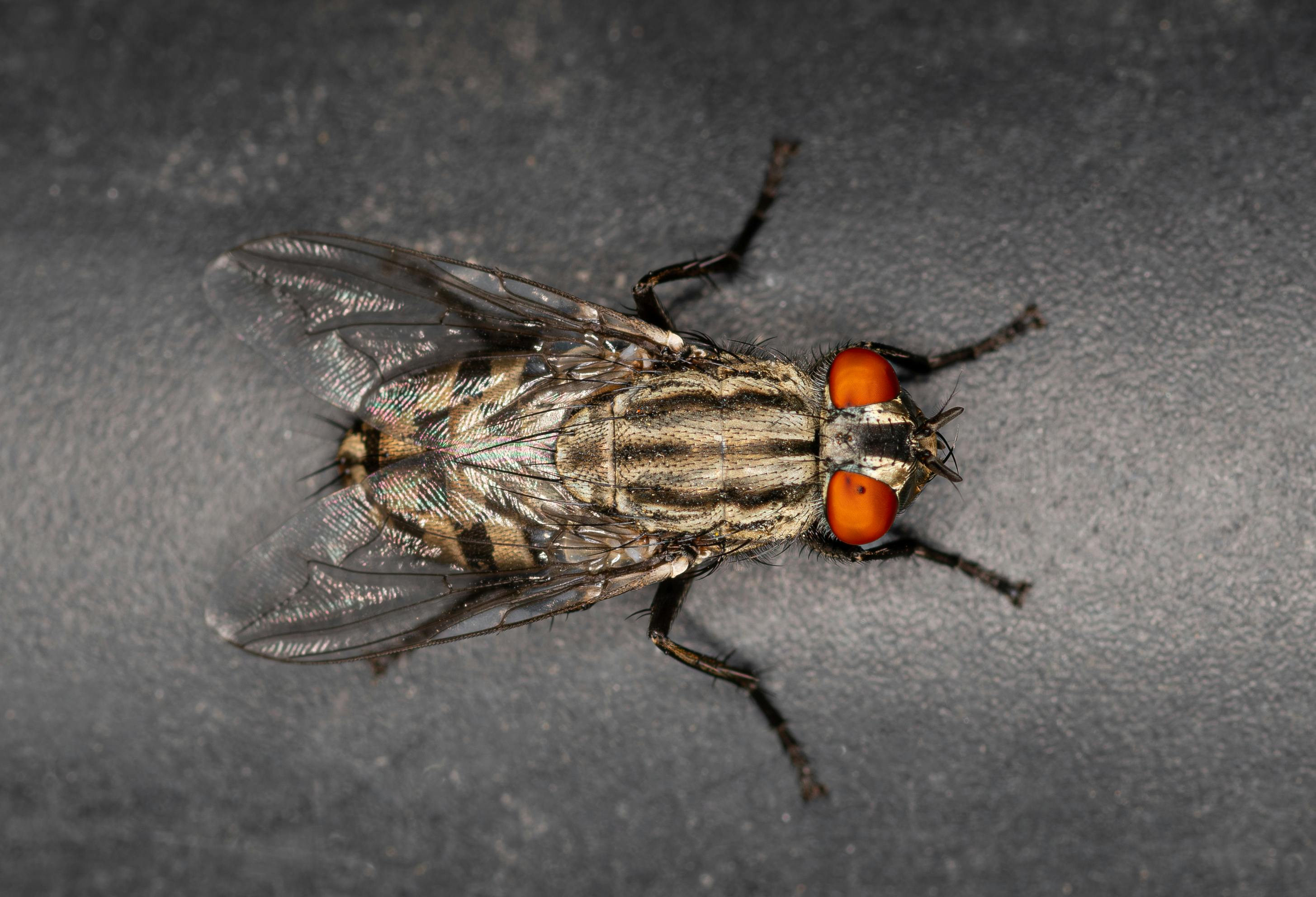
The common house fly (Musca domestica) may seem harmless, but its rapid life cycle can turn a few stray insects into a full-blown nuisance in weeks, often prompting homeowners to contact a house fly exterminator Suwanee GA. An adult female can lay up to 150 eggs in a single batch, and those eggs hatch in as little as 24 hours. Within 7-10 days, the larvae (maggots) mature, pupate, and emerge as flying adults ready to reproduce again. In Suwanee’s warm, humid climate, this cycle repeats almost nonstop during the summer months, allowing populations to explode if left unchecked.
Where Flies Like to Hang Out
In Georgia homes, house flies gravitate toward both indoor and outdoor hotspots that provide food, moisture, and easy entry points. Typical indoor gathering spots include kitchen counters, garbage cans, pet feeding stations, and open windows or screen doors. Outdoors, you’ll often find them buzzing around compost piles, over‑ripe fruit trees, and the shaded areas of patios or decks where moisture lingers. These locations act as staging grounds for breeding, especially when trash isn’t sealed or pet waste isn’t promptly cleaned.
Visual Cues That Signal an Infestation
- Clusters of flies hovering near entryways, especially during the early evening.
- Increased activity around garbage bins, especially if the lid is left ajar.
- Flies repeatedly landing on pet food dishes, water bowls, or litter boxes.
- Visible larvae (tiny white worms) in damp, organic matter such as rotting fruit or compost.
- Persistent buzzing sounds near light fixtures or windows, indicating a breeding site nearby.
Spotting any of these signs early can save you from a larger outbreak later in the season. House flies are not just a nuisance; they can carry bacteria from waste to food surfaces, posing health risks for families and pets.
Why Suwanee’s Climate Fuels Rapid Breeding
Summers in Suwanee regularly climb into the high‑80s °F (30‑35 °C) with humidity levels hovering around 70 %. These conditions create an ideal incubator for fly eggs and larvae. Warm temperatures accelerate development, while moisture prevents the eggs from drying out. Consequently, a single pair of flies can produce thousands of offspring over a few weeks if you don’t intervene.
Credible Reference
For a deeper dive into the biology and control recommendations for house flies, the U.S. Environmental Protection Agency provides a comprehensive fact sheet: EPA – House Fly Information. Their guidelines reinforce the importance of sanitation, exclusion, and targeted treatments—principles that Anthem Pest Control follows in every residential service.
Understanding the life cycle, typical hang‑outs, and visual warning signs equips Suwanee homeowners to act quickly. Early detection paired with professional intervention can keep house flies from turning your home into a breeding ground, protecting both comfort and health.
Health Risks and Why Prompt Action Matters
Diseases Flies Can Carry
House flies are more than a nuisance; they are efficient disease vectors. Common illnesses linked to fly activity include bacterial gastroenteritis (often caused by Salmonella or E. coli), dysentery, and various eye infections such as conjunctivitis. In rare cases, flies can even spread Shigella and Campylobacter, leading to severe stomach cramps and diarrhea. When a fly lands on food, it can transfer these pathogens in a single, invisible brush.
How Flies Transfer Pathogens
Flies acquire microbes by feeding on waste, animal feces, or decaying organic matter. Their bodies—especially their legs, hairs, and sponging mouthparts—act like tiny brushes that pick up bacteria, viruses, and parasites. Once contaminated, a fly will alight on kitchen counters, utensils, or uncovered dishes, depositing the pathogens directly onto surfaces where you prepare meals. This mechanical transfer happens in seconds, turning a clean kitchen into a potential health hazard.
Safety Guidance from CDC/NIOSH
When you decide to treat a fly infestation, it’s essential to follow the CDC/NIOSH pesticide safety guidelines. The agency recommends using products that are EPA‑registered, applying them according to label directions, and ensuring proper ventilation. Personal protective equipment (gloves, masks, eye protection) reduces exposure risk for you and your family. A professional service like Anthem Pest Control adheres to these standards, guaranteeing effective control while minimizing health risks.
Economic and Quality‑of‑Life Impacts
A persistent fly problem doesn’t just threaten health; it erodes your home’s comfort and finances. Flies contaminate stored food, leading to spoilage and wasted groceries. Their constant buzzing creates an unpleasant atmosphere, discouraging guests and reducing the enjoyment of indoor spaces. Over time, the presence of flies can lower property value and increase utility costs as you replace spoiled items and invest in additional cleaning supplies.
Cost of Delayed Treatment
Procrastination allows fly populations to explode. A small cluster can double in size within a week, meaning more insects to eradicate and a larger treatment area. This escalation translates to higher chemical usage and longer labor times, inflating the overall expense. Moreover, a larger infestation raises the likelihood of disease transmission, potentially leading to medical costs and lost workdays. Acting promptly with a targeted, professional fly extermination plan not only protects your health but also saves you money in the long run.
Seasonal Patterns of House Flies in Georgia
Peak activity and the summer surge
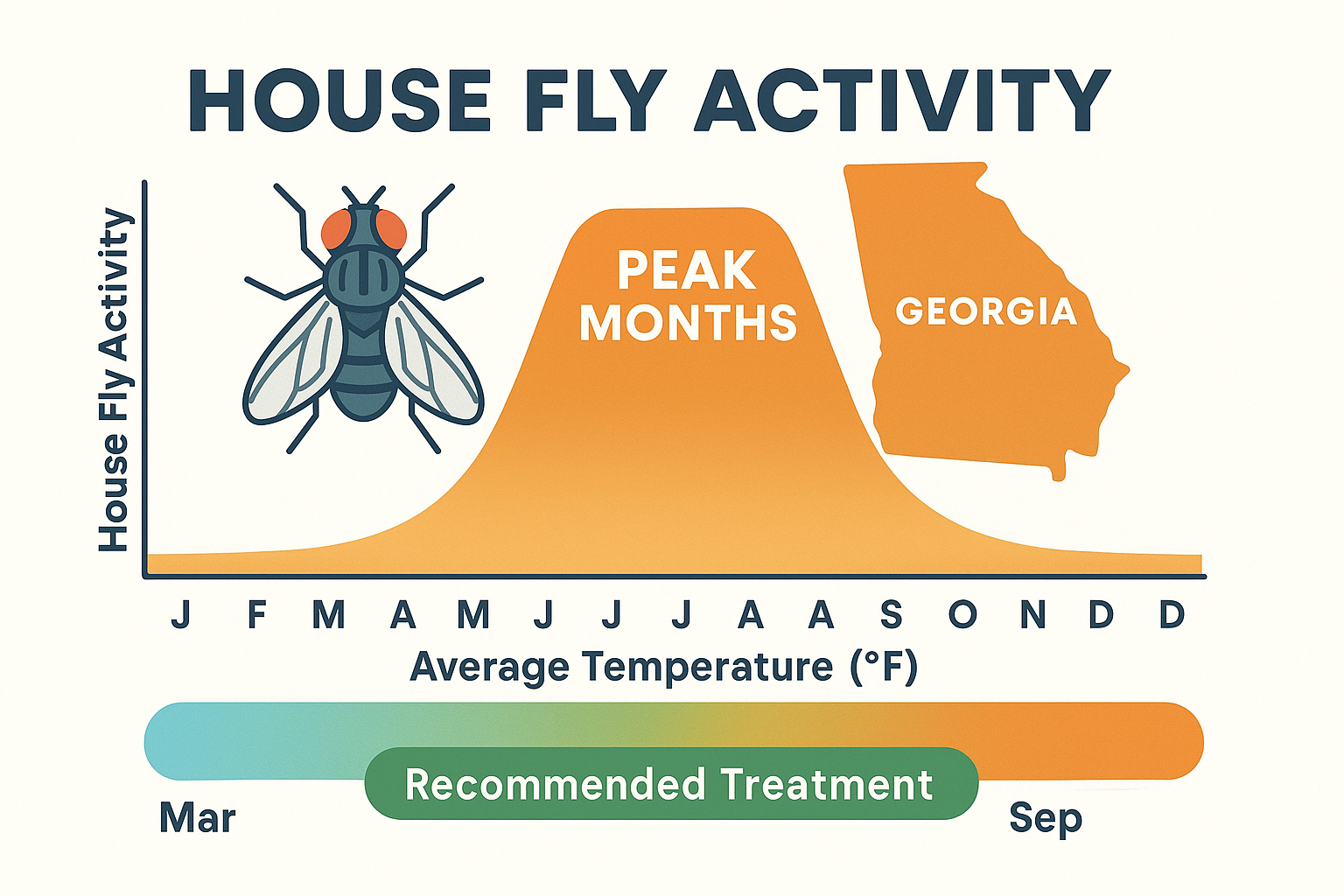
Statewide monitoring charts show a clear bell-shaped curve for house-fly counts. In Georgia, the curve spikes from early June through the end of August, with the highest trap captures typically recorded in mid-July—a period when many homeowners begin searching for a house fly exterminator Suwanee GA. After the first frost, numbers tumble sharply, reaching a low point between December and February. Homeowners who wait until flies are already swarming often face higher treatment costs because the infestation has already multiplied.
Temperature‑driven reproduction
House flies thrive when average monthly temperatures sit between 75°F and 85°F (24°C‑29°C). At those temperatures a female can lay up to 150 eggs per day, and the entire life cycle—from egg to adult—compresses to just seven to ten days. When the thermometer climbs above 90°F, development speeds up even more, but adult mortality also rises. Conversely, when averages dip below 60°F, egg viability drops dramatically, explaining the winter trough.
Best times to treat
Targeted interventions work best during the two natural “breaks” in the fly calendar:
- Early spring (mid‑March to early May) – Apply residual sprays or install bait stations before the first major breeding wave. This pre‑emptive step reduces the number of females that can lay eggs during the summer surge.
- Late summer (late August to early September) – A second round of treatment catches the last generation before cooler nights halt reproduction, preventing a carry‑over into the next year.
Both windows align with the period when larvae are still developing in organic debris, making chemical control more effective.
When weather breaks the rules
Georgia’s climate isn’t static. An unusually warm winter—say average highs in the 60s°F—can keep flies active through February, compressing the “low” period. In such years you may notice a secondary peak in March, which means the early‑spring treatment window should shift forward by two to three weeks. Likewise, a cool, wet summer can delay the main peak, giving you a longer runway to act before flies reach full force.
Quick tip – When to call a professional based on seasonal indicators
- If trap counts rise above 15 flies per trap in May, schedule an early‑spring service.
- When you start seeing adult flies inside the home during August, request a late‑summer follow‑up.
- After an unseasonably warm spell in December, have a technician inspect for hidden breeding sites.
Treatment Options – DIY Traps vs Professional Services
DIY approaches
Most homeowners start with the low‑cost tools that are readily available at hardware stores. Sticky fly ribbons capture insects on contact, while homemade bait stations—often a mixture of sugar, water, and dish soap—lure flies to a watery death. Over‑the‑counter insecticidal sprays can provide a quick knock‑down, especially when applied directly to flies on windowsills or in trash areas.
These methods work best for isolated sightings. Their biggest limitation is persistence. Sticky traps become saturated after a few days, bait stations lose attractiveness once the mixture dries, and sprays offer only a momentary barrier. Without a systematic plan, flies quickly repopulate, especially in warm, humid climates like Suwanee.
Professional methods
Licensed technicians bring a suite of targeted solutions that go beyond surface‑level knock‑downs. Residual sprays are applied to cracks, crevices, and other fly harborage sites, leaving an invisible barrier that kills insects for weeks. Fogging distributes a fine mist throughout a home, reaching hidden corners that DIY products miss. Commercial bait formulations combine attractants with slow‑acting insecticides, allowing flies to carry the poison back to breeding sites.
Most reputable companies, including Anthem Pest Control, embed these tactics within an Integrated Pest‑Management (IPM) program. IPM blends chemical treatments with sanitation advice, structural repairs, and regular monitoring to keep fly populations below economic thresholds over the long term.
Safety considerations
When you pick up a spray aisle‑side, you’re often handling a product that lacks EPA registration for indoor use, which can raise health concerns for children and pets. Professional products must be EPA‑registered, and technicians are trained to apply them in the safest locations and concentrations. Many companies now offer child‑ and pet‑friendly options, such as low‑toxicity baits or spot‑on residuals that pose minimal risk when used correctly.
Proper application technique matters as much as the product itself. Over‑spraying can saturate furnishings and create lingering fumes, while under‑application leaves gaps for flies to exploit. A trained pest manager knows the exact dosage, placement, and ventilation requirements to protect your family’s health.
Cost comparison snapshot
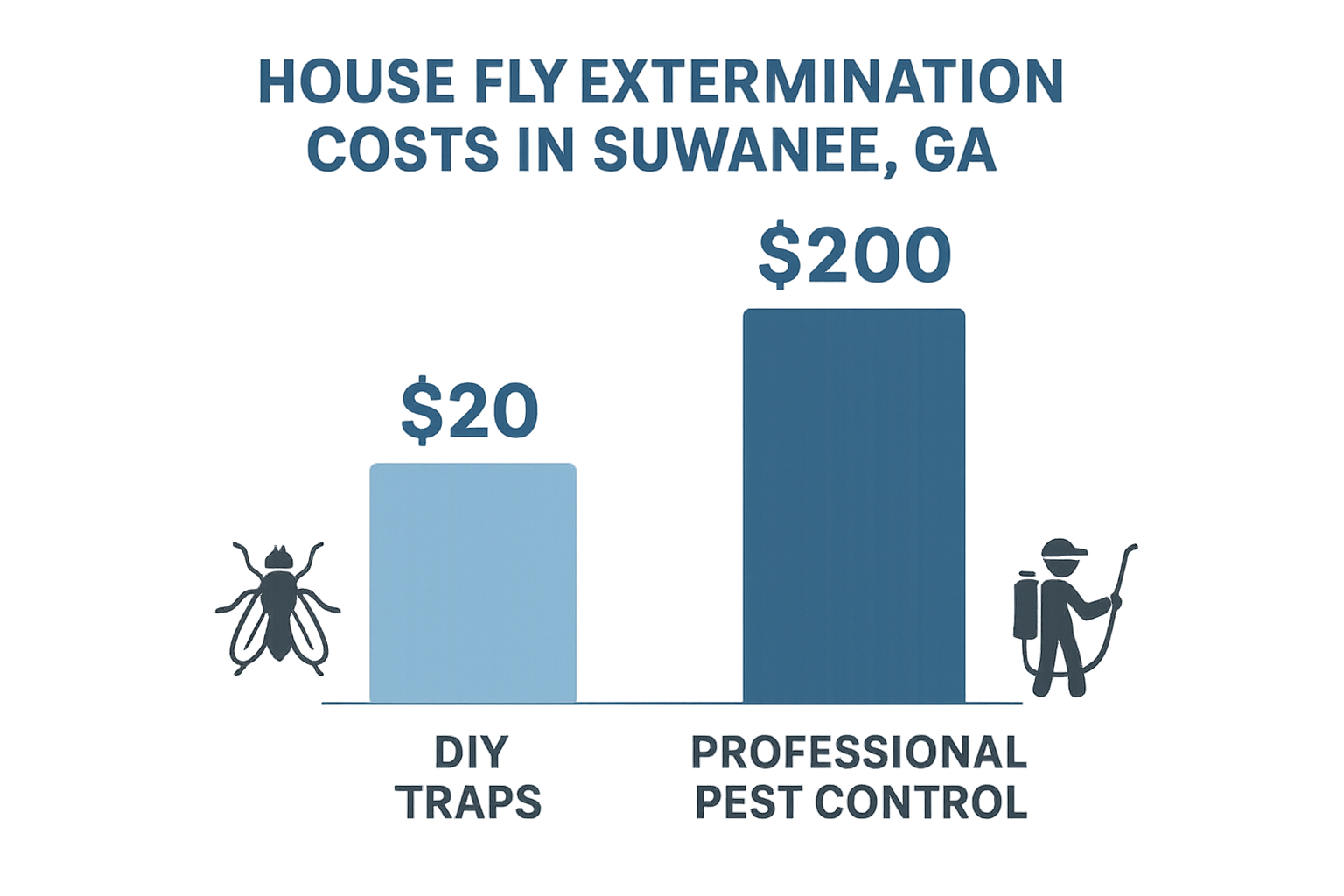
| Method | Typical Cost Range |
|---|---|
| DIY traps & sprays | $50 – $100 |
| Professional service | $200 – $400 |
When DIY is sufficient
If you’re dealing with a handful of flies that appear after a picnic or a single open garbage bag, a few sticky ribbons and a homemade bait can keep the nuisance at bay. In these cases, the low upfront cost and quick setup are attractive, provided you’re diligent about cleaning and rotating traps every few days.
When to call a professional
Recurring sightings, large swarms, or flies that seem to originate from hidden breeding sites signal a deeper problem. Professional intervention becomes essential when:
- Populations exceed a few dozen flies per room.
- Infestations persist despite regular DIY efforts.
- The property includes vulnerable occupants—young children, seniors, or pets.
- You need a long‑term plan that integrates sanitation, structural repairs, and scheduled follow‑ups.
In those scenarios, the higher upfront cost of a licensed service pays off through faster elimination, reduced health risks, and lasting protection that DIY methods simply cannot match.
Choosing the Right Service for Your Home

What to Look for in a Pest‑Control Provider
When you’re ready to banish house flies, the first step is picking a company you can trust. Not all pest‑control firms are created equal, so focus on these five non‑negotiables:
- Licensing & insurance: Verify that the technicians hold a valid state pest‑control license and that the company carries liability insurance. This protects you if anything goes wrong during treatment.
- Local experience: A provider that knows Suwanee’s climate, seasonal fly patterns, and neighborhood regulations will deliver faster, more effective results.
- Treatment guarantees: Look for a written guarantee that covers re‑treatment if flies return within a specified period.
- Transparent pricing: Up‑front, itemized quotes prevent surprise fees later on. The best companies break down costs for inspection, chemicals, and follow‑up visits.
- Customer support: Responsive service teams that answer questions and schedule appointments at convenient times make the whole process smoother.
Why Anthem Pest Control Stands Out in Suwanee
Anthem Pest Control ticks every box on the checklist, and it adds a few local perks that make it a perfect fit for Suwanee homeowners:
- Season‑specific plans: Fly activity spikes in the warm months. Anthem designs treatment calendars that target peak periods, reducing the chance of a resurgence.
- Eco‑friendly options: For families concerned about pets or the environment, Anthem offers low‑toxicity sprays and baits that are just as lethal to flies but safer for your yard.
- Local expertise: Their technicians have serviced the Suwanee area for years, so they know the hidden breeding spots—like shaded decks and storm‑drain gutters—that can harbor flies.
Real‑World Success Stories
“We called Anthem after a summer of nonstop fly swarms. Within two visits, the house was fly‑free, and the technician gave us a simple maintenance plan. The price was exactly what they quoted—no hidden fees.” – Emily R., Suwanee
Anthem’s Simple Service Process
- Comprehensive inspection: A certified technician tours your property, identifies entry points, and assesses the severity of the infestation.
- Customized treatment: Based on the inspection, Anthem selects the most effective fly control method—whether it’s a targeted spray, bait stations, or an eco‑friendly fogger.
- Follow‑up monitoring: After the initial treatment, a second visit ensures the flies stay gone and adjusts the plan if needed.
Each step is documented, and you receive a written report outlining what was done and why. This transparency builds confidence and lets you track the value of the service.
Ready for a Fly‑Free Home?
Anthem offers a free, no-obligation quote that includes the inspection and a detailed treatment proposal from a trusted house fly exterminator Suwanee GA. Call 877-371-8196 or visit anthempest.com to schedule your appointment today. With Anthem’s expertise, you’ll reclaim your indoor comfort without the buzzing nuisance.
Protect Your Home Today – Get a Free Fly‑Control Quote
House flies may seem harmless, but in Suwanee they quickly become a health and comfort threat. These buzzing visitors can carry bacteria such as Salmonella and E. coli, contaminating food, kitchen surfaces, and even children’s toys. Beyond disease, a swarm of flies disrupts meals, outdoor gatherings, and the peace of a well‑kept home.
Summer in Suwanee brings warm temperatures and abundant moisture—perfect conditions for fly populations to explode. Professional treatment during this peak season stops the breeding cycle before it overwhelms your property, reduces the need for repeated DIY sprays, and protects your family for the entire warm months ahead.
If you’re ready for a hassle‑free solution, simply call us for a free, personalized quote and let our certified technicians schedule your first inspection. We’ll assess the specific entry points, breeding sites, and any existing infestations, then tailor a plan that fits your home and budget.
Anthem Pest Control stands out because we combine safety, effectiveness, and affordability. Our EPA‑registered products are applied by trained professionals who prioritize the health of your family and pets. Transparent pricing means you’ll know exactly what you’re paying for—no hidden fees, just reliable fly control that lasts.
We also include a follow‑up visit to verify that the treatment remains effective and to address any new activity. Our satisfaction guarantee means you won’t pay extra if flies return within the treatment window.
Give us a call today at 877‑371‑8196. One of our friendly representatives will answer your questions and set up a convenient appointment.
Take the first step toward a fly-free home by visiting Anthem Pest Control now and working with a trusted house fly exterminator Suwanee GA.