Why Gnats Are a Growing Concern in Suwanee, GA
When you step onto your Suwanee porch and feel a tiny, persistent buzz, it’s likely you’re dealing with more than just a summer evening soundtrack—often the first sign homeowners consider scheduling a gnat inspection Suwanee residents trust. Gnats—those minute, winged insects that hover around lights, plants, and damp corners—have become a noticeable nuisance for many local homeowners. Understanding why these pests are on the rise in Suwanee is the first step toward keeping your home comfortable and your family safe.
Common Gnat Species in Suwanee
Three gnat types dominate the Suwanee landscape:
- Fungus gnats – Often found near indoor houseplants, they thrive in moist potting soil and can quickly multiply if over‑watering goes unchecked.
- Fruit flies – Attracted to ripening fruit, sugary spills, and compost, they flit around kitchen counters and garbage disposals.
- Drain flies – These little pests love the organic film that builds up in bathroom and kitchen drains, emerging at night to seek new breeding sites.
While each species has its own favorite hangout, they all share a love for moisture and organic matter—conditions that are increasingly common in our growing community.
Climate Trends and Urban Development Fueling Growth
Recent climate data shows that Suwanee’s average summer temperatures have risen by roughly 2°F over the past decade, while rainfall patterns have become more erratic, with heavier downpours followed by longer dry spells. Warm, humid conditions accelerate the life cycles of gnats, allowing them to reproduce faster and in larger numbers.
At the same time, Suwanee’s rapid suburban expansion brings new lawns, ornamental gardens, and construction sites. These developments create abundant temporary water sources—think standing puddles, freshly poured concrete, and irrigation runoff—that serve as perfect breeding grounds. Additionally, increased use of decorative mulch and potted landscaping introduces more organic material for fungus gnats to feed on.
Combined, these climate and development factors create a perfect storm: more moisture, more organic debris, and a longer warm season—all of which boost gnat populations year after year.
Health and Comfort Impacts
Gnats may be tiny, but their presence can have outsized effects on your home’s livability:
- Itchy bites – Some species, especially when they swarm, can leave irritating bites that turn into uncomfortable, itchy welts.
- Allergic reactions – For sensitive individuals, gnat saliva or debris can trigger sneezing, watery eyes, or even skin rashes.
- Nuisance factor – A steady swarm around outdoor lights or inside a kitchen can make simple activities like cooking or relaxing on the patio feel stressful.
Beyond personal discomfort, gnats can also signal underlying moisture problems—like leaky pipes or poor drainage—that, if left unchecked, may lead to mold growth and structural damage.
What’s Coming Next in This Guide
Now that you understand why gnats are becoming a bigger issue in Suwanee, the rest of this article will walk you through everything you need to know to take control:
- Identification – Learn how to tell fungus gnats, fruit flies, and drain flies apart.
- Seasonal peaks – Discover the months when each species is most active.
- Inspection tips – Simple steps to spot breeding sites before they explode.
- Pricing and treatment options – Transparent cost breakdowns for professional and DIY solutions.
- Prevention strategies – Proven habits to keep gnats from returning.
Throughout the guide, we’ll reference the EPA guidelines for safe pesticide use to ensure any treatment you choose protects both your family and the environment.
Spotting Gnats – Identification and Warning Signs
What the tiny intruders look like
In Georgia homes you’ll most often encounter three gnat varieties: fungus gnats, drain flies (moth flies), and biting gnats (midges). All are under a quarter‑inch long, but each has a distinct silhouette.
- Fungus gnats – Light‑gray to tan bodies, long legs, delicate veined wings that look almost transparent. Wings rest flat over the abdomen; you may notice a faint hummingbird‑like hover near houseplants.
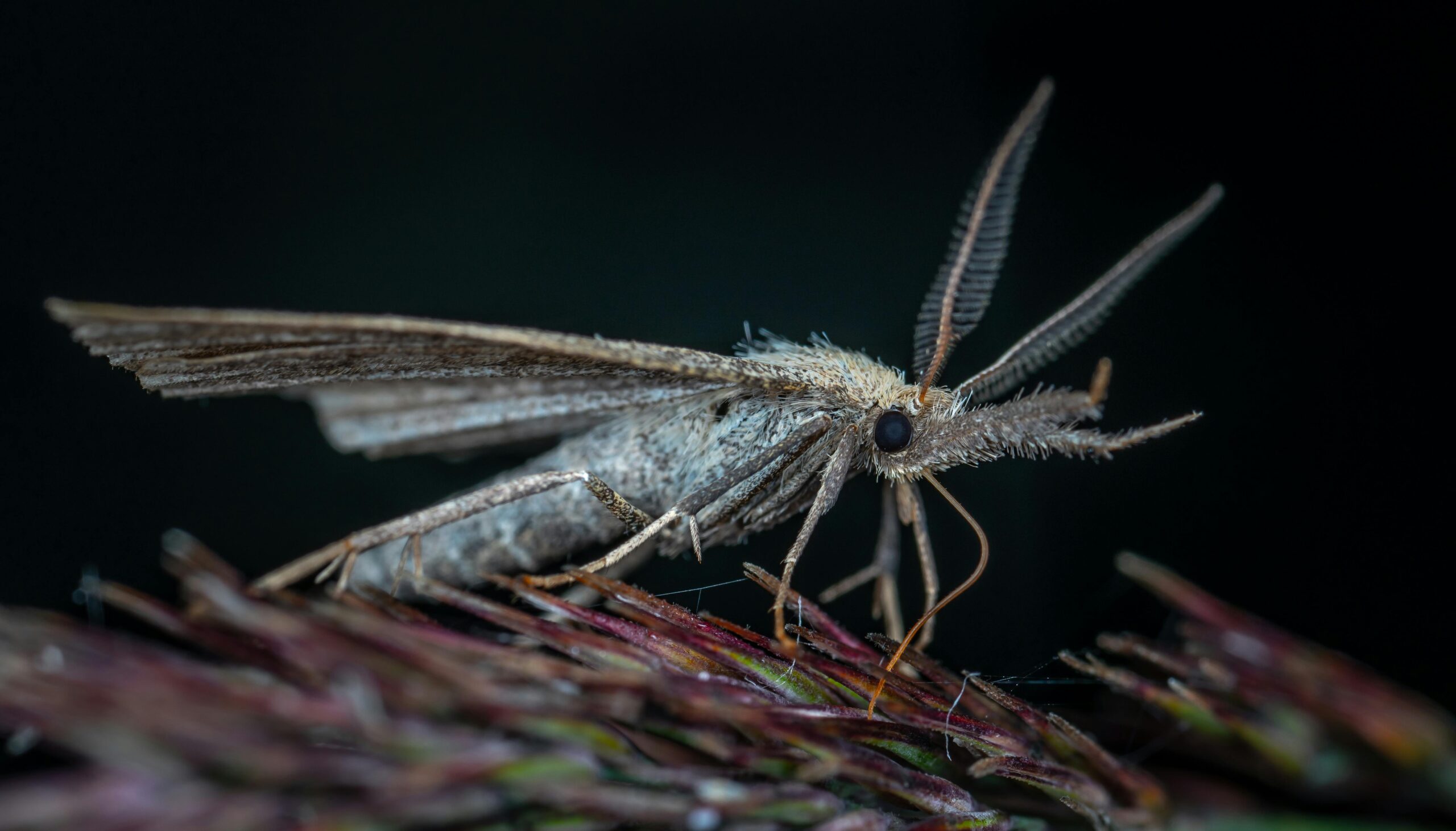
- Drain flies – Stockier, fuzzy bodies with tiny hairs giving a moth‑like look. Wings held tent‑shaped, veins less distinct, creating a mottled brown‑gray pattern.
- Biting gnats – Darker, almost black bodies with short stubby wings that beat rapidly, producing a higher‑pitched whine. No long proboscis like mosquitoes, but their presence on patios warns of outdoor activity.
All three species are small enough to pass through a standard window screen, which is why they often appear in large numbers before you realize they’re inside.
Where they love to breed inside your home
Gnats are opportunistic. They seek moisture and organic matter, so the most common indoor hot spots include:
- Over‑watered houseplants – soggy soil encourages fungus gnats.
- Clogged drains – organic film fuels drain‑fly larvae.
- Compost bins – decomposing scraps attract gnats.
- Pet waste – damp litter provides breeding ground.
Because gnats need both moisture and organic debris, eliminating one of those elements usually disrupts their life cycle.
Outdoor breeding zones in Suwanee
Even if your indoor spaces are dry, Suwanee’s humid climate creates ample outdoor breeding sites:
- Damp soil in garden beds, especially after heavy rain.
- Mulch piles that stay moist for days.
- Shaded patios or decks where dew settles on wooden boards.
- Standing water in birdbaths, rain barrels, or poorly drained gutters.
Mulch and shaded areas hold water longer than exposed soil, creating a perfect nursery for larvae that thrive in damp conditions.
Early warning signs you shouldn’t ignore
Detecting gnats early can save a full‑blown infestation. Keep an eye out for:
- Swarms near lights – gnats are phototropic.
- Tiny specks in food – often adult gnats.
- Sticky traps filling quickly – indicates growth.
- Visible larvae in soil or drains – look like tiny translucent worms.
Gnats are also drawn to fermenting odors, so a lingering smell of overripe fruit or damp garbage can signal an emerging problem.
How to tell gnats apart from other small flies
Not every small fly is a gnat. Here’s a quick cheat sheet:
- Fruit flies are tan with red eyes, like fermenting fruit; rarely near drains.
- Mosquitoes have longer bodies, prominent proboscis, wings held flat.
- Gnats stay low, weak flight, hover near moist areas or lights.
Fruit flies usually hover over the surface of ripe produce, while gnats stay closer to the ground and light sources.
Simple DIY checks before you call a pro
Before you pick up the phone, run these three quick tests to confirm the culprit:
- Tap water test – place moist soil in shallow water; larvae swimming after 24 h confirm fungus gnats.
- Visual drain – remove cover, flashlight inside; white film or tiny larvae = drain‑fly.
- Soil moisture – finger into pot soil; if constantly wet, reduce watering and let top half‑inch dry.
Placing a few yellow sticky traps near suspect plants or drains gives a visual cue of activity and helps reduce adult numbers.
Spotting these traits and doing the simple checks will tell you whether gnats are just passing through or have built a hidden colony. If the signs persist despite your DIY steps, let a local expert like Anthem Pest Control handle safe, targeted treatments that protect your family and home. Regular inspections each season, especially after heavy rains, keep gnats from gaining a foothold and protect your home’s comfort.
Seasonal Gnat Activity in Suwanee
Understanding the rhythm of gnat populations is the first step toward keeping your home and garden gnat-free and knowing when to schedule a gnat inspection Suwanee homeowners rely on. In Suwanee, the activity chart follows a predictable pattern: numbers climb in late spring, peak from midsummer through early fall, and dip during the cooler winter months. Outdoor gnats dominate the surge, while indoor sightings rise when homeowners bring houseplants inside during colder weather. Visualizing this cycle helps you time inspections, trap placement, and preventative measures for maximum impact.

Why Late Spring Through Early Fall Is the High‑Gear Season
Gnat larvae thrive in warm, moist environments. As Suwanee’s average daytime temperatures climb above 70°F (21°C) and humidity levels hover between 60‑80%, the conditions become ideal for rapid egg development. In May and June, the combination of lingering spring rains and early summer heat creates a breeding bonanza in damp soil, mulch, and standing water. By July and August, those same conditions persist, allowing multiple generations to emerge in quick succession. The result? Swarms of adult gnats that can overwhelm outdoor patios, decks, and even indoor spaces if doors are left open.
Indoor Breeding Trends During Cooler Months
When temperatures dip below 60°F (16°C) in November and December, many residents move potted plants, herbs, and decorative foliage indoors. These containers often retain moisture, providing a perfect micro‑habitat for gnat eggs laid on the soil surface. Because indoor lighting is constant and ventilation may be limited, larvae can complete their life cycle even when the outdoor climate is inhospitable. Homeowners may notice a sudden increase in tiny, black flies hovering near windowsills or over houseplants during winter—a clear sign that indoor breeding is underway.
Rainfall, Landscaping, and Gnat Populations
Suwanee’s rainfall pattern directly influences gnat numbers. Heavy May showers saturate lawns, flower beds, and compost piles, creating the damp substrate gnats love for laying eggs. Conversely, a dry September can suppress a late‑season spike, especially if homeowners reduce irrigation. Landscaping schedules also play a role: frequent mulching, over‑watering, or leaving leaf litter undisturbed provides additional breeding grounds. By aligning your garden maintenance with the natural rain cycle—watering early in the day, allowing soil to dry between sessions, and regularly turning compost—you can disrupt the gnat life cycle before it gains momentum.
Seasonal Monitoring Recommendations
Proactive monitoring is the most cost‑effective way to keep gnats at bay. Follow this simple timeline to stay ahead of the infestation curve:
- May: Set up yellow sticky traps around outdoor seating areas, near plant beds, and close to entry doors. The bright color attracts adult gnats, giving you an early read on population levels.
- July: Inspect all exterior drains, gutters, and downspouts for standing water or organic debris. Clean them thoroughly and consider a low‑dose, environmentally safe larvicide if water stagnates.
- September: Reduce irrigation frequency and duration. Shift watering to early morning, allowing the soil surface to dry before evening humidity sets in—a key factor in preventing late‑season breeding.
By integrating these steps into your regular home‑care routine, you’ll catch gnat activity before it becomes a nuisance. If traps consistently show high catches or you spot larvae in potting soil, it’s time to call a professional. Anthem Pest Control’s local technicians understand Suwanee’s micro‑climate and can tailor treatments—ranging from targeted soil drenches to indoor plant inspections—so you enjoy a gnat‑free environment year round.
How Professionals Conduct a Gnat Inspection

Pre‑inspection preparation
Before setting foot on your property, a certified Anthem Pest technician will reach out with a short questionnaire. This isn’t a sales script; it’s a focused set of questions about recent sightings, recent landscaping work, and any changes to indoor watering routines. The technician also reviews the county’s pest‑report database to see if neighboring homes have reported gnat activity. This background work lets the pro target hotspots right away, saving you time and reducing the need for guesswork.
Visual walkthrough
During the on‑site visit the technician conducts a systematic visual sweep. Inside, they examine indoor plant trays, checking for soggy soil and stagnant water that serve as breeding grounds. Kitchen sinks, especially under‑sink cabinets, are inspected for leaks or standing water, while garbage disposal areas are examined for organic buildup. Outside, the focus shifts to mulch beds, flower borders, and any shaded, moist zones where gnats love to lay eggs. Each area is observed for the tell‑tale signs of larvae—tiny, worm‑like bodies and a thin white “film” on water surfaces.
Specialized tools
To move beyond what the eye can see, professionals bring a handful of calibrated instruments:
| Tool | Purpose |
|---|---|
| Moisture meter | Detects hidden damp spots in soil, wood, and concrete that attract gnats. |
| UV light | Reveals adult gnats and larvae that fluoresce under ultraviolet wavelengths. |
| Larval trap | Captures developing larvae for identification and population estimates. |
These tools allow the technician to pinpoint breeding sites that would otherwise remain invisible, ensuring that treatment is applied exactly where it’s needed.
Sample collection
When visual clues suggest a deeper problem, the technician collects small samples for laboratory confirmation. Soil from mulched beds and any standing water in drains are placed in sealed containers. A swab of the sink’s trap may also be taken. In the lab, an entomologist examines the specimens under a microscope, confirming whether the insects are fungus gnats, shore flies, or another species. Accurate identification prevents unnecessary pesticide use and guides the most effective control strategy.
Documentation and reporting
All findings are recorded in a detailed inspection report. The document includes an infestation map that marks each hotspot with symbols, a concise description of the conditions that support gnat breeding, and a prioritized list of recommended actions. Recommendations may range from simple cultural changes—like adjusting watering schedules—to targeted treatments that comply with EPA regulations. The report is delivered to you both in print and electronically, giving you a clear roadmap to keep gnats at bay.
Safety first
Every step of the inspection follows strict safety protocols. Technicians wear personal protective equipment (PPE) such as nitrile gloves, safety glasses, and disposable shoe covers to avoid cross‑contamination. If a pesticide application becomes necessary, the professional adheres to EPA‑approved product labels, ensuring the correct concentration, placement, and re‑entry interval. This commitment to safety protects your family, pets, and the environment while delivering reliable gnat control.
Gnat Inspection Pricing – Suwanee vs. Neighboring Cities

Understanding the cost of a gnat inspection Suwanee homeowners schedule helps you plan ahead and avoid surprise charges. In Suwanee, the average price for a comprehensive inspection sits comfortably between $120 and $150, which includes travel, equipment, and a detailed report. For homeowners who need a follow-up treatment, the typical charge ranges from $80 to $110 per visit. These figures are based on recent data from local pest-control providers, including Anthem Pest Control.
What’s Included in a Standard Inspection Fee?
A standard inspection fee isn’t just a line‑item for “show up and look around.” It bundles several essential services:
- Travel time and mileage: Technicians factor in the distance to your property, ensuring they can allocate enough time for a thorough assessment.
- Specialized equipment: From moisture meters to ultraviolet lights, the tools needed to spot hidden gnats are part of the cost.
- Detailed report: After the walkthrough, you receive a written summary that outlines infestation hotspots, potential entry points, and recommended next steps.
Variable Factors That Influence Pricing
While the baseline rates give you a solid starting point, several variables can shift the final bill:
- Property size: Larger homes or extensive yards require more time and possibly additional equipment, nudging the price upward.
- Infestation severity: A light presence may be resolved with a simple inspection, whereas a heavy infestation could demand multiple treatment modalities.
- Treatment type: Options range from targeted spot treatments to whole‑property fogging, each carrying its own cost structure.
How Suwanee Stacks Up Against Nearby Cities
When you compare Suwanee’s rates with those of neighboring markets, a clear pattern emerges. Duluth’s average inspection fee hovers around $140–$165, roughly 10% higher than Suwanee’s range. Alpharetta, on the other hand, averages $130–$155, which is about 5% higher. These differences often stem from variations in local demand, travel distances for service crews, and the competitive landscape. For homeowners, Suwanee offers a modest cost advantage without sacrificing service quality.
Tips for Getting the Best Value
Smart budgeting doesn’t mean you have to skimp on protection. Here are proven strategies to stretch every dollar:
- Bundle inspections with annual service plans: Many pest‑control companies, including Anthem, offer discounted packages that combine a yearly inspection with scheduled treatments, saving you up to 15%.
- Ask about seasonal promotions: Early spring and late fall are slower periods for pest activity, so providers often roll out special rates to fill their calendars.
- Leverage repeat‑customer discounts: If you’ve used the same service in the past, you may qualify for loyalty pricing on subsequent inspections.
- Get a written estimate before work begins: A transparent quote helps you compare offers and avoid hidden fees later on.
By keeping these considerations in mind, you can confidently schedule a gnat inspection that fits your budget while ensuring your home stays comfortable and pest‑free. If you’re ready to lock in a price or need a personalized quote, give Anthem Pest Control a call at 877‑371‑8196 or visit our website for more details.
Treatment Options and Prevention Strategies

Chemical Treatments
When gnats have already taken up residence, targeted chemical options can provide rapid relief. The most common products include:
- Larvicides – formulated to disrupt the life cycle in the soil or standing water where larvae develop.
- Adulticide foggers – aerosolized sprays that penetrate dense foliage and indoor spaces, killing flying adults on contact.
- EPA‑approved sprays – ready‑to‑use concentrates that can be applied to plant bases, drains, and mulch.
Safety is paramount. Always read the label, wear protective gloves, and keep children and pets out of treated zones until the product dries. Selecting EPA‑registered products ensures the formulation meets strict health and environmental standards (EPA Pesticides).
Non‑Chemical Approaches
Many homeowners prefer methods that leave no residue. Effective non‑chemical tactics include:
- Biological controls – applying Bacillus thuringiensis israelensis (Bti) introduces a naturally occurring bacterium that kills larvae without harming plants, pets, or beneficial insects.
- Soil drying – gnats thrive in moist media. Allowing topsoil to dry between watering cycles interrupts their breeding cycle.
- Trap placement – yellow sticky traps or vinegar‑based funnel traps capture adult gnats, reducing the breeding population.
These options are especially useful for organic gardeners or households with sensitive occupants.
Integrated Pest Management (IPM) Workflow
Anthem Pest Control follows a proven IPM sequence that balances effectiveness with minimal chemical use:
- Inspection – locate breeding sites, identify species, and assess moisture levels.
- Diagnosis – determine whether the problem is larval, adult, or both, and evaluate environmental contributors.
- Treatment – apply the most appropriate control method (chemical, biological, or mechanical) based on the diagnosis.
- Monitoring – set traps and conduct follow‑up checks to gauge treatment success.
- Prevention – implement long‑term cultural changes and, if needed, schedule periodic maintenance.
Homeowner Prevention Checklist
Even the best professional treatment can be short‑lived if the underlying conditions remain. Use this quick checklist to keep gnats at bay year‑round:
- Water plants only when the top inch of soil feels dry; avoid over‑watering.
- Clean drains, gutters, and birdbaths weekly to eliminate stagnant water.
- Seal compost bins and keep organic waste away from the house foundation.
- Replace or shield outdoor lights with yellow‑tinted bulbs to reduce adult attraction.
- Remove decaying plant material and prune excess foliage that creates humid micro‑environments.
Professional Follow‑Up Visits & Seasonal Maintenance
Anthem’s technicians don’t just spray and leave. A typical follow‑up visit includes:
- Re‑inspection of previously treated sites to confirm larval elimination.
- Adjustment of treatment levels based on seasonal weather patterns.
- Application of preventive Bti or low‑impact sprays before peak gnat activity periods.
For homeowners who prefer a hands‑off approach, we offer seasonal maintenance contracts. These agreements lock in a schedule of quarterly inspections, proactive treatments, and priority service—so gnats never get a foothold.
Key Takeaways
Choosing the right treatment starts with understanding the gnat life cycle and the moisture conditions that fuel it. Chemical larvicides and adulticide foggers deliver fast knock‑down, while biological controls and cultural practices provide sustainable, low‑risk protection. By following an IPM workflow and adopting the homeowner checklist, you create a hostile environment for gnats and protect your family’s health. When in doubt, a professional follow‑up ensures that every hidden breeding site is addressed and that your yard stays gnat‑free throughout the year.
Protect Your Home with Anthem Pest Control
In Suwanee, gnats flare up each spring and early summer when warm, humid air creates the perfect breeding ground. Their tiny swarms can quickly turn outdoor enjoyment into a nuisance, and unchecked populations often migrate indoors, threatening windows, doors, and even indoor plants. A professional inspection catches the problem early, before the insects establish a foothold.
Anthem Pest Control brings three key advantages:
- Licensed technicians who know the local ecosystem and can spot gnat activity before it spreads.
- EPA‑compliant, low‑toxicity treatments that protect your family, pets, and the environment.
- Transparent, upfront pricing and a deep understanding of Suwanee’s seasonal pest patterns.
Beyond gnats, Anthem is committed to safe, effective, and affordable solutions for every household pest—from ants and roaches to rodents and bed bugs.
Ready to protect your home? Call us for a free, no‑obligation quote and experience the Anthem difference—prompt service, clear communication, and results you can trust.
Call 877‑371‑8196 or visit Anthem Pest Control today.
Our local teams are just a phone call away, ready to keep your home gnat‑free all year long.
Visit Anthem Pest Control to schedule a professional gnat inspection Suwanee homeowners trust for accurate identification and long-lasting prevention.