Why Rats Are a Growing Concern in Sugar Hill, GA

Rat control cost Sugar Hill GA homeowners face is rising as rodent activity increases across the area’s leafy neighborhoods. In Sugar Hill, the sight of a rat isn’t just a surprise—it’s a warning sign. Two species dominate the local rodent scene: the adaptable Norway rat (Rattus norvegicus), which prefers ground-level burrows, and the agile roof rat (Rattus rattus), known for climbing trees and eaves. Both thrive in the mix of mature trees, garden beds, and older homes that characterize this suburb.
Rising sightings and complaints
According to the Hall County health department, rat complaints have climbed by roughly 18 % over the past three years. Neighborhood watch groups report an average of three sightings per block each month during the warmer months, and the trend holds steady into fall when food sources become scarcer and rodents turn to human habitats.
What rats can damage
- Structural damage: Their incisors grow continuously, so they gnaw on anything from electrical wiring to wooden joists, creating fire hazards and weakening home foundations.
- Property loss: Stored food, pet feed, and even prized garden plants can disappear overnight as rats hoard and consume.
- Health hazards: Rats carry pathogens like hantavirus and leptospirosis, which can be transmitted through droppings, urine, or contaminated surfaces.
Typical entry points in a suburban yard
Rats are opportunistic engineers. In Sugar Hill homes they often slip in through:
- Cracks in the foundation or basement walls.
- Unsealed utility openings for water, gas, or cable lines.
- Gaps around door frames and windows left ajar.
- Accumulated garden debris, mulch, or wood piles that provide shelter and a bridge to the house.
The hidden cost of ignoring an infestation
Beyond the obvious repair bills, an unchecked rat problem can erode a homeowner’s peace of mind. Imagine waking up to chewed cords sparking in the kitchen, or discovering contaminated food in the pantry. The emotional toll—stress, anxiety, and the feeling of losing control over one’s own home—often outweighs the immediate financial hit.
When damage goes unnoticed, repair costs can balloon from a few hundred dollars for simple sealing to thousands for rewiring, insulation replacement, or structural reinforcement. Moreover, health‑related expenses from exposure to rodent‑borne diseases can quickly add up, especially for families with children or pets.
Transition: Recognizing an active problem
Now that you understand why rats are a growing concern, the next step is learning the tell‑tale signs of an active infestation. Look for fresh droppings, gnaw marks, and the unmistakable scent of urine. Spotting these clues early lets you act before the problem spirals into costly repairs and health risks.
Spotting a Rat Infestation – Signs Homeowners Shouldn’t Ignore
Rats are stealthy, but they leave unmistakable clues. Catching these signs early can save you from costly damage and health risks. Below are the visual and auditory cues every Sugar Hill homeowner should know.
Fresh Droppings
Look for dark, pellet‑shaped droppings about ½‑inch long. Fresh droppings are glossy and may appear in clusters near food sources, pantry shelves, or along baseboards. Older droppings turn dull and crumble when touched.
Gnaw Marks
Rats gnaw on wood, plastic, and especially electrical wiring. Their teeth leave clean, V‑shaped chew marks about ¼‑inch wide. Unlike beaver or squirrel damage, rat gnawing is irregular and often found on low‑lying wires or cabinet corners.
Grease or Smudge Trails
As rats travel along walls, they leave a thin, oily streak. These smudges are darker than dust and may be visible on baseboards, behind appliances, or in crawl spaces. Follow the trail to pinpoint high‑traffic routes.
Noises in the Walls
Listen for scratching, scurrying, or squeaking, especially at night when rats are most active. Sounds that echo from attic insulation or crawl spaces often indicate nesting activity. Persistent noises should prompt an immediate inspection.
Unusual Odors
Rats emit a musky, ammonia‑like smell from urine and nesting material. A sudden, sour odor near storage areas or in the garage is a red flag. Combined with droppings, this scent confirms a growing infestation.
Identifying a Rat
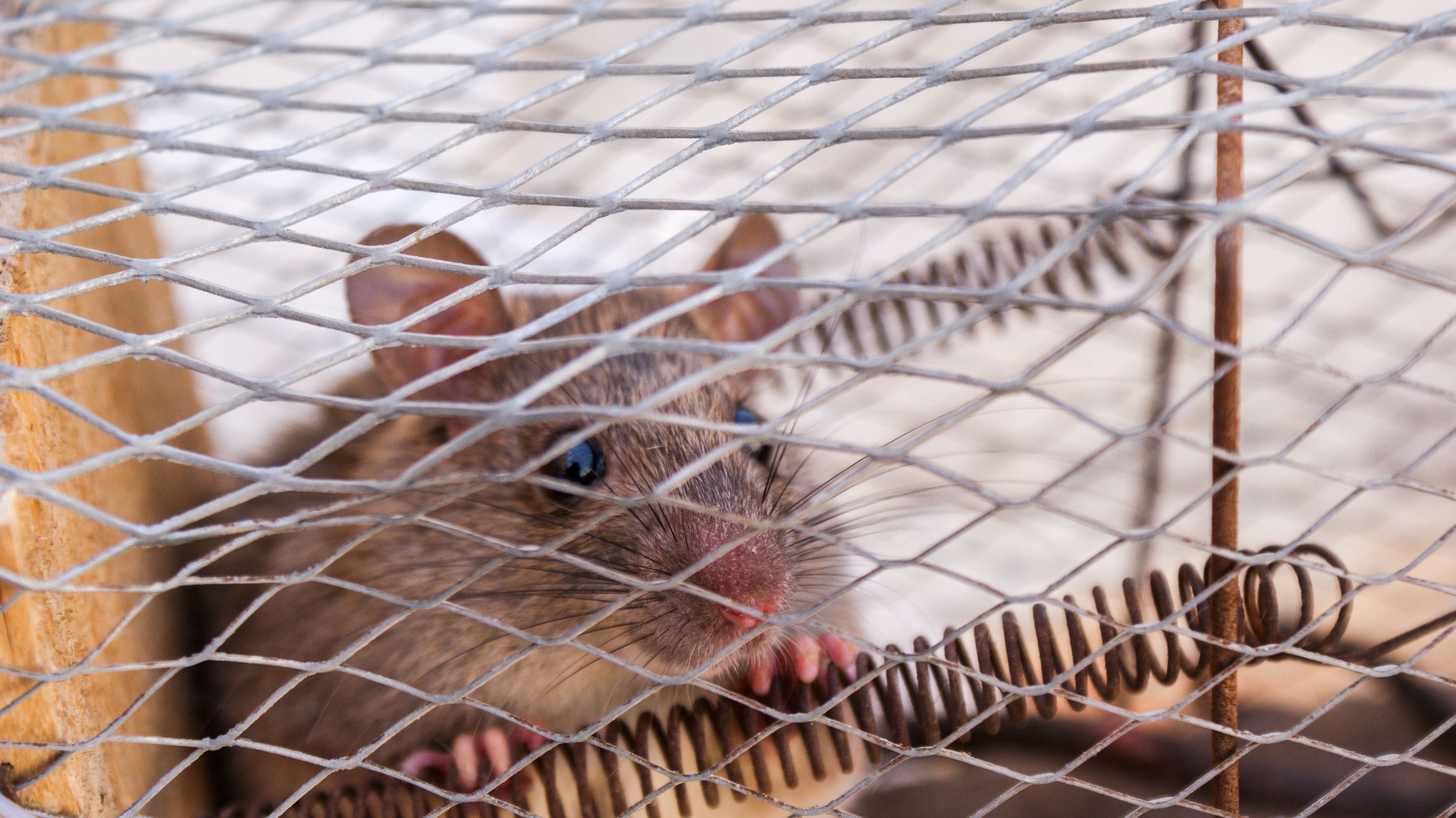
This image shows the size and body shape to help you differentiate rats from mice or squirrels. Rats are larger (7‑10 inches body length) with a blunt snout and thick tail.
Inspection Tips for Every Area
- Backyard: Scan for burrows, gnawed garden tools, and shredded vegetation near fence lines.
- Garage: Check stored boxes, insulation, and wiring for droppings or gnaw marks.
- Interior Spaces: Examine kitchen cabinets, pantry corners, and under sinks where food crumbs accumulate.
- Attic & Crawl Spaces: Use a flashlight to spot droppings, grease trails, and shredded insulation.
By staying vigilant and recognizing these signs, you can act quickly—calling a professional like Anthem Pest Control before the problem escalates. Early detection means fewer repairs, lower treatment costs, and a safer home for your family.
How Rat Activity Shifts Through the Year in Sugar Hill
Rats are cold‑blooded mammals, so temperature and food supply drive their movements. When nights dip below 40°F, their metabolism slows, and they retreat to insulated burrows or the warmest corners of your home. Conversely, warm months energize them, prompting more foraging trips and increased breeding.

Reading the Seasonal Activity Chart
The chart above tracks typical rat movement from January through December. Expect a lull in activity during the deep winter months (January–February) as rodents hunker down. Activity climbs steadily in spring, spikes in late summer (July–August), and often remains high through early fall before tapering off as temperatures drop again.
Why Summer Rains and Harvest Boost Food Sources
June and July bring frequent thunderstorms to Sugar Hill, washing organic debris into gutters, basements, and yard mulch. At the same time, local farms finish their harvest, leaving grain, fruit skins, and compost piles exposed. These abundant, moist food sources act like a free‑buffet, prompting rats to expand their foraging radius and increase reproduction rates.
Spring Construction and Landscaping: New Entry Points
Home improvement projects surge in March and April. Builders often leave gaps around new decks, siding, or irrigation systems. Even a tiny ¼‑inch opening is enough for a determined rat. Landscaping—especially the addition of dense shrubbery or wood chips—offers cover and hidden pathways that connect the outdoors to your foundation.
Recommended Inspection Windows
To stay ahead of the infestation curve, schedule professional inspections during two key windows:
- Early Spring (mid‑March to early April): Catch new entry points before rats fully emerge.
- Early Fall (late September to early October): Address lingering activity before winter drives survivors indoors.
Quick Seasonal Preventative Checklist
- Trim back trees, vines, and shrubs that touch your roof or walls.
- Seal cracks, gaps, and utility openings with steel wool and caulk.
- Remove yard debris, fallen fruit, and excess mulch that can harbor food.
- Keep garbage cans tightly closed and store compost in rat‑proof containers.
- Inspect and repair roof flashings, soffits, and eaves after heavy rains.
- Schedule a professional rodent assessment during the recommended windows.
By aligning your maintenance routine with these seasonal patterns, you reduce the chances of a surprise rat invasion and give Anthem Pest Control a clear picture of where to focus treatment. A little foresight now means fewer sleepless nights later.
Effective Rat Control Solutions and What They Cost
Professional Inspection
Before any treatment, our certified technicians conduct a thorough inspection of your property. They look for signs such as gnaw marks, droppings, burrow entrances, and active pathways along walls, utility lines, and foundations. The inspection also identifies potential entry points—gaps around pipes, cracked siding, or unsealed vents—that rats could exploit. In Sugar Hill, a standard inspection runs between $85 and $120, depending on the size of the home and the complexity of the landscape. This fee includes a detailed report and a customized action plan.
One‑time Treatment Options
When an immediate rat problem is confirmed, we offer three primary one‑time solutions:
- Bait stations: Tamper‑proof stations placed strategically around the perimeter. Costs range from $150 to $250 for a full‑home deployment, including bait and placement.
- Snap traps: High‑impact traps set in high‑traffic zones. A typical package of 10‑15 traps and installation runs $120 to $180.
- Exclusion work: Sealing gaps, repairing vent covers, and reinforcing foundation cracks. Prices vary with the amount of material needed, generally $200 to $350 for a standard single‑family home.
These one‑time treatments are designed to eradicate an active infestation quickly while laying the groundwork for long‑term protection.
Quarterly Service Plan
For homeowners who prefer ongoing vigilance, our quarterly plan provides peace of mind. Every three months, a technician returns to:
- Inspect bait stations and replace consumables.
- Check and reset snap traps.
- Perform a brief exclusion review and touch‑up any new gaps.
The annual cost for this comprehensive monitoring and refill service falls between $380 and $460, which translates to roughly $95‑$115 per visit. The plan also includes a complimentary annual exclusion audit to keep your home sealed against new entry points.
Optional Prevention Plan
Beyond reactive measures, we offer an optional prevention package that targets the habitat that attracts rats in the first place. Services include:
- Landscape trimming to eliminate dense cover near the foundation.
- Regular seal checks on doors, windows, and utility penetrations.
- Homeowner education on proper waste storage and food‑spillage cleanup.
Adding this layer of protection typically adds $120 to $180 per year, but the value shows up in fewer emergency calls and a healthier, rat‑free environment.
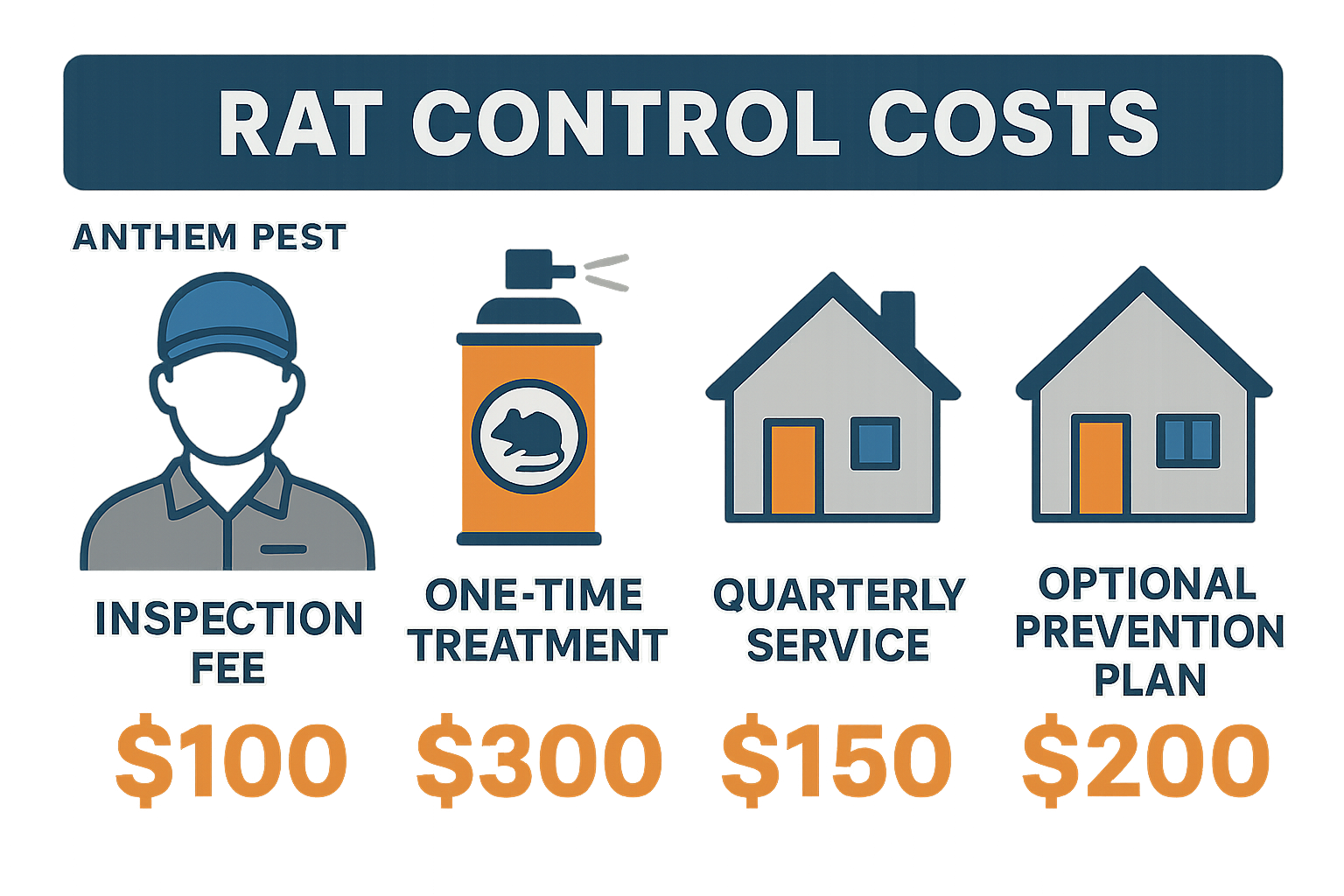
Infographic Walkthrough
The infographic breaks down each cost column:
- Inspection fee: Represented by a technician icon, indicating the initial assessment.
- One‑time treatment: Shown with a spray‑can icon, covering bait stations, traps, and exclusion.
- Quarterly service: Illustrated by a rotating calendar icon, emphasizing recurring visits.
- Prevention plan: Depicted with a house icon, highlighting habitat modification and seal checks.
This visual guide helps homeowners compare options at a glance and understand where their investment goes.
Benefits of Choosing a Licensed Provider
Working with a licensed pest‑control company like Anthem Pest ensures:
- Safety: All products are EPA‑approved and applied by trained professionals, minimizing risk to children and pets.
- Guaranteed results: Our service agreements include follow‑up visits if rats reappear within the warranty period.
- Regulatory compliance: We adhere to Georgia’s local pest‑control ordinances, avoiding fines or illegal pesticide use.
Why DIY Methods Often Fall Short
Do‑it‑yourself attempts may seem cost‑effective, but they usually suffer from placement errors, insufficient bait density, and the danger of harming non‑target species such as birds or beneficial insects. Without a professional’s expertise in identifying hidden entry points, DIY traps often miss the core problem, leading to recurring infestations and higher long‑term costs.
| Service | Price Range | What’s Included |
|---|---|---|
| Professional Inspection | $85–$120 | Full property assessment, detailed report, action plan |
| One‑time Treatment | $120–$350 | Bait stations, snap traps, exclusion repairs |
| Quarterly Service Plan | $380–$460/year | Four visits, bait refills, trap checks, annual exclusion audit |
| Optional Prevention Plan | $120–$180/year | Habitat modification, seal inspections, homeowner education |
Protect Your Home Today with Anthem Pest Control
Rats don’t wait for winter to strike—an unchecked infestation can damage wiring, contaminate food, and spread disease within weeks. In Sugar Hill, the warm months and early fall create a perfect window for rodents to seek shelter inside your walls, attic, or crawl spaces. Delaying treatment means the problem grows faster, and the cost of repairs can quickly eclipse the price of a professional removal.
Why Choose Anthem Pest Control?
- Expert identification and safe removal. Our locally trained technicians know the habits of the common rat species in Georgia and use EPA‑approved methods that protect your family and pets.
- Long‑term prevention plans. We don’t just trap the intruders; we seal entry points, install bait stations, and schedule follow‑up visits to keep the rodents out for good.
- Transparent pricing. You’ll receive a clear, itemized quote before any work begins—no hidden fees, no surprise charges.
- Satisfaction guarantee. If rats return within the warranty period, we’ll re‑treat at no extra cost, giving you peace of mind.
Our approach combines thorough inspection, targeted treatment, and homeowner education. By understanding where rats are entering and why they’re attracted to your property, we can tailor a solution that fits your budget and lifestyle.
Take the First Step—Free Inspection
Anthem Pest Control offers a no‑obligation, free inspection and quote. During the visit, a certified technician will:
- Assess the extent of the infestation.
- Identify all potential entry points and food sources.
- Recommend a customized action plan with clear pricing.
Call us today at 877‑371‑8196 or click here to schedule your inspection. Our friendly team is ready to answer any questions and set up a time that works for you.
Don’t let a hidden rat problem turn into a costly emergency. Acting now not only protects your home’s structure but also safeguards the health of everyone inside. With Anthem Pest Control on your side, you can enjoy a rodent‑free home and the confidence that comes with professional, guaranteed service.