Recognizing Fruit Flies and Their Impact at Home
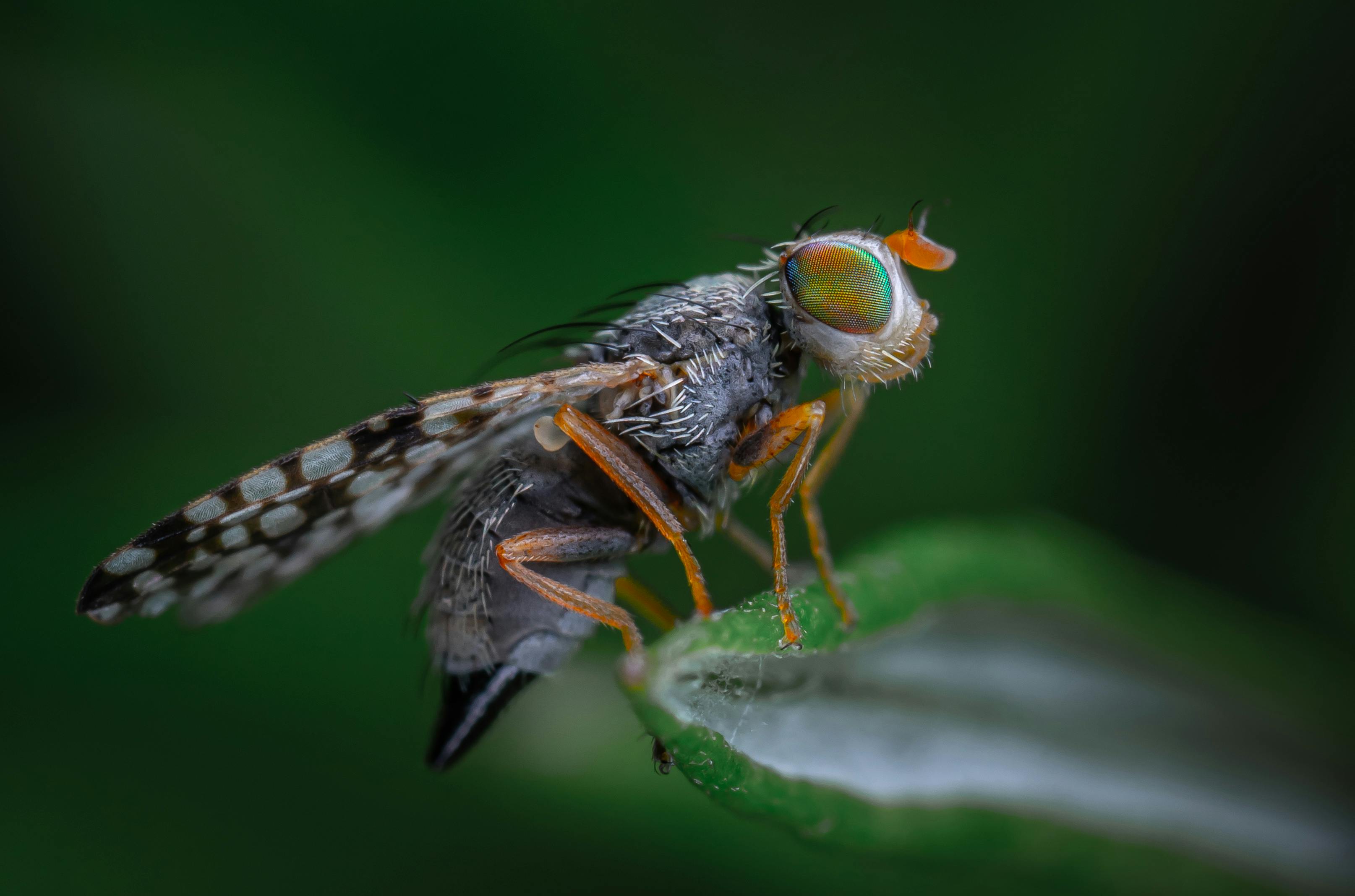
Fruit Fly Control Druid Hills GA homeowners often begins with recognizing the small, tan-gray insects commonly mistaken for gnats. The two species you’ll encounter most often in Druid Hills are the Mediterranean fruit fly (Drosophila melanogaster) and the vinegar fly (Drosophila suzukii). Adults measure only 1/8 to 1/4 inch (3–6 mm) long, have red-tinted eyes, and sport a distinct spotted pattern on their wings. Their size makes them easy to overlook, but their rapid breeding cycle means a few stray flies can quickly become a buzzing infestation.
What a fruit fly looks like
When you’re scanning a kitchen counter, keep an eye out for these visual cues:
- Hovering in a figure‑eight pattern near ripe fruit, sugary drinks, or trash.
- Small, dark bodies with a slightly elongated shape.
- Clear wings that may show faint brown spots when the light hits them.
- Rapid, erratic flight that seems to “pause” on surfaces before taking off again.
Where they love to breed
Fruit flies need only a moist, fermenting food source to lay eggs. In a typical household they gravitate toward:
- Overripe bananas, berries, or any fruit left out on the counter.
- Compost bins and kitchen scraps that haven’t been sealed.
- Sink drains, especially if food particles linger in the trap.
- Houseplants with damp soil—especially those watered from the top.
- Garbage disposals and trash cans that aren’t emptied regularly.
Health, nuisance, and secondary pest concerns
While fruit flies themselves don’t bite or transmit serious diseases, they can still pose several problems for homeowners:
- Food contamination: A single fly can carry bacteria from garbage to your plates, potentially spoiling food.
- Attracting other pests: Their presence often signals a food source that can lure ants, cockroaches, or even rodents.
- Psychological annoyance: A constant buzzing swarm can make a kitchen feel unclean, increasing stress for anyone who enjoys cooking or entertaining.
Because fruit flies thrive in moist, sugary environments, they often coexist with mold and yeasts that can further degrade food quality. Their larvae feed on fermenting matter, turning a harmless piece of fruit into a breeding ground for bacteria. Over time, the microbial growth can produce unpleasant odors and even attract ants seeking the same food source.
Quick “Spot the Sign” checklist
Early detection is key. The longer a breeding site remains unchecked, the more eggs are laid—each female can produce up to 400 offspring in a week. By catching the problem early, you limit the exponential growth and keep treatment costs low.
Use this short list to confirm whether fruit flies have taken up residence:
- Seeing tiny flies hovering near fruit bowls or open containers.
- Finding small, dark specks in drain traps or garbage cans.
- Noticing a faint, sweet odor coming from a compost bin or overripe produce.
- Observing flies landing on the surface of houseplant soil.
- Detecting a sudden increase in fly activity after a weekend party or holiday meal.
If two or more of these signs appear, it’s time to act before the population explodes.
Reliable identification resources
For a deeper dive into distinguishing fruit flies from other household insects, consult the expert guide from Anthem Pest Control. Their step‑by‑step photos and species‑specific details make it easy to confirm what you’re dealing with.
When you call a professional, technicians will inspect the identified hotspots, treat drains with targeted larvicides, and recommend sanitation steps to prevent re‑infestation. Combining chemical control with proper housekeeping gives the most reliable, long‑term result.
Seasonal Activity Patterns of Fruit Flies in Druid Hills
Druid Hills enjoys a humid subtropical climate—warm summers, mild winters, and fairly consistent humidity. Average January lows hover around 35°F (2°C), while July highs often reach 90°F (32°C). Humidity stays above 60% for most of the year, spiking to 80%+ during summer rainstorms. These temperature and moisture swings are the secret sauce that fuels fruit fly breeding cycles.
How Temperature and Moisture Drive the Life Cycle
Fruit flies need warmth to speed up egg development and moisture to keep larvae from drying out. When daily highs stay above 68°F (20°C) and relative humidity exceeds 70%, a single female can lay up to 400 eggs in just a few weeks. Conversely, a sudden dip below 55°F (13°C) or a dry spell slows reproduction dramatically, often forcing flies into a dormant state.
Reading the Seasonal Activity Chart

| Month | Avg. Temp (°F) | Avg. Humidity (%) | Activity Level |
|---|---|---|---|
| January | 40 | 65 | Low |
| February | 44 | 66 | Low |
| March | 53 | 68 | Moderate |
| April | 62 | 70 | High |
| May | 71 | 73 | Peak |
| June | 78 | 78 | Peak |
| July | 84 | 80 | Peak |
| August | 82 | 78 | High |
| September | 75 | 73 | Moderate |
| October | 64 | 70 | Low |
| November | 53 | 68 | Low |
| December | 44 | 66 | Low |
The chart, sourced from Anthem Pest Control, shows a clear crescendo from late April through July, with May–July representing the true “peak” window when fruit flies reproduce fastest.
Recommended Treatment Windows
- Early Spring (mid‑March to early April): Apply a pre‑emptive barrier spray before temperatures consistently hit 68°F. This stops the first wave of eggs from taking hold.
- Midsummer Boost (late May to early July): Conduct a second treatment focused on interior traps and residual baits to crush the burgeoning population.
- Fall Wrap‑up (late August to early September): A final application reduces any late‑season survivors and prepares your garden for the cooler months.
Local Events and Activity Spikes
Community garden planting days in early April and the annual Harvest Festival in late September both bring fresh fruit, compost, and increased foot traffic—perfect breeding grounds for fruit flies. Expect a short, localized surge in activity a week after these events, making a timely spot‑treatment especially effective.
Practical Tip: Calendar Reminder
Mark the three treatment windows on your digital calendar now. Set a reminder a week before each window so you can schedule a professional visit from Anthem Pest Control or prep your DIY measures in advance. Consistency is the key to keeping fruit flies from turning your kitchen into a buffet.
By aligning your pest‑control actions with Druid Hills’ climate rhythm, you’ll stay one step ahead of fruit flies, protect your harvests, and enjoy a fly‑free home all year long.
Effective Treatment Options: DIY vs Professional Services
Fruit flies may seem harmless, but a sudden swarm can quickly turn your kitchen into an unsightly mess. Homeowners often start with quick‑fix DIY methods, yet many discover that lasting control requires a professional touch. Below we break down the most common do‑it‑yourself tactics, their limitations, and what a licensed technician from Anthem Pest Control brings to the table.
Common DIY Tactics
- Vinegar traps: A shallow dish of apple‑cider vinegar topped with a few drops of dish soap attracts flies and prevents them from escaping.
- Commercial fruit‑fly sprays: Over‑the‑counter aerosols promise instant kill but often lack residual activity.
- Bleach drain treatments: Pouring diluted bleach down garbage‑disposal pipes can reduce larvae, though it may damage plumbing if misused.
- Sticky traps and paper cones: Simple paper funnels or adhesive strips catch adults, offering visual confirmation of activity.
Step‑by‑Step Guide: Building a Basic Vinegar Trap
- Gather a 2‑cup glass jar, apple‑cider vinegar, a few drops of liquid dish soap, and plastic wrap.
- Fill the jar about one‑third full with vinegar.
- Add 2–3 drops of dish soap; this breaks the surface tension so flies sink.
- Cover the opening with plastic wrap and secure it with a rubber band.
- Poke 4–6 small holes (about 2 mm) in the wrap using a toothpick.
- Place the trap near fruit bowls, trash cans, or compost bins. Replace every 3–4 days.
Why DIY Often Falls Short
While homemade traps can reduce the visible adult population, they rarely address the root cause. Fruit‑fly larvae develop in hidden breeding sites—over‑ripe fruit, damp mop heads, or clogged drains. Without locating and eliminating these sources, flies return within days. Additionally, many DIY chemicals (e.g., bleach or aerosol sprays) pose safety risks for children, pets, and even the homeowner if not applied correctly.
Professional Treatment Process
A licensed technician follows a systematic approach:
- Inspection: Identify all breeding hotspots, from kitchen countertops to hidden vent pipes.
- Targeted pesticide application: Use EPA‑approved products that provide both immediate knock‑down and residual protection.
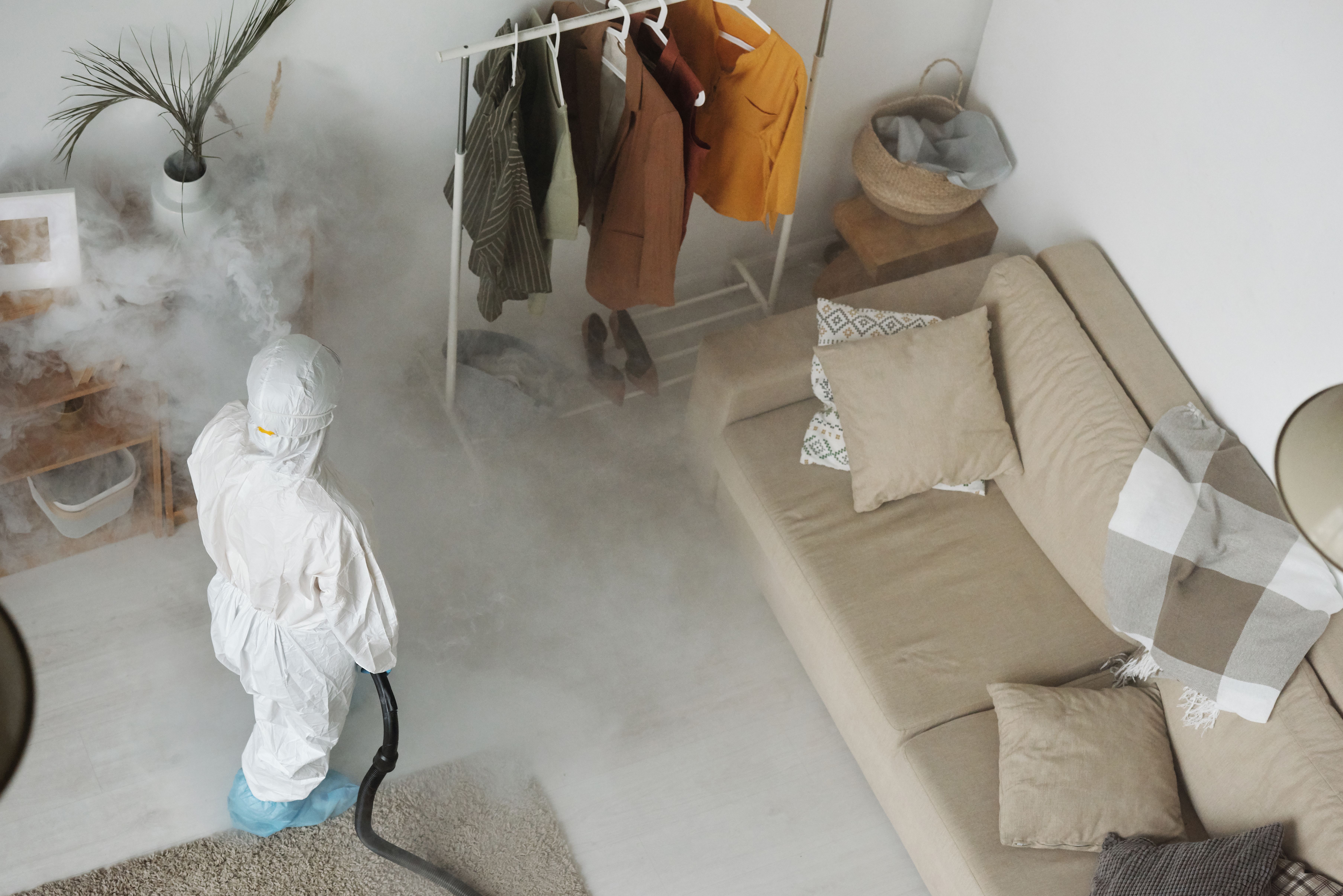
- Steam or fumigation: Heat treatment penetrates crevices where larvae hide, eradicating them without chemicals.
- Follow‑up visits: Technicians monitor progress and re‑treat if needed, ensuring the infestation stays suppressed.
Benefits of Hiring a Licensed Technician
| Aspect | DIY Approach | Professional Service |
|---|---|---|
| Effectiveness | Short‑term, surface‑level control | Comprehensive eradication, up to 90% reduction |
| Safety | Potential exposure to harsh chemicals | EPA‑approved products, proper PPE, child‑pet safety protocols |
| Time Investment | Hours of setup and frequent trap maintenance | One‑time service with optional follow‑ups |
| Warranty | None | Service guarantee and re‑treatment if flies return |
Real‑World Example
Emily, a Druid Hills homeowner, spent weeks rotating vinegar traps and spraying commercial aerosols. Though the flies dimmed temporarily, they resurfaced within a week. After contacting Anthem Pest Control, a technician discovered a neglected compost bin and a clogged dishwasher filter—prime breeding grounds. Following a thorough inspection, targeted pesticide application, and a single steam treatment, Emily reported a 90% reduction in fruit‑fly activity after the first week, with no recurrence in the following month.
DIY vs. Pro: When to Choose Each
- DIY is suitable when: The infestation is minimal (a few flies), you have no small children or pets, and you can dedicate time to regular trap maintenance.
- Call a professional when: Flies persist after a week of DIY efforts, you notice hidden breeding sites (e.g., under appliances), or you have vulnerable household members who could be harmed by chemicals.
- Severe or recurring infestations: Opt for a licensed service to prevent damage to food supplies and avoid the frustration of endless trap‑checking.
Whether you start with a simple vinegar trap or decide to enlist Anthem Pest Control’s expertise, understanding the strengths and limits of each approach empowers you to make the right choice for a fruit‑fly‑free home.
Pricing Guide for Fruit Fly Control Services
When it comes to fruit fly control, the price you pay often reflects the complexity of the job. Homeowners in Druid Hills typically see costs shift based on three main factors: the severity of the infestation, the square footage of the affected area, and the type of treatment you choose. A light, localized problem in a small kitchen will cost less than a widespread infestation that blankets an entire home, especially if you opt for a comprehensive, year‑long prevention plan.
Service Options at a Glance
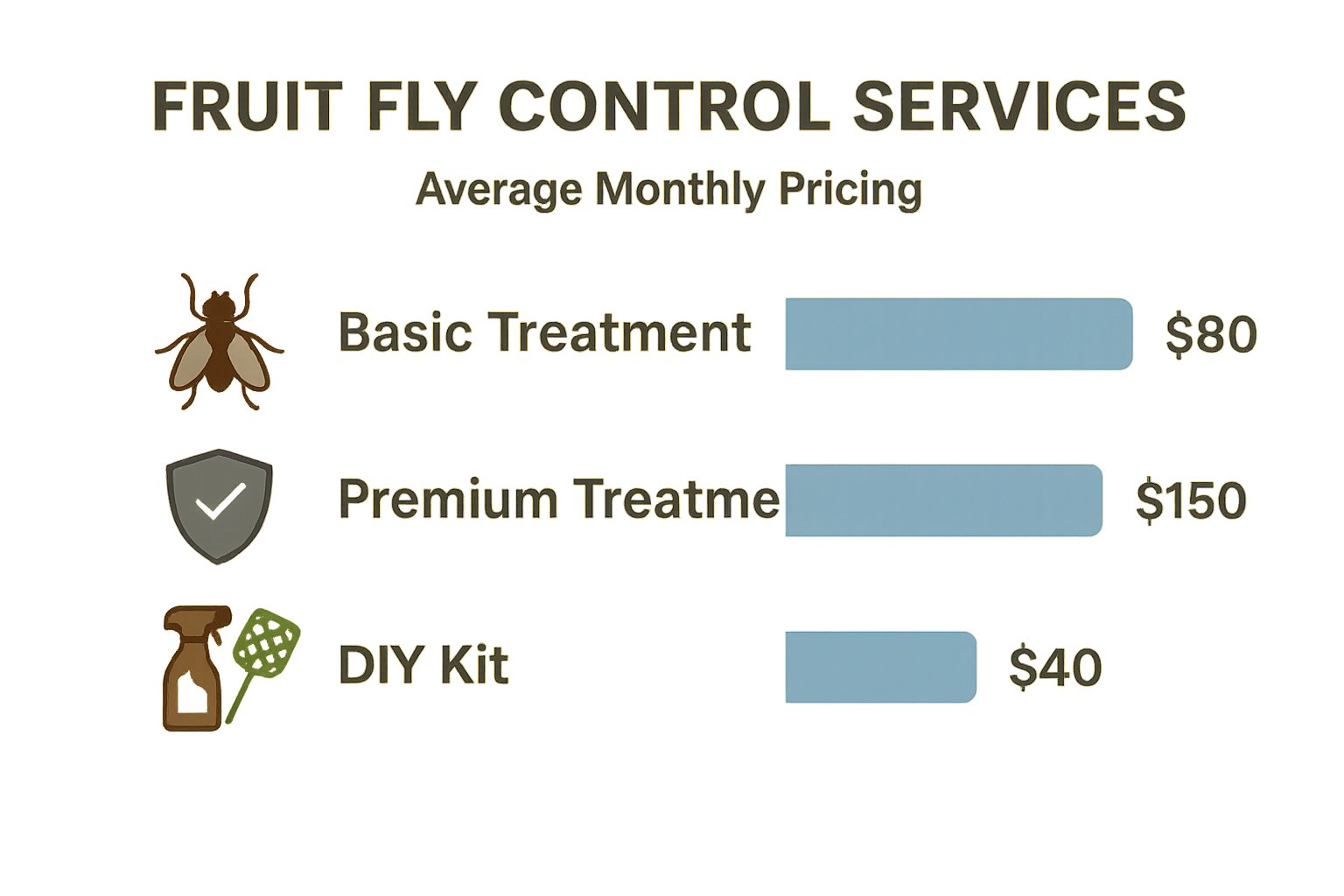
The infographic above breaks down Anthem Pest Control’s three most popular fruit‑fly solutions: a Basic treatment, a Premium treatment, and a DIY kit. Each tier is designed to match different budget levels and control needs, so you can pick the one that fits your home and wallet.
What Each Package Includes
| Package | Number of Visits | Guarantee Period | Follow‑up Support | Typical Cost Range |
|---|---|---|---|---|
| Basic Treatment | 1–2 | 30 days | Phone consult | $30–$45 |
| Premium Treatment | 3–4 | 90 days | In‑home follow‑up | $70–$100 |
| DIY Kit | Self‑applied | 30 days (materials only) | Email instructions | $20–$35 |
Basic Treatment is ideal for homeowners who notice a few fruit flies near fruit bowls or trash cans. Technicians apply a targeted spray, and you receive a 30‑day guarantee that covers a second visit if the flies return.
Premium Treatment tackles larger or recurring infestations. It combines a thorough interior spray, outdoor perimeter treatment, and a series of follow‑up visits to keep the flies at bay for up to three months. This tier also includes a complimentary inspection of other potential pest hotspots.
If you prefer a hands‑on approach, the DIY Kit provides everything you need—pre‑measured traps, a safe indoor spray, and step‑by‑step instructions. While you won’t get a technician on site, the kit still comes with a 30‑day material guarantee and email support for any questions.
Hidden Fees to Watch For
Even with transparent pricing, a few extra costs can pop up if you’re not careful. Common add‑ons include a travel surcharge for homes located more than 15 miles from the service depot, or fees for additional visits beyond the package’s standard count. Some providers also charge for “special‑access” situations—think attic or crawl‑space work that requires extra equipment. Knowing these potential extras ahead of time helps you avoid surprise invoices.
Why Anthem Pest Control Keeps Pricing Transparent
Anthem Pest Control believes every homeowner deserves a clear, upfront quote before any work begins. That’s why we offer a free, no‑obligation estimate that details every step of the treatment, the exact number of visits, and any optional add‑ons. Our technicians walk you through the plan, answer all questions, and confirm the total cost before the first spray.
Ready to see how much fruit‑fly protection will cost your Druid Hills home? Request your personalized estimate today or call us at 877‑371‑8196. We’ll match you with the right package and keep your kitchen fruit‑fly free.
Prevention Strategies to Keep Fruit Flies Away Year‑Round
Daily Housekeeping Habits That Make a Difference
Fruit flies are attracted to even the tiniest bits of fermenting food. The simplest way to deny them a foothold is to keep the kitchen spotless:
- Store produce properly. Keep ripe fruit in the refrigerator or sealed containers. If you leave bananas or berries out, cover them with a mesh or store them in a bowl with a lid.
- Dispose of waste immediately. Empty kitchen trash daily, especially if it contains food scraps. Use a bin with a tight‑fitting lid and line it with a fresh bag each night.
- Clean drains weekly. Fruit residue can linger in sink drains, creating a breeding ground. Pour a cup of boiling water followed by a half‑cup of baking soda and a splash of white vinegar, then flush with more boiling water.
- Wipe down countertops. After meals, spray a mild disinfectant and wipe away crumbs, juice spills, and sticky residues.
Seasonal Deep‑Cleaning Checklist
Once a season changes, give your home a thorough once‑over. These tasks target hidden pockets where fruit flies love to lay eggs:
- Refrigerator purge. Remove all items, discard expired produce, and clean shelves with a solution of one part vinegar to three parts water.
- Compost bin maintenance. If you keep an indoor compost container, empty it weekly, rinse it, and line it with a breathable bag to reduce odor.
- Indoor plant soil replacement. Fruit fly larvae can develop in damp potting mix. Replace the top inch of soil in houseplants every three months and avoid over‑watering.
- Check pantry packaging. Transfer bulk items like flour, sugar, and grains into airtight containers. Inspect for any signs of moisture or mold.
Structural Fixes That Seal the Deal
Even the cleanest home can be compromised by tiny entry points. A quick walk around the house can reveal where fruit flies slip in:
- Seal cracks and gaps. Use silicone caulk around window frames, baseboards, and door thresholds. Pay special attention to gaps around utility lines.
- Install or repair screen doors. Ensure screens are intact, without tears or loose mesh, especially on back doors and patio entrances.
- Repair leaky pipes. Moisture attracts flies. Fix dripping faucets, under‑sink leaks, and any condensation problems in the laundry area.
Natural Deterrents You Can Deploy Today
If you prefer a chemical‑free approach, these household items work surprisingly well:
- Essential oil spray. Mix 10 drops of peppermint or eucalyptus oil with water in a spray bottle. Lightly mist countertops, sink edges, and trash can lids.
- Herb allies. Plant basil, lemongrass, or mint in sunny windowsills. Their strong scent repels fruit flies while adding fresh flavor to your cooking.
- Apple cider vinegar trap. Fill a shallow dish with apple cider vinegar, add a few drops of dish soap, and cover with plastic wrap pierced with tiny holes. Flies are lured in but can’t escape.
The Value of Professional Preventative Plans
Even the most diligent homeowner can miss a hidden hotspot. Anthem Pest Control offers quarterly inspections and barrier treatments that target fruit flies before they become a problem. Our technicians:
- Identify concealed breeding sites such as vent stacks, crawl spaces, and behind appliances.
- Apply low‑toxicity, EPA‑approved treatments that create a lasting protective barrier.
- Provide a written action plan, so you know exactly what was done and when the next check‑in is due.
For a deeper dive into our preventive services, visit our preventive service page.
Quick “30‑Second Audit” for Busy Homeowners
Set a reminder for a brief weekly walk‑through. In just half a minute you can catch early warning signs:
- Check that all trash cans have tight lids and are emptied.
- Glance at fruit bowls—are any pieces overripe or bruised?
- Listen for a faint buzzing near drains or under the sink.
- Inspect window and door screens for tears.
- Look at indoor plant soil—does it look soggy?
If you spot any of these red flags, address the issue immediately or give Anthem a call at 877‑371‑8196. A swift response keeps fruit flies from turning a small inconvenience into a full‑blown infestation.
Get Professional Help from Anthem Pest Control Today
Fruit flies may seem harmless, but their rapid breeding cycles turn a few nuisance insects into a full‑blown infestation in days. They thrive in damp, sugary environments—kitchen drains, overripe fruit, and compost bins—making them especially stubborn when left unchecked. Prompt treatment stops the life cycle before it spreads, protects food safety, and prevents the unsightly swarms that can make a home feel uninviting.
When you choose Anthem Pest Control, you’re partnering with a team that treats every fruit‑fly problem as a priority. Our licensed technicians bring years of experience to every job, using EPA‑approved products that are both effective against pests and safe for families and pets. Transparent pricing means you’ll know exactly what you’re paying for, and our nationwide coverage ensures consistent service standards no matter where you call from.
- Licensed professionals: Certified, background‑checked technicians who understand the biology of fruit flies.
- Safe, EPA‑approved solutions: Formulations that eliminate pests while respecting indoor air quality.
- Transparent, upfront pricing: No hidden fees; you receive a clear estimate before any work begins.
- Nationwide reliability: Consistent service quality across all states, including Druid Hills, GA.
Getting started is simple and risk‑free. Anthem offers a free, no‑obligation quote so you can see the cost and plan of action before committing. Our flexible scheduling works around your busy life—whether you need a same‑day visit or prefer an evening appointment, we’ll fit the service into your calendar.
Imagine a home where you no longer worry about fruit flies hovering around your fruit bowl or contaminating your countertops. By acting now, you protect not only your kitchen but also the health of your family. Our approach blends thorough inspection, targeted treatment, and preventive advice, all delivered with a friendly, no‑pressure attitude. We’re here to make pest control feel like a routine part of home maintenance—not a stressful emergency.
Ready to reclaim your kitchen? Call us today at 877‑371‑8196 for your complimentary quote, or click below to learn more.
Visit Anthem Pest Control and schedule your professional fruit‑fly treatment now.