What Are Gnats and How to Identify Them in Decatur, GA
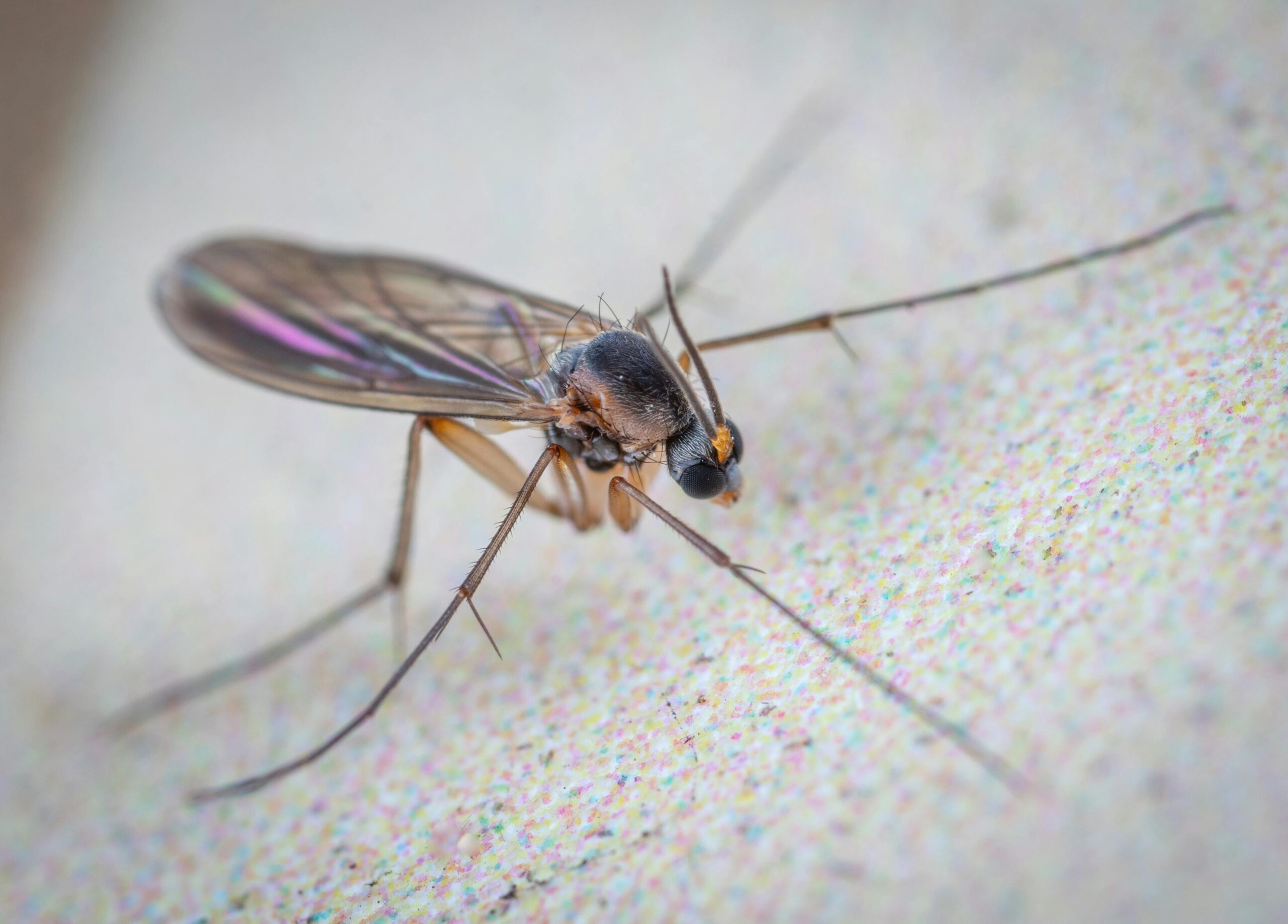
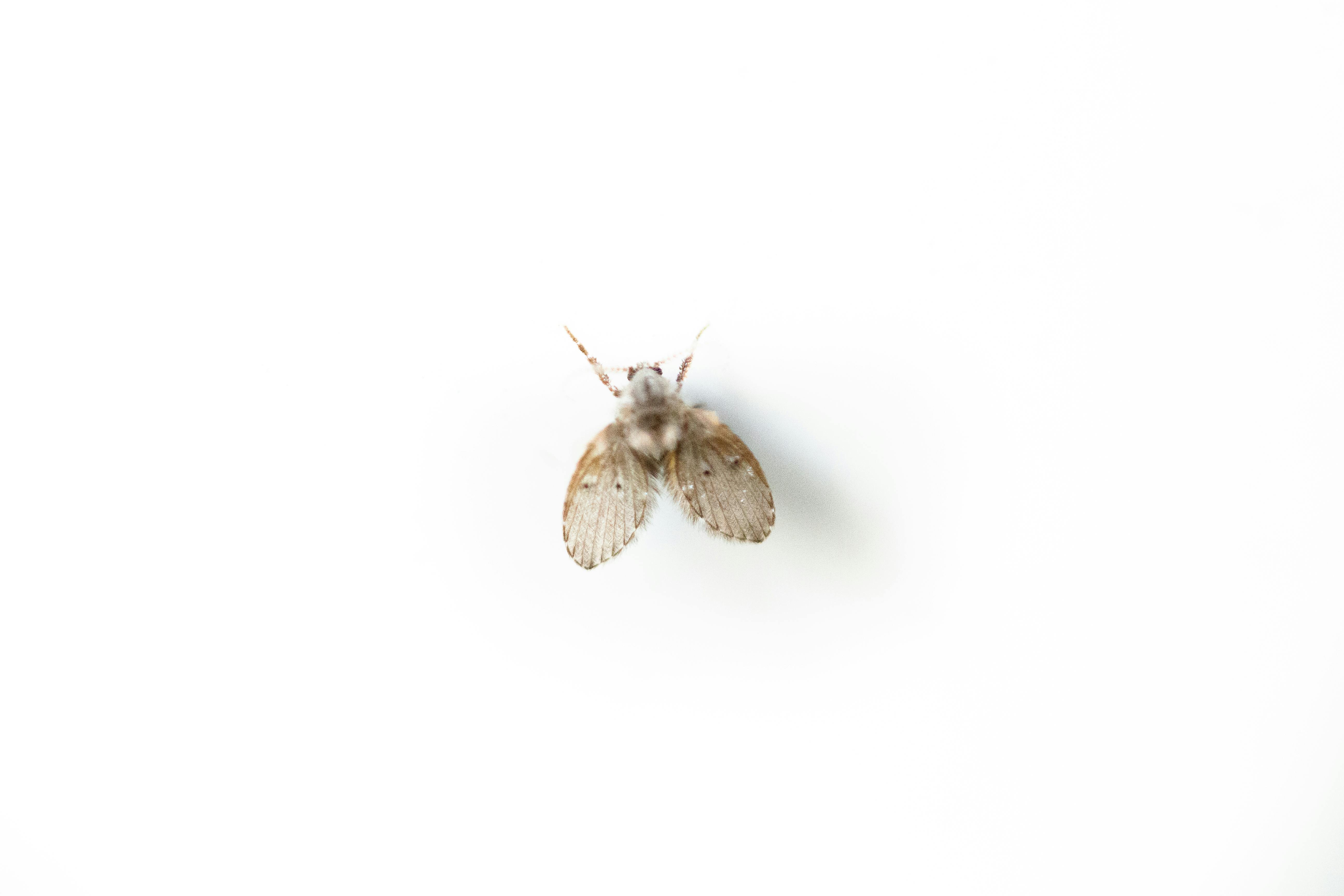
Gnats are tiny, flying insects that belong to several families, most commonly fungus gnats, black-fly gnats, and the dreaded fruit-fly type. Though each family has subtle differences, they all share a similar size—typically 1 to 3 mm long—and a delicate, mosquito-like silhouette that makes them easy to overlook until they become a nuisance for homeowners searching for a gnat exterminator Decatur residents can trust.
Typical Habitats Inside Decatur Homes
In Decatur’s humid climate, gnats love any spot that stays damp for a while. The most common hotspots include:
- Kitchen drains and garbage disposals where organic matter accumulates.
- Indoor potted plants, especially those over‑watered or sitting in soggy soil.
- Damp basements or crawl spaces that lack proper ventilation.
- Bathroom tiles and shower drains that retain moisture after a hot shower.
Because these areas provide both water and food sources, a single unnoticed gnat can quickly turn into a swarm that gathers around lights and windows.
Key Identification Markers
Spotting a gnat before it multiplies is easier when you know what to look for:
- Size: 1‑3 mm—about the length of a pinhead.
- Wing pattern: Transparent wings with fine, evenly spaced veins; no distinct spots or markings.
- Behavior: Attracted to natural light, they often hover near windows, doors, or indoor lamps. Unlike flies, gnats tend to move in a weak, fluttering pattern.
- Color: Most are a muted gray‑brown, though black‑fly gnats appear darker, almost jet‑black.
Quick “Spot the Gnat” Checklist for Homeowners
- Do you notice tiny, mosquito‑sized insects buzzing around indoor lights?
- Are they most active near kitchen sinks, plant pots, or bathroom drains?
- Can you see their delicate, veined wings when they land on a surface?
- Do they appear in clusters during the early morning or late evening?
- Is there a persistent musty or earthy odor near the infested area?
If you answered “yes” to several of these questions, you’re likely dealing with a gnat problem. Recognizing the species and its preferred habitats allows Anthem Pest Control to target the source directly—whether that means treating soil, cleaning drains, or improving ventilation—so you can enjoy a gnat‑free home without endless swatting.
Health Risks and Home Damage Caused by Gnats
Diseases Linked to Gnats
While gnats are often dismissed as harmless nuisances, several studies show they can act as vectors for food‑borne bacteria such as Salmonella and E. coli. When gnats land on exposed food or kitchen surfaces, they pick up microbes from garbage, pet waste, or damp organic material and then deposit them where you eat. The CDC notes that insects, including gnats, are a recognized source of bacterial contamination in the home [CDC]. In rare cases, certain species of fungus gnats have been associated with parasitic infections, especially in immunocompromised individuals.
How Gnats Contaminate Surfaces and Food Prep Areas
Gnats are attracted to sugary residues, fruit juices, and damp sponges. Their tiny legs and wings easily brush across countertops, cutting boards, and utensils, leaving behind a microscopic trail of pathogens. Because they breed in moist environments—think over‑watered houseplants or leaky pipes—a single breeding site can release hundreds of insects each day, dramatically increasing the chances of cross‑contamination.
Impact on Indoor Air Quality and Allergy Symptoms
Beyond direct contamination, gnats contribute to poorer indoor air quality. Their bodies and waste particles become airborne, especially when you use fans or open windows. For sensitive homeowners, this can trigger sneezing, itchy eyes, and asthma flare‑ups. The constant buzzing also adds a psychological stress factor, making the home feel less comfortable and more “infested.”
Economic Effects and Property Damage
Gnats may not chew through wood like termites, but they can still cause costly problems:
- Indoor plants: Fungus gnats lay eggs in potting soil, and their larvae feed on root hairs, weakening plants and leading to costly replacements.
- Foul odors: Large breeding colonies produce a sour, musty smell that can permeate living spaces, especially in kitchens and bathrooms.
- Structural moisture: Persistent damp spots that attract gnats often indicate leaks or poor ventilation, which can eventually damage paint, drywall, or flooring if left unchecked.
Professional Mitigation in Action
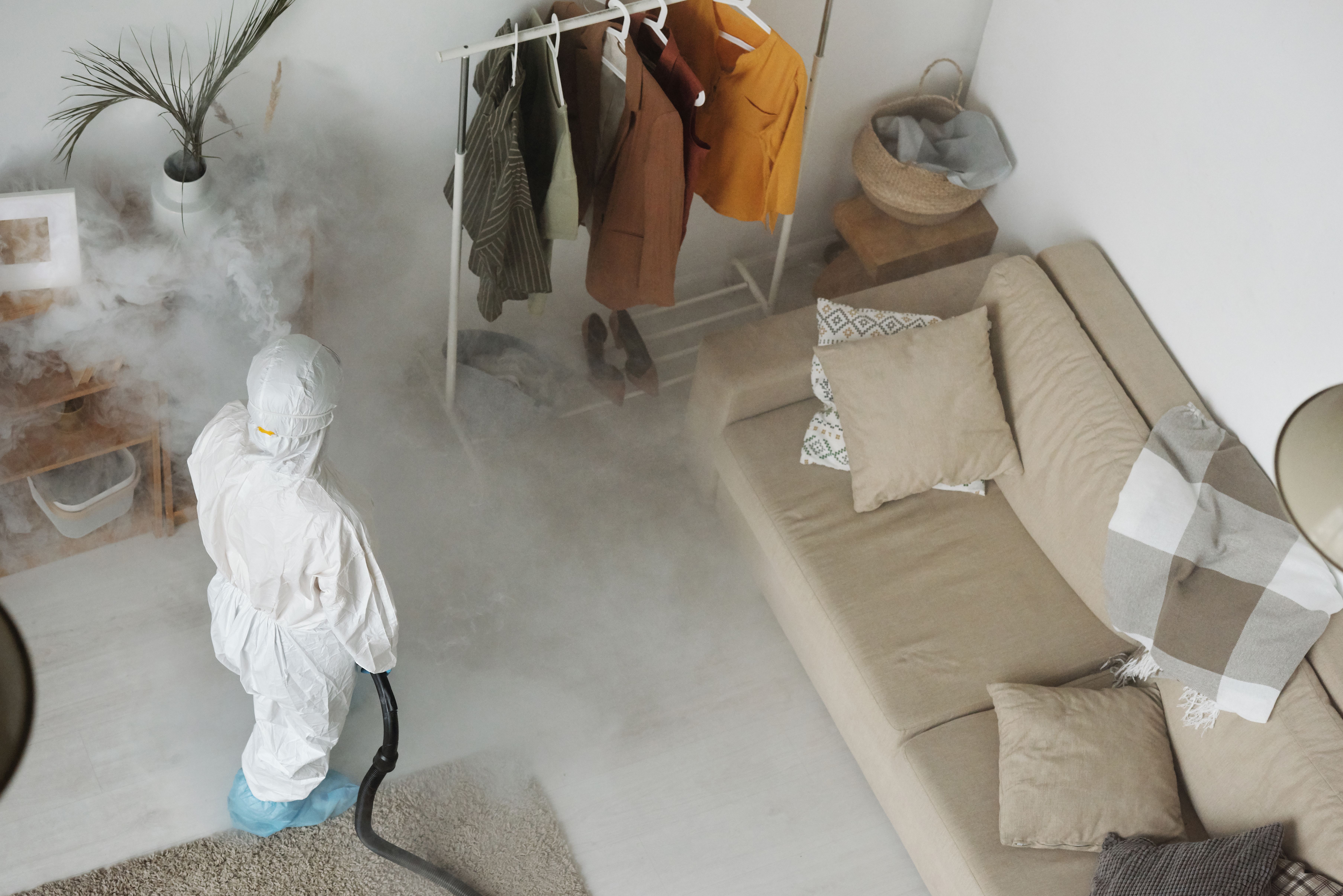
Because gnats multiply quickly and hide in hard‑to‑reach cracks, DIY sprays rarely provide lasting relief. A licensed technician applies a targeted indoor aerosol that penetrates crevices, treats breeding sites, and creates a residual barrier to keep the insects from returning. This approach not only eliminates the current infestation but also protects your family’s health and preserves the integrity of your home’s interior.
Seasonal Gnat Activity in Decatur, GA
Decatur’s subtropical climate creates a perfect playground for gnats, but the insects don’t stay active year-round. Understanding how temperature, humidity, and rainfall shape their life cycle lets you time inspections and treatments when a gnat exterminator Decatur homeowners rely on will be most effective.
Climate factors that drive gnat behavior
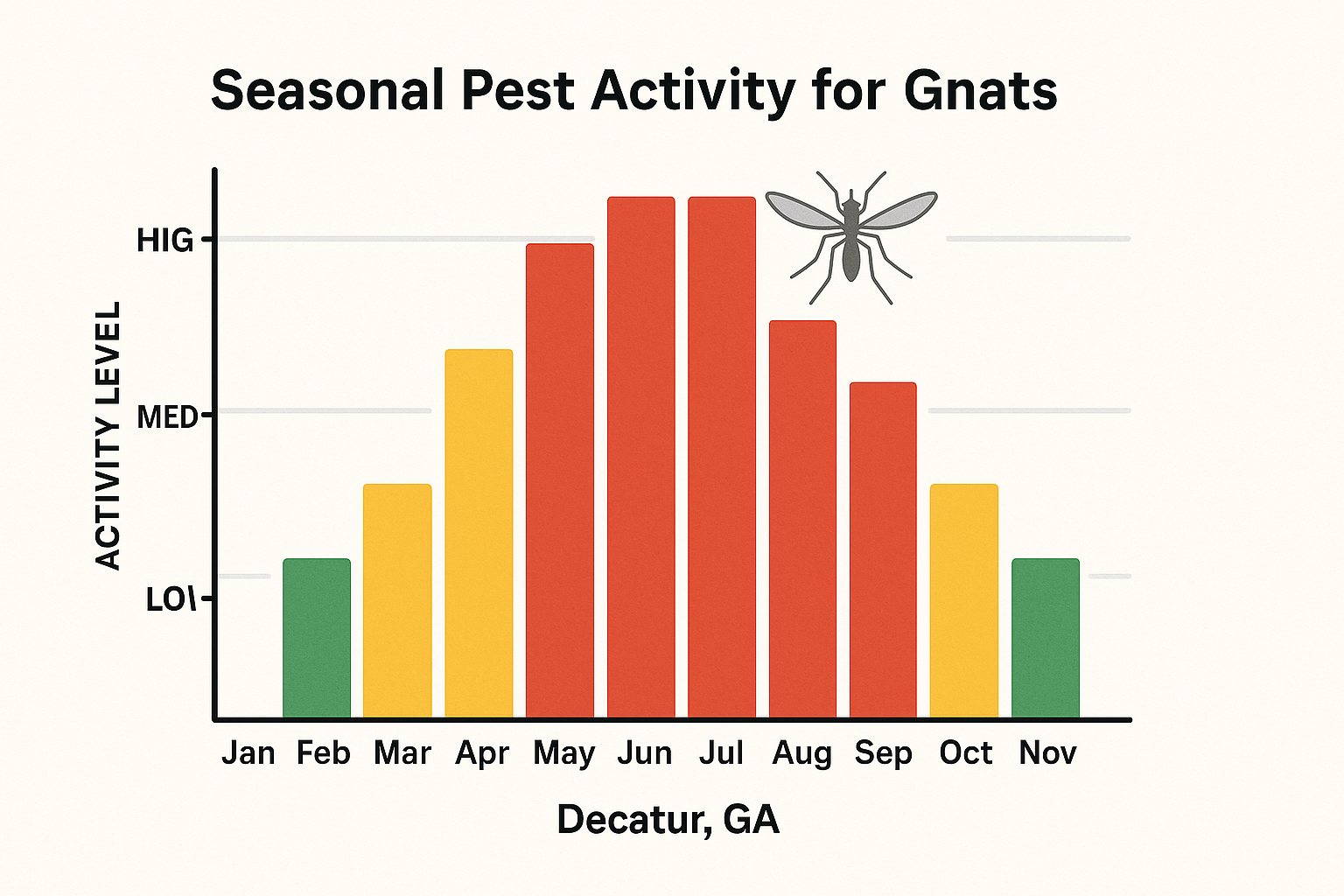
Gnats thrive when daytime highs hover between 70‑85°F (21‑29°C). In these ranges, eggs hatch quickly, larvae develop in moist organic matter, and adults can reproduce every few days. Humidity above 60 % keeps the tiny insects from drying out, while steady rainfall supplies the damp soil and leaf litter they need for larval growth. Conversely, when temperatures dip below 50°F (10°C) and humidity drops, development stalls and adult activity plummets.
Typical monthly activity chart
| Month | Temperature (°F) | Avg. Humidity % | Rainfall (in.) | Activity Level |
|---|---|---|---|---|
| January | 45‑55 | 55 | 3.2 | 1 |
| February | 48‑58 | 58 | 3.0 | 1 |
| March | 55‑68 | 62 | 3.5 | 2 |
| April | 62‑73 | 66 | 4.1 | 2 |
| May | 70‑80 | 70 | 4.8 | 3 |
| June | 75‑85 | 73 | 5.2 | 3 |
| July | 78‑88 | 75 | 5.0 | 3 |
| August | 77‑86 | 72 | 4.6 | 2 |
| September | 70‑80 | 68 | 4.0 | 2 |
| October | 62‑73 | 64 | 3.7 | 2 |
| November | 55‑66 | 60 | 3.3 | 1 |
| December | 48‑58 | 57 | 3.1 | 1 |
When to schedule inspections
- Pre‑peak check (late March‑early April): A professional inspection before the May‑July surge helps identify breeding sites—drainage issues, over‑watered plants, and organic debris.
- Mid‑peak treatment (mid‑May to early July): If gnats are already buzzing, targeted applications of EPA‑registered products can suppress the population before it overwhelms your home.
- Post‑peak follow‑up (late August‑early September): A final sweep removes any late‑season survivors and prepares your yard for the cooler months.
- Winter monitoring (December‑February): Even though activity is low, a brief inspection can catch hidden larvae in mulch or compost that might emerge early next spring.
Remember, many EPA‑registered pesticides have seasonal usage limits to protect non‑target organisms and water quality. Review the EPA pesticide registration guidelines before planning any application, and let Anthem Pest Control handle the compliance details for you.
Treatment Options: DIY Measures vs Professional Services
DIY Tactics You Can Try Today
Many homeowners start with low‑cost, do‑it‑yourself tricks that can knock back a small gnat population. A classic vinegar‑water trap uses a shallow dish filled with equal parts white vinegar and water, a few drops of dish soap, and a piece of ripe fruit or a splash of wine to lure the insects. The soap breaks the surface tension, causing gnats to sink and drown. For a slightly sweeter bait, a wine trap works the same way—just pour a half‑cup of red or white wine into a container, add a drop of soap, and cover the opening with plastic wrap pierced with tiny holes.
Beyond traps, controlling moisture is the most effective long‑term DIY step. Gnats thrive in damp environments, so fixing leaky pipes, emptying standing water, and using a dehumidifier in basements or bathrooms can starve them of breeding sites. When it comes to houseplants, water only when the top inch of soil feels dry; over‑watering creates a perfect nursery for fungus gnats. Finally, seal obvious entry points—window screens, door sweeps, and cracks around utility pipes—to prevent adult gnats from slipping inside.
Why DIY May Not Be Enough
While these measures can provide short‑term relief, they often fall short of eliminating an established infestation. Homemade traps capture only adult gnats, leaving eggs and larvae untouched. Misusing household chemicals—such as spraying undiluted bleach or insecticides—can pose health risks to pets, children, and even the homeowner. Moreover, without a systematic treatment plan, gnats frequently return once the temporary measures wear off.
Professional Services: What the Experts Do
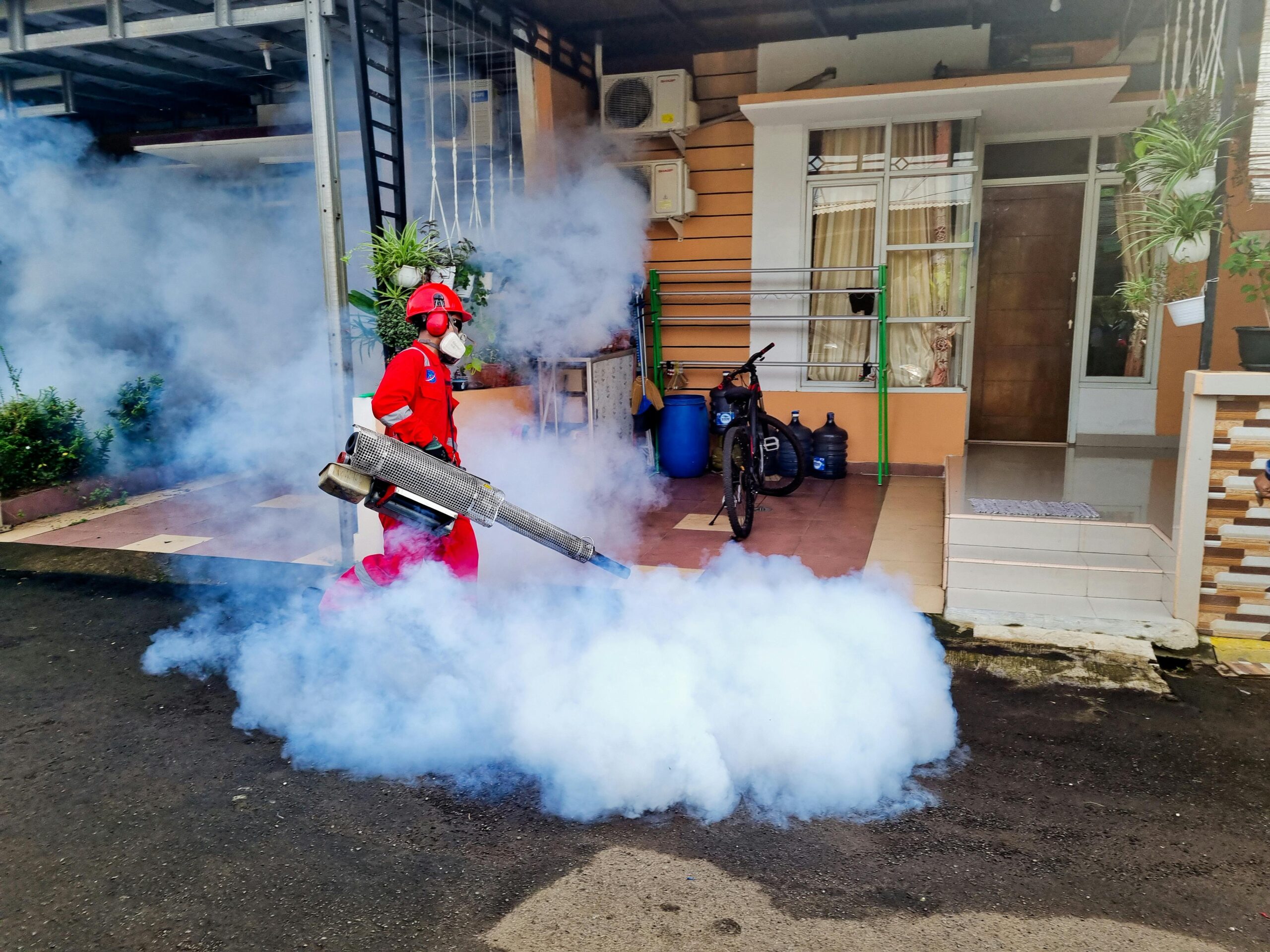
Licensed pest‑control technicians take a comprehensive approach that targets every life stage of gnats. Indoor fogging disperses a fine mist of EPA‑registered insecticide, quickly reducing adult populations throughout the home. Perimeter treatments create a protective barrier around the exterior, stopping gnats before they enter. For breeding sites, professionals apply larvicides directly to soil, compost piles, or drainage areas where larvae develop. Finally, follow‑up inspections ensure that the treatment has taken hold and that any missed hotspots are addressed.
Benefits of Hiring a Licensed Provider
- Safety compliance: Technicians are trained to handle chemicals safely, protecting your family and pets.
- EPA‑registered products: Only products that meet strict federal standards are used, guaranteeing efficacy and minimal environmental impact.
- Guaranteed results: Most companies, including Anthem Pest Control, back their work with service guarantees and scheduled re‑treatments if needed.
- Time savings: Professionals diagnose the source, apply the right treatment, and monitor progress—saving you countless hours of trial and error.
Why Choose Anthem Pest Control?
Anthem Pest Control follows EPA guidelines to the letter and offers a free inspection for Decatur homeowners. During the inspection, a certified technician identifies the exact species, locates breeding hotspots, and recommends a tailored treatment plan. Whether you prefer a one‑time fogging, a seasonal perimeter program, or a combination of larvicide and moisture‑control solutions, Anthem delivers safe, effective, and affordable results that DIY methods simply can’t match.
How Much Does Gnat Extermination Cost in Deceder?
Three Service Tiers to Fit Every Budget
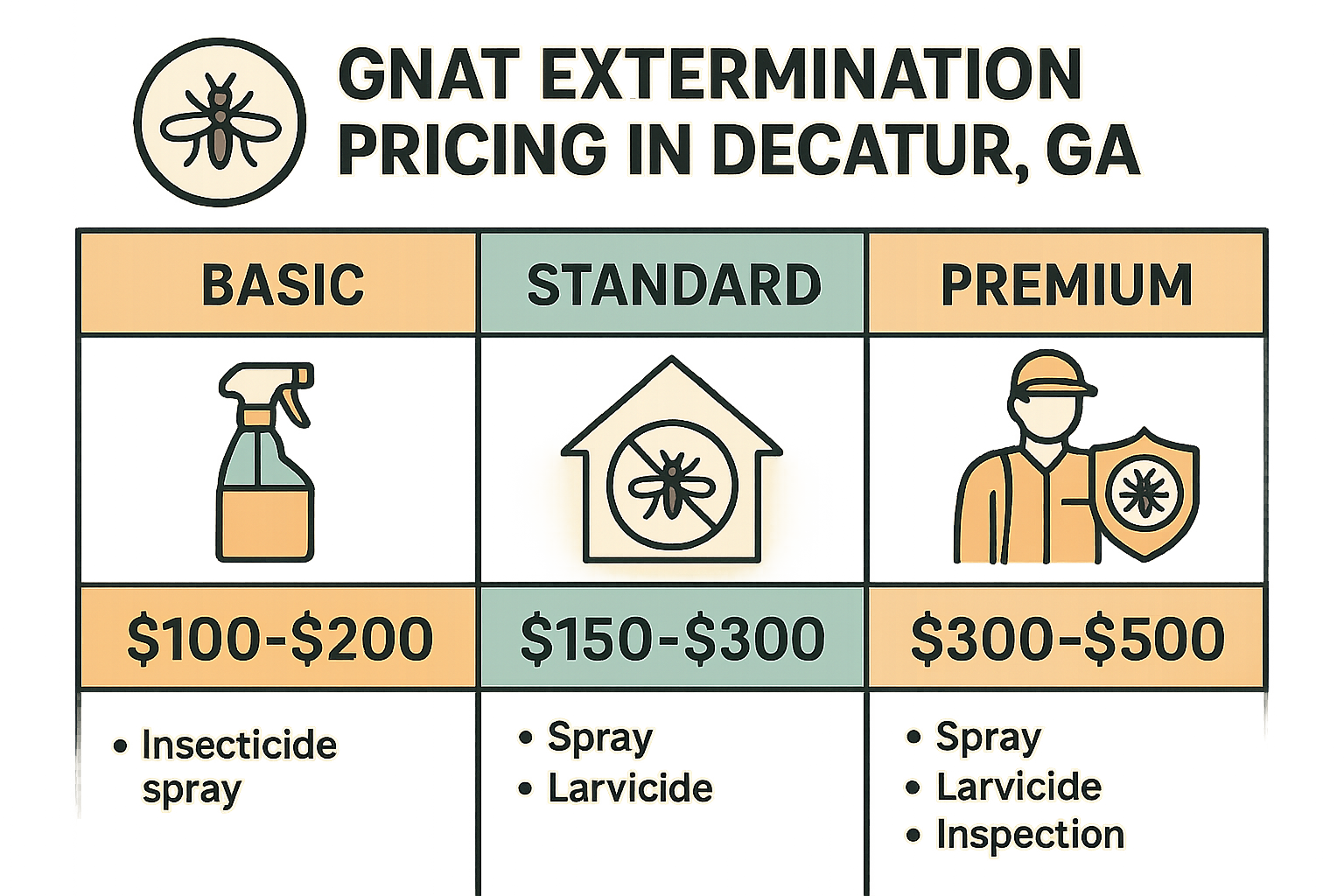
Anthem Pest Control structures its gnat-extermination pricing into three clear tiers—Basic, Standard, and Premium. Each tier bundles the treatments you need, so homeowners working with a gnat exterminator Decatur trust won’t be surprised by hidden add-ons later.
| Tier | Price Range (USD) | Included Treatments |
|---|---|---|
| Basic | $80 – $120 | One‑time indoor spray, perimeter check |
| Standard | $130 – $180 | One‑time spray + quarterly follow‑ups, outdoor barrier |
| Premium | $190 – $250 | All Standard services + plant protection, indoor/outdoor deep‑treatments, 12‑month warranty |
What Influences the Final Cost?
While the tier you choose sets a baseline, a few variables can shift the final price:
- Infestation severity: A light, localized problem often stays within the tier price, whereas a heavy, multi‑room outbreak may require extra applications.
- Home size: Larger square footage means more spray zones and potentially higher labor time.
- Indoor vs. outdoor focus: Treating only indoor spaces is less costly than a comprehensive indoor‑and‑outdoor program that also safeguards decks, patios, and garden beds.
Industry Context – NPMA Price Guide
The National Pest Management Association (NPMA) publishes an annual price guide that outlines average costs for common pest services across the United States. According to the NPMA price guide, gnat‑extermination typically falls between $75 and $260, depending on region and service depth. Our tiered structure aligns with these industry benchmarks, ensuring you receive a fair market price without surprise fees.
Anthem Pest Control’s Transparent Pricing Promise
At Anthem, we believe homeowners deserve clear, upfront numbers. That’s why every estimate lists exactly what you’ll receive—no hidden chemicals, no surprise travel charges, and no “after‑hours” surcharges. If an inspection reveals a factor that pushes your project outside the chosen tier, we’ll discuss the adjustment before any work begins, giving you full control over your budget.
Whether you opt for the straightforward Basic plan or the all‑inclusive Premium package, you can count on a predictable price, professional application, and lasting relief from those irritating gnats.
Protect Your Home with Professional Gnat Control
If you’ve made it this far, you already know the basics: gnats are tiny, fast‑flying insects that love damp, decaying organic matter; they can bite, spread allergens, and their numbers spike in late spring and early summer. DIY sprays may knock a few down, but they rarely address the hidden breeding sites that keep the infestation alive.
Quick Recap
- Identification: Small, dark flies hovering near drains, potted plants, or standing water.
- Health risks: Bites can cause itching, and some species carry fungal spores that aggravate respiratory issues.
- Seasonal peaks: Warm, humid months—especially May through July in Decatur.
- Why professionals win: Trained technicians locate and eliminate the source, apply EPA‑registered products, and set up preventive barriers that DIY solutions miss.
When you call Anthem Pest Control, you’re getting more than just a pesticide. Our technicians are certified, use EPA‑registered formulas that are safe for children and pets, and follow strict application protocols that limit disruption to your home life. The treatment plan is customized to your property’s layout, so you won’t see unnecessary foggers or messy residues. We also apply a protective barrier around doors, windows, and outdoor lights, so new gnats have a hard time getting back inside.
Ready for a definitive solution? We offer a free, no‑obligation quote that includes a thorough inspection, a detailed treatment recommendation, and a transparent price breakdown. Simply dial 877‑371‑8196 or visit our website, and we’ll schedule a convenient appointment at your doorstep.
Our approach is friendly, not pushy. Whether you need a one‑time extermination to clear an urgent outbreak or a seasonal maintenance program that keeps gnats from returning, we’ll work within your budget and timeline. We believe the best sales pitch is a pest‑free home, and we let the results speak for themselves.
Take the first step toward a gnat-free environment. Visit Anthem Pest Control now and let a gnat exterminator Decatur homeowners trust restore comfort to your Decatur home.