Understanding Tick Risks in Sugar Hill, GA

Located just north of Atlanta, Sugar Hill blends suburban neighborhoods with a network of parks, woodlots, and creek-side trails. The town’s rolling hills, mature oak trees, and lush undergrowth create an ideal habitat for deer, rodents, and the ticks that hitch a ride on them—one of the main reasons homeowners often research tick control cost Sugar Hill GA when planning seasonal pest protection. For homeowners, this picturesque setting means that every backyard, garden, or dog-walk can double as a tick-infested zone, especially during the warm months when nymphs are most active.
The Centers for Disease Control and Prevention (CDC) reports that tick‑borne illnesses have risen dramatically across the United States, with more than 77,000 cases of Lyme disease alone diagnosed each year. In Georgia, the CDC notes a steady increase in reported cases of Lyme, Rocky Mountain spotted fever, ehrlichiosis, and other tick‑related diseases (CDC Tick Diseases). While the state’s overall incidence remains lower than the Northeast, the expanding range of the lone‑star tick and the black‑legged (deer) tick means residents of Sugar Hill are not immune to these trends.
Common Tick‑Borne Illnesses in the Area
- Lyme disease – Caused by Borrelia burgdorferi, it often begins with a characteristic “bull’s‑eye” rash and can progress to joint pain, fatigue, and neurological issues if untreated.
- Rocky Mountain spotted fever – Transmitted by the American dog tick, symptoms include high fever, severe headache, and a spotted rash that can become life‑threatening.
- Ehrlichiosis – Spread primarily by the lone‑star tick, it produces flu‑like symptoms, muscle aches, and can affect the liver and blood cells.
- Southern tick‑associated rash illness (STARI) – Similar to Lyme but generally milder; caused by an as‑yet‑unidentified pathogen carried by the lone‑star tick.
Ticks don’t stay confined to the woods. They can hitch a ride into your yard on pets, stray wildlife, or even on your clothing after a hike—often prompting homeowners to consider tick control cost Sugar Hill GA once infestations reach residential spaces. Deer often brush against fence lines, dropping engorged females that lay thousands of eggs in the leaf litter. Rodents such as mice and chipmunks frequent garden beds, bringing nymphs that are small enough to go unnoticed. Over-grown landscaping, leaf piles, and shaded mulch beds provide the humidity ticks need to survive, turning a well-kept lawn into a hidden danger zone.
Early awareness is the cornerstone of protection. Recognizing the signs of tick activity—tiny black specks on foliage, a sudden increase in wildlife sightings, or unexplained bites on family members—allows you to act before an infestation takes hold. Prompt removal of attached ticks reduces the chance of disease transmission, while timely yard treatment can curb population growth and protect both your health and property value. In Sugar Hill, staying vigilant means enjoying the great outdoors without inviting an unwanted, blood‑sucking guest.
Identifying Ticks and Their Seasonal Activity
In Georgia’s woodlands and backyards, three tick species cause the most bites and disease risk. Knowing how they look and when they’re most active lets you spot trouble early and plan a yard inspection before the numbers explode.
Georgia’s three primary ticks
| Species | Size (adult) | Color & markings | Typical habitat |
|---|---|---|---|
| American dog tick (Dermacentor variabilis) | 5–10 mm | Brown‑gray with a white‑tipped shield on the back | Open fields, grassy edges |
| Lone‑star tick (Amblyomma americanum) | 4–6 mm | Silver‑gray; adult females bear a distinctive white “star” spot on the dorsal scutum | Wooded areas, leaf litter |
| Black‑legged (deer) tick (Ixodes scapularis) | 3–5 mm | Dark brown to black, no obvious markings; legs appear darker than the body | Shaded, humid spots near deer trails |
Beyond size and color, each species carries a different disease profile:
- American dog tick – can transmit Rocky Mountain spotted fever and tularemia.
- Lone‑star tick – known for ehrlichiosis and the “red meat allergy” that appears after a bite.
- Black‑legged tick – the primary vector for Lyme disease in the Southeast.
All three pass through four life stages—egg, larva, nymph, and adult—each with its own size and feeding habits. Eggs are microscopic and hatch into six‑mm larvae that have only six legs. After a blood meal, they molt into eight‑legged nymphs, roughly the size of a pinhead. The final molt produces the adult, which is the stage most homeowners recognize because it can remain attached for several days while feeding.
Life cycle and weather influence
Ticks are cold‑blooded; temperature and humidity dictate how quickly they develop. Warm, moist springs accelerate egg hatching and nymph activity, while hot, dry summers can slow progress and push ticks deeper into leaf litter. A mild winter may allow overwintering nymphs to become active early, extending the risk window. Typically, eggs are laid in late summer, hatch in early fall, and the larval stage peaks in late fall. Nymphs emerge in spring, and adults are most abundant in early summer.
Seasonal activity in Georgia
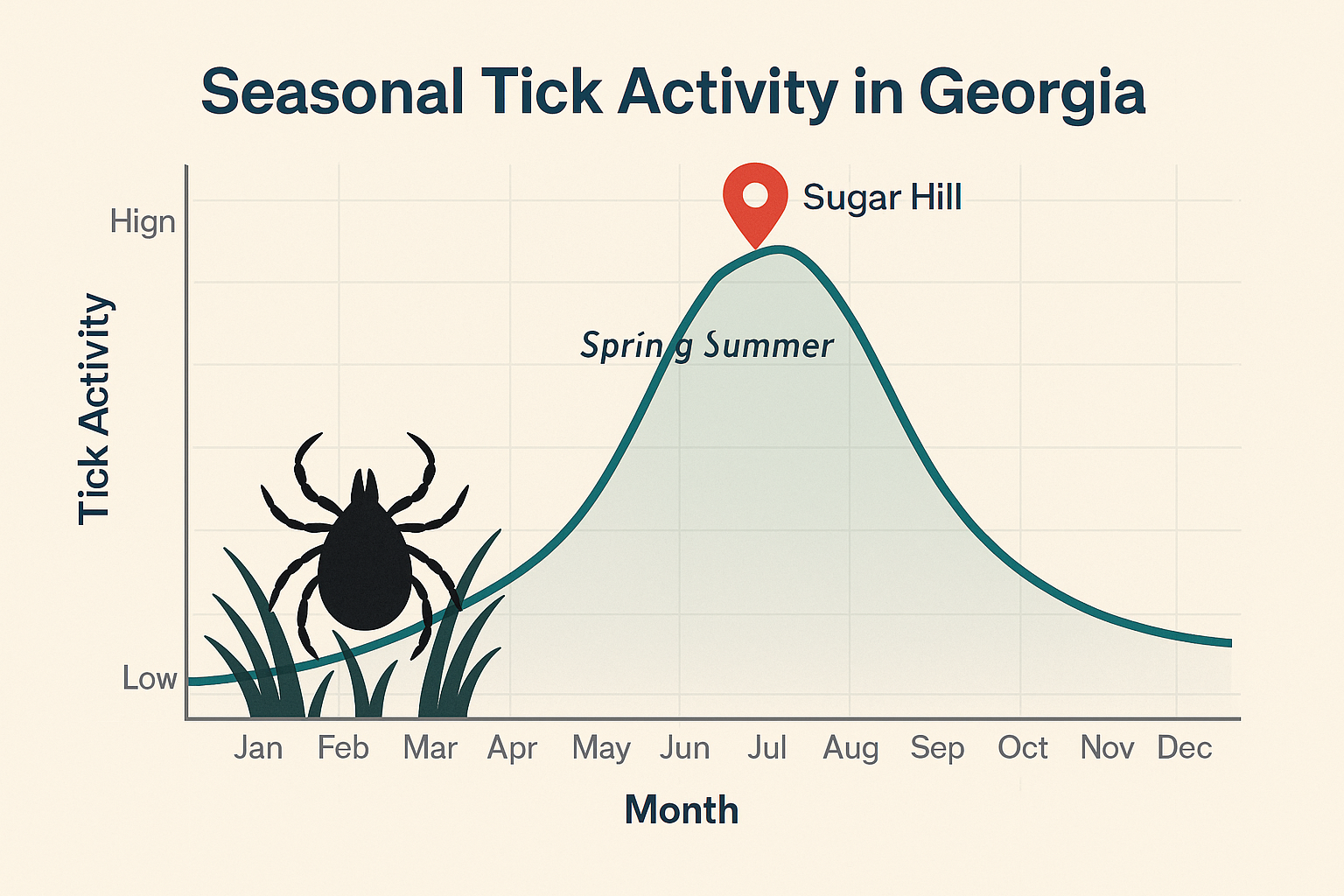
The line chart above illustrates the typical monthly trend for all three species. Activity climbs in March, peaks sharply from April to July, and then tapers off as temperatures rise above 90 °F and humidity drops. This pattern holds for both suburban yards and nearby forest edges.
Practical tip for homeowners
Mark your calendar for the April‑July window and schedule a professional yard inspection with Anthem Pest Control. Early detection—especially before nymphs emerge—lets us treat high‑risk zones with targeted acaricides, reducing the chance of a bite and the need for costly follow‑up treatments. While you wait, check pets daily, keep grass trimmed, and consider tick‑tube stations to lower the larval population naturally.
Health Impacts and Warning Signs of Tick Bites
Tick‑borne diseases common in Sugar Hill, GA
Ticks in North Georgia can transmit several serious pathogens. The most frequently reported in Sugar Hill are:
- Lyme disease – caused by Borrelia burgdorferi, spread mainly by the black‑legged (deer) tick.
- Rocky Mountain spotted fever (RMSF) – transmitted by the American dog tick, a fast‑acting bacterial infection.
- Southern tick‑associated rash illness (STARI) – linked to the lone‑star tick and produces a rash similar to early Lyme disease.
Each illness has its own nuances, but early detection and treatment are key to preventing long‑term complications.
Incubation periods and early warning signs
Understanding the typical timeline helps you recognize a problem before it worsens.
- Lyme disease: Symptoms appear 3‑30 days after the bite. Early signs include a bull’s‑eye rash (erythema migrans), fever, chills, fatigue, headache, and muscle aches.
- RMSF: Incubation is shorter—usually 2‑14 days. Look for sudden high fever, severe headache, nausea, and a pink spotted rash that starts on the wrists and ankles before spreading toward the torso.
- STARI: Onset mirrors Lyme, with a rash at the bite site and fatigue developing within 1‑2 weeks.
Joint pain, swollen knees, and lingering fatigue can follow any of these infections, underscoring the need for prompt medical attention.
When to seek professional care
The CDC’s tick‑bite guidance recommends contacting a healthcare provider if you experience any of the following after a bite:
- Fever of 100.4 °F (38 °C) or higher
- A spreading or unusual rash
- Joint swelling or severe muscle pain
- Persistent headache, confusion, or neurological symptoms
- Any rapid change in health within two weeks of a known bite
Early diagnosis allows clinicians to start antibiotics or other treatments before the infection takes hold.
Proper tick removal to reduce infection risk
Removing a tick correctly can dramatically shorten the window for disease transmission. Follow these steps:
- Use fine‑tipped tweezers and grasp the tick as close to the skin’s surface as possible.
- Pull upward with steady, even pressure—avoid twisting or squeezing the body.
- After the tick is free, clean the bite area with alcohol, iodine, or soap and water.
- Wash your hands thoroughly.
- Dispose of the tick in rubbing alcohol, a sealed bag, or by flushing it down the toilet.
Keeping the tick intact prevents mouthparts from embedding deeper and reduces the chance of pathogen transfer.
Everyday preventive habits for homeowners
Even the best removal technique can’t replace proactive measures. Incorporate these habits into your routine to keep your yard and family tick‑free:
- Conduct a full‑body check on yourself, children, and pets after any outdoor activity.
- Apply EPA‑registered repellents containing DEET, picaridin, or IR3535 to exposed skin and clothing.
- Keep grass trimmed, leaf litter cleared, and shrubbery trimmed away from walkways.
- Create a tick‑free zone around your home with wood chips or gravel, which are less hospitable to ticks.
- Consider professional yard treatments—targeted acaricides applied by a licensed pest‑control provider can dramatically lower tick populations.
By staying vigilant and combining proper removal with consistent prevention, you protect your family’s health while enjoying the beautiful outdoors of Sugar Hill.
Effective Tick Control Methods for Homeowners

Ticks thrive in the shadows of an overgrown yard, but a proactive homeowner can dramatically cut the risk with a blend of cultural, mechanical, and chemical tactics. Below are the most reliable methods you can implement yourself, plus a look at professional services that add an extra layer of protection.
Landscape Management
Keeping your property tidy is the first line of defense. Ticks love moist, shaded micro‑habitats, so regular yard upkeep starves them of shelter.
- Mowing: Trim grass to a maximum of 3‑4 inches. A short lawn dries out quickly, making it less inviting for questing ticks.
- Leaf‑blowing and raking: Remove leaf litter and debris weekly during peak tick season (April‑September). This eliminates the damp layers where larvae hide.
- Brush removal: Cut back tall weeds, shrubs, and any low‑lying brush along property edges. Create a 3‑foot cleared zone between wooded areas and play zones.
Chemical Options
When cultural practices aren’t enough, targeted chemicals can create a protective barrier. All products must comply with EPA pesticide regulations, ensuring they’re safe for people and pets when applied correctly.
- Barrier sprays: Synthetic pyrethroids or natural essential‑oil formulations are applied to the perimeter and high‑traffic zones. Re‑apply every 2‑4 weeks during active seasons.
- Granular treatments: Spread granules along walkways, pet areas, and the lawn’s edge. They release active ingredients slowly, offering weeks of protection.
- Tick tubes: These cardboard tubes contain permethrin‑treated cotton. Mice collect the cotton for nesting, killing ticks that feed on them—a low‑impact, wildlife‑friendly option.
Professional Fogging and Perimeter Treatments
Licensed technicians use a fine mist fogger to saturate the yard’s surface with a residual insecticide—an approach that often influences overall tick control cost Sugar Hill GA depending on property size and treatment frequency. The mist penetrates leaf litter and low-lying vegetation, targeting questing ticks before they can latch onto a host. Professional fogging typically covers a 1- to 2-acre radius and is most effective when scheduled after a thorough yard clean-up.
Pet Protection
Even a well‑treated yard can’t guarantee zero exposure for your furry companions. Combine environmental control with direct pet safeguards:
- Tick collars: Provide continuous protection for up to 8 months.
- Spot‑on treatments: Apply monthly to the nape of the neck; products like fipronil or permethrin are highly effective.
- Veterinary checks: Schedule quarterly exams to catch any early infestations and discuss prescription‑strength preventatives.
Integrated Pest Management (IPM) Approach
IPM blends the best of all methods into a coordinated plan. Below is a quick reference you can use to design your own tick‑control schedule.
| Action | Frequency | Safety Considerations |
|---|---|---|
| Mow lawn to 3‑4 inches | Weekly during tick season | Wear hearing protection; keep kids away |
| Leaf‑blow/rake debris | Weekly | Use gloves; dispose of debris in sealed bags |
| Apply barrier spray or granules | Every 2‑4 weeks | Follow label directions; keep pets off treated areas until dry |
| Install tick tubes | Early spring, replace annually | Place away from pet feeding zones |
| Professional fogging | 1‑2 times per season | Ensure no children or pets on property during application |
| Pet collar/spot‑on treatment | Monthly | Check for skin irritation; follow vet recommendations |
By weaving together diligent yard work, smart chemical use, professional expertise, and pet‑focused safeguards, you create a layered defense that keeps ticks at bay while protecting your family’s health and peace of mind.
Comparing Tick Control Pricing Options in Sugar Hill
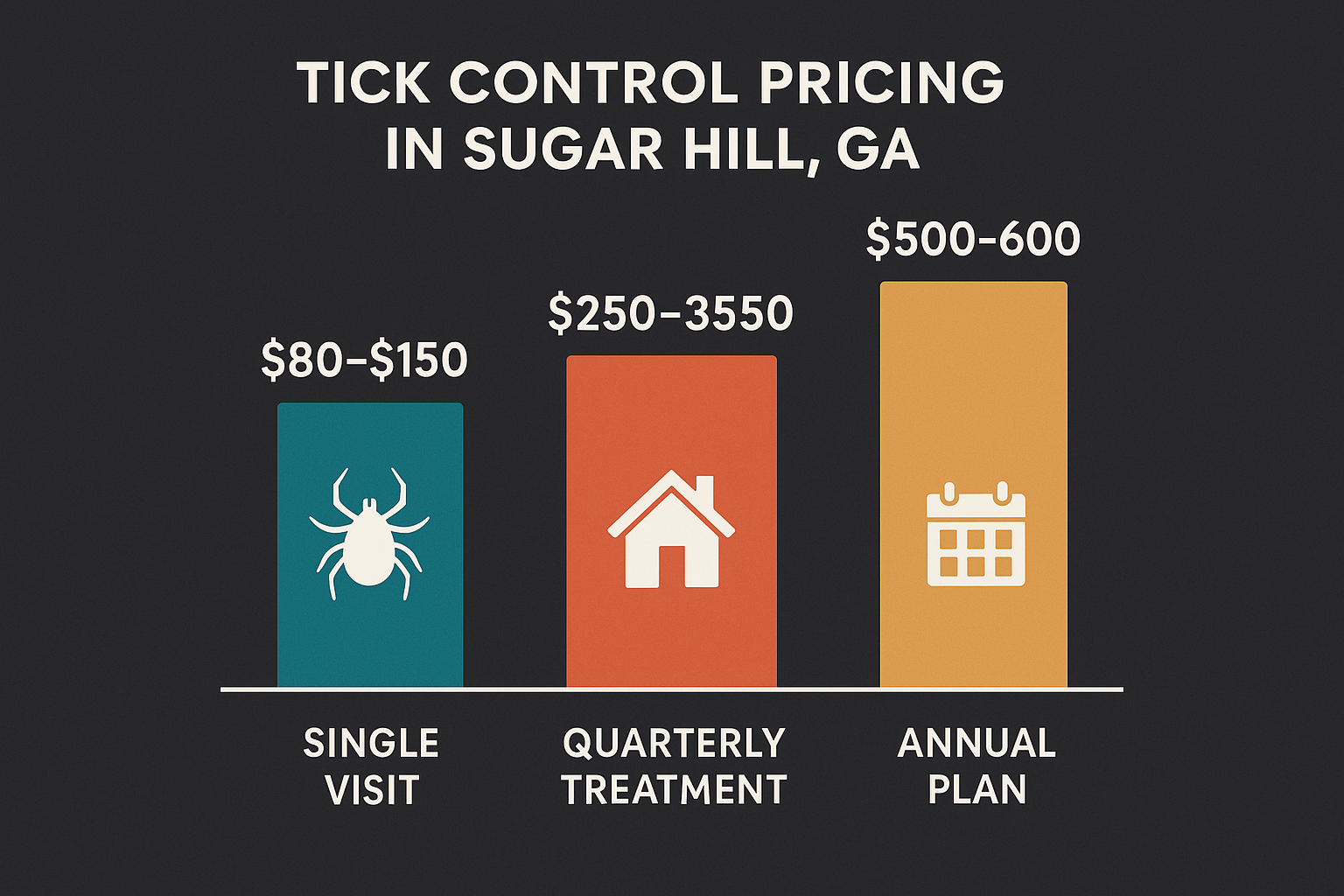
When you’re weighing tick‑control services, the pricing model you choose can affect both your wallet and the level of protection you enjoy. In Sugar Hill, most reputable companies, including Anthem Pest Control, offer three primary structures: a single‑visit treatment, a quarterly treatment plan, and an annual comprehensive plan. Below is a quick look at what each option typically includes and how the costs stack up.
1. Single‑Visit Treatment
Price range: $80–$150 per service.
This one‑time application targets adult ticks and larvae in the most active areas of your yard. It’s ideal for homeowners who need immediate relief after a recent tick surge or for those who only need occasional coverage. The treatment usually covers up to 5,000 sq ft and may include a follow‑up inspection within 30 days.
2. Quarterly Treatment Plan
Price range: $250–$350 for four visits per year.
Four evenly spaced applications keep the tick life cycle interrupted throughout the high‑risk months (March‑October). Each visit typically covers the same area as a single‑visit service but adds a preventive barrier that reduces re‑infestation. The plan often includes a complimentary tick‑identification kit and a detailed report after each visit.
3. Annual Comprehensive Plan
Price range: $500–$600 for a full‑year of protection.
This all‑inclusive option combines quarterly treatments with an initial deep‑cleaning of hard‑to‑reach spots, perimeter barrier upgrades, and ongoing monitoring. Homeowners receive priority scheduling, a yearly tick‑risk assessment, and a discount on any additional pest services you might need.
Advantages at a Glance
- Flexibility: Single visits let you react to spikes without a long‑term commitment.
- Long‑term protection: Quarterly plans maintain a consistent barrier, reducing tick populations season after season.
- Cost savings: Annual plans spread the expense over twelve months and often lower the per‑treatment cost by 15‑20%.
Cost‑Benefit Analysis
Beyond the upfront fees, consider the hidden cost of tick‑borne illnesses. According to the National Pest Management Association, a single case of Lyme disease can generate medical expenses exceeding $30,000, not to mention lost work days and long‑term health impacts. Regular treatments—especially quarterly or annual plans—dramatically cut the likelihood of an infestation, translating into potential savings of thousands of dollars over a homeowner’s lifetime.
By matching your budget to the level of protection you need, you can make an informed decision that safeguards both your family’s health and your bottom line.
Choosing the Right Pest‑Control Partner
When it comes to protecting your Sugar Hill home from ticks, the company you hire can be just as important as the treatment itself. A reputable pest‑control partner not only eliminates the problem but also educates you on prevention, respects your budget, and follows strict safety standards. Below are the key factors to evaluate before signing a contract.
Verify Licensing, Insurance, and EPA Certification
First and foremost, ensure the technicians are fully licensed by the state of Georgia and carry liability insurance. This protects you if an accident occurs during treatment. Additionally, look for EPA‑certified applicators; they have completed rigorous training on pesticide safety, proper application rates, and environmental impact. Asking for proof of these credentials upfront shows the company’s commitment to professionalism and legal compliance.
Prioritize Local Expertise
Ticks in Sugar Hill have distinct seasonal patterns and species—such as the lone star and American dog tick—that influence timing and treatment choice. A company with a solid track record in the area will know exactly when the tick population spikes, which habitats to target, and how to tailor a program to your specific neighborhood. Local knowledge also means faster response times and familiarity with county regulations.
Service Guarantees and Follow‑Up Visits
Effective tick control rarely ends after a single spray. Look for providers that offer clear service guarantees, such as a “tick‑free” promise for a set period, and include scheduled follow‑up visits in the contract. These visits allow technicians to assess residual activity, re‑treat high‑risk zones, and answer any questions you may have. Customer reviews often highlight whether a company truly stands behind its guarantee.
Pricing Transparency
Hidden fees are a common frustration. Request an itemized quote that breaks down labor, chemicals, equipment, and any optional add‑ons. Transparent pricing lets you compare apples to apples across different companies and prevents surprise charges after the work is done. Companies that provide a detailed estimate up front demonstrate honesty and respect for your budget.
Why Anthem Pest Control Stands Out
Anthem Pest Control combines nationwide resources with a localized approach to tick management in Sugar Hill. Their technicians are licensed, insured, and EPA‑certified, ensuring every application meets the highest safety standards. The company’s specialized tick programs are built on years of research into regional species and seasonal activity, allowing for precise timing and targeted treatments.
Anthem’s service model includes a clear, itemized quote and a satisfaction guarantee that covers follow‑up visits if ticks reappear within the agreed timeframe. Homeowners consistently praise their transparent communication and prompt, courteous service. By choosing Anthem, you gain a partner that values safety, effectiveness, and affordability—exactly what a Sugar Hill homeowner needs to keep tick‑related worries at bay.
Protect Your Home Today with Anthem Pest Control
Ticks aren’t just a nuisance—they’re vectors for Lyme disease, Rocky Mountain spotted fever, and a host of other illnesses that can turn a family outing into a medical emergency. In Sugar Hill, the tick season spikes in late spring and early summer, just when kids are back in the yard and pets are roaming freely. Acting before these peaks hit means you can cut the risk of bites, infections, and costly medical bills before they even start.
Partnering with a professional, locally‑knowledgeable service like Anthem Pest Control takes the guesswork out of prevention. Our technicians know the exact habitats where ticks thrive in North Georgia—tall grasses, leaf litter, and shaded borders. We tailor a treatment plan that fits your property’s size, landscaping style, and the habits of your family and pets. By handling the science and the application, we let you focus on enjoying a safe, tick‑free yard without the hassle of DIY chemicals or missed spots.
If you’re ready to safeguard your yard and loved ones, Anthem Pest Control offers a free, no‑obligation quote customized to your home’s unique needs. There’s no pressure, just a clear outline of what’s required to keep ticks at bay.
Give us a call today at 877‑371‑8196. Our transparent pricing means you’ll know exactly what you’re paying for—no hidden fees, no surprise charges—so you can budget confidently for year‑round protection.
Visit Anthem Pest Control to learn more and schedule your complimentary quote.