What House Flies Are and Why They Matter
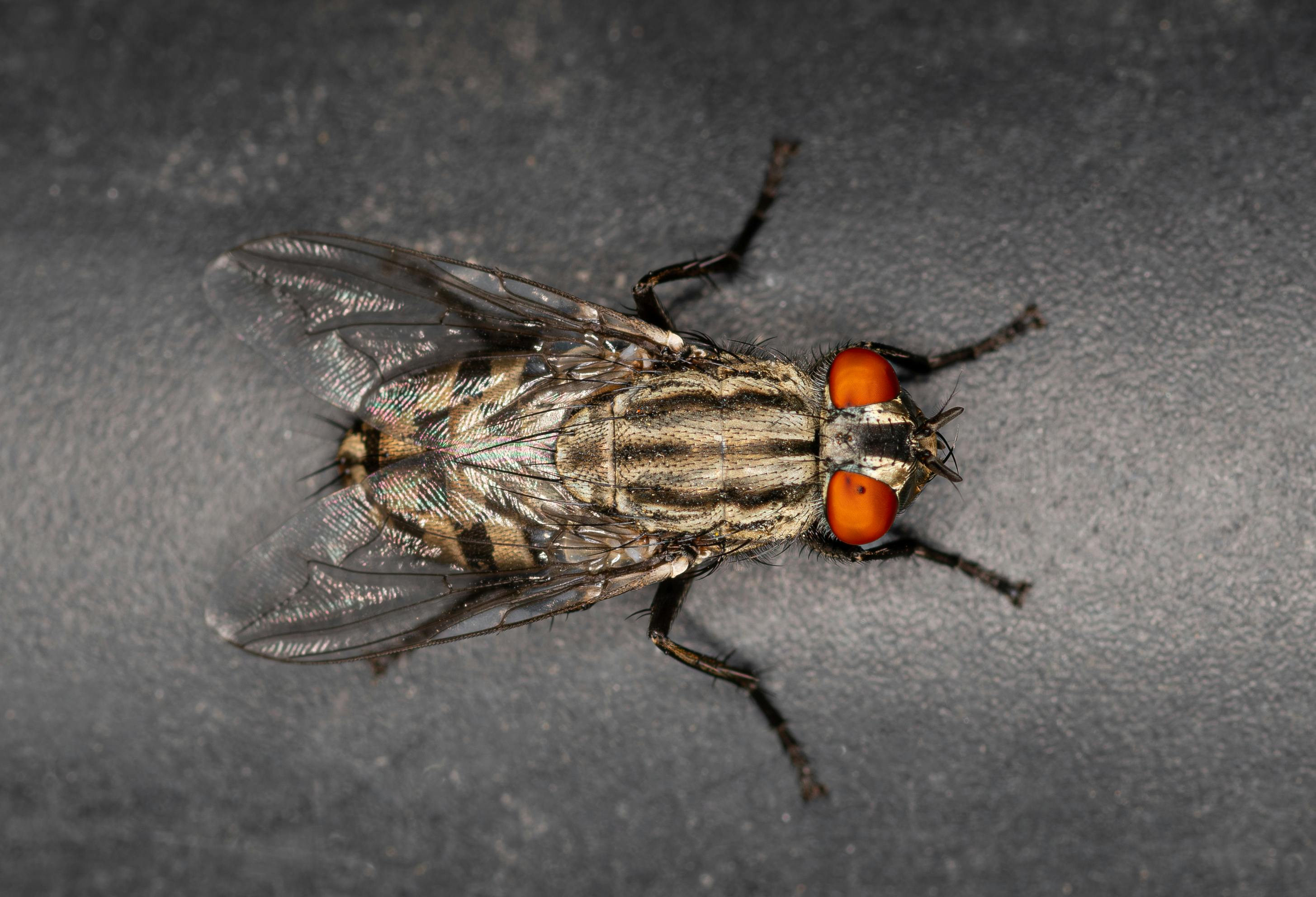
Meet the Common House Fly (Musca domestica)
The house fly is a small, gray-black insect recognizable by its four dark stripes on the thorax and its spongy-looking wings. Adults measure about 6–7 mm long and are equipped with a pair of large compound eyes that give them a nearly 360° field of vision. This keen eyesight, combined with rapid wing beats—up to 200 times per second—makes them exceptionally agile flyers, which is why house fly control Druid Hills homeowners rely on professional solutions to prevent flies from darting in and out of homes within seconds.
Life Cycle in a Nutshell
House flies undergo a complete metamorphosis that includes four stages: egg, larva (maggot), pupa, and adult. A female can lay up to 150 eggs in a single batch, often on moist, organic material such as decaying food or animal waste. Under optimal warm‑weather conditions (25‑30 °C), the entire cycle can be completed in as little as 7–10 days, meaning a single fly can generate dozens of offspring before the end of summer.
Where They Like to Hang Out
- Indoor hotspots: kitchen counters, garbage disposals, pet feeding stations, and any area where food residues accumulate.
- Outdoor zones: compost piles, dumpsters, animal pens, and damp, shaded spots near doorways.
Because they thrive in both indoor and outdoor waste, flies often act as a bridge, shuttling microbes from the yard straight onto your dinner plate.
Health Risks You Can’t Ignore
House flies are mechanical vectors, meaning they physically transport pathogens on their legs, mouthparts, and bodies. They are linked to the spread of bacteria such as Salmonella, E. coli, and Shigella, as well as viruses that cause gastroenteritis and even eye infections like conjunctivitis. The U.S. Environmental Protection Agency estimates that flies can carry more than 100 different disease‑causing microorganisms. The Centers for Disease Control and Prevention reports that roughly 1 in 6 food‑borne illness outbreaks involve flies as a contributing factor. According to the National Pest Management Association, the average homeowner in the Southeast encounters between 5 and 10 flies per day during the peak summer months, increasing the likelihood of contamination.
Why Early Identification Saves Money and Health
Spotting a fly problem early gives you a critical window to intervene before populations explode. A few flies may seem harmless, but because they reproduce quickly, a small infestation can swell to dozens within a week. Prompt action—whether through proper sanitation, waste management, or professional treatment—reduces the risk of disease transmission and helps keep control costs low. At Anthem Pest Control, we recommend a quick visual inspection of kitchens, garbage areas, and pet zones each month. If you notice flies lingering for more than a day or see maggots in waste, it’s time to call in a professional to break the life cycle before it becomes a full‑blown infestation.
Seasonal Patterns of House Flies in Druid Hills, GA
Temperature, humidity, and fly population dynamics
House flies (Musca domestica) are cold‑blooded insects, so their life cycle speeds up as temperatures rise and slows down when it cools. In Druid Hills, average daytime highs above 75°F (24°C) combined with relative humidity above 60 % create the perfect breeding cocktail. Under these conditions, a single female can lay up to 150 eggs in a day, and the entire egg‑larva‑pupa‑adult cycle can finish in as little as 7 days.
Reading the seasonal activity chart

The line graph plots average monthly fly captures against the corresponding average temperature, a key insight for planning effective house fly control Druid Hills homeowners can rely on. Notice the steep upward slope from May through July, where temperatures climb from the mid-70s to the high 80s. The fly count line mirrors this rise, peaking in mid-July before tapering off as temperatures dip in September.
Summer peak vs. winter lull
June – August is the high‑risk window. EPA monitoring data for the Atlanta metro area shows a 3‑ to 4‑fold increase in fly populations during these months compared with the winter baseline. By contrast, December through February sees counts drop to less than 10 % of the summer maximum, reflecting the flies’ reduced reproductive rate in cooler, drier air.
Impact on indoor and outdoor nuisance
During the summer surge, flies readily move from outdoor breeding sites—such as compost piles, pet waste, and uncovered trash—to indoor spaces attracted by food odors and light. Homeowners often report a noticeable rise in indoor fly sightings, especially in kitchens and dining areas. In winter, the few flies that survive tend to stay outdoors, making indoor infestations rare but still possible if entry points are not sealed.
Proactive steps for high‑risk months
- Intensify sanitation: Remove food scraps, keep garbage cans tightly sealed, and clean pet waste daily.
- Eliminate standing water: Fix leaky faucets and clear clogged drains to reduce moist breeding spots.
- Screen openings: Install or repair window screens and seal cracks around doors and utility entries.
- Early professional treatment: Schedule a preventative fly control service in late May so the treatment is active before the summer peak.
- Monitor with traps: Place sticky or baited traps near waste areas to gauge activity and catch early flyers.
Data referenced from the U.S. Environmental Protection Agency (EPA) “Urban Insect Surveillance Report, 2023” and the Centers for Disease Control and Prevention (CDC) “Seasonal Trends of House Fly Populations,” accessed 2024
Common Warning Signs of a Fly Infestation
Sudden Increase in Fly Activity
One of the first red flags is a noticeable surge of flies buzzing around doors, windows, and food‑prep areas. If you’re constantly swatting at flies that seem to appear out of nowhere, it usually means a breeding source is nearby and the population is expanding rapidly.
Maggots in Unexpected Places
Finding tiny, white larvae—maggots—in your garbage, kitchen drains, or pet waste is a clear indicator that flies have already laid eggs. Maggots thrive in moist, decaying material, so their presence signals that organic matter is being left unchecked.
Unpleasant Odors
Stagnant, foul smells often accompany a growing fly problem. The odor typically comes from decomposing organic material such as rotting food, animal waste, or damp compost. If the scent around your trash cans or pantry becomes noticeably stronger, it’s a warning that flies are attracted to the source and may be breeding there.
Food Contamination Signs
Flies can deposit pathogens on surfaces, leaving behind visible spots or tiny specks. Look for:
- Dark specks or “fly spots” on countertops, countertops, and dishes.
- Visible larvae crawling on food items or packaging.
- Sticky residues near food storage areas.
These signs not only indicate a fly presence but also raise health concerns for your household.
Common Breeding Hotspots
Flies need a moist, organic environment to complete their life cycle. The most frequent hotspots in a typical home include:
- Uncovered trash cans or recycling bins.
- Outdoor compost piles that aren’t properly sealed.
- Pet feces left in yards or on balconies.
- Damp organic matter such as rotting fruit, vegetable scraps, or spilled liquids.
Regularly inspecting these areas and keeping them clean can interrupt the breeding cycle before it escalates.
When the Signs Suggest Professional Intervention
If you notice any combination of the above indicators—especially maggots, persistent odors, or widespread fly activity—it’s time to call a licensed pest‑control service. Professionals can:
- Identify hidden breeding sites that are difficult for homeowners to locate.
- Apply targeted, safe treatments that reduce adult flies and prevent future eggs from hatching.
- Offer ongoing prevention plans tailored to Druid Hills’ climate and local conditions.
Delaying treatment often leads to larger infestations, increased health risks, and higher remediation costs. A prompt, expert response ensures your home stays fly‑free and your family stays protected.
Treatment Options: DIY vs Professional Fly Control

DIY Approaches You’ll Find Around the Home
Most homeowners start with sticky fly traps, UV‑light traps, or simple homemade baits made from sugar, water, and a dash of dish soap. These tools are inexpensive and easy to set up, especially when you pair them with diligent sanitation—regularly taking out garbage, wiping down countertops, and sealing food containers. Over‑the‑counter sprays containing pyrethroids can also give a quick knock‑down when sprayed directly on flies.
Why DIY Often Falls Short
While traps and sprays can reduce the visible fly population for a few days, they rarely address the root cause. The knock‑down effect is short‑lived, and many consumer‑grade products lack residual activity, meaning flies return as soon as the chemicals wear off. Additionally, improper handling of aerosol sprays can expose you and your family to respiratory irritants, especially in poorly ventilated spaces. In short, DIY solutions are a band‑aid, not a long‑term fix.
Professional Methods That Go Deeper
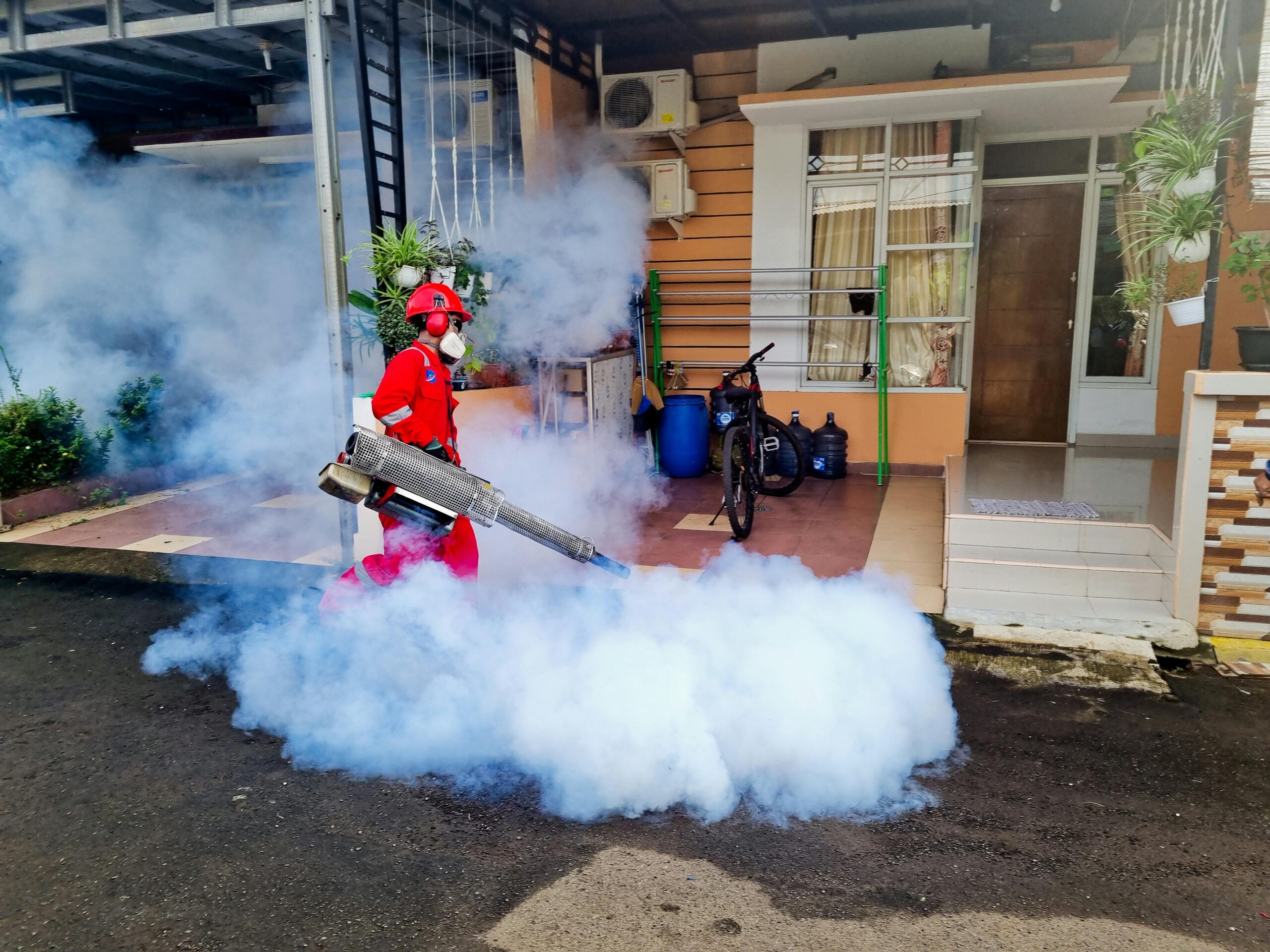
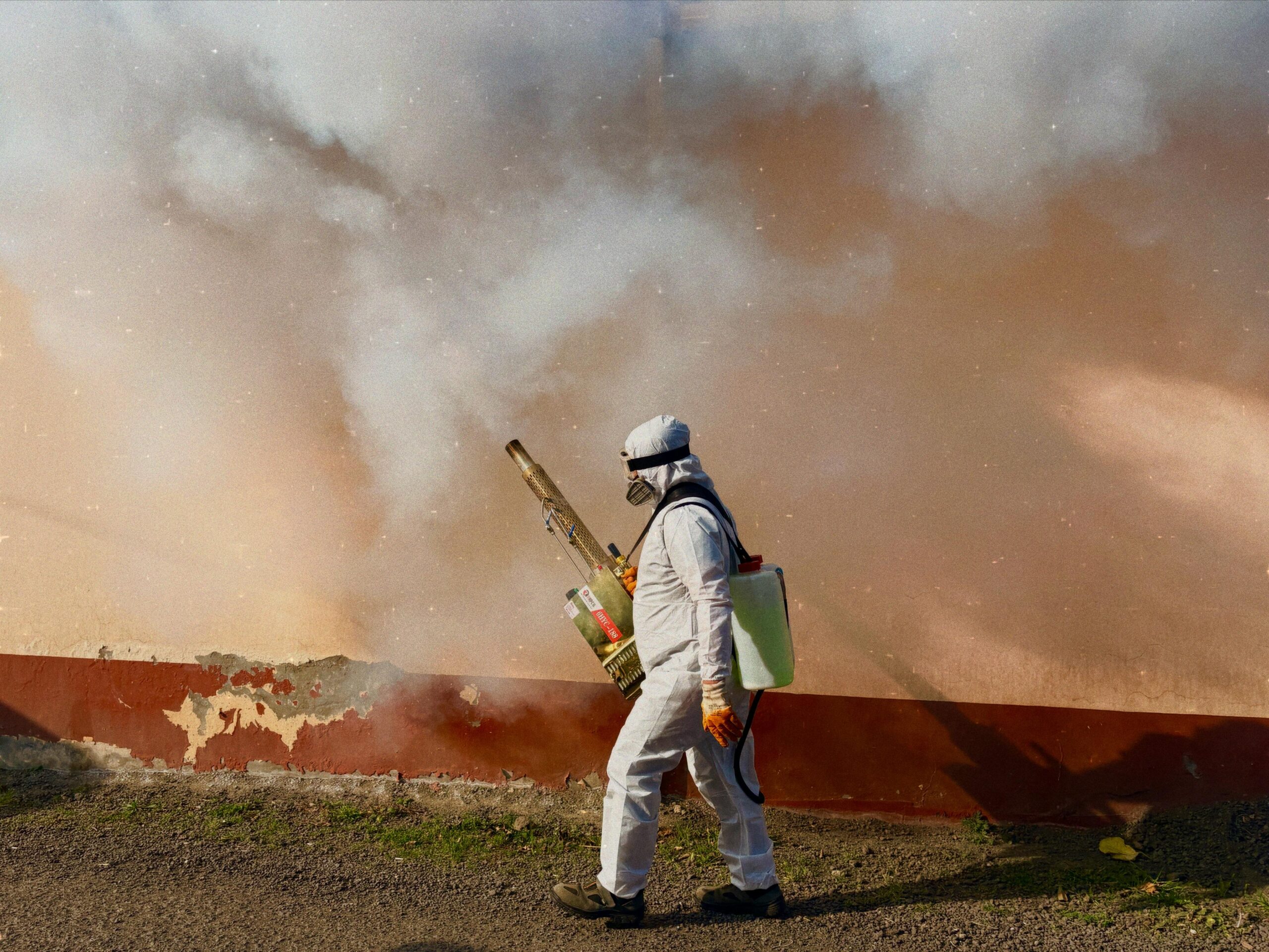
Licensed technicians bring a toolbox that most homeowners don’t have. Exterior fumigation with low‑volume smoke machines creates a protective barrier around the home, while interior residual applications of EPA‑registered insecticides coat walls, ceilings, and window frames for weeks or months. Barrier treatments around doors, vents, and utility entries prevent flies from entering in the first place, and follow‑up monitoring ensures any new activity is caught early.
Safety Advantages of a Licensed Technician
Professional pest control companies, like Anthem Pest Control, follow strict safety protocols. Technicians wear appropriate personal protective equipment (PPE), use calibrated applicators, and select products that meet EPA registration standards. This reduces the risk of accidental exposure for you, your children, and pets—something DIY sprays can’t guarantee.
How Professionals Target Hidden Breeding Sites
Flies love warm, moist places to lay eggs: behind appliances, in pet waste areas, or inside clogged drains. A trained pest specialist conducts a thorough inspection, identifies these concealed sites, and treats them directly with residual formulations or targeted baits. By eliminating the breeding grounds, the treatment delivers lasting control rather than a temporary reduction in adult flies.
Guidelines You Can Trust
The Environmental Protection Agency (EPA) requires that all commercial insecticides used in homes meet rigorous efficacy and safety standards. Likewise, the Centers for Disease Control and Prevention (CDC) recommends integrated pest management (IPM) practices—combining sanitation, physical barriers, and chemical controls—to keep fly populations below disease‑transmitting levels. When a professional follows these guidelines, you benefit from a scientifically backed, sustainable approach.
Pricing Comparison for House Fly Control Services
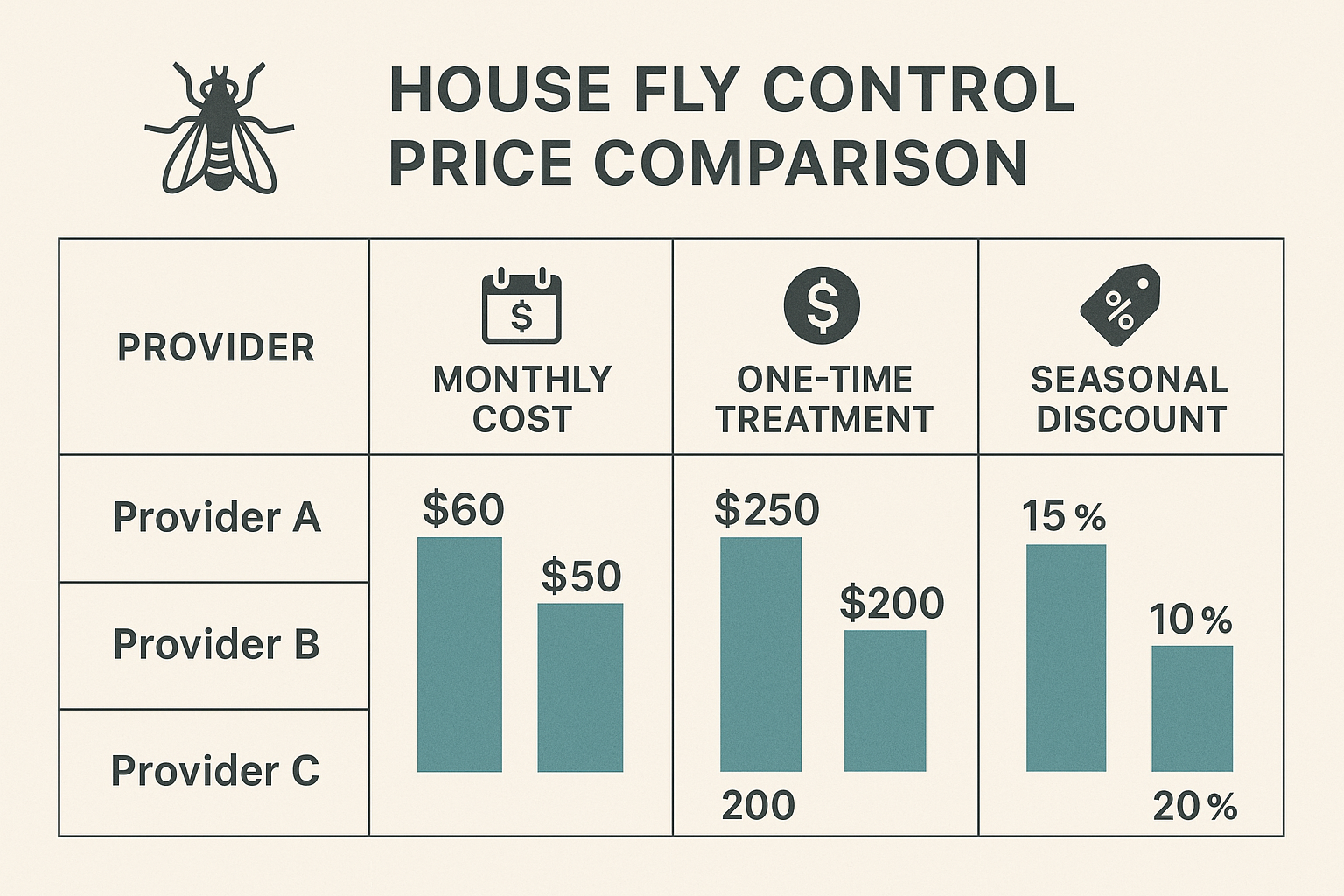
When it comes to protecting your home from house flies, understanding the cost structure is just as important as the treatment itself. For homeowners seeking house fly control Druid Hills, most local pest control companies offer two primary billing models: a recurring monthly service plan or a one-time treatment. Monthly plans typically range from $30 to $55 per month and include regular inspections, preventative applications, and at least one follow-up visit each season. One-time treatments, on the other hand, start around $120 for a single application and may require additional visits if the infestation persists.
Monthly Service Plans vs. One‑Time Treatments
Monthly plans spread the expense over the year, making budgeting easier and ensuring continuous protection. They are ideal for larger properties or homeowners who prefer a “set‑and‑forget” approach. One‑time treatments are best for minor, isolated infestations where a quick knock‑down is sufficient, but they often lack the ongoing monitoring that prevents re‑infestations.
Seasonal Discounts and What They Cover
Many providers roll out “peak‑season” discounts during the summer months when house flies are most active. These packages usually bundle a pre‑season inspection, two to three treatment applications, and a warranty extension for the duration of the season. Discounts can shave 10‑15% off the regular price, but it’s crucial to verify exactly what’s included—some offers exclude follow‑up visits or only cover the first 2,000 sq ft of your home.
Key Factors That Influence Pricing
- Property size: Larger square footage requires more product and labor, driving up the cost per visit.
- Infestation severity: Heavy infestations may need extra treatments or stronger formulations.
- Treatment type: Organic, low‑toxicity options often carry a premium compared to traditional chemical sprays.
- Warranty length: Extended warranties that guarantee fly‑free results for 12 months or more add to the overall price.
Why Anthem’s Pricing Stands Out
Anthem Pest Control prides itself on a transparent pricing model—no hidden fees, no surprise add‑ons. Their standard monthly plan is a flat $42 per month for homes up to 2,500 sq ft, covering three treatments, two follow‑up visits, and a 30‑day satisfaction guarantee. If the flies return within the guarantee period, Anthem will re‑treat at no extra charge, giving homeowners real peace of mind.
Quick Tip for Homeowners
When comparing quotes, calculate the cost per square foot and note how many follow‑up visits are included. A lower hourly rate can be misleading if it excludes essential post‑treatment checks. By focusing on value—not just price—you’ll choose a service that truly protects your home year‑round.
Take Action to Keep Your Home Fly‑Free
House flies are more than an annoyance; they can spread bacteria like E. coli and Salmonella, turning a summer barbecue into a health hazard. Throughout the warm months, especially July and August, fly populations surge, and the warning signs—persistent buzzing, clusters near trash, and visible fly larvae—signal that an infestation is taking hold.
Why Professional Treatment Beats DIY
DIY sprays may knock a few flies down, but they rarely address the root cause—breeding sites and attractants. A licensed technician from Anthem Pest Control conducts a thorough inspection, identifies hidden entry points, and applies targeted, EPA‑approved products that work faster and last longer. During peak summer, when flies reproduce every 24‑48 hours, a swift, professional response prevents exponential growth that a household spray simply cannot contain.
Key Takeaways
- Health risks: flies can transmit food‑borne illnesses and aggravate allergies.
- Seasonal peaks: expect the highest activity in late spring through mid‑summer.
- Warning signs: increased fly activity around doors, windows, garbage, and pet waste.
- Professional edge: precise identification, safe chemicals, and a follow‑up plan that eliminates re‑infestation.
Choosing Anthem means you get a partner who understands Druid Hills’ climate, local fly behavior, and the most effective control methods. Our technicians are trained to protect your family while minimizing environmental impact, and we back every service with transparent pricing—no hidden fees, no surprise contracts.
Ready for a Hassle‑Free Solution?
Take the first step toward a fly‑free home today. Call us at 877‑371‑8196 for a free, no‑obligation quote. Our friendly experts will walk you through the process, answer any questions, and schedule a treatment at a time that fits your busy life.
We’re here to make your home comfortable again—quickly, safely, and affordably. For reliable house fly control Druid Hills, visit Anthem Pest Control to learn more and book your appointment now.