Why Mosquitoes Are a Growing Threat to Your Home
When the summer heat settles over Druid Hills, the familiar high-pitched buzz can feel like a harmless backdrop—until it turns into a health alarm and homeowners realize the need for emergency mosquito control Druid Hills residents can rely on. Mosquitoes are no longer just a nuisance; they’re a vector for serious illnesses that can affect anyone in your household. Understanding the scope of the problem is the first step toward protecting your family and your peace of mind.

Mosquito‑borne diseases on the rise
The Centers for Disease Control and Prevention (CDC) reports that mosquito‑transmitted illnesses have surged in the United States over the past decade. West Nile virus accounted for more than 2,000 cases in 2022, while Zika, dengue, and chikungunya continue to appear in sporadic outbreaks. Even though severe outcomes are relatively rare, the risk of fever, joint pain, neurological complications, or pregnancy‑related birth defects makes every bite a potential health concern.
How common are mosquitoes in U.S. neighborhoods?
Recent CDC surveillance indicates that more than 70 % of U.S. residential areas report detectable mosquito activity during peak season. In the Southeast, where warm, humid conditions prevail, the prevalence can climb to 90 % of households experiencing regular bites. This isn’t a fleeting inconvenience—it’s a statistically backed threat that follows the climate patterns of Druid Hills.
Spotting the signs in your yard
- Buzzing sound: A constant, low‑frequency hum near seating areas usually signals a nearby swarm.
- Unexplained bites: Red, itchy welts appearing after evenings on the porch or around the pool are classic mosquito footprints.
- Visible larvae: Small, wiggling creatures in stagnant water—often mistaken for “water bugs”—are mosquito larvae ready to emerge as adults.
Backyard water features – a perfect breeding ground
Any container that holds water for longer than 48 hours becomes a potential nursery. Common culprits include:
- Pet water bowls left outdoors
- Uncovered rain barrels or buckets
- Gutter clogs that create standing puddles
- Above‑ground pools with untreated water
Even decorative fountains can harbor larvae if the water isn’t circulating or treated regularly. The more water you have, the more “real estate” mosquitoes have to lay eggs, and the faster the population explodes.
Quick self‑check checklist for homeowners
- Walk around your property after sunset; listen for a persistent buzz.
- Inspect all containers, planters, and toys for standing water—empty or treat them.
- Check gutters and downspouts for clogs; clear debris that creates puddles.
- Examine pool edges, bird baths, and fountains for larvae; skim and treat as needed.
- Look for bite marks on family members, especially after outdoor evenings.
- Note any recent wildlife activity (birds, raccoons) that may have introduced additional water sources.
If you tick any of these boxes, it’s time to act. Prompt identification and removal of breeding sites, combined with professional mosquito control, can dramatically lower the risk of disease transmission and restore comfort to your home.
Identifying and Eliminating Mosquito Breeding Hotspots
Mosquitoes can turn a pleasant evening on your Druid Hills porch into an endless battle of swats and bites, often signaling the need for emergency mosquito control Druid Hills homeowners can act on quickly. The most reliable way to keep them at bay is to remove the places where they lay their eggs. This “source-reduction” step is the first line of defense and dramatically reduces the need for chemical treatments later on.
Typical breeding sites around a Georgia home
- Birdbaths and pet water dishes – shallow water that isn’t changed weekly.
- Plant saucers and decorative pots – water that collects after rain or watering.
- Clogged gutters and downspouts – standing water can linger for days.
- Tarps, pool covers, and tarpaulin sheets – especially if they are folded or sagging.
- Rain barrels and cisterns – if not fitted with fine mesh screens.
- Unused swimming pools or hot tubs – even a small puddle in the liner is enough.
- Construction debris – buckets, wheelbarrows, or cement mixers left outdoors.
Seasonal considerations for Georgia
Georgia’s humid subtropical climate means mosquito activity can start as early as March and persist through November. According to NPMA Pest World, the peak breeding period aligns with the rainy season (April‑June) and the hot, humid months of July‑September. During these windows, standing water evaporates more slowly, giving mosquito larvae ample time to develop. Homeowners should therefore intensify inspections and source‑reduction efforts in late spring and midsummer.
Practical steps to eliminate each source
- Birdbaths & pet dishes: Empty and scrub with a diluted bleach solution (1 part bleach to 9 parts water) at least once a week. Refill with fresh water daily during peak season.
- Plant saucers: Elevate pots on pot feet or use a tray that can be emptied after watering. If water must sit, add a few drops of a low‑toxicity larvicide approved for ornamental use.
- Clogged drains: Clear debris with a plumber’s snake or a high‑pressure hose. Follow up with a bacterial larvicide that breaks down organic matter and prevents mosquito growth.
- Tarps & covers: Spread them flat when not in use. If they must be stored, roll them up and keep them off the ground to avoid puddles.
- Rain barrels: Install a fine mesh screen (½ mm) over the inlet and overflow. Empty the barrel at least once a month and scrub the interior to remove algae.
- Unused pools: Drain completely, scrub surfaces, and cover with a tight‑fitting, water‑tight tarp that does not collect rain.
- Construction debris: Store buckets and mixers upside‑down or under a roof. Empty any water that accumulates before it can become a breeding site.
Landscaping adjustments that keep water from pooling
- Proper grading: Ensure the ground slopes at least 2% away from the house foundation so rain runs off rather than collects.
- Sand‑based soil amendments: Mix coarse sand into garden beds to improve drainage and prevent soggy pockets.
- Strategic plant placement: Avoid low‑lying shrubs that trap moisture. Choose native, drought‑tolerant species that require less irrigation.
- Mulch selection: Use coarse bark or rubber mulch instead of fine wood chips, which hold moisture longer.
- Regular pruning: Trim dense foliage to increase air circulation, allowing the soil to dry faster after rain.
By systematically locating and treating these hotspots, you cut the mosquito life cycle short before it even begins. Remember, a dry yard is a mosquito‑free yard—so make source‑reduction your habit, not just an occasional task.
Professional Mosquito Control Methods That Work

Adulticide Misting: Targeting Flying Mosquitoes
Adulticide misting is the frontline defense against the buzzing adults that bite you on your porch or in your yard. A certified technician loads a calibrated mist blower with EPA‑registered adulticide, then drives low and steady through the treatment zone. The fine mist creates a temporary “invisible barrier” that coats the wings and bodies of mosquitoes in flight, knocking them out within minutes. Safety protocols are strict: technicians wear protective gear, set the nozzle to a low‑droplet size to minimize drift, and avoid direct contact with people, pets, and food‑prep areas. A typical residential mist covers 1,500 – 2,000 sq ft, enough to protect a standard home lot and surrounding landscaping.
Larvicidal Treatments for Standing Water
When you have ornamental ponds, birdbaths, or rain barrels that can’t be drained, larvicides are the most effective way to stop mosquitoes at the source. Products such as Bti (Bacillus thuringiensis israelensis) and methoprene are microbial or growth‑regulator agents that specifically target mosquito larvae while leaving fish, amphibians, and beneficial insects unharmed. All larvicides used by Anthem Pest are listed on the EPA Mosquito Control registry, guaranteeing they meet federal safety standards. Technicians apply the larvicide directly to the water surface, where it remains active for 30‑90 days, providing continuous protection without the need for repeated applications.
Integrated Pest Management (IPM) – A Holistic Strategy
IPM blends chemical tools with non‑chemical tactics to keep mosquito populations below nuisance levels year after year. First, a thorough inspection identifies breeding hotspots—stagnant water, clogged gutters, overgrown vegetation. Source reduction removes or treats these habitats. Next, barrier sprays of residual adulticide are applied to high‑traffic zones such as decks, fences, and shaded walkways, creating a protective perimeter. Finally, ongoing monitoring with traps and visual checks lets the technician adjust the treatment plan as mosquito activity rises or falls. This layered approach maximizes effectiveness while minimizing chemical use, aligning with Anthem’s commitment to safe, responsible pest control.
Treatment Frequency and Timing
Mosquito activity in Druid Hills peaks from late May through early September, which is when emergency mosquito control Druid Hills services are most commonly needed. During this window, Anthem recommends weekly adulticide misting and bi-weekly larvicide checks to stay ahead of rapid breeding cycles. Outside the peak season, a monthly “maintenance” spray keeps any stray adults from establishing new colonies, especially after heavy rains that create temporary pools. Timing matters because mosquito larvae develop in as little as five days under warm conditions; missing a treatment window can allow a small population to explode. Consistent scheduling also ensures that residual chemicals remain at label-specified potency throughout the season.
Certified Technicians: Safety First for Your Family and Pets
All Anthem Pest technicians hold state‑issued pesticide applicator licenses and complete annual training on the latest EPA‑approved products. They use calibrated equipment to deliver the exact amount of chemical required for your property, reducing waste and exposure risk. Before any spray, the technician conducts a walkthrough to identify sensitive areas—children’s play zones, pet‑friendly gardens, and indoor air intakes—and adjusts the application method accordingly. After treatment, they provide clear post‑application instructions, such as keeping pets indoors for 30 minutes and avoiding direct contact with treated surfaces for a short period. This diligent oversight ensures you receive effective mosquito control without compromising the health of your loved ones.
Choosing the Right Service Package and Timing Your Treatment
When mosquitoes start buzzing louder than a summer soundtrack, the first question most homeowners ask is, “Which service should I buy and when should I schedule it?”—often in response to a sudden need for emergency mosquito control Druid Hills residents experience during peak season. The answer hinges on two factors: the level of protection you need and the seasonal window when mosquitoes are most active in Druid Hills. Below we break down the three typical Anthem Pest Control packages, show you a quick visual of price ranges, and map out the ideal treatment calendar for Georgia.
Three Service Packages at a Glance
- Standard – Ideal for smaller yards or tight budgets. Includes an initial inspection, one barrier spray per season, a single larvicide application, and one follow‑up visit to verify coverage.
- Premium – The most popular choice for average‑sized properties. Adds a second barrier spray, quarterly larvicide treatments, and two follow‑up visits to address any hot spots that appear after rain or heavy use.
- Ultra – Designed for large estates, high‑risk locations (near wetlands or standing water), or families who want the peace of mind of year‑round protection. Provides an initial inspection, monthly barrier sprays, continuous larvicide monitoring, and unlimited follow‑up visits throughout the season.
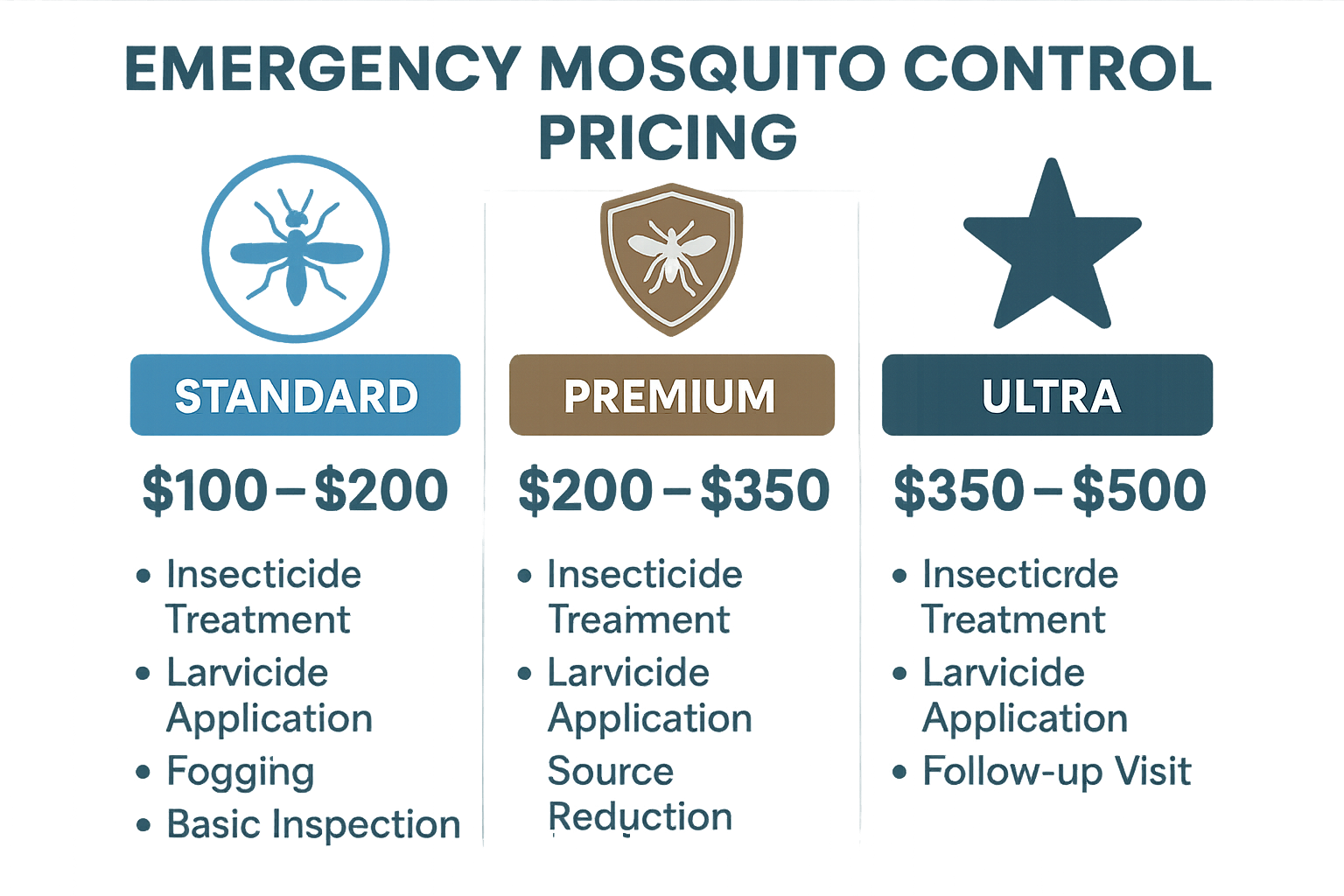
The infographic above illustrates the typical cost brackets you’ll see in Druid Hills: Standard packages hover around $120‑$180 per season, Premium moves to $220‑$300, and Ultra ranges from $380‑$480. While the numbers differ, each tier offers transparent, itemized services so you know exactly where your dollars are going.
Seasonal Mosquito Activity in Georgia
| Month | Avg. Temp (°F) | Activity Level | Optimal Treatment Window |
|---|---|---|---|
| March | 58 | Low | Early March – Pre‑season inspection |
| April | 66 | Moderate | Mid‑April – First barrier spray |
| May | 73 | High | Late May – Larvicide boost |
| June | 80 | Peak | Early June – Second barrier spray |
| July | 84 | Peak | Mid‑July – Follow‑up visit |
| August | 82 | High | Late August – Reinforce barrier |
| September | 75 | Moderate | Early September – Final larvicide |
| October | 66 | Low | Mid‑October – End‑of‑season wrap‑up |
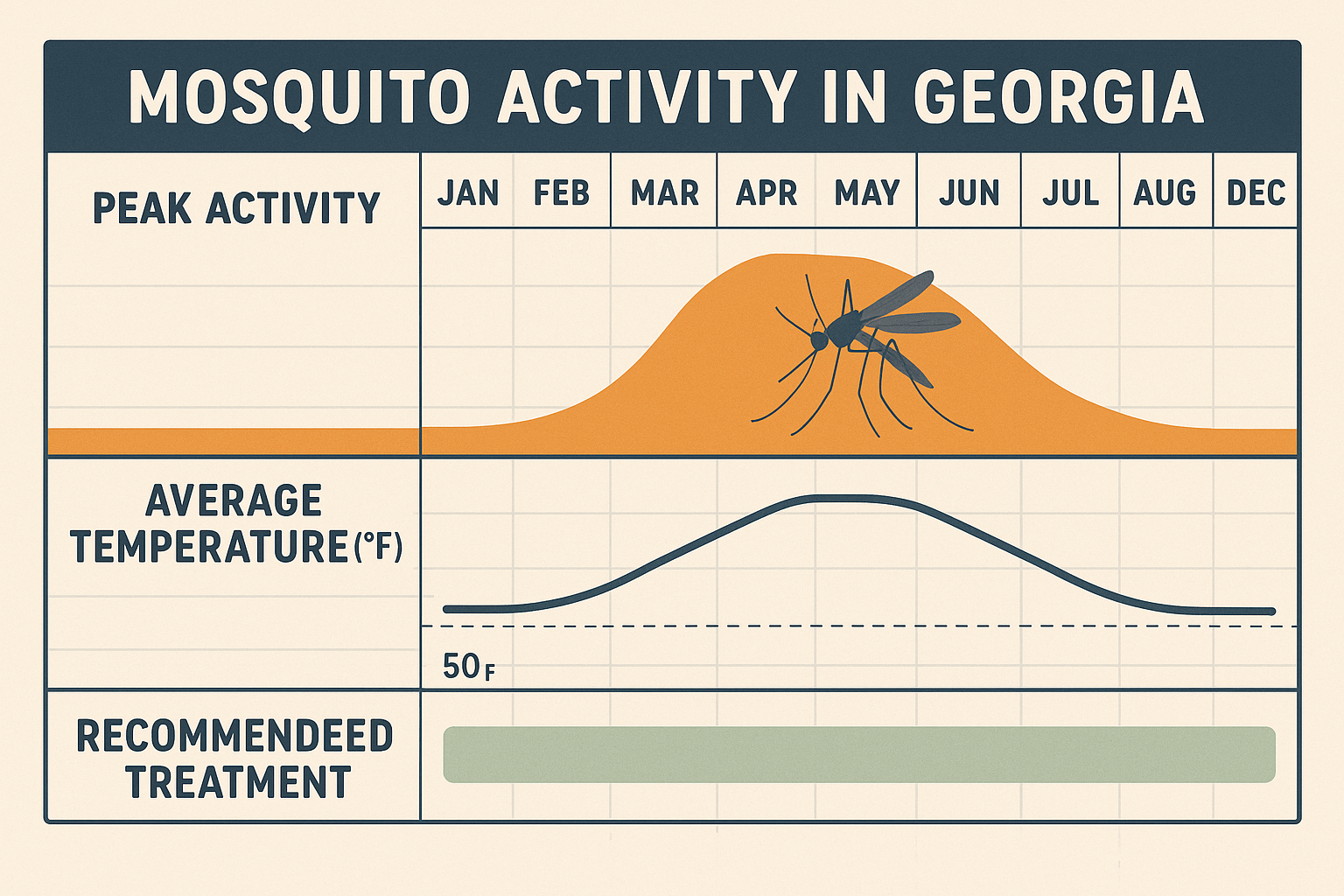
Georgia’s warm, humid climate means mosquitoes can start breeding as soon as the soil thaws. The chart makes it clear: the sweet spot for a first barrier spray is mid‑April, while a second application in early June catches the peak activity before the rains intensify. If you opt for the Ultra package, you’ll enjoy monthly touches that keep the population suppressed throughout the entire high‑risk period.
How to Pick the Right Package for Your Home
Start by measuring three variables: property size, budget, and risk level (proximity to water features, dense foliage, or frequent outdoor gatherings).
- Small yard (under 2,000 sq ft) – Standard is usually enough, especially if you’re comfortable removing standing water yourself.
- Medium yard (2,000‑5,000 sq ft) with a pool or garden – Premium adds the extra spray and larvicide rounds that keep water‑rich zones under control.
- Large estate (over 5,000 sq ft) or high‑risk property – Ultra guarantees monthly barrier coverage, continuous larvicide, and unlimited follow‑ups, which is crucial for sprawling lawns, multiple patios, or nearby wetlands.
Don’t forget to align the package with the seasonal calendar. A Standard plan purchased in early March still gives you a pre‑season inspection, but you’ll miss the second barrier spray that many Premium customers rely on in June. Conversely, if you’re on a tight budget, you can start with Standard and upgrade to Premium mid‑season once you see the first wave of mosquitoes.
Transparency Matters: Pricing and Service Agreements
At Anthem Pest Control we believe a homeowner should never be surprised by a hidden fee. Every package comes with a written service agreement that outlines:
- Exact cost per visit and total seasonal price.
- Scope of work (inspection, spray type, larvicide brand, number of follow‑ups).
- Cancellation policy and warranty details.
- Safety certifications for the products we apply.
Ask for the agreement before signing, compare it side‑by‑side with the pricing infographic, and you’ll have a clear picture of the value each tier delivers. When you know exactly what you’re paying for, you can focus on the real goal: a mosquito‑free backyard where your family can relax without swatting.
Protect Your Home Today with Anthem Pest Control
Early detection, source reduction, and professional treatment are the three pillars that keep mosquitoes from turning your backyard into a buzzing nightmare. When you spot standing water or notice an uptick in bites, acting fast stops the breeding cycle before it explodes. That proactive mindset is the first line of defense for any Druid Hills homeowner.
Anthem Pest Control brings nationwide expertise to that frontline, delivering safe, EPA‑approved mosquito management that works in every climate zone. Our licensed technicians follow a proven protocol: identify breeding hotspots, apply targeted larvicides, and finish with adulticide treatments that protect you for weeks. The result is a consistently low mosquito count without compromising family or pet safety.
In Druid Hills, the humid spring rains create perfect breeding grounds in flower pots, birdbaths, and even clogged gutters. Simple source‑reduction steps—emptying standing water every 48 hours, trimming overgrown vegetation, and installing fine‑mesh screens on decks—cut the mosquito life cycle by up to 80 %. Pair those habits with professional treatments, and you create a barrier that mosquitoes struggle to cross.
What sets Anthem apart is a service model built around clarity and flexibility:
- Transparent, no‑hidden‑fee pricing that lets you see exactly what you’re paying for.
- Three customizable service tiers—from a single‑season boost to year‑round protection—so you only buy what you need.
- Only EPA‑approved, low‑toxicity products are used, guaranteeing effectiveness while safeguarding children and pets.
Customers across the country rate Anthem’s service highly, citing prompt arrival times, clear communication, and lasting results. With a satisfaction guarantee on every treatment, you can trust that the investment protects your home season after season.
Ready to enjoy a bite-free backyard? Call Anthem Pest Control at 877-371-8196 for a free, no-obligation quote or schedule an on-site inspection today. If you’re dealing with a sudden surge in bites, our team specializes in emergency mosquito control Druid Hills homeowners can trust. We’ll assess your property, recommend the ideal service tier, and implement a tailored mosquito control plan that protects your family and your peace of mind. Visit Anthem Pest Control to learn more and book your service.