Recognizing Crickets and Their Impact in Georgia Homes
When night falls over Sugar Hill, the rhythmic chirp of a house cricket often becomes the soundtrack of many homes—a sound that often prompts homeowners to research cricket control cost Sugar Hill services. While the sound may seem harmless, the insect behind it—the house cricket (Acheta domesticus)—can quickly become more than just a background noise.
What Does a House Cricket Look Like?
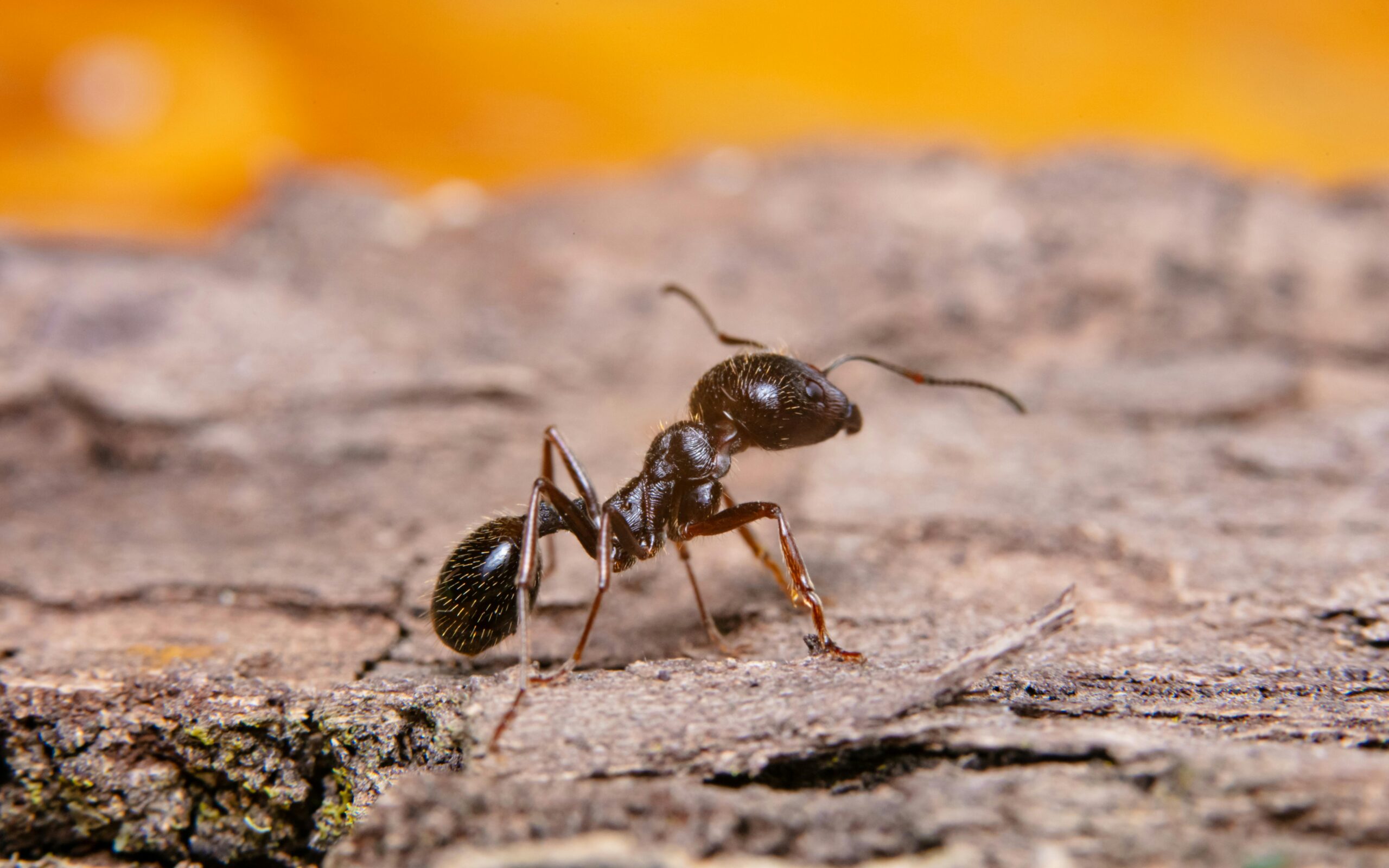
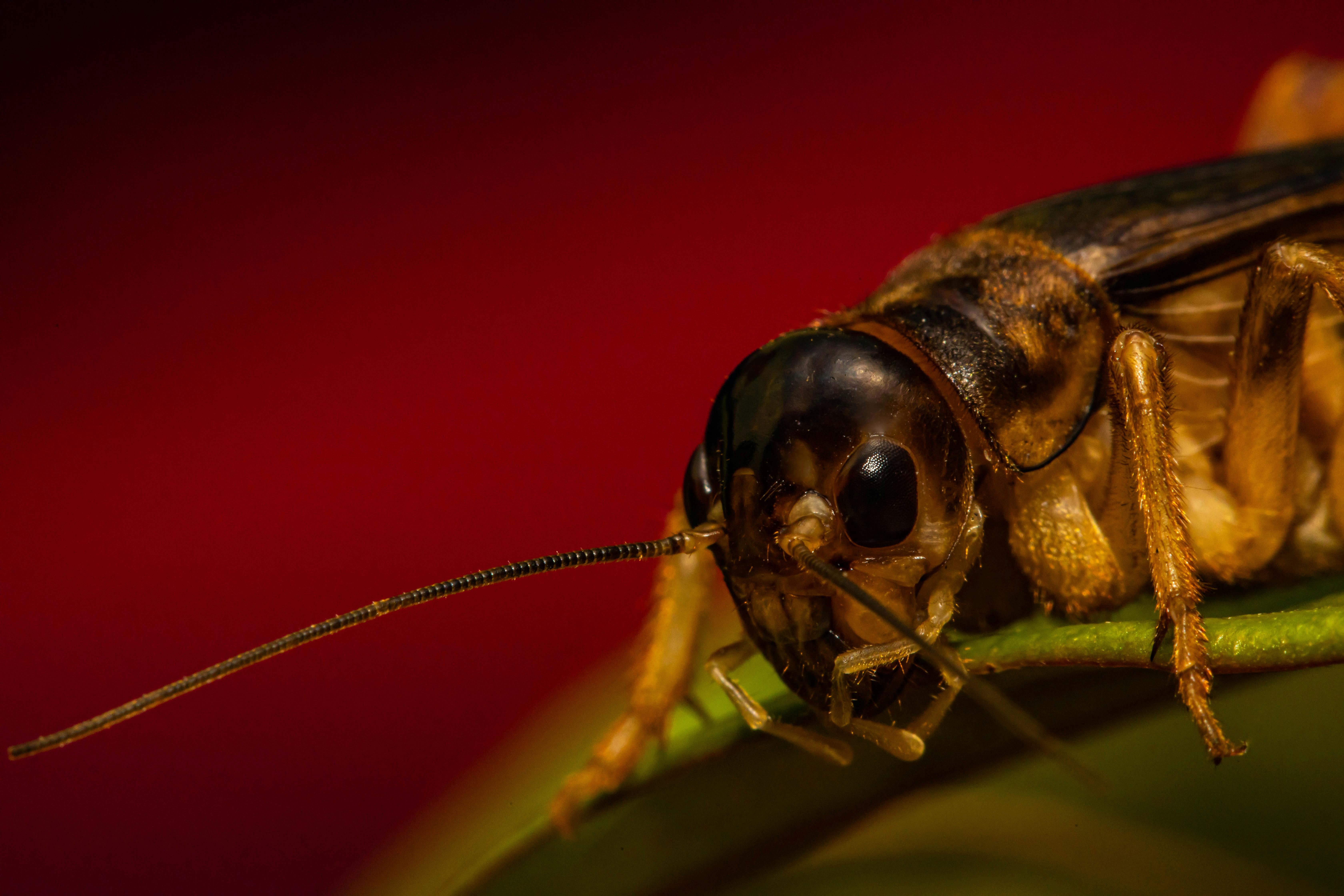
Adult house crickets are typically ½ to ¾ inch long, sporting a smooth, brown‑to‑gray exoskeleton that blends easily with wood, drywall, or garden debris. Their long antennae and powerful hind legs give them a distinctive silhouette, and the males produce the familiar high‑pitched trill by rubbing their wings together. A macro photograph, like the one above, highlights the fine texture of their wings and the subtle patterning that distinguishes them from other indoor insects.
Where Do They Hang Out?
Crickets are opportunistic explorers. Inside a Georgia home you’ll often find them:
- Lawns and gardens: Moist soil and low grass provide perfect daytime shelter.
- Basements and crawl spaces: Cool, damp environments mimic their natural habitat.
- Kitchens and pantries: Crumbs and stored grains attract hungry individuals.
- Attics and insulation: Warm, undisturbed spaces serve as night‑time roosts.
Signs of an Infestation
Even a handful of crickets can signal a growing problem. Keep an eye out for these tell‑tale signs:
- Persistent chirping after sunset, especially near walls or ceiling vents.
- Small, dark droppings resembling pepper grains scattered on countertops, floors, or pantry shelves.
- Visible damage to fabrics, upholstery, or stored food items—crickets will chew on soft fibers and gnaw at grain products.
- Increased sightings of live or dead crickets in unexpected places, such as bathroom cabinets or dryer lint traps.
Health and Structural Concerns
Beyond the annoyance of nightly chirps, crickets pose several risks:
- Allergens: Their shed exoskeletons and droppings can trigger respiratory irritation for sensitive occupants.
- Food contamination: Crickets may crawl through open food containers, leaving behind bacteria and waste that compromise food safety.
- Fabric wear: Repeated chewing can thin curtains, clothing, and upholstery, leading to premature replacement.
- Nuisance factor: A large chorus can disrupt sleep, increase stress, and diminish the overall comfort of your home.
Why Sugar Hill’s Climate Is a Cricket Magnet
Sugar Hill enjoys warm, humid summers and mild winters—conditions that mirror the cricket’s native environment. Temperatures consistently above 70 °F (21 °C) and humidity levels that linger around 60 % create an ideal breeding ground. During the peak months of June through August, a single female can lay up to 200 eggs, each hatching in just a few weeks. This rapid reproductive cycle, combined with abundant outdoor vegetation and frequent rainfall, means crickets can quickly move from the yard into the house.
Understanding these characteristics empowers homeowners to spot an invasion early and take decisive action before the chorus turns into a full‑blown infestation. If you suspect crickets have taken up residence, contacting a local expert—such as Anthem Pest Control—can help you protect both your family’s health and the integrity of your home.
Seasonal Cricket Activity in Georgia and Optimal Treatment Timing
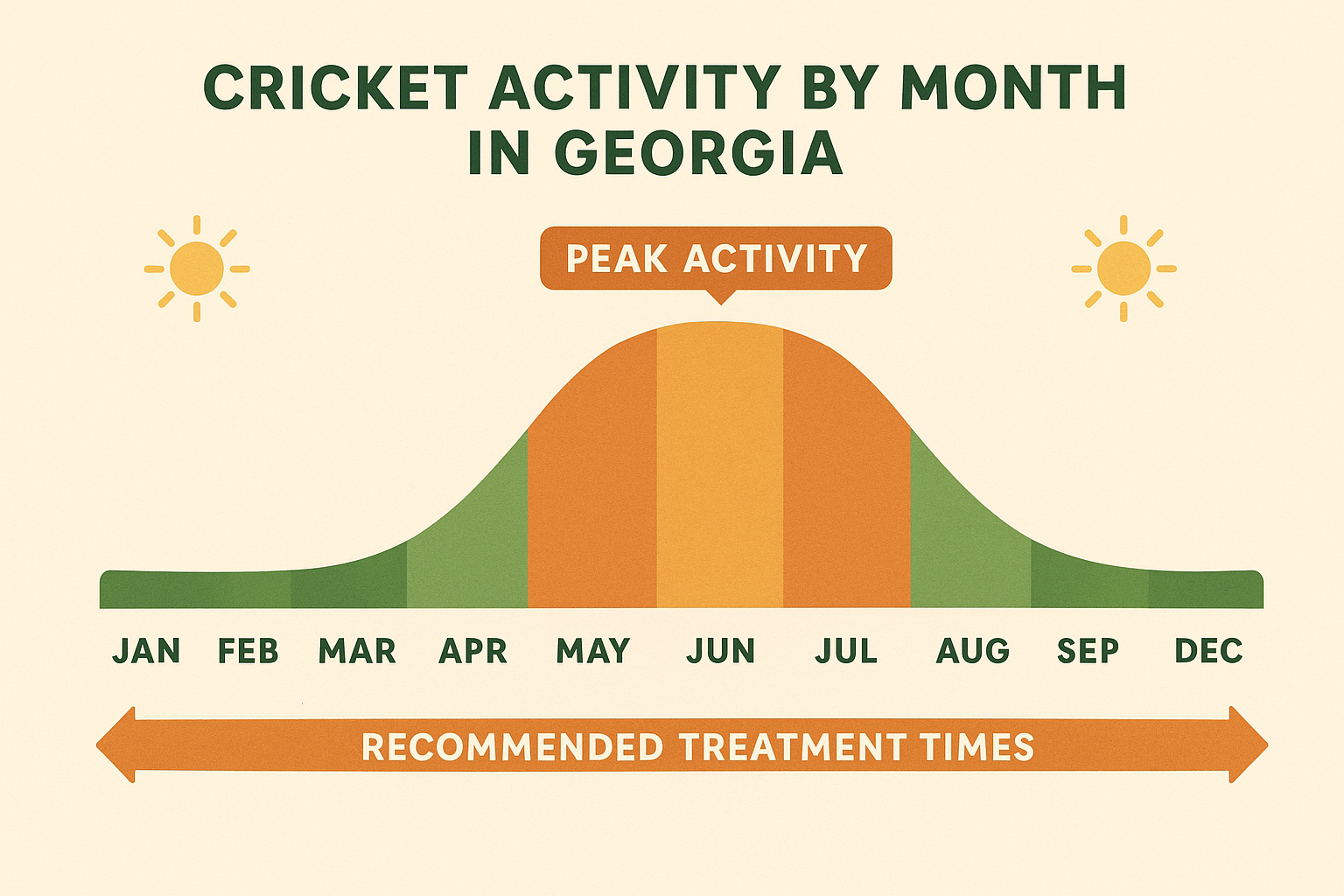
Georgia’s humid subtropical climate creates the perfect backdrop for crickets to thrive—a key reason cricket control cost Sugar Hill can fluctuate seasonally. Warm daytime highs accelerate their growth, while mild nights allow males to chirp loudly as they court females. As temperatures climb above 70°F (21°C), eggs hatch, nymphs emerge, and the population spikes. When the mercury drops below 55°F (13°C), development stalls and adults seek shelter, dramatically reducing visible activity.
Month‑by‑Month Cricket Activity
| Month | Activity Level | Notes |
|---|---|---|
| January | Low | Adults in overwintering sites; minimal chirping. |
| February | Low | Cold nights keep activity near zero. |
| March | Moderate | First warm spells trigger egg hatch; early nymphs appear. |
| April | Moderate | Population builds; chirping becomes audible at dusk. |
| May | High | Rapid growth; nymphs mature quickly. |
| June | High | Peak season begins; loud nightly choruses. |
| July | High | Maximum adult density; most homeowner complaints. |
| August | High | Late‑summer surge before temperatures dip. |
| September | Moderate | Cooling evenings reduce breeding activity. |
| October | Low | Adults seek shelter; chirping fades. |
| November | Low | Most crickets in diapause; only a few stray males. |
| December | Low | Winter dormancy dominates. |
Optimal Inspection and Treatment Windows
To stay ahead of the chorus, schedule a professional inspection in early spring (mid‑March to early April). This timing catches the first wave of nymphs before they explode into a full‑blown infestation. A follow‑up treatment in late May or early June targets the emerging adult population, reducing the June‑August peak dramatically. Finally, a post‑summer check in early September ensures any late‑season survivors are dealt with before they seek winter refuges.
How the Seasonal Chart Helps
The chart above visualizes the rise and fall of cricket activity, giving homeowners a clear roadmap. By aligning inspections with the low‑to‑moderate phases, you avoid unnecessary pesticide applications and focus effort when it matters most. The visual cue also assists in budgeting—treatments during the recommended windows typically cost less because fewer chemicals are needed to achieve control.
Quick‑Tip Checklist for Seasonal Monitoring
- Perform nightly chirp checks after sunset; a sudden increase signals the start of peak season.
- Remove leaf litter, tall grass, and wood debris where crickets hide.
- Trim shrubs and keep lawn edges tidy to eliminate shelter.
- Schedule a professional inspection in mid‑March and a follow‑up in early June.
- After August, sweep patios and porches to clear fallen insects that could attract predators.
Effective Cricket Control Methods for Homeowners
Chemical Treatments
Perimeter sprays create a protective moat around your home, targeting adult crickets as they approach from the yard. Indoor foggers disperse a fine mist that penetrates cracks, ceilings, and under appliances, killing both adults and hidden nymphs in a single application. Spot treatments—such as aerosol sprays or dusts—are ideal for high‑traffic areas like baseboards, window sills, and garage doors where crickets tend to congregate. When applied correctly, these chemicals interrupt the life cycle without the need for repeated dosing.
Bait Placement
Cricket baits contain slow‑acting insecticides that workers carry back to the nest, disrupting breeding before new hatchlings emerge. Granular baits work well in lawn borders, while bait stations are perfect for dark, moist spots like under decks or behind sheds. Place baits along fence lines, near entry points, and in garden beds where crickets feed. By reducing the reproductive pool, baits lower future populations more sustainably than spray‑only approaches.
Physical Barriers
Sealing cracks around foundations, windows, and utility openings removes the hidden highways crickets use to slip indoors. Install door sweeps on exterior doors and ensure garage doors seal tightly when closed. Repair or replace damaged screens on windows and porches; a fine mesh (no larger than 1 mm) blocks even the smallest nymphs. These mechanical defenses work year‑round and require only basic handyman tools.
Environmental Management
Maintaining a tidy lawn is one of the most effective preventive steps. Mow grass to a maximum height of 3 inches and trim vegetation away from the house foundation to eliminate shelter. Remove leaf piles, wood chips, and other debris that retain moisture—prime breeding grounds for crickets. Fix leaky gutters, downspouts, and irrigation lines, and ensure proper drainage to keep the soil around your home dry.
Professional Service Walkthrough
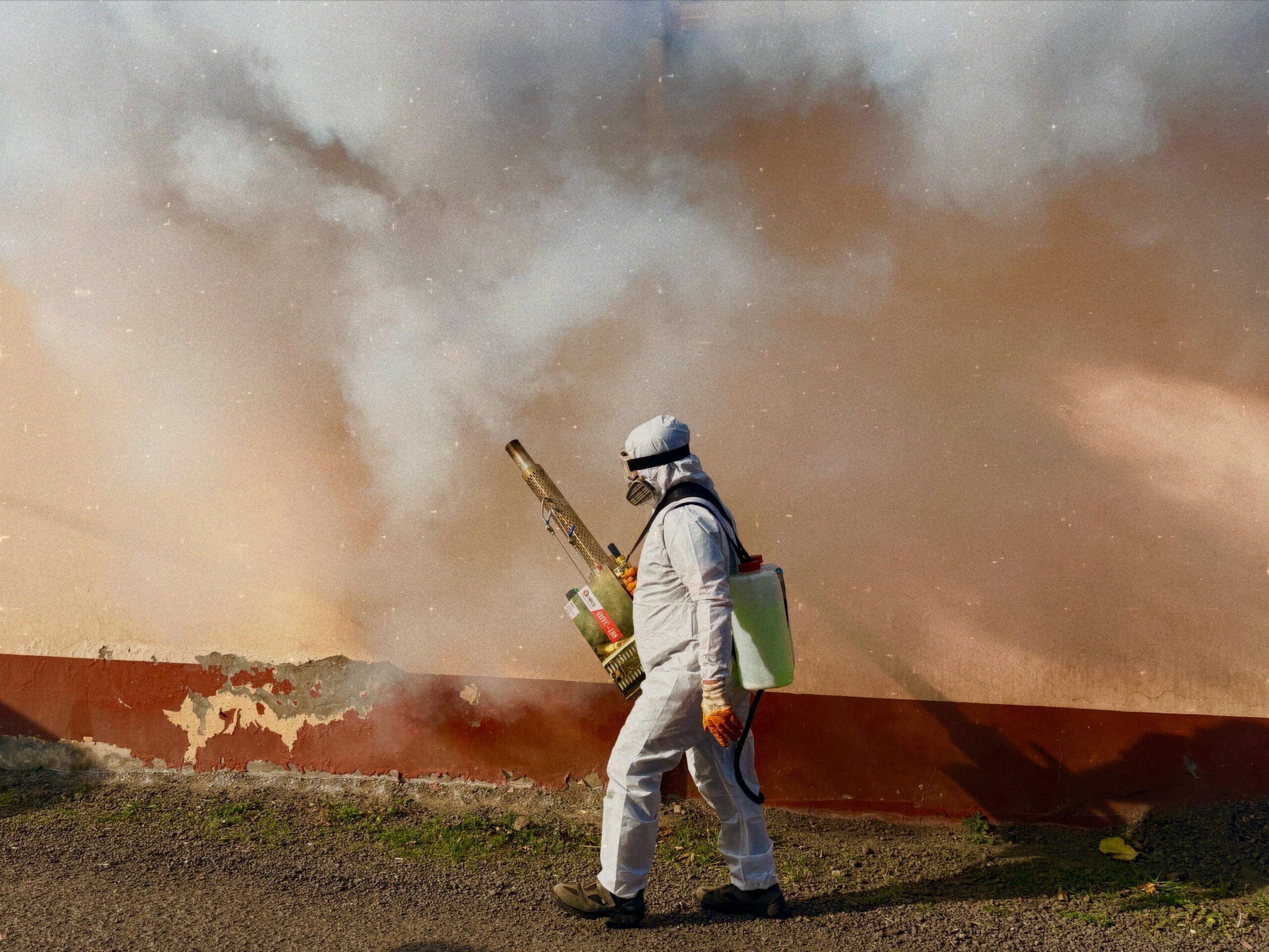
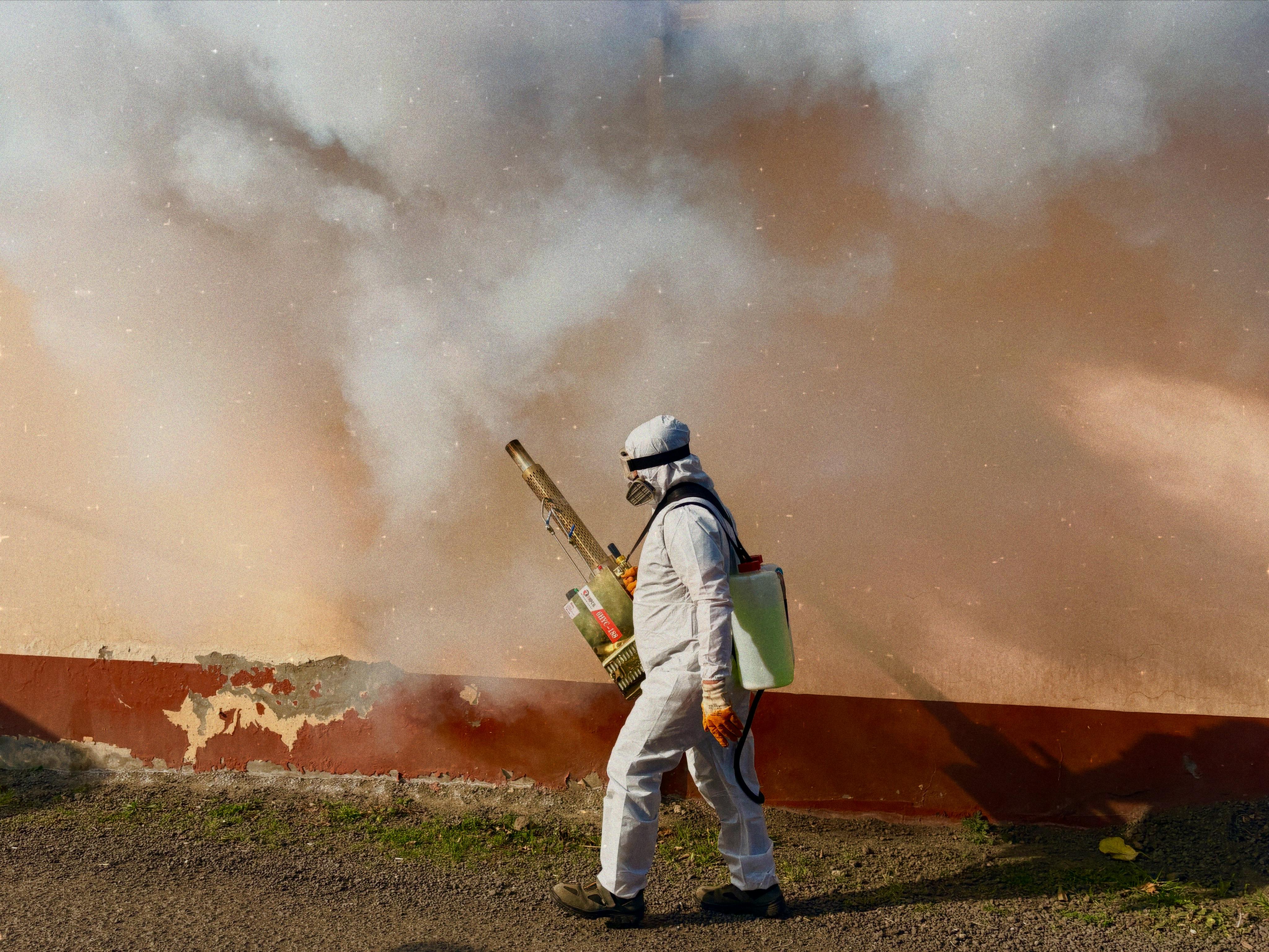
A licensed Anthem Pest technician begins with a thorough inspection, noting entry points, nesting sites, and the severity of the infestation. Based on that assessment, they design a customized treatment plan that may combine perimeter sprays, targeted fogger applications, and strategically placed baits. Technicians wear EPA‑approved protective gear, including respirators and gloves, to safeguard both themselves and your household. The result is a coordinated approach that maximizes efficacy while minimizing chemical exposure.
Safety Considerations for Families and Pets
When using chemical options, always follow label directions and keep children and pets out of treated zones until the product has dried—typically 2–4 hours for sprays and 24 hours for foggers. Store all pesticides in their original containers, locked away from reach. Opt for low‑toxicity formulations whenever possible, and consider professional application, which often uses products with reduced residual risk. Regular ventilation after indoor treatments further lowers inhalation hazards.
Understanding Cricket Control Costs in Sugar Hill, GA
When you call a pest-control professional, the first question on most homeowners’ minds is “how much will this cost?” In Sugar Hill, Georgia, cricket control cost Sugar Hill pricing follows a predictable structure, allowing you to compare quotes confidently and avoid surprise fees.
Breakdown of Service Fees
- Initial Inspection: A qualified technician evaluates the property, identifies cricket hotspots, and recommends a treatment plan. This step typically costs between $60 and $90.
- Chemical Treatment: Application of residual insecticides to walls, baseboards, and outdoor perimeters. Prices range from $120 to $180 per treatment, depending on the product strength and coverage area.
- Bait Placement: Targeted bait stations are positioned in high‑traffic zones. Expect $40‑$70 for a standard set of baits.
- Follow‑up Visits: Most companies include one or two post‑treatment checks to ensure crickets are gone. Each visit adds $45‑$65.
Price Ranges for Each Component in Sugar Hill
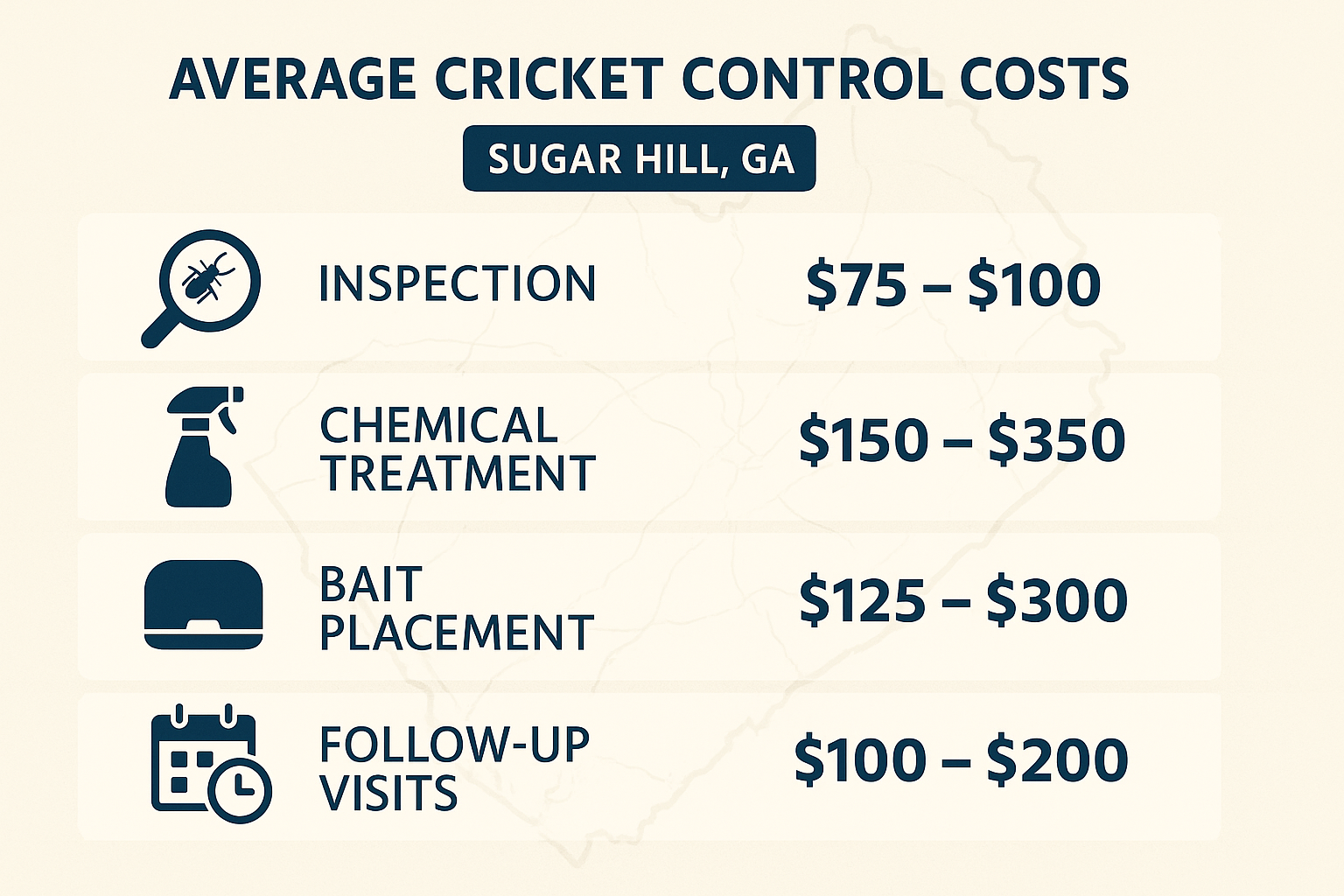
The infographic above visualizes typical costs. A full‑service package—inspection, one chemical treatment, bait placement, and a single follow‑up—usually falls between $260 and $350. Homeowners with larger yards or severe infestations may see totals upward of $450.
Factors Influencing the Final Quote
- Property Size: Bigger homes and extensive landscaping require more product and labor.
- Infestation Severity: A light presence may need only a single treatment, while heavy populations often demand multiple applications.
- Treatment Type: Eco‑friendly or low‑toxicity formulas can carry a premium.
- Frequency of Service: Annual contracts spread costs over the year, whereas one‑time visits concentrate the expense.
How Anthem Pest Control Aligns with the NPMA 2024 Price Survey
The National Pest Management Association’s 2024 price survey reports an average national cost of $312 for a complete cricket control program. Anthem Pest Control’s standard package in Sugar Hill averages $298, positioning us just below the industry mean while still delivering the same thorough inspection, treatment, and guarantee. This alignment demonstrates our commitment to transparent, market‑based pricing.
Tips for Homeowners to Get the Best Value
- Bundle cricket control with other seasonal services (e.g., mosquito or ant treatments) to unlock multi‑service discounts.
- Schedule treatments during the early summer months when crickets first emerge; many companies offer seasonal promotions.
- Ask for a written estimate that itemizes each component—this makes it easier to compare quotes side by side.
- Consider a maintenance plan that includes quarterly check‑ins; the per‑visit cost drops dramatically compared to ad‑hoc visits.
By understanding each cost element and how local market rates compare, you can make an informed decision that protects your home without breaking the bank.
Choosing a Professional Cricket Control Provider
Credentials You Can Trust
When you’re hunting for a cricket‑control partner, the first thing to verify is the company’s legal standing. In Georgia, a reputable provider will hold a valid state pest‑control license, carry general liability insurance, and often showcase industry certifications such as Integrated Pest Management (IPM) training. These credentials prove the technicians have met rigorous safety and competency standards, which protects both your home and your family.
Why a Thorough Inspection Matters
A quality service begins with a detailed on‑site inspection. The technician should walk through your property, identify cricket hotspots, and note any conditions—like excess moisture or outdoor lighting—that attract these noisy invaders. After the walkthrough, expect a written treatment plan that outlines the products, application methods, and a timeline. This document not only clarifies what will be done but also gives you a reference point for future maintenance.
Guarantees and Warranty Policies
Most professional pest‑control firms offer guarantees, but the specifics can vary widely. Look for a warranty that covers:
- Re‑treatment if crickets return within a set period (typically 30‑90 days).
- Protection of indoor and outdoor areas covered in the original plan.
- Clear exclusion clauses—so you know what isn’t covered, such as damage caused by structural issues.
A transparent warranty demonstrates confidence in the treatment’s effectiveness and reduces the risk of hidden costs later on.
Customer Reviews and Local Reputation
Cricket activity in Sugar Hill is shaped by the town’s humid climate, lush landscaping, and seasonal lighting. A company that understands these local nuances will tailor its approach accordingly. Scan online reviews on Google, Yelp, or the Better Business Bureau, and pay attention to comments about punctuality, professionalism, and follow‑up service. Homeowners who consistently recommend a provider are often the best indicator of reliability.
How Anthem Pest Control Meets the Standard
Anthem Pest Control checks every box on the checklist:
- Licensed technicians: All field staff hold Georgia’s pest‑control license and ongoing IPM certification.
- Transparent pricing: You receive a detailed, written estimate before any work begins, with no surprise fees.
- Local expertise: Our teams have years of experience handling Sugar Hill’s specific cricket pressures, from damp basements to well‑lit patios.
- Warranty coverage: We offer a 60‑day guarantee on cricket treatments, with free re‑application if the problem persists.
Frequently Asked Questions
- Will treatment affect my pets? Anthem uses EPA‑approved products applied in a way that minimizes exposure. Pets should be kept indoors for a short period—usually 30 minutes to an hour—after treatment.
- How long before I see results? Most homeowners notice a significant drop in cricket activity within 24‑48 hours. Full control typically stabilizes after the first week, depending on the infestation size.
- Do I need to prepare my home before the technician arrives? Clear the immediate treatment area of clutter, move outdoor furniture away from walls, and turn off any outdoor lights that attract crickets. Our technician will guide you through any additional steps.
- Can I schedule regular maintenance? Yes. Anthem offers quarterly or bi‑annual service plans that keep crickets and other seasonal pests at bay year‑round.
Take the Next Step to Protect Your Home from Crickets
Crickets become most noticeable from late summer to early fall, attracted to outdoor lights and moisture. You can identify them by their characteristic chirping and the small, winged insects that gather near windows, doors, and foundation cracks. Recognizing these signs early lets you prevent a noisy, uncomfortable night.
- Identification: Look for the rhythmic chirp and tiny, gray‑green insects near light sources.
- Seasonal risk: Activity peaks after hot days when humidity rises, especially around porch lights.
- Effective control: Seal entry points, reduce outdoor lighting, and apply targeted treatments around the perimeter.
A professional assessment goes beyond DIY fixes. Our technicians evaluate your home’s unique layout, locate hidden entryways, and design a customized treatment plan that targets crickets while protecting your family and pets.
We invite you to schedule a free inspection. During the visit, we’ll walk you through the recommended steps and provide a transparent cost estimate—no hidden fees, just clear expectations.
Our friendly technicians are ready to help you enjoy a quiet, cricket‑free home. With safe products and a clear plan, you’ll know exactly what to expect and how we’ll keep those chirps at bay.
Call us today at 877-371-8196 or visit Anthem Pest Control to arrange your free inspection and get a detailed quote on cricket control cost Sugar Hill.