Recognizing Centipedes and Their Hidden Hotspots
Centipedes are often misunderstood neighbors. In the wild they’re valuable predators, hunting insects like cockroaches, ants, and termites that can damage your home. When they wander indoors, however, they can become an unwelcome nuisance—especially in Sugar Hill, Georgia, where concerns about centipede control cost Sugar Hill often arise due to the climate creating perfect conditions for these fast-moving arthropods.
How to Identify the Common Sugar Hill Centipede
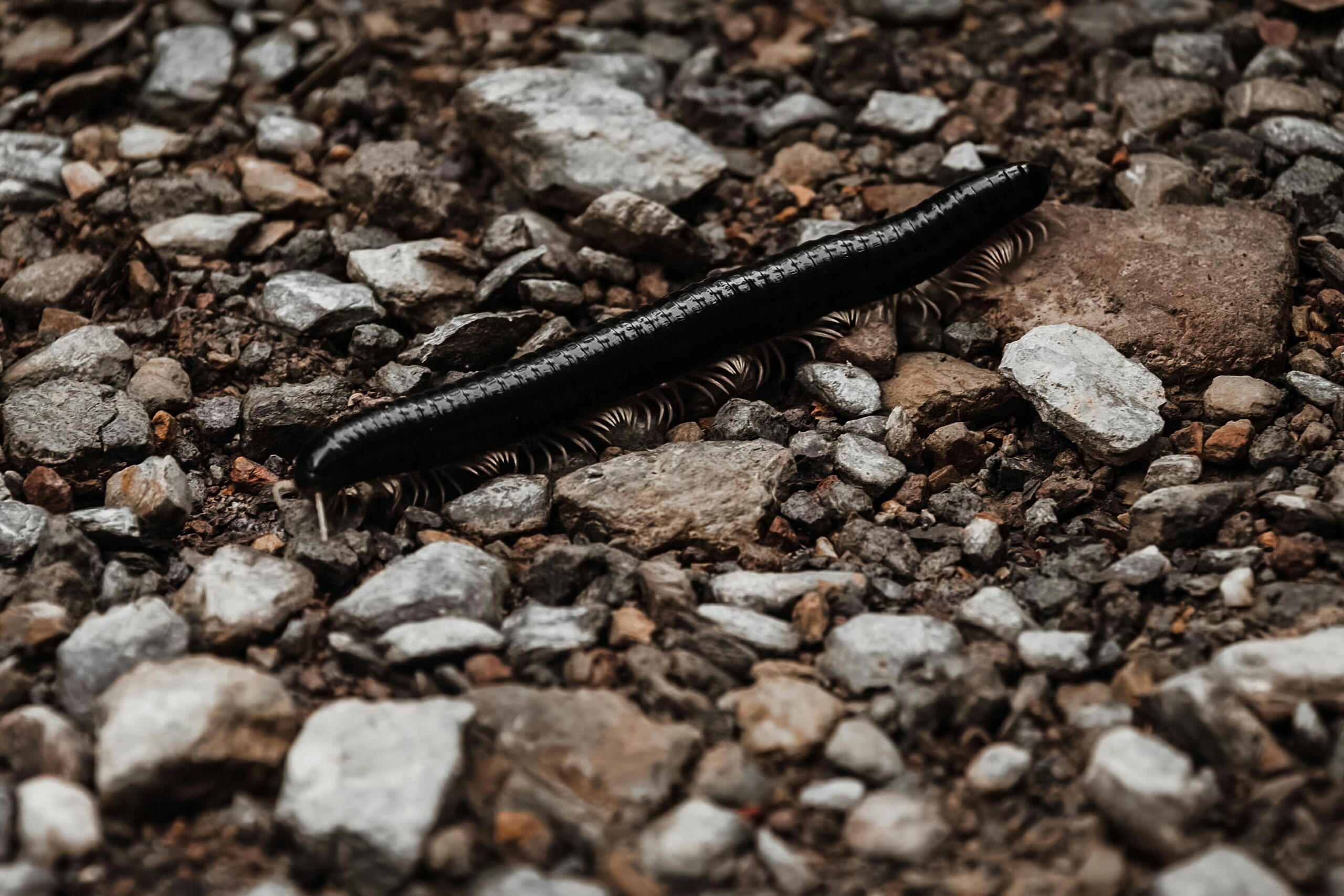
The centipedes you’ll most likely encounter here belong to the house centipede family (Scutigera coleoptrata). They’re instantly recognizable by a few key traits:
- Elongated, flattened body that tapers toward the tail.
- Numerous legs—typically 15 pairs, giving them a “spider‑like” silhouette.
- Coloration ranging from pale yellow to light brown, often with darker, mottled patterns on the dorsal side.
- Size usually between 1 and 3 inches when fully grown.
These insects move with a distinctive, rapid “scurrying” gait. If you see a long, multi‑legged creature darting across a wall or floor, you’ve likely spotted a house centipede.
Typical Entry Points and Preferred Habitats
Centipedes are expert hitchhikers. They slip through the tiniest cracks in foundations, gaps around utility lines, and even the small openings left by pipe penetrations. Once inside, they gravitate toward areas that stay damp and offer shelter:
- Cracks in the foundation or mortar joints.
- Utility openings such as electrical conduit, plumbing stacks, and HVAC ducts.
- Gaps around windows and doors, especially if weather‑stripping is worn.
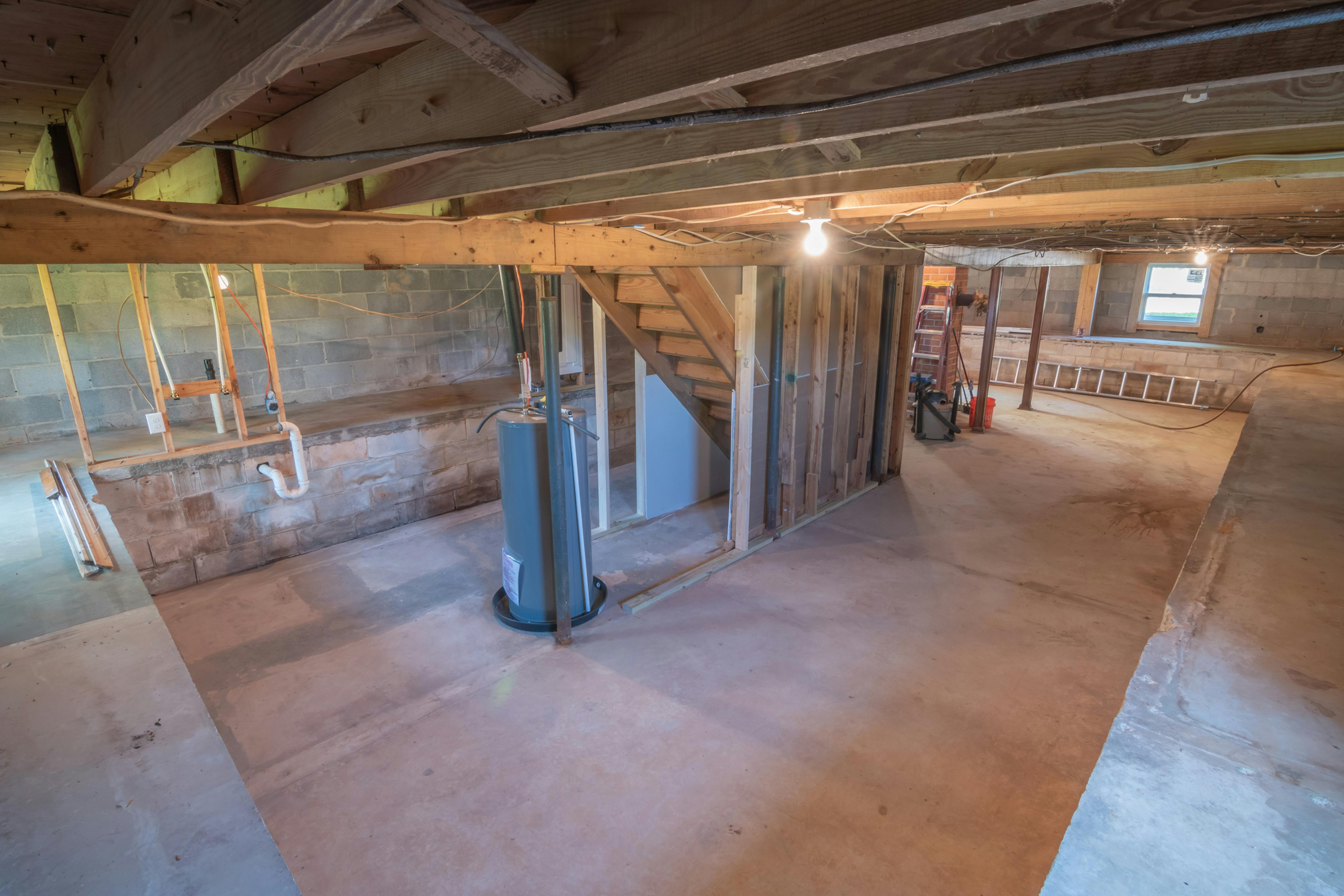
Why Basements and Crawl Spaces Are Centipede Hotspots
Moisture is the lifeblood of centipedes. Basements and crawl spaces in Sugar Hill retain higher humidity levels year‑round, creating an ideal micro‑environment. Here’s what makes these spaces so attractive:
- Consistent moisture from groundwater, leaky pipes, or inadequate ventilation.
- Organic debris such as dead insects, leaf litter, and wood rot, which serve as both food and hiding places.
- Shelter from light—centipedes are nocturnal hunters that prefer dark, undisturbed corners.
Warning Signs of a Growing Infestation
Even a few sightings can signal a larger problem brewing beneath your floors. Keep an eye out for these red flags:
- Centipedes appearing near light fixtures or windows after dusk.
- Rapid, erratic movement across walls, floors, or ceiling joists.
- An increase in sightings following a rainstorm or periods of high humidity.
- Clusters of shed exoskeletons (the translucent “skins” they discard as they grow).
Quick Homeowner Checks
Before calling a professional, run a brief inspection of the most common hiding spots. Use a flashlight and a small mirror to look into tight spaces.
- Inspect exposed wooden beams and joists for tiny, moving specks.
- Examine the area around water heaters, sump pumps, and washing‑machine hoses for moisture buildup.
- Check stored boxes, laundry baskets, and pet bedding for signs of movement or shed skins.
- Look along the perimeter of your basement walls for cracks or gaps that could serve as entryways.
If you notice several of these indicators, it’s time to consider a targeted treatment plan. Anthem Pest Control specializes in safe, effective centipede management tailored to Sugar Hill homes, ensuring the pests stay out while preserving the health of your family and pets.
Seasonal Patterns of Centipede Activity in Sugar Hill

Life Cycle and Environmental Drivers
Centipedes in Georgia follow a classic arthropod life cycle: eggs hatch into tiny, translucent juveniles, which molt several times before reaching adulthood. Their development is tightly linked to temperature and moisture. Warm, damp conditions accelerate growth and trigger hunting behavior, while cooler, dry periods slow metabolism and push centipedes into hidden refuges such as basements or crawl spaces.
What the Seasonal Activity Chart Shows
The chart above highlights a clear peak in centipede sightings during July and August, a period that often influences centipede control cost Sugar Hill homeowners pay due to increased demand for treatment. Activity drops sharply once temperatures dip below 60 °F in late fall, reaching a low point in December and January. Early spring sees a modest resurgence as soil moisture rises, but the most aggressive foraging occurs in midsummer when both heat and humidity are at their highest.
Local Climate Influence
Sugar Hill’s climate amplifies these patterns. Average summer highs hover between 85 °F and 90 °F, and relative humidity often climbs above 70 %. Those conditions create a perfect micro‑environment for centipedes to thrive in leaf litter, mulch, and indoor damp zones. By contrast, winter lows average the mid‑40s, and the drier air forces centipedes to retreat deeper into the ground, reducing the likelihood of indoor encounters.
Timing Your Inspection and Treatment
Understanding the seasonal curve lets homeowners act proactively. Increase visual inspections in late spring (mid‑May to early June) when centipedes begin emerging from overwintering sites. Schedule a professional treatment in early June—before the July‑August surge—to knock down the population before it explodes. This timing also aligns with Anthem Pest Control’s optimal service window, allowing technicians to treat both interior and exterior hot spots when the pest is most vulnerable.
DIY Prevention Aligned with the Seasons
- Spring: Seal cracks around foundations, windows, and utility penetrations before the rainy season starts. Clear leaf piles and mulch away from the house’s perimeter to eliminate moisture‑rich hiding places.
- Summer: Run a dehumidifier in basements and crawl spaces to keep relative humidity below 55 %. Fix any leaky pipes or condensation issues that could create a water source.
- Fall: Reduce indoor clutter where centipedes can shelter. Trim vegetation that touches the home’s exterior, and ensure gutters direct water away from the foundation.
- Winter: Keep indoor humidity controlled with ventilation fans, especially in bathrooms and kitchens. Check that weather stripping remains intact to prevent cold drafts that can drive centipedes indoors seeking warmth.
Effective Treatment Options for Centipede Control
Centipedes are fast‑moving, nocturnal hunters that love the damp corners of a home. Because they can slip through tiny cracks and hide under floorboards, controlling them requires more than a quick spray. Below we break down the most reliable treatment categories, compare DIY approaches with professional services, and explain how to keep your family and pets safe while eliminating these unwanted guests.
What treatment categories are available?
Most pest‑management programs for centipedes fall into four groups:
- Chemical sprays – fast‑acting liquids applied directly to baseboards, wall voids, and other travel paths.
- Dusts – fine powders that cling to cracks and crevices, providing a residual barrier that insects pick up as they crawl through.
- Baits – attractants laced with a slow‑acting toxin; centipedes ingest the bait or carry it back to hidden nests.
- Perimeter barrier applications – a continuous ring of EPA‑approved insecticide around the exterior of the house, stopping centipedes before they enter.
DIY sprays: pros, cons, and realistic expectations
Homeowners often reach for over‑the‑counter sprays because they’re inexpensive and easy to apply. A single can of a labeled centipede spray can cost between $15 and $30, and you can treat visible entry points in under an hour.
Pros
- Low upfront cost.
- Immediate knock‑down of visible centipedes.
- Control over where and when you apply the product.
Cons
- Residual protection typically lasts only a few days, especially in humid areas where moisture degrades the chemistry.
- Limited ability to reach deep wall voids, crawl spaces, or foundation cracks.
- Risk of over‑application or missing hidden hotspots, which can lead to a false sense of security.
If you choose a DIY route, opt for EPA‑registered products that list “low toxicity” or “pet‑safe” on the label, and always follow the manufacturer’s safety instructions.
Why professional treatments often win the battle
When a licensed technician from Anthem Pest steps in, you get more than just a spray can. Professional services include:
- Thorough inspection – technicians use flashlights, moisture meters, and knowledge of centipede behavior to locate hidden nests and high‑risk zones.
- Targeted application – they combine sprays, dusts, and perimeter barriers in a single visit, ensuring every entry point is treated.
- Long‑lasting barrier – EPA‑approved, low‑toxicity products can protect a home for up to 12 weeks, reducing the need for frequent re‑applications.
- Regulatory compliance – Anthem Pest follows strict EPA guidelines, meaning the chemicals used are vetted for indoor safety and environmental impact.
The result is a comprehensive, multi‑layered defense that typically outperforms a single DIY spray.
Integrated Pest Management (IPM) – the smart, sustainable approach
Both DIY enthusiasts and professionals benefit from the IPM framework, which blends prevention with treatment:
- Inspection – Identify where centipedes are entering and why they’re thriving (e.g., excess moisture).
- Exclusion – Seal cracks, install door sweeps, and repair leaky pipes to eliminate moisture sources.
- Sanitation – Remove clutter, vacuum regularly, and keep pet food sealed to reduce food sources.
- Treatment – Apply the most appropriate chemical option—spray, dust, bait, or barrier—based on the inspection findings.
IPM not only lowers the chance of reinfestation but also minimizes chemical use, aligning with the safety priorities of families and pets.
Safety first: protecting people and pets
Centipede control products that carry the EPA’s “low toxicity” label are designed to break down quickly and pose little risk when used as directed. Nevertheless, follow these best practices:
- Keep children and pets out of treated areas for at least two hours after application.
- Store all chemicals out of reach, preferably in a locked cabinet.
- Ventilate rooms by opening windows and using fans during and after treatment.
- Ask your technician for a written safety data sheet (SDS) for every product used.
When it’s time to call a professional
Even the most diligent DIY effort can hit a wall. Consider scheduling a professional visit if you notice any of the following:
- Repeated centipede sightings despite regular spraying.
- Large numbers of centipedes emerging from walls, basements, or crawl spaces.
- Persistent moisture problems that you cannot resolve on your own.
- After several DIY attempts have failed to reduce activity.
Anthem Pest’s locally trained technicians understand Sugar Hill’s climate and construction styles, allowing them to tailor a treatment plan that fits your home’s unique challenges. A single, well‑executed professional service often saves time, money, and worry in the long run.
Comparing Centipede Control Pricing Options
When it comes to keeping centipedes out of your Sugar Hill home, centipede control cost Sugar Hill can vary as much as the treatment methods themselves. Most pest-control companies offer three core pricing structures: a one-time treatment, a quarterly service plan, and an annual protection plan. Understanding what each model includes—and how those inclusions translate into price—helps you pick the option that fits your home size, infestation level, and budget.
Common Pricing Models
- One‑time treatment: Ideal for a single, moderate infestation. The technician performs an initial inspection, applies a targeted pesticide, and offers a limited follow‑up call to confirm success.
- Quarterly service: Best for homeowners who want ongoing protection without committing to a full year. Treatments are scheduled every three months, covering seasonal spikes in centipede activity.
- Annual protection plan: The most comprehensive choice. It bundles four quarterly visits, a detailed inspection each time, and a warranty that covers re‑treatment if centipedes return within the year.
What Each Package Includes
| Package | Inspection | Treatment Frequency | Follow‑up Visits | Warranty | Typical Price (USD) |
|---|---|---|---|---|---|
| One‑time Treatment | Single thorough walk‑through | One application | Phone check‑in (30 days) | None | $120 – $180 |
| Quarterly Service | Inspection at each visit | Four applications per year (every 3 months) | On‑site follow‑up each visit | 30‑day re‑treatment guarantee | $380 – $460 |
| Annual Protection Plan | Detailed inspection + perimeter mapping | Four applications (quarterly) + optional spot‑treatments | In‑person follow‑up after each treatment | One‑year full‑service warranty | $540 – $620 |
Side‑by‑Side Price Comparison

National Cost Averages for Context
The Environmental Protection Agency’s pest‑management cost study places the average nationwide expense for a single centipede treatment between $115 and $190. Quarterly and annual plans typically run 2‑3 times higher than the one‑time average, reflecting the added inspections, repeat applications, and warranty coverage.
Choosing the Right Plan for Your Home
Start by evaluating three key factors:
- Home size: Larger square footage means more perimeter to treat. An annual plan often proves cost‑effective for homes over 2,500 sq ft because the per‑visit price drops as visits increase.
- Infestation severity: A light, occasional sighting can be handled with a one‑time treatment. Persistent or multi‑room activity usually warrants quarterly or annual coverage.
- Budget flexibility: If you prefer a predictable annual expense, the protection plan spreads costs across four payments. If cash flow is tighter, a one‑time or quarterly option lets you pay as needed.
By matching these variables to the table above, you can see at a glance whether a $180 one‑time fix or a $580 annual commitment offers the best value for your situation.
Anthem Pest Control’s Transparent Quote Policy
At Anthem Pest Control, every estimate is itemized before any work begins. Our quotes list the exact services—inspection, pesticide type, number of visits, and warranty—so you never encounter hidden fees. Whether you choose a single treatment or the full‑year plan, the price you see is the price you pay, backed by a satisfaction guarantee that aligns with the EPA’s national standards.
Protect Your Home with Anthem Pest Control
Centipedes are easy to spot once you know what to look for: long, segmented bodies, dozens of legs, and a preference for damp, dark corners. Their activity peaks in the humid months of late spring and early summer, when moisture draws them indoors. Effective treatment hinges on three pillars—accurate identification, timing the application before populations explode, and using EPA‑approved products that target both the insects and the conditions that attract them.
- Identification: Look for fast‑moving, many‑legged crawlers in basements, bathrooms, and under sinks.
- Seasonal peaks: Treat early summer to stay ahead of the surge.
- Effective methods: Combine perimeter sprays, indoor crack‑and‑crevice treatments, and moisture‑reduction strategies for lasting control.
While DIY sprays can knock back a few visitors, a professional service delivers a comprehensive inspection that uncovers hidden entry points and breeding sites. Anthem Pest Control’s technicians use safe, EPA‑approved products and tailor each plan to your home’s layout, construction type, and the specific centipede species you’re dealing with. This customized approach not only eradicates the current infestation but also builds a barrier that deters future invasions.
Serving Sugar Hill, GA, Anthem Pest Control brings local expertise to every job. Our technicians know the regional climate patterns, common structural vulnerabilities, and the most cost‑effective treatments for homeowners in this area. Transparency is built into our pricing—no hidden fees, just a clear quote that outlines every step of the process. Whether you need a one‑time eradication or an ongoing prevention program, we work within your budget to keep your home pest‑free.
Ready to take the next step? Scheduling a free, no‑obligation inspection is quick and easy. Call us at 877‑371‑8196 or book online through our website. Our friendly staff will arrange a convenient time, send a qualified technician to your door, and provide a detailed action plan—free of charge.
Visit Anthem Pest Control to learn more about centipede control cost Sugar Hill homeowners can expect and protect your home today.