What Are Termters and Why They Matter
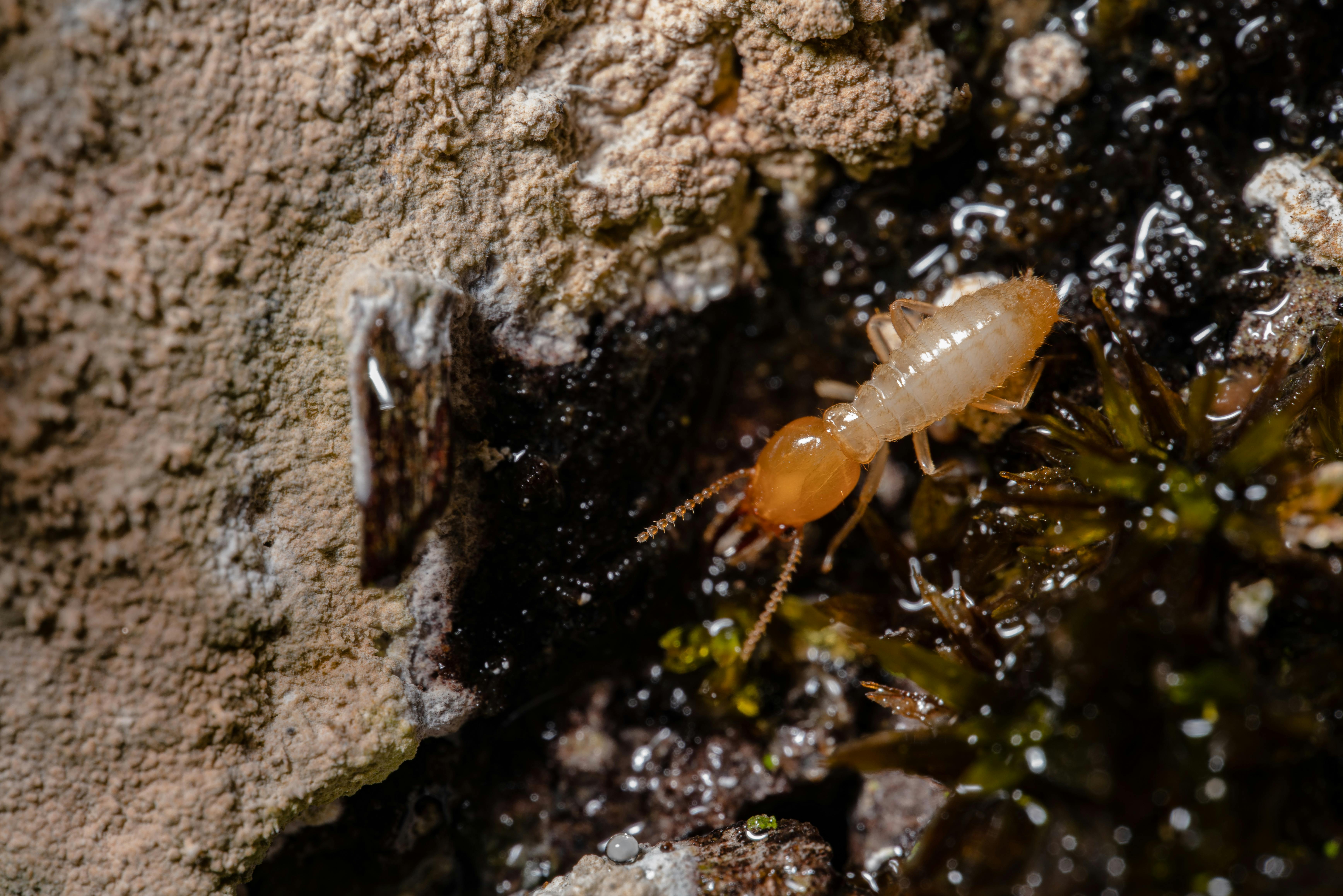
Termites are small, social insects that feed exclusively on cellulose—the main component of wood, paper, and even some fabrics—making termite control Brookhaven essential for protecting homes from long-term damage. Unlike carpenter ants, which merely tunnel through wood to create nests, termites actually consume the material, turning solid structures into a honey-comb of tunnels that weaken the integrity of homes over time.
Common Southeast Species
In the southeastern United States, three species dominate the landscape:
- Eastern Subterranean Termite (Reticulitermes flavipes) – the most widespread, thriving in moist soil and building extensive underground colonies.
- Formosan Subterranean Termite (Coptotermes formosanus) – an aggressive invader originally from Asia, known for rapid colony growth and massive damage.
- Drywood Termite (Incisitermes minor) – lives entirely within the wood it eats, making it harder to detect because it leaves no soil tubes.
All three species are prevalent in Georgia’s warm, humid climate, and each can establish a hidden infestation within a single season if left unchecked.
How Termites Undermine Your Home
Termites work silently. As a colony expands, workers chew away at structural members—beams, joists, and support columns—creating a network of voids that looks solid from the surface. Over months or years, this gradual loss of material can lead to sagging floors, cracked walls, and, in extreme cases, total structural failure. Homeowners often discover the damage only after a visible sign, such as a collapsed ceiling, appears.
Statistics That Matter
The U.S. Environmental Protection Agency estimates that termites cause roughly $5 billion in property damage each year. The National Pest Management Association (NPMA) reports that one in five homes in the United States experiences a termite infestation at some point. In Georgia alone, the prevalence is even higher, with the Georgia Department of Agriculture noting that more than 30 % of residential inspections reveal active termite activity.
Health and Indoor‑Air‑Quality Concerns
While termites are not disease vectors, their presence can indirectly affect indoor air quality. Termite mud tubes, shed wings, and frass (droppings) can accumulate in wall cavities and ventilation systems, providing food for mold and other allergens. In homes with existing respiratory sensitivities, this secondary effect can exacerbate symptoms.
Why Awareness Is the First Line of Defense
Understanding what termites are, where they thrive, and the scale of the damage they can cause empowers homeowners to act before a minor sighting becomes a costly repair. The sections that follow will walk you through practical detection methods, treatment options, and preventive steps you can take to protect your Brookhaven home.
Spotting Termite Damage Early
Visual cues you can’t afford to miss
Termites are silent workers, but they leave tell‑tale footprints. The most common sign is a network of mud tubes—smooth, pencil‑thick tunnels that run from the soil to wood. Inside the wood you may notice a hollowed, papery texture that sounds like a dead twig when tapped. Frass, the dry, pellet‑like droppings, often accumulates in piles near entry points; it looks like fine sawdust mixed with tiny wood chips. Finally, during the spring swarming season, you’ll see winged termites—known as swarmers—gathered near lights or windows, a clear indication that a colony is maturing.
How to inspect the most vulnerable spots
Start where moisture meets wood, because termites love damp environments. Check the foundation for cracked mortar or gaps where mud tubes could emerge. In crawl spaces, lift any insulation and look for mud lines on joists, as well as any water stains that suggest leaks. Outdoor wooden decks, porches, and fences should be examined for soft spots, splintered boards, or frass tucked under railings. Inside the home, pull back baseboard trim and inspect interior framing—especially around kitchen cabinets, bathroom walls, and any area where plumbing runs.
Quick DIY inspection checklist
- Walk the perimeter of your home and note any mud tubes or soil piles.
- Tap wooden beams; listen for a hollow “ping” that signals internal damage.
- Look for frass piles—tiny, wood‑shavings‑like debris—near windows, doors, and any utility penetrations.
- Inspect crawl‑space joists and support beams for visible tunnels or damp wood.
- Check outdoor decks and fences for soft, spongy wood or loose boards.
- During spring, sweep away light fixtures and windowsills to see if winged swarmers are present.
- Record the date, location, and severity of any findings for future reference.
When to handle it yourself and when to call a professional
Minor signs—such as a few isolated mud tubes or a small pile of frass—can sometimes be addressed with localized treatments, like bait stations or a targeted liquid barrier, especially if you’re comfortable applying a product that meets EPA safety standards. However, if you discover multiple mud tubes, extensive hollowed wood, or a swarm of winged termites, the infestation has likely spread beyond a DIY‑friendly zone. In those cases, professional intervention is essential. Certified technicians have access to termiticides, structural fumigation, and advanced monitoring tools that ensure the colony is fully eradicated.
Georgia Department of Agriculture inspection frequency guidelines
The Georgia Department of Agriculture recommends a thorough termite inspection at least once every 12 months for all residential properties, with increased vigilance in high‑risk areas such as the Atlanta metro region, including Brookhaven. Homeowners should also schedule an inspection after any major water intrusion event—like a burst pipe or flooding—since moisture creates ideal conditions for termites to thrive. Pairing this state guideline with a seasonal visual sweep (early spring and late fall) gives you the best chance to catch a problem before it escalates.
By keeping an eye on these visual cues, routinely checking the most vulnerable zones, and following the simple checklist above, you’ll be equipped to spot termite damage early—saving you time, stress, and costly repairs. When the signs go beyond a quick fix, let Anthem Pest Control step in; our local expertise and transparent pricing make the transition from DIY to professional seamless.
When Are Termites Most Active in the Southeast
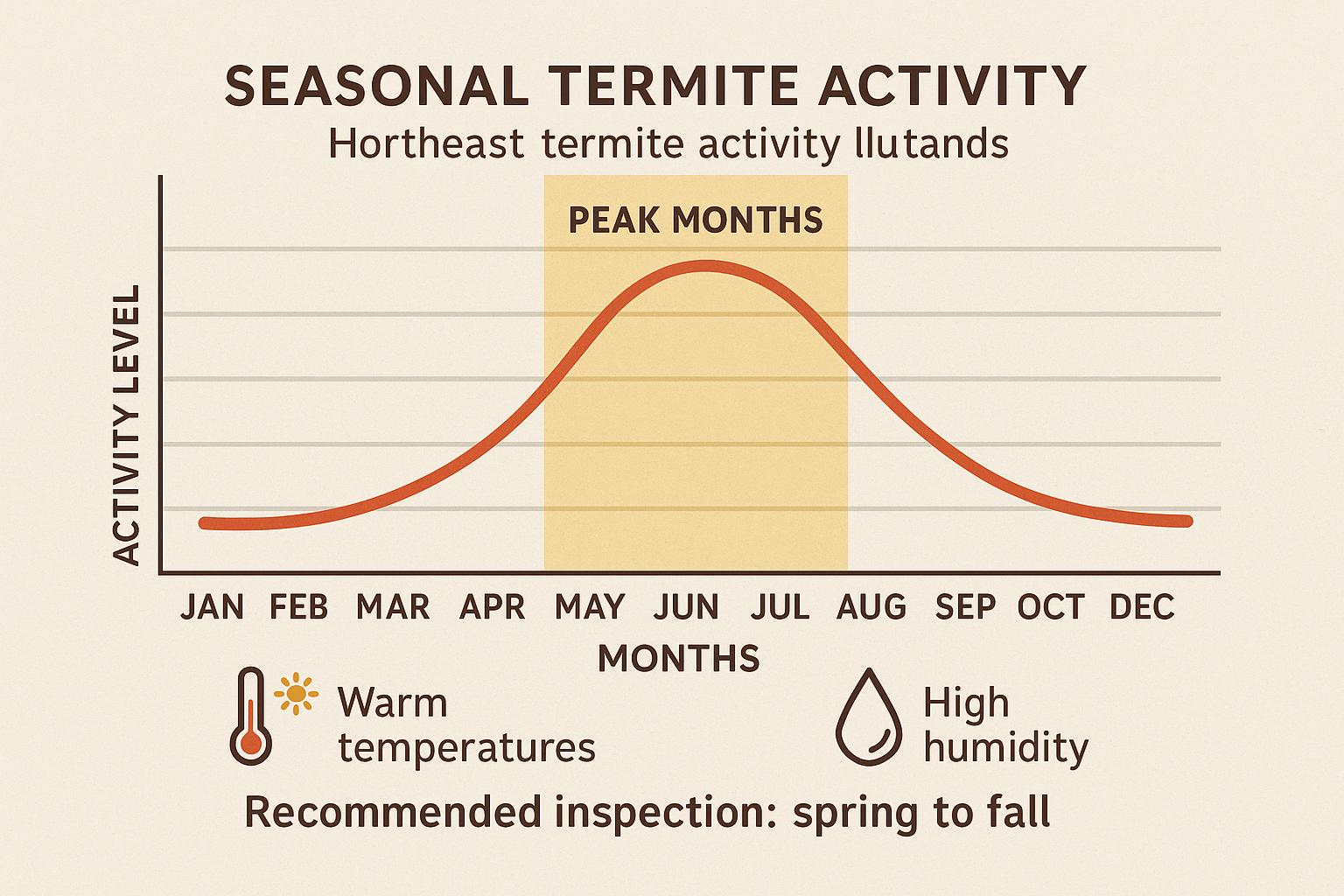
In the Southeast, termite colonies follow a distinct seasonal rhythm that mirrors the region’s warm, humid climate. A recent line‑graph from our field data (see image below) shows a clear surge in foraging activity from late May through early September, with a modest dip in October before the winter lull. Understanding this pattern helps homeowners know when the bugs are most likely to be out searching for food and moisture.
Seasonal Activity Overview
Termites in Georgia and the broader Southeast are most aggressive during the warm months when soil temperatures consistently stay above 70°F (21°C)—a key reason termite control Brookhaven homeowners should prioritize seasonal inspections. The graph’s peak aligns with the period when ground moisture is abundant, creating ideal foraging conditions. By late October, cooler nights and reduced humidity slow colony movement, giving you a natural window to address any lingering infestations before the next cycle begins.
Temperature & Humidity Influence
Temperature drives the metabolic rate of termites; the warmer it gets, the faster they consume wood. Humidity, however, is the true catalyst. High relative humidity (above 70 %) keeps the soil moist, allowing termites to extend their tunnels farther from the nest. When a summer storm passes, the sudden surge in ground moisture can trigger a rapid expansion of foraging lines, increasing the likelihood of wood damage inside homes.
Recommended Inspection Schedule
To stay ahead of the swarm, plan inspections at three strategic points:
- Pre‑summer (mid‑April to early May): Catch colonies before they ramp up and address any moisture problems early.
- Mid‑summer (late July to early August): Verify that preventive treatments are holding up during the peak activity window.
- Post‑fall (late October): Conduct a final sweep to ensure no hidden colonies survived the summer surge.
Each visit should include a thorough wood‑moisture assessment, bait station check, and visual inspection of vulnerable areas such as crawl spaces, foundation walls, and exterior wood siding.
Tips for Homeowners to Reduce Moisture Sources
Since moisture is the magnet that draws termites, eliminating excess water around your home is the most effective preventive step. Consider these actions:
- Repair leaky gutters and downspouts within 6 inches of the foundation.
- Install a proper grading slope so rainwater flows away from the house.
- Use a dehumidifier in basements and crawl spaces, aiming for indoor humidity below 60 %.
- Seal cracks in concrete slabs, foundation walls, and around utility penetrations.
- Replace any wood that shows signs of rot or water damage promptly.
These simple steps cut down the moisture that termites need to thrive, making your property less appealing during their peak season.
Regional Data Sources
The activity trends presented here are backed by the U.S. Environmental Protection Agency (EPA) and the Georgia Department of Agriculture’s pest‑management publications. Both agencies track termite pressure across counties and confirm that late spring through early fall consistently registers the highest foraging counts in the Southeast. Referencing these reputable sources reinforces the timing recommendations and helps you feel confident that your inspection plan aligns with scientifically‑validated data.
Effective Treatment Methods for Homeowners
When termites start chewing through the wooden framework of a Brookhaven home, the goal is clear: stop the invasion fast and keep the family safe. The two most trusted approaches—liquid barrier treatments and baiting systems—work on opposite ends of the termite life cycle, yet both create a long‑lasting shield when applied correctly. Understanding how each method functions helps you decide whether a DIY kit can suffice or if a licensed technician is the wiser choice.
Barrier Treatments: The Liquid Shield
Liquid termiticides are applied to the soil beneath and around a home, forming a continuous, invisible wall that termites cannot cross without dying. Think of it as a moat filled with a chemical that’s lethal to the pests but harmless to people when properly installed. Once the product cures, it penetrates the surrounding soil, creating a protective “halo” that intercepts foraging workers before they reach the structure.
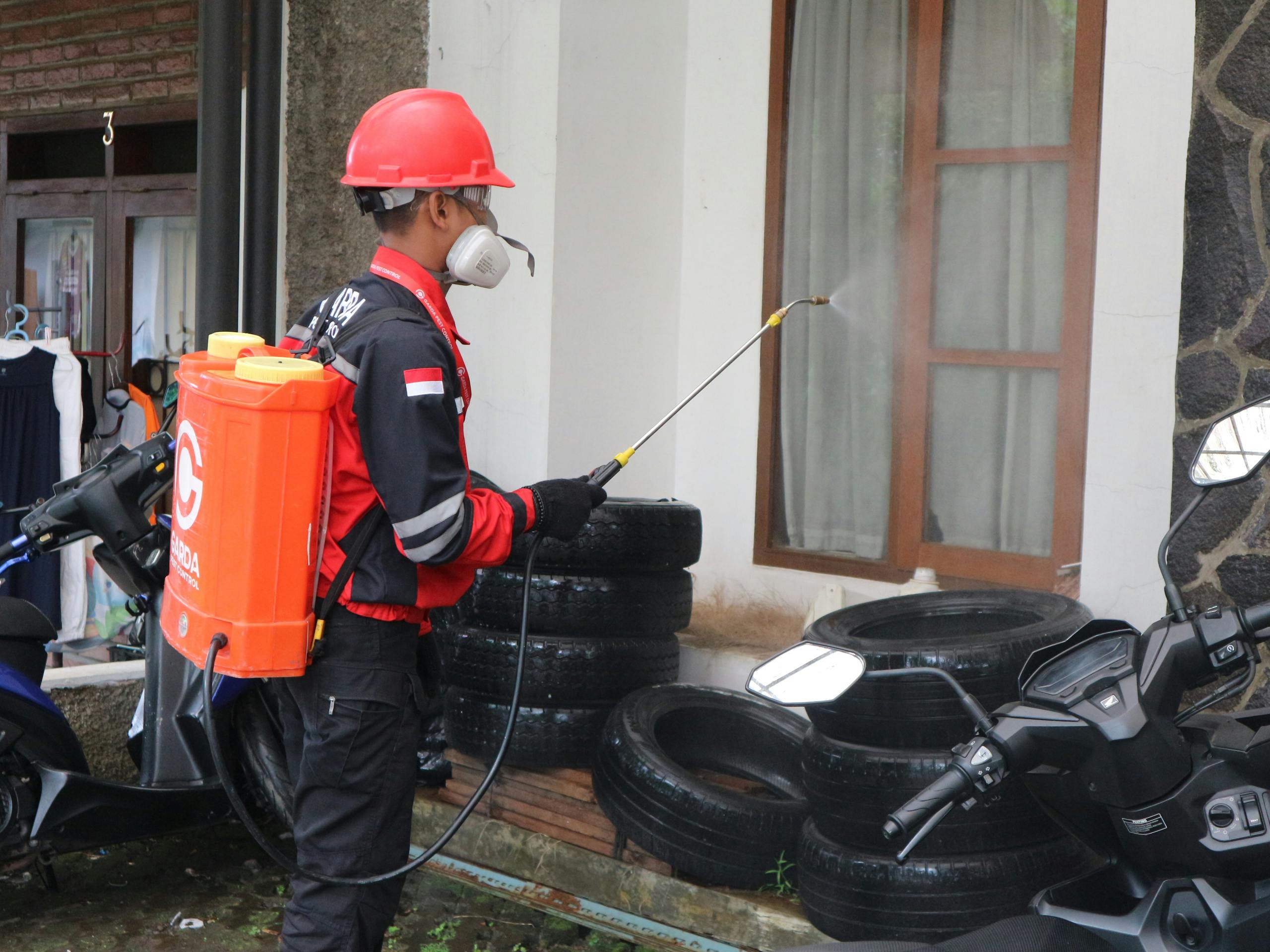
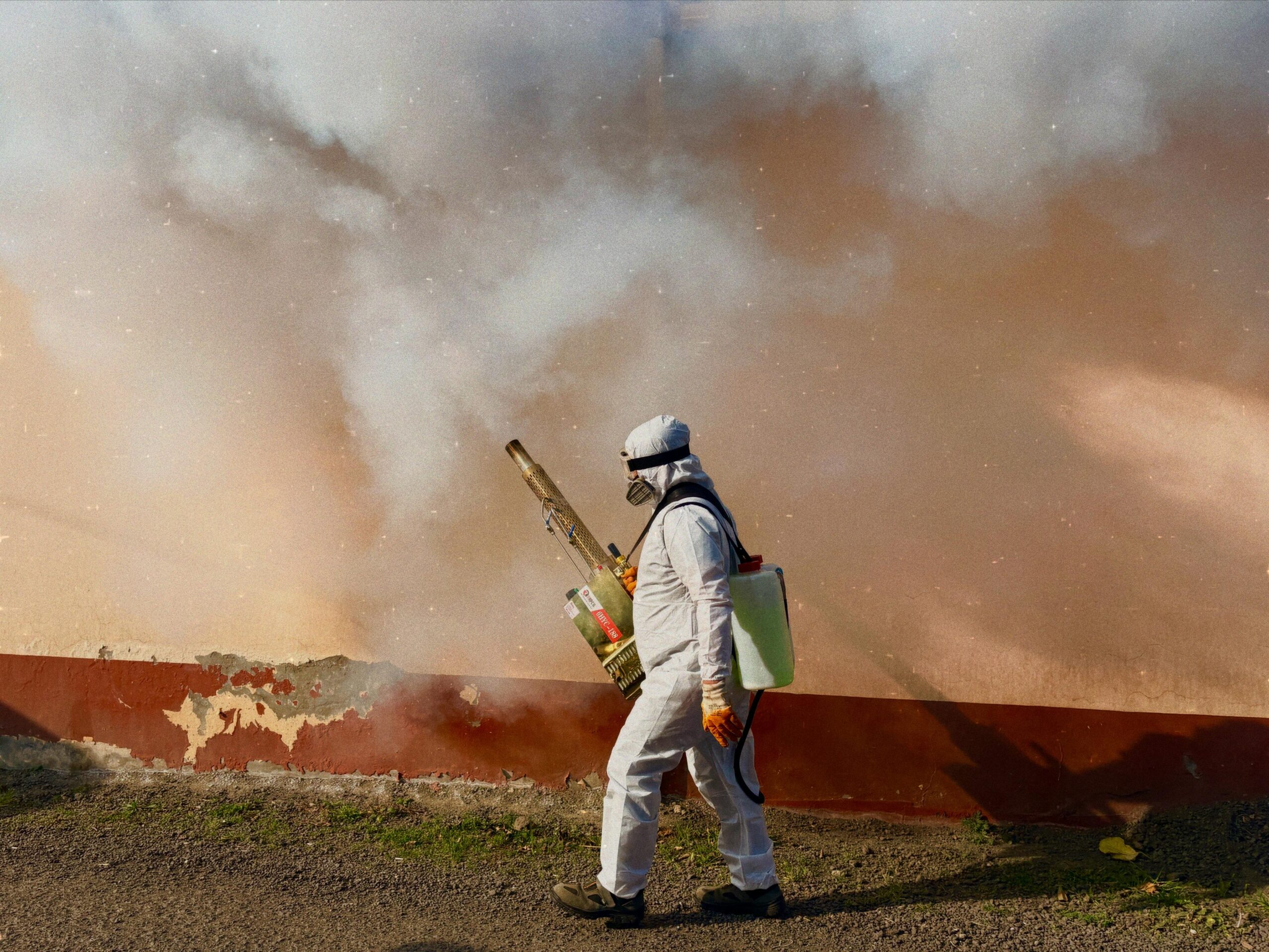
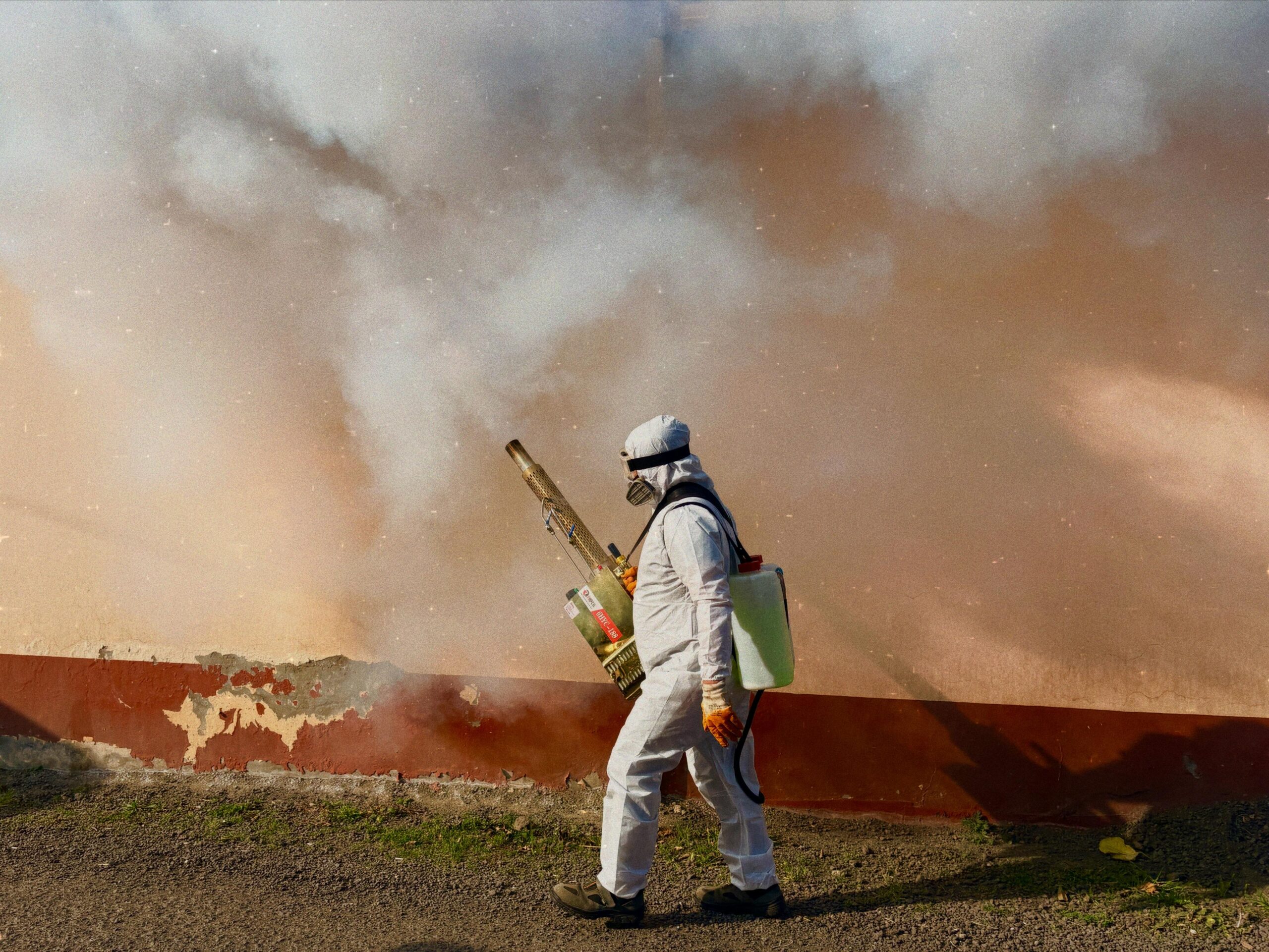
In the photo above, a certified technician carefully injects the termiticide into pre‑drilled holes along the foundation. The precise placement ensures the chemical spreads evenly, sealing cracks and voids where termites could otherwise slip through. This method is especially effective against subterranean species, which spend most of their lives hidden below ground.
Baiting Systems: Targeting the Colony
Bait stations are placed strategically around the perimeter of a property and contain a cellulose matrix laced with a slow‑acting insect growth regulator. Foraging termites carry the bait back to the nest, where it spreads through the colony, eventually halting reproduction and causing the entire population to collapse. Unlike barriers, baiting attacks the problem at its source— the queen and her workers.
Because the active ingredient works gradually, you’ll often see a reduction in activity over weeks rather than an immediate kill. This delayed action is a hallmark of a healthy, sustainable approach; it minimizes the chance of termites developing resistance and reduces the need for repeated chemical applications.
DIY Kits vs. Professional Services
- DIY kits are affordable and may work for minor, localized infestations. They typically include pre‑measured termiticides or bait stations and step‑by‑step instructions.
- Pros: Lower upfront cost, immediate control for small spots, sense of personal involvement.
- Cons: Limited coverage, higher risk of improper placement, no warranty, and often ineffective against established colonies.
- Professional services bring licensed expertise, full‑home assessments, and access to industry‑grade products.
- Pros: Comprehensive treatment plans, guaranteed results, compliance with NPMA standards, and ongoing monitoring.
- Cons: Higher price tag, need to schedule appointments, but the long‑term savings from avoided structural damage usually outweigh the cost.
Safety Precautions Every Homeowner Should Follow
Whether you’re handling a DIY kit or observing a professional application, safety never takes a back seat. Follow these guidelines to protect your family and the environment:
- Wear chemical‑resistant gloves, goggles, and a mask to avoid skin contact and inhalation.
- Ensure proper ventilation in the work area; open windows and use fans if applying indoors.
- Keep children, pets, and food preparation zones clear until the product has fully dried or cured.
- Store all chemicals in a locked cabinet, out of reach of unauthorized persons.
- Dispose of empty containers according to local hazardous waste regulations.
Real‑World Example: A Technician Applying a Liquid Barrier
During a recent service call in Brookhaven, a technician from Anthem Pest Control surveyed a two‑story ranch home with visible mud tubes along the exterior walls. After confirming the presence of subterranean termites, he drilled a series of evenly spaced holes along the foundation, then injected a high‑efficacy termiticide that penetrates up to 12 inches deep. The product formed a continuous barrier, and a follow‑up inspection three months later showed zero termite activity—a textbook case of how a professional barrier treatment can safeguard a home for years.
For a deeper dive into the standards that govern these treatments, refer to the NPMA guidelines on termite control. These industry benchmarks ensure that every application meets rigorous safety and efficacy criteria.
Comparing Termite Treatment Costs
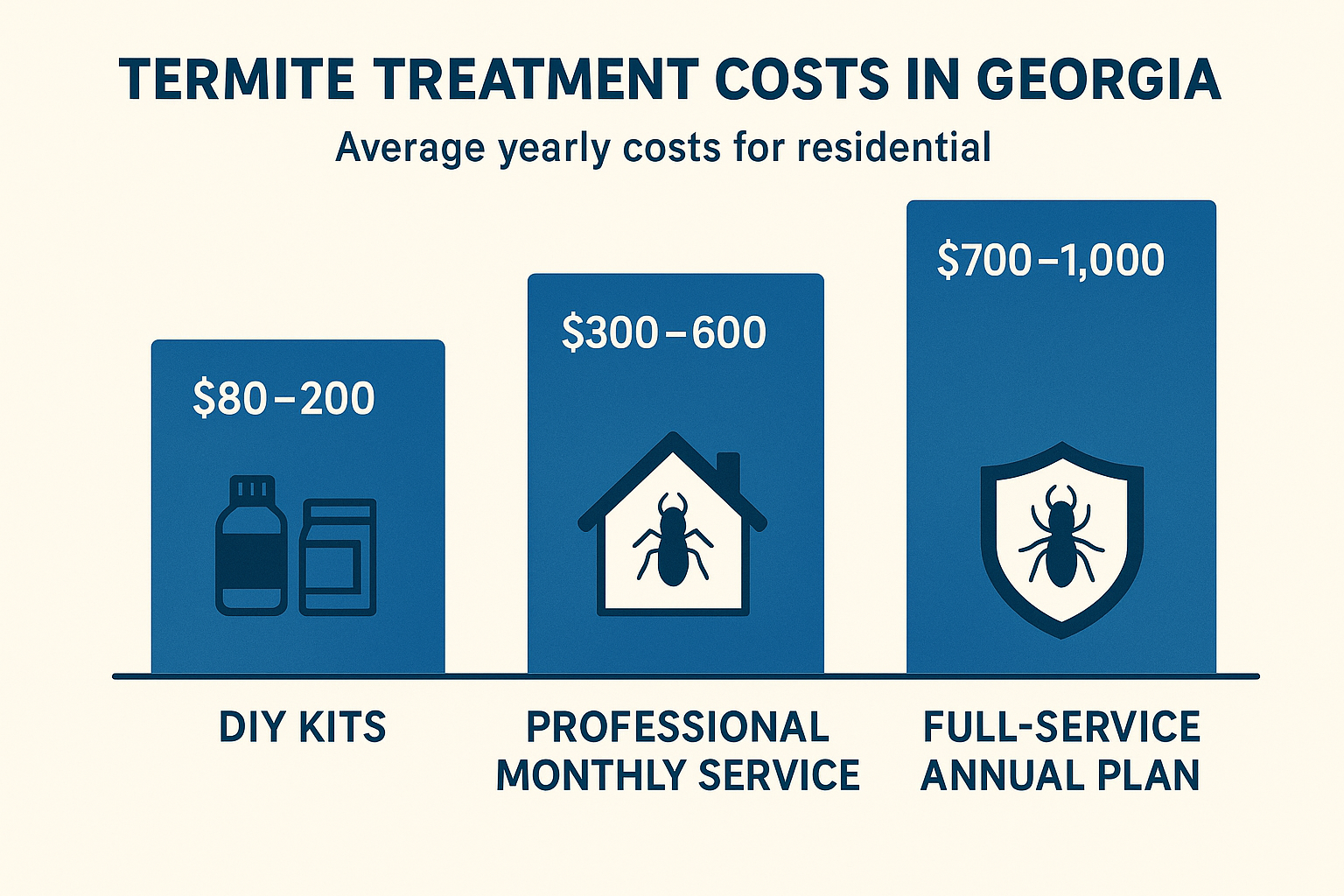
When you’re faced with a termite problem, the first question that pops up is always “how much will this cost?” The answer isn’t one‑size‑fits‑all, but breaking the options into clear price tiers helps you budget wisely and avoid surprise fees later.
What’s Included at Each Price Tier?
- DIY Kit – $100‑$250: You receive a set of liquid termiticides or bait stations, step‑by‑step instructions, and basic safety gear. Labor is entirely on you, and follow‑up visits are limited to what you decide to purchase later.
- Professional Monthly Service – $300‑$600 per year: A licensed technician applies termiticides, inspects the property monthly, and replaces bait stations as needed. The fee covers labor, materials, and at least two follow‑up visits each year.
- Full‑Service Annual Plan – $900‑$1,500 per year: This is the “set‑and‑forget” option. It includes a comprehensive pre‑treatment inspection, full perimeter treatment, quarterly monitoring, and a guarantee that covers re‑treatment if termites return.
Key Factors That Influence the Bottom Line
Even within these tiers, the final quote can swing based on three main variables:
- Home Size: Larger square footage means more product and more labor hours. A 2,500‑sq‑ft home typically costs 20‑30 % more than a 1,500‑sq‑ft property.
- Infestation Severity: A light, early‑stage infestation may be handled with a single bait line, while a heavy, established colony often requires multiple treatment rounds and deeper soil penetration.
- Regional Pricing in Georgia: Brookhaven’s proximity to Atlanta drives higher labor rates than rural counties. Local regulations and the cost of approved termiticides also affect the price.
Long‑Term Value: Professional Treatment vs. DIY Fixes
DIY kits can look attractive because of the low upfront cost, but they rarely include the ongoing monitoring that keeps termites at bay—one reason termite control Brookhaven professionals are often the safer long-term choice. Without scheduled follow-ups, you risk missing a resurgence until structural damage becomes visible—an expense that can easily climb into the thousands.
Professional plans, especially the full‑service annual option, spread the cost over twelve months while delivering peace of mind. The guarantee that many reputable companies, like Anthem Pest Control, offer means you won’t pay extra if termites reappear within the contract period. In most cases, the long‑term savings from avoided repairs outweigh the higher initial price.
How to Evaluate Quotes and Ensure Transparent Pricing
When you receive a quote, ask for a detailed breakdown. A transparent estimate should list:
| Item | Description | Cost Range (USD) |
|---|---|---|
| Initial Inspection | Professional assessment of wood, soil, and potential entry points | $75‑$150 |
| Termiticide Application | Material cost + labor for perimeter and/or spot treatment | $300‑$800 |
| Bait Station Installation | Placement of monitoring stations throughout the property | $150‑$300 |
| Follow‑Up Visits | Quarterly inspections, bait replacement, and re‑treatment if needed | $100‑$250 per visit |
| Guarantee/Service Agreement | Coverage period and terms for re‑treatment | Included in plan price |
Look for hidden fees such as “travel surcharge” or “premium material markup.” A reputable company will explain each charge and provide a written contract that outlines the frequency of visits, what’s covered, and the warranty period.
Finally, compare at least three quotes. Use the price ranges in the bar‑chart as a sanity check—if a proposal falls far outside the typical band, ask for clarification. Transparent pricing builds trust, and with Anthem Pest Control’s commitment to clear, affordable solutions, you’ll know exactly where every dollar is going.
Protect Your Home with Anthem Pest Control
Termites may be invisible until they’ve caused costly damage, but the warning signs are often there if you know where to look. In Brookhaven, Georgia, warm, humid summers accelerate colony growth, while spring and early fall are prime times for swarms that can infiltrate any structure. Ignoring these risks can lead to weakened foundations, buckling floors, and expensive repairs that could have been avoided with early intervention.
Key warning signs you shouldn’t overlook
- Thin, mud‑tube trails along walls, foundations, or crawl spaces.
- Wood that sounds hollow when tapped or shows blistering paint.
- Discarded wings near windows or light fixtures after a swarm.
- Frass (tiny, sand‑like droppings) accumulating near wooden supports.
- Visible damage such as tunnels or tunnels in wooden beams.
When to act
Because termite activity spikes during the warm months, schedule an inspection before the first summer heat. A pre‑emptive check in early spring gives you a window to treat before colonies expand, while a fall inspection can catch any late‑season activity that might have slipped through.
Effective treatment options
Professional termite management typically involves one of three proven approaches: liquid termiticides applied to the soil barrier, baiting systems that attract and eliminate colonies from within, or a combination of both for maximum protection. Each method is tailored to the species present, the extent of infestation, and the construction style of your home.
Why Anthem Pest Control is the right partner
Anthem Pest Control brings nationwide experience to Brookhaven homeowners, delivering safe, effective, and affordable solutions that meet EPA standards. Our certified technicians undergo rigorous training, stay current on the latest treatment technologies, and follow a strict safety protocol to protect your family, pets, and the environment.
Transparent pricing and peace of mind
We believe you deserve clear, upfront costs—no hidden fees, no surprise add‑ons. Our pricing structure is posted openly, and every quote includes a detailed breakdown of labor, materials, and follow‑up visits. Plus, we back our work with a satisfaction guarantee: if termites return within the warranty period, we’ll retreat at no extra charge.
Take the next step
Don’t let termites compromise the safety and value of your home. For trusted termite control Brookhaven, schedule a free, no-obligation inspection today and receive a personalized quote that reflects the exact needs of your property. Call us now at 877-371-8196 or visit Anthem Pest Control to book your appointment. Our friendly team is ready to protect your home with the expertise it deserves.