Why Ticks Are a Growing Concern for Georgia Homeowners

Georgia’s climate creates a perfect tick playground
Georgia’s warm, humid summers and mild winters provide the exact conditions ticks love. Temperatures between 70°F and 85°F keep them active for most of the year, while the frequent rainfall ensures the leaf litter and low-lying grasses stay moist—ideal for the larvae and nymph stages. In Decatur, these conditions explain why homeowners often search for a tick exterminator near me Decatur, as shaded yards, wooded buffers, and abundant wildlife such as white-tailed deer turn a typical suburban lawn into a year-round breeding ground.
Tick numbers are on the rise in the Atlanta metro area
Recent surveillance from the Georgia Department of Public Health shows a 35 % increase in adult black‑legged tick (Ixodes scapularis) collections between 2018 and 2023 across the Atlanta metro region. The upward trend is most pronounced in Fulton and DeKalb counties, where urban sprawl has pushed residential developments closer to forested corridors. This surge translates into more bite incidents—local hospitals report a 22 % jump in emergency‑room visits for tick‑borne illnesses over the same period.
Suburban landscaping habits unintentionally feed tick populations
Many homeowners favor lush, low‑maintenance lawns that rely on tall grass, dense shrubbery, and wood chips. While aesthetically pleasing, these features provide shelter for rodents and deer, the primary hosts for adult ticks. Over‑watering lawns and allowing leaf piles to accumulate create the damp micro‑habitats ticks need to survive between meals. Even well‑intentioned practices like mulching flower beds can become a highway for nymphs if the mulch is kept constantly moist.
CDC warning underscores the health stakes
“The Southeast continues to experience the highest rates of tick‑borne diseases in the United States, with Lyme disease, Rocky Mountain spotted fever, and ehrlichiosis on the rise.” — Centers for Disease Control and Prevention
This statement highlights why a simple bite is more than an annoyance; it can lead to serious, sometimes chronic, health issues. Georgia ranks among the top three states for reported cases of ehrlichiosis, a disease transmitted by the lone star tick that thrives in our warm climate.
Proactive inspection and control are no longer optional
Given the accelerating tick population and the clear link to local landscaping, homeowners in Decatur need to shift from reactive “I got bitten” thinking to a preventive mindset. Regular yard inspections—especially around the perimeter, under decks, and in shaded garden beds—can catch tick hotspots before they expand. Integrated pest management (IPM) strategies, such as targeted acaricide applications, habitat modification, and wildlife exclusion, provide the most reliable defense.
At Anthem Pest Control, we combine scientific monitoring with homeowner education to keep tick numbers low and your family safe. By understanding how Georgia’s climate, recent population data, and everyday landscaping choices converge, you can make informed decisions that protect your home year after year.
Identifying Common Tick Species in Decatur, GA
Lone Star Tick (Amblyomma americanum)
The Lone Star tick is one of the most noticeable pests in Decatur’s yards and wooded edges. Adult females sport a distinctive white, hour‑glass spot on the back of their dorsal shield—a feature that gives the species its name. Males lack the spot but are similarly sized, ranging from 3 to 5 mm when unfed. These ticks favor open fields, tall grasses, and especially areas with abundant wildlife such as deer and raccoons. In the warmer months (April through September), you’ll often find them questing along the edges of lawns, garden beds, and near compost piles, waiting to latch onto a passing host.
American Dog Tick (Dermacentor variabilis)
The American dog tick is readily recognized by its reddish‑brown body and the pale, ivory‑colored scutum on the dorsal side of the adult female. When engorged, females swell to a dark, almost black color and can exceed 10 mm in length. This species prefers sunny, dry habitats—think open fields, along fence lines, and near pet shelters. Their activity peaks in late spring and early summer (May to July), which aligns with the period when many homeowners are busy landscaping. They are known to bite dogs, cats, and humans, often leaving a painful, red welt.
Blacklegged (Deer) Tick (Ixodes scapularis)
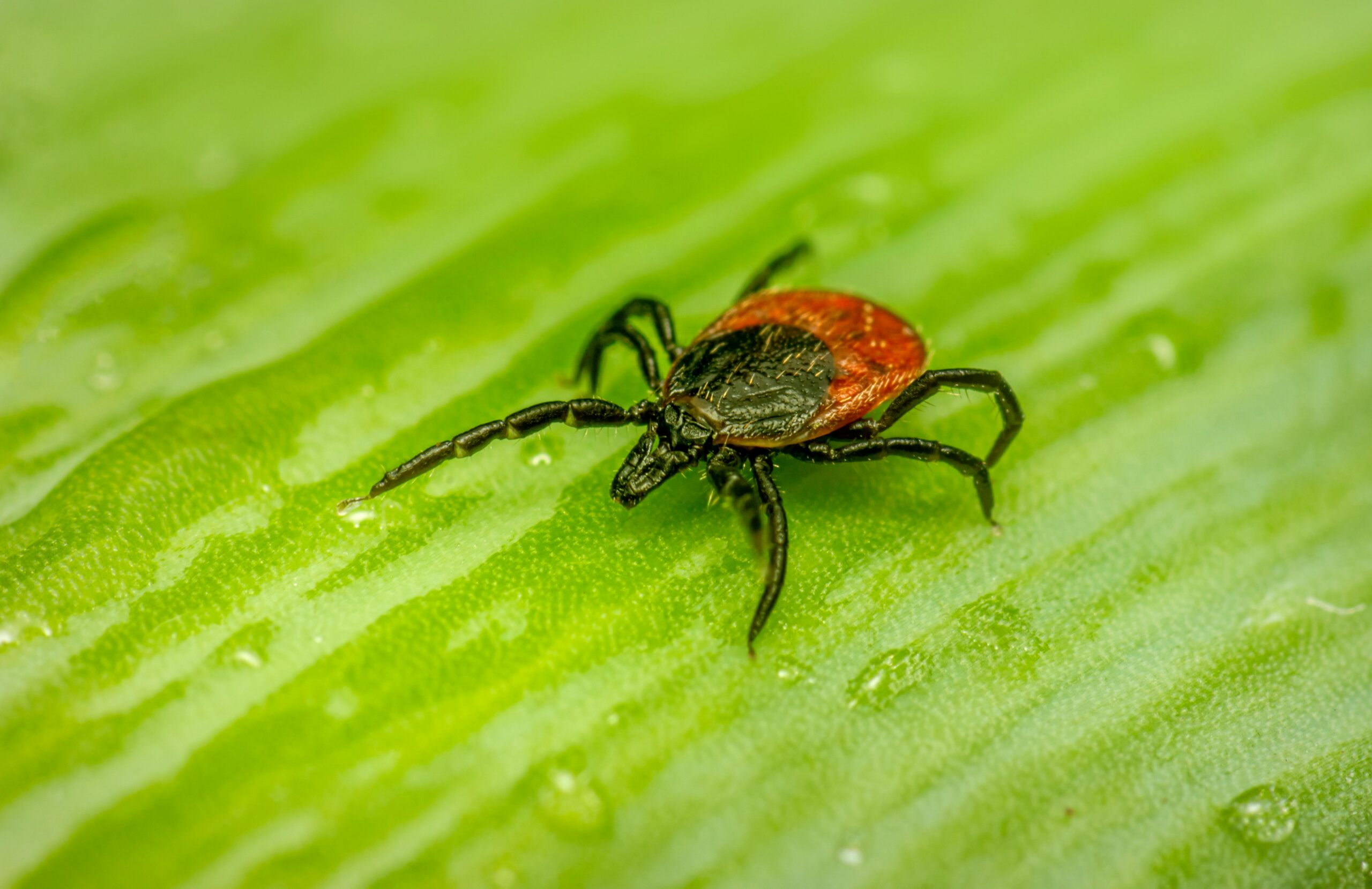
Also called the deer tick, this species is the primary vector for Lyme disease in Georgia. Blacklegged ticks are smaller than the previous two, with unfed adults measuring just 3 mm—about the size of a sesame seed. Their bodies are dark brown to black, and the legs are noticeably pale, giving the appearance of “black legs.” Life‑stage size varies dramatically: larvae are barely visible (<1 mm), nymphs are about the size of a pinhead, and adults grow to the adult size mentioned. They thrive in shaded, moist environments such as leaf litter, wooded trails, and the borders of dense shrubbery, becoming most active from March through October.
Visual Cues: Ticks vs. Other Insects
Ticks can be mistaken for spiders or small beetles, but a few key details set them apart. First, ticks have a flat, oval body that expands dramatically after feeding—unlike insects that retain a consistent shape. Second, they lack wings and antennae, and their eight legs are clearly visible, especially in the nymph stage. Finally, the “head” (capitulum) is positioned forward, giving them a “mouth‑forward” stance, whereas many insects have a more rounded profile. Spotting these traits during a quick yard scan can prevent unnecessary alarm over harmless insects.
Quick Yard‑Inspection Checklist for Homeowners
- Walk the perimeter of your property during daylight; ticks are easier to see in natural light.
- Inspect tall grasses, leaf piles, and the base of trees for the tiny, dark specks of unfed nymphs.
- Look for the Lone Star’s white hour‑glass spot on any brown tick you encounter.
- Check for the ivory scutum on American dog ticks, especially on pets that roam near fences.
- Remember that blacklegged ticks are the smallest—use a magnifying glass if you suspect a nymph.
- Remove any ticks you find with fine‑tipped tweezers, grasping close to the skin and pulling straight upward.
- Record the date, location, and species (if identifiable) to share with your pest‑control professional.
Health Risks and Warning Signs of Tick Bites
Major Tick‑borne Illnesses in Georgia
Georgia’s warm climate supports several tick species that can transmit serious diseases to humans. The most common tick‑borne illnesses you’ll hear about in the Decatur area are:
- Lyme disease – caused by Borrelia burgdorferi, spread primarily by the black‑legged (deer) tick.
- Rocky Mountain spotted fever (RMSF) – a bacterial infection transmitted by the American dog tick.
- Ehrlichiosis – caused by Ehrlichia bacteria, also carried by the lone star and American dog ticks.
- Alpha‑gal syndrome – an allergic reaction to red meat triggered by the bite of the lone star tick.
Typical Symptom Timelines
Each disease follows a distinct incubation period and symptom progression. Below is a quick reference based on CDC data to help you recognize what to look for after a bite.
| Disease | Incubation (Days) | Early Symptoms (0‑7 days) | Later Symptoms (1‑4 weeks) |
|---|---|---|---|
| Lyme disease | 3‑14 | Flu‑like aches, fever, headache; often a “bull’s‑eye” rash | Joint pain, facial palsy, heart palpitations, neurological issues |
| Rocky Mountain spotted fever | 2‑14 | Sudden fever, severe headache, muscle aches, rash after 2‑5 days | Vomiting, confusion, organ damage if untreated |
| Ehrlichiosis | 5‑14 | Fever, chills, muscle aches, headache, sometimes a rash | Low platelet count, liver inflammation, prolonged fatigue |
| Alpha‑gal syndrome | Days‑Weeks (variable) | None specific to bite; watch for delayed allergic response after eating red meat | Hives, stomach cramps, shortness of breath, anaphylaxis in severe cases |
Allergic Reactions from Tick Saliva
The lone star tick injects proteins that can sensitize your immune system to a carbohydrate called alpha‑gal. Once sensitized, even a small serving of beef, pork, or lamb can trigger a reaction ranging from mild hives to life‑threatening anaphylaxis. This “red meat allergy” often appears weeks after the initial bite, making the connection easy to miss.
Immediate Steps After Finding a Tick
Act quickly to reduce the chance of disease transmission:
- Use fine‑tipped tweezers to grasp the tick as close to the skin as possible.
- Pull upward with steady, even pressure—avoid twisting or crushing the tick.
- Disinfect the bite area with alcohol or soap and water.
- Place the tick in a sealed container (a zip‑lock bag works) and label the date of removal.
- Save the specimen for identification; many health departments can confirm the species.
When to Seek Medical Care
If you notice any of the early or later symptoms listed in the table, contact your healthcare provider promptly. Provide them with the following information to speed diagnosis:
- Exact date you discovered the tick.
- Location on the body where the bite occurred.
- Photos of the bite site and, if possible, the preserved tick.
- Any recent outdoor activities that might have exposed you to ticks.
Seek emergency care immediately if you develop a rapid onset of difficulty breathing, swelling of the lips or throat, or a spreading rash—signs of a severe allergic reaction or advanced RMSF. Early treatment with antibiotics can dramatically improve outcomes for Lyme disease, RMSF, and Ehrlichiosis, so don’t wait.
Effective Tick Prevention and Treatment Options

Ticks thrive in the hidden corners of a yard—under tall grass, in leaf piles, and along fence lines where wildlife frequently pass. By tackling those hotspots early and pairing home-grown habits with professional services from a tick exterminator near me Decatur, you can dramatically lower the chance of a tick hitching a ride into your home. Below are proven steps that fit a busy homeowner’s schedule while keeping safety and cost in mind.
Landscape Management Tips
- Mowing height: Keep grass trimmed to 2‑3 inches. Shorter blades expose the soil, making it harder for ticks to climb onto hosts.
- Leaf litter removal: Rake and dispose of fallen leaves weekly during the spring and fall. Damp leaf layers are perfect humid shelters for tick larvae.
- Deer‑proof fencing: Install a 4‑foot high fence or use natural barriers (dense hedges) to deter deer, which are primary carriers of adult ticks in Georgia.
- Clear vegetation: Trim shrubs and low‑lying branches away from walkways. A 3‑foot clearance zone reduces the “bridge” ticks use to move from woods to lawns.
Personal Protection Strategies
Even a well‑maintained yard can’t eliminate every tick, so protecting yourself and family is essential.
- Repellents: Apply EPA‑registered products containing 20‑30% DEET, picaridin, or IR3535 on exposed skin. Reapply every 4‑6 hours when sweating or after swimming.
- Clothing choices: Wear long sleeves, long pants, and tuck pants into socks. Light‑colored garments make it easier to spot attached ticks.
- Tick checks: Conduct a thorough body inspection within 30 minutes of returning indoors. Use a mirror for hard‑to‑see areas like the scalp, behind ears, and underarms.
- Shower promptly: A warm shower within two hours can wash away unattached ticks and gives you a chance to spot any that have latched on.
Residential Tick‑Control Treatments
When DIY efforts need a boost, targeted treatments can create a protective barrier around your home.
| Method | Application Area | Frequency |
|---|---|---|
| Granular broadcast | Lawns, garden beds, and under shrubs | Every 3‑4 months |
| Perimeter spray | Foundation walls, walkways, and fence lines | Twice a year (spring & fall) |
| Barrier treatment | Entire property, including hardscapes | Annually, with spot‑treatments as needed |
Professional Application vs. DIY Products
While over‑the‑counter granules are convenient, a licensed technician brings three distinct advantages:
- Accurate dosing: Professionals calculate the exact amount of active ingredient needed for your yard size, avoiding under‑ or over‑application.
- Specialized equipment: Commercial‑grade sprayers and spreaders reach hidden micro‑habitats that a homeowner’s hose or hand‑held spreader can miss.
- Integrated pest‑management (IPM): Technicians assess wildlife activity, soil type, and micro‑climate to craft a customized plan that minimizes chemical use while maximizing efficacy.
Safety Considerations & EPA‑Approved Chemicals
Anthem Pest Control only uses EPA‑registered products such as permethrin, bifenthrin, and the newer synthetic pyrethroid lambda‑cyhalothrin. These chemicals are proven to knock down ticks quickly and break their life cycle, yet they are formulated to pose low risk to humans and pets when applied according to label directions. Technicians wear protective gear, keep children and animals out of treated zones during application, and provide clear re‑entry timelines—typically 30 minutes for granular treatments and up to 2 hours for perimeter sprays.
By blending diligent yard upkeep, personal vigilance, and a professionally applied barrier, you create multiple layers of defense that keep ticks at bay year‑round. For a tailored plan that fits your property’s unique layout, consider scheduling a consultation with a local Anthem Pest specialist.
Understanding Tick Control Pricing in Decador, GA
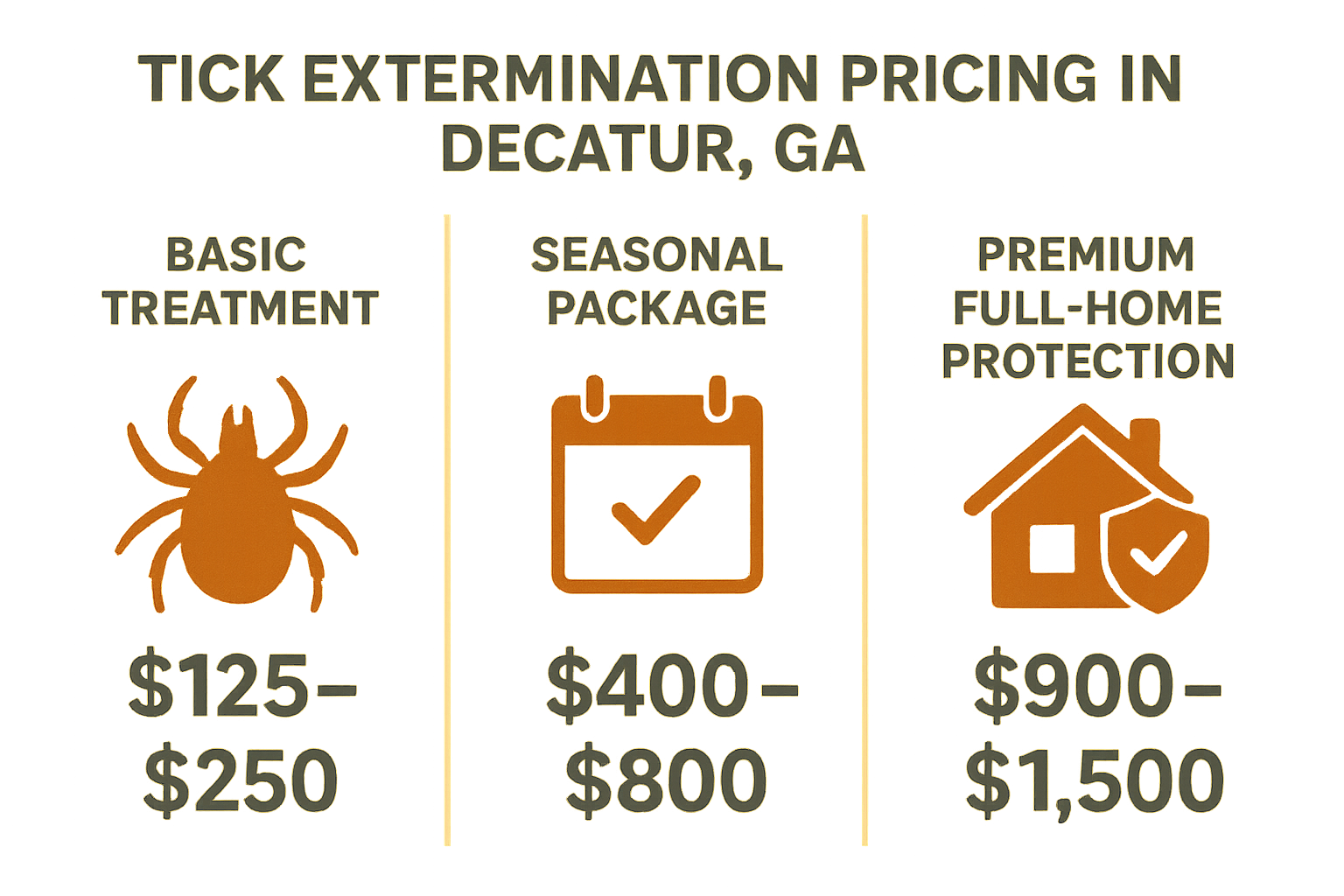
When you call a tick exterminator near me Decatur, the quote you receive can feel like a mystery. Knowing how companies structure their fees helps you compare options, avoid hidden costs, and choose a plan that fits both your budget and your yard’s needs. Below, we break down the typical service tiers you’ll encounter in Decatur, the price ranges each tier usually falls into, and what you actually get for your money.
Common Service Tiers
Most pest‑control firms in Decatur offer three distinct packages. Think of them as a ladder: you start with the basics and climb toward full‑home protection.
- Basic Treatment – One‑time application focused on high‑risk zones.
- Seasonal Package – Quarterly visits that keep ticks at bay throughout the active months.
- Premium Full‑Home Protection – Comprehensive, year‑round coverage with multiple follow‑up inspections.
Price Ranges (Based on the Infographic)
| Service Tier | Typical Price Range | Number of Visits | Coverage Area |
|---|---|---|---|
| Basic Treatment | $120 – $180 | 1 | Up to ½ acre |
| Seasonal Package | $350 – $480 | 4 (spring, summer, fall, early winter) | Up to 1 acre |
| Premium Full‑Home Protection | $620 – $800 | 6 + (quarterly + two mid‑season checks) | Entire property, including hard‑scape and perimeters |
What’s Included in Each Package
Understanding the deliverables prevents surprise add‑ons later on.
- Basic Treatment – One professional application, a detailed inspection report, and a 30‑day warranty on the treated zones.
- Seasonal Package – Four scheduled sprays, a pre‑season property assessment, post‑treatment monitoring, and a 90‑day guarantee after each visit.
- Premium Full‑Home Protection – Six or more treatments, a comprehensive initial walkthrough, quarterly follow‑up inspections, pest‑level reporting, and a year‑long service guarantee that includes any necessary retreatments.
Factors That Can Influence Your Quote
While the table gives a solid baseline, real‑world pricing can shift based on several variables:
- Property Size – Larger lawns or multiple buildings require more product and labor.
- Infestation Level – Heavy tick populations may need an extra pre‑treatment sweep.
- Property Type – Wooded lots, steep slopes, or extensive landscaping add complexity.
- Pet Presence – Some formulations are pet‑friendly and may cost slightly more.
- Season Timing – Early‑season bookings can sometimes lock in lower rates.
Tips for Getting the Best Value
Armed with this knowledge, you can negotiate a fair quote and ensure you’re not paying for services you don’t need.
- Ask for a detailed breakdown: product type, labor hours, and any travel fees.
- Request a site‑specific assessment before a price is quoted; a generic estimate can hide hidden costs.
- Inquire about bundled discounts if you combine tick control with other pest services.
- Verify the warranty terms—know exactly what retreatments are covered and for how long.
- Check whether the provider offers a satisfaction guarantee or a free follow‑up if ticks reappear.
- Read online reviews from Decatur homeowners to gauge reliability and consistency of service.
Seasonal Tick Activity Trends in Georgia
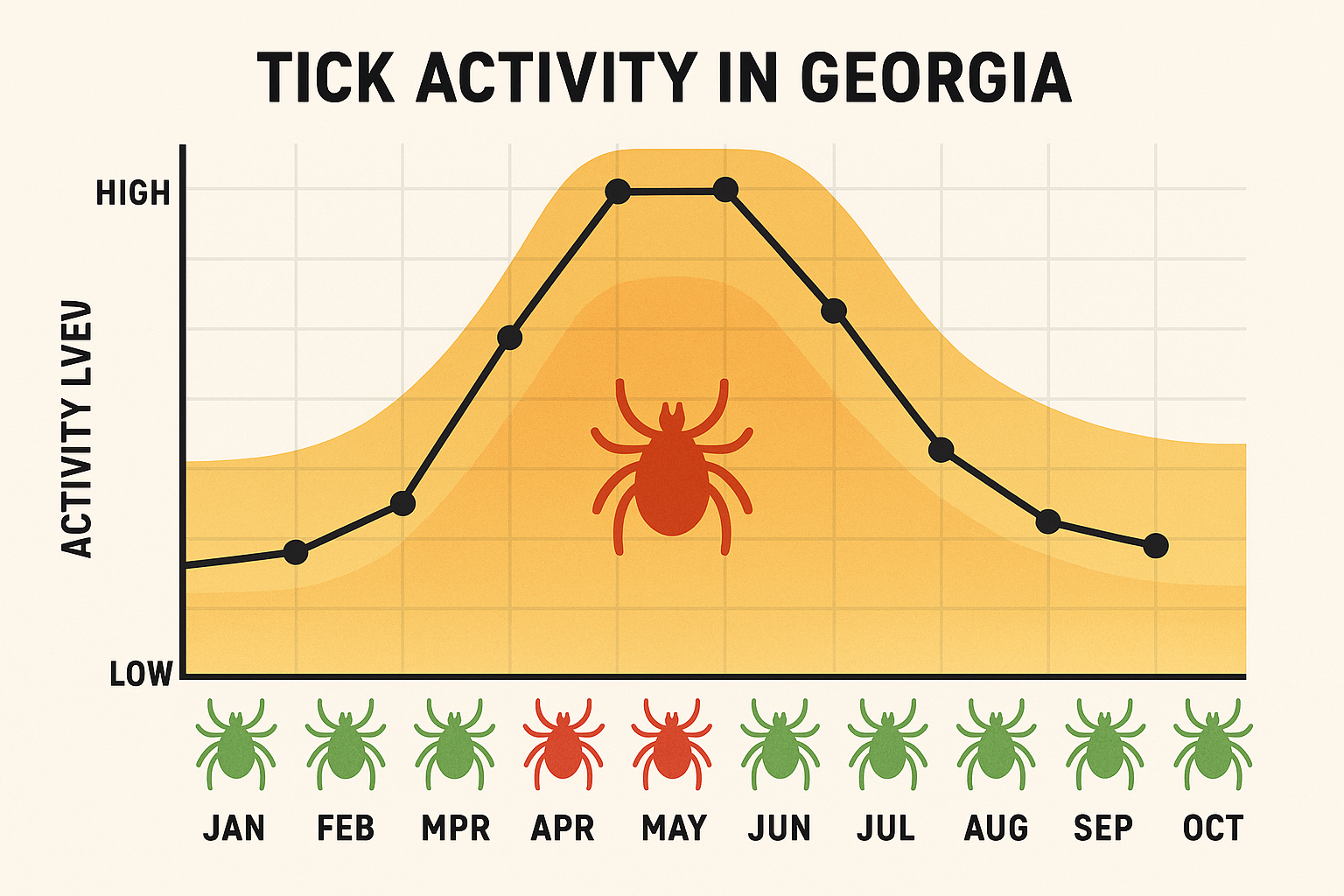
Georgia’s tick population follows a predictable rhythm, and the chart above makes it easy to see when the danger spikes. The most active window runs from early April through June, with a smaller secondary rise in September and October. By visualizing these peaks, homeowners can line up inspections and treatments to hit the pest before it reaches full strength.
Why Temperature and Humidity Matter
Ticks are cold‑blooded arthropods; they rely on external heat to move and feed. When daytime highs consistently sit between 65 °F and 85 °F and humidity stays above 70 %, larvae, nymphs, and adult ticks all accelerate their life cycles. Warm, moist spring weather fuels rapid breeding, while the hot, dry midsummer slows activity—only to pick up again as fall brings cooler, damp conditions.
Outdoor Recreation and Exposure Risk
Georgians love to spend time outdoors, especially during the spring “tick season.” Hiking, gardening, and weekend trips to local parks coincide with the chart’s peak months, increasing the chance of a bite. Children playing in leaf litter or dogs rolling in tall grass become unwitting carriers, bringing ticks into the home where they can latch onto family members.
Scheduling Professional Treatments for Maximum Impact
To stay ahead of the infestation curve, consider three key treatment windows:
- Pre‑peak (late February–early March): A preventative perimeter spray creates a barrier before nymphs emerge.
- Peak (mid‑April–early June): A targeted treatment tackles active ticks in yard perimeters, garden beds, and shaded zones.
- Post‑peak (late September–early October): A follow‑up application catches any late‑season survivors and prepares the property for winter dormancy.
Quick Seasonal Checklist
Use this month‑by‑month guide to keep ticks at bay throughout the year.
- January: Inspect stored firewood and mulch for hidden ticks.
- February: Schedule a pre‑peak professional treatment.
- March: Trim overgrown shrubs; clear leaf litter near foundations.
- April: Perform a thorough yard inspection; treat high‑risk zones.
- May: Check pets weekly; use tick‑preventive collars.
- June: Keep grass mowed short; avoid walking through tall vegetation.
- July: Conduct a mid‑season spot check; maintain humidity‑reducing landscaping.
- August: Review outdoor play areas for debris; wash clothing after yard work.
- September: Schedule post‑peak professional treatment.
- October: Remove fallen leaves promptly; store garden tools indoors.
- November: Inspect pet bedding and indoor carpets for hitchhiking ticks.
- December: Plan next year’s preventive schedule; keep a tick‑removal kit handy.
Protect Your Home with Anthem Pest Control Today
Ticks may be tiny, but in Decatur they’re a heavyweight threat to your family’s health. From Lyme disease to Rocky Mountain spotted fever, these parasites can turn a simple backyard walk into a medical emergency. The humid Georgia climate gives ticks a year‑round breeding ground, and once they’re established in your yard, they can hitch a ride inside, putting every room at risk.
Key Prevention Steps You Can’t Afford to Skip
- Landscape management – Keep grass trimmed, remove leaf litter, and create a 3‑foot barrier of wood chips or gravel between lawn and wooded areas.
- Regular inspections – Check pets, children, and yourself for attached ticks after any outdoor activity.
- Protective clothing – Wear long sleeves, pants, and tick‑repellent-treated gear when venturing into high‑risk zones.
- Barrier treatments – Apply EPA‑approved acaricides to your yard’s perimeter and high‑traffic zones.
- Professional follow‑up – Schedule seasonal treatments to stay ahead of tick populations before they surge.
While DIY measures are essential, they rarely achieve the comprehensive protection that a licensed professional provides. A single missed spot in your yard can become a breeding hub, and over‑application of chemicals can pose health risks to pets and children. That’s why a qualified pest‑control partner is indispensable.
Why Anthem Pest Control Is Decatur’s Trusted Tick‑Defense Ally
Anthem Pest Control combines local expertise with cutting‑edge, low‑toxicity solutions. Our technicians are trained to identify the specific tick species thriving in your neighborhood and tailor a treatment plan that targets them without compromising the safety of your loved ones. Here’s what sets us apart:
- Safe & Effective Products – We use EPA‑registered acaricides that work fast and break down quickly, minimizing environmental impact.
- Transparent Pricing – No hidden fees. You’ll receive a clear, itemized quote before any work begins.
- Affordable Packages – Seasonal and year‑round plans are designed to fit typical homeowner budgets.
- Local Knowledge – Our crews understand Decatur’s micro‑climates, ensuring every inch of your property receives proper coverage.
When you choose Anthem, you’re not just buying a service; you’re investing in peace of mind. Our free, no‑obligation inspections let you see exactly where ticks could be hiding, and our detailed report outlines the steps needed to eliminate them.
Take the First Step Toward a Tick‑Free Home
Don’t wait for the next bite to remind you why professional tick control matters. If you’re searching for a reliable tick exterminator near me Decatur, call us today at 877-371-8196 for a complimentary inspection, or visit Anthem Pest Control to learn more about our safe, affordable solutions. One quick call can set your family on the path to a healthier, pest-free season.