Recognizing House Flies and Their Presence at Home
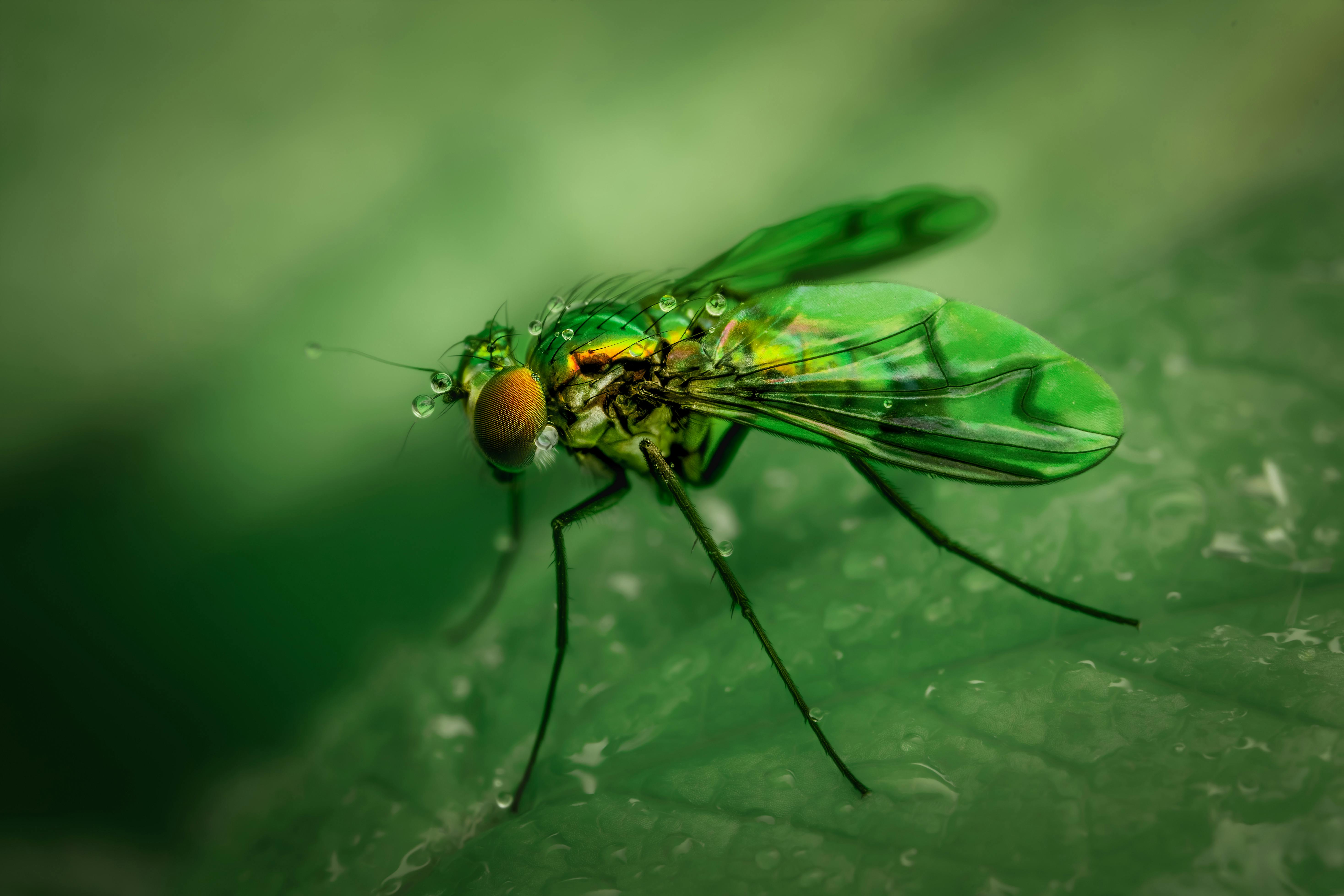
House flies (Musca domestica) are the most familiar flying insects you’ll encounter inside a home. They’re about ¼-inch long, with a gray-black body, four distinct black stripes on the thorax, and bright red eyes that give them a slightly metallic sheen. Their life cycle is rapid: an egg hatches into a larva (maggot) within a day, the larva matures into a pupa in another 3-5 days, and an adult emerges ready to breed in as little as a week under warm conditions—one reason house fly control cost Sugar Hill homeowners face can rise quickly if early signs are ignored.
Flies are opportunistic travelers. They slip inside through open doors and windows, but they’re also adept at exploiting tiny cracks around screens, vent openings, and utility lines. Food waste, uncovered trash, pet dishes, and even damp organic material in compost bins act like neon signs, drawing flies toward your kitchen, garage, or patio. Once inside, they tend to linger near food preparation areas because they feed on sugars, proteins, and decaying matter.
Signs of a Fly Presence
- Swarming activity: A noticeable cluster of flies buzzing around a light source, doorway, or garbage area.
- Fly droppings: Tiny black specks on countertops, walls, or near food items—each drop can carry bacteria.
- Increased nuisance: Flies landing on plates, utensils, or food containers, especially during meal prep.
- Unusual odors: A faint, unpleasant smell may indicate a buildup of waste that’s attracting flies.
These indicators often signal that flies have found a reliable food source and a comfortable entry point, setting the stage for an infestation if left unchecked.
According to the U.S. Environmental Protection Agency, house flies are present in roughly 80 % of American homes each year, with seasonal spikes during the warm months. Their ability to transmit over 100 disease‑causing pathogens—including Salmonella, E. coli, and various enteric viruses—makes them more than just a nuisance.
Understanding the fly’s biology helps you anticipate where they’ll appear and how quickly they multiply. By recognizing the typical gray‑black body, the characteristic wing pattern, and the rapid life cycle, you can spot a fly problem early—before a few adults become a full‑blown infestation that jeopardizes food safety and comfort.
For a deeper dive into house‑fly behavior, development stages, and control recommendations, visit the EPA’s comprehensive guide on House Flies. Armed with this knowledge, you’ll be better prepared to work with a professional service like Anthem Pest Control to implement safe, effective, and affordable fly management solutions.
Health Risks and Why Prompt Fly Control Is Essential
House flies may seem harmless, but they are efficient carriers of bacteria, viruses, and parasites. When a fly lands on garbage, animal waste, or a decaying carcass, it picks up microbes on its hairy legs and sticky mouthparts. Those same contaminants are transferred the moment the insect touches food, kitchen counters, or children’s toys, which is why delaying treatment can increase house fly control cost Sugar Hill homeowners ultimately face. This constant shuttling creates a direct pathway for disease agents to enter your home environment.
Illnesses Commonly Linked to Flies
- Salmonella – A bacterial infection that causes fever, abdominal cramps, and diarrhea. Flies can spread Salmonella from raw meat or contaminated surfaces to ready‑to‑eat foods.
- E. coli – Certain strains produce powerful toxins leading to severe stomach pain and bloody stools. Flies often pick up E. coli from pet feces and then contaminate salads or fruit.
- Dysentery – Caused by both bacterial (Shigella) and parasitic (Entamoeba) agents, dysentery results in painful, bloody diarrhea. Flies landing on unclean dishes or kitchen sponges can introduce these pathogens into meals.
The CDC’s guidance on house flies underscores that a single fly can transport more than 100 disease‑causing organisms. Their advice is clear: keep flies out of food preparation areas, and act quickly when you notice an infestation.
Economic Impact of Fly‑Related Food Spoilage
Beyond health, flies can cost homeowners money. Contaminated food often has to be discarded, leading to waste of groceries and increased grocery bills. In a typical household, a single fly infestation can spoil a week’s worth of fresh produce, dairy, or prepared meals, easily adding $50‑$150 in lost food value. Moreover, if a fly‑borne illness forces a family member to miss work or seek medical care, the indirect costs can climb even higher.
Why Early Detection and Regular Monitoring Matter
Flies multiply fast; a few adults can lay hundreds of eggs in a matter of days. Spotting the first signs—such as flies buzzing around doors, windows, or trash cans—allows you to intervene before the population explodes. Routine inspections, proper waste management, and sealing entry points are simple steps that keep numbers low. When you pair these habits with professional fly control, you protect both health and your household budget.
Seasonal Patterns of House‑Fly Activity
House flies thrive when three environmental factors line up: warm temperatures, high humidity, and long daylight hours. In Sugar Hill, Georgia, average summer highs above 80°F (27°C) accelerate the fly life cycle from egg to adult in just a week. Moisture from summer thunderstorms provides the perfect breeding medium for larvae in organic waste, while extended daylight keeps adults active longer each day. When any of these conditions dip—cooler nights in fall or low humidity in winter—the population naturally contracts.

| Month | Activity Level |
|---|---|
| January | Low |
| February | Low |
| March | Moderate |
| April | Moderate |
| May | High |
| June | Peak |
| July | Peak |
| August | Peak |
| September | High |
| October | Moderate |
| November | Low |
| December | Low |
Even within a single state, fly activity can shift. The southern portions of Georgia often see the same high‑activity window start a month earlier, while the cooler northern hills—where Sugar Hill sits—experience a slightly delayed peak. Inside homes, flies are most active during the warmest parts of the day, but they’ll retreat to shaded indoor spaces once outdoor temperatures drop, creating a constant indoor‑outdoor exchange that fuels infestations year‑round.
Pre‑emptive Steps Before the Peak Season
- Seal cracks around doors, windows, and utility openings to block entry points.
- Install tight‑fitting screens and repair any tears promptly.
- Maintain a clean kitchen: store food in sealed containers, wipe down counters, and empty trash bins daily.
- Keep outdoor garbage cans covered and away from building foundations.
- Eliminate standing water and damp organic debris where larvae could develop.
Timing professional fly control to align with these seasonal trends maximizes effectiveness. Anthem Pest Control recommends a pre‑season inspection and treatment in late April, just before the population spikes. A targeted outdoor barrier combined with indoor residual applications creates a defensive wall that reduces the initial fly surge. Follow‑up treatments in July and September keep the residual barrier strong, ensuring that any late‑season flyers are promptly knocked down before they can re‑establish.
DIY Traps vs. Professional Fly‑Control Solutions
House flies can turn a quiet kitchen into a buzzing nuisance. DIY traps are cheap and simple, but they seldom eliminate the source of the problem or reduce long-term house fly control cost Sugar Hill homeowners may face. Professional fly-control brings targeted chemicals, expert application, and ongoing monitoring to keep flies at bay. Below is a side-by-side look at the most common DIY options and what Anthem Pest Control offers.
Popular DIY methods
- Sticky traps – Paper strips with adhesive that snag flies.
- Pros: Under $10 for a pack, no chemicals, easy placement.
- Cons: Catches only flies that land on them, needs frequent replacement, no residual effect.
- Homemade bait (sugar‑water or vinegar) – Flies drown in a container.
- Pros: Uses pantry items, essentially free, can be placed near problem spots.
- Cons: Attracts other insects, can spill, loses potency quickly.
- Electric fly zappers – UV light draws flies into an electrified grid.
- Pros: Immediate visual result, works day and night, reusable.
- Cons: High electricity use, limited coverage, may kill beneficial insects, grid needs regular cleaning.
Single‑visit professional treatment
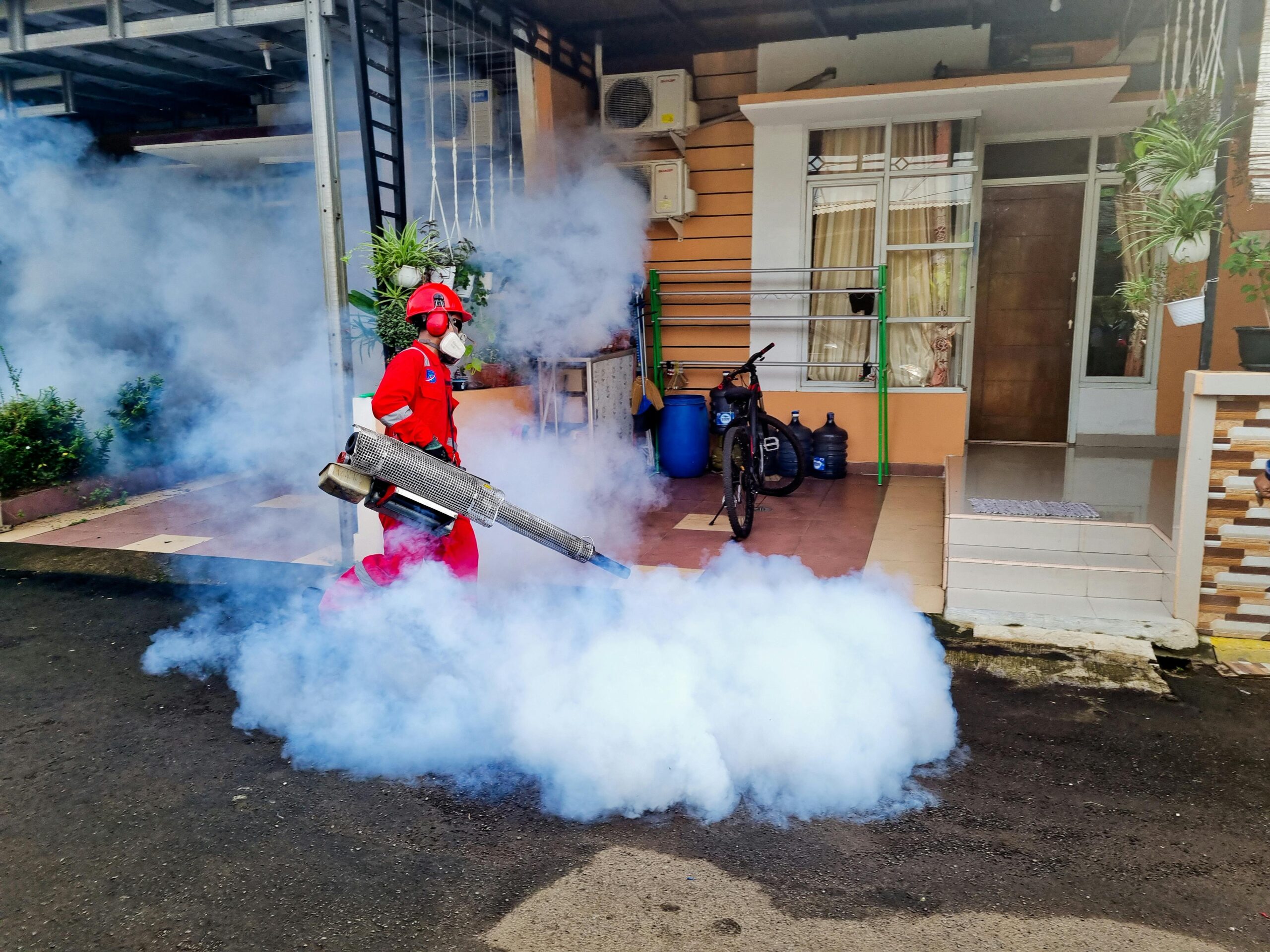
A licensed technician sprays a fast‑acting, residual insecticide at interior hotspots—windows, doors, trash areas. The residual action continues killing flies for up to 30 days, dramatically lowering re‑infestation risk. Professional application prevents over‑use, protects children and pets, and usually shows a noticeable drop in fly activity after the first visit.
Quarterly service plans
Anthem’s quarterly plan builds on the initial treatment with scheduled follow‑ups throughout the warm months. Each visit includes a fresh residual spray, a visual inspection for new breeding sites, and seasonal adjustments such as outdoor perimeter work when flies migrate from nearby fields. Spreading the cost over four payments provides continuous protection and lets the technician fine‑tune the program based on real‑time fly activity.
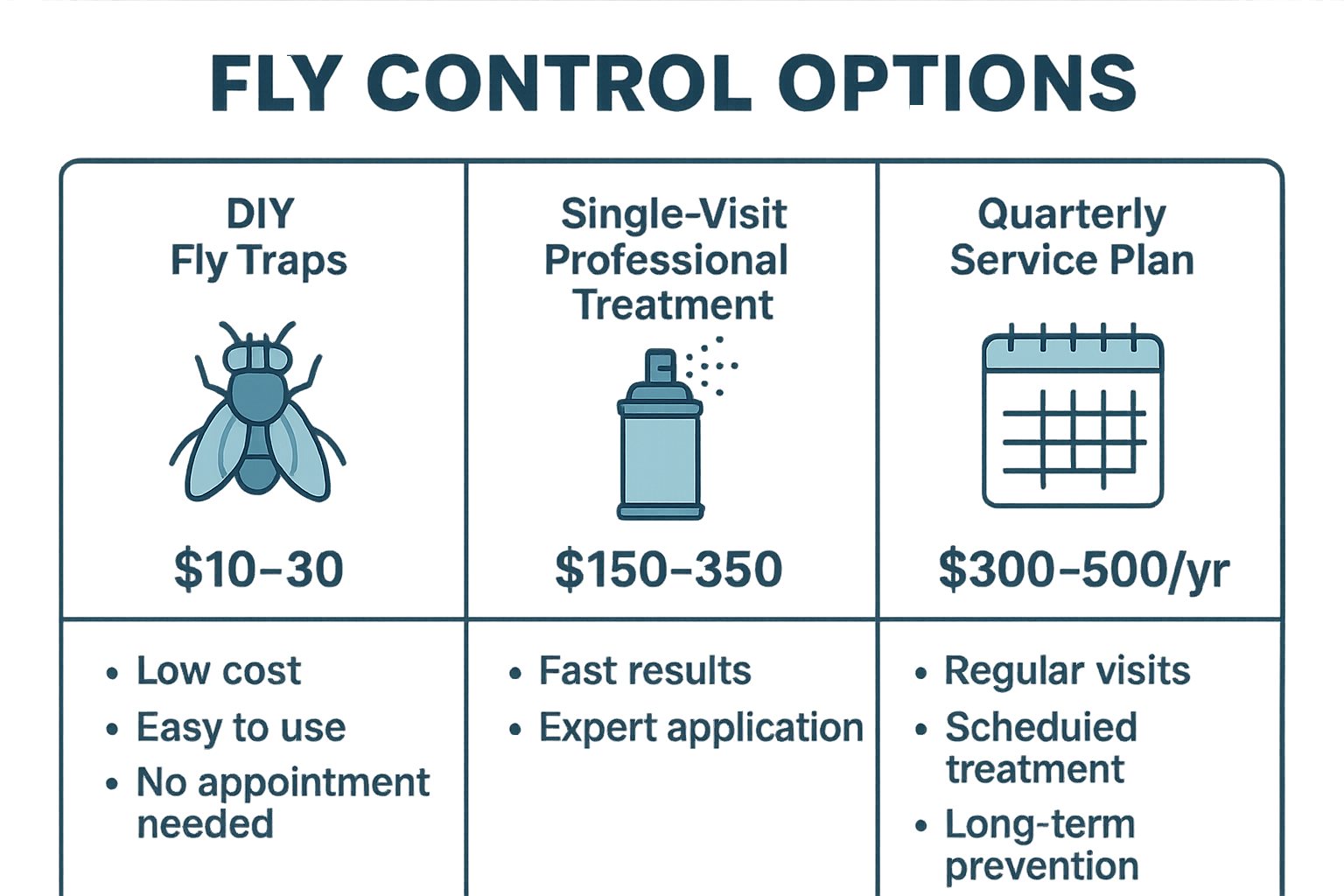
The National Pest Management Association (NPMA) reports that average residential fly‑control services range from $150‑$250 per treatment, while quarterly plans typically cost $400‑$600 annually. In contrast, DIY supplies usually stay under $30 per month, but they require constant replacement and monitoring.
In short, DIY solutions may suffice for occasional fly sightings, but they lack the durability and comprehensive coverage of a professional program. For persistent problems or peace of mind, a single‑visit or quarterly plan from Anthem Pest Control delivers proven, cost‑effective protection.
What to Expect From a Professional Fly‑Control Visit
1. Pre‑visit preparation – your role at home
Before the technician steps through your front door, a few simple steps can make the treatment more effective and keep the process smooth:
- Clear countertops and tables. Remove dishes, crumbs, and any open food containers that could attract flies.
- Secure trash bins. Tie lids tightly or move them to an outdoor area to eliminate easy breeding spots.
- Pet safety. Keep dogs and cats in a separate room or in a carrier while the treatment is applied.
- Access points. Open interior doors and windows that lead to the treatment zones so the technician can move freely.
These quick actions cost you a few minutes but give the professional a clean canvas to work on, which translates into faster results and less product waste.
2. Technician arrival – inspection and plan discussion
When the Anthem technician arrives, you’ll notice a uniform badge and a friendly, professional demeanor. The first step is a thorough walk‑through:
- Identify the fly species. Different flies (house flies, fruit flies, cluster flies) have distinct habits, and pinpointing the type guides the treatment strategy.
- Locate breeding sites. The expert checks garbage areas, drains, pet waste stations, and any damp spots where larvae could be hatching.
- Discuss the treatment plan. You’ll receive a clear, jargon‑free explanation of what will be applied, where, and why.
Transparency is a hallmark of Anthem’s service; the technician will note any findings on a printable report you can keep for your records.
3. EPA‑approved products and safety precautions
Anthem uses only products that have passed the U.S. Environmental Protection Agency’s rigorous safety standards. Typical ingredients include low‑toxicity pyrethroids and growth regulators that target flies without lingering residues.
While the chemicals are safe when used correctly, the technician will:
- Apply the spray in a thin, even mist to avoid over‑application.
- Cover or remove pet food bowls and children’s toys before treatment.
- Ventilate the treated area for at least 15 minutes after application.
- Provide a written safety sheet that lists active ingredients, re‑entry times, and any special instructions.
These steps protect your family, pets, and the environment while still delivering a lethal blow to the fly population.
4. Post‑treatment follow‑up – monitoring, warranty, and prevention
After the initial spray, Anthem doesn’t disappear. The follow‑up process includes:
- Monitoring visit (usually within 7‑10 days). The technician checks for residual activity, re‑treats hot spots if needed, and answers any questions you have.
- Warranty coverage. Most residential fly‑control packages come with a 30‑day guarantee; if flies return, a complimentary retreat is scheduled.
- Preventive recommendations. Simple habits—like keeping compost bins sealed, fixing leaky pipes, and using fly traps—are reinforced to keep the infestation from returning.
5. Why Anthem Pest Control stands out
Anthem isn’t just a local service; it’s a nationwide network of certified technicians who share a single commitment to transparent pricing and measurable results. When you call 877‑371‑8196 or visit anthempest.com, you’ll receive a detailed quote that lists every product, labor hour, and service guarantee—no hidden fees.
Because Anthem operates on a standardized platform, the same rigorous training you’d find in a big city is available right here in Sugar Hill, GA. That means you get the latest EPA‑approved formulations, state‑of‑the‑art equipment, and a service guarantee backed by a company that serves millions of homes across the country.
Take Control of Flies Today with Anthem Pest Control
House flies may seem harmless, but they carry bacteria that can contaminate food, surfaces, and even your children’s hands. During the warm months of Sugar Hill, flies multiply quickly, turning a minor nuisance into a health risk. That’s why timing matters—addressing the problem early in the season stops the population before it overwhelms your home.
Why a Professional, Quarterly Plan Beats DIY Fixes
Do‑it‑yourself sprays can knock down a few flies, but they rarely break the breeding cycle. A professional, quarterly plan offers three key advantages:
- Consistent monitoring – Technicians inspect for hidden breeding sites and adjust treatment as conditions change.
- Targeted, low‑toxicity products – We use EPA‑approved solutions that are safe for pets and children while remaining lethal to flies.
- Cost‑effective protection – Spreading treatment over four visits reduces the per‑visit price and eliminates the need for repeated over‑the‑counter purchases.
Anthem’s Commitment to Safe, Effective, Affordable Service
At Anthem Pest Control, transparency is built into every quote. You’ll know exactly what’s included, how often we’ll visit, and the total investment before any work begins. Our technicians are trained to identify the specific fly species in Sugar Hill and apply the most efficient control method, whether that’s indoor residual spray, outdoor perimeter treatment, or a combination of both.
Our pricing is straightforward: a flat quarterly fee covers all indoor and perimeter treatments, with no hidden surcharges. Because we schedule visits before the peak fly season, you avoid emergency call‑outs and the higher rates that come with them. Plus, every service includes a detailed report so you can see exactly where flies were trapped and what actions were taken.
We prioritize the health of your family and pets. All products are applied following strict safety protocols, and we offer low‑odor, fast‑drying formulations that won’t linger in living spaces. When you choose Anthem, you get a partner that stays up‑to‑date with the latest integrated pest‑management techniques, ensuring long‑term control without compromising indoor air quality.
Ready to Reclaim Your Home?
Take the first step toward a fly‑free environment today. Call us at 877‑371‑8196 for a free, no‑obligation quote, or click the link below to schedule your service online. Our friendly team will walk you through the process, answer any questions, and set up a quarterly plan that fits your budget.
Visit Anthem Pest Control to get clear, upfront guidance on house fly control cost Sugar Hill homeowners can trust, along with professional treatment options tailored to your home.