Why Cockroach Control Matters in Suwanee, GA
Suweane sits in the foothills of the Appalachian foothills, where warm summers, mild winters, and frequent humidity create an ideal backdrop for cockroaches. The town’s mix of newer single‑family homes, older duplexes, and apartment complexes provides plenty of cracks, crevices, and shared plumbing lines—perfect hide‑outs for German cockroaches, American cockroaches, and other common species that thrive in moist, food‑rich environments.
Health risks that can’t be ignored
Beyond the visual nuisance, cockroaches pose serious health threats. Their bodies and droppings carry allergens that can trigger asthma attacks, especially in children and seniors. Each night, a single cockroach can shed up to 30 allergenic particles, contaminating bedding, sofas, and kitchen surfaces. Moreover, these insects are mechanical vectors for bacteria such as Salmonella and E. coli, which can land on countertops, utensils, and stored food, leading to foodborne illness. Even if you don’t see a roach, the invisible contamination can spoil pantry items and compromise the safety of meals prepared for your family.
Property damage and reputational impact
Persistent cockroach activity can erode the value of your home. Their constant chewing can damage wallpaper, electrical wiring, and even wooden structures, creating costly repair needs. For renters, a visible infestation can jeopardize lease renewals and damage relationships with landlords. Homeowners who host gatherings or operate short‑term rentals may also suffer reputational harm; a single negative review about pests can deter future guests and affect your property’s marketability.
Common misconceptions vs. reality
- DIY sprays are a cure‑all. Over‑the‑counter aerosols may knock out a few visible roaches, but they rarely reach hidden nests or eliminate eggs, leading to rapid reinfestation.
- “One‑time” fixes work. Cockroaches reproduce quickly—German cockroaches can produce 30–40 offspring in a month. Without ongoing monitoring, new generations will re‑populate the same spaces.
- Cleaning alone solves the problem. While sanitation is essential, it does not address the insects hiding behind appliances, in wall voids, or inside pipe chases where they are protected from surface cleaning.
The truth is that cockroach infestations are often chronic, hidden, and resilient. Relying on short‑term solutions can waste both time and money, while allowing the problem to spread deeper into your home’s structure.
Why early detection and professional treatment matter
Identifying the species, locating harborage sites, and understanding the extent of the infestation are the first steps toward an effective, cost‑controlled plan. Professional technicians from Anthem Pest Control use targeted baits, gel applications, and integrated pest‑management strategies that address both adult roaches and their eggs. By acting early—before a small cluster turns into a full‑blown invasion—you can limit the number of treatment visits, reduce chemical usage, and keep overall expenses in check.
In Suwanee, where the climate and housing conditions naturally favor cockroaches, proactive control isn’t a luxury; it’s a necessary safeguard for health, property integrity, and peace of mind. Trusting a locally‑trained, licensed professional ensures that the hidden threats are uncovered, treated, and kept at bay, allowing you to enjoy a pest‑free home year after year.
Spotting a Cockroach Problem Early
Common Species in Georgia
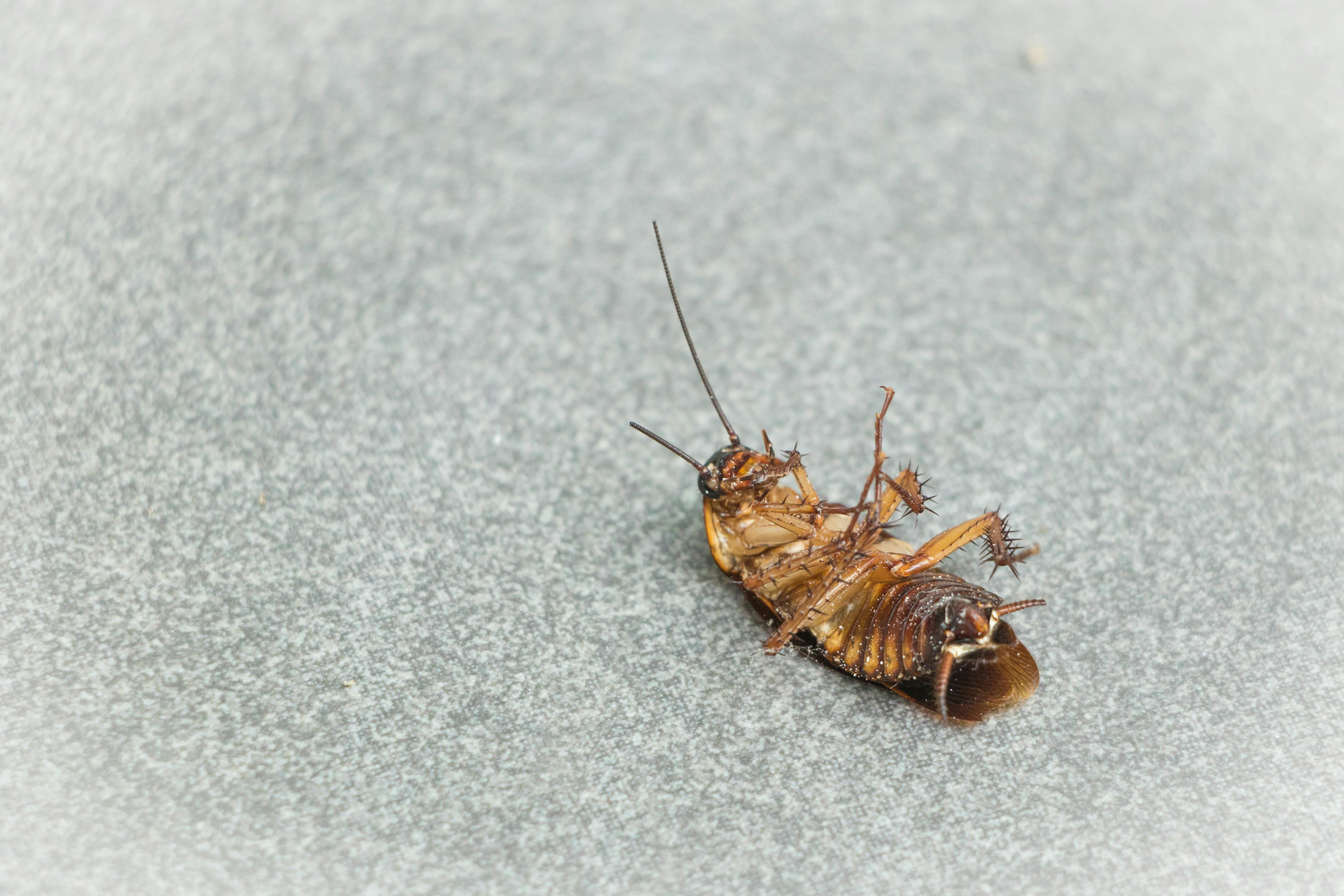
Georgia homeowners most often encounter three cockroach species: the German, American, and Oriental. The German cockroach (Blattella germanica) is the smallest, measuring about ½ inch long, light tan to brown, and usually found in clusters near food sources. The American cockroach (Periplaneta americana) is larger—up to 2 inches—shiny reddish‑brown with a yellowish fringe on the wings. The Oriental cockroach (Blatta orientalis) is medium‑sized, dark brown to black, and prefers cooler, damp environments such as basements.
Key Identification Features
- Size: German (0.5 in), Oriental (1 in), American (1.5–2 in).
- Color: German – light tan; American – reddish‑brown with a yellow band; Oriental – dark brown/black.
- Wing Development: Germans have short, non‑functional wings; Americans have fully developed, flight‑capable wings; Orientals have wings that are present but rarely used for flying.
- Preferred Hiding Spots: Germans love warm, moist cracks near appliances; Americans favor sewers, crawl spaces, and outdoor lights; Orientals hide in cool, damp areas like basements and under sinks.
Warning Signs of an Emerging Infestation
Even before you see a live roach, several subtle clues can tip you off:
- Droppings: Tiny, black‑pepper‑like specks that appear in pantry corners, under cabinets, or near garbage cans.
- Egg Casings (oothecae): Oval, brownish capsules roughly the size of a grain of rice, often found in hidden crevices.
- Musty Odor: A faint, oily smell that intensifies as the population grows.
- Nocturnal Sightings: A quick flash of movement at night, especially near lights or around food prep areas.
Where to Inspect
Target the following hotspots during a thorough walk‑through:
- Kitchens – behind the stove, under the refrigerator, and inside pantry shelves.
- Bathrooms – around the toilet base, under sinks, and in tile grout lines.
- Basements – along foundation walls, in utility closets, and near water heaters.
- Behind Appliances – especially dishwashers, microwaves, and washing machines.
- Wall Voids – use a flashlight to peer into cracks, outlet boxes, and vent openings.
Documenting What You Find
When you call a pest professional, clear evidence speeds up diagnosis and treatment. Follow these simple steps:
- Take close‑up photos of droppings, egg casings, and any live sightings. Use your phone’s macro mode if available.
- Note the exact location (e.g., “under the right‑hand side of the refrigerator”) and the time of day you observed the activity.
- Record how often you see the signs—daily, weekly, or only after rain.
- If possible, capture a short video of nocturnal movement near a light source; this helps technicians confirm species.
Organize these files in a single folder and email them to your pest control provider before the technician arrives. Clear documentation not only validates the need for treatment but also guides the professional to the most vulnerable entry points.
For a deeper dive into cost expectations and treatment options in nearby Suwanee, GA, visit the Anthem Pest Control Cockroach Cost Guide. Armed with the right signs and evidence, you’ll catch a cockroach problem before it spreads, saving both time and money.
Understanding Cockroach Treatment Costs
When a cockroach invasion shows up in a Suwanee home, the first question most homeowners ask is, “How much will it cost to get rid of them?” The answer isn’t a single number; it depends on the service schedule you choose, the size of your property, and how severe the infestation is. Anthem Pest Control structures its pricing into clear tiers—monthly, bi‑monthly, quarterly, and one‑time treatments—so you can match the plan to your budget and your pest‑control goals.
Typical Pricing Tiers
Below is a quick snapshot of the price ranges you’ll see across the most common service intervals. All figures are estimates for a standard single‑family home (1,500–2,500 sq ft) in the Suwanee area.
| Plan Type | Frequency | Typical Cost per Visit | Annual Cost Range |
|---|---|---|---|
| Monthly Protection | 12 visits per year | $30‑$45 | $360‑$540 |
| Bi‑Monthly Service | 6 visits per year | $40‑$60 | $240‑$360 |
| Quarterly Maintenance | 4 visits per year | $50‑$75 | $200‑$300 |
| One‑Time Treatment | Single visit | $80‑$150 | $80‑$150 |
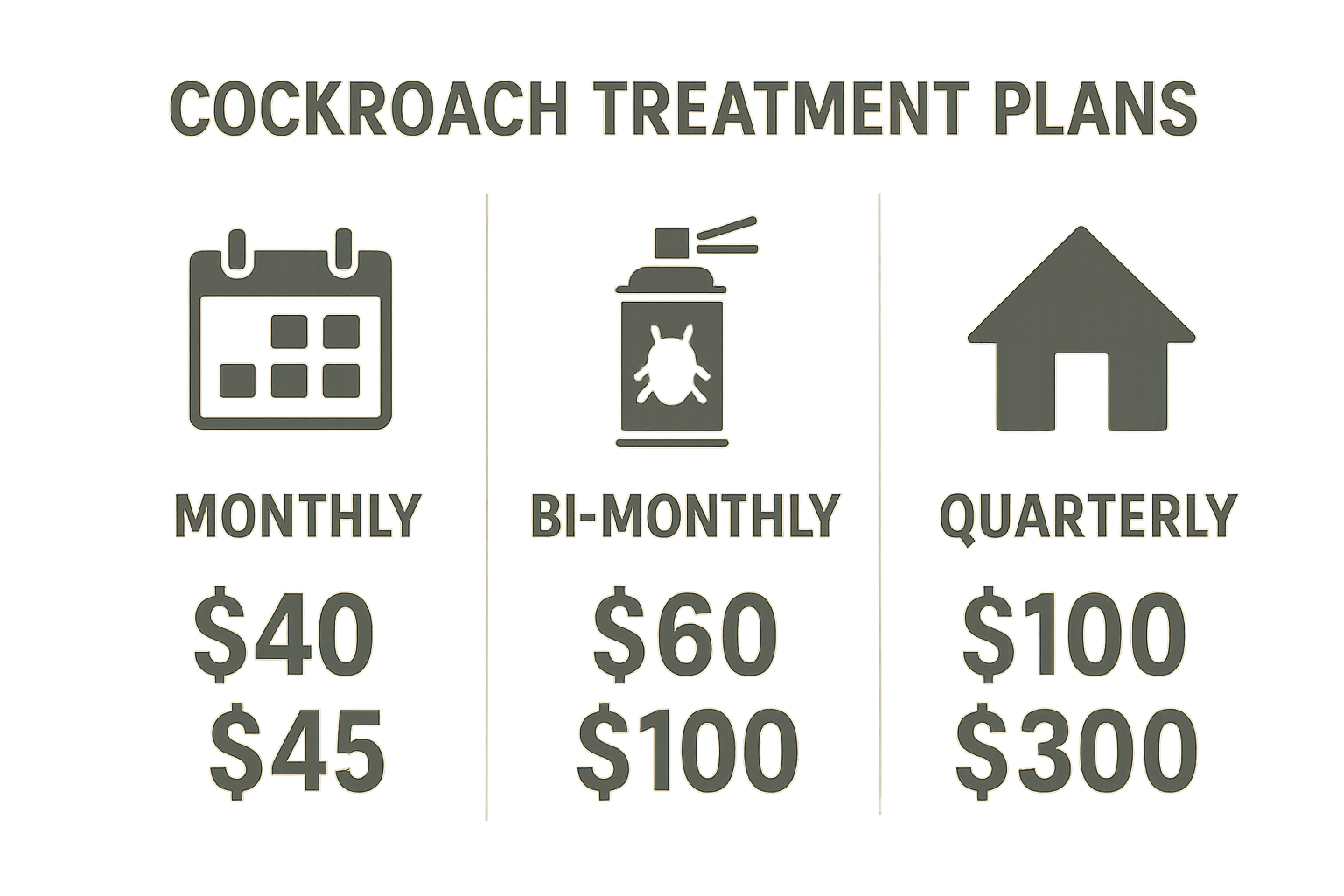
These tiers give you a baseline, but the final bill can shift based on several variables that directly affect how much work is required to eliminate the roaches and keep them from returning.
Key Factors That Influence the Cost
- Square footage: Larger homes need more product and longer technician time, which raises the per‑visit price.
- Infestation severity: A light sighting may be handled with a single bait placement, while a heavy infestation often requires multiple applications and stronger residual chemicals.
- Type of treatment: Gel baits, dust formulations, and ultra‑low‑volume (ULV) foggers each carry different material costs. Integrated Pest Management (IPM) approaches that combine baits with structural sealing tend to be pricier upfront but save money long‑term.
- Follow‑up visits: Some infestations need a second or third visit to confirm eradication. Most professional plans bundle these follow‑ups into the schedule, but a one‑time service might add extra fees.
- Special circumstances: Multi‑unit dwellings, pet‑friendly formulations, or the need to treat hard‑to‑reach areas (e.g., crawl spaces) can add a modest surcharge.
DIY Products vs. Professional Service Value
Do‑it‑yourself kits are tempting because a single jar of bait can be purchased for $15‑$30. However, the real cost of a DIY approach often hides in reduced effectiveness, repeated purchases, and the risk of improper placement. A professional service, by contrast, offers:
- Effectiveness: Trained technicians know where roaches hide and how to apply products for maximum residual action.
- Warranty and guarantee: Anthem Pest backs its work with a satisfaction guarantee, meaning a free re‑treatment if roaches return within the agreed period.
- Safety: Certified applicators use EPA‑approved chemicals at concentrations that are safe for families and pets, reducing the chance of accidental exposure.
- Time savings: You avoid the guesswork of rotating products and the frustration of a lingering infestation.
When you add up the cost of multiple DIY purchases over a year, the total can easily match or exceed the price of a quarterly professional plan—while still delivering less reliable results.
What’s Included in Each Professional Plan
Regardless of the frequency you select, Anthem Pest’s standard packages contain the same core components:
- Comprehensive inspection: Technicians assess entry points, food sources, and harborage areas.
- Targeted treatment: Application of baits, dusts, or sprays tailored to the identified species and infestation level.
- Monitoring tools: Sticky traps or electronic monitors placed for ongoing detection.
- Guarantee period: Most plans include a 30‑day warranty on the first treatment, with extensions available for recurring schedules.
- Follow‑up reporting: Homeowners receive a brief summary after each visit, outlining what was done and any recommended next steps.
Tips for Getting an Accurate Quote
- Schedule a pre‑inspection: Invite a technician to walk through your home before any work begins. This lets them gauge square footage, identify problem zones, and estimate severity.
- Be specific about problem areas: Mention kitchens, basements, pet feeding stations, and any recent sightings. The more detail you give, the more precise the estimate.
- Ask about bundled services: Some companies combine cockroach control with ant or rodent prevention, which can lower the overall cost.
- Request a written breakdown: A transparent quote should list inspection fees, product costs, labor, and any potential follow‑up charges.
- Check for guarantees: Ensure the quote includes the length of the warranty and what actions are covered if roaches reappear.
By understanding how frequency, home size, and infestation severity drive pricing, you can choose a plan that fits both your budget and your peace of mind. Anthem Pest Control’s transparent tiers make it easy to compare options, and the added value of professional expertise often outweighs the modest price difference from DIY solutions.
Seasonal Cockroach Activity in Georgia and Optimal Treatment Timing
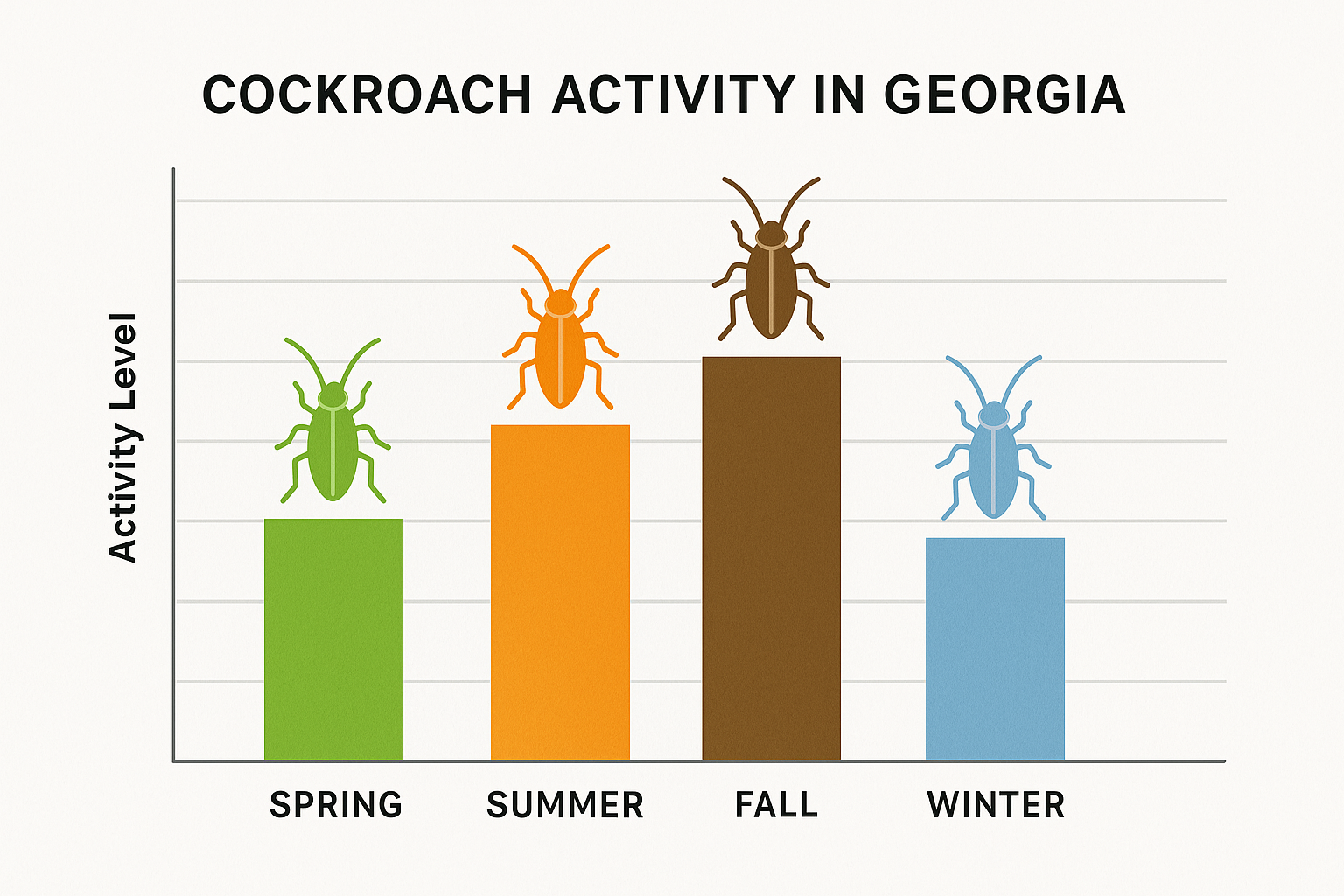
Georgia’s climate creates a roller‑coaster for cockroach populations. When temperatures climb above 70 °F and humidity spikes, roaches emerge from their hidden cracks, multiply rapidly, and start scouting for food and water. That means the warm, humid stretch from late April through September is the high‑risk window for most homeowners. As fall arrives and temperatures dip, activity eases but never disappears entirely—cockroaches can still survive indoors where conditions stay cozy.
Reading the Seasonal Activity Chart
The chart above breaks Georgia’s year into three activity zones. April – June marks the “ramp‑up” phase: rising temperatures awaken dormant colonies, and humidity from spring rains creates perfect breeding conditions. July – August is the peak, with the highest capture rates in monitoring traps—often 2‑3 times the baseline. September – December shows a gradual decline, yet the line never reaches zero because indoor environments remain shielded from the cold.
| Month | Activity Level | Key Weather Factor |
|---|---|---|
| January | Low | Cool, dry |
| February | Low | Cool, occasional rain |
| March | Moderate | Warming, increasing humidity |
| April | Moderate‑High | Spring showers |
| May | High | Consistently warm, humid |
| June | High | Peak humidity |
| July | Very High | Heat wave + humidity |
| August | Very High | Continued heat, occasional storms |
| September | High | Gradual cooling, still humid |
| October | Moderate | Cooler nights, less rain |
| November | Low‑Moderate | Dry, cooler days |
| December | Low | Cold, dry |
Why Indoor Spaces Stay Hospitable Year‑Round
Even when the outdoors cools, kitchens, bathrooms, and basements retain moisture and warmth. Leaky pipes, pet water bowls, and food crumbs act like a year‑long buffet. Rainy periods raise indoor humidity, especially in older homes with limited ventilation. That’s why you’ll still find a few roaches lurking in cabinets during winter— they simply retreat to the shelter you unintentionally provide.
Optimal Treatment Timeline
- Pre‑summer deep treatment (late March‑early April): Target the emerging colonies before they explode. A thorough perimeter spray combined with interior crack‑and‑crevice applications cuts the population at its source.
- Mid‑summer follow‑up (mid‑July): After the peak, a second visit ensures any survivors are eliminated and prevents a late‑summer resurgence.
- Winter maintenance visit (late November): A light preventive service locks down any overwintering roaches, keeping the home ready for the next spring surge.
Benefits of Aligning Treatment with Seasonal Peaks
Timing your services to match the cockroach life cycle translates directly into cost savings. By striking before the population balloons, you reduce the amount of insecticide needed and avoid multiple emergency visits. Fewer repeat calls mean lower overall expenses and less disruption to your daily routine.
Combine Scheduling with Proven Prevention
Even the best‑timed treatments can be undermined if you leave easy entry points or food sources behind. Pair each seasonal visit with simple, homeowner‑friendly actions: keep countertops clean, fix leaky faucets, seal cracks around pipes, and store food in airtight containers. When you blend professional timing with diligent sanitation, you create a hostile environment for roaches year‑round and protect your investment in pest control.
Choose Anthem Pest Control for Reliable Cockroach Solutions

For Suwanee homeowners, a cockroach invasion is more than an annoyance—it’s a health hazard that can spread bacteria, allergens, and unpleasant odors throughout every room. Professional, scheduled cockroach control stops the problem at its source, eliminating hidden nests, sealing entry points, and creating a barrier that keeps roaches from returning. When you partner with a trained pest‑management team, you gain access to proven methods, ongoing monitoring, and the peace of mind that comes from knowing the job is done right the first time.
Why Anthem Pest Control Stands Out
Anthem brings four key strengths to every service call, and each one is designed with the Suwanee homeowner in mind.
- Locally trained technicians: Our crew members live and work in the Greater Atlanta area, so they understand the specific climate patterns, building styles, and seasonal pest pressures that affect Georgia homes.
- EPA‑approved products: We use only chemicals that have passed rigorous safety testing, delivering fast knock‑down power while protecting children, pets, and the environment.
- Transparent pricing: No hidden fees, no surprise charges. You receive a clear, itemized estimate before any work begins, allowing you to budget confidently.
- Satisfaction guarantee: If roaches reappear within the treatment window, we’ll return, re‑treat, and cover any additional visits at no extra cost.
Beyond these core strengths, Anthem is fully licensed, insured, and continuously educated on the latest pest‑control technologies. Our technicians attend quarterly training sessions, ensuring they stay ahead of emerging roach resistance patterns and can recommend the most effective, low‑impact solutions for your home.
Our Simple Four‑Step Process
- Free inspection: A certified technician arrives at a convenient time, conducts a thorough walkthrough, identifies entry points, and assesses infestation severity using both visual cues and specialized detection tools.
- Customized treatment plan: We develop a tailored strategy that matches your home’s layout, your budget, and your preferred level of intervention—whether that’s a single‑visit eradication or a multi‑month prevention program.
- Ongoing monitoring: After the initial application, we schedule follow‑up visits to verify that roaches are gone, replace bait stations as needed, and adjust tactics if any new activity is detected.
- Easy scheduling: Appointments can be booked online, via text, or by phone. We work around your family’s routine, offering early‑morning, evening, and weekend slots to minimize disruption.
Each step is documented in a simple report you receive after the service, so you always know what was done, where, and why. This transparency builds trust and lets you see the value of every dollar spent.
Ready for a Free Quote?
We understand that pest control decisions can feel overwhelming, which is why our approach is pressure‑free and straightforward. Simply request a free, no‑obligation quote, and we’ll walk you through exactly what to expect, how long the treatment will take, and the precise cost breakdown. There are no long‑term contracts unless you choose a maintenance plan, and you’re free to schedule follow‑up visits at any time that suits you.
Our goal is to make the decision easy: reliable protection at a price that makes sense for any Suwanee homeowner, backed by a guarantee that puts your satisfaction first.
Contact Us Today
Take the first step toward a roach‑free home by calling 877‑371‑8196 or visiting our website. Our friendly staff is ready to answer your questions, arrange the free inspection, and set you up with a plan that keeps your kitchen, bathroom, and living spaces safe year‑round.
For quick online access, you can also reach us through our contact form. We’re available Monday through Saturday, 8 am – 8 pm, and we respond to all inquiries within one business day.
Anthem Pest Control is here to protect your home—call now and enjoy the confidence that comes with professional, affordable cockroach control.