Why Professional Rodent Inspections Matter in Brookhaven, GA
Brookhaven’s humid subtropical climate creates an ideal year‑round buffet for rats and mice. Warm summers, mild winters, and frequent rain keep vegetation lush, providing abundant shelter and food sources just outside a homeowner’s door. Coupled with the area’s mix of historic bungalows, modern townhomes, and sprawling single‑family houses, the neighborhood presents a unique set of challenges that invite rodents to explore every nook and cranny.
Common Entry Points Homeowners Overlook
- Gaps under exterior doors and sliding glass panels—often less than an inch wide.
- Utility openings for cable, electricity, and plumbing that lack proper sealing.
- Attic vents and soffit gaps where insulation meets the roofline.
- Cracks in foundation walls or around window frames that are invisible without close inspection.
- Unsealed gaps around HVAC ducts and chimney flues.
These tiny openings are easy for a determined rodent to exploit, yet they’re frequently missed during a casual visual walk‑through. A single millimeter‑wide gap can become a highway for an entire colony, leading to structural damage, contamination of food stores, and health risks for your family.
What a Professional Inspection Uncovers
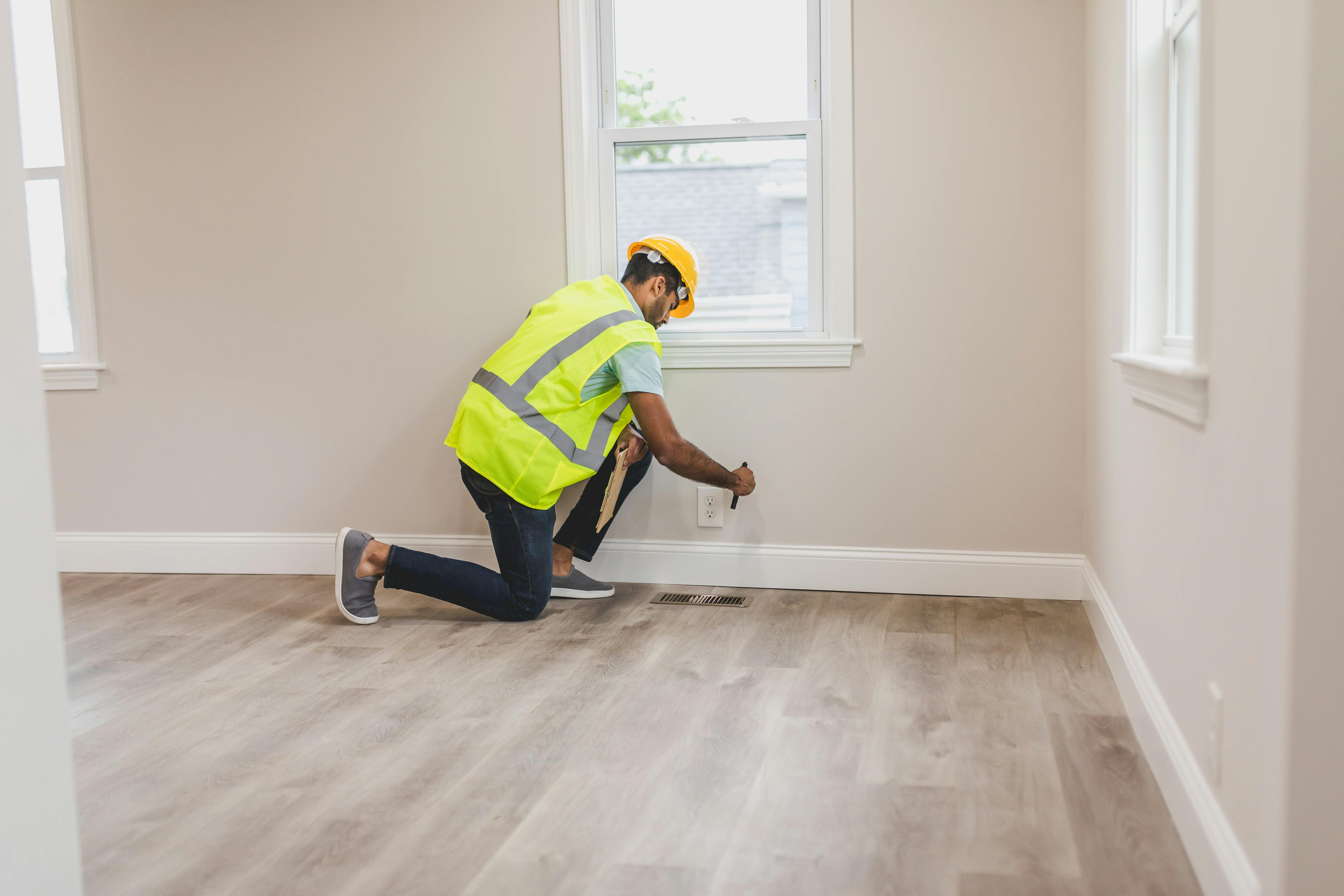
A trained pest‑control technician brings more than a flashlight and a keen eye. Using systematic search patterns, moisture meters, and sometimes infrared cameras, they can detect hidden droppings, gnaw marks, and even the faint scent trails left by nocturnal visitors. The inspection doesn’t stop at the obvious; it extends into crawl spaces, under decks, and behind appliances where rodents often establish satellite nests.
Beyond locating the critters, professionals assess structural vulnerabilities—such as deteriorated weather‑stripping, compromised flashing, or rotted wood—that could worsen an infestation over time. Identifying these weak points early allows homeowners to address the root cause, not just the symptoms, reducing the likelihood of repeat invasions.
The Technician’s Role: Documentation and Recommendations
After the on‑site assessment, the technician compiles a detailed report that includes photographic evidence, a map of activity hotspots, and a prioritized list of corrective actions. This documentation serves two purposes: it gives homeowners a clear visual of the problem, and it provides a roadmap for targeted treatments and preventative measures.
Recommendations may range from sealing specific entry points with stainless‑steel mesh to installing bait stations in concealed areas. The report also outlines a timeline for follow‑up inspections, ensuring that any residual activity is caught before it escalates.
“In Brookhaven, the average cost drivers for rat control are the extent of structural damage, the need for custom‑fitted exclusion materials, and the frequency of follow‑up visits required to fully eradicate a colony.” – Local Pest Management Survey, 2023
By investing in a professional rodent inspection, Brookhaven homeowners gain a comprehensive understanding of both the visible and hidden threats lurking around their property. The expertise, thorough documentation, and tailored recommendations provided by Anthem Pest Control empower you to make informed decisions, protect your home’s integrity, and keep your family safe from the health hazards associated with rodent activity.
Spotting the Signs of a Rat, Mouse, or Squirrel Problem
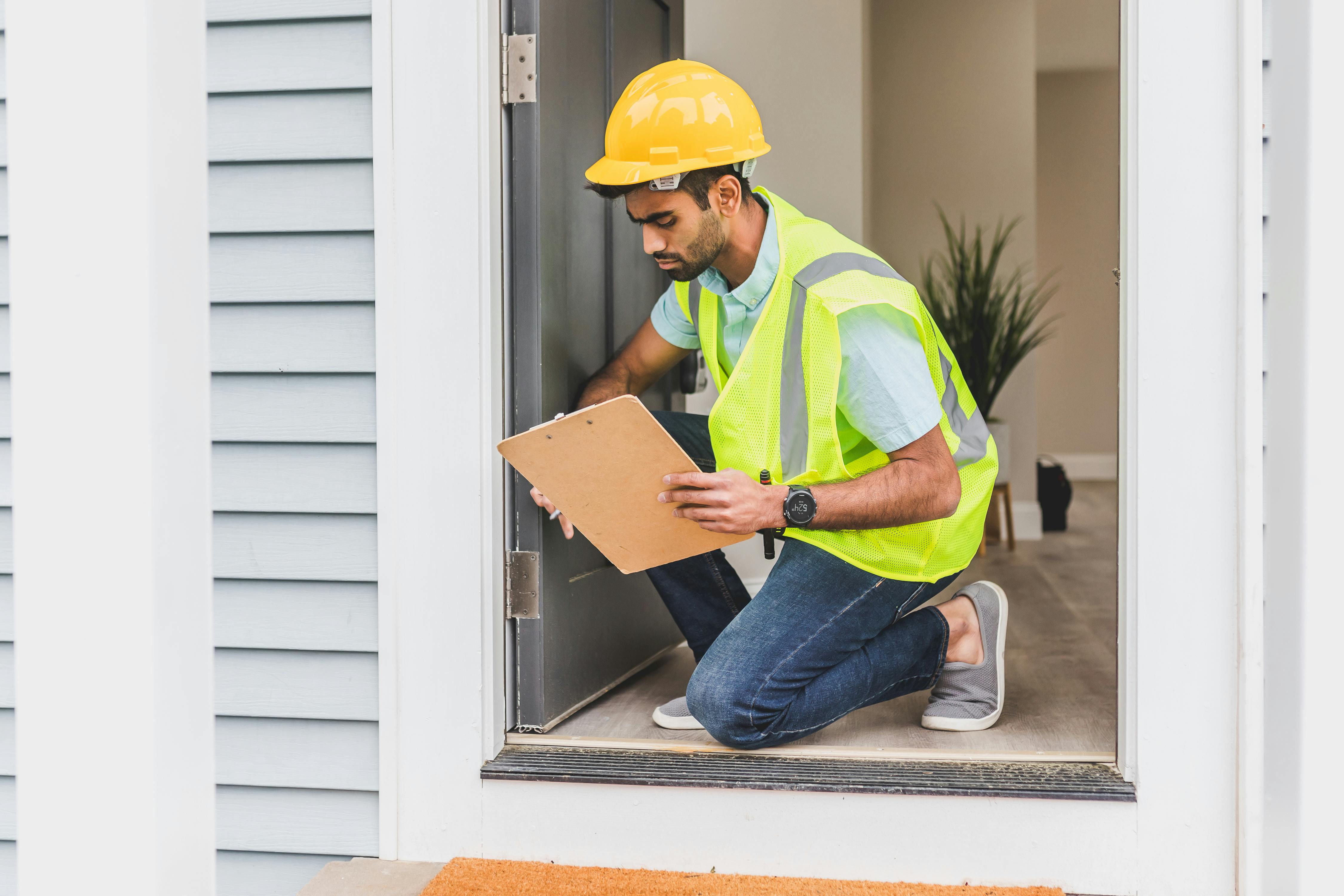
Physical evidence
Rodents leave a trail of clues that are hard to miss once you know what to look for. Fresh droppings are small, dark, and often found along walls, under appliances, or near food sources. Older droppings turn lighter and may crumble when touched. Gnaw marks reveal themselves as clean, crescent‑shaped holes on wood, plastic, or wiring—rat teeth leave larger, more irregular bites, while mice make finer, parallel scratches.
Nesting material is another giveaway. Look for shredded paper, fabric scraps, dried plant matter, or even chewed insulation tucked into wall voids, attics, or crawl spaces. Urine stains appear as yellowish rings or damp spots, especially around entry points or where a rodent has been feeding.
Behavioral clues
Unusual noises are often the first alarm. Scratching, scurrying, or squeaking sounds in walls, ceilings, or the attic, especially at night, usually indicate active rodents. If you notice food disappearing from pantry shelves or pet food left untouched, that’s a red flag—rodents are opportunistic eaters.
Pets can be surprisingly perceptive. A sudden alertness, barking, or a cat’s intense stare toward a wall may mean a critter is hidden just out of sight. Trust those instincts; they often spot movement that humans overlook.
Structural clues
Rats, mice, and squirrels need entry points. Inspect the exterior for cracks larger than a quarter‑inch, gaps around utility lines, and holes near eaves or the foundation. Inside, damaged insulation—torn, chewed, or missing—often signals a hidden nest. Look for shredded drywall, torn carpet edges, or loose siding where a rodent could squeeze through.
A professional inspector will also check for compromised vents, chimney caps, and attic fans. Even a small, unnoticed opening can become a highway for an entire colony.
Health risks you can’t ignore
Rodent infestations bring more than property damage. Rats and mice carry pathogens such as Hantavirus, leptospirosis, and salmonella, which can be transmitted through droppings, urine, or contaminated surfaces. Squirrels may spread ticks and, in rare cases, rabies.
Allergens from rodent hair, dander, and urine can trigger asthma attacks or chronic sinus issues, especially in children and the elderly. The longer an infestation persists, the greater the exposure risk for your household.
DIY monitoring vs. calling a pro
If you spot a few droppings or a single gnaw mark, a thorough clean‑up and sealing of obvious entry points might be enough. Use steel‑wool or copper mesh to block holes, set snap traps in high‑traffic areas, and keep food sealed.
However, when you notice multiple signs—continuous noises, widespread nesting material, or damage to structural components—it’s time to call a professional. Certified technicians have the tools to locate hidden nests, assess disease risk, and apply rodent‑specific treatments safely. Trying to eradicate a sizable colony on your own can lead to incomplete control and increased health hazards.
Anthem Pest Control offers a rapid inspection, identifies every entry route, and implements a tailored elimination plan that protects your home and family. When the signs multiply, don’t wait; professional help ensures the problem is solved once and stays solved.
Understanding Rat Control Pricing Tiers in Brookhaven
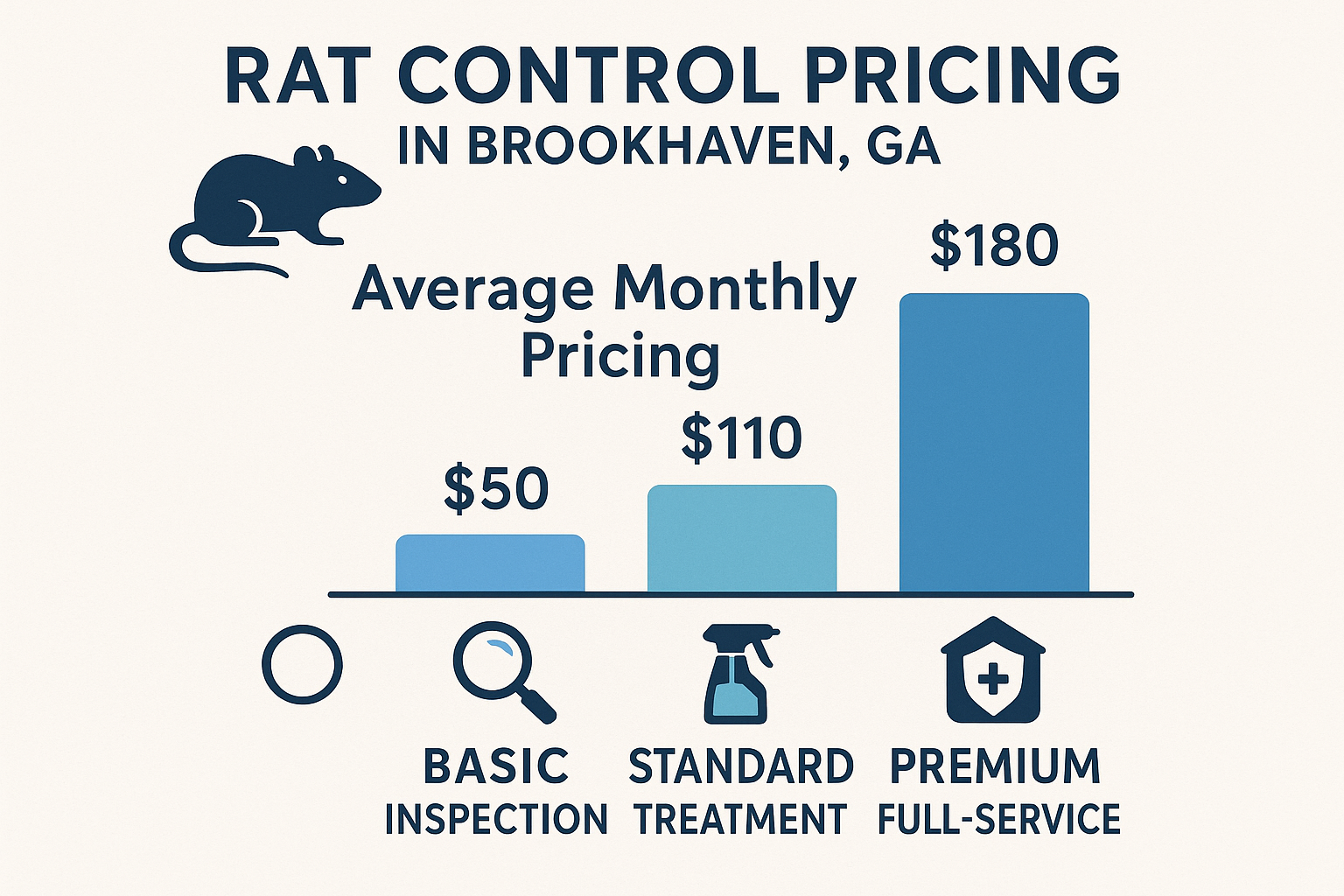
When you call a pest professional, the first thing you’ll notice is that not every quote looks the same. In Brookhaven, Anthem Pest groups its rat‑control work into three clear service levels—Basic Inspection, Standard Treatment, and Premium Full‑Service—so you can match the plan to your home’s needs and budget.
1. Basic Inspection
The entry‑level option is designed for homeowners who suspect a problem but want to confirm it before committing to extensive work.
- Comprehensive visual inspection of interior and exterior entry points.
- Detailed written report identifying activity signs, entry routes, and risk areas.
- One‑time bait placement (up to 2 stations) with a 30‑day guarantee.
- No scheduled follow‑up visits; additional visits billed separately.
Typical price range: $120 – $180. This tier is ideal for small condos or single‑family homes with a limited infestation.
2. Standard Treatment
The middle tier adds proactive treatment steps that most homeowners need once activity is confirmed.
- All services from the Basic Inspection.
- Strategic bait placement (up to 6 stations) and targeted rodenticide applications.
- Two follow‑up visits spaced two weeks apart to monitor bait consumption and adjust placement.
- 30‑day service warranty covering re‑infestation caused by the original problem.
Typical price range: $250 – $350. This package balances cost and protection for average‑size homes with moderate rat activity.
3. Premium Full‑Service
The all‑inclusive plan is built for larger properties, severe infestations, or owners who want “set it and forget it” peace of mind.
- Comprehensive inspection with thermal imaging to locate hidden nests.
- Unlimited bait stations and rodenticide applications throughout the property.
- Monthly follow‑up visits for six months, each with detailed activity logs.
- Extended 12‑month warranty that includes free re‑treatments if rats return.
- Preventive sealing of identified entry points and a customized exclusion plan.
Typical price range: $500 – $750. This tier is best for multi‑unit buildings, sprawling yards, or homes adjacent to parks and vacant lots.
What Influences the Final Cost?
Even within a single tier, the final bill can shift based on three key factors:
- Property size: Larger square footage or multiple structures require more bait stations and travel time.
- Infestation severity: Heavy activity may demand additional bait, rodenticide, and more frequent follow‑ups.
- Access challenges: Difficult-to‑reach crawl spaces, attics, or landscaping obstacles increase labor and equipment needs.
Anthem Pest evaluates each of these elements during the initial walkthrough, then tailors the quote so you only pay for what your home truly needs.
For a quick visual comparison of the three tiers, see the pricing infographic above. Use it as a reference point when you discuss options with your technician, and you’ll feel confident that you’re choosing the right level of protection for your Brookhaven home.
Seasonal Rodent Activity Trends in Brookhaven
Rodents aren’t random invaders; they move in rhythm with the climate and food supply. When temperatures rise, insects and seeds become abundant, giving rats, mice, and squirrels the energy they need to breed and explore new shelters. Conversely, cooler months push them to seek the warmth of homes, where food and protection are readily available. Understanding this cycle helps you time inspections and treatments for maximum impact.
Why rodents follow the seasons
Temperature directly affects a rodent’s metabolism. Warm weather speeds up reproduction, while cold snaps trigger a survival instinct to find indoor refuge. Food availability follows the same pattern—fresh produce, fallen nuts, and outdoor pet feedings peak in spring and summer, then dwindle in fall, prompting rodents to hunt inside.
Peak activity by species
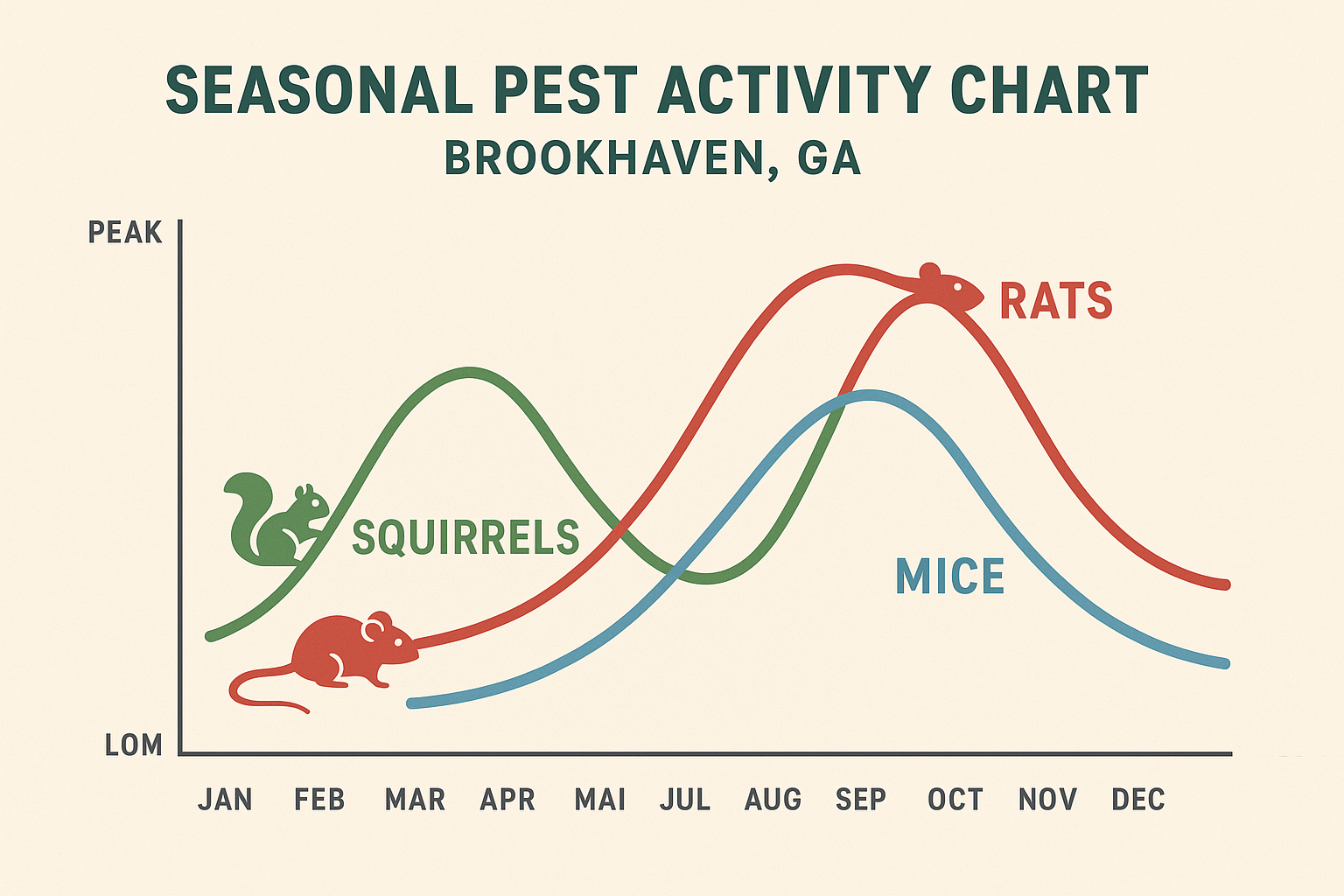
| Species | Peak Months | Typical Behavior |
|---|---|---|
| Norway Rat (Rattus norvegicus) | May – October | Intense foraging, nest building in outdoor debris, occasional indoor incursions. |
| House Mouse (Mus musculus) | March – September | Rapid breeding cycles, indoor feeding on stored grains and pantry items. |
| Eastern Gray Squirrel (Sciurus carolinensis) | September – December | Gathering nuts, seeking warm attic or wall voids for winter shelter. |
During the listed peak windows, each species exhibits distinct habits. Norway rats, the larger of the two, prefer burrowing in mulch, compost, or under decks, but they’ll slip through small gaps when food dwindles. House mice are tiny opportunists; they thrive in wall voids and crawl spaces, especially where pantry items are left uncovered. Gray squirrels, though technically wildlife, often transition from tree canopies to roof spaces in late fall as they cache nuts for the winter.
How seasonal spikes shape inspection urgency
When the calendar hits a peak month, the likelihood of an unseen infestation skyrockets. A May‑June inspection for rats can catch a colony before it establishes a permanent nest, saving you costly structural repairs later. Similarly, a September walkthrough for squirrels lets you seal attic entry points before they settle for the cold season. Treating early, when populations are still low, also reduces the amount of bait or traps needed.
Seasonal prevention tips
- Seal before fall: Inspect foundation cracks, vent openings, and utility penetrations in late summer; use steel wool and caulk to block potential rat and mouse routes.
- Yard clean‑up in spring: Remove fallen leaves, prune overgrown shrubs, and relocate compost piles away from the house to eliminate rat hideouts.
- Secure food sources year‑round: Store pet food in sealed containers, keep garbage bins tightly lidded, and clean up fallen fruit promptly.
- Trim tree branches: Ensure no limbs touch the roof, reducing squirrel access points and limiting roof‑line entry for all rodents.
Effective Treatment Options for Rodent Control
Mechanical Exclusion: Closing the Door on Invaders
Before you reach for a trap or poison, the most reliable way to keep rats out is to deny them entry. Professionals start with a thorough inspection of the home’s exterior and interior, noting every potential gap larger than a quarter‑inch. Sealing these openings creates a permanent barrier that works year‑round.
- Sealing gaps: Expanding foam, steel wool, or cement is used to fill cracks around foundation walls, utility penetrations, and pipe sleeves.
- Door sweeps: Adjustable sweeps installed on exterior doors block the narrow space beneath the door panel, a favorite rat pathway.
- Vent covers: Mesh screens fitted over attic, crawl‑space, and dryer vents prevent rodents from slipping through while still allowing airflow.
These measures are low‑maintenance, pose no risk to children or pets, and dramatically reduce the need for chemical interventions.
Trapping Methods: Targeted Capture
When rats have already established a presence, traps become the quickest way to reduce numbers and gather evidence of activity. Professionals choose the trap type based on location, occupancy level, and homeowner preferences.
- Snap traps: The classic, single‑use device delivers an instant kill. Modern designs feature spring‑loaded plates that reduce the chance of a miss, making them highly effective in high‑traffic areas such as kitchens and garages.
- Live‑catch traps: For homeowners who prefer a humane approach, these cage traps capture rats alive. They require regular monitoring and safe release far from the property, in accordance with local wildlife regulations.
- Placement strategies: Professionals set traps along walls, behind appliances, and near known gnaw marks—places rats naturally travel. Baiting each trap with peanut butter, dried fruit, or nesting material increases catch rates.
Traps also provide valuable data: the number of captures helps technicians gauge the severity of an infestation and adjust the treatment plan accordingly.
Baiting Solutions: When Lethal Control Is Needed
Rodenticides are reserved for severe or hidden infestations where exclusion and trapping alone aren’t enough. Modern bait stations are engineered to protect non‑target species while delivering a measured dose of anticoagulant or bromethalin‑based poison directly to the rat.
- Rodenticides: Professional‑grade formulas act slowly, allowing rats to return to their nests and share the toxin with the colony, amplifying impact.
- Bait stations: Tamper‑resistant containers lock the bait inside, preventing curious children or pets from accessing it. Stations are placed in concealed locations such as under sinks, behind sheds, or inside wall voids.
- Safety protocols: Technicians wear gloves, follow EPA guidelines, and provide homeowners with clear instructions on limiting access to treated areas. After placement, stations are inspected weekly and removed once activity drops below threshold levels.
While highly effective, baiting requires strict adherence to safety standards, especially in homes with small children, dogs, or cats.
Integrated Pest Management: A Balanced Strategy
Anthem Pest relies on an Integrated Pest Management (IPM) framework that blends exclusion, monitoring, and treatment into a single, cohesive plan. IPM begins with a detailed inspection, followed by a customized action list that may include sealing entry points, deploying targeted traps, and installing bait stations only where monitoring indicates active movement.
Continuous monitoring—using motion‑activated cameras or glue boards—allows technicians to track progress and adjust tactics in real time. This data‑driven approach minimizes chemical use, reduces costs, and aligns with the company’s commitment to safe, environmentally responsible pest control.
How Anthem Pest Customizes Your Plan
Every Brookhaven home is unique, so Anthem Pest tailors its strategy to the specific findings of the initial inspection and the seasonal patterns that influence rat behavior. For example, during the cooler months rats seek warmth in attics and basements, prompting a focus on sealing roof vents and installing perimeter door sweeps. In the summer, when outdoor foraging intensifies, bait stations are positioned near garbage areas and garden beds.
Technicians also cross‑reference local rodent activity data—such as reported sightings and weather trends—to anticipate peak periods and schedule preventive visits before an infestation takes hold. This proactive stance not only curtails damage but also helps homeowners budget effectively.
For a transparent look at the typical cost breakdown for these services in Brookhaven, visit the Anthem Pest Rat Control Cost Brookhaven GA page.
DIY vs. Professional Rodent Control: Frequently Asked Questions
Common Questions
Can I handle a rat infestation on my own?
Yes, you can attempt a DIY approach, but success depends on proper identification, bait placement, and sealing entry points. Many homeowners underestimate the hidden pathways rats use, which can leave the problem lingering.
How long does treatment take?
A DIY trap or bait station can take days to weeks to show results, and you’ll need to monitor it constantly. Professional treatment typically resolves an active infestation within 24‑48 hours, followed by a scheduled monitoring phase.
What guarantees are offered?
DIY kits rarely come with warranties; you’re on the hook for any re‑infestation. Anthem Pest provides a written guarantee that includes follow‑up visits and a replacement warranty if rats return within the service window.
Are rodenticides safe for my family and pets?
Over‑the‑counter rodenticides are often toxic and must be placed where children or pets cannot reach them. Licensed technicians use EPA‑approved products and follow strict placement protocols to protect your household.
Do I need a permit to use certain control methods?
In Georgia, some rodenticides and traps are regulated, and improper use can lead to fines. Professional pest operators are fully licensed and stay current on local ordinances, so you won’t risk legal trouble.
Why DIY Can Be Risky
Improper bait placement is the most common mistake—rats quickly learn to avoid traps that are too exposed or placed in the wrong spot. Without a thorough inspection, you may miss concealed entry points behind walls, under decks, or inside utility lines, allowing the colony to rebound as soon as you remove a trap.
Legal restrictions on certain rodenticides mean that many DIY products are either less effective or outright prohibited for residential use. Using them incorrectly not only jeopardizes safety but can also void homeowner insurance coverage if an accident occurs.
Finally, DIY solutions rarely include a structured exclusion plan. Even if you catch a few rats, the remaining ones can slip through gaps you never noticed, leading to a cycle of recurring infestations and escalating damage to wiring, insulation, and stored food.
What Anthem Pest Brings to the Table
Our technicians are Georgia‑licensed, meaning they have completed state‑mandated training on safe rodenticide handling, bait placement, and exclusion techniques. We start with a detailed inspection, map out every potential entry, and seal them using durable materials that rats cannot gnaw through.
Anthem Pest backs its work with a warranty that covers re‑infestation during the agreed monitoring period. If rats return, we’ll re‑treat at no extra charge and reassess your home’s exclusion strategy.
Beyond the initial knock‑down, we offer ongoing monitoring visits, seasonal assessments, and a 24‑hour hotline for any surprise activity. Our local expertise means we know the specific rodent habits in Brookhaven, from attic pathways to garden borders, allowing us to tailor a solution that fits your property.
Cost‑Benefit Snapshot
DIY kits may appear cheap—often $20‑$50 for traps and bait—but the hidden costs add up quickly. Missed entry points can cause structural damage that runs into the thousands, and repeated purchases of ineffective products eat away at any initial savings.
Professional treatment typically ranges from $250‑$450 for a comprehensive rat control package in Brookhaven. When you factor in the warranty, reduced risk of property damage, and the peace of mind that comes with a certified technician, the long‑term value far outweighs the short‑term expense.
Quick Decision Checklist
- Do you see active signs (droppings, gnaw marks, live sightings) in multiple areas of your home?
- Have you identified and sealed all possible entry points?
- Are children or pets present that could be exposed to DIY rodenticides?
- Do you have the time and expertise to monitor traps daily for several weeks?
- Is your property at risk of structural damage (wiring, insulation, stored food) if the infestation persists?
If you answered “yes” to any of these questions, it’s time to call Anthem Pest. Our licensed team will handle the inspection, treatment, and ongoing protection so you can focus on what matters most—enjoying a rat‑free home.
Protect Your Home Today with Anthem Pest Control
Early detection, seasonal timing, and professional treatment are the three pillars that keep rodent invasions at bay. Spotting droppings, gnaw marks, or unusual noises before an infestation takes hold gives you a crucial head start. Aligning treatment with the peak activity periods—late summer for rats and early spring for mice—maximizes the impact of every application. And when a licensed technician applies a proven, EPA‑approved solution, you eliminate the problem safely, efficiently, and without the guesswork that DIY methods often bring.
Anthem Pest Control builds on those pillars with three advantages that matter to Brookhaven homeowners:
- Transparent pricing: You’ll see a clear, itemized quote before any work begins, so there are no surprise fees.
- Local expertise: Our technicians know the exact rodent hotspots, migration routes, and weather patterns that affect Brookhaven, allowing us to target the right entry points and nesting sites.
- Safe, effective solutions: We use low‑toxicity products and integrated pest‑management strategies that protect your family, pets, and the surrounding environment.
Ready to take the next step? Schedule a complimentary inspection, and we’ll craft a customized quote that fits your home’s unique layout and budget. Our team will walk you through the findings, explain the recommended treatment plan, and answer any questions—no pressure, just clear information.
Give us a call today at 877‑371‑8196 for a free, no‑obligation quote. You can also request your inspection online by visiting Anthem Pest Control. Our friendly experts are standing by to safeguard your home from rats, mice, and squirrels with proven, affordable solutions.
Let’s protect your peace of mind together—because a pest‑free home is a happy home.