Why Fleas Are a Growing Concern for Druid Hills Homeowners
Fleas may seem like a summer nuisance, but in the Atlanta metro area—including Druid Hills—they’re a year‑round threat. The U.S. Environmental Protection Agency (EPA) reports that flea populations surge whenever temperatures hover between 70°F and 85°F, a range the region experiences for more than half the year. Meanwhile, the Centers for Disease Control and Prevention (CDC) notes that over 70 % of households with pets in the southeastern United States have encountered at least one flea‑related incident in the past twelve months. Those statistics translate directly to Druid Hills, where dense tree canopies, humid microclimates, and close‑knit neighborhoods create ideal breeding grounds.
Where Fleas Thrive in a Suburban Home
Fleas are opportunistic hitchhikers. Inside a typical Druid Hills residence they gravitate toward:
- Pet bedding and favorite resting spots – Warm, moist fabrics provide a perfect incubator for eggs and larvae.
- Carpets and area rugs – Flea larvae can hide in the fibers, waiting for a host to pass by.
- Outdoor yards – Shaded mulch, leaf litter, and dense grass shelter adult fleas, which then jump onto pets during play.
- Cracks in flooring or baseboards – These tiny refuges protect developing stages from vacuuming and cleaning.
Early Warning Signs on Dogs, Cats, and Humans
Spotting a problem early saves both comfort and money. Look for these tell‑tale indicators:
- Persistent scratching or biting – Pets will rub against furniture or walls more often than usual.
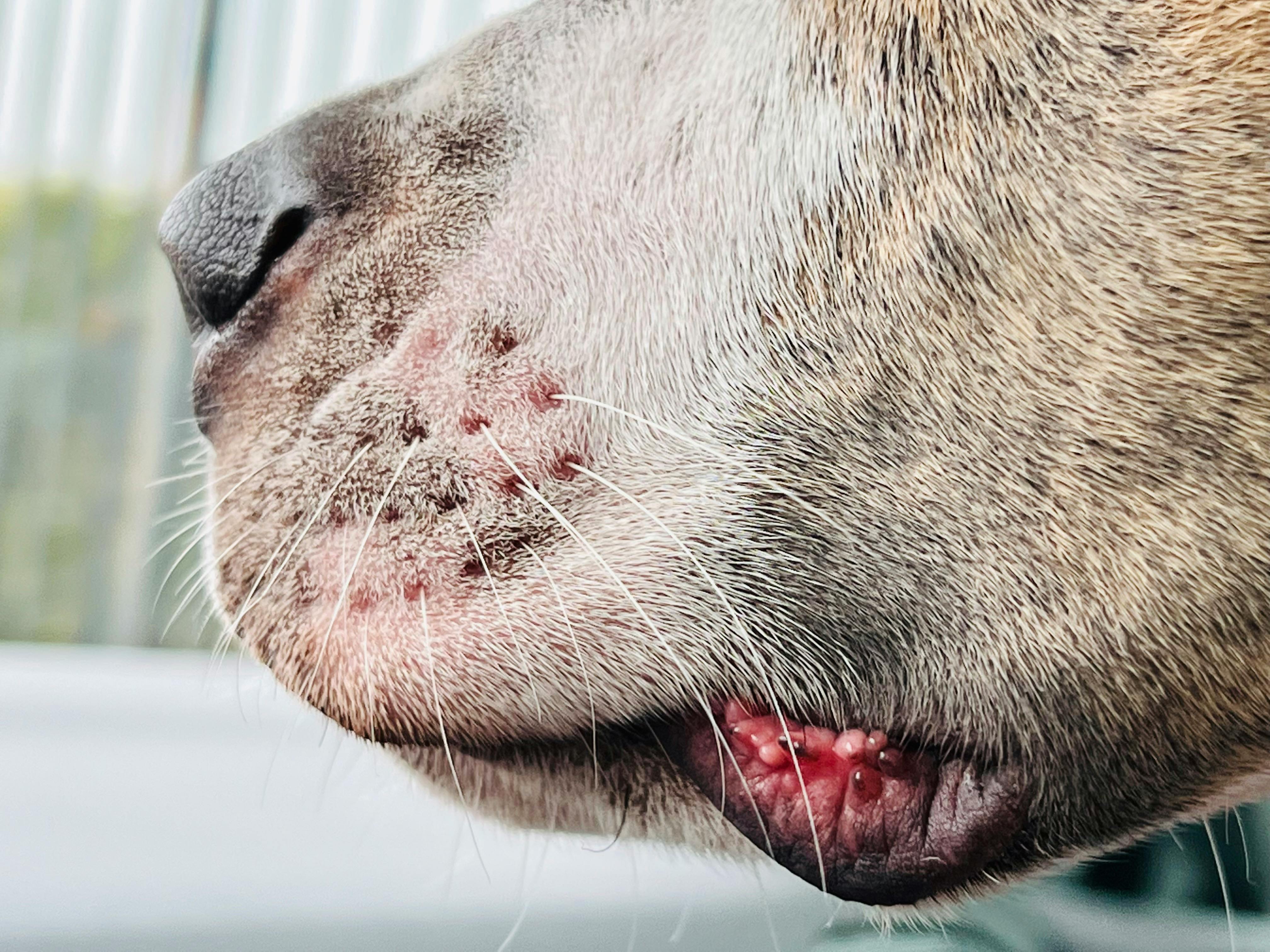
- Small, dark specks (flea “dirt”) – These are digested blood particles that appear as pin‑point black dots on fur or bedding.
- Red bite marks – Humans often notice tiny, itchy bumps arranged in clusters, especially around ankles and wrists.
- Visible adult fleas – A quick “wet‑paper” test (pressing a flea‑infested area onto a white paper) will reveal tiny, jumping insects.
Health Risks You Shouldn’t Ignore
Beyond the obvious annoyance, fleas can pose genuine health threats:
- Allergic dermatitis – Some pets develop a hypersensitivity to flea saliva, resulting in inflamed, hair‑loss‑prone skin.
- Flea‑borne diseases – In rare cases, fleas transmit Rickettsia (causing spotted fevers) or Yersinia pestis (the bacterium behind plague).
- Tapeworm infection – Dogs and cats can ingest flea larvae that carry tapeworm cysts, leading to gastrointestinal issues.
- Secondary skin infections – Constant scratching opens micro‑abrasions, inviting bacteria.
Quick Checklist: Do You Have a Flea Problem Today?
Use this short, on‑the‑spot assessment to determine whether you need immediate action:
- 🐾 Pet inspection – Do you see flea dirt or live fleas on your dog or cat?
- 🧹 Home sweep – Are there dark specks on carpet fibers or pet bedding after a light vacuum?
- 🪟 Outdoor review – Is your yard shaded, with leaf litter or mulch that stays damp?
- 🤲 Human symptoms – Have you or family members developed itchy bite clusters?
- 📅 Timing – Has it been more than 30 days since your last professional flea treatment?
If you answered “yes” to any of these items, it’s time to call a local expert. Anthem Pest Control offers fast, EPA‑approved flea eradication that protects both your home and your family—inside and out.
Flea Biology and the Urgency of Early Intervention

Understanding the Flea Life Cycle in Georgia
In the humid subtropics of Druid Hills, a flea’s development can sprint from egg to adult in as little as two weeks. The cycle consists of four distinct stages:
- Egg: A newly hatched female drops 30‑50 eggs every 24 hours onto your pet’s coat. In a typical Georgia home, eggs hatch within 2‑5 days.
- Larva: The worm‑like larvae feed on organic debris and adult flea feces. Warm, moist carpet fibers accelerate growth, allowing larvae to reach the pupal stage in 5‑10 days.
- Pupa: This is the “hidden” stage. Larvae spin silk cocoons and remain dormant until vibrations, carbon dioxide, or temperature shifts signal a host is nearby. In Druid Hills’ summer, pupae can emerge in 1‑2 days, but they can also linger for months, waiting for the right cue.
- Adult: Once out of the cocoon, the adult jumps onto a host, mates within 24 hours, and begins the egg‑laying frenzy.
Why One Female Flea Can Overwhelm a Home
A single adult female is capable of laying up to 2,500 eggs during her 2‑3‑week lifespan. Consider the math: one female produces 2,500 eggs; even if only 10 % survive to adulthood, that’s 250 new breeders. In just two weeks, those 250 females can each lay another 2,500 eggs, propelling the infestation into the tens of thousands. This exponential growth is why an early, decisive strike is essential.
Local Climate – The Secret Accelerator
Druid Hills experiences warm, humid summers with average temperatures hovering between 78°F and 90°F and relative humidity often above 70 %. Those conditions shave days off each developmental stage, turning a 14‑day cycle into a 10‑day sprint. The result? Multiple generations can appear before a homeowner even notices the first bite.
The Pupal Stage: Why DIY Often Misses the Mark
The pupal cocoon is a fortress. It protects the developing flea from surface sprays, vacuuming, and even many indoor foggers. Because the pupa remains dormant until it detects a host, a DIY treatment that only kills exposed adults may appear successful—only to be undone weeks later when the hidden cocoons hatch. Homeowners frequently report a “bounce‑back” infestation precisely because the pupal reservoir was never addressed.
The Real Cost of Delaying Treatment
Beyond the obvious itching and discomfort for pets and people, delayed action carries hidden expenses:
- Health risks: Flea bites can trigger allergic reactions, secondary skin infections, and transmit parasites like tapeworms.
- Pet comfort: Constant scratching leads to hair loss, skin irritation, and stress for dogs and cats.
- Future treatment expenses: The longer an infestation grows, the more intensive—and pricey—the eradication process becomes. Professional programs that target all life stages become necessary, often costing 2‑3 times more than an early, targeted intervention.
Setting the Stage for a Solution Comparison
Now that you see how quickly fleas multiply and why the hidden pupal stage makes DIY methods unreliable, the next logical step is to weigh your options. A rapid, comprehensive approach that tackles eggs, larvae, pupae, and adults will save you time, money, and the frustration of watching the same fleas return week after week. In the upcoming section we’ll break down the strengths and limits of DIY kits versus professional, locally‑tailored treatments—so you can decide the fastest path to a flea‑free home.
Comparing DIY Kits, One‑Time Professional Treatments, and Annual Service Plans
DIY Flea Kits: Sprays, Foggers, and Oral Medications
Do‑it‑yourself flea kits are the most common first‑step for homeowners who spot a few jumping pests. Typical products include aerosol sprays, foggers (sometimes called “boom boxes”), and oral chewables for pets. Prices usually fall between $15 and $45 per unit, depending on the brand and the size of the treatment area.
- Pros: Immediate availability, low upfront cost, and the ability to target a single room or pet.
- Cons: Effectiveness drops sharply after two weeks, coverage is often uneven, and many products require repeated applications that quickly add up.
For a small apartment, a single fogger might seem sufficient, but in a multi‑room home the chemicals can’t penetrate cracks, carpets, and pet bedding as thoroughly as a professional service. Moreover, DIY products can pose health risks to children and pets if not applied precisely.
One‑Time Professional Treatment: Focus, Fogger, or Spray
A licensed technician from a company like Anthem Pest Control will assess your property and choose the most appropriate method—usually a concentrated spray, a targeted fogger, or a spot‑on “focus” treatment for infested zones. The service typically includes a pre‑treatment walkthrough, the application, and a follow‑up call within 48 hours to verify results.
Average cost for a single‑visit treatment in the Druid Hills area ranges from $120 to $250, reflecting the labor, professional‑grade products, and guarantee of coverage. Results are visible within 24‑48 hours, and most homeowners report a 90‑plus % reduction in flea activity after the first visit.
The biggest advantage is confidence: you’re backed by a licensed professional, and the treatment is calibrated to your home’s layout, pet population, and any existing infestations. The downside is the higher upfront expense compared with a DIY kit.
Annual Service Plans: Ongoing Protection and Priority Support
Annual plans bundle regular inspections, quarterly preventative applications, and a guaranteed response window for emergencies. For a typical Druid Hills household, the plan costs about $399 per year, which includes up to four scheduled treatments plus unlimited “as‑needed” visits during peak flea season.
Benefits extend beyond pure flea control. With an annual contract you receive:
- Year‑round monitoring for emerging infestations.
- Priority scheduling—your call gets answered first, even on weekends.
- Transparent, flat‑rate pricing that eliminates surprise fees.
- Integrated protection against other pests (ants, spiders, ticks) as part of the same service window.
Because the treatments are spaced out, fleas are intercepted before they can establish a breeding cycle, delivering the highest long‑term effectiveness while spreading the cost over twelve months.
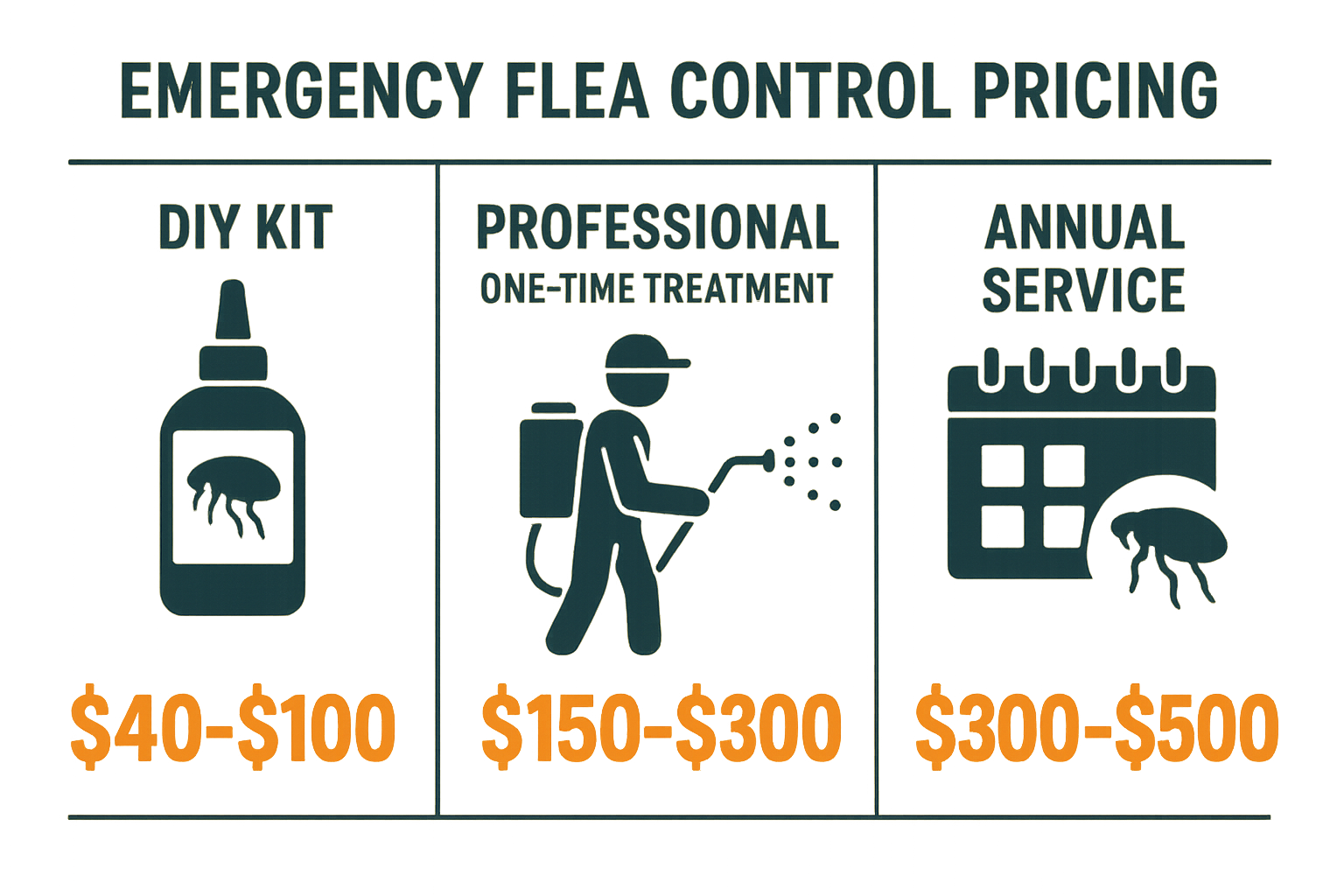
Pricing Comparison Infographic
Why Anthem Pest Control’s Annual Plan Delivers the Best Value
Anthem Pest Control prides itself on transparent pricing, and the numbers in the infographic line up perfectly with our annual service column. While a DIY kit may start at $20, you’ll likely spend $80‑$100 over three months to keep fleas at bay. A single professional visit sits at $180 on average, but you’ll need another visit when the fleas rebound.
By contrast, the $399 annual plan covers four proactive treatments, unlimited emergency calls, and a comprehensive pest shield for the entire household. When you break it down, the cost per month is under $34—well below the cumulative expense of repeated DIY purchases or multiple one‑time services. Plus, you gain peace of mind knowing a licensed technician is always just a phone call away.
Source for Regional Pricing Details
For a deeper dive into Druid Hills‑specific flea treatment costs, see the regional pricing article that informed the figures above.
Seasonal Flea Activity in Georgia and Timing Your Treatment
Understanding the Georgia flea calendar
In Georgia, fleas follow a predictable rhythm that mirrors the state’s warm, humid climate. The chart below condenses 12 months of field data into three activity tiers: Low (January‑February, November‑December), Moderate (March‑May, September‑October) and High (June‑August). The June‑August window consistently registers the highest adult flea counts, making it the period most homeowners notice bites, itching, and visible insects in both yards and homes.
| Month | Activity Level |
|---|---|
| January | Low |
| February | Low |
| March | Moderate |
| April | Moderate |
| May | Moderate |
| June | High |
| July | High |
| August | High |
| September | Moderate |
| October | Moderate |
| November | Low |
| December | Low |
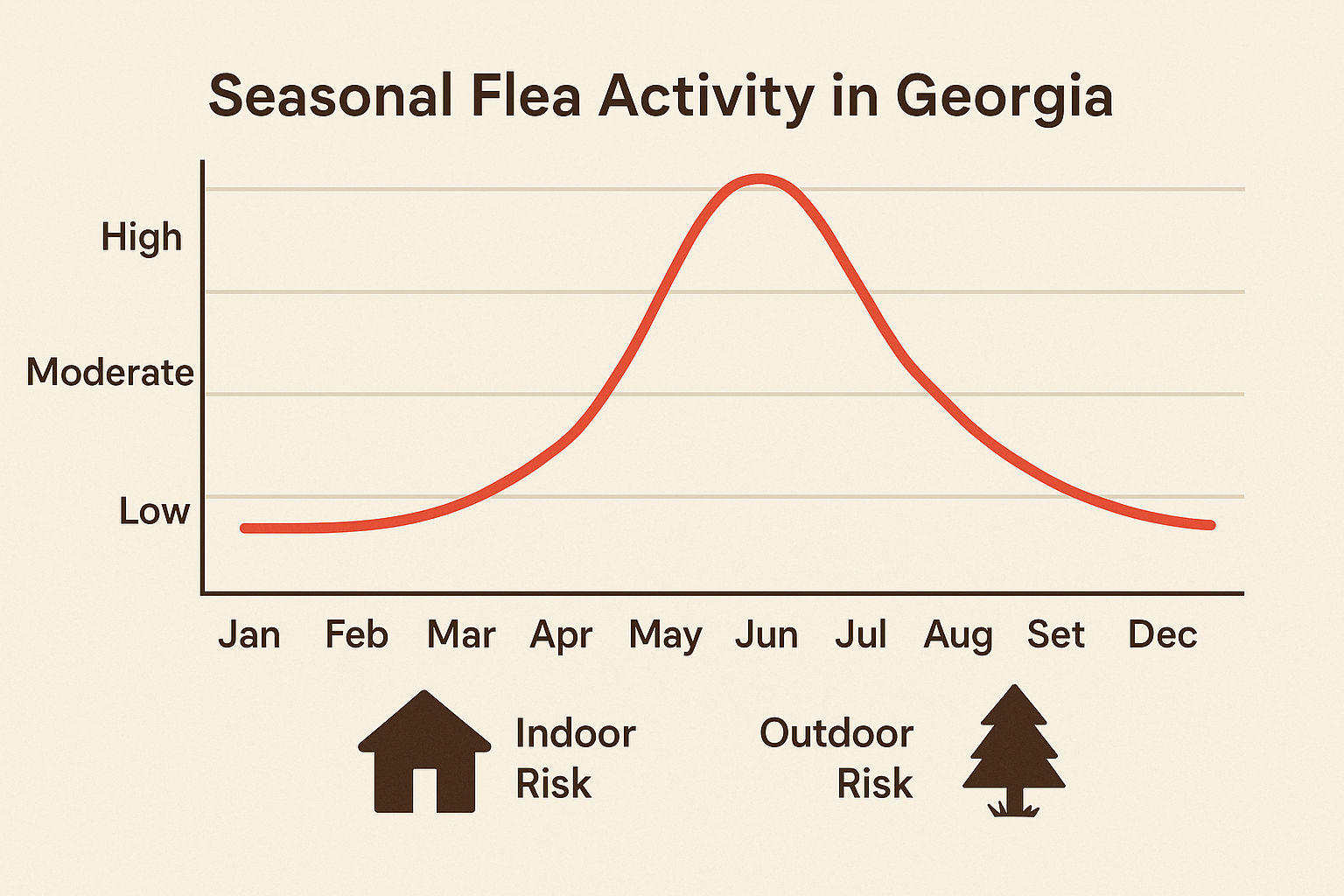
Outside the high‑summer window, flea numbers dip but never disappear entirely. May and September are transitional months where adult activity is moderate; treating during these shoulder periods can break the life cycle before eggs hatch. Late fall and early winter (November‑December) are considered low‑risk, yet a few hardy adults may linger in insulated garages or crawl spaces, ready to re‑emerge when the sun returns.
Why timing matters: indoor risk in cooler months
When temperatures dip below 65 °F, adult fleas lose the warmth they need to reproduce outdoors. Their instinct is to seek refuge inside homes, where carpets, pet bedding, and even cracks in flooring become safe havens. This shift explains why many Druid Hills residents report a sudden surge of indoor bites during October and November, even though the outdoor population is declining.
Fleas also thrive in humidity above 70 %. Georgia’s summer rains push indoor humidity levels high, which is why a dehumidifier or proper ventilation becomes a critical part of your winter strategy. Lower humidity not only hampers egg development but also makes indoor environments less inviting for adult fleas seeking a host.
Seasonal prevention checklist
Staying ahead of the flea life cycle is the most reliable way to avoid an emergency call. Below is a month‑by‑month action plan that fits naturally into your regular home‑maintenance routine.
- Spring (March‑May):
- Apply a broad‑spectrum yard treatment before the first warm day.
- Give pets a thorough grooming session—use a flea‑comb and wash bedding.
- Vacuum high‑traffic areas twice a week; empty the canister outside.
- Summer (June‑August):
- Use outdoor misting systems or handheld sprayers on shaded grass and mulch.
- Wash pet bedding weekly and treat it with a pet‑safe insect growth regulator.
- Limit outdoor playtime during peak dusk hours when adult fleas are most active.
- Fall (September‑October):
- Apply an indoor barrier spray to baseboards, under furniture, and along entryways.
- Inspect stored firewood, leaf piles, and garden debris for flea hosts.
- Reduce humidity with a dehumidifier; fleas struggle to survive below 50 %.
- Winter (November‑February):
- Schedule a professional indoor fogging service to eradicate any hidden adults.
- Seal cracks around doors, windows, and utility openings to block entry.
- Maintain indoor humidity between 30‑45 % to keep flea eggs from hatching.
When to book a professional treatment
The pre‑peak window (mid‑May to early June) gives you a 2‑week cushion before the June surge. A single barrier spray applied to your yard and foundation at this time can reduce the initial adult population by up to 80 %. The post‑peak window (late August to early September) targets the second generation that hatched in July, preventing it from establishing a permanent indoor colony. Scheduling your Anthem Pest Control visit during these windows delivers the most bang for your buck.
Using the chart as a year‑round planning tool
Keep the seasonal activity chart on your fridge or in a digital reminder app. Treat it as a checklist: each month you tick off the recommended actions, you reduce the chance of a surprise flea infestation. By aligning your home‑care habits with the natural flea cycle, you’ll spend less on emergency spray‑downs and enjoy a bite‑free yard for you and your pets.
Secure Your Home with Expert Flea Control from Anthem Pest
Fleas may seem like a minor nuisance, but in Druid Hills they can quickly turn into a full‑blown emergency. The humid climate and lush landscaping create the perfect breeding ground for these tiny parasites, which can bite, cause allergic reactions, and even carry disease. When an infestation takes hold, it spreads from pets to carpets, bedding, and every corner of your home. That’s why swift, professional intervention isn’t just convenient—it’s essential for protecting your family’s health and preserving the comfort of your living space.
Anthem Pest Control brings that expertise right to your doorstep. Every technician on the team holds a state‑issued license and undergoes continuous training, so they stay current on the latest flea‑control tactics. The company relies exclusively on EPA‑approved products that target adult fleas, larvae, and eggs while minimizing risk to children, pets, and the environment. By combining chemical treatments with strategic heat‑treatment and thorough vacuuming, Anthem delivers a multi‑layered approach that eradicates the infestation and prevents it from returning—all at a price that fits most household budgets.
Transparency is built into Anthem’s pricing model, so you’ll never encounter hidden fees or surprise add‑ons. The estimate you receive includes the full treatment protocol, a follow‑up visit, and a detailed prevention plan. For homeowners who want long‑term protection, the company offers an annual service plan that mirrors the “annual service” column in our infographic—covering quarterly inspections, seasonal treatments, and a guaranteed response time should fleas reappear. This predictable, all‑inclusive package lets you budget confidently while keeping your home continuously protected.
Ready to reclaim a flea‑free home? Schedule a free, no‑obligation inspection and quote today, and let Anthem’s local experts handle the rest. A simple phone call or online request puts a qualified technician on the calendar within 24 hours, often the same day for urgent cases. You’ll receive a clear action plan, a written estimate, and the peace of mind that comes from knowing your family and pets are safe from these relentless pests. With Anthem’s prompt, courteous service, you can focus on what matters most—enjoying your home without the constant itch and worry.
Give us a call at 877‑371‑8196 or visit anthempest.com to claim your free inspection. Our Druid Hills team is ready to protect your home—fast, friendly, and fully backed by a satisfaction guarantee.