Understanding Flea Infestations in Druid Hills, GA
Fleas may seem like a summer nuisance, but in Druid Hills their life cycle and the local climate let them thrive year‑round. Knowing how these tiny parasites develop, where they hide, and what triggers their arrival helps homeowners act before a minor irritation becomes a full‑blown infestation.
Flea Life Cycle and Hidden Havens
Fleas progress through four stages: egg, larva, pupa, and adult. An adult female can lay up to 50 eggs a day, scattering them on a pet’s fur or directly onto carpet, bedding, and floor cracks. Eggs are tiny, white, and often fall off unnoticed, slipping into cracks between hardwood planks or the seams of area rugs. Larvae are blind, C‑shaped, and feed on organic debris such as dead skin cells and the “black pepper” flea dirt left by adult digestion. They thrive in the dark, humid spaces under furniture, in pet beds, and within insulation. Pupae spin silk cocoons that can remain dormant for weeks, tucked away in carpet fibers, upholstery seams, or even the voids of wall cavities. Finally, adult fleas emerge seeking a blood meal, usually hopping onto a pet or, if pets are absent, onto a human host.
Common Sources of Flea Introduction in Druid Hills
Most infestations start outside the home. Pet travel is a leading culprit—dogs or cats that visit kennels, groomers, or friends’ houses can bring adult fleas or eggs back on their coats. Local wildlife, especially raccoons, opossums, and stray cats, often roam neighborhood yards and leave behind flea eggs in mulch or leaf litter. Finally, neighboring yards can act as reservoirs; fleas can jump the short distance between fences, especially when homes share a common lawn or garden.
Key Warning Signs to Watch For
- Excessive scratching or restlessness in pets, particularly after a walk or playtime.
- Fine, dark specks—known as flea dirt—visible on pet fur or on sheets; a quick pinch will reveal a salty, metallic scent.
- Clusters of small, red bite marks on human skin, often around the ankles or lower legs.
- Live flea sightings in carpet, on bedding, or in pet sleeping areas, especially after a pet has been on the floor.
Health Implications for People and Pets
Flea bites can trigger allergic reactions in both pets and humans, ranging from mild itching to severe dermatitis. More concerning, the Ctenocephalides felis flea is a vector for tapeworms (Dipylidium caninum). When a pet ingests an infected flea during grooming, the tapeworm can develop, leading to weight loss, intestinal irritation, and visible segments around the anus. Humans can also experience secondary skin infections if bites are scratched open.
Why Druid Hills’ Climate Fuels Year‑Round Breeding
Druid Hills experiences humid summers and mild winters, creating an ideal environment for flea development. Temperatures between 70°F and 85°F and relative humidity above 60 % accelerate egg hatching and larval growth, allowing multiple generations to overlap. Even during cooler months, indoor heating maintains the warmth fleas need, while indoor humidity stays high enough for eggs and larvae to survive. This combination means a single missed treatment in spring can seed a problem that persists through fall and into the next year.
Recognizing the life cycle, sources, and warning signs equips Druid Hills homeowners with the knowledge needed to act quickly. Prompt identification and professional intervention are the most effective ways to protect both your family and your home from the relentless cycle of flea breeding.
Seasonal Flea Activity and Prevention Tips for Georgia Homeowners
Understanding when fleas are most active helps you stay one step ahead. The chart below visualizes Georgia’s flea‑risk timeline: a pronounced peak from late spring through early fall, with a modest but still‑present presence during the cooler months.
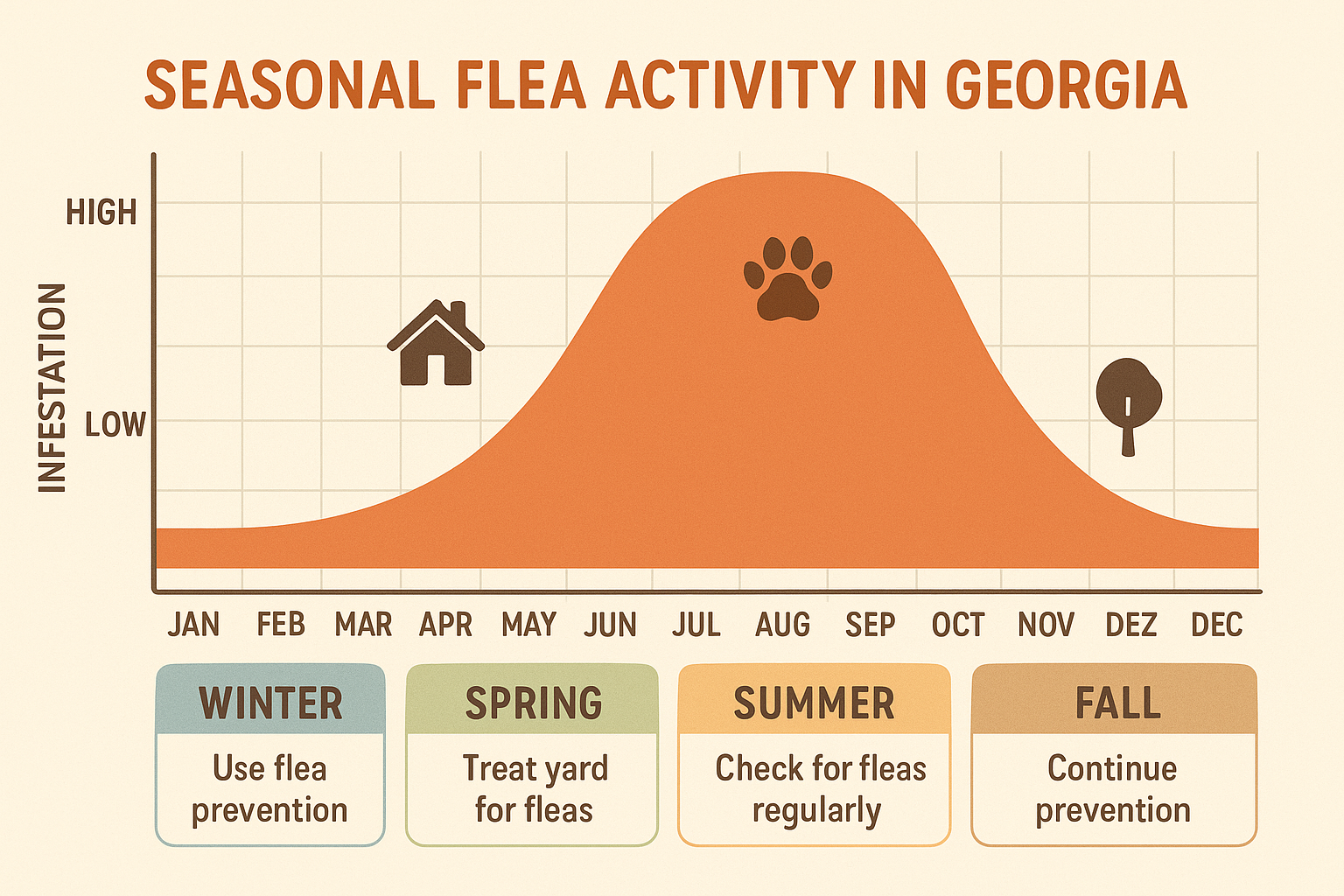
The visual guide maps average monthly temperatures, humidity levels, and typical flea life‑stage counts across the state. Notice the steep climb from May through July—those months support rapid egg‑to‑adult development. After September the curve flattens, but because pupae can lie dormant for weeks, a small population can still emerge when the weather briefly warms.
A proactive, season‑specific plan reduces the need for reactive sprays and protects both your family and pets.
Because flea eggs, larvae and pupae can linger in your yard or home for months, treating early in the spring—before temperatures consistently rise above 65 °F—interrupts the life cycle and reduces the massive summer surge.
Spring (March – May)
- Typical infestation risk: Medium, climbing toward high as temperatures warm.
- Indoor vs. outdoor risk factors: Outdoor grass and blooming gardens harbor eggs; indoor carpets and pet bedding collect larvae that fall in from the yard.
- Top three preventive actions:
- Give pets a thorough grooming and a flea‑preventive shampoo.
- Mow the lawn weekly and remove leaf litter to expose any hidden pupae.
- Apply a perimeter treatment around doors, windows and foundation cracks.
Summer (June – August)
- Typical infestation risk: High – flea populations explode when humidity and heat peak.
- Indoor vs. outdoor risk factors: Outdoor mulch, shaded patios, and indoor humid rooms become breeding hotspots.
- Top three preventive actions:
- Maintain a consistent monthly flea collar or oral medication for all pets.
- Keep yard debris trimmed; avoid excessive mulching that stays damp.
- Vacuum high‑traffic areas daily and wash pet bedding in hot water.
Fall (September – November)
- Typical infestation risk: Medium – numbers dip but adult fleas remain active.
- Indoor vs. outdoor risk factors: Falling leaves create sheltered micro‑environments; indoor heating draws pets inside, increasing contact.
- Top three preventive actions:
- Rake and dispose of leaf piles promptly to eliminate hidden pupae.
- Continue monthly pet treatments through the first frost.
- Seal cracks around the foundation and install door sweeps to block entry.
Winter (December – February)
- Typical infestation risk: Low, but fleas can survive indoors.
- Indoor vs. outdoor risk factors: Indoor carpets, pet bedding, and heated spaces provide the only viable habitat.
- Top three preventive actions:
- Maintain a year‑round preventive medication schedule for pets.
- Increase indoor vacuuming frequency; discard vacuum bags immediately.
- Inspect and treat entry points before the thaw to stop new insects from slipping in.
Remember, fleas are opportunistic; they exploit any lapse in hygiene or barrier protection. Regularly cleaning pet bedding, rotating lawn mulch, and inspecting entry points creates multiple layers of defense.
Staying ahead of the flea cycle doesn’t have to be a solo effort. A professional inspection in early spring lets Anthem Pest apply targeted treatments that reach hidden larvae in soil, cracks and pet habitats, giving you peace of mind through the hottest months.
DIY Flea Treatment Options: What Works and What Doesn’t
Typical DIY Solutions on the Shelf
When a flea hitchhiker shows up, many homeowners reach for the nearest over‑the‑counter product. The most common options are:
- Flea sprays – aerosol or pump‑spray formulas meant for carpets, upholstery, and pet bedding.
- Foggers (or “bombs”) – whole‑room aerosols that disperse insecticide in a fine mist.
- Flea shampoos – medicated washes designed to kill adult fleas on dogs or cats.
- Spot‑on treatments – liquid drops applied along the pet’s spine to spread through the skin’s oils.
Why DIY Can Be Attractive
These products promise a low‑cost, immediate fix. You can pick them up at a local hardware store, apply them the same day, and often see adult fleas die within minutes. For a small, isolated outbreak—say, a single pet’s bedding—it can provide quick relief without waiting for a professional visit.
The Hidden Drawbacks
Despite the convenience, DIY methods have three major limitations:
- Shallow penetration: Most sprays and foggers only reach surface‑level adults. Eggs, larvae, and pupae hidden in cracks, under flooring, or deep in pet fur often survive, leading to a rebound.
- Pet toxicity risk: Many aerosol products contain pyrethroids or organophosphates that are safe for humans but can cause skin irritation, respiratory distress, or even seizures in cats and small dogs if misused.
- Repeated applications: Because the life cycle isn’t fully disrupted, you’ll likely need to re‑apply every few days for several weeks, which adds up in cost and effort.
Step‑by‑Step DIY Protocol for a Moderate Infestation
- Vacuum thoroughly. Start with carpets, rugs, and upholstery. Use a brush attachment to dislodge eggs and larvae, then immediately empty the canister into a sealed bag.
- Wash all linens. Toss pet bedding, blankets, and any removable fabric in hot water (≥130°F) and dry on the highest heat setting for at least 30 minutes.
- Apply a flea spray. Choose a product labeled for both adult and immature stages. Spray all floor surfaces, baseboards, and pet hideaways, following the manufacturer’s dwell time.
- Treat the pets. Use a veterinarian‑approved spot‑on or shampoo. Never combine multiple chemical treatments on the same animal.
- Repeat the cycle. After 7 days, vacuum again and re‑apply spray. Continue for 2–3 weeks to break the life cycle.
Safety Checklist Before You Begin
- Read the label — note active ingredients, required protective gear, and pet‑specific warnings.
- Ventilate the area — open windows and run fans to disperse fumes.
- Keep pets and children out of treated rooms for the full recommended time.
- Store all chemicals out of reach, preferably in a locked cabinet.
- Dispose of vacuum bags, spray cans, and any contaminated linens in sealed containers.
When DIY Is Likely to Fail
If you notice any of the following, it’s time to call a professional:
- The infestation spans multiple rooms or levels of the house.
- Fleas reappear within 48 hours despite repeated treatments.
- Pets show signs of irritation, lethargy, or allergic reactions after DIY applications.
- You suspect a resistant flea population—common in areas with frequent pesticide use.
In these scenarios, a licensed exterminator can target hidden life stages, apply residual products safely, and create a long‑term prevention plan that DIY kits simply can’t match.
Professional Flea Control Services and What to Expect
When fleas invade your home, a quick DIY spray rarely solves the problem because the insects hide in carpet fibers, cracks, and pet bedding. A licensed pest‑control professional brings the expertise, equipment, and EPA‑registered products needed to eradicate every life stage—from eggs to adult fleas—while keeping your family and pets safe. Understanding what a professional visit looks like helps you feel confident that the job will be done right the first time.
What Happens During a Professional Visit
The technician starts with a thorough inspection, using a bright flashlight and a flea comb to locate active hotspots such as pet sleeping areas, baseboards, and under furniture. After confirming the infestation level, they map out a treatment plan that targets both indoor and outdoor zones. The plan may combine chemical applications with non‑chemical tactics, ensuring no flea sanctuary is left untouched.
Core Treatment Methods Used by Pros
- Targeted insecticide applications: Low‑residue, EPA‑registered sprays are placed directly on carpets, cracks, and pet bedding where adult fleas and larvae thrive.
- Steam or heat treatment: Hot vapor penetrates deep into upholstery and flooring, killing eggs and larvae without chemicals.
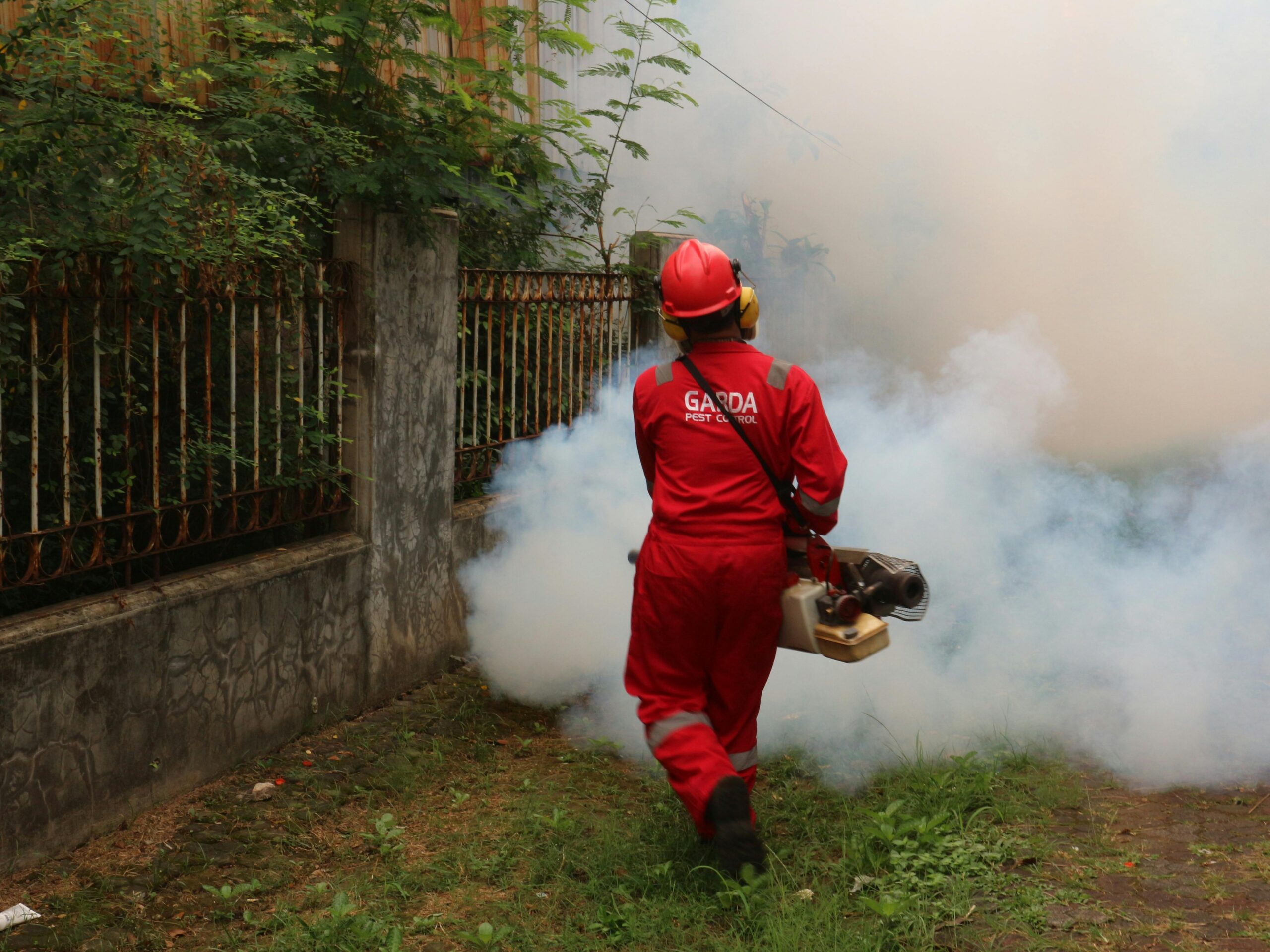
- Outdoor perimeter spray: A fine mist around the foundation, sidewalks, and shaded areas stops adult fleas from re‑entering the house.
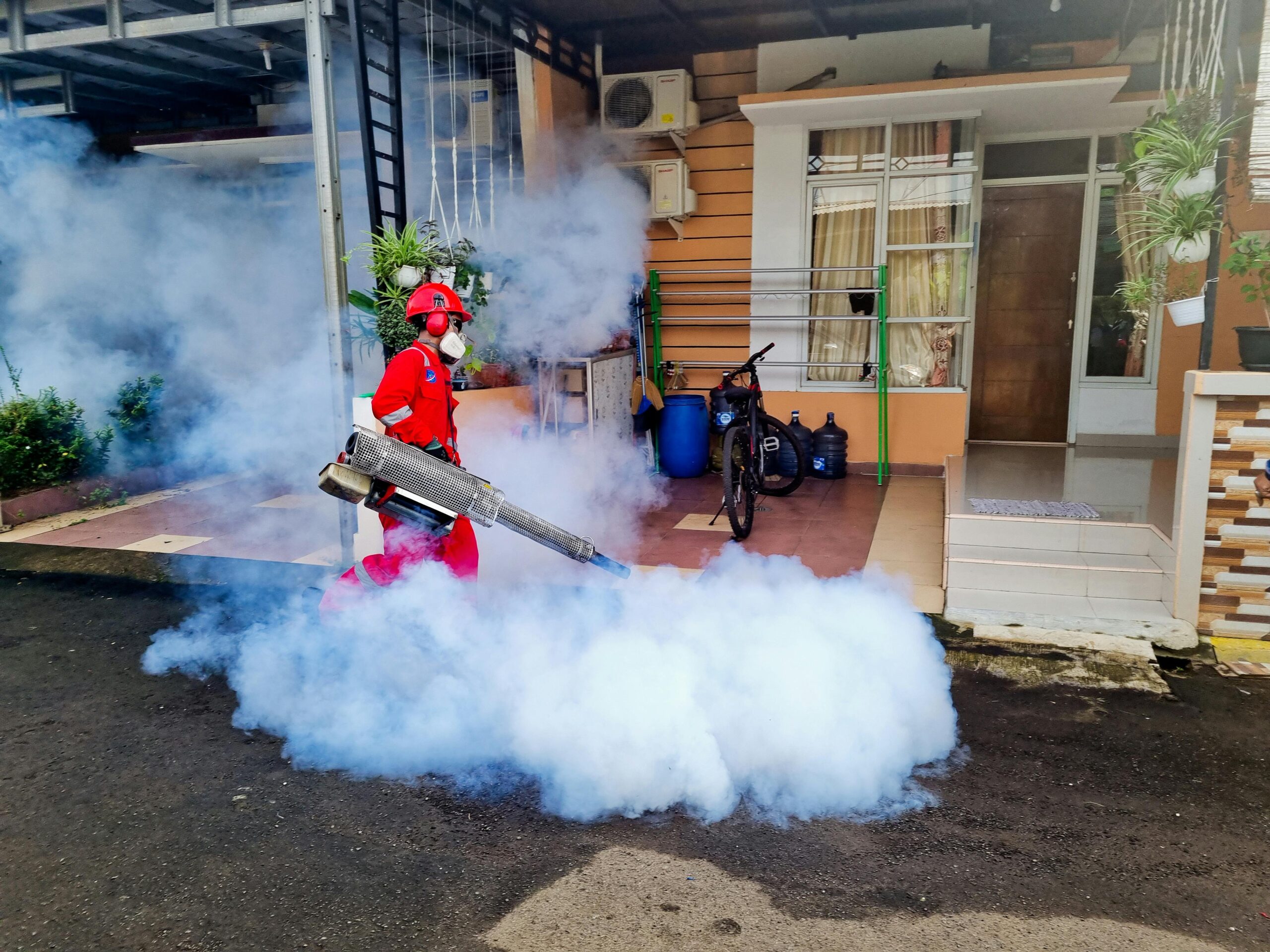
- Smoke/fumigation: For severe infestations, a controlled smoke treatment blankets the exterior and hard‑to‑reach interior spaces, delivering a rapid knock‑down of adult fleas.

Why Professionals Beat DIY
- Comprehensive coverage: Professionals treat every life stage, preventing the rapid rebound that DIY products often miss.
- EPA‑registered products: These formulations are proven effective and meet strict safety standards.
- Warranty guarantees: Most services include a satisfaction guarantee and scheduled follow‑up visits at no extra cost.
- Time and peace of mind: A trained technician finishes the job in a few hours, freeing you from endless spraying and vacuuming.
Safety Assurances
- Technicians wear protective gear—gloves, masks, and eye protection—to avoid exposure.
- Low‑residue chemicals leave minimal trace on surfaces, reducing risk to children and pets.
- Pet‑friendly options, such as insect growth regulators (IGRs), are available for households with cats, dogs, or small animals.
- All products are applied according to label directions, ensuring compliance with local health regulations.
Preparing Your Home for the Technician
A little prep maximizes the effectiveness of the treatment and speeds up the visit. Clear clutter from floors and under furniture so the technician can access hiding spots. Secure pets in a separate room or crate to protect them from direct contact with chemicals or steam. Finally, vacuum carpets, rugs, and upholstery thoroughly—this removes adult fleas and eggs, allowing the applied products to work directly on the remaining pests.
Cost Comparison: DIY Kits vs Professional Flea Treatments
Price Ranges at a Glance
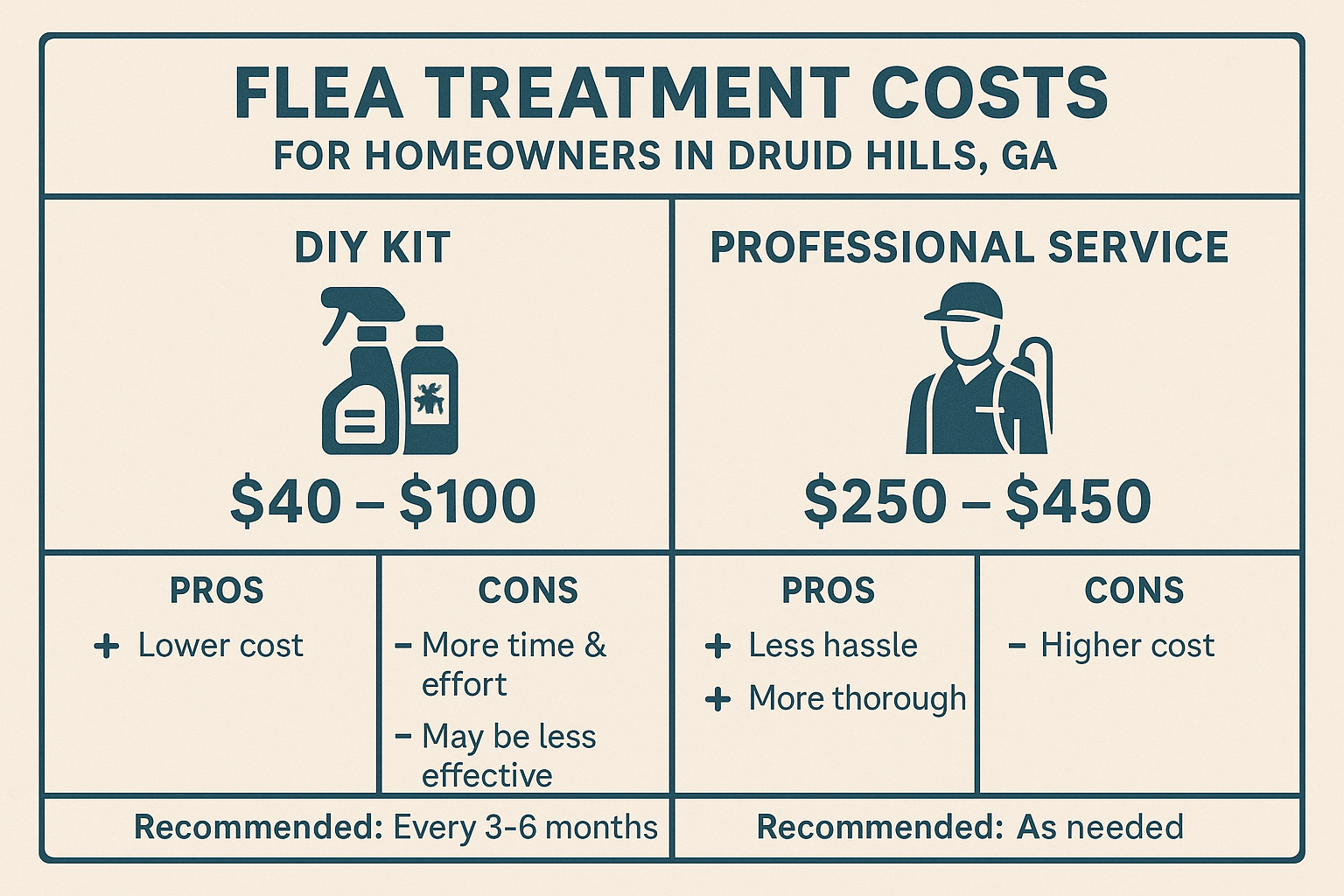
The infographic above breaks down the typical price bands you’ll encounter in Druid Hills. DIY kits sit between $30 and $80 per package, while a full‑service professional treatment usually falls in the $150–$250 range. Alongside cost, the chart highlights key pros and cons—DIY offers flexibility but demands careful application; professional service brings expertise, a warranty, and a follow‑up visit.
Average DIY Kit Costs
Most retailers stock flea‑control kits that combine a spray, a fogger, and a pet‑safe shampoo. A single kit covering a 1,500‑sq‑ft home typically costs between $30 and $80, depending on brand and formulation. If you have a larger property or multiple pets, you may need two or three kits, pushing the total closer to $150. Remember, the effectiveness of a kit hinges on strict adherence to label directions and thorough coverage of carpets, upholstery, and pet bedding.
Professional Service Pricing in Druid Hills
Anthem Pest Control and other local providers charge a flat fee of $150–$250 for a comprehensive flea eradication package. This price includes:
- Initial inspection and customized treatment plan
- Application of EPA‑approved adulticide and larvicide
- One scheduled follow‑up visit to verify results
- 30‑day warranty that covers re‑infestation due to treatment failure
The higher upfront cost reflects the labor, equipment, and professional expertise required to treat hidden infestations—under carpets, in wall voids, and inside pet habitats—where DIY products often miss.
Long‑Term Financial Implications
When you compare the cumulative expense over a year, the numbers shift dramatically. A homeowner who experiences a moderate flea problem might purchase a new DIY kit every 3–4 months, totaling $120–$320 annually. In contrast, a single professional treatment, backed by a warranty, can eliminate the problem for the entire season, often eliminating the need for repeat purchases. Even if a follow‑up is required, the total rarely exceeds $300, delivering a clearer, more predictable budget.
Hidden Costs of Ineffective DIY Attempts
DIY methods can leave pockets of untreated fleas, leading to:
- Additional purchases of rescue kits or stronger chemicals
- Veterinary visits for pets suffering from flea‑induced skin irritation or anemia—average vet visit costs $80–$150 per pet
- Potential damage to flooring or upholstery from repeated fogger use
- Lost time and peace of mind while you re‑apply treatments
These hidden expenses quickly erode the perceived savings of a low‑cost kit.
For pricing accuracy, we referenced the 2024 Druid Hills Pest Pricing Survey, which aggregates quotes from local pest‑control operators and major retail outlets.
Choose Anthem Pest Control for Reliable Flea Management

When it comes to flea infestations in Druid Hills, a professional treatment isn’t just convenient—it’s the safest, most effective choice for protecting your family and pets. Licensed technicians bring comprehensive coverage that reaches hidden cracks, carpet seams, and pet bedding where DIY products often miss. With a guaranteed result, you avoid the cycle of recurring bites, allergic reactions, and costly damage to upholstery.
Anthem Pest Control combines local expertise with industry‑leading standards. Our teams understand Georgia’s seasonal flea patterns, allowing us to time applications for maximum impact. We use only EPA‑approved products that are both potent against fleas and safe for children and pets. Transparent pricing means you know exactly what you’re paying for, and flexible scheduling works around your busy life.
Ready for peace of mind? Schedule a free, no‑obligation inspection and receive a customized quote tailored to your home’s layout and pet situation. Our technicians will walk you through the treatment plan, answer any questions, and set realistic expectations—so you feel confident before any chemicals are applied.
Contact us today to lock in your free inspection:
- Phone: 877-371-8196
- Website: https://anthempest.com
Don’t let fleas take another night’s sleep. Visit Anthem Pest Control now and take the first step toward a flea‑free home.