What Are Carpet Beetles and Why They Matter in Decatur

Taxonomy and Common Species in the Southeast
Carpet beetles belong to the family Dermestidae, a group of small, oval‑shaped insects that love keratin‑rich materials. In Georgia’s humid climate you’ll most often encounter two culprits: the Varied Carpet Beetle (Anthrenus verbasci) and the Black Carpet Beetle (Attagenus unicolor). Both species are harmless to humans in the sense that they don’t bite, but they can be devastating to carpets, upholstery, and even stored food.
Life Cycle and How Damage Accumulates
The carpet beetle’s four‑stage life cycle—egg, larva, pupa, adult—spreads the risk of damage across time. Females lay dozens of eggs in hidden cracks, near food sources, or inside carpet seams. Within a week the eggs hatch into larvae, the true “eaters.” These hairy, voracious larvae chew through wool, silk, feathers, and even pet hair, leaving behind irregular holes and a tell‑tale powdery frass. After several weeks to months, depending on temperature and food availability, the larvae spin cocoons and become pupae. The adult beetles emerge primarily to mate and lay more eggs; they rarely feed, but their presence signals that a hidden larval population is likely already at work.
Decatur’s Climate: A Perfect Breeding Ground
Decatur’s warm, humid summers and mild winters create an environment where carpet beetle larvae can develop year‑round. Moisture accelerates the breakdown of natural fibers, making them more palatable, while the consistent temperature shortens the life cycle, allowing multiple generations in a single season. Homes with central heating and air conditioning often maintain indoor humidity levels that further support larval growth, especially in seldom‑cleaned areas like attic insulation, under floorboards, and behind baseboards.
Why Homeowners Should Pay Attention
Beyond the obvious aesthetic damage, carpet beetle infestations can affect a homeowner’s bottom line in three key ways:
- Property value: Stained or hole‑riddled carpets and upholstery lower resale appeal and may require costly replacement before a sale.
- Health concerns: Larval frass and shed skins can trigger allergic reactions or asthma attacks, particularly for sensitive family members.
- Repair costs: Replacing damaged textiles, re‑treating affected wood, and repairing insulation can quickly add up, especially if the infestation goes unnoticed for months.
Early Detection and Local Expertise
Spotting the signs early—tiny shed skins in corners, a faint carpet odor, or small, speckled adults fluttering near windows—can save both money and stress. That’s where Anthem Pest Control steps in. With years of service in Decatur, our technicians know the neighborhoods, building styles, and seasonal patterns that influence carpet beetle activity. We combine thorough visual inspections with targeted treatments that focus on the larvae, the stage that does the real damage.
By understanding what carpet beetles are, how they thrive in Decatur’s climate, and why they matter to you, you’re already one step closer to protecting your home. When you notice any of the warning signs, reach out to a local professional—early intervention is the most effective—and keep your carpets, furniture, and peace of mind intact.
Spotting Carpet Beetle Damage Before It Spreads
Carpet beetles are tiny, but the damage they leave behind can be unmistakable. Catching the problem early saves you from costly repairs and protects cherished fabrics. Below is a practical guide to the signs that tell you a beetle invasion is already under way.
Visual cues on fabrics
Look for irregular, round‑shaped holes that seem to appear out of nowhere on wool, silk, cashmere, and even cotton blankets. The edges of these holes often look “shredded” or frayed, as if a tiny pair of scissors has nibbled around the perimeter. Unlike moth damage, which tends to be more uniform, carpet beetle bites are erratic and may cluster in high‑traffic areas where larvae can reach the material easily.
Damage to upholstery, carpets, and stored items
Upholstered chairs, sofa cushions, and area rugs are frequent feeding grounds. You may notice small, thread‑like tunnels in the backing of a carpet or tiny patches missing from a curtain’s hem. Stored items—blankets tucked in the attic, seasonal clothing in a closet, or even pet bedding—can become silent victims. The longer the larvae remain, the larger the patches become, eventually turning a once‑soft fabric into a ragged, weakened surface.
Shed skins, fecal pellets, and the beetles themselves
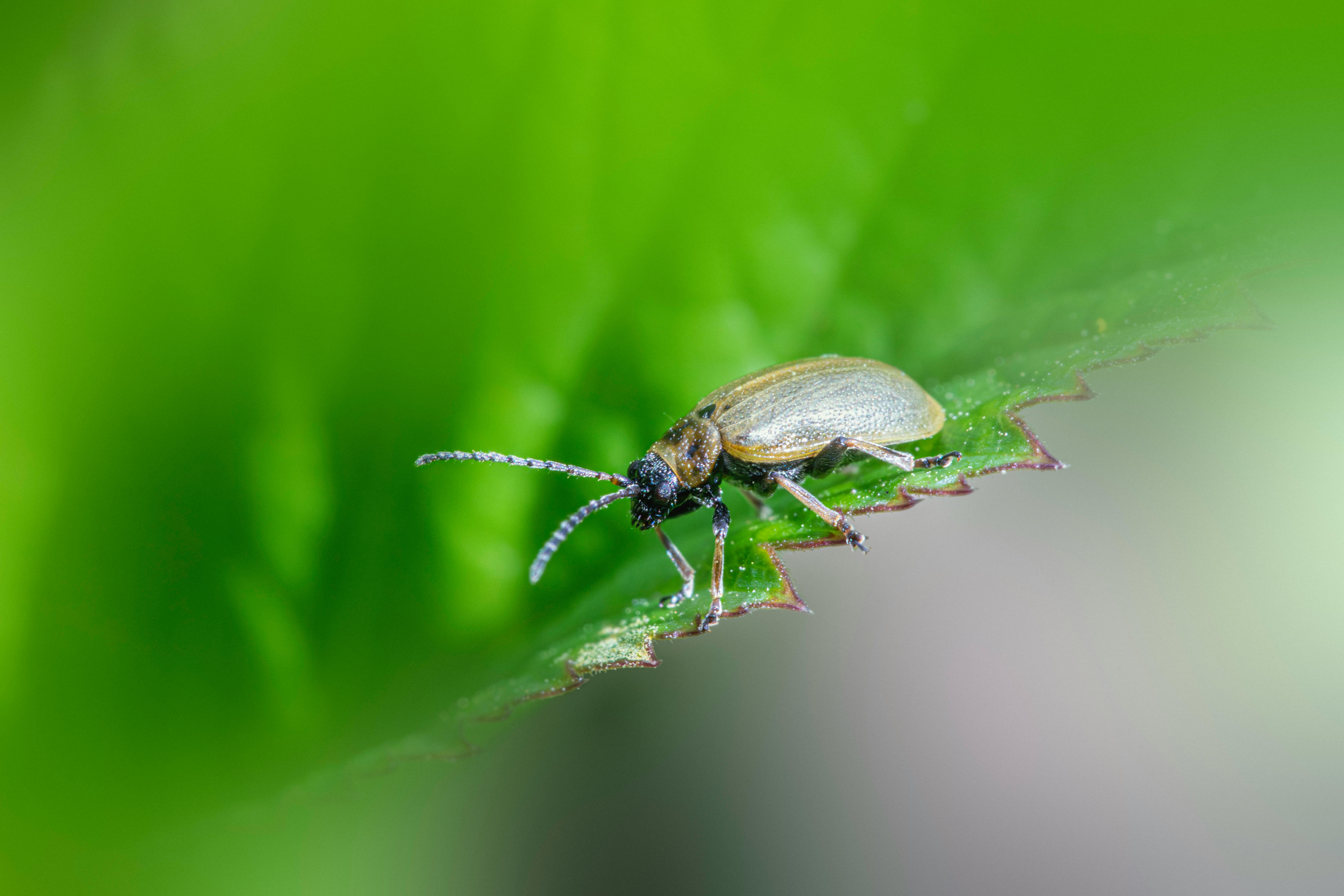
Carpet beetle larvae shed their skins as they grow, leaving behind translucent, paper‑like casings. Tiny, dark fecal pellets (about the size of a grain of sand) often accumulate near the damage. Adult beetles are small, oval, and may be spotted crawling on windowsills or near light sources. A macro photograph can reveal the distinctive bristly hairs on the larva’s back—a hallmark that separates them from moth caterpillars.
Common hiding spots
- Under sofas, chairs, and other heavy furniture where dust accumulates.
- Inside closets, especially in corners of wool sweaters or silk scarves.
- Pet bedding and cages—larvae love the protein‑rich debris left by pets.
- HVAC ducts and vents, which can spread larvae throughout the home.
- Stored boxes, trunks, and even under floorboards in basements.
How to differentiate carpet beetle damage from other pests
Unlike termites, carpet beetles do not leave mud tubes or hollowed wood; their damage is confined to fabrics. Moth larvae create more uniform, round holes and often leave silken cocoons, whereas carpet beetle holes are irregular and paired with shed skins. If you see fine, powdery frass (insect droppings) on carpet fibers, it’s a strong indicator of beetles rather than fleas or dust mites.
Quick DIY inspection checklist for homeowners
- Inspect all wool, silk, and cotton items for irregular holes or shredded edges.
- Run a flashlight along the underside of furniture and in closet corners; look for shed skins and tiny dark pellets.
- Check pet bedding and any fabric‑covered storage containers for larvae or adult beetles.
- Examine HVAC vents and ducts by removing vent covers and shining a light inside.
- Compare any damage you find with online images of carpet beetle larvae to confirm identification.
- If you spot multiple signs, schedule a professional inspection before the infestation spreads further.
Professional Carpet Beetle Inspection and Pricing Explained
Inspection Process Step‑by‑Step
When an Anthem technician arrives at your Decatur home, the first move is a thorough visual survey. They walk through every room, paying special attention to closets, under‑furniture spaces, and areas where natural fibers accumulate. Next, a handheld moisture meter checks for damp spots that attract beetle larvae, because moisture is a hidden catalyst for infestations.
To catch the nocturnal adults, technicians set up low‑intensity light traps in strategic corners for a brief period. Finally, they collect a few suspect specimens—tiny larvae or adult beetles—using a soft brush and place them in sealed vials for lab confirmation.
Tools & Technology
Anthem’s field crew relies on more than just a flashlight. The inspection kit includes:
- Digital moisture meter with calibrated sensors
- LED light traps that attract beetles without harming them
- Portable microscope for on‑site preliminary identification
- Protective suit and gloves to prevent cross‑contamination
From Findings to Treatment Recommendations
Once the samples reach the lab, a certified entomologist confirms whether you’re dealing with carpet beetles or a harmless look‑alike. The inspection report then translates those findings into a clear action plan: targeted spot‑treatments for isolated nests, whole‑home preventive sprays for widespread activity, or an integrated approach that combines chemical barriers with environmental adjustments (like humidity control).
Every recommendation includes a timeline, the exact products to be used, and safety precautions for pets and children. This transparency helps homeowners understand not just “what” will be done, but “why” each step matters.
Transparent Pricing Tiers
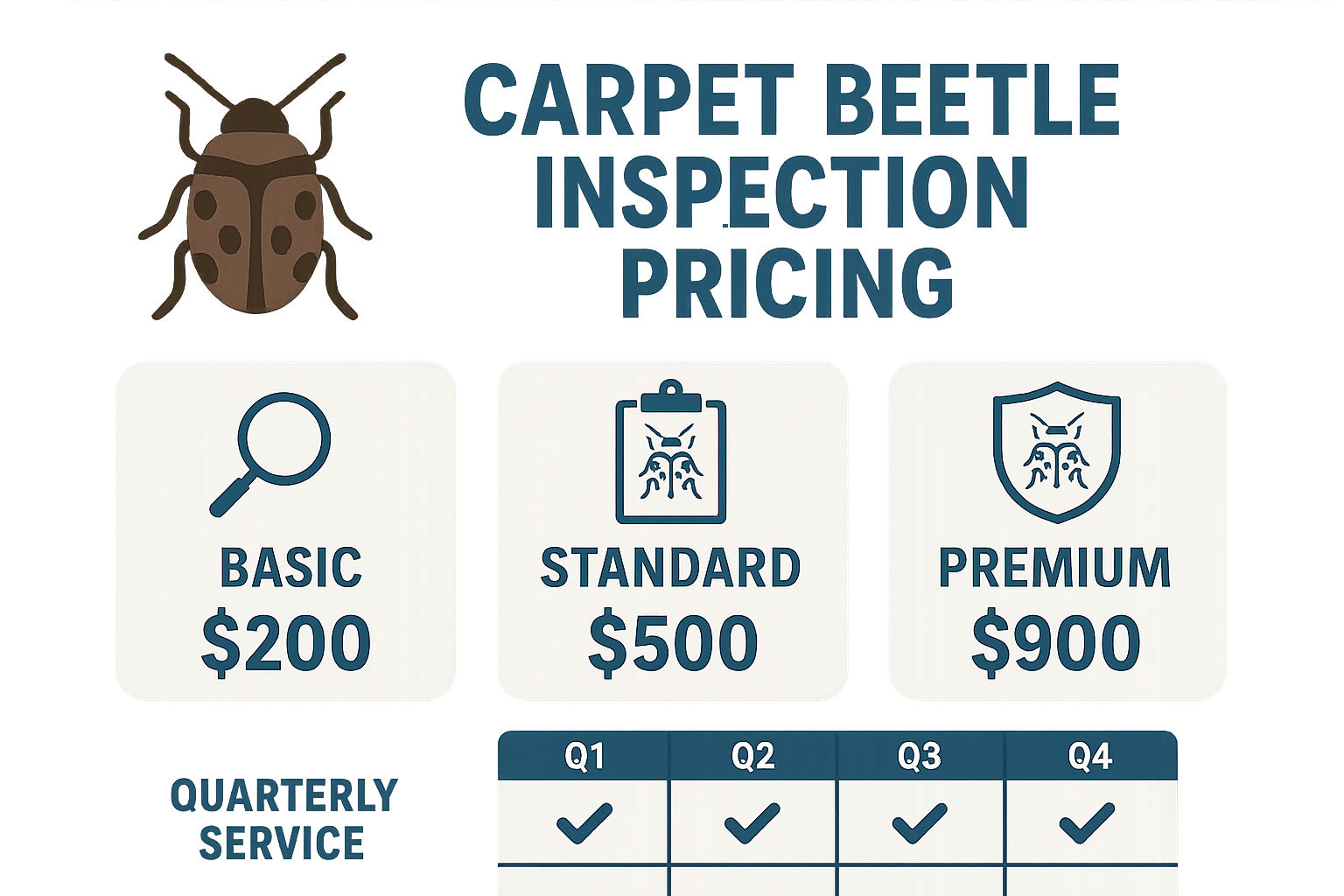
Anthem believes that price should never be a surprise. Below is a side‑by‑side comparison of the three service packages most Decatur residents choose.
| Tier | Price | What’s Covered | Follow‑Up & Warranty |
|---|---|---|---|
| Basic | $200 | Limited visual inspection of high‑risk areas; no sampling or moisture testing | None; single‑visit report only |
| Standard | $500 | Full‑house visual survey, moisture meter readings, light‑trap placement, and sample collection for lab analysis | One 30‑day follow‑up visit; 6‑month treatment warranty |
| Premium | $900 | Comprehensive inspection (all Standard services) plus detailed fiber‑type risk assessment and preventive treatment plan | Quarterly follow‑up service for a year; 12‑month full‑coverage warranty |
The Basic tier suits homeowners who want a quick health check, but it lacks the sampling that confirms an infestation. The Standard package adds that scientific certainty and includes a short‑term warranty, making it the most popular choice for families seeking peace of mind without a long‑term commitment. The Premium tier is designed for those who want the ultimate safeguard: quarterly inspections, immediate re‑treatment if beetles reappear, and a year‑long warranty that covers both product and labor.
Choosing the right tier depends on how extensive your current problem is and how proactive you want to be. If you’ve already spotted larvae in a closet, the Standard or Premium package will give you the evidence and treatment you need. If you’re simply curious about potential hotspots, the Basic option provides a low‑cost entry point.
For a full breakdown of pricing and to verify the figures above, visit Anthem’s official page: Anthem Pest Carpet Beetle Services. Transparency is built into every quote, so you’ll never be left guessing what the final bill will look like.
Seasonal Activity in Decatur and the Best Times to Treat
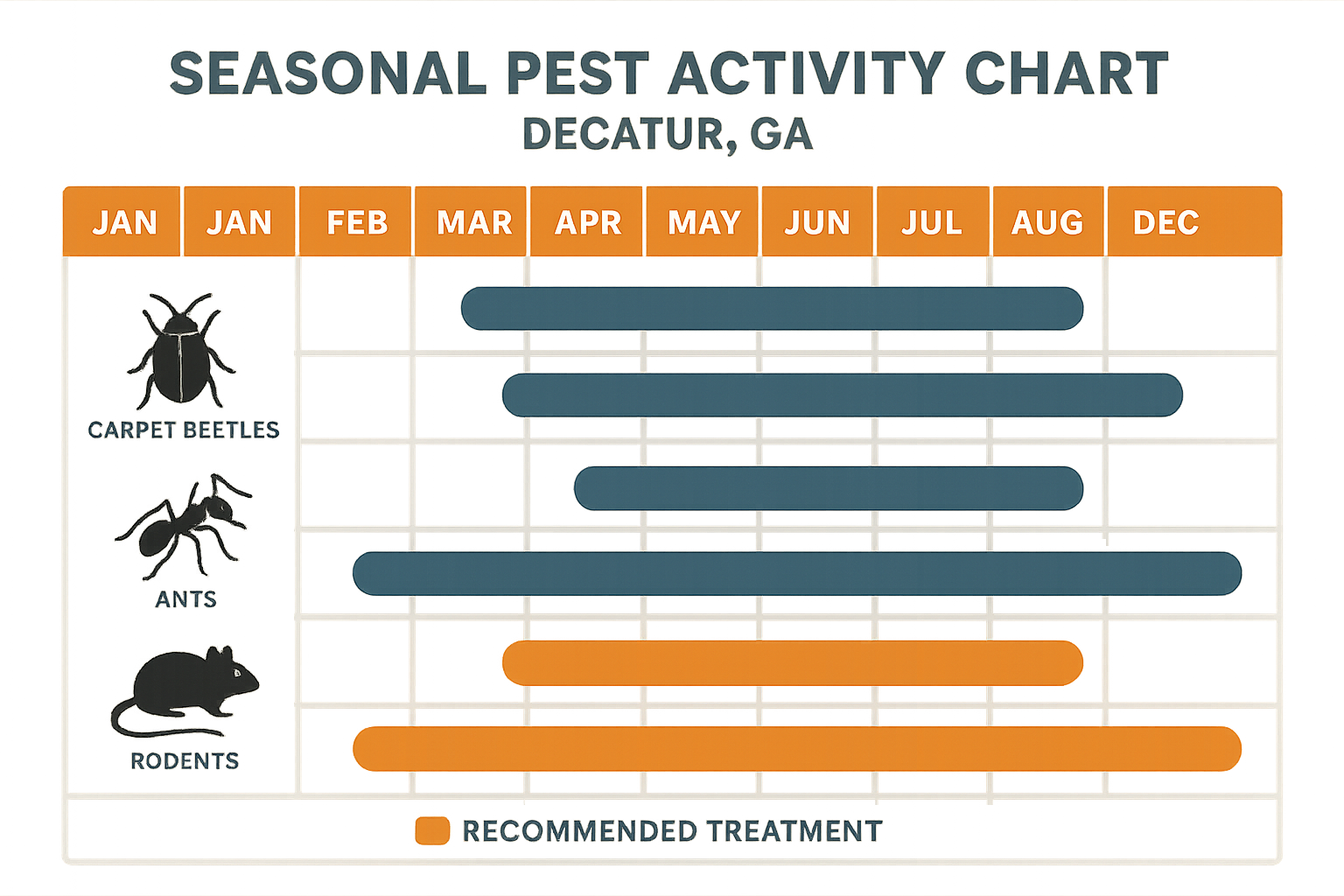
Understanding when carpet beetles are most active in Decatur lets you strike before the damage starts. Below is a month‑by‑month snapshot that ties the beetles’ life cycle to the local climate, helping you plan inspections, treatments, and everyday prevention.
January – February: Dormant Phase
Winter temperatures keep adult beetles largely indoors, but they’re not reproducing. Larvae hide in insulation, closets, and stored fabrics, feeding slowly. This is an ideal window for a thorough inspection—look for shed skins, tiny fecal specks, and webbing in hidden corners.
March – April: Early Emergence
As days lengthen, adults become more active, seeking new sites to lay eggs. You may notice adult beetles fluttering near windows or light fixtures. Begin a light‑touch preventive treatment focused on entry points and vulnerable storage areas.
May – June: Peak Larval Growth
Late spring marks the height of larval feeding. Warm, humid conditions accelerate development, and larvae can cause noticeable damage to wool, silk, and fur. Early‑summer treatments are the most effective because they target the larvae before they spin cocoons and mature into adults.
July – August: Continued Activity
Mid‑summer keeps the beetle population thriving. While larvae are still feeding, some may begin pupating. A second treatment in August can catch any late‑emerging larvae and reduce the next generation’s adult population.
September – October: Decline and Overwintering
Cooler evenings slow larval metabolism. Adults start seeking sheltered indoor sites to overwinter. This period is perfect for a final “wrap‑up” treatment that seals cracks, treats baseboards, and applies residual protectants to keep beetles from re‑establishing next spring.
November – December: Maintenance Mode
With the beetles largely dormant, focus shifts to housekeeping. Regular vacuuming of carpets, rugs, and upholstery removes any stray larvae or eggs that survived earlier treatments.
Coordinating with Other Seasonal Pests
Carpet beetles don’t live in isolation. Ants, rodents, and stored‑product insects often share the same entry points and harborage zones. By aligning carpet beetle treatments with the broader pest‑management calendar—ant control in early spring, rodent exclusion in fall—you create a seamless defense that reduces overall chemical usage and labor costs.
Preventative Actions for Every Season
- Winter: Vacuum under furniture and along baseboards weekly; store seasonal clothing in sealed plastic bins.
- Spring: Inspect and clean attic insulation; seal cracks around windows and doors.
- Summer: Rotate and air‑out stored fabrics; use lint rollers on upholstery after outdoor activities.
- Fall: Check exterior lighting for attracted insects; reinforce door sweeps and screen mesh.
- Year‑Round: Keep pet bedding clean; promptly repair water leaks that create humid micro‑environments.
How Anthem Aligns Treatments with the Chart
Anthem Pest Control tailors its service schedule to Decatur’s climate‑driven beetle cycle. Our technicians conduct a pre‑season inspection in January, apply a targeted preventive spray in March, and follow up with a high‑impact larval treatment in early June. A mid‑summer booster in August addresses any late‑season activity, and a final fall service seals entry points and applies a residual barrier for winter protection. By syncing each visit with the activity chart, Anthem maximizes efficacy while minimizing the number of applications you need.
Sticking to this calendar not only protects your fabrics and carpets but also integrates smoothly with the broader pest‑control plan for your home. When you know exactly when carpet beetles are most vulnerable, you can act confidently—and keep your Decatur residence beetle‑free year after year.
Protect Your Home Today with Anthem Pest Control
By now you should be able to spot a carpet beetle infestation: tiny, oval‑shaped insects, irregular holes in wool, silk or stored fabrics, and a faint, “old‑carpet” odor. The damage often shows up as shredded fibers, pilled upholstery, or speckled carpet patches. Our step‑by‑step inspection—visual surveys, trap placement, and targeted sampling—pinpoints the problem before it spreads. In Decatur, most homeowners see peak activity from late spring through early fall, and typical pricing ranges from a modest inspection fee to a comprehensive treatment package, all clearly outlined up front.
Key Takeaways
- Carpet beetles are small, oval, tan or mottled insects hiding in fabrics.
- Watch for irregular holes, fuzzball clusters, and shed skins as damage clues.
- Professional inspection uses visual surveys, trap placement, and lab‑verified samples.
- Decatur pricing typically $99 for inspection up to $399 for full treatment.
- Peak activity runs late spring to early fall—treat promptly.
Why Choose a Local, Experienced Provider?
Anthem Pest Control combines neighborhood knowledge with industry‑approved methods. We use low‑toxicity products that are safe for children and pets, and every treatment comes with a guaranteed result—if the beetles return, we’ll re‑treat at no extra cost. Our transparent pricing means you’ll never encounter hidden fees; the quote you receive is the price you pay.
Our technicians stay current with EPA‑approved formulations, ensuring each application minimizes risk while maximizing effectiveness.
Ready for a Pest‑Free Home?
Take the next step with a free, no‑obligation quote from Anthem. Give us a call at 877‑371‑8196 or visit our website to schedule your inspection. Our friendly technicians will arrive on time, explain the process, and answer any questions you have.
Don’t let carpet beetles compromise your comfort. Act today, and enjoy a clean, protected home for you and your family.