Recognizing Carpet Beetles and Early Warning Signs
What Are Carpet Beetles?
Carpet beetles belong to the family Dermestidae. Though they’re small—typically 1‑3 mm long—they can cause big problems. The insects feed on natural fibers such as wool, silk, feathers, and even pet hair. In a home, unchecked beetles turn treasured blankets, upholstery, and stored clothing into a patchwork of holes and stains.
Common Species in Georgia
In Druid Hills and the broader Georgia area you’ll most often encounter two species:
- Varied carpet beetle (Anthrenus verbasci) – mottled brown and white pattern on the back.
- Black carpet beetle (Attagenus unicolor) – uniformly dark, almost glossy.
Both species thrive in the humid subtropical climate of the region, making early detection especially important.
How to Spot the Adults and Larvae
Adult beetles are rounded, with a hard shell and distinct color bands. They’re often seen crawling along baseboards or near windows in late summer. The real damage, however, comes from the larvae. These “caterpillar‑like” creatures are elongated, covered in bristly hairs, and range from creamy‑white to brown. Their tiny size makes them easy to miss, but their shed skins and frass (fine, powdery droppings) are reliable clues.
Where They Hide Indoors
Carpet beetles favor any spot that offers a steady food source and protection from light. Typical indoor habitats include:
- Carpets and area rugs
- Upholstered furniture
- Blankets, throws, and stored clothing
- Pet bedding and favorite lounging spots
Early Warning Signs
Before you notice a hole, look for these subtle indicators:
- Small specks of shed skins near baseboards or under furniture.
- Fine, powdery frass that resembles talcum powder.
- Tiny, irregular holes (1‑2 mm) in woolen fabrics or blankets.
- Unusual, discolored stains on carpet fibers—often a mix of hair and frass.
Distinguishing Beetle Damage from Other Pests
Carpet beetle damage can be confused with that of moths or silverfish. Here’s how to tell them apart:
- Moths leave larger, more uniform holes and often produce silken webbing.
- Silverfish create irregular, ragged edges and a silvery, fish‑like trail of droppings.
- Carpet beetles leave a combination of tiny holes, powdery frass, and noticeable shed skins.
Quick Inspection Checklist
Grab a flashlight and run through this short list to catch an infestation early:
- Slide furniture away from walls and inspect the floor and carpet edges.
- Open closets, pull out stored blankets, and examine seams for shed skins.
- Check pet beds, especially where pets nap for long periods.
- Look under and behind appliances—heat and darkness attract larvae.
- Vacuum a high‑traffic area and sift through the collected debris for frass or tiny beetles.
If you spot any of these signs, it’s time to act before the larvae mature and spread further.
For a deeper dive into professional carpet beetle control options in Druid Hills, visit the Anthem Pest Control guide.
Carpet Beetle Life Cycle and Seasonal Peaks in Georgia
Carpet beetles move through four distinct stages—egg, larva, pupa, and adult—and each stage is shaped by Georgia’s warm, humid climate. Understanding how long each phase lasts helps you pinpoint when the insects are most likely to cause damage and when you should schedule inspections.
Egg
Females lay tiny, oval eggs in hidden crevices, usually near a food source. In Georgia, eggs hatch in about 5–10 days when temperatures stay between 70°F and 85°F. Cooler winter months can stretch this period to two weeks, delaying the start of the next generation.
Larva
The larval stage is the true troublemaker. These cream‑colored, bristly caterpillars feed on natural fibers, keratin, hair, and even dead insects. Under typical Georgia conditions, larvae develop over 6–12 weeks, but high indoor humidity and abundant food can accelerate growth to as little as four weeks. This is the phase where carpet, upholstery, and clothing damage becomes visible.
Pupa
Once a larva is fully fed, it spins a silken cocoon and enters the pupal stage. In the heat of late summer, pupation may last only 10–14 days. Cooler indoor environments extend this to three weeks, allowing the beetle to emerge as an adult when conditions are most favorable for dispersal.
Adult
Adult carpet beetles are small, rounded, and often spotted. They live for 2–4 weeks**, primarily seeking mates and laying eggs. Adults are most active in late spring and early summer, when they can easily locate new food sources inside homes.
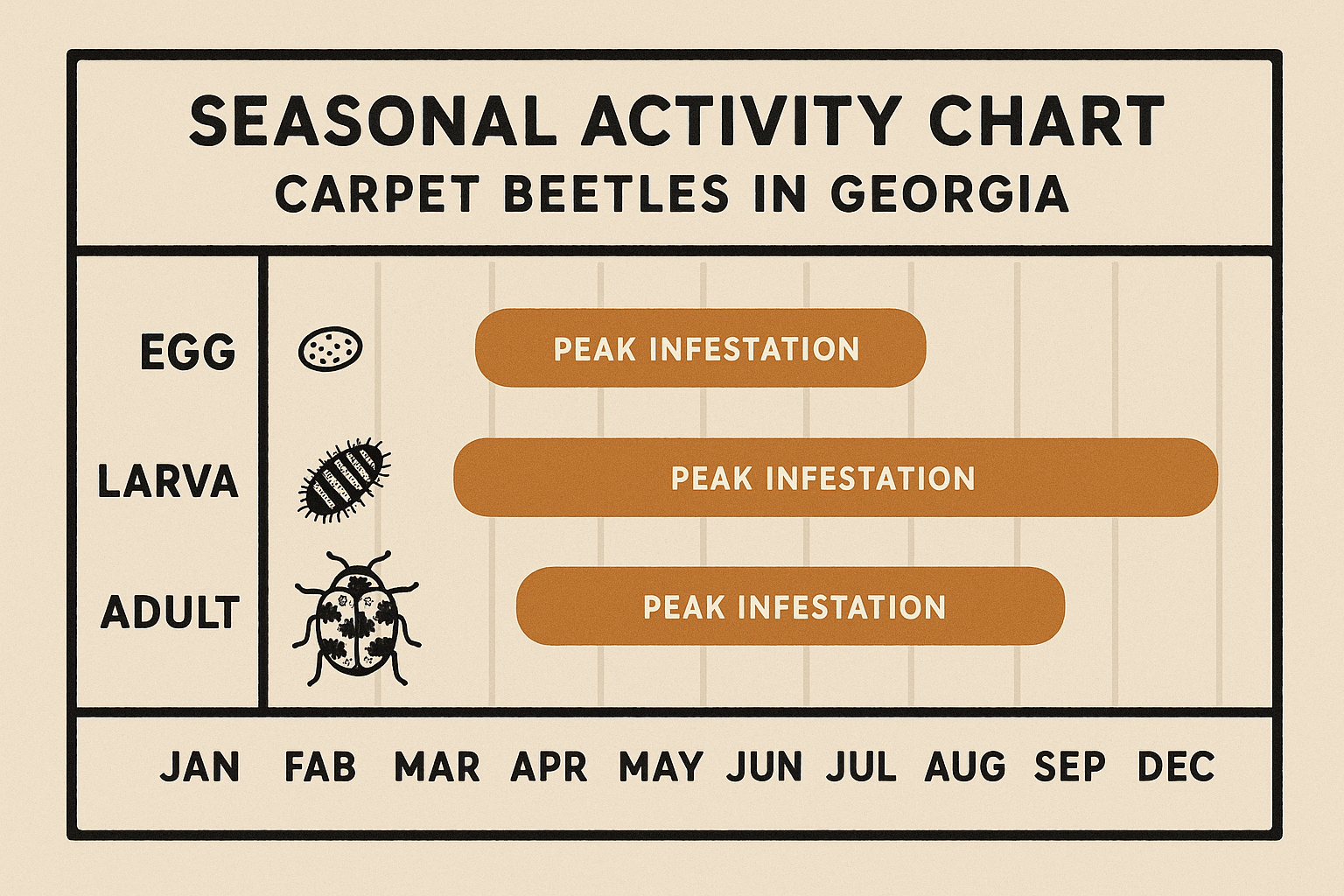
Seasonal Activity Chart
| Month | Predominant Life Stage | Infestation Risk |
|---|---|---|
| January | Egg & early larva (slow development) | Low |
| February | Egg & larva | Low |
| March | Larva growing rapidly | Moderate |
| April | Late larva & early pupa | High |
| May | Peak larval feeding | Very High |
| June | Adult emergence | High |
| July | Adult activity & egg laying | High |
| August | New larvae | High |
| September | Late larva & early pupa | Moderate |
| October | Pupa to adult transition | Low‑Moderate |
| November | Adult activity wanes | Low |
| December | Eggs in shelter | Low |
Factors That Accelerate the Cycle
- Indoor heating: Warm rooms in winter mimic summer temperatures, shortening each stage.
- High humidity: Moist environments keep larvae active and increase feeding rates.
- Abundant food sources: Piles of wool blankets, pet bedding, or stored fabrics give larvae the nutrition they need to mature faster.
Monitoring Seasonal Risk
Set out pheromone‑free carpet beetle traps near closets, under furniture, and by windows during the peak months of May through August. After turning on heating in the fall or cranking up air‑conditioning in the summer, inspect vulnerable areas within a week—look for shed larval skins, tiny fecal pellets, or small holes in fabric.
Why Early Detection Matters
The moment larvae begin chewing, damage spreads quickly. Catching an infestation before the larvae enter their intense feeding stage—ideally during the egg or early‑larva phase—lets you intervene with targeted treatments, reducing both repair costs and the need for extensive chemical applications.
DIY Control Options vs Professional Services – Cost and Effectiveness
Typical DIY Toolbox
Most homeowners start with the basics: a thorough vacuum of carpets, upholstery, and cracks; laundering affected fabrics in hot water; spraying insecticidal aerosols; placing sticky beetle traps; and trying homemade remedies such as diatomaceous earth or a vinegar‑oil mix. These methods are inexpensive and can be executed without a license.
DIY Cost and Timeline
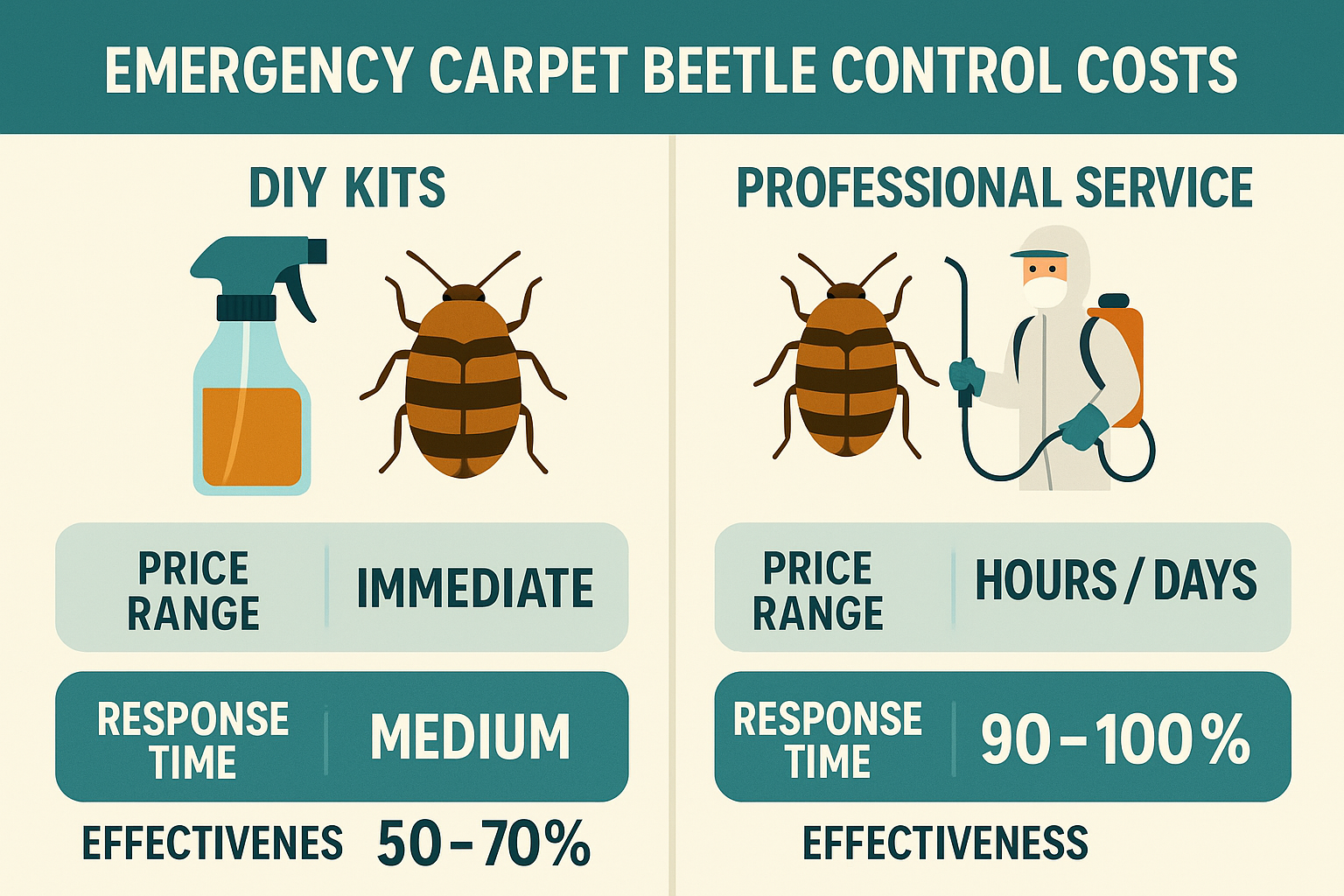
Ready‑made carpet‑beetle kits generally sit between $15 and $45. Because you’re handling the work yourself, you’ll usually see the first signs of reduction within 1–3 weeks. Patience is key—beetles have a life cycle that can span several weeks, so consistent effort is required.
Why DIY Can Fall Short
- Coverage gaps: Hard‑to‑reach spaces like under floorboards or inside wall cavities often escape a vacuum or spray.
- Resistance: Repeated use of the same over‑the‑counter insecticide can lead to tolerant beetle populations.
- Safety concerns: Aerosol sprays and powders can irritate skin, eyes, and lungs if not applied correctly.
- Hidden damage: DIY won’t reveal structural damage caused by larvae feeding on natural fibers.
Professional Service Overview
A licensed pest‑control team begins with a detailed inspection, identifying hot spots, hidden infestations, and the extent of damage. Treatment options may include:
- Targeted chemical applications calibrated for carpet‑beetle biology.
- Heat treatments that raise ambient temperature to lethal levels for all life stages.
- Ozone or vaporized‑insecticide treatments for deep‑penetrating coverage.
- Scheduled follow‑up visits to ensure the population stays suppressed.
Professional Cost and Speed
In Druid Hills, a single comprehensive treatment typically ranges from $150 to $350. Because professionals have the right tools and chemicals, they can often respond the same day or next day, dramatically shortening the window of damage.
Effectiveness at a Glance
| Option | Cost Range | Typical Response Time | Success Rate |
|---|---|---|---|
| DIY kits & methods | $15‑$45 | 1‑3 weeks for visible results | 45‑60 % |
| Professional service | $150‑$350 | Same‑day or next‑day | 85‑95 % |
When to Call in the Pros
If you spot a severe infestation—multiple beetles crawling on clothing, extensive damage to wool blankets, or larvae hidden in wall voids—it’s time to skip the DIY route. Professional guarantees, thorough inspections, and the ability to treat concealed areas give you peace of mind and protect your home’s value.
Quick Decision‑Making Flowchart
- Do you see live beetles or larvae in multiple rooms?
- Yes → Move to step 2.
- No → Try a DIY vacuum‑and‑launder routine.
- Is the infestation spreading despite DIY efforts after 2 weeks?
- Yes → Contact a professional.
- No → Continue DIY for another week, then reassess.
- Do you have valuable wool or silk items that could be damaged?
- Yes → Professional treatment recommended.
- No → DIY may suffice if infestation is light.
Professional Treatment Strategies and Ongoing Prevention

Inspection Protocol
Our first step is a thorough visual survey of every room where carpet beetles could be hiding. Technicians use a calibrated moisture meter to locate damp spots that attract larvae, then take fiber samples from carpets, upholstery, and stored textiles. Each sample is examined under a microscope to confirm species and pinpoint hotspots. This data‑driven approach ensures we treat only the areas that truly need attention, saving you time and money.
Treatment Options
Anthem Pest Control tailors the solution to the severity of the infestation and the homeowner’s preferences.
- Targeted residual insecticide applications: We apply EPA‑approved products directly to baseboards, cracks, and the undersides of furniture. The residual action continues to kill any beetles that cross the treated zones for weeks after application.
- Whole‑home heat treatment: By raising indoor temperatures above 120 °F for 4–6 hours, we eradicate all life stages of carpet beetles without chemicals. Heat penetrates deep into walls, insulation, and sealed containers, leaving nothing for the pests to cling to.
- Integrated Pest Management (IPM): Combining chemical and non‑chemical tactics, IPM reduces reliance on pesticides. We may pair a light residual spray with strategic heat zones, followed by a post‑treatment vacuuming protocol to remove dead insects and eggs.
Safety Measures
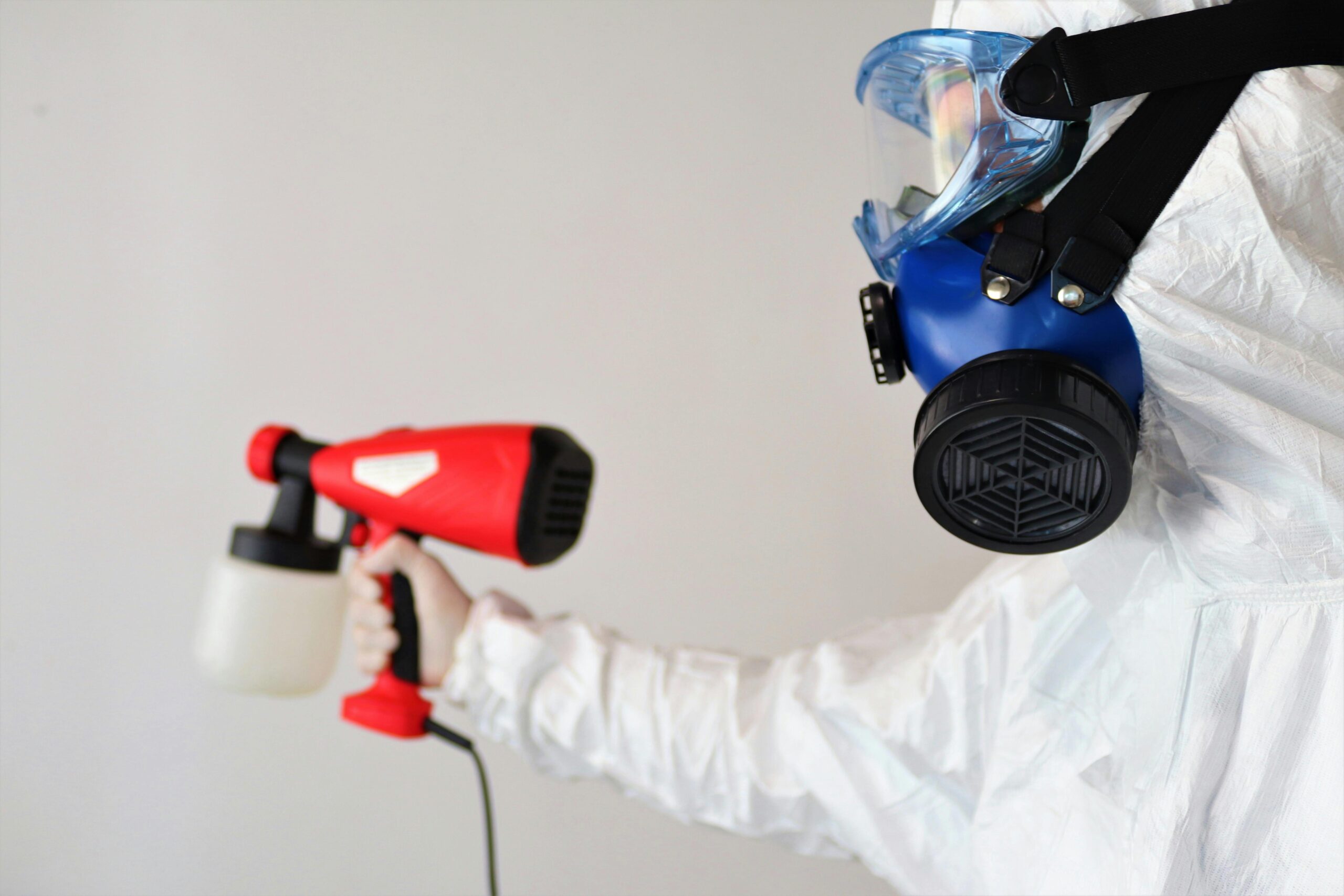
Our technicians wear protective gear, including N‑95 respirators and gloves, to avoid exposure. After chemical applications, we ventilate the home for at least 30 minutes and advise residents to keep pets and children out of treated rooms until the area is fully dry. Heat treatments are monitored with temperature sensors, and we notify families when it’s safe to re‑enter.
Follow‑Up Schedule
Two weeks after the initial treatment, a certified inspector returns for a post‑treatment walkthrough. We verify that beetle activity has ceased and re‑apply residuals if needed. Homeowners can also opt into quarterly monitoring visits, which include a quick visual check and a handheld moisture reading to catch any new infestations early.
Preventive Maintenance Checklist
- Regular vacuuming: Use a vacuum equipped with a HEPA filter to capture larvae and eggs from carpets, rugs, and upholstery at least once a week.
- Proper storage: Keep woolens, furs, and other natural fibers in airtight containers or vacuum‑sealed bags.
- Reduce food sources: Promptly clean pet hair, food crumbs, and dead insects that serve as beetle meals.
- Control indoor humidity: Maintain relative humidity below 50 % with dehumidifiers and ensure proper ventilation in closets and basements.
- Seasonal deep‑cleaning: Follow the local seasonal chart—focus on a deep clean in early spring before beetles emerge and again in late summer after they finish laying eggs.
Why Anthem’s Transparent Pricing and Local Expertise Matter
Residents of Druid Hills benefit from a flat‑rate pricing model that eliminates surprise fees. Our technicians are trained on the specific beetle species that thrive in Georgia’s climate, so you receive solutions that work for local conditions—not a one‑size‑fits‑all approach. Detailed invoices break down labor, product costs, and any optional add‑ons, giving you full visibility into where your dollars go.
Ready for a Free Inspection?
If you suspect carpet beetles or simply want to safeguard your home, call Anthem Pest Control at 877‑371‑8196 or visit anthempest.com to schedule a complimentary inspection. Our Druid Hills team is standing by to protect your fabrics, furniture, and peace of mind.
Protect Your Home with Anthem Pest Control Today
By now you’ve learned how to spot carpet beetles, why the humid spring‑summer months in Druid Hills turn your home into a beetle‑friendly zone, and the pitfalls of tackling the problem with store‑bought sprays or DIY traps. While a quick over‑the‑counter spray may seem convenient, it rarely reaches the hidden larvae deep inside carpets, upholstery, or stored fabrics, and it often leaves behind residues that can irritate pets and children. Professional treatment, on the other hand, combines thorough inspection, targeted application of EPA‑approved products, and follow‑up monitoring to break the beetle life cycle once and for all.
Why Anthem Stands Out in Druid Hills
- Safe solutions: Our technicians use low‑toxicity, pet‑friendly formulations that protect your family while eliminating beetles at every stage.
- Effective results: We employ heat‑treatment, vacuum‑extraction, and precise chemical application to reach the hidden nests that DIY methods miss.
- Affordable pricing: Transparent, upfront quotes mean no surprise fees—just a clear path to a beetle‑free home.
Anthem’s commitment goes beyond a single service call. We understand that Druid Hills homes have unique construction styles and landscaping that can harbor pests year‑round. Our local experts tailor each plan to your property’s specific risk factors, ensuring long‑term protection without breaking the bank.
Free, No‑Obligation Inspection & Transparent Pricing
We invite you to schedule a complimentary, no‑obligation inspection. During this visit, a certified technician will:
- Identify active carpet beetle infestations and potential hotspots.
- Explain the treatment options best suited for your home’s layout and occupancy.
- Provide a detailed, written estimate that outlines every step and cost.
There’s no pressure to purchase on the spot—just clear, honest information so you can make the best decision for your family’s safety and peace of mind.
Take the First Step Today
Don’t let carpet beetles silently damage your cherished belongings. A quick call or click can set the wheels in motion for a swift, expert response. Our team is ready to answer your questions, schedule the free inspection, and deliver a personalized quote within hours.
Call us now at 877‑371‑8196 or click the button below to request your free quote. We’ll respond promptly, walk you through the process, and get your home protected—fast.
For more details about our services, visit Anthem Pest Control.