
Recognizing Silverfish in Your Home
Silverfish Exterminator in Decatur services are often needed when homeowners begin noticing tiny, wing-less insects darting across floors or hiding in damp corners. Silverfish are commonly mistaken for debris or harmless critters—until they start nibbling on paper, clothing, or pantry items. Knowing what they look like and where they hide gives you the edge to catch an infestation before it spreads.
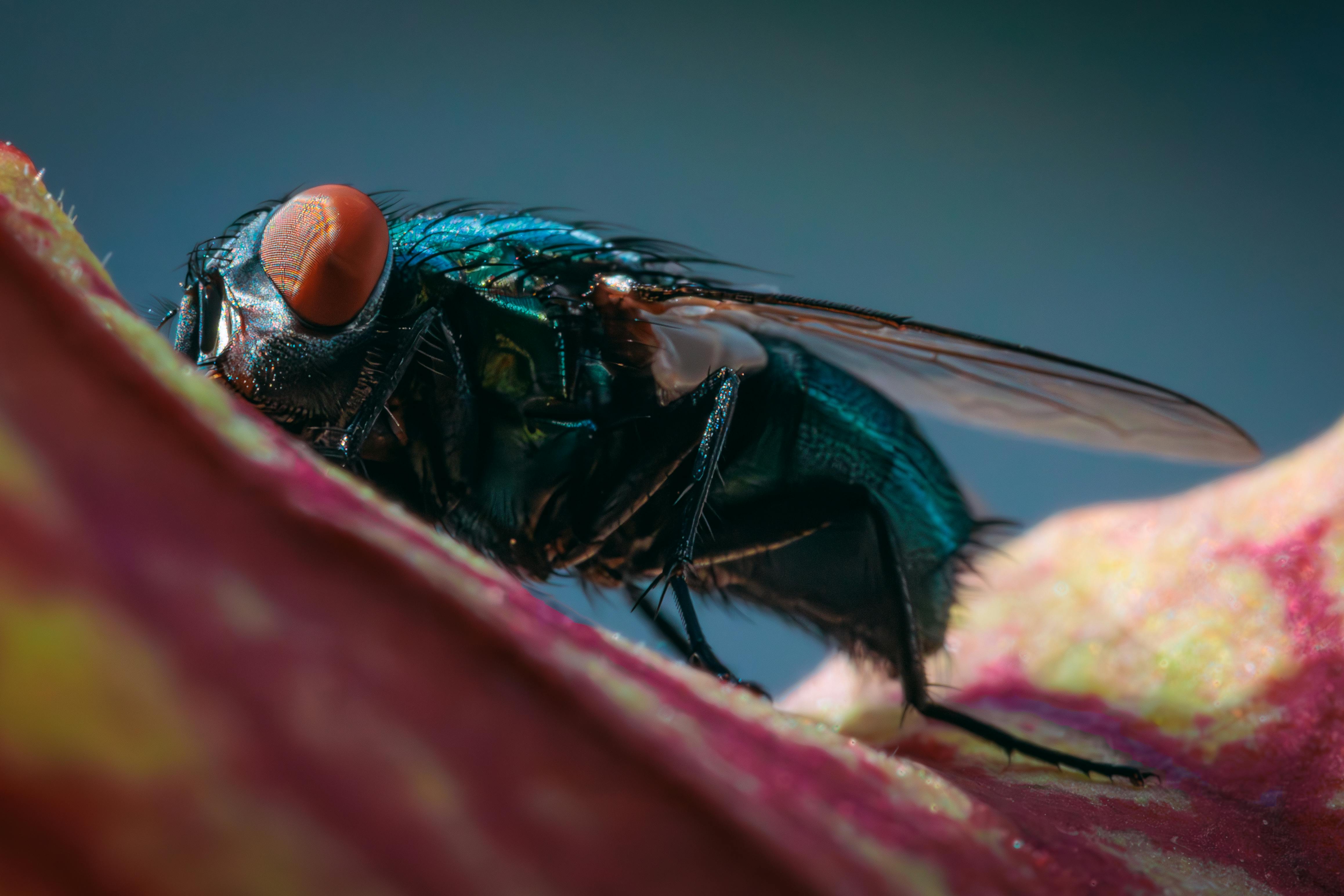
What a Silverfish Looks Like
- Size: Typically ½ inch (12 mm) long, roughly the length of a fingernail.
- Color & texture: A shiny, silvery‑gray body covered in tiny, overlapping scales that give a fish‑like sheen.
- Movement: Quick, darting motions that resemble a fish flicking its tail—hence the name.
- Shape: Long, flattened, and tapered at both ends, with three long bristle‑like appendages (cerci) at the rear.
Where Silverfish Like to Hide
These pests thrive in moist, dark environments. The most common hotspots in a typical Decatur home include:
- Bathrooms—especially behind toilets, under sinks, and around shower curtains.
- Kitchens—inside cabinets, beneath the refrigerator, or near leaky pipes.
- Basements and crawl spaces—areas with poor ventilation and high humidity.
- Bookcases and paper stacks—where the dry, cellulose‑rich material provides a food source.
- Any damp nook—window sills, attic corners, or laundry rooms with lingering moisture.
Early Warning Signs
Even before you spot a live insect, silverfish leave tell‑tale clues:
- Fecal specks: Tiny, pepper‑like droppings that appear on shelves, in drawers, or along baseboards.
- Shedded skins: Light‑yellow, translucent exoskeleton fragments that look like shredded paper.
- Damage: Irregular holes or ragged edges on books, wallpaper, clothing, and food packaging—often accompanied by a silvery sheen where the insect has brushed against the surface.
How to Differentiate Silverfish from Look‑Alikes
Confusing silverfish with other household insects is common. Keep these distinctions in mind:
- Houseflies: Flies have two wings, a more robust body, and a buzzing flight pattern. Silverfish lack wings entirely and move in a rapid, side‑to‑side glide.
- Moth larvae (caterpillars): Caterpillars are usually plumper, covered in hair or fuzzy setae, and they chew in a more aggressive, ragged manner. Silverfish are sleek, scale‑covered, and leave behind the characteristic silvery trail.
Simple DIY Inspection Steps
- Grab a flashlight: Dim the lights and scan dark corners, under appliances, and inside cabinets. Silverfish are most active at night, so a bright beam makes them easier to spot.
- Check moisture sources: Look for drips, condensation, or standing water. Fix leaks and run a dehumidifier in basements to make the environment less inviting.
- Inspect paper and fabric: Pull out a few books or clothing items from storage. Examine the edges for tiny holes, shed skins, or the pepper‑like droppings.
- Set sticky traps: Place a few double‑sided or adhesive traps in suspected hotspots (under the sink, behind the toilet, near pantry shelves). Check them after 48 hours; captured insects confirm activity.
- Record findings: Note where you see evidence. This information helps a professional pest technician target treatment precisely, saving you time and money.
By mastering these identification cues and inspection habits, you’ll catch silverfish early—before they turn a few specks into a full-blown nuisance. If you discover multiple insects or extensive damage, it’s time to contact a Silverfish Exterminator in Decatur who can provide safe, effective eradication. Anthem Pest Control offers targeted treatments designed to eliminate hidden colonies and prevent future infestations.
Why Silverfish Damage Matters and the Need for Prompt Action
Silverfish are tiny, fish‑shaped insects that thrive in the dark, humid corners of a home. Though they don’t bite or transmit disease, their constant gnawing can erode the very things that give a house its value and comfort. Ignoring the first signs often leads to a cascade of damage that quickly outweighs the cost of early treatment.
What They Destroy
- Paper and books – starch‑rich pages become shredded, leaving irreplaceable notes, family histories, or treasured novels in tatters.
- Wallpaper and wall coverings – the thin glue layers are a favorite snack, causing peeling and unsightly patches.
- Clothing and linens – natural fibers such as cotton, silk, and wool are chewed, resulting in holes and weakened seams.
- Stored grains, cereals, and pantry items – silverfish feed on flour, oats, and dried fruit, contaminating food supplies.
- Glue residues – the insects leave behind a silvery, powdery residue that can attract dust and further degrade surfaces.
Economic impact can add up fast. Replacing a damaged bookshelf, re‑photocopying important documents, or discarding contaminated pantry goods often runs into hundreds of dollars. For renters, the cost may be passed to the landlord; for homeowners, it directly chips away at property equity.
Moisture and food sources create a feedback loop that fuels the infestation. Leaky pipes, condensation, or even a damp basement raise humidity levels, making the environment ideal for silverfish. As they feed, they leave behind waste that retains moisture, attracting more insects and encouraging mold growth, which in turn draws even more silverfish.
Leaving silverfish unchecked also opens the door to secondary pests. The same damp conditions that support silverfish are perfect for cockroaches, carpet beetles, and even rodents. A modest silverfish problem can evolve into a multi‑species invasion that requires far more extensive—and expensive—treatment.
Beyond the physical damage, the presence of silverfish triggers a psychological toll. Homeowners report heightened stress, a sense of loss of control, and embarrassment when guests notice the tiny pests. The constant worry about losing valuable papers or food can erode the enjoyment of one’s own home.
Finally, there are legal and insurance considerations. Renters are often required to report infestations promptly; failure to do so may breach lease agreements and shift liability to the tenant. Homeowners should review their insurance policies, as many standard homeowners’ policies exclude pest damage unless a professional exterminator documents the treatment.
Because the damage spreads quickly and the costs—both monetary and emotional—can spiral, acting at the first sign of silverfish activity is the smartest protection for any Decatur homeowner.
Effective Silverfish Treatment Options
Professional treatments you can count on
When silverfish infestations spread beyond the cracks behind a baseboard, most homeowners turn to a licensed pest‑control technician. Professionals typically use three proven methods:
- Dust applications – Insecticidal dusts such as silica‑based or borate powders are blown or brushed into wall voids, under appliances, and behind cabinets. The fine particles cling to the insects’ exoskeletons, desiccating them over days.
- Residual sprays – A low‑odor spray is applied to baseboards, door frames, and other travel routes. The chemical remains active for weeks, killing any silverfish that cross the treated surface.
- Heat treatments – Specialized equipment raises indoor temperatures to 120–130 °F for several hours, a range that is lethal to silverfish at all life stages.

A technician first inspects likely hiding places, then uses a hand‑held duster or a low‑pressure blower to push the dust deep into cracks and voids where silverfish love to hide. This thorough coverage is difficult to duplicate with a DIY kit.
Beyond efficacy, professional services bring two extra comforts: safety compliance (technicians are trained to handle chemicals safely) and warranty options that guarantee follow‑up visits if the problem persists.
DIY alternatives that work
If you prefer a hands‑on approach or want to supplement a professional visit, these household items are both affordable and effective:
- Boric acid – Sprinkle a thin layer under sinks, behind toilets, and along baseboards. Silverfish ingest the powder when they groom themselves.
- Diatomaceous earth (food grade) – A fine, abrasive powder that damages the insect’s exoskeleton, leading to dehydration.
- Sticky traps – Place adhesive pads in dark corners; they provide a visual indicator of activity and help reduce numbers.
- Essential oil sprays – A mix of water, a few drops of peppermint or lavender oil, and a splash of vinegar can deter silverfish when sprayed in entry points.
Step‑by‑step guide for safe DIY dusting
- Gather supplies: food‑grade diatomaceous earth, a small brush, a dust mask, and a flashlight.
- Identify hidden areas: lift floorboards, pull out appliance cords, and look behind cabinets where you see a fine powder or a silvery sheen.
- Apply the dust: Wearing a mask, lightly brush a thin layer of diatomaceous earth into cracks, voids, and the undersides of shelving. Avoid over‑application; a light dusting is enough to stay effective.
- Seal entry points: After dusting, use caulk to close large gaps that could let new insects slip in.
- Monitor: Replace sticky traps weekly and re‑apply dust after 2–3 weeks if you still see activity.
When to combine DIY with professional follow‑up
For light to moderate infestations, a diligent DIY regimen often keeps silverfish at bay. However, if you notice:
- Continued damage to books, paper, or fabrics,
- Silverfish sightings in multiple rooms, or
- Signs of a hidden nest behind walls or under flooring,
It’s time to call a Silverfish Exterminator in Decatur. A certified professional can treat inaccessible voids with targeted dust applications, apply long-lasting residual sprays, and, if needed, perform a heat treatment to eradicate the colony completely.
For a deeper dive into fast, science‑backed silverfish extermination, visit the Anthem Pest guide on rapid silverfish relief.
Understanding Silverfish Pricing and Service Packages
Common Pricing Models
When you call a Silverfish Exterminator in Decatur, you’ll usually encounter three pricing structures: a one-time treatment, a quarterly maintenance schedule, or an annual protection plan. The one-time option covers a single visit to eliminate the current infestation, while quarterly and annual plans spread the cost over multiple visits and add preventative measures to keep silverfish from returning to your Decatur home.
What Each Tier Typically Includes
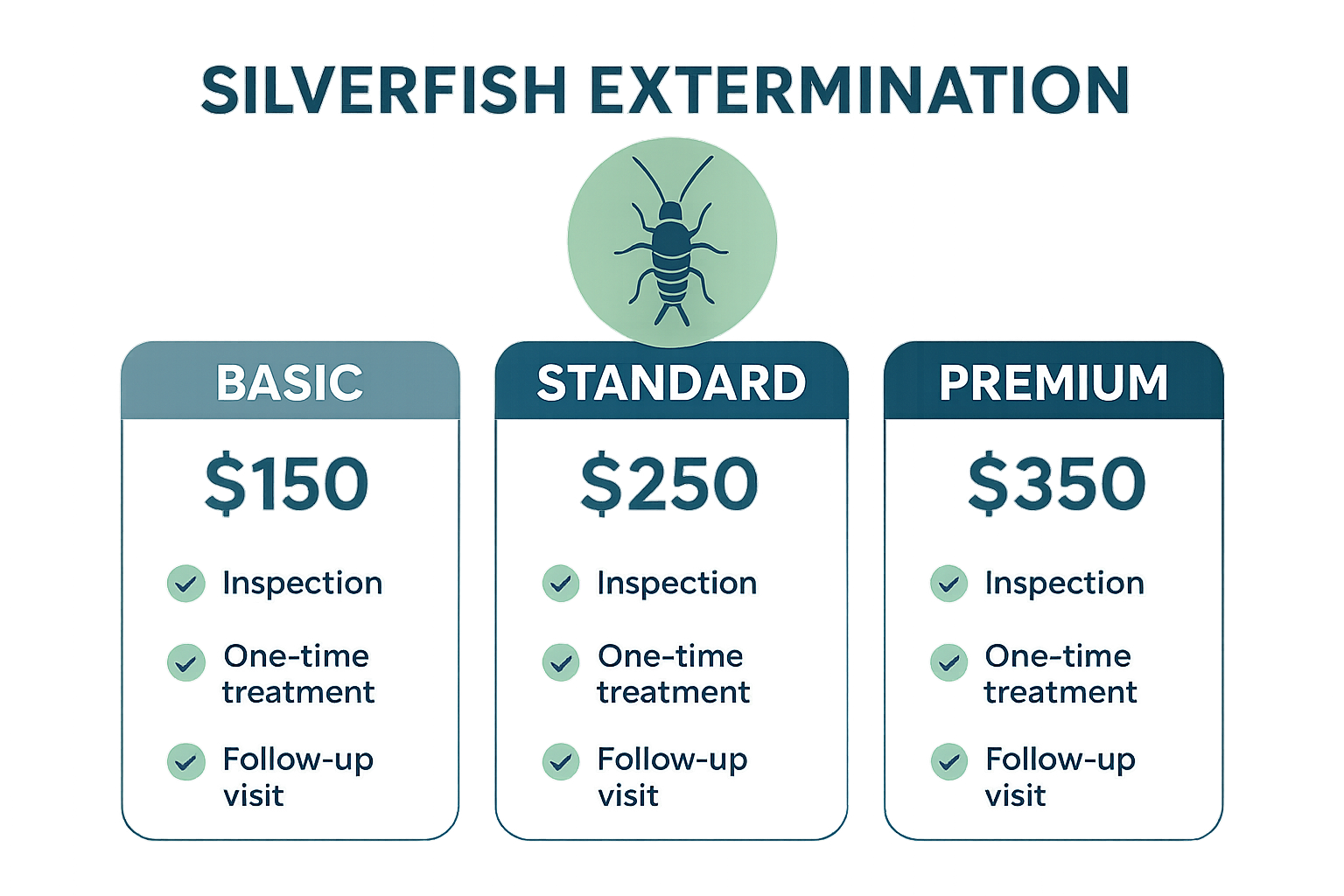
| Tier | Included Services |
|---|---|
| Basic | Initial inspection, single‑application treatment, 30‑day follow‑up visit |
| Standard | All Basic services + quarterly monitoring, repeat treatments as needed, 6‑month warranty |
| Premium | All Standard services + annual deep‑cleaning, unlimited follow‑ups, 12‑month guaranteed protection, priority scheduling |
Below is an easy‑to‑read infographic that visualizes these three tiers, helping you see at a glance what you get for each price point.
Factors That Influence the Cost
- Property size: Larger homes or multi‑unit buildings require more product and longer labor hours.
- Infestation severity: A light sighting may need only a single spray, while a heavy outbreak can demand multiple treatments.
- Treatment type: Conventional sprays, low‑odor dusts, or eco‑friendly options each carry different price tags.
- Geographic location: Service rates in Decatur, GA reflect local market demand, travel distance, and regional pest pressure.
Why Transparent Pricing Builds Trust
As a leading Silverfish Exterminator in Decatur, Anthem Pest Control provides transparent, itemized pricing that includes inspection fees, labor, treatment products, and warranty details—so you never face unexpected charges. Our upfront pricing reflects our commitment to quality service and long-term customer satisfaction.
Tips for Evaluating Quotes
- Look for an itemized breakdown that separates inspection, treatment, and follow‑up visits.
- Confirm that the technician is licensed, insured, and trained specifically for silverfish control.
- Check for a written guarantee or warranty; reputable companies stand behind their work.
- Compare the scope of services, not just the dollar amount—sometimes a slightly higher price includes more visits and stronger protection.
- Ask whether any additional fees (e.g., travel surcharge or after‑hours premium) could appear later.
Seasonal Silverfish Activity and Prevention Tips
Our seasonal bar chart (see below) shows that silverfish populations surge during the cooler, damper months of fall and winter, then dip noticeably in the hot, dry summer. For homeowners needing a Silverfish Exterminator in Decatur, this seasonal trend explains why infestations often become more noticeable when temperatures drop and indoor humidity rises.
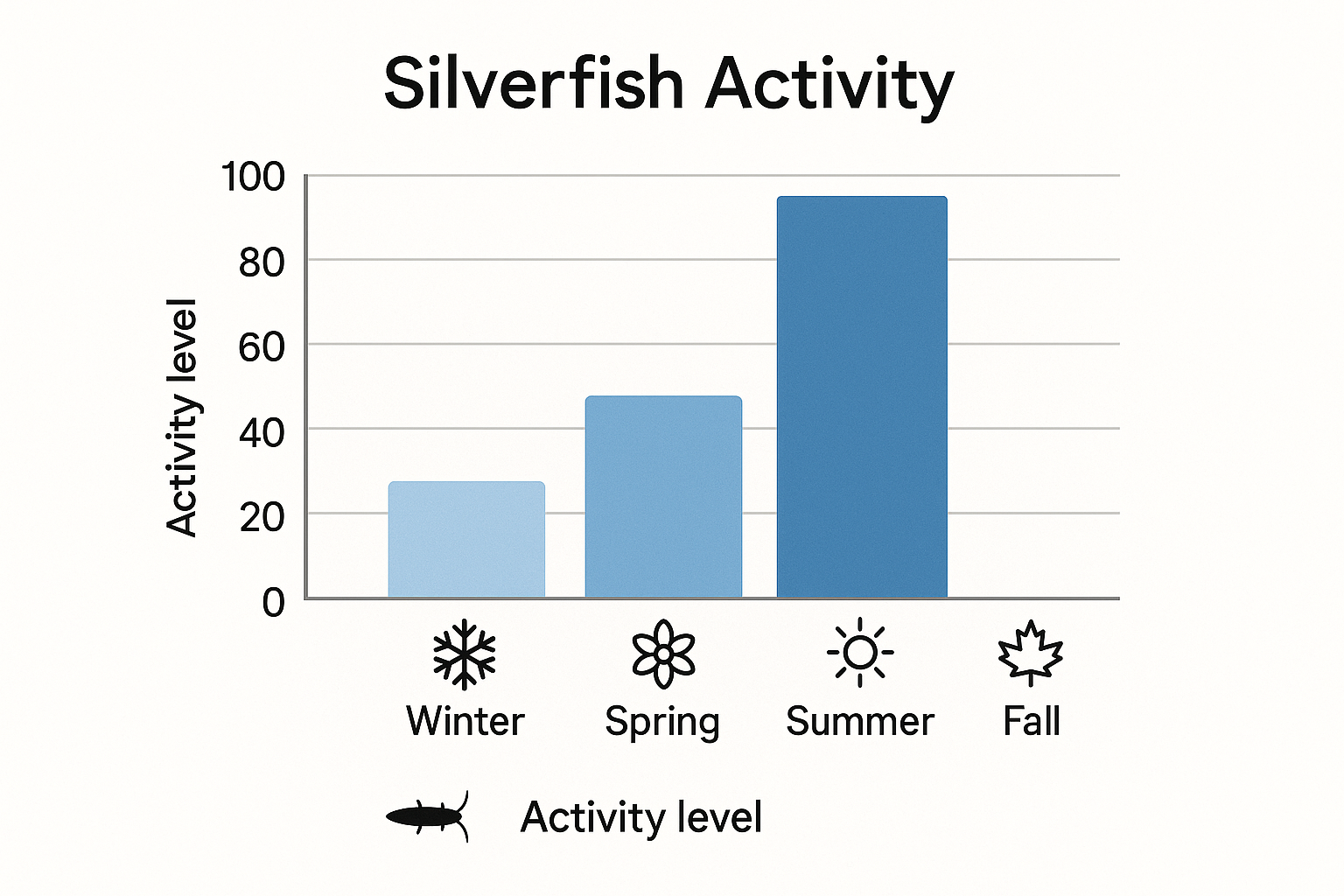
Two key factors drive these seasonal spikes. First, humidity climbs in the fall as outdoor moisture seeps into foundations, basements, and crawl spaces, creating the perfect environment for silverfish to thrive. Second, indoor heating during winter reduces ventilation, trapping moisture inside homes and encouraging the insects to seek shelter in dark, damp corners.
Fall & Winter Prevention Checklist
- Run a dehumidifier in basements and crawl spaces to keep relative humidity below 50 %.
- Seal cracks around windows, doors, and foundation walls with caulk or expanding foam.
- Store clothing, linens, and seasonal fabrics in airtight plastic containers or vacuum‑sealed bags.
- Check attic insulation for water stains and repair any roof leaks promptly.
Spring Prevention Checklist
- Inspect new books, cardboard boxes, and paper deliveries for signs of silverfish before placing them in closets.
- Clean pantry spills and crumbs immediately; silverfish are attracted to starches and sugars.
- Rotate stored items and air out boxes to discourage moisture buildup.
- Vacuum baseboards and under appliances to remove eggs and shed skins.
Summer Prevention Checklist
- Maintain proper ventilation by using exhaust fans in kitchens and bathrooms.
- Fix leaky pipes, faucets, and irrigation systems that can increase indoor humidity.
- Avoid over‑watering indoor plants; let soil dry between waterings.
- Keep garage doors closed and use a dehumidifier if the space feels clammy.
Long‑Term Habits for Year‑Round Protection
Beyond seasonal tasks, adopt these habits to keep silverfish at bay all year:
- Regular vacuuming: Target corners, under furniture, and along baseboards where eggs hide.
- Proper food storage: Use sealed containers for grains, cereals, and pet food.
- Periodic professional inspections: A licensed technician can spot early infestations and apply targeted treatments before they spread.
Aligning Service Plans with Seasonal Peaks
Anthem Pest Control recommends scheduling a preventive treatment just before the fall surge—typically late August or early September. A follow‑up visit in late winter (January) ensures any hidden colonies are eliminated before spring activity begins. By syncing your service plan with these natural cycles, you enjoy continuous protection without surprise infestations.
Protect Your Home with Anthem Pest Control
Finding silverfish early, treating them correctly, and staying ahead with seasonal prevention are the three pillars of a pest-free home. When you spot the tell-tale fish-scale skin shed or notice damage to books and fabrics, acting fast stops an infestation before it spreads. A targeted treatment—whether a professional spray, a bait station, or a thorough crack-and-crevice application—removes the current problem, while a yearly prevention plan keeps the insects out during the humid months when they love to hide.
If you’re ready for reliable, long-term protection, working with a trusted Silverfish Exterminator in Decatur ensures the infestation is eliminated safely and completely.
At Anthem Pest Control, we understand that peace of mind comes from knowing qualified professionals are on the job. All of our technicians are state‑licensed, trained in the latest silverfish control methods, and equipped with EPA‑approved products that are safe for children and pets. Our pricing is transparent: you’ll receive a detailed estimate before any work begins, so there are no surprise fees.
Ready for a solution that fits your schedule and budget? Request a free, no‑obligation quote today. Our team will assess your home’s unique layout, discuss the level of infestation, and recommend a customized plan—whether you need a one‑time treatment or an ongoing seasonal service.
- Call us now: 877‑371‑8196
- Visit our website: Anthem Pest Control
We’re here to answer any questions you have, from product safety to scheduling flexibility. A quick phone call or a brief online form is all it takes to start protecting your home from silverfish and the other common pests that threaten your comfort.
Take the first step toward a cleaner, healthier home—contact Anthem Pest Control today and let our experts handle the rest.