Why Centipedes Matter for Homeowners
What a Centipede Looks Like
Centipedes are easily recognized by their long, flattened bodies and dozens of articulated legs—one pair per body segment. The most common species in Georgia, the house centipede (Scutigera coleoptera), sports a sleek, silver‑gray body with golden‑tipped legs that can sprint across a kitchen floor in seconds. They thrive in damp, dark places—underneath appliances, in bathroom cabinets, or tucked into the gaps around base‑board heating. When moisture seeps into a home’s foundation or leaks into a crawl‑space, these predators slip in looking for the insects they hunt.
Common Misconceptions
Many homeowners greet a house centipede with a mix of fascination and relief, believing the creature is a “beneficial” predator that will keep roach and spider populations in check. While it does hunt other pests, this benefit is limited. A single centipude can’t eradicate an infestation of insects, and its presence often signals a larger issue—namely, moisture that is attracting the very insects it preys upon. Treating the centipede without addressing the underlying moisture will only invite more pests, and the centipede itself can become a nuisance.
What’s at Stake
Although centipedes are generally shy and avoid human contact, they can deliver a painful bite if they feel threatened. Their venom is designed to subdue prey, and a bite may cause localized redness, swelling, and a burning sensation that lasts for a few days. Beyond the sting, a centipede’s presence can indicate moisture intrusion, which creates a breeding ground for mold, termites, and other moisture‑loving pests. In the long term, unchecked moisture can compromise wood, damage foundations, and lead to higher utility bills due to increased humidity.
Why It Matters in Buford, GA
Buford experiences humid summers and occasional periods of heavy rain, conditions that foster the damp environments centipedes love. The city’s older homes, many of which have basements or crawl‑space foundations, often suffer from seasonal moisture buildup. Additionally, the surrounding North‑Eastern Georgia suburbs feature lush landscaping and irrigation systems that, if improperly maintained, can seep into the foundation and invite centipedes into the living space.
Transition to Identifying an Inf‑tation
Understanding the anatomy, behavior, and potential risks of centipedes sets the foundation for spotting a problem before it escalates. In the next section, we’ll walk you through the tell‑tale signs of a centipede infestation—what to look for in your home, how to differentiate a harmless sighting from a burgeoning issue, and when it’s time to call a local expert like Anthem Pest Control for a thorough inspection.
Understanding Centipede Infestations
Centipedes are the fast‑moving, many‑legged guests you sometimes spot scurrying across a bathroom tile at night. While most species are harmless to humans, a growing population can signal moisture problems or structural gaps that invite other pests. Knowing exactly what to look for helps you decide whether a single sighting is a curiosity or the first sign of an infestation.
Visual identification
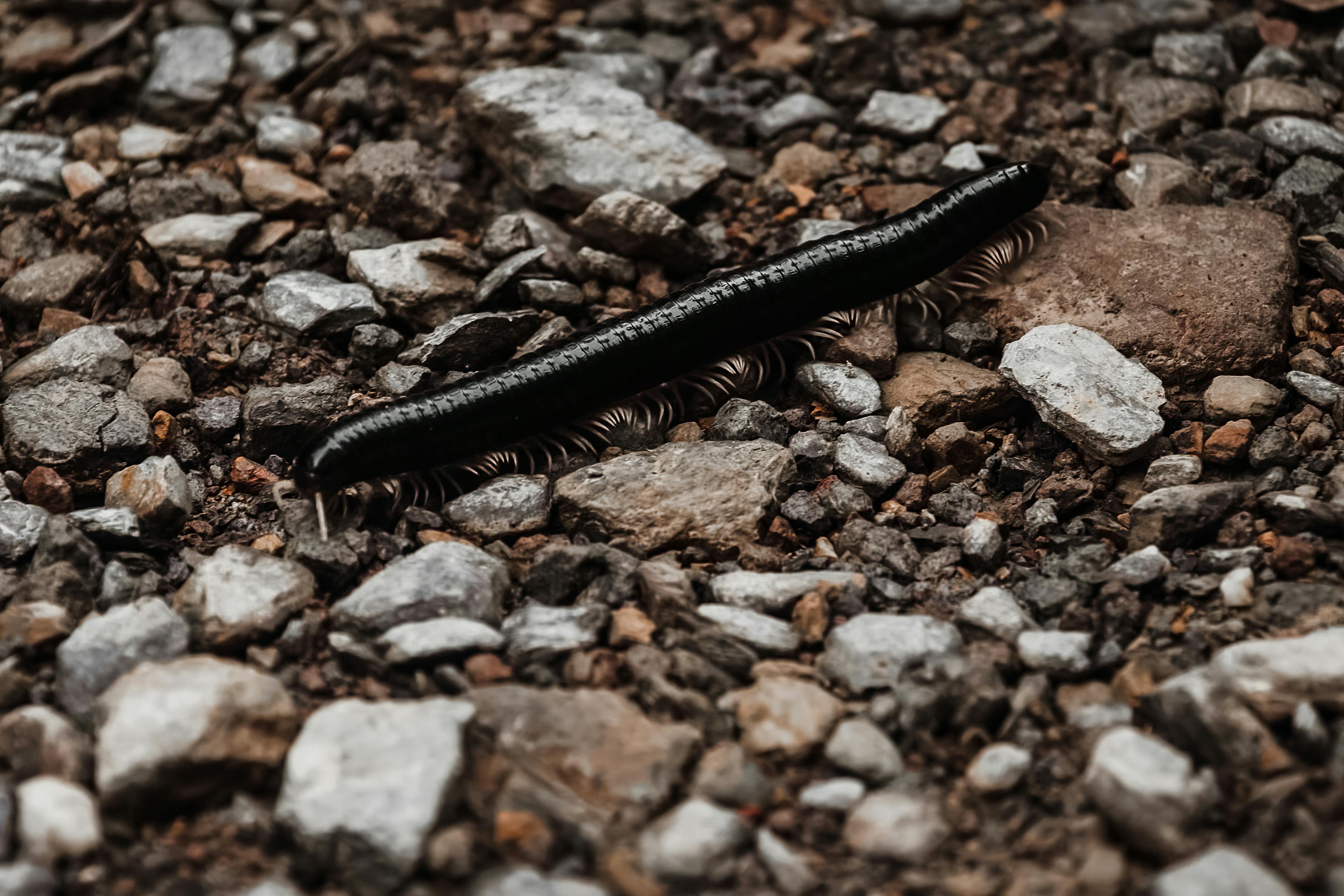
Georgia’s common house centipede ( Scutigera coleoptrata ) typically measures 2‑3 inches long, with a sleek, amber‑brown body and up to 15 pairs of long, slender legs. Their legs are noticeably longer than the body, giving them a spider‑like silhouette. In low light, you’ll notice their rapid, “zig‑zag” gait—centipedes can cover a foot of ground in a split second. A close‑up photo, like the one above, makes these traits easy to spot.
Typical hiding spots
- Basements and crawl spaces where humidity stays high.
- Bathrooms, especially around showers, tubs, and under sinks.
- Under appliances such as refrigerators, washing machines, and dryers.
- Cracks in foundation walls, floorboards, or around window frames.
Signs of activity
Even if you haven’t seen a centipede, evidence of their presence can appear in three main ways:
- Shed skins: As they grow, centipedes leave translucent exoskeletons in damp corners.
- Droppings: Small, black‑speckled pellets often found near baseboards or under appliances.
- Nighttime sightings: A single fast‑moving centipede on a wall or floor after lights out is a classic clue.
Environmental factors that attract centipedes
Centipedes thrive where moisture and shelter intersect. Common attractants in Buford homes include:
- Leaky pipes or standing water in basements and bathrooms.
- Improper ventilation that raises indoor humidity.
- Cracks or gaps in foundation walls, floors, and around utility penetrations.
- Accumulated organic debris—dust, dead insects, or pet hair—that provides a food source.
Infestation vs. occasional encounters
A lone centipede is usually nothing to worry about; they’re solitary hunters. An infestation, however, shows up as repeated sightings, multiple shed skins, and a noticeable increase in droppings. When these signs appear in several rooms or across multiple levels of the house, it indicates a breeding population that will likely expand unless addressed.
Quick checklist for homeowners
Use the list below to gauge the severity of a centipede problem. Mark “Yes” for each item you observe.
- ✔️ I’ve seen centipedes more than twice in the past month.
- ✔️ Shed skins are present in at least two separate locations.
- ✔️ Droppings are visible on baseboards, under appliances, or near water sources.
- ✔️ Moisture problems (leaks, high humidity) exist in my basement or bathroom.
- ✔️ There are visible cracks or gaps in walls, floors, or around windows.
If you answered “Yes” to three or more items, it’s time to call a professional. Anthem Pest Control can pinpoint the source, seal entry points, and apply targeted treatments that keep centipedes—and the moisture that draws them—under control.
Seasonal Centipede Activity in Buford, GA
Centipedes aren’t year‑round invaders; they follow the rhythm of Buford’s weather. Understanding when they’re most active helps homeowners plan inspections, treatments, and moisture‑control measures before the bugs become a nuisance.
Why Temperature and Humidity Drive Activity
Centipedes are ectothermic, meaning their body temperature matches the environment. Warm temperatures speed up their metabolism, making them hunt and reproduce faster. At the same time, they need moisture to keep their skin from drying out, so high humidity creates the perfect hunting ground.
Buford’s Temperature Cycle
Spring in Buford sees average highs climbing from the upper 50s °F to the low 70s °F by May. Summer peaks at 88‑92 °F, then gradually cools in September. Winter lows dip into the 30s °F, but rarely stay below freezing for long. These shifts directly influence centipede vigor.
Humidity Patterns That Matter
Summer thunderstorms push outdoor humidity above 80 % for weeks, while the rainy season in late spring adds steady moisture to lawns and basements. Even in winter, Buford’s occasional rain keeps indoor humidity higher than in drier northern climates, sustaining centipedes that have already entered homes.

Seasonal Chart Summary
The chart above highlights two peak periods: late spring (April‑May) and midsummer (July‑August). Activity drops sharply in late fall (October‑November) and reaches its lowest point during the coldest months of December through February.
| Month | Activity Level | Key Weather Factor |
|---|---|---|
| January | Low | Cool, low humidity |
| February | Low | Cool, occasional rain |
| March | Moderate | Warming temps, rising humidity |
| April | High | Warm days, frequent showers |
| May | High | Peak spring moisture |
| June | Moderate | Hotter, but still humid |
| July | High | Summer heat + thunderstorms |
| August | High | Continued heat and rain |
| September | Moderate | Cooling temps, still humid |
| October | Low | Drop in temperature, less rain |
| November | Low | Cool, dry conditions |
| December | Low | Cold, low humidity |
Practical Timing for Inspections and Treatments
Schedule a professional inspection in early March, before the first high‑activity window opens. This gives you a chance to address entry points and moisture sources before centipedes surge in April and May. A follow‑up treatment in late June helps keep the midsummer spike in check.
Moisture‑Control Strategies During Peak Months
- Repair leaky faucets, pipes, and roof gutters promptly.
- Use a dehumidifier in basements and crawl spaces to keep indoor humidity below 60 %.
- Ensure proper grading around your home so water drains away from foundations.
- Vent bathrooms and laundry rooms with exhaust fans to reduce condensation.
Linking Local Climate Data to Centipede Behavior
Buford’s average monthly rainfall peaks at 5‑6 inches in May and July, aligning perfectly with the chart’s high‑activity periods. When precipitation exceeds the monthly average, you’ll often notice a sudden uptick in centipede sightings inside kitchens and bathrooms, where moisture accumulates.
Year‑Round Indoor Humidity Monitoring
Even when outdoor conditions are cool, indoor humidity can remain high if ventilation is poor. Keep a hygrometer in your main living area and aim for a reading between 40 % and 55 %. Adjust humidifiers, run fans, or open windows as needed to stay within that range, and you’ll deny centipedes the damp environment they crave.
Treatment Options – DIY vs Professional Services
DIY approaches you can start today
Most homeowners begin with the tools already in the garage: a shop‑vac to pull out visible centipedes, a dehumidifier or exhaust fan to dry out damp corners, and over‑the‑counter insect sprays that claim quick knock‑down. Bait stations placed under sinks or along baseboards add a chemical “snack” that the centipedes carry back to hidden nests.
Limitations of the DIY route
- Incomplete coverage: Sprays only reach the surface you see; centipedes hide deep in wall voids, crawl spaces and under insulation where a vacuum or aerosol never penetrates.
- Safety concerns: Many OTC products contain pyrethroids that can irritate skin, eyes, or pets if applied incorrectly.
- Recurring problems: Without addressing the underlying moisture and entry points, you’ll likely see the same insects return week after week.
What a professional service brings to the table
A licensed technician starts with a thorough inspection, using flashlights and moisture meters to locate the exact breeding sites. The treatment plan then combines targeted spray applications on baseboards, behind appliances, and inside wall cavities, plus strategically placed bait stations that are formulated for centipede control. Finally, the technician will seal cracks, repair vent screens, and recommend moisture‑control upgrades.
Pros professionals rely on EPA‑registered formulations that remain active for weeks yet break down harmlessly once the moisture source is eliminated. Options include micro‑encapsulated sprays that cling to cracks, dusts that travel along hidden pathways, and low‑odor foggers that reach tight spaces without disrupting daily life. By targeting the exact micro‑habitats where centipedes lay eggs, the treatment reduces the need for repeated applications.
Benefits of hiring a licensed technician
- Expertise and identification: Professionals can differentiate centipedes from other fast‑moving arthropods and choose the most effective active ingredients.
- Warranty and follow‑up: Most companies, including Anthem Pest Control, offer a treatment guarantee and a scheduled revisit to ensure the population stays below the nuisance threshold.
- Safety compliance: Trained applicators follow state pesticide regulations, wear protective gear, and keep chemicals away from children and pets.
- Time savings: One visit replaces dozens of hours you’d spend vacuuming, spraying, and monitoring traps.
From a budgeting perspective, a single professional visit often costs less than the cumulative expense of buying multiple OTC products, replacing equipment, and spending countless hours on ineffective DIY attempts. Anthem Pest Control offers transparent pricing packages, and many homeowners find the peace of mind that comes with a guaranteed result worth the modest investment.

Typical professional visit – step by step
- Pre‑inspection call to confirm the problem area and schedule a convenient time.
- On‑site walkthrough where the technician maps moisture sources, cracks and dark zones.
- Application of a low‑odor, residual spray that adheres to surfaces for up to 12 weeks.
- Placement of bait stations in hidden corners and under furniture.
- Seal‑up recommendations and a written report with warranty details.
When to upgrade from DIY to professional treatment
If you notice more than a handful of centipedes in a single night, if they appear in multiple rooms, or if you’ve already tried vacuuming and OTC sprays for over a month with little change, it’s time to call a pro. Persistent moisture problems—such as a leaky basement, bathroom fan that doesn’t work, or condensation on windows—also signal that a DIY approach won’t solve the root cause. A single professional visit can eliminate the hidden colonies and give you a clear plan to keep the environment dry, which is the most reliable long‑term defense.
Comparing Centipede Control Pricing Tiers
When it comes to keeping centipedes out of your Buford home, Anthem Pest Control offers four clearly defined pricing tiers. Each tier balances cost with the level of service you receive, so you can choose the option that fits both your budget and your long‑term pest‑management goals. Below is a quick walk‑through of what you’ll get at each price point.
1. Standalone Visit – “One‑Time Fix”
Price range: $99 – $149. This tier includes a single, thorough spray treatment targeting the areas where centipedes are most likely to hide. Technicians also place a few bait stations and perform a basic seal‑check around doors and windows. It’s ideal for homeowners who have spotted a few centipedes and want an immediate knock‑down without committing to a recurring plan.
2. Quarterly Plan – “Seasonal Shield”
Price range: $250 – $350 per year. Four visits spread across the year ensure that any new hatchlings are intercepted before they become a nuisance. Each visit includes a spray, replenishment of bait stations, and a more detailed sealing service that addresses cracks, gaps, and utility entry points. The quarterly cadence matches the typical activity spikes of centipedes in Georgia’s humid climate.
3. Monthly Plan – “All‑Year Guard”
Price range: $480 – $600 per year. Twelve visits guarantee continuous protection. In addition to the standard spray and bait stations, technicians perform monthly preventive sealing, monitor for signs of reinfestation, and adjust treatment zones based on your home’s evolving needs. This tier delivers the highest level of peace of mind for families with children or pets who need a consistently pest‑free environment.
4. DIY Kit – “Do‑It‑Yourself Boost”
Price range: $99 – $199. The kit contains concentrated spray concentrate, a set of bait stations, and a step‑by‑step sealing guide. It’s perfect for the hands‑on homeowner who wants professional‑grade products without the service call fee. While cost‑effective, the kit requires you to handle application and periodic re‑application yourself.
Value analysis: Although the upfront cost of a monthly plan appears higher, the per‑visit expense drops dramatically when you calculate annual savings. For example, a homeowner who would otherwise schedule four separate standalone visits (4 × $120 = $480) saves roughly $70–$130 by opting for the quarterly plan, and an additional $200–$300 by choosing the monthly plan. Over five years, those savings compound, turning a subscription into a true investment in home protection.
Anthem Pest Control structures its pricing with complete transparency—no hidden fees, no surprise surcharges. Every tier is listed up front on the company’s website, and the service agreement outlines exactly what’s included in each visit. This clarity helps homeowners compare options side‑by‑side and avoid the “price‑trap” that often plagues pest‑control quotes.
For a detailed breakdown of regional costs, refer to the Anthem Pest Control pricing guide. The guide reflects current market rates for the Buford area and validates the ranges presented here.

| Homeowner Need | Best Tier | Why It Works |
|---|---|---|
| One‑off sighting, low budget | Standalone Visit | Immediate knock‑down, minimal commitment |
| Seasonal spikes, moderate budget | Quarterly Plan | Four targeted treatments align with peak activity periods |
| Year‑round peace of mind, families/pets | Monthly Plan | Continuous coverage and proactive sealing keep insects out |
| DIY‑oriented, wants professional products | DIY Kit | Cost‑effective tools with clear instructions for self‑application |
Protect Your Home with Anthem Pest Control
Centipedes may seem harmless, but in Buford they can become a nightly nuisance and a sign of moisture problems that invite other pests. Their rapid movements, painful bites, and ability to hide in wall voids make them a genuine concern for any homeowner. Acting quickly not only stops the immediate irritation but also prevents larger infestations that could damage your home’s structure and your peace of mind.
Why Anthem Is Your Best Choice in Buford
Anthem Pest Control brings a blend of local insight and professional expertise that sets us apart:
- Local Knowledge: We track Buford’s seasonal patterns, from the humid spring spikes to the dryer summer lull, so we know exactly when centipedes are most active and how to intercept them.
- Certified Technicians: Every technician on our team holds industry‑recognized certifications and undergoes ongoing training to stay current with the safest, most effective treatment methods.
- Tailored Strategies: We assess your property’s unique conditions—soil moisture, landscaping, foundation cracks—and design a plan that targets centipedes without disrupting your family or pets.
Safe, Effective, and Transparent Solutions
Our centipede control program balances potency with safety. We use EPA‑approved products applied precisely where the insects travel, minimizing exposure to indoor air and surfaces. Because we believe in clear pricing, you’ll receive a detailed estimate before any work begins—no hidden fees, no surprise charges.
Free Inspection and Customized Quote
Understanding that every home is different, we offer a complimentary on‑site inspection. During the visit, our technician will:
- Identify centipede hotspots and any contributing moisture issues.
- Explain the treatment options that best fit your budget and lifestyle.
- Provide a written quote that outlines each step, product, and cost.
That way, you can make an informed decision and feel confident that you’re getting the most value for your investment.
Take the Next Step—No Pressure, Just Protection
Ready to reclaim your home from centipedes? Give Anthem Pest Control a call at 877‑371‑8196 or visit anthempest.com to schedule your free inspection. Our friendly team is standing by to answer questions, set up a convenient appointment, and deliver a solution that keeps your home safe, comfortable, and centipede‑free.