Why Spiders Matter and When They Become a Problem
Beneficial House Spiders
Across the United States, most homes share a handful of familiar eight‑legged residents – the house spider, the cellar spider, the garden orb weaver, and the tiny cobweb weaver often called the “daddy long‑legs” (which is actually a harvestman, not a true spider). Though they may give some people the heebie‑jeebies, these species are natural pest‑control allies. A single adult spider can consume dozens of flies, mosquitoes, moths, and even other small insects each week. In a typical suburban yard, that translates to thousands of nuisance bugs removed without a single spray.
Where Spiders Like to Set Up Shop
Spiders are master architects, choosing locations that offer steady airflow, shelter, and a steady supply of prey. Inside a home you’ll often find their silken traps in quiet corners of living rooms, along baseboards, under furniture, and especially in damp areas such as basements, crawl spaces, and attics. Outdoors, they favor eaves, porch columns, and garden trellises where wind can carry insects directly into their webs. These preferred spots are not random; they’re the places where a spider can stay hidden while waiting for a meal.
Warning Signs of an Imbalance
While a few webs are a sign of a healthy ecosystem, several red flags indicate that the spider population has tipped into a problem zone:
- Proliferation of webs: More than a handful of cobwebs in a single room, especially in high‑traffic areas, suggests that the spider community is reproducing faster than the natural food supply can support.
- Frequent sightings: Seeing spiders on walls, ceilings, or even on the floor multiple times a day points to an over‑crowded habitat.
- Bite incidents: While most house spiders are harmless, an increase in bites—especially with localized pain, redness, or swelling—means more contact and potentially higher risk.
- Presence of venomous species: Spotting a black‑widow (Latrodectus mactans) or a brown‑recluse (Loxosceles reclusa) is a clear signal to act. These spiders carry potent venom and can cause serious medical reactions.
For homeowners who want reliable, science‑based guidance on safe removal, the team at Brookhaven Pest Pros offers step‑by‑step instructions that align with EPA pesticide safety standards. The EPA’s pesticide safety page also outlines how to choose low‑risk products and apply them correctly, protecting both your family and the environment.
When to Call a Professional
If any of the warning signs above appear, it’s time to bring in a trained inspector. A professional pest‑control technician can identify the exact species, locate hidden entry points, and assess whether a structural issue—such as excess moisture or cracks in foundation walls—is fueling the infestation. By pinpointing the source, Anthem Pest Control can tailor a treatment plan that targets the problem without indiscriminately spraying every corner of your home. This focused approach not only reduces the risk of unwanted pesticide exposure but also helps restore the natural balance, allowing beneficial spiders to coexist with your family in a safer, healthier environment.
Spotting the Signs – A Home Inspection Checklist
Before any spider‑control treatment begins, a thorough interior walk‑through is the single most valuable step you can take. It gives you a clear picture of where spiders are nesting, how extensive the webbing is, and which areas need the most attention. Think of it as drawing a map for the technician—when you know the exact hotspots, the professional can target the treatment, reduce chemical use, and finish the job faster.

Why a Systematic Interior Walk‑Through Matters
Spiders tend to hide where they’re least likely to be disturbed: quiet corners, undisturbed storage spaces, and places with steady humidity. A random glance often misses these hidden colonies, leading to incomplete treatments and recurring sightings. By moving room‑to‑room with a purpose, you’ll catch fresh webs, egg sacs, and even the occasional adult spider that would otherwise go unnoticed.
Step‑by‑Step Checklist
- Fresh, sticky webs: Scan corners, the underside of furniture, and dark closets. New webs are glossy and tacky to the touch—older webs become dry and brittle.
- Ceiling corners and light fixtures: Turn on each light and look for cobweb accumulation around bulbs, ceiling fans, and the junction where walls meet the ceiling.
- Basements, crawl spaces, and garage corners: These damp, low‑traffic zones are prime real estate for cellar spiders and house spiders. Lift boxes, check along support beams, and peek behind stored items.
- Spider egg sacs: Identify silky, pillow‑shaped sacs (often 1‑2 inches long). Note their exact location—egg sacs indicate a breeding site that will need extra attention.
- Spider sightings: Record any live spiders you encounter, especially larger species like the brown recluse or black widow. A quick photo or sketch helps the technician confirm species and adjust the treatment plan.
Tips for Mapping Problem Zones
Grab a clipboard, a pen, and a simple floor‑plan of your home (or use a notes app on your phone). As you move from room to room, mark each checklist item with a checkmark or a brief note. For digital documentation, a photo‑annotation app works wonders—snap a picture of a web, add a text label, and save it to a shared folder that the technician can review before arriving.
When you note the exact spot (e.g., “Living‑room corner behind the sofa, 3 ft from the baseboard”), you give the pest‑control professional a precise target. This reduces guesswork, shortens service time, and often lowers the amount of pesticide needed.
How Technicians Use Your Findings
A qualified technician from Anthem Pest will take your checklist and cross‑reference it with the inspection standards outlined by Centurion Pest Management. Those standards call for:
- Identifying all web‑heavy zones before treatment.
- Prioritizing egg‑sac removal to break the breeding cycle.
- Applying targeted residual sprays or dusts only where spiders have been confirmed.
By handing over a well‑documented list, you empower the technician to focus on the high‑risk areas first, then perform a comprehensive follow‑up in less‑active zones. The result is a faster, more efficient eradication and a home that stays spider‑free longer.
When Spiders Are Most Active – Seasonal Patterns
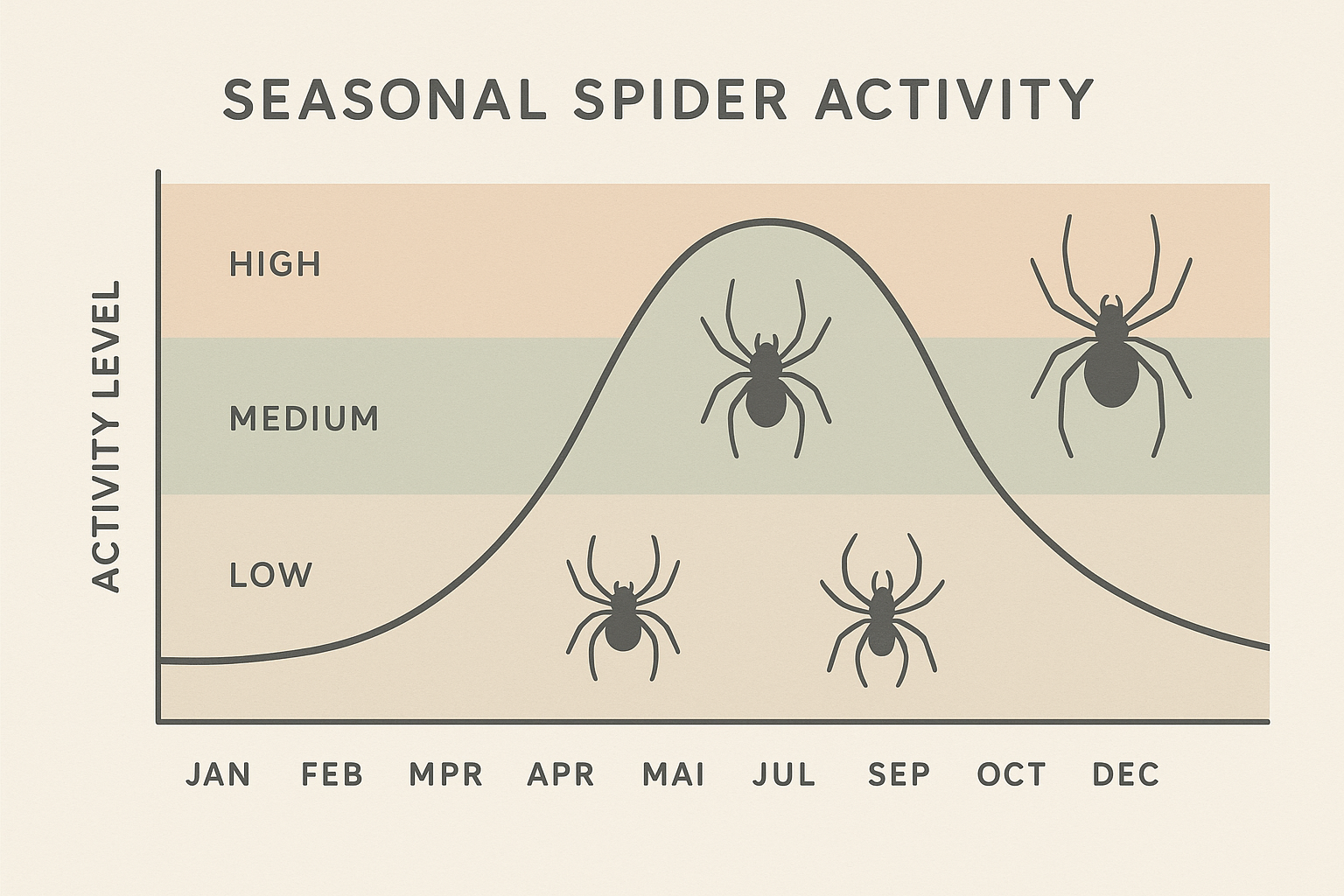
Understanding when spiders are most active helps you plan inspections, treatments, and preventive steps before they become a nuisance. Most of the common house spiders in Brookhaven follow a predictable life‑cycle: an egg sac is deposited in a protected spot, hatchlings (spiderlings) emerge in the spring, mature over the summer, and then either seek indoor shelter for the fall or overwinter in walls and insulation. Knowing where each stage falls on the calendar lets you time your pest‑control actions for maximum impact.
Seasonal Activity Overview
| Season | Months | Typical Activity | Key Species Notes |
|---|---|---|---|
| Spring | Mar‑May | High – spiders emerge from winter shelters, spin new webs, and lay eggs. | Most species, including cellar spiders, begin expanding their range. |
| Summer | Jun‑Aug | Peak indoor activity; warm homes attract prey, encouraging spiders to stay inside. | Black widows become more aggressive; house spiders reach adult size. |
| Fall | Sep‑Nov | Outdoor activity drops; many spiders seek cracks, attics, and basements for shelter. | Orb weavers finish web‑building season; some species start overwintering. |
| Winter | Dec‑Feb | Low visible activity, but eggs and overwintering adults hide in walls, insulation, and crawl spaces. | Egg sacs of black widows remain dormant until spring. |
Species‑Specific Peaks
While most house spiders follow the general pattern above, a few species have distinct peaks that merit extra attention. Black widows, for example, are most aggressive and likely to bite during late summer when temperatures stay above 80°F and prey is abundant. Their webs often appear in dark, undisturbed corners of garages or outdoor sheds, so a focused inspection in August and September can catch them before they migrate indoors.
Timing Your Pre‑Emptive Treatments
To stay ahead of the infestation curve, schedule a professional inspection in early spring (late February to early March). This allows technicians to locate and treat hidden egg sacs before spiderlings hatch. Follow up with a targeted indoor treatment in late spring, just as the new generation begins to explore your home.
Another strategic window is early fall, around late September. By this point, outdoor activity has waned, and many spiders are looking for warm refuge inside. A pre‑emptive spray around entry points, attics, and crawl spaces will deter them from moving in.
Even in winter, a low‑level preventive barrier around the exterior can keep overwintering spiders from finding cracks in the foundation. Though you won’t see many spiders moving around, the hidden eggs and dormant adults are still vulnerable to a well‑applied treatment.
By aligning inspections and treatments with these seasonal patterns, you give Anthem Pest Control the best chance to keep your home spider‑free year‑round. Remember, early action is always more effective—and more affordable—than reacting after a spider has made itself comfortable.
Treatment Options – From Targeted Exterior Applications to Interior Solutions

Exterior Perimeter Treatment
Our technicians begin by creating a protective shield around your home’s foundation, doors, windows, and surrounding landscaping. A low‑residue, EPA‑registered insecticide is applied in a continuous band that blocks spiders from entering through cracks, gaps, and vegetation. This residual barrier remains active for weeks, reducing the likelihood of new infestations before they even reach your doorstep.
Targeted Smoke Machine Application
For hidden colonies tucked inside wall voids, crawl spaces, or under eaves, we employ a low‑odor smoke machine. The device releases a fine, insecticidal smoke that penetrates even the narrowest crevices, reaching spiders and their egg sacs where sprays often miss. Because the smoke settles quickly and leaves no lingering chemical residue, it’s safe for occupied homes while delivering a deep‑kill effect.
Interior Spot‑Treatments
Inside the home, we focus on the most active sites: webs, corners, and voids where spiders hide. Direct spraying of webs eliminates adult spiders instantly, while a dust formulation—often a silica‑based or diatomaceous earth product—is dusted into cracks, baseboards, and behind appliances. In addition, we may apply a growth regulator that interferes with molting, effectively breaking the spider life cycle and preventing future hatchings.
Integrated Pest Management (IPM) Approach
Anthem Pest Control follows an IPM framework that blends chemical, mechanical, and cultural tactics. First, we assess sanitation levels and advise on clutter reduction, which removes harborage sites. Next, we seal entry points—such as gaps around utility penetrations and damaged screens—to exclude spiders physically. Finally, targeted chemical controls are applied only where needed, preserving beneficial insects and minimizing overall pesticide use.
Safety Considerations
All products we use are EPA‑registered and selected for their safety profile around children and pets. When a family has young kids or animals, we can opt for reduced‑toxicity formulas that still deliver reliable control. Our technicians wear protective gear, including gloves, goggles, and respirators, ensuring both their safety and the integrity of your home environment.
Benefits of a Professional Service vs. DIY Sprays
While store‑bought sprays may seem convenient, they often fall short in coverage, residual activity, and warranty protection. A professional service provides:
- Comprehensive Coverage: Trained technicians identify hidden hotspots that DIY products miss.
- Warranty Assurance: Treatments are backed by a guarantee; if spiders return, we re‑treat at no extra cost.
- Follow‑Up Visits: We schedule inspections to confirm the barrier remains effective and adjust as needed.
- Expert Knowledge: Understanding of local spider species in Brookhaven helps us select the most effective product and application method.
Choosing Anthem Pest Control means you receive a science‑backed, safety‑first plan that protects your home year‑round, rather than a one‑off spray that offers only temporary relief.
How Much Does Spider Control Cost? Comparing Service Tiers
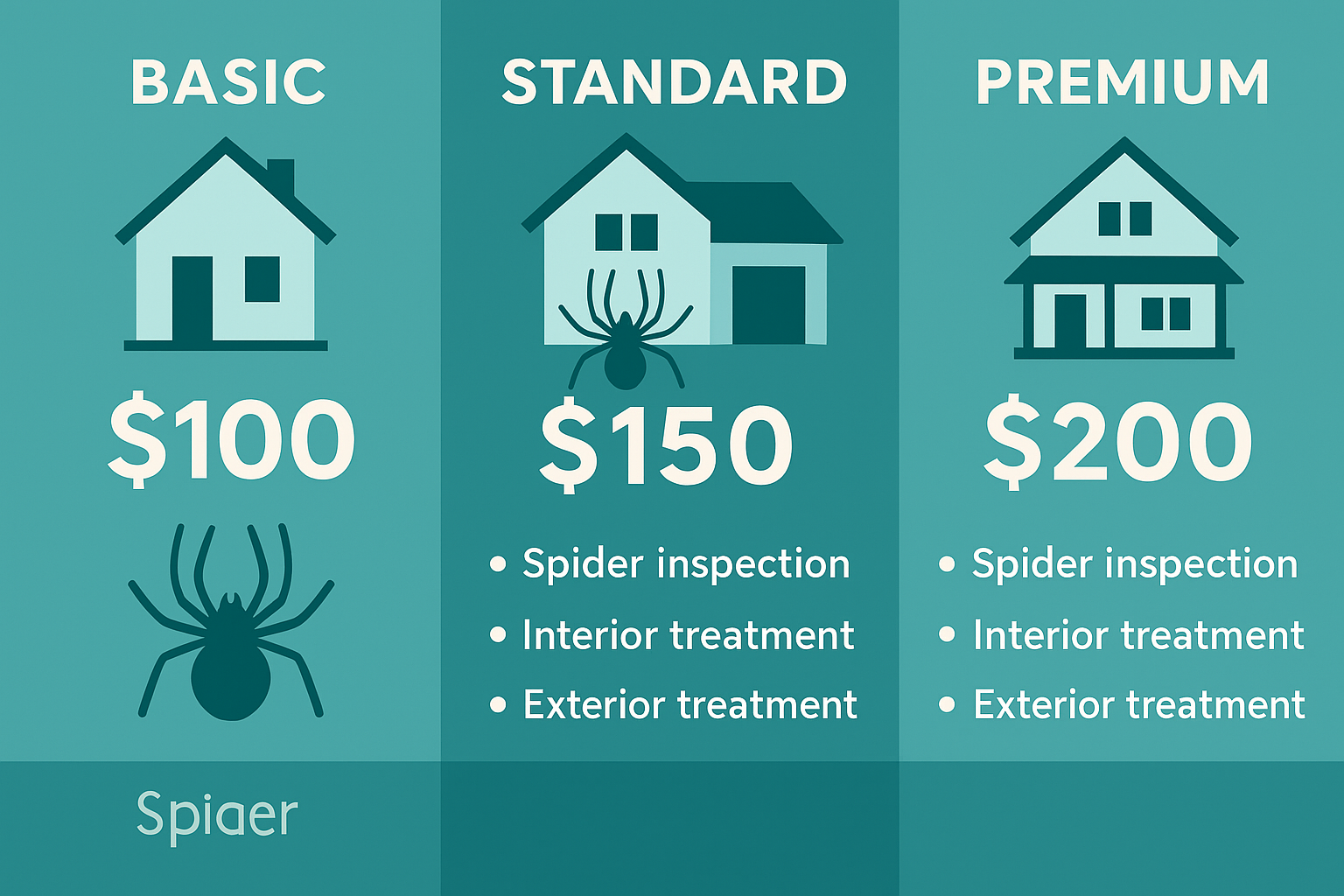
When it comes to keeping spiders out of your Brookhaven home, Anthem Pest Control offers three clearly defined service tiers. Each tier is built to match a different level of protection, frequency of visits, and budget. Below you’ll see exactly what’s included so you can choose the right fit for your family’s needs.
Basic Tier – “Essential Shield”
- One‑time exterior barrier treatment to block spiders from entering around doors, windows, and foundation cracks.
- Up to two interior spot‑treatments targeting high‑traffic areas where spiders are most likely to appear.
- No scheduled follow‑up visits or warranties.
Standard Tier – “Seasonal Guard”
- All features of the Basic tier.
- Quarterly interior inspections to catch early signs of activity.
- Spider‑specific dusting applied during each visit for deeper, long‑lasting control.
- Six‑month warranty covering re‑infestation; we’ll return at no extra charge if spiders reappear.
Premium Tier – “All‑Around Protection”
- Everything in the Standard tier.
- Annual full‑home inspection, including attic, crawl spaces, and garage.
- Seasonal pre‑emptive treatments timed to the spider life cycle in Georgia.
- 12‑month guarantee: if spiders return within a year, we’ll re‑treat free of charge.
| Tier | Typical Price Range | Key Inclusions |
|---|---|---|
| Basic | $120 – $180 | Exterior barrier + up to 2 interior spot‑treatments |
| Standard | $250 – $320 | All Basic features + quarterly interior checks, spider dusting, 6‑month warranty |
| Premium | $420 – $520 | All Standard features + annual full‑home inspection, seasonal pre‑emptive treatments, 12‑month guarantee |
What Influences the Final Cost?
Home size. Larger square footage means more surface area to treat, which can raise the price of any tier.
Infestation severity. A light, occasional sighting may fit comfortably within the Basic tier, while a heavy, multi‑room presence often warrants the Standard or Premium options.
Geographic location. Brookhaven’s humid climate encourages spider activity, especially in shaded yards and older homes with many cracks. Local conditions can affect the amount of product needed for an effective barrier.
Ready for a Personalized Quote?
Every home is unique, and Anthem Pest Control tailors its approach to match your specific situation. Call us at 877‑371‑8196 or visit anthempest.com to request a free, no‑obligation estimate. Our experts will walk you through the tiers, answer any questions, and help you pick the plan that gives you peace of mind without breaking the bank.
Take Control of Spider Problems with Anthem Pest Control
Spiders are most active when they sense a change in temperature, moisture, or food sources. Catching those signs early—whether you notice a sudden increase in webbing, a bite‑type reaction, or a surge of insects that attract spiders—gives you a critical window to act before an infestation spreads throughout your home. Pair that early detection with the right seasonal timing (spring and early fall are peak periods for most species) and you dramatically reduce the amount of treatment needed, saving both time and money.
Choosing the Right Treatment Tier
Our three‑tier system—Basic, Advanced, and Premium—lets you match the severity of the problem to the most effective solution. A basic perimeter spray may be enough for occasional sightings, while a premium indoor‑outdoor program combines EPA‑approved residuals, crack‑and‑crevice applications, and ongoing monitoring for households with children, pets, or a history of recurring spiders. Selecting the appropriate tier prevents over‑treatment and ensures you’re protected year‑round.
Why Anthem Pest Control Stands Out
- Nationwide expertise: Our technicians are trained in the latest entomology research and have tackled spider issues in every climate zone across the United States.
- EPA‑compliant products: We use only chemicals that meet strict federal safety standards, reducing risk to your family and pets while delivering fast, lasting results.
- Transparent pricing: No hidden fees or surprise add‑ons—our quotes break down each service so you know exactly what you’re paying for.
- Safety‑first focus: From low‑odor formulations to child‑proof application methods, we prioritize a healthy home environment above all.
Schedule Your Complimentary Home Assessment
Ready to take the guesswork out of spider control? Anthem Pest Control offers a no‑obligation, free home assessment that lets you see a detailed action plan before any work begins. Our flexible appointment times fit busy schedules, and you’ll receive a written quote that outlines the recommended tier, product choices, and expected outcomes.
Give us a call today at 877‑371‑8196 or visit anthempest.com to book your assessment online. One of our friendly specialists will walk you through the process, answer any questions, and set up a service window that works for you.
Don’t let spiders turn your home into an unwanted web zone. With Anthem Pest Control’s proven expertise, safe products, and clear pricing, you’ll enjoy peace of mind knowing that a professional team is safeguarding your space. Reach out now—your free quote is just a phone call or click away.