Identifying Common Household Moths in Brookhaven
Brookhaven homeowners often discover tiny, fluttering insects in kitchen cupboards or near wardrobes, only to realize they’re dealing with moths—not butterflies. Two species dominate residential infestations: the pantry moth, commonly called the Indian meal moth, and the clothing moths, which include the webbing cloth moth and the case‑bearing clothes moth. Understanding their look, habits, and life cycle is the first step toward effective control.
Pantry Moth (Indian Meal Moth)
The adult Indian meal moth measures ½ to ¾ inch (12‑19 mm) with a wingspan of about an inch. Its forewings are a mottled gray‑brown, marked by a distinctive copper‑colored “V” or “Y” shape near the tip. These moths are weak fliers, often seen darting short distances around pantry shelves before settling on stored grains, cereals, nuts, or dried fruit.
Clothing Moths
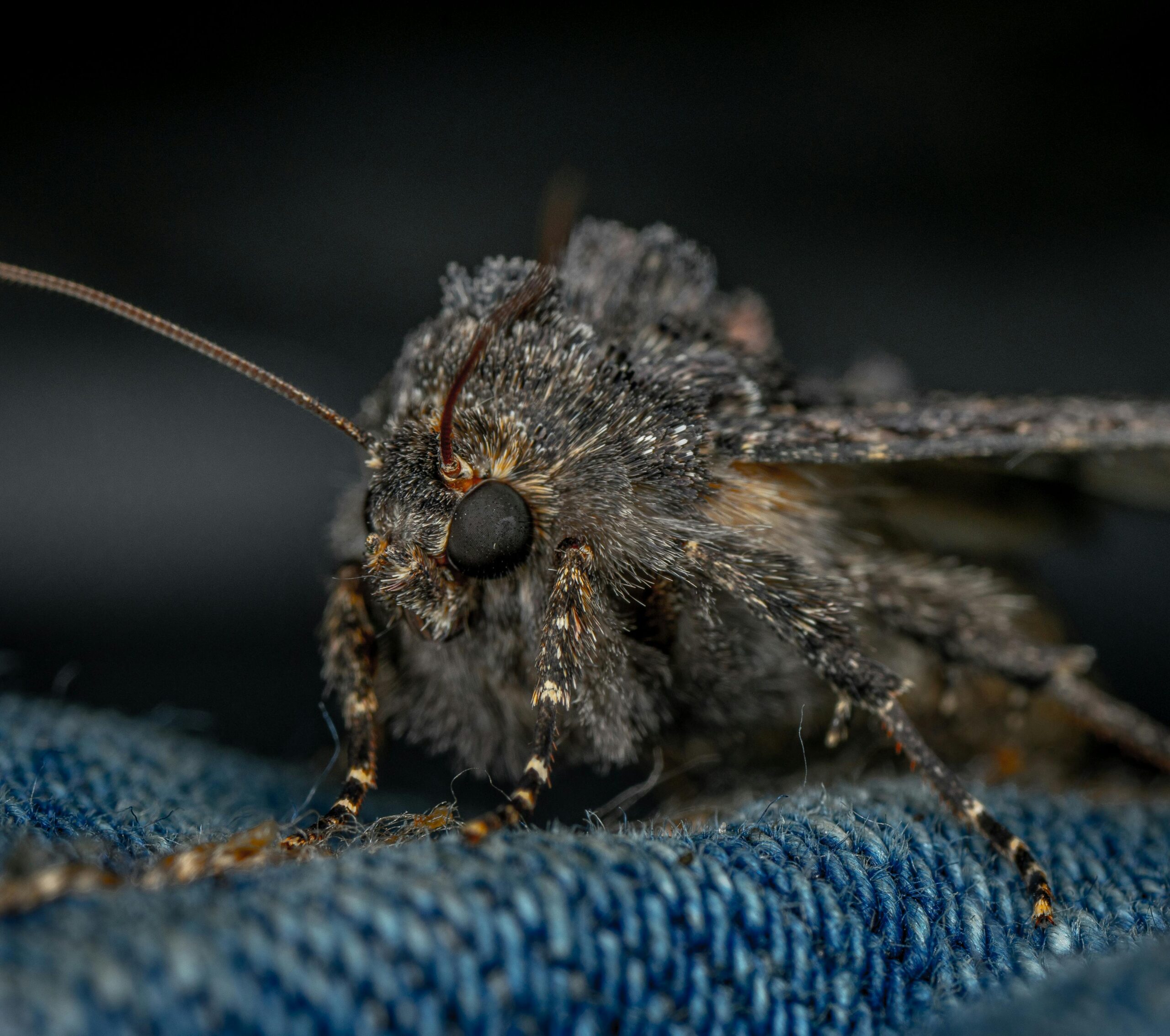
The webbing cloth moth, Tineola bisselliella, is slightly larger—up to ¾ inch (19 mm)—with a silky, golden‑tan body and narrow, fringe‑lined wings. The case‑bearing clothes moth, Tineola pellionella, appears similar but builds a portable larval case from fabric fibers. Both species are nocturnal fliers, attracted to dark closets, upholstery, and woolen garments.
Life Cycle and Damage
All three follow the classic four‑stage cycle: egg → larva → pupa → adult. Females lay dozens of microscopic eggs on food surfaces or fabric fibers. Within a week, the eggs hatch into larvae—the real culprits. Pantry moth larvae spin silken tunnels inside grain, contaminating it with webbing and feces. Clothing moth larvae chew tiny holes in natural fibers, leaving irregular patches and a fine, powdery residue. After several weeks of feeding, the larvae spin cocoons, emerge as adults, and the cycle repeats.
Why Brookhaven’s Climate Fuels Moths
Brookhaven’s warm, humid summers and mild winters create an almost year‑round breeding environment. Temperatures between 70°F and 85°F (21‑29°C) accelerate egg development, while the region’s humidity prevents desiccation of delicate larvae. Even during cooler months, indoor heating and climate‑controlled homes provide the stable conditions moths need to survive and multiply.
Homeowner Concerns
For a homeowner, moth infestations translate into real problems: pantry moths spoil food stores, forcing costly disposal of contaminated products; clothing moths weaken wool sweaters, blankets, and upholstery, leading to aesthetic damage and premature replacement. The presence of silken webs and tiny holes can also create a perception of neglect, lowering a home’s curb appeal and resale value.
Local pest data, as summarized in the EPA’s Integrated Pest Management guidelines, confirms that both pantry and clothing moths rank among the top household pests in the Southeast, including Georgia. Recognizing the species early lets you act before the larvae cause irreversible loss.
Spotting Moth Infestations Early
Detecting a moth problem before it spreads can save you time, money, and the fabrics you love. The first clues are often tiny, but they’re unmistakable once you know what to look for. Below we break down the most common visual cues and show you how to assess the scope of an infestation in just a few minutes.
Kitchen clues: webbing and silk threads
In the pantry, moths leave behind silky, “spaghetti‑like” threads that cling to the tops of cereal boxes, grain bags, and flour containers. These threads are actually the larvae’s silk shelters and can be spotted as a faint, white mesh. Look for small, irregular webs on the inside of packaging and for live larvae moving beneath the surface of grain products.
Closet and wardrobe warning signs
Clothing moths prefer dark, undisturbed fabrics. Check your drawers and hanging rods for tiny holes (often 1‑2 mm wide) in wool, cashmere, or silk items. You may also find cocoons—compact, brownish‑orange cases that look like tiny beads—or a fine, powdery residue that resembles flour. This residue is actually moth frass, a tell‑tale sign of feeding activity.

Quick room‑by‑room survey checklist
- Kitchen & pantry: Examine all grain containers, cereal boxes, and pet food bags for webbing, larvae, and frass.
- Laundry area: Look inside washing machines and dryer vents for discarded cocoons or silk threads.
- Bedroom & closets: Pull back garments, check seams, and feel for powdery residue or tiny holes in natural fibers.
- Living spaces: Inspect upholstered furniture and decorative pillows, especially if they contain wool or silk blends.
Distinguishing moth damage from other pests
It’s easy to confuse moth signs with those of beetles or silverfish. Beetles typically leave irregular chew marks and may be seen crawling on surfaces, while silverfish produce silvery, fish‑like tracks and prefer damp areas. Moth damage, by contrast, is characterized by the fine, powdery frass and the distinctive silk tunnels that other insects do not produce.
When to call a professional
If you discover:
- More than a handful of cocoons or larvae in a single area,
- Active webbing spanning multiple storage containers, or
- Damage across several rooms (e.g., both kitchen and bedroom),
it’s time to contact a licensed pest‑control provider. Large infestations spread quickly, and a professional treatment ensures the entire home is treated safely and effectively. Anthem Pest Control offers targeted moth solutions that protect fabrics while minimizing exposure to your family and pets.
Treatment Options and How They Work
DIY Approaches
Many Brookhaven homeowners start with low‑cost, do‑it‑yourself tactics that keep moths out of closets and pantries. The most common methods are:
- Airtight storage. Plastic containers with sealable lids or vacuum‑sealed bags block the food source moths need to reproduce, effectively starving an existing population.
- Pheromone traps. These sticky traps release a synthetic sex‑attractant that lures male moths, interrupting the mating cycle and giving you a visual gauge of infestation size.
- Baking soda or heat treatment. Sprinkling baking soda on dry fabrics or heating items to 120 °F for 30 minutes kills eggs and larvae without chemicals.
- Over‑the‑counter sprays. Aerosols containing pyrethrins or permethrin can knock down adult moths on contact, but they offer only temporary relief.
While DIY steps are budget‑friendly, they rarely eradicate a severe outbreak. Loose eggs hidden in wall voids, carpet fibers, or HVAC ducts remain untouched, allowing the colony to rebound once the homeowner stops treatment. In addition, DIY chemicals can linger on fabrics, posing irritation risks for sensitive skin.
Professional Treatments
When moth numbers exceed a few dozen or reappear after repeated DIY attempts, a licensed technician brings tools that reach the hidden life stages.
- Residual insecticide spray. EPA‑registered formulas are applied to baseboards, cracks, and storage areas. The chemicals remain active for weeks, killing newly emerging larvae that contact treated surfaces.
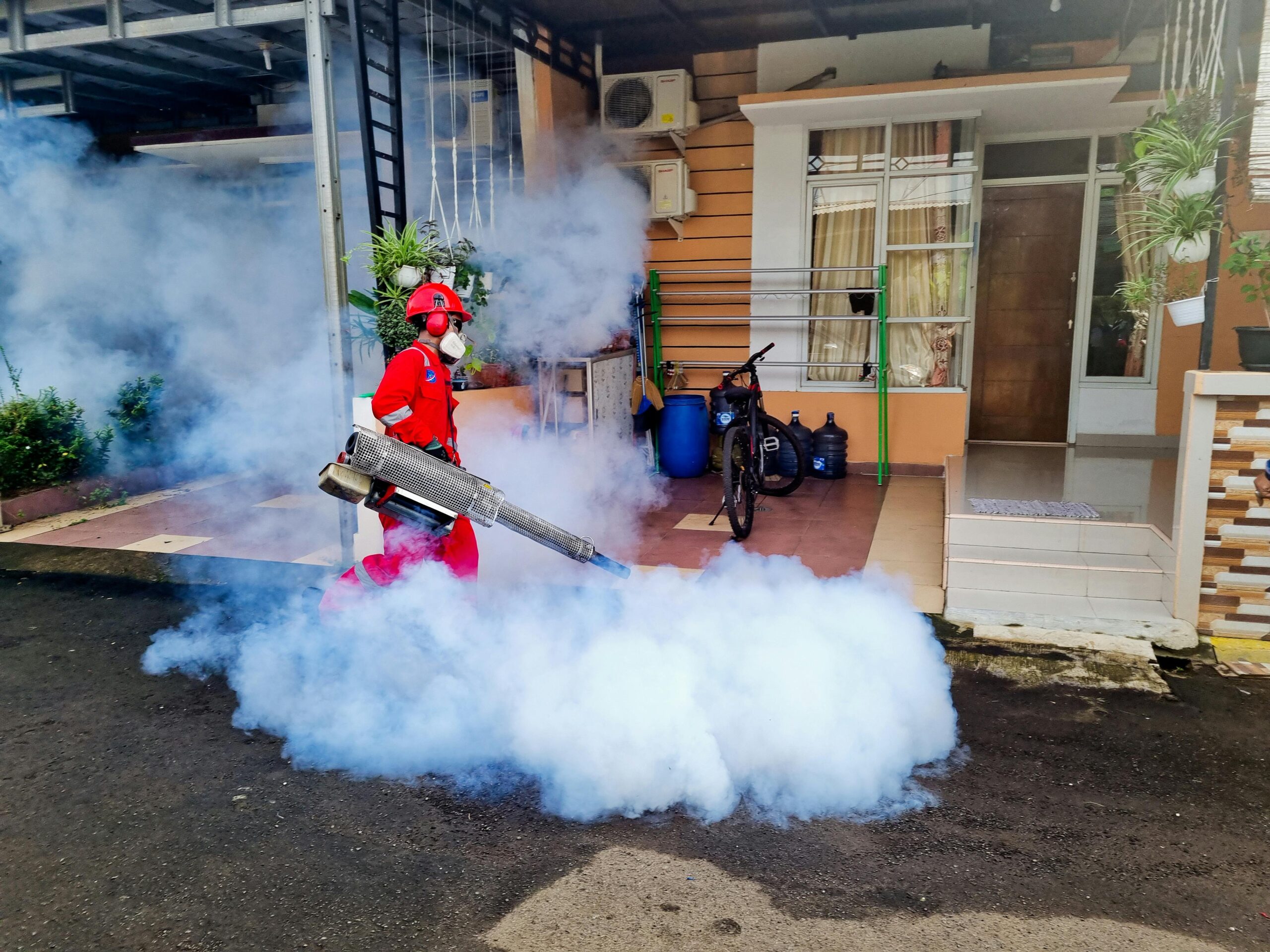
- Targeted fogging. A low‑pressure fogger disperses micro‑droplets into hard‑to‑reach spaces such as attic insulation or crawl‑space voids, ensuring coverage where eggs and pupae hide.
- Heat‑treatment chambers. Whole‑room heating raises ambient temperature to 130 °F for a controlled period, a method proven to exterminate all life stages without residues.
These methods are often combined to create a layered barrier that attacks moths at every stage of their life cycle.

Safety Protocols
A reputable company like Anthem Pest Control follows strict safety standards. Technicians don personal protective equipment (gloves, goggles, respirators) and only use EPA‑registered products that have been evaluated for indoor use. Before any spray or fog, they isolate children and pets, often recommending temporary relocation or sealing off treated zones until the label‑specified re‑entry time has passed.
How Anthem Customizes Your Plan
Not all moths behave the same. Pantry moths thrive in stored grains, while webbing moths prefer natural fibers. Anthem’s certified technicians perform a detailed inspection, identify the species, and map hot spots in your home. From there they recommend a blend of treatments—perhaps a residual spray for baseboards combined with a targeted heat session for a heavily infested closet. This tailored approach maximizes efficacy while minimizing chemical exposure.
For a clear picture of the investment required, visit the Anthem Moth Control Cost page, which breaks down pricing by treatment type and infestation severity.
Comparing Moth Control Pricing Options
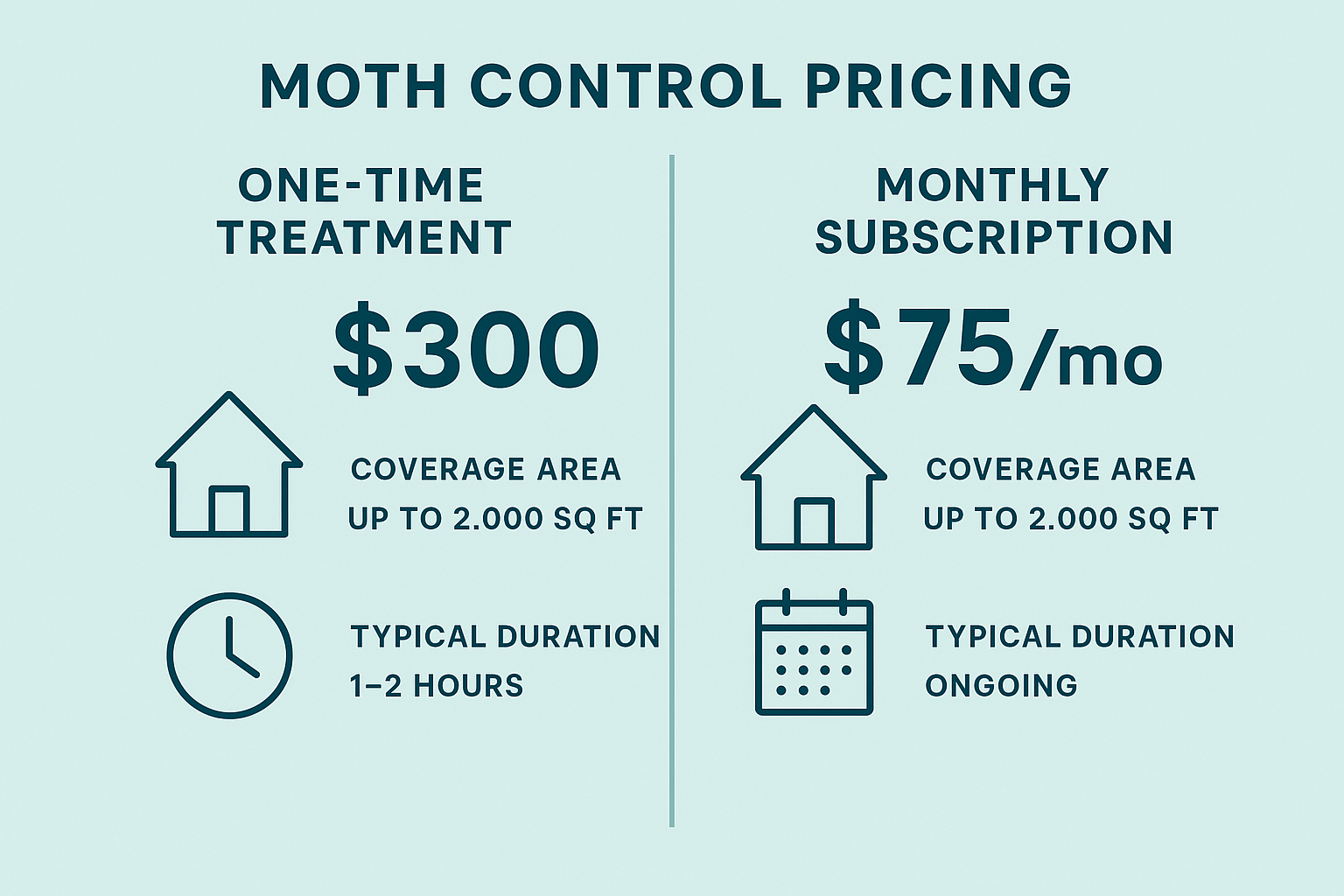
In Brookhaven, a single residential moth treatment typically falls between $150 and $250, depending on the size of the home and the severity of the infestation. This price range reflects the full suite of services you’ll receive during a one‑time visit, giving you a clear baseline before you explore ongoing options.
What’s Included in a One‑Time Service?
- Comprehensive inspection: A certified technician surveys interior and exterior spaces, identifies hotspots, and determines the species of moth.
- Targeted treatment: Application of EPA‑approved chemicals or non‑chemical alternatives (such as pheromone traps) directly where moths congregate.
- Follow‑up visit: Within 7‑10 days, the technician returns to assess efficacy, retreat if needed, and provide homeowner guidance.
Monthly Subscription Benefits
For homeowners who prefer peace of mind, a monthly subscription spreads the cost and adds several valuable perks:
- Ongoing monitoring with quarterly inspections to catch early signs before an outbreak.
- Seasonal re‑treatments that align with moth breeding cycles, ensuring continuous protection.
- Priority scheduling, so you’re never left waiting during peak pest seasons.
- Access to discounted rates on supplemental services, such as pantry sealing or attic insulation upgrades.
Factors That Influence Pricing
Several variables can shift the quoted price up or down:
- Infestation severity: Heavy moth populations require more product and labor.
- Square footage: Larger homes demand broader coverage and potentially multiple treatment zones.
- Method choice: Chemical treatments are generally less expensive upfront, while non‑chemical options—like organic sprays or heat treatments—may carry a premium but appeal to eco‑conscious homeowners.
When you compare local providers, Smart Solutions Pest Control’s service‑area pricing offers a useful benchmark. Their rates align closely with the ranges mentioned above, reinforcing the market standard for effective moth control in the Brookhaven area.
By weighing the immediate cost of a one‑time treatment against the long‑term value of a subscription plan, you can choose the approach that fits both your budget and your desire for ongoing protection. Whether you need a quick fix or a year‑round shield, understanding these pricing structures empowers you to make an informed decision for a moth‑free home.
Seasonal Moth Activity in Brookhaven
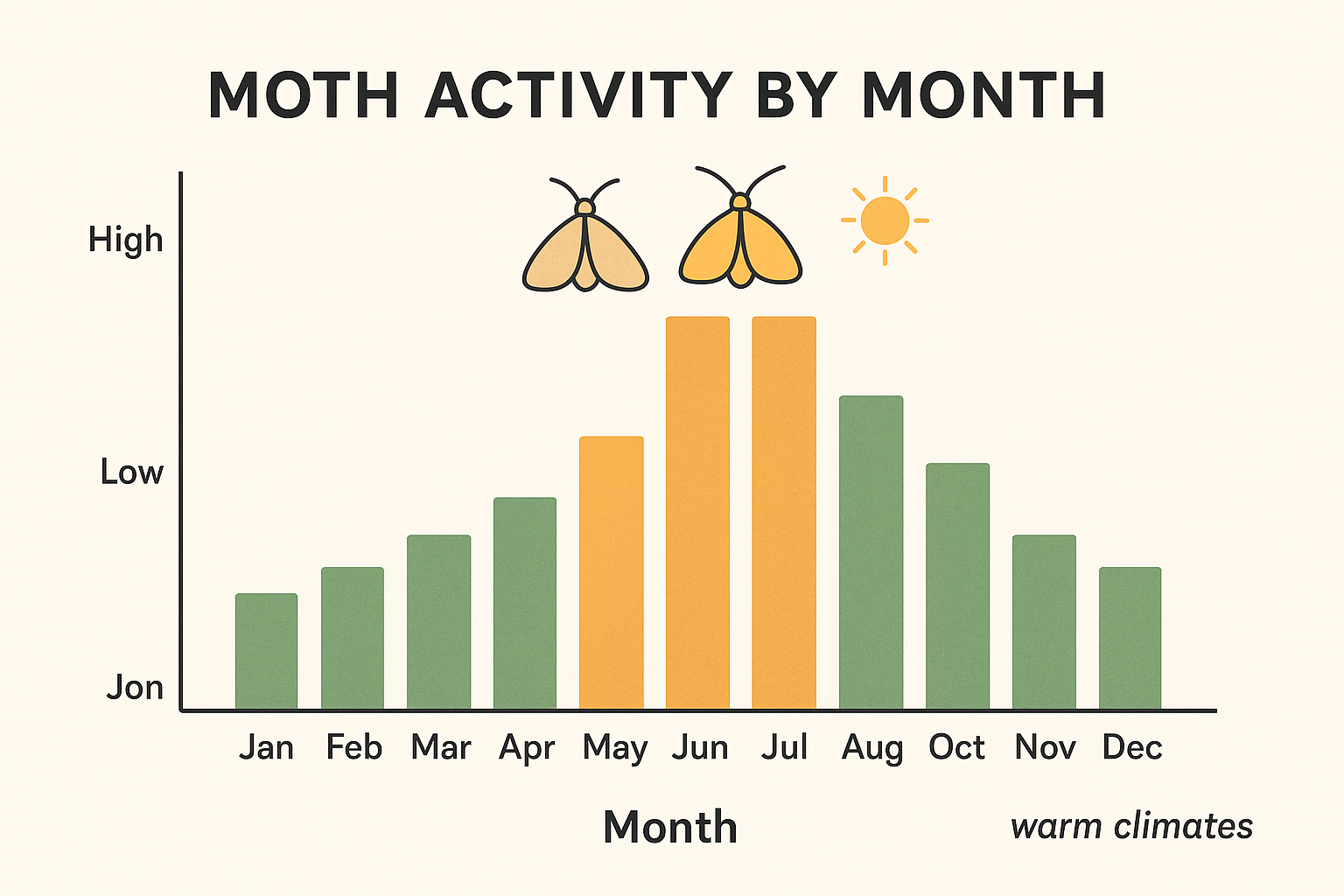
In Brookhaven’s warm, humid climate, moths don’t follow a strict winter‑only schedule. Pantry moths (Indian meal moth) and clothing moths (webbing and case moths) each have distinct peak periods that line up with temperature swings and humidity levels. Understanding these windows lets you schedule inspections before populations explode.
Peak months for pantry vs. clothing moths
Pantry moths typically surge from late May through early September when outdoor temperatures hover above 75°F (24°C). Their eggs hatch quickly in stored grains, nuts, and dried fruit that sit in warm kitchens. Clothing moths, on the other hand, reach their highest activity from August to October. The lingering summer heat combined with the higher indoor humidity of early fall creates an ideal breeding ground for larvae that feed on natural fibers.
Temperature, humidity, and breeding cycles
Moth development is temperature‑dependent: each 10°F rise can shorten the life cycle by several days. High humidity (above 60 %) prevents eggs from desiccating, allowing more larvae to survive. In Brookhaven, summer nights often stay above 70°F with humidity in the 70‑80 % range, which explains why both species can reproduce continuously from late spring through early fall.
Preventive actions by season
Tailor your home‑care routine to each season, and you’ll keep moth numbers at bay.
- Spring (March‑May): Perform a deep clean of pantry shelves, discard any expired dry goods, and vacuum closets. This interrupts the first wave of pantry moth eggs.
- Summer (June‑August): Use airtight containers for all grains and cereals, and set pheromone traps near pantry corners. Check clothing storage regularly and rotate fabrics to expose hidden larvae.
- Fall (September‑November): Rotate seasonal clothing, wash garments before storage, and store off‑season items in sealed plastic bins. Reduce indoor humidity with dehumidifiers or proper ventilation.
- Winter (December‑February): Conduct a final inspection before the cold sets in, seal any cracks around windows and doors, and schedule a professional pre‑summer check‑up.
Linking seasonal timing to Anthem’s proactive service
Anthem Pest Control aligns its service calendar with these high‑risk periods. A pre‑summer inspection (late April) catches early pantry moth activity, while a post‑fall visit (early November) targets clothing moth larvae before they overwinter in closets. By booking these appointments, homeowners lock in the most effective treatment windows and avoid surprise infestations later in the year.
Why Choose Anthem Pest Control for Moth Management
When moths turn your closets and pantry into a feeding ground, Brookhaven homeowners need a partner who understands both the local climate and the science behind effective control. Anthem Pest Control brings a nationwide network of expertise directly to your doorstep, combining the resources of a large company with the personal touch of a neighborhood service.
Local Presence, National Support
Anthem operates in every state, yet each service team is trained to recognize the specific challenges faced by Georgia homeowners—humid summers, seasonal migrations, and the types of fabrics and food storage common in Brookhaven homes. This dual perspective means you get the latest, research‑backed treatment protocols without sacrificing the familiarity of a local business.
Certified Technicians & EPA‑Approved IPM
All Anthem technicians hold certifications in Integrated Pest Management (IPM) that meet EPA standards. They conduct a thorough inspection, identify the moth species, and design a targeted plan that minimizes chemical use while maximizing results. By focusing on prevention—sealing entry points, reducing food sources, and applying low‑toxicity baits—Anthem reduces the likelihood of reinfestation.
Safe, Low‑Toxicity Treatments
Families with children and pets can breathe easy knowing that Anthem’s moth treatments are formulated with the lowest effective toxicity levels. Products are selected for rapid knock‑down of larvae and adult moths, yet they break down quickly and pose no lasting risk to indoor air quality.
Transparent Pricing You Can Trust
Anthem believes in upfront costs, so the quote you receive matches the invoice you’ll pay. The pricing infographic (linked in the sidebar) breaks down each service component—inspection, treatment, follow‑up—so there are no surprise fees. This clarity helps Brookhaven homeowners budget for both one‑time eradication and ongoing prevention.
Customer Service Guarantees
- Free on‑site estimate with no obligation.
- 30‑day post‑treatment follow‑up to confirm success.
- Satisfaction guarantee: if moths return within the guarantee period, Anthem returns at no extra charge.
Anthem also offers seasonal monitoring visits, ensuring that any new moth activity is caught early before it spreads. Their eco‑friendly approach includes using botanical oils and pheromone traps that target moths without harming beneficial insects.
What Our Customers Are Saying
“We called Anthem after discovering moth larvae in our wool sweaters. The technician arrived the same day, explained the IPM process, and used a safe spray that left no odor. Within two weeks our closets were moth‑free, and the follow‑up visit confirmed the problem was solved. Best service we’ve had in years!” — Laura M., Brookhaven, GA
Ready to protect your home with a proven, low‑risk solution? Schedule a free quote with Anthem Pest Control today and take the first step toward a moth‑free home.
Protect Your Home Today – Get a Free Moth Control Quote
Early detection, the right treatment plan, and seasonal awareness are the three pillars of lasting moth control in Brookhaven. Spotting a few webbed fibers or a sudden flare of pantry moths early lets you intervene before an infestation spreads to walls, clothing, or stored food. Proper treatment—whether a targeted spray, pheromone trap, or thorough sanitation—breaks the life cycle and stops future generations. Because moth activity peaks in spring and fall, timing your preventive steps to these windows gives you the biggest advantage.
That’s where Anthem Pest Control steps in. As a locally‑licensed provider, we know the moth species that trouble Brookhaven homes and the most effective products for each. Our pricing is transparent and competitive—no hidden fees, just a clear, affordable plan that fits a homeowner’s budget. Because we focus on the neighborhoods we serve, you get fast response times, personalized service, and the peace of mind of a true community partner.
A complimentary inspection is the simplest first step. Our technicians will walk through your kitchen, closets, and any vulnerable spaces, pinpointing hot spots and recommending the exact treatment you need—no guesswork, no pressure. Once the plan is set, you’ll receive a written estimate that outlines every service and cost, so you know exactly what to expect before any work begins.
If you’ve spotted any of the signs above or simply want peace of mind this season, let Anthem Pest Control handle the problem for you. Our licensed technicians will assess your home, recommend the most effective solution, and provide a clear, no‑surprise estimate—all at no cost to you. Call us today at 877‑371‑8196 for a free, no‑obligation quote, or click to learn more. Visit Anthem Pest Control.