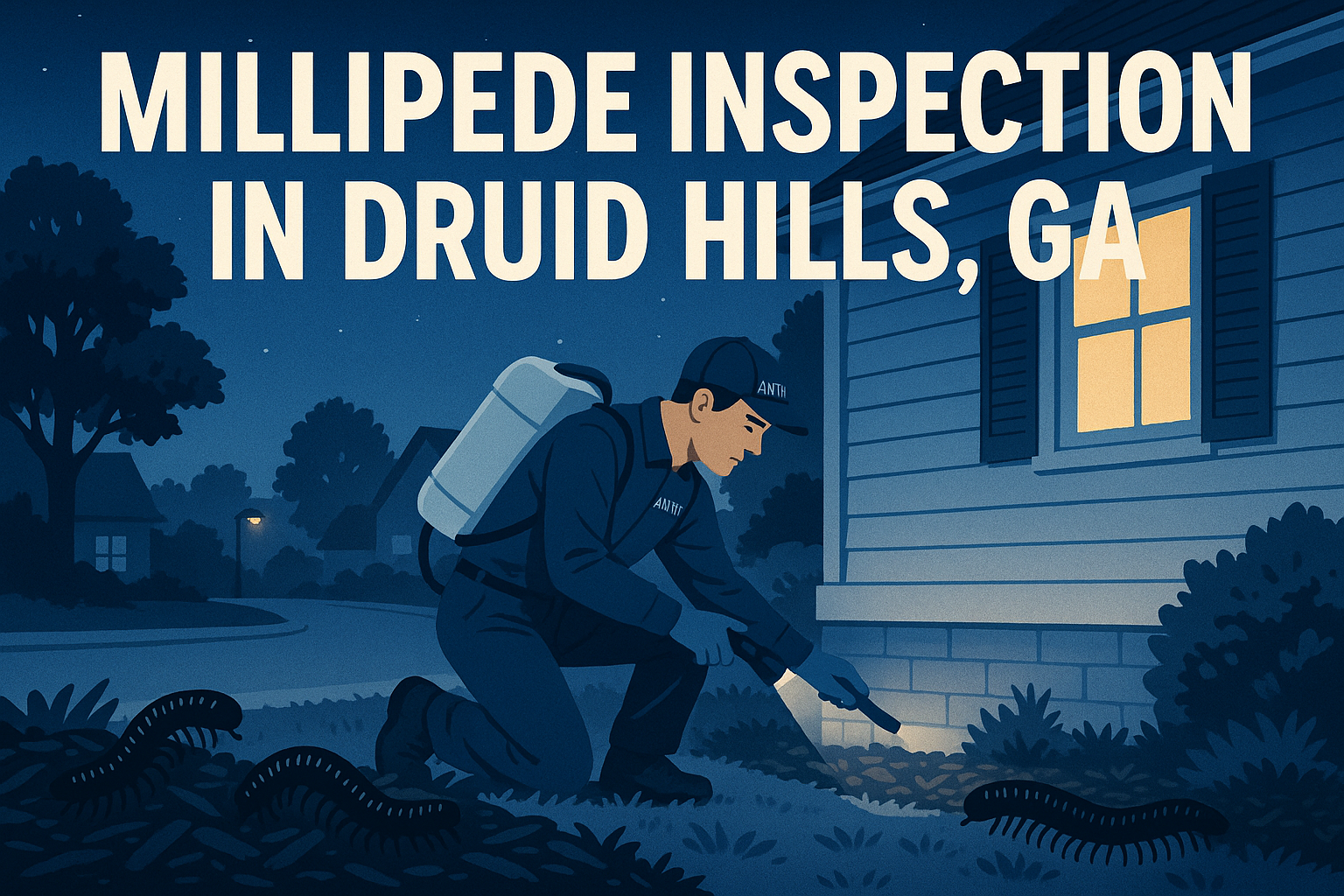
Why Crickets Are a Growing Concern in Druid Hills, Georgia
In Georgia’s suburbs, the most common culprits are the field cricket (Gryllus assimilis) and the house cricket (Acheta domesticus). Both species thrive in the warm, humid climate of Druid Hills and follow a predictable annual life cycle: eggs are laid in late summer, nymphs hatch in early spring, and adults emerge by late May. By midsummer, a single female can produce up to 1,000 eggs, creating exponential population growth if left unchecked.
The region’s summer weather is practically a cricket‑friendly invitation. Average highs hover above 85°F with nightly humidity often exceeding 70 %. Suburban landscaping—lush lawns, ornamental grasses, mulched flower beds, and shaded patios—provides the perfect shelter and food sources. Crickets hide in leaf litter, compost piles, and the soil beneath garden beds, emerging at night to feed on plant material, small insects, and even decaying organic matter.
Most homeowners first notice the rhythmic chirping as a harmless background soundtrack. However, when numbers swell, the situation shifts from nuisance to infestation. Large colonies can chew on tender foliage, weakening ornamental shrubs and vegetable plants. Inside homes, crickets seek cracks and gaps to escape the heat, leading to unwanted guests in kitchens, basements, and attics. Their burrowing activity can compromise wooden structures, especially in poorly ventilated crawl spaces, creating pathways for moisture and secondary pests such as termites.
Local data underscores the rising problem. According to the 2023 Druid Hills Service Report from Anthem Pest Control, cricket-related service calls increased by 27 % compared with the previous year, with the highest spike recorded in July and August. Over 180 households reported audible chirping that escalated to visible sightings, prompting professional inspections.
Early detection is the most effective defense. Spotting a few adults near garden edges, noticing fresh chewing damage, or hearing a sudden surge in nighttime chirps should trigger a closer look. In the next section, we’ll walk you through the specific warning signs that indicate a cricket population is crossing the threshold from benign to damaging.
Spotting the Early Warning Signs of a Cricket Infestation
Audible Cues You Can’t Ignore
Crickets announce their presence with a steady, rhythmic chirp that usually starts soon after sunset. In the first few weeks of an invasion, the sound is faint—just a background hum. As numbers grow, the volume spikes, often filling an entire room or yard. Unlike the high‑pitched whine of a cicada or the soft rustle of moths, cricket chirps are produced by males rubbing their wings together, creating a distinctive “chirp‑chirp‑chirp” pattern that repeats every few seconds. If you notice this nightly chorus getting louder night after night, it’s a strong indicator that a colony is establishing nearby.
Visual Cues Inside the Home
- Winged visitors near lights: Crickets are attracted to indoor lighting, especially in basements, garages, and closets. Small, dark silhouettes fluttering around bulbs are a red flag.
- Droppings: Look for tiny black specks—about the size of a pinhead—on countertops, windowsills, or near houseplants. These are cricket feces and often appear in clusters.
- Plant damage: While crickets rarely chew foliage, heavy feeding can cause leaf edges to look ragged or wilted, especially on indoor ornamental plants.
Outdoor Clues That Signal a Growing Population
- Burrows in soil: Small, shallow tunnels near the base of trees or garden beds indicate where crickets hide during daylight.
- Damaged lawn edges: Patches of grass that look chewed or have a “scorched” appearance often result from cricket activity.
- Egg pods: In mulch or flower beds you may find gelatinous, white‑to‑pale brown clusters—these are cricket egg cases ready to hatch.
Conducting a Quick Night‑Time Sweep
Grab a flashlight and walk the perimeter of your home after dark. Shine the beam along walls, under decks, and around outdoor lights. As you move, place a few sticky traps in high‑traffic zones—near entry doors, under porch lights, and along fence lines. Within 24 hours you’ll see whether the traps have captured any winged insects, confirming an active infestation.
When to Call a Professional
If you detect more than a handful of crickets, hear a persistent chorus, or discover egg pods and extensive lawn damage, it’s time to let a licensed technician step in. Anthem Pest Control can assess the severity, apply targeted treatments, and set up preventive barriers that protect your home year‑round. For isolated sightings—one or two insects on a single night—DIY measures like sticky traps and reducing outdoor lighting may suffice, but don’t hesitate to call us at 877‑371‑8196 if the problem escalates.
Seasonal Cricket Activity in Georgia – When They’re Most Active
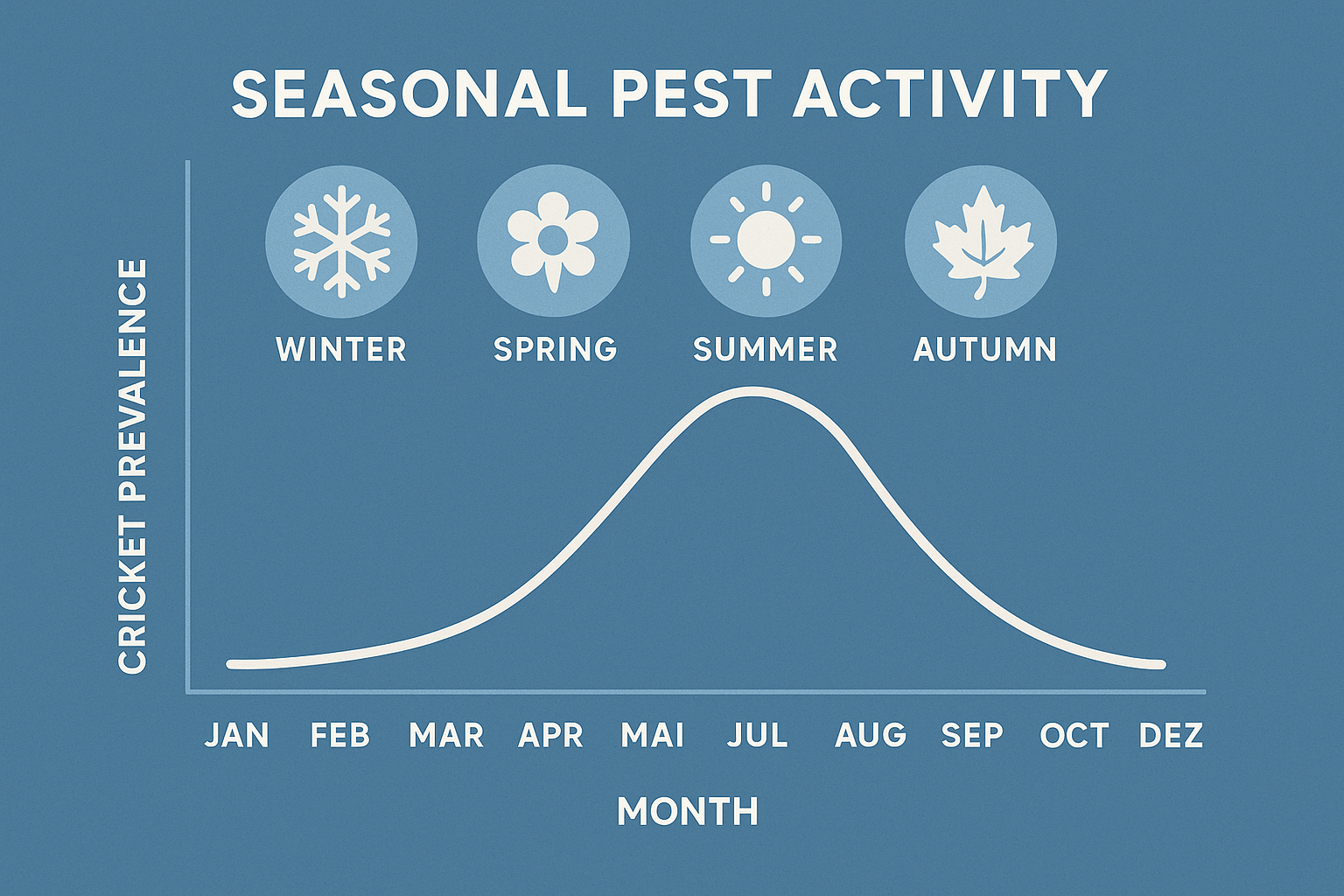
Crickets in Georgia follow a predictable rhythm that’s driven by temperature and humidity. Eggs hatch when soil temperatures consistently reach 55°F (13°C), and nymphs mature faster in warm, moist conditions. As the days grow longer and the air retains more moisture, the population spikes, making late spring and early summer the period most homeowners notice chirping invasions.
Month‑by‑Month Activity Peaks
Understanding the monthly ebb and flow helps you schedule inspections before the bugs become a nuisance. From January through March, activity is minimal—crickets are either in egg form or dormant as nymphs. April sees the first audible chirps as the first generation emerges. The real surge arrives in May, peaks through July, and then gradually tapers off as August heat dries out the soil. September brings a secondary, smaller wave, while October through December returns to low‑level activity.
| Month | Activity Level |
|---|---|
| January | Low |
| February | Low |
| March | Low‑to‑Moderate |
| April | Moderate |
| May | High |
| June | High |
| July | High |
| August | Moderate |
| September | Low‑to‑Moderate |
| October | Low |
| November | Low |
| December | Low |
How Weather Accelerates Breeding
Georgia’s spring rains soften the soil, giving newly hatched nymphs easy access to moisture and food sources. A sudden heat wave in June can compress the life cycle, allowing a generation to mature in weeks rather than months. Conversely, a dry spell in August can stall development, pushing the next wave into the cooler fall months. Recognizing these patterns lets you anticipate when crickets will be most aggressive.
Pre‑emptive Inspection Recommendations
Schedule a professional inspection in early April, before the first audible chirps appear. This timing lets technicians seal entry points, treat vulnerable foundation cracks, and apply perimeter barriers while the population is still low. A follow‑up treatment in late May, just as activity surges, provides an extra layer of protection during the peak May‑July window. By aligning inspections with the natural cricket calendar, you reduce the chance of an unexpected infestation and keep your home quiet throughout the summer.
How Professionals Inspect Your Home’s Crawl Spaces and Foundations
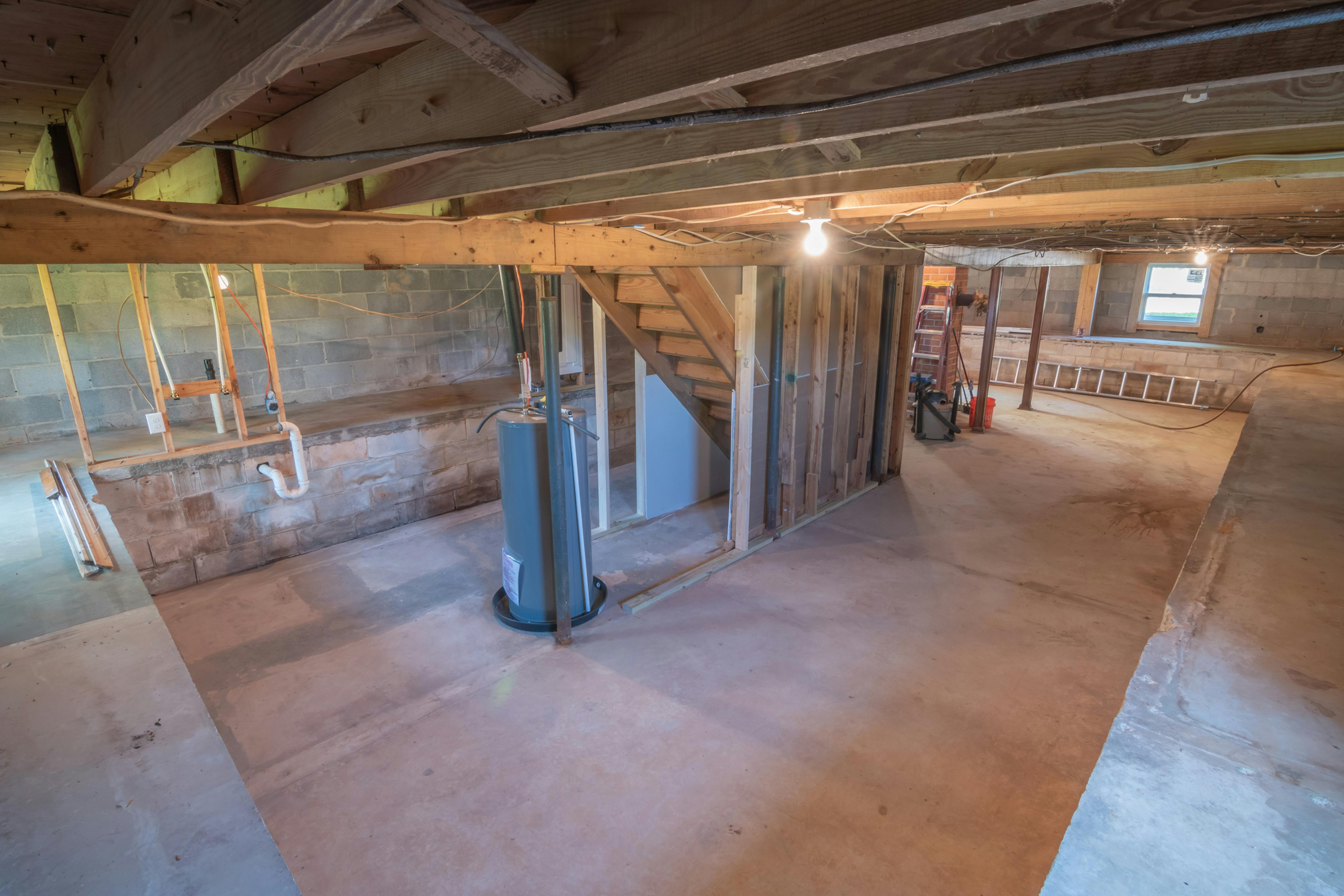
Crickets are master hide‑and‑seek players. They gravitate toward basements, crawl spaces, and the void beneath floor joists because those areas stay cool, damp, and undisturbed. The soil’s moisture and the shelter offered by wooden framing create the perfect breeding ground, allowing populations to explode before you even notice the first chirp.
Tools of the trade
Our technicians arrive armed with three essentials:
- Moisture meter: Quickly determines the water content in soil and wood, pinpointing areas that attract crickets.
- Flashlight: A high‑lumens beam reveals hidden cracks, debris, and the tiny insects themselves.
- Inspection mirror: Allows us to see under joists and into tight corners without dismantling the structure.
Step‑by‑step inspection sequence
- **Visual sweep of exposed beams** – We start at the access panel, shining the flashlight along each joist and beam. Any discoloration, mold, or debris is a red flag.
- **Probing soil moisture** – The moisture meter is pressed against the earth floor at several points. Readings above 12 % typically signal a humid environment that crickets love.
- **Checking for cracks and gaps** – Using the inspection mirror, we locate hairline cracks in foundation walls, gaps around utility penetrations, and openings around vent pipes.
Spotting entry points and breeding sites
Crickets exploit the smallest openings—often less than a quarter inch. Technicians look for:
- Unsealed pipe sleeves and vent stacks.
- Damaged sill plates or rotted wood where soil meets framing.
- Cracks at the perimeter of the foundation that water can seep through, keeping the soil moist.
Once an entry point is identified, we also trace the surrounding area for egg‑laying sites, such as piles of leaf litter, wood shavings, or accumulated debris that retain moisture.
Documenting findings for a tailored treatment plan
Every observation is recorded on a digital inspection sheet, complete with photos and moisture readings. This documentation serves two purposes:
- It creates a clear map of problem zones, ensuring that our treatment targets the exact locations where crickets are thriving.
- It provides homeowners with a transparent report, so you understand why certain areas need sealing, dehumidification, or localized pesticide application.
By following this systematic approach, Anthem Pest Control not only removes the current cricket infestation but also fortifies your crawl space and foundation against future invasions. A thorough inspection is the first line of defense—because once we know where the crickets are hiding, we can keep them out for good.
Treatment Options – From Targeted Sprays to Eco‑Friendly Smoke Treatments
When crickets invade your yard, a one‑size‑fits‑all approach rarely works. At Anthem Pest Control we match the method to the infestation’s size, location, and your comfort with chemicals. Below is a quick guide to the most common options, their strengths, and where they shine.
Chemical Barrier Sprays
Barrier sprays create an invisible wall that stops crickets from crossing into treated zones. Technicians apply a thin layer of residual insecticide along foundation walls, perimeter fences, and around outdoor lighting fixtures—areas where crickets love to congregate after dark. The spray stays effective for 4‑6 weeks, giving you a long‑lasting shield.
Pros: Fast‑acting, covers large areas, reduces immediate noise and chewing damage. Cons: Requires careful timing to avoid rain wash‑off, and some homeowners prefer to limit exposure to synthetic chemicals, especially around children and pets. Safety is paramount; we always wear protective gear and follow label directions, and we’ll discuss any pre‑treatment restrictions with you.
Bait Stations and Granular Formulations
Baits and granules work behind the scenes, delivering a slow‑acting toxin that crickets carry back to their hiding spots. Place bait stations near shrubbery, mulch beds, and under decks, or spread granular products across lawn edges. These products keep feeding for weeks, providing a steady, low‑dose control that targets the colony rather than just the adults you see.
Ideal for homeowners who want a “set‑and‑forget” solution, bait stations also let you monitor activity levels. If you notice fewer crickets after a few weeks, the treatment is doing its job. The downside is that baits can be less effective in very dry conditions, and they need periodic replacement.
Professional Smoke Treatments
Smoke machines release a fine, insect‑repellent fog that penetrates dense vegetation, leaf litter, and hard‑to‑reach corners where crickets hide. The smoke contains botanical oils that disorient insects, causing them to drop out of the canopy and become easy to sweep up or vacuum.
We typically use smoke treatments along outdoor perimeters, around tall shrubs, and in garden beds that act as cricket “highways.” The method is especially useful after a rainstorm when crickets emerge en masse. It’s a quick, low‑residue option that leaves no lingering chemicals on your patio furniture.

Organic Alternatives
If you prefer a completely natural route, diatomaceous earth (DE) and botanical extracts like neem or pyrethrin are solid choices. Sprinkle DE in cracks, around plant bases, and along walkways; its microscopic shards puncture the cricket’s exoskeleton, dehydrating them within hours. Botanical sprays act as repellents, discouraging crickets from settling in treated zones.
These options are safe for pets and kids, but they require reapplication after heavy rain or irrigation. They also work best when combined with other tactics, because DE alone won’t eliminate an established colony.
Why an Integrated Pest Management (IPM) Strategy Wins
No single tool eradicates crickets completely. The most reliable results come from layering methods: start with a chemical barrier to stop new entrants, set up bait stations for ongoing colony pressure, and follow up with a targeted smoke treatment during peak activity. Add a light dusting of diatomaceous earth around vulnerable spots for an extra safety net.
This blended approach reduces the chance of resistance, minimizes chemical exposure, and keeps your outdoor space comfortable year‑round. At Anthem Pest Control, we tailor the IPM plan to your property’s layout, budget, and personal preferences—so you get the right mix without over‑paying for unnecessary treatments.
Understanding Cricket Control Pricing – What You’ll Pay for Each Service Tier
When a cricket invasion turns from nuisance to emergency, the first question most Druid Hills homeowners ask is, “How much will it cost?” At Anthem Pest Control we break our services into three clear tiers—Basic, Standard, and Premium—so you can see exactly what you’re paying for and why.
Tier 1: Basic
The Basic tier is designed for a quick knock‑down of a small, localized infestation. It includes a single‑visit exterior inspection, one treatment application using a standard residual spray, and a 30‑day follow‑up call to confirm the crickets are gone. This option is ideal if you caught the problem early and the activity is limited to one area of the home.
Tier 2: Standard
Our Standard tier adds depth. You get a thorough interior and exterior inspection, two treatment visits (initial spray plus a second “boost” visit), and a 60‑day guarantee that includes a complimentary re‑treatment if crickets return. Technicians also apply a perimeter barrier to keep new insects from entering.
Tier 3: Premium
The Premium tier is the all‑in‑one solution for severe or recurring infestations. It features a comprehensive inspection with moisture and habitat assessment, three treatment visits (including a targeted indoor mist), a full‑year warranty, and priority scheduling for any future pest issues. Premium customers also receive a detailed prevention plan and a dedicated technician who knows your property inside out.
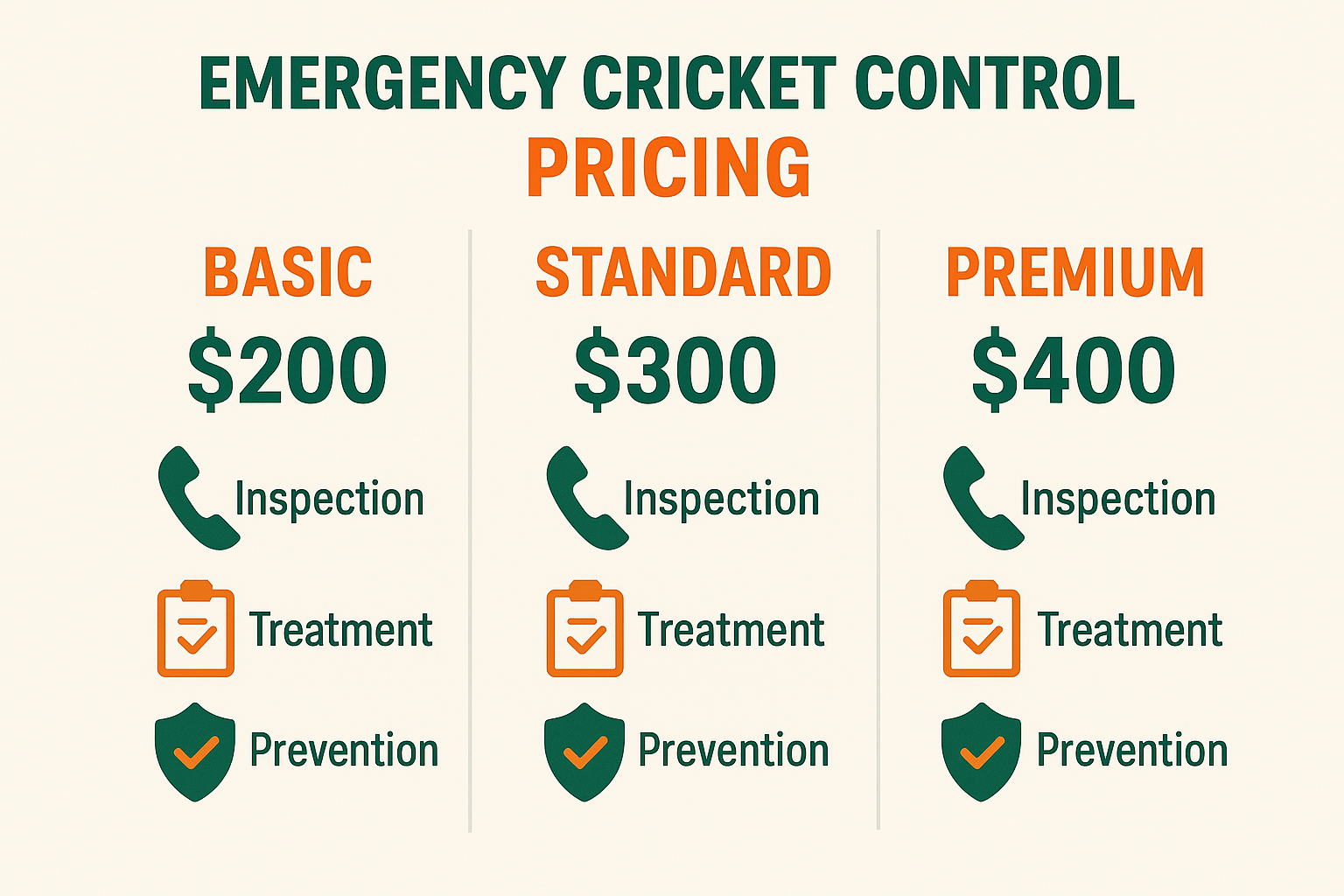
Typical Price Ranges in Druid Hills
| Tier | What’s Included | Price Range |
|---|---|---|
| Basic | 1 inspection, 1 treatment, 30‑day call‑back | $120 – $180 |
| Standard | Full inspection, 2 treatments, 60‑day guarantee | $210 – $280 |
| Premium | Comprehensive inspection, 3 treatments, 1‑year warranty, dedicated tech | $350 – $460 |
All of our estimates are transparent—no hidden fees, no surprise add‑ons. The technician will walk you through the quote before any work begins, and you’ll receive a written breakdown that matches the table above.
Beyond the Bottom Line: Evaluating Value
- Warranty length: A longer guarantee often means the treatment was applied more thoroughly.
- Technician expertise: Our certified technicians have specialized training in orthopteran (cricket) behavior, which translates to faster, more effective results.
- Follow‑up support: Free re‑treatments or phone consultations can save you money if the infestation reappears.
- Preventive plan: A customized plan that addresses moisture control and outdoor lighting reduces future cricket activity.
Choosing the right tier is less about the dollar amount and more about the protection you need for your home and family. For a deeper dive into the exact figures and service details, check out our full pricing guide here.
DIY Prevention Tips to Keep Crickets Out Year‑Round
Landscape Management
Crickets love a tidy, moist lawn where they can hide during the day. Keep grass trimmed to no more than 3‑4 inches and rake away clippings that create a damp blanket. Remove leaf piles, wood debris, and any dense shrubbery that offers shelter. Finally, switch outdoor lighting to amber‑tinted bulbs or use motion‑sensor fixtures; bright white lights draw insects, and insects bring crickets.
Sealing Entry Points
Even the smallest crack can become a highway for crickets. Walk the perimeter of your home and caulk gaps around windows, baseboards, and utility openings. Install door sweeps on all exterior doors and replace worn weather‑stripping. Inspect screens for tears and repair them with a patch kit or replace the screen entirely.
Moisture Control
Excess moisture is a cricket magnet. Fix leaky faucets, pipe joints, and roof gutters promptly. In basements or crawl spaces, run a dehumidifier to keep relative humidity below 50 %. Ensure the ground slopes away from the foundation so water drains away rather than pooling against the house.
Regular Yard Clean‑up
- Turn compost piles regularly and keep them covered; damp compost attracts insects that feed crickets.
- Eliminate standing water in birdbaths, pet dishes, or clogged drains—dry surfaces discourage cricket breeding.
- Store firewood on a raised platform or at least six inches off the ground; wood in direct contact with soil retains moisture and becomes a perfect hideout.
Seasonal Checklist
Align your chores with the cricket activity chart for Druid Hills. In early spring, aerate the lawn and apply a pre‑emergent barrier to reduce future nymph populations. Mid‑summer, inspect drainage ditches after heavy rains and re‑seal any new cracks that may have formed. In fall, give the yard a final sweep, pull back any fallen leaves, and store outdoor furniture away from the house.
By tackling these tasks consistently, you create an environment that’s inhospitable to crickets year‑round, reducing the need for emergency treatments and keeping your home comfortable.
Why Choose Anthem Pest Control for Cricket Management in Druid Hills
When crickets start chirping louder than your evening breeze, you need a partner who knows the local climate as well as you know your own backyard. Anthem Pest Control has been serving Georgia homeowners for over 15 years, and during that time we’ve learned the quirks of Druid Hills’ humid summers, shaded streets, and mature landscaping that create perfect cricket hide‑outs. Our long‑standing presence means we’ve fine‑tuned strategies that work specifically for this neighborhood.
Certified Technicians Trained in Integrated Pest Management
Every Anthem technician holds a state‑issued certification and completes annual training in Integrated Pest Management (IPM). This approach blends careful monitoring, habitat modification, and the safest chemical options when needed. Whether we apply a targeted, low‑toxicity spray around your patio or set up non‑chemical barriers in garden beds, you can trust the treatment is both effective and respectful of pets, children, and the environment.
Transparent Pricing – No Surprises
We believe you should know exactly what you’re paying for before any work begins. Our pricing infographic breaks the service into three clear tiers:
- Basic – One‑time treatment covering up to 1,500 sq ft.
- Standard – Quarterly treatments plus a perimeter seal for up to 3,000 sq ft.
- Premium – Year‑round monitoring, unlimited treatments, and a complimentary yard‑care consultation for homes larger than 3,000 sq ft.
Each tier lists the exact cost, so there are no hidden fees or surprise add‑ons.
Customer‑Focused Guarantees
Our confidence in the results is backed by a 30‑day free follow‑up inspection. If crickets are still active after the initial service, we’ll return at no extra charge and adjust the treatment plan until the problem is resolved. This guarantee is part of our broader satisfaction promise: happy homeowners, quiet evenings.
What Druid Hills Residents Are Saying
“After a week of nonstop chirping, Anthem came out, explained what was happening, and treated our yard. By the second visit the crickets were gone. The price matched the infographic—no hidden costs. I’ll definitely call them again next season.”
— Maria L., Druid Hills
“The technician was friendly, wore protective gear, and walked me through the IPM steps we could take ourselves. The follow‑up inspection caught a few stray crickets and they were taken care of right away. Highly recommend!”
— James K., Druid Hills
Take the Next Step – Secure Your Home from Crickets Today
Crickets may seem harmless, but an unchecked infestation can quickly turn your quiet evenings into a noisy nightmare. Early detection lets you catch the problem before it spreads, while a thorough inspection pinpoints the exact entry points and breeding sites. Professional treatment then eliminates the pests safely and permanently, protecting both your family and your home’s structural integrity.
Choose the Plan That Fits Your Needs
- Basic Tier – Ideal for single‑family homes with a light cricket presence. Includes a standard inspection and a one‑time treatment.
- Standard Tier – Perfect for larger properties or moderate infestations. Features a detailed inspection, customized treatment plan, and a follow‑up visit.
- Premium Tier – Designed for high‑risk homes or recurring issues. Offers a comprehensive inspection, ongoing monitoring, and unlimited treatments for the season.
Each tier is built around a customized strategy that reflects your home’s layout, landscaping, and the severity of the problem, ensuring you only pay for what you truly need.
If you’re ready to enjoy a cricket‑free home this season, our experts are standing by.
Call us now at 877‑371‑8196 for immediate assistance, or schedule a free on‑site assessment and quote at a time that works for you. Our certified technicians will walk you through the findings, explain the recommended plan, and answer any questions you may have.
Take the first step toward peace and quiet today—visit Anthem Pest Control and secure your home from crickets before they take over.