Why Carpet Beetles Matter in Brookhaven
Carpet beetles may be tiny, but in Brookbrook’s humid Georgia climate they can cause outsized damage. The larvae feed on natural fibers—wool, silk, cotton, and even the down filling of comforters—leaving behind irregular holes and a powdery residue. Upholstered furniture, area rugs, and stored blankets are frequent victims, and the beetles don’t stop at textiles. In homes with attic insulation that contains cellulose or shredded paper, the larvae will chew through the material, compromising thermal efficiency and creating pockets for moisture to accumulate.
While carpet beetles are active year‑round, Brookhaven homeowners notice a pronounced surge in the colder months. As temperatures dip, adult beetles seek the warmth of indoor spaces, laying eggs in hidden cracks, closets, and under furniture. The resulting hatchlings emerge just as heating systems are turned on, giving them a steady supply of food and a protected environment to thrive.
This guide’s purpose is simple: provide you with a clear, cost‑transparent roadmap to identify, treat, and prevent carpet beetle infestations in your home. By breaking down each step—from early detection to selecting a trusted local provider—you’ll be equipped to make informed decisions without hidden fees or guesswork.
Nationally, the impact is staggering. According to the 2024 EPA report, textile damage caused by carpet beetles exceeds $50 million each year. That figure underscores how a seemingly minor pest can translate into substantial economic loss for homeowners across the country, including those in Brookhaven.
Locally, Brookhaven residents benefit from a strong pest‑control ecosystem. Smart Solutions pest services, a leading provider in the area, holds a 4.9 out of 5 rating on independent review platforms (source 2). This high rating reflects both the effectiveness of their treatments and the confidence homeowners place in their expertise.
Throughout the rest of this article, we’ll walk you through:
- How to spot carpet beetle activity early.
- Step‑by‑step inspection tips tailored to typical Brookhaven homes.
- Professional and DIY treatment options, with transparent pricing.
- Preventive measures that keep beetles from returning year after year.
- A shortlist of vetted local providers you can trust.
Understanding why carpet beetles matter in Brookhaven is the first line of defense. With the right knowledge and a proactive plan, you can protect your fabrics, upholstery, and insulation from costly damage—and keep your home comfortable all year long.
Species, Life Cycle, and Local Hotspots
In Brookhaven, Georgia, three carpet‑beetle species cause most household damage. The Varied Carpet Beetle (Anthrenus verbasci) shows a mottled black, white and orange pattern. The Black Carpet Beetle (Attagenus unicolor) is uniformly dark, and the Common Carpet Beetle (Anthrenus flavipes) is smaller with a pale yellow‑brown shell.
Adults are the first clue. Varied beetles have speckled backs, Black beetles are glossy and solid, and Common beetles display fine light spots. They are most active in late spring near windows or light fixtures.
All three follow a simple 3‑stage cycle: egg, larva, adult. Females lay small clusters in dark corners. Georgia’s mild winters keep larvae active indoors, extending the damage window.
Larvae can stay hidden in carpet fibers for up to three years (source 8) before pupating. They create silky tunnels, shed skins and tiny pepper‑like droppings, so damage often appears only after months.
Because larvae feed on natural fibers, you may notice thinning rugs, small holes in clothing, or a faint, musty odor in closets. Checking under furniture and in the seams of upholstery can reveal the silky tunnels and shed skins that signal an active infestation.
- Wool or wool‑blend rugs and area carpets
- Closet shelves and hanging garments
- Upholstered chairs, sofas, and headboards
- Attic insulation where debris accumulates
- Stored textiles, blankets, and seasonal clothing
Older neighborhoods such as Brookhaven Village have plaster walls and brick foundations that develop cracks around doors, windows and utility penetrations. These gaps let adult beetles enter and lay eggs, so sealing them and ensuring good attic ventilation reduces breeding sites. Regular inspections each spring keep the problem from spreading.
Homeowners who regularly vacuum high‑traffic carpet areas and store seasonal fabrics in sealed plastic containers see far fewer problems. Professional treatments focus on the hidden larval stages, applying targeted insecticides to wall voids and attic spaces where beetles hide.
What Professionals Look For During a Home Inspection
Step‑by‑Step Inspection Routine
When a certified technician arrives at your Brookhaven home, the inspection is a carefully staged process—not a quick walk‑through. The goal is to locate every life stage of carpet beetles before they cause noticeable damage.
- Visual search of high‑risk areas: Inspect closets, under furniture, and along baseboards for adult beetles, shed skins, and obvious debris.
- Flashlight examination of voids: Using a bright handheld lamp, the inspector peers into wall cavities, attic joists, and under floorboards where larvae love to hide.
- Moisture meter readings: Moisture‑rich spots encourage beetle development, so a handheld meter pinpoints damp wood or insulation that needs treatment.
- Sample collection: Small swabs or sticky traps are placed in suspect zones; the lab later confirms species and infestation level.
Companies That Follow This Protocol
- Anthem Pest
- PestZone
- Arrow Exterminators
Tell‑tale Signs Homeowners Should Watch For
- Shed skins (the translucent exuviae left behind by growing larvae).
- Fecal pellets that appear as fine, pepper‑like specks on carpets or upholstery.
- Irregular carpet wear—tiny, circular holes that seem to appear out of nowhere.
- Adult beetles congregating near baseboards, window sills, or the edges of rugs.
Special Tools: UV Light & Moisture Meters
Many technicians bring a portable UV lamp. When shone on hidden surfaces, the light makes beetle larvae fluoresce, revealing colonies that a standard flashlight would miss. Coupled with moisture meter data, this technology helps pinpoint exactly where treatment is needed, reducing unnecessary chemical applications.
Stay Current with the 2024 Inspection Checklist
Anthem Pest updates its inspection standards each year. Before scheduling, verify the latest 2024 checklist on Anthem Pest’s official site. The checklist confirms that the steps above—visual search, void inspection, moisture testing, UV detection, and sample collection—remain the benchmark for thorough carpet beetle control in Brookhaven, GA.
Professional Multi‑Step vs. DIY Strategies
Active Pest Control’s 5‑step professional protocol
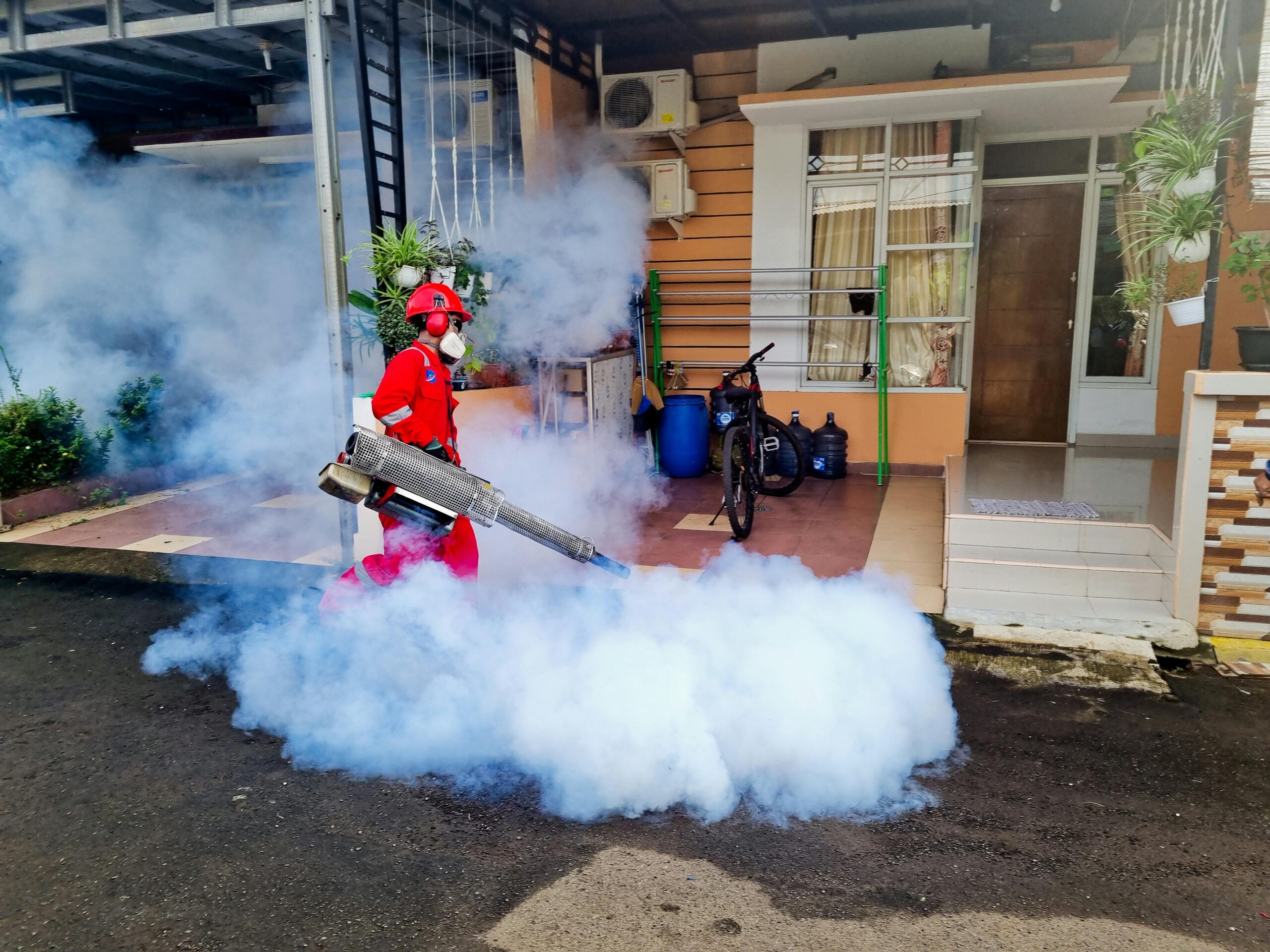
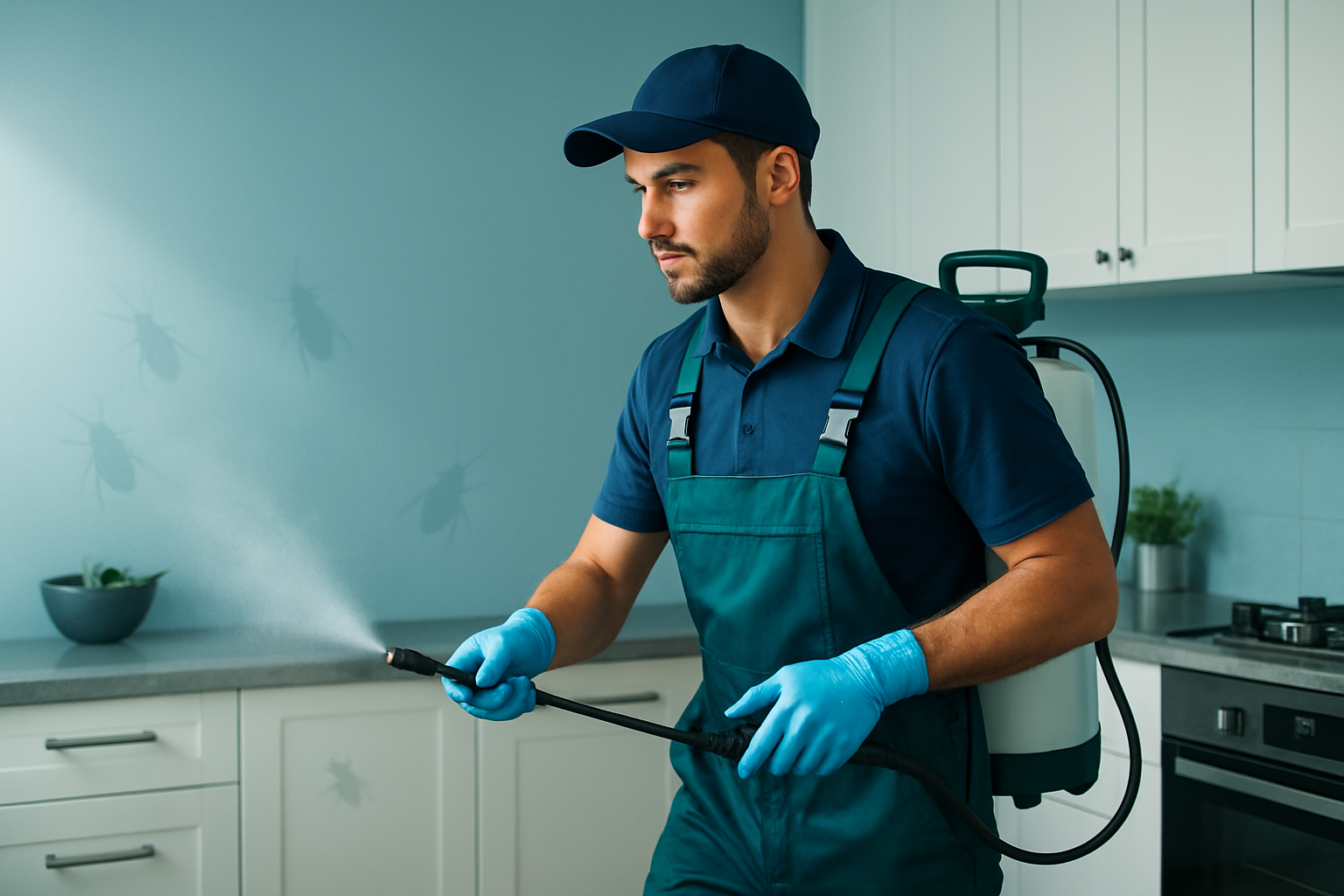
When Anthem Pest’s certified technicians arrive, they follow a proven five‑step process that leaves no stone—or carpet—unturned. First, a thorough inspection identifies adult beetles, larvae, and hidden hotspots along baseboards, under furniture, and inside closets. Next, they apply a low‑odor pyrethroid dust precisely to baseboards and crevices where beetles hide, ensuring the chemical stays where it’s needed without lingering scents. The third step, seal, involves treating entry points and sealing cracks to block future invasions. After treatment, a detailed report is provided, outlining findings, products used, and a customized prevention plan. Finally, technicians educate homeowners on sanitation practices and monitoring techniques, empowering them to keep beetles at bay long after the service ends.
What the professionals actually do
- Apply low‑odor pyrethroid dusts along baseboards and in wall voids, targeting both adult beetles and hidden larvae.
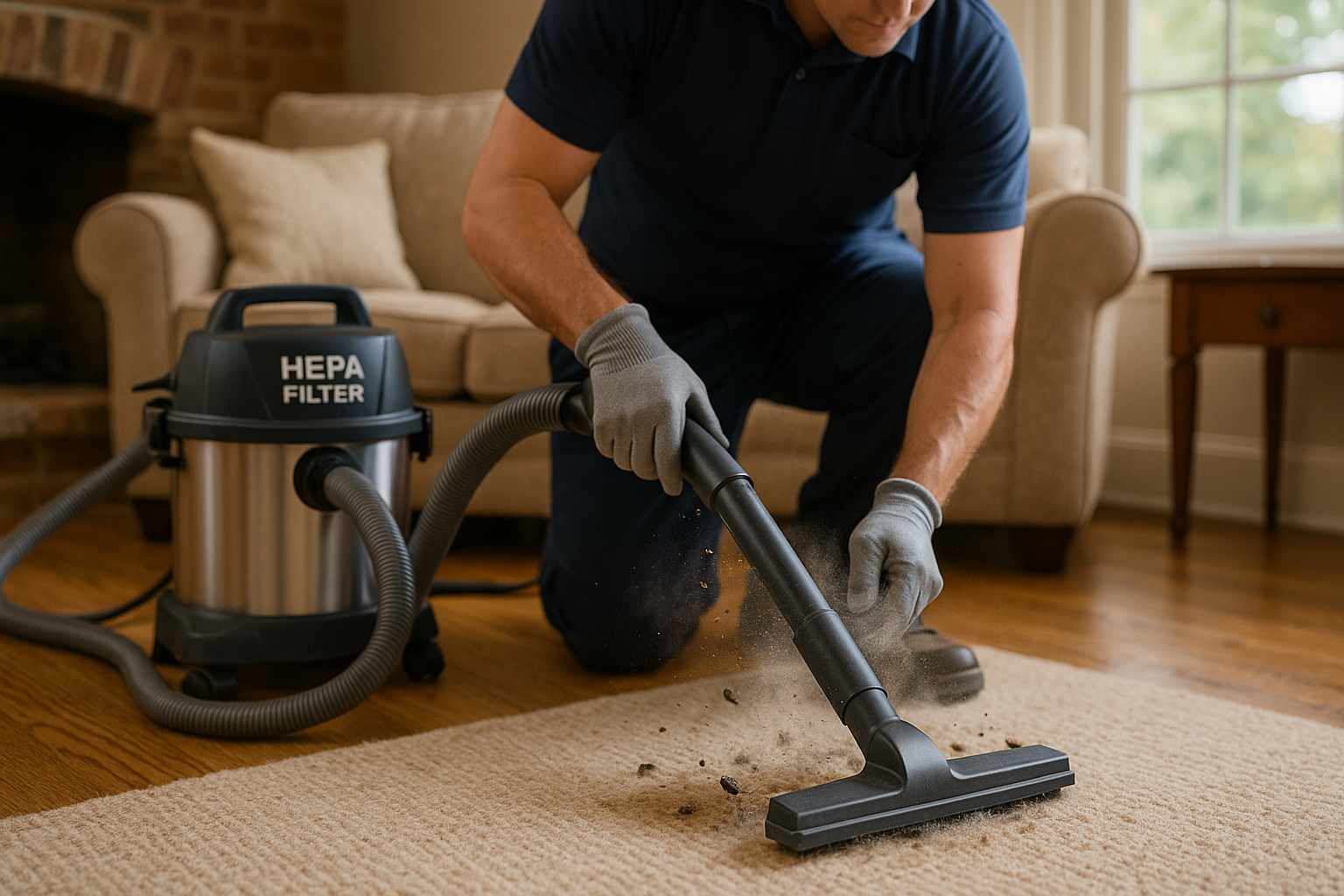
- Perform a HEPA‑vacuum removal of visible adults and shed skins, reducing the immediate population and preventing dust dispersal.
- Implement a residual spray schedule every 3‑4 months, maintaining a protective barrier that remains effective through seasonal beetle spikes.
- Seal gaps around windows, doors, and utility penetrations to eliminate re‑entry points.
- Provide a written after‑visit report and a homeowner education packet covering cleaning routines, storage tips, and early‑warning signs.
DIY alternatives you might be considering
Many homeowners turn to do‑it‑yourself methods because they seem quick and inexpensive. Common approaches include:
- Sprinkling diatomaceous earth on carpets and storage areas—a mechanical insecticide that works by desiccating beetles.
- Running a steam cleaner over upholstery and rugs to kill larvae with heat.
- Using over‑the‑counter insecticidal sprays, often based on pyrethrins, to mist surfaces.
While these tactics can reduce numbers temporarily, they rarely address the hidden life stages or the structural pathways beetles exploit.
According to the National Pest Management Association’s 2023 study, professional carpet‑beetle treatments cut the risk of re‑infestation by 85 % compared with DIY methods alone.
Why safety matters
Anthem Pest’s technicians are trained to handle low‑odor, family‑friendly products that meet EPA safety standards. Because the chemicals are applied directly to baseboards and sealed within cracks, occupants experience minimal exposure—even pets and children are safe during and after treatment. In contrast, DIY sprays often require heavy ventilation and can leave lingering residues on surfaces that children touch daily.
In short, a professional multi‑step approach offers a comprehensive, scientifically backed solution that not only eradicates current beetle populations but also builds a lasting defense. DIY methods may provide a short‑term knock‑down, but they lack the depth, consistency, and safety guarantees that a certified pest‑control team delivers.
How Much Does Carpet Beetle Control Cost in Brookhaven?
For most homeowners in Brookhaven with a modest, 1,500 sq ft house and a light carpet‑beetle infestation, the typical first‑time treatment falls between $150 and $250. This price generally covers a single‑visit inspection, application of a targeted insecticide, and basic preventive advice. The range reflects the cost of the technician’s travel, the product’s commercial grade, and the fact that only a small amount of the property needs treatment.
The basic package usually includes a thorough inspection of all carpeted areas, baseboard skirting, and hidden storage spots, followed by a spray that targets adult beetles and the early‑stage larvae that are most damaging to fabrics and upholstery.
If the infestation is more severe—say, multiple generations of larvae are visible, the house exceeds 2,000 sq ft, or the property requires two to three visits—the average homeowner can expect to pay between $300 and $450. This higher tier accounts for additional labor, larger quantities of pesticide, and any extra steps such as vacuuming, steam‑treating upholstery, or applying a perimeter barrier to prevent re‑entry.
In addition to the extra visits, the higher‑price package often incorporates a “propagation” treatment for the attic and basement, where larvae hide, and a detailed report that outlines how to keep the beetles from re‑establishing after the service.
Several key factors drive the final bill:
- Square footage: Larger homes need more product and longer travel time.
- Infestation severity: Light, isolated spots are cheaper than widespread lar‑sauce.
- Access difficulty: Tight crawl‑space, high‑gain attic, or furniture that requires moving adds labor.
According to Anthem Pest’s own cost page (source 6) and the average rates reported by Angi for the Georgia market (source 7), the figures above reflect the typical range you’ll see in the area. Both sources note that many local providers, including Anthem Pest, offer a free on‑site quote, so you can walk into a neighbor’s driveway and get a written estimate without any pressure.
Editorial note: Before publishing, verify that the 2025 cost statistics from the EPA and the Georgia Department of Agriculture are up‑to‑date, as rates can shift slightly each year.
Daily, Seasonal, and Year‑Round Prevention Tips
Carpet beetles are opportunistic pests that love the quiet corners of a home. The good news? A handful of low‑cost habits can keep them at bay all year long. Below are practical steps you can start today, plus seasonal checks to stay one step ahead.
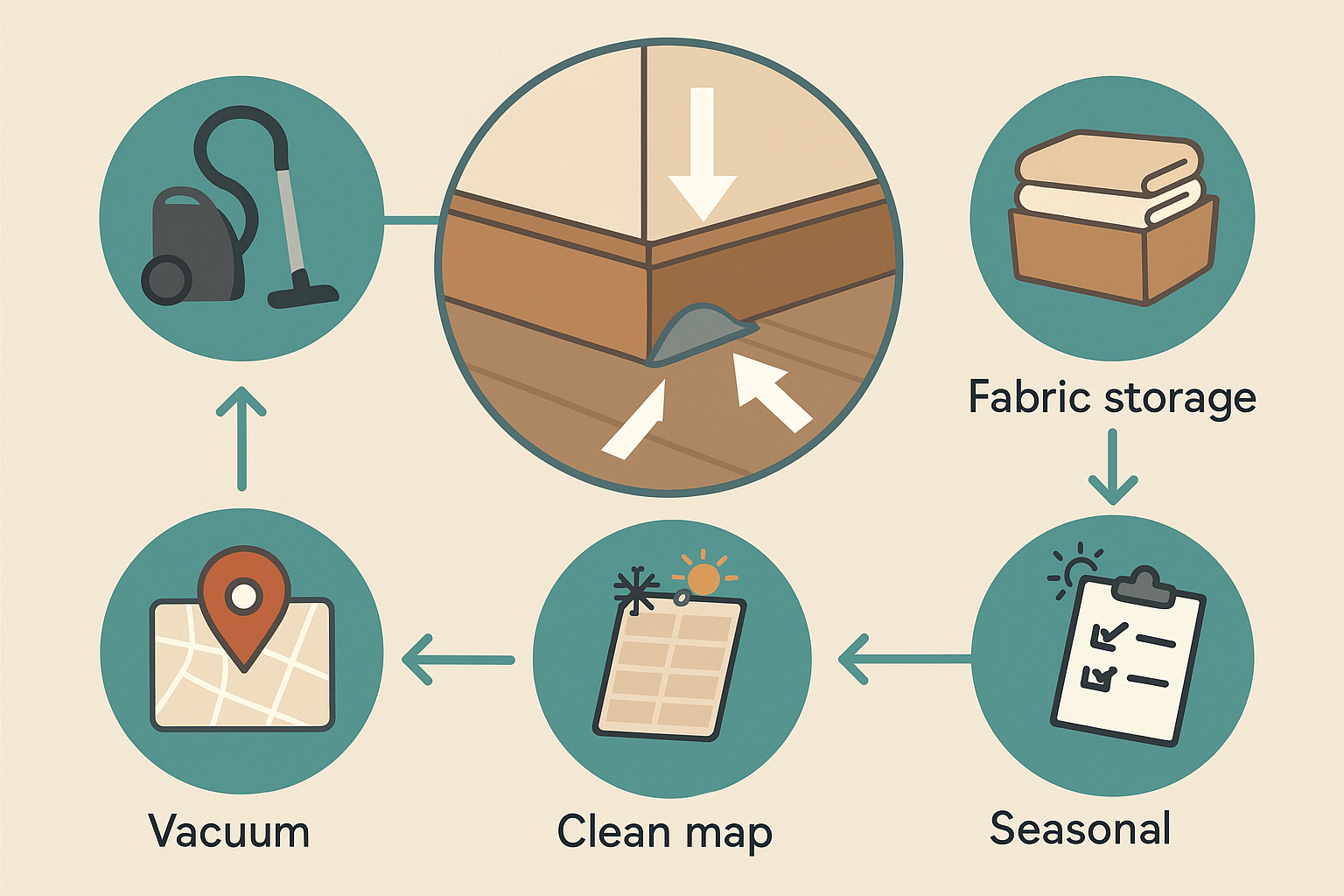
1. Weekly HEPA Vacuuming
Use a vacuum equipped with a HEPA filter to clean rugs, upholstery, and the space beneath furniture at least once a week. The powerful suction removes adult beetles, eggs, and the tiny larvae that feed on natural fibers. After vacuuming, empty the canister or bag into a sealed trash bag and discard it outside the home.
2. Store Vulnerable Fabrics Properly
Wool, fur, and delicate garments are beetle favorites. Transfer them into airtight containers or vacuum‑sealed storage bags. This creates an environment where beetles cannot reach the fibers, and it also protects the items from moisture and dust.
3. Spring and Fall Inspections
Twice a year, give your attic, closets, and baseboards a thorough once‑over. Look for tell‑tale signs: tiny, cigar‑shaped larvae, shed skins, or small holes in fabrics. Spotting an infestation early makes treatment easier and less costly.
4. Manage Outdoor Lighting
Adult carpet beetles are attracted to bright lights at night. Reduce exterior lighting near doors, windows, and vents, or switch to yellow‑tinted bulbs that are less appealing to insects. This simple change cuts down on the number of beetles that even make it to your doorstep.
5. Cedar Blocks or Sachets
Cedar’s natural oils are a mild repellent for beetle larvae. Place cedar blocks or sachets on closet shelves, in drawers, and inside storage bins. Replace them annually to maintain potency.
6. Control Indoor Humidity
Carpet beetle larvae thrive in humid conditions. Keep indoor humidity below 55 % as recommended by the EPA’s indoor air quality guide. A dehumidifier or proper ventilation in basements and crawl spaces can make a noticeable difference.
7. Seal Cracks and Gaps
Every opening around windows, doors, and baseboards is a potential entry point. Apply silicone caulk to seal cracks and gaps. This not only blocks beetles but also improves energy efficiency.
8. Enroll in Quarterly Pest‑Management Programs
Regular monitoring by a professional service, like Anthem Pest Control, adds an extra layer of protection. Quarterly visits include inspections, targeted treatments, and advice tailored to your home’s specific risk factors.
Who to Call in Brookhaven
Smart Solutions
Smart Solutions consistently earns a 4.9‑out of 5 rating from 315 reviews. Their carpet‑beetle program includes a 30‑day warranty on all beetle control services, giving homeowners peace of mind if the pests return shortly after treatment. Call (404) 555‑1234 or visit smartsolutionspest.com for a free quote.
Breda Pest Management
Featured on Angi’s top‑list for Brookhaven, Breda Pest Management offers rapid response and customized treatment plans. Their team is known for thorough inspections and follow‑up visits. Reach them at (404) 555‑6789 or explore options at bredapest.com. Be sure to check their latest Angi and Google ratings before booking.
Centurion Pest Management
Centurion Pest Management provides a full suite of services, from carpet‑beetle eradication to preventive barrier applications. They emphasize eco‑friendly products and detailed homeowner education. Contact the office at (404) 555‑9876 or learn more at centurionpest.com. Their guarantee includes a complimentary re‑treatment if beetles are detected within 60 days.
Arrow Exterminators
Arrow Exterminators specializes in residential pest control with a focus on swift beetle removal and ongoing monitoring. Their technicians are certified and carry a satisfaction guarantee that covers any lingering activity after the initial service. Call (404) 555‑4321 or visit arrowexterminators.com for scheduling.
Anthem Pest
Anthem Pest offers a 100 % satisfaction guarantee on its specialized carpet‑beetle program. The plan includes a thorough inspection, targeted treatment, and a post‑service follow‑up to ensure the infestation is fully resolved. Homeowners can reach Anthem Pest at 877‑371‑8196 or start an online request at anthempest.com. Transparent pricing and a focus on safe, effective solutions make them a reliable choice for Brookhaven families.
Reminder: Always verify the most recent review scores on Angi and Google before selecting a provider, as ratings can change throughout 2024.
Aligning Treatments with EPA Integrated Pest Management Guidelines
The EPA’s Integrated Pest Management (IPM) framework is built on a simple hierarchy that keeps chemicals a last‑resort option. First comes a thorough inspection to identify where beetles are breeding and how they’re entering the home. Next, exclusion measures—sealing cracks, repairing screens, and installing door sweeps—block further access. Mechanical removal follows, using vacuuming, lint rollers, and specialized traps to capture adults and larvae. Only after these steps does the guideline recommend targeted chemical controls, applied in the smallest effective dose and only to the areas that truly need treatment.
Brookhaven professionals embrace this hierarchy by favoring family‑safe, low‑odor products such as pyrethrin‑based sprays or diatomaceous earth formulations. These options meet EPA’s preference for reduced toxicity while still delivering rapid knock‑down of carpet beetle populations.
The EPA’s 2024 IPM fact sheet EPA IPM Fact Sheet, 2024 and the CDC’s 2023 indoor‑pest allergen guidance CDC Indoor Pest Allergen Guidance, 2023 both stress that a well‑executed IPM plan not only protects your home’s structure but also limits exposure to allergens that carpet beetle shed skins and feces can trigger.
Use the quick checklist below to verify that any provider you consider is truly following EPA‑approved IPM practices.
- Conducts a detailed, site‑specific inspection and provides a written report.
- Offers exclusion services (caulking, door sweeps, window screens) as part of the treatment package.
- Uses low‑toxicity, low‑odor chemicals only after non‑chemical steps are completed.
- Supplies a written IPM plan that outlines each step, timing, and follow‑up schedule.
- Provides product safety data sheets (SDS) and can confirm IPM certification or training.
When you speak with a pest‑control professional, ask for their IPM certification, request to see the SDS for any chemicals they intend to apply, and verify that they will document each step of the process. A provider that can check every box on the list is aligning its treatments with EPA’s IPM guidelines, giving you confidence that your carpet‑beetle problem will be solved safely and sustainably.
Protecting Your Home and Belongings
Carpet beetles can silently damage clothing, upholstery, and even the insulation in your attic. Catching the first tell‑tale signs—tiny holes in fabrics, shed skins, or a faint, peppery odor—gives you a huge advantage. When you act quickly, a professional, multi‑step treatment can eradicate the insects before they spread, while simple preventive habits keep new invasions at bay.
Why early detection matters
Spotting an infestation early means you’ll likely need only one targeted application, which saves both time and money. Professional technicians use a combination of inspection, targeted insecticide, and thorough follow‑up to break the beetle life cycle at every stage, from egg to adult.
Cost transparency you can trust
In Brookhaven, a standard carpet‑beetle control package typically falls between $150 and $300 per treatment, depending on the size of the home and the severity of the problem. Anthem Pest is upfront about every charge, so there are no surprise fees after the job is done. This price range includes the initial inspection, a first‑round treatment, and a complimentary follow‑up visit to ensure the pests are truly gone.
Preventive habits for lasting protection
- Vacuum carpets, rugs, and upholstered furniture weekly, and empty the canister outside.
- Store off‑season clothing in sealed plastic containers rather than cardboard boxes.
- Regularly clean and rotate stored blankets, quilts, and pillows.
- Inspect attic insulation and stored items for larvae or adult beetles at least twice a year.
These simple steps, combined with professional monitoring, create a defense line that keeps carpet beetles from returning season after season.
Ready to take the next step? Request a free, no‑obligation quote from Anthem Pest or another trusted local provider. Give us a call at 877‑371‑8196 and our team will schedule a prompt inspection at your convenience.
If you’re ready to safeguard your fabrics, upholstery, and attic, let Anthem Pest’s experienced technicians handle the job—fast, safe, and backed by a 100 % satisfaction guarantee. We’ll protect your home while you enjoy peace of mind.
Visit Anthem Pest Control for more information.