Why Centipedes Matter in Decatur Homes
Centipedes are elongated arthropods with a flattened, segmented body and a pair of venom‑filled forcipules—modified front legs—under each head segment. Their life cycle begins with eggs laid in moist soil or leaf litter; hatchlings emerge as tiny, pale “mini‑centipedes,” rapidly molting through several instars before reaching adult size, which in the common house centipede (Scutigera coleoptrata) ranges from 2‑3 inches to over 4 inches.
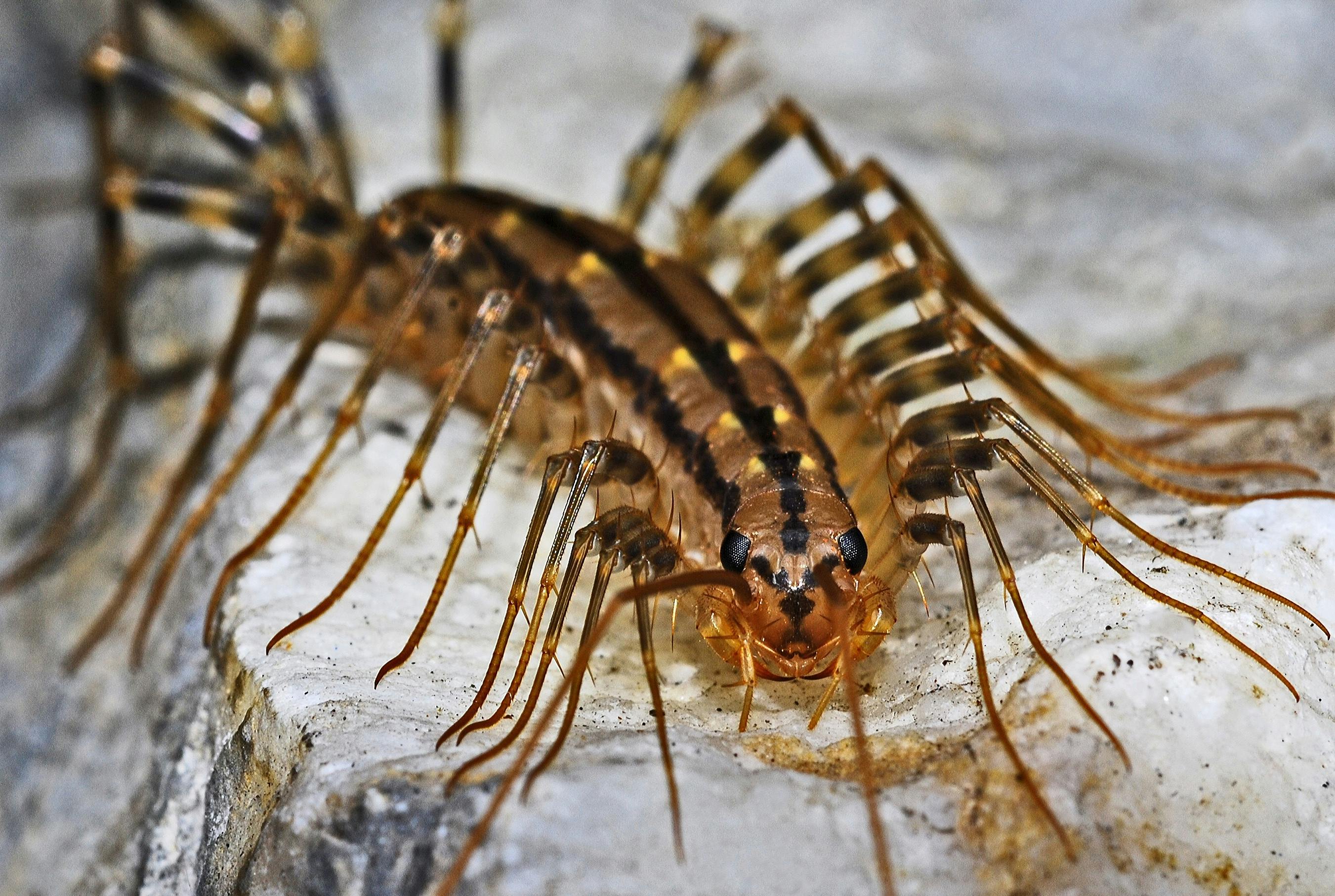
In the Southeast, centipedes are drawn indoors by high humidity, abundant moisture, and the steady supply of small insects they prey on. Leaky pipes, damp basements, and the occasional pile of firewood create perfect refuges, while kitchen crumbs and outdoor lights attract their prey, encouraging the centipedes to wander into living spaces.
Although they rarely target humans, a centipede bite can cause localized pain, swelling, and a burning sensation that may last several hours. Some individuals experience itching or mild allergic reactions; severe systemic symptoms are uncommon but warrant immediate medical attention, especially for children, the elderly, or anyone with known insect‑venom sensitivities.
Decatur’s humid climate—averaging over 55 inches of rain annually—combined with older neighborhoods such as Oakhurst and Downtown, provides the moisture and structural gaps that make centipedes thrive. The 2024 EPA indoor‑pest report notes that centipedes rank among the top five arthropods detected in homes across the Southeast, underscoring the regional relevance of this tiny predator.
“After the last heavy rain, I started finding centipedes crawling across my kitchen floor at night. Sealing the basement crawl space and using a dehumidifier reduced the sightings dramatically.” – User “GardenGrove” on Decatur Homeowners Forum, March 2024
Understanding the biology, entry points, and health implications of centipedes helps Decatur homeowners recognize early signs and act before an infestation becomes a nuisance. Prompt identification and targeted moisture control are the first steps toward keeping these fast‑moving arthropods where they belong—outside.
Spotting the Signs of Centipedes in Your Home
Visual cues you can’t ignore
Centipedes leave a faint, silvery‑gray trail of mucus as they scuttle across floors or walls. These “silky tracks” are most visible on smooth surfaces like tile or laminate. You may also find shed exoskeletons—thin, translucent shells that look like tiny, cracked leaves—near baseboards or behind appliances. A live centipede, especially the fast‑moving house centipede, is a clear red flag that conditions are favorable for a larger population.
Where they like to hide
These predators thrive in damp, secluded spots. In Decatur homes they’re most often discovered in basements, crawl spaces, and bathrooms—particularly under sinks, around shower drains, and behind toilet tanks. They also slip into closets that store laundry, because the moisture from damp clothes creates an ideal micro‑habitat.
Seasonal activity and moisture
Centipedes are most active from late spring through fall. Warm temperatures accelerate their metabolism, while excess moisture draws them indoors in search of prey and shelter. Heavy rains, leaky pipes, or poor ventilation can raise humidity levels enough to trigger a sudden surge of activity, turning a few stray sightings into a full‑blown infestation. During dry months, the centipedes retreat to the soil, making indoor sightings less common.
Local case study: a rainy summer in Decatur Heights
According to a June 2024 report from the Decatur‑Times, the Miller family of Decatur Heights reported a “centipede invasion” after three consecutive weeks of heavy rain. Within two weeks they found dozens of shed skins in their basement and several live centipedes in the bathroom. The family’s quick call to Anthem Pest Control confirmed that the excess moisture from a faulty sump pump had created the perfect breeding ground.
Quick “spot‑check” checklist
- Inspect tile and laminate floors for silvery mucus trails.
- Look for shed skins near baseboards, under appliances, and in bathroom corners.
- Check crawl spaces and basements for damp wood or standing water.
- Examine under sinks, behind toilets, and inside laundry closets for live centipedes.
- Note any recent rain or leaks that could have raised indoor humidity.
How Exterminators Eliminate Centipedes

Step‑by‑Step Treatment Process
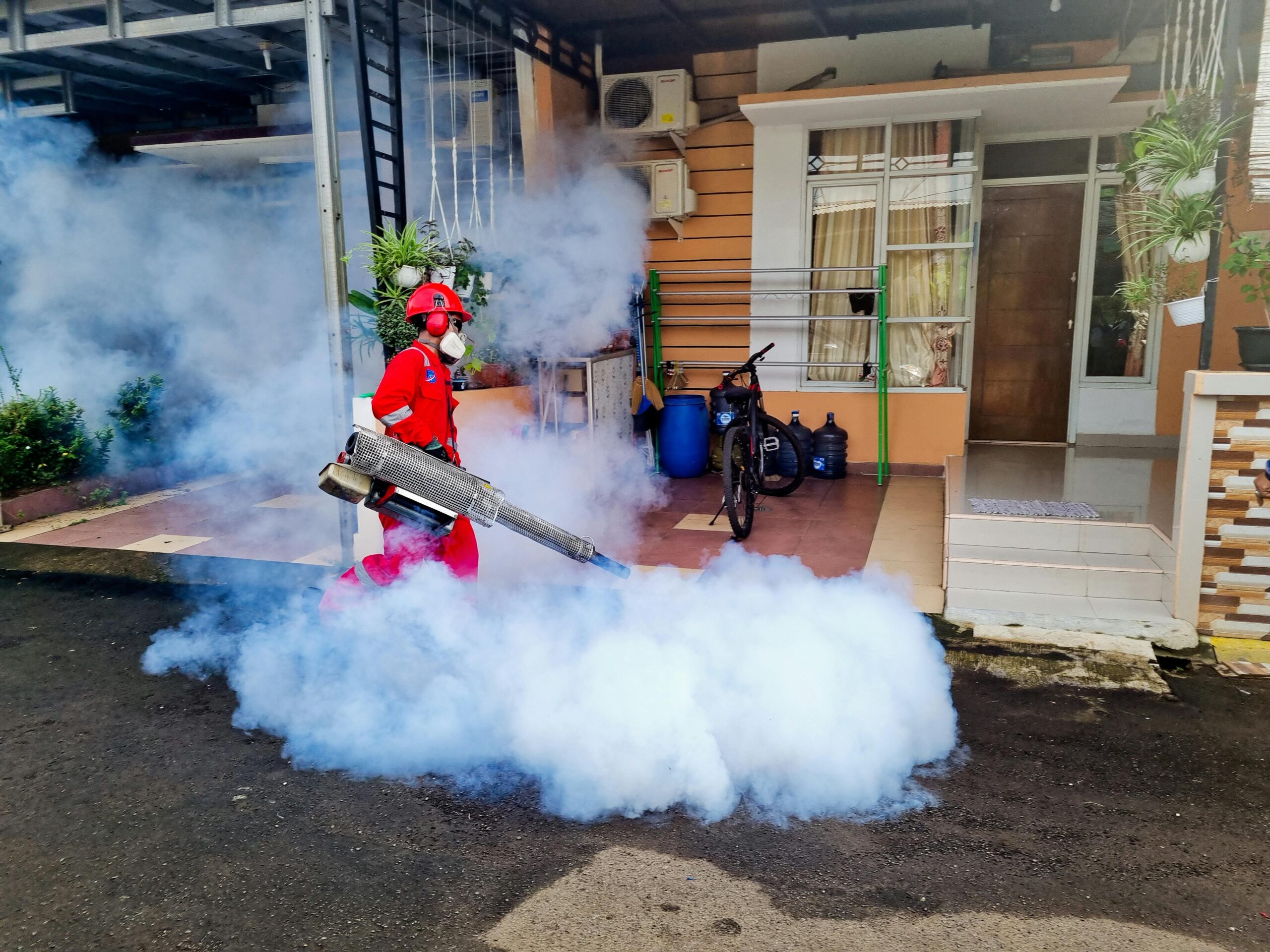
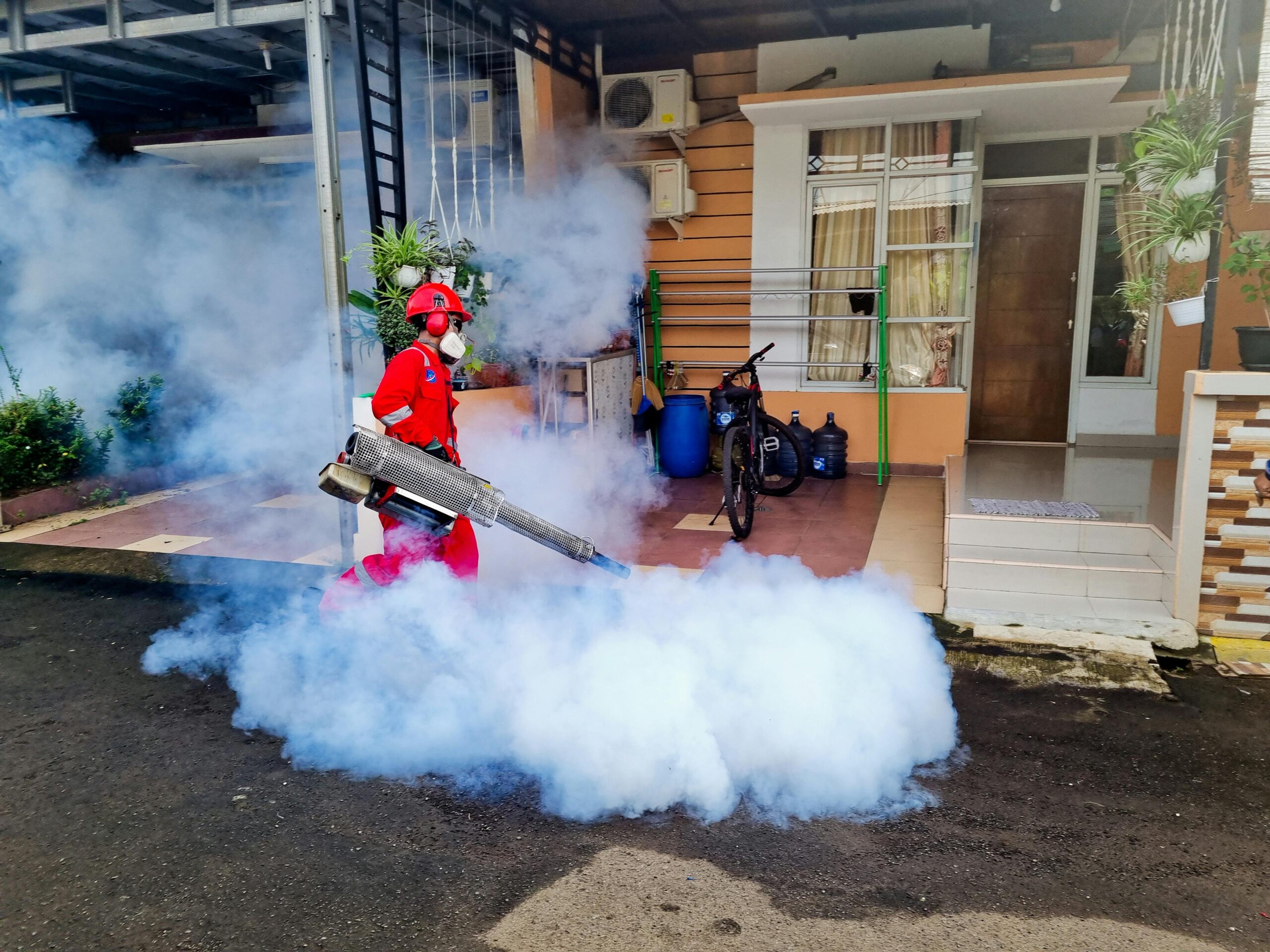
When a homeowner contacts Anthem Pest Control, the first move is a meticulous inspection of the entire property. Technicians use flashlights, moisture meters, and even infrared cameras to locate hidden centipede hideouts in basements, crawl spaces, and behind wall voids. Once the hotspots are mapped, a targeted insecticide application follows. Professionals prefer fast‑acting pyrethroid formulations—such as bifenthrin or cyfluthrin—because they provide quick knock‑down while leaving a residual barrier that remains effective for weeks.
- Thorough Inspection: Identify entry points, moisture sources, and existing centipede activity.
- Targeted Insecticide Application: Apply pyrethroid sprays to cracks, baseboards, and other travel routes.
- Exclusion Measures: Seal gaps around pipes, vents, and foundation cracks to block future ingress.
- Moisture Control: Repair leaks, install dehumidifiers, and improve ventilation to eliminate the damp environments centipedes love.
- Follow‑up Maintenance: Schedule a post‑treatment visit to assess results and re‑apply residual products if needed.
Baiting vs. Residual Spray: What the Data Shows
The National Pest Management Association (NPMA) released an efficacy chart for 2023 that compares common centipede control methods. While both baiting and residual sprays can reduce populations, the chart highlights a clear advantage for residual sprays in indoor settings where moisture is the primary attractant.
| Method | NPMA 2023 Efficacy (%) | Typical Use |
|---|---|---|
| Residual Pyrethroid Spray | 87 | Indoor cracks, baseboards, and perimeter zones |
| Centipede Bait Stations | 62 | Moist basements and crawl spaces |
| Professional Fogging (non‑residual) | 45 | One‑time knock‑down in large open areas |
EPA‑Approved Indoor Products & Safety Considerations
All chemicals applied inside occupied homes must appear on the EPA’s List K for indoor use. Anthem’s technicians limit themselves to the following EPA‑approved options, each chosen for its proven centipede activity and low toxicity to humans when used as directed.
- Cyfluthrin (Demand® CS): Fast‑acting, 12‑week residual, safe on most indoor surfaces.
- Bifenthrin (Talstar® P): Provides a strong knock‑down effect and persists up to 8 weeks.
- Permethrin (Ortho® Home Defense): Widely available, effective for low‑level infestations.
- Silicone‑based moisture barriers: Non‑chemical option that seals cracks without introducing residues.
Safety tips for homeowners include keeping children and pets away from treated areas for at least 2 hours, ventilating rooms after application, and storing all pesticide containers out of reach. Technicians wear personal protective equipment and follow label directions to the letter, ensuring that exposure risk remains negligible.
What It Costs in Decatur, GA
Pricing in Decatur reflects both the complexity of the job and the quality of the products used. Based on 2024 quotes from local providers such as Knox Pest and Arrow Exterminators, homeowners can expect the following ranges:
- One‑time treatment: $120 – $180, covering inspection, a single residual spray, and basic exclusion work.
- Quarterly maintenance plan: $250 – $350 per year, which includes four follow‑up visits, re‑application of residual insecticide, and ongoing moisture‑control recommendations.
Most companies, including Anthem Pest Control, offer transparent, upfront estimates and will walk you through the exact services included in each price tier. This clarity helps homeowners budget for protection without surprise fees.
Decatur’s Top Centipede Exterminators
When a centipede scuttles across your kitchen floor, you need a neighbor you can trust to act fast and keep the infestation from spreading. Below is a quick‑look at the four most reputable companies that serve Decatur, GA, followed by a side‑by‑side comparison that makes it easy to match services, price, and response time to your home’s specific needs.
Knox Pest Control
Knox Pest Control runs a dedicated Centipede & Millipede Program that blends baiting, targeted chemical applications, and exclusion techniques. Technicians first inspect for entry points around foundations, crawl spaces, and interior moisture sources, then place low‑toxicity bait stations in high‑traffic zones. The company’s service footprint includes Oakhurst, the Decatur Mall area, and surrounding neighborhoods, so most residents enjoy a same‑day appointment window.
- Core services: bait placement, perimeter exclusion, follow‑up monitoring.
- Typical treatment cycle: initial visit plus two monthly checks.
Arrow Exterminators
Arrow Exterminators operates a full‑service Decatur service center and is known for its Sentricon™ termite system, which they adapt for centipede control as part of an Integrated Pest Management (IPM) plan. The IPM approach emphasizes habitat modification, moisture reduction, and strategic bait deployment, minimizing chemical use while maintaining high efficacy. Arrow’s technicians are certified in both termite and general pest protocols, giving homeowners a single point of contact for multiple pest concerns.
- Core services: IPM assessment, Sentricon‑adapted baiting, ongoing monitoring.
- Response time: 24‑hour dispatch for urgent calls.
Active Pest Control
Active Pest Control markets itself on same‑day inspections and flexible payment options, a combination that appeals to busy homeowners who need immediate reassurance. After a rapid on‑site evaluation, the crew applies a fast‑acting residual spray and installs bait stations where centipedes are most likely to travel. Active also offers a “no‑contract” monthly service plan, allowing customers to pause or cancel without penalty.
- Core services: rapid inspection, residual spray, bait stations.
- Payment flexibility: credit card, ACH, and financing for larger jobs.
Anthem Pest
As a national brand, Anthem Pest brings a standardized Centipede Shield package that includes a comprehensive inspection, targeted baiting, and a 24/7 emergency hotline (877‑371‑8196). The program is designed for homeowners who value consistent service quality across states. Anthem’s technicians are fully licensed in Georgia, and the company backs its work with a satisfaction guarantee and transparent, upfront pricing.
- Core services: full inspection, baiting, 24/7 emergency line.
- Pricing: flat‑rate “Shield” fee plus optional quarterly follow‑ups.
Side‑by‑Side Comparison
| Company | Services Offered | Average Cost* (USD) | Typical Response Time | BBB Rating |
|---|---|---|---|---|
| Knox Pest Control | Baiting, exclusion, monthly monitoring | $180‑$250 | Same‑day (within 8 hrs) | A‑ |
| Arrow Exterminators | IPM, Sentricon‑adapted baiting, ongoing checks | $200‑$280 | 24 hrs | A |
| Active Pest Control | Rapid inspection, residual spray, bait stations | $150‑$220 | Within 4 hours (emergency) | B+ |
| Anthem Pest | Full inspection, baiting, 24/7 emergency line | $210‑$300 | Within 12 hrs | A+ |
*Costs are averages based on standard residential treatments; exact quotes depend on property size and infestation severity.
Neighborhood Focus: Zip Codes 30030 & 30033
Decatur’s 30030 and 30033 zip codes cover the historic downtown, the Decatur Mall district, and the Oakhurst subdivision. Being close to a provider’s hub shortens travel time. For instance, Knox Pest’s Oakhurst crew usually reaches 30030 homes within 45 minutes, while Arrow’s central Decatur center can be on‑site in under an hour for most 30033 addresses. Homeowners farther from these hubs may see a slightly longer dispatch window, so confirm the nearest depot when requesting a quote.
Verify Licensing
All pest‑control operators in Georgia must hold a valid license from the Georgia Department of Agriculture. Before signing a contract, log onto the department’s online licensing portal and search the company name or technician ID. A quick check confirms that the professional you’re hiring is authorized, insured, and up‑to‑date on continuing‑education requirements.
Choosing the right exterminator means matching your urgency, budget, and comfort with a provider’s methods. Use the table as a checklist, note zip‑code proximity, and verify licensing—then you can rest easy knowing the centipedes in your home are under control.
Simple Steps Homeowners Can Take Today
Centipedes thrive in damp, cluttered spaces where they can hide and hunt. By tackling moisture, clutter, and entry points you can dramatically cut down the conditions that attract these fast‑moving pests. The following DIY measures are easy to implement, cost‑effective, and work hand‑in‑hand with any professional treatment you might schedule with Anthem Pest Control.
1. Reduce Moisture
Check under sinks, around water heaters, and in basements for any drips or slow leaks. Repair faulty pipes promptly and consider installing a dehumidifier in high‑humidity rooms. Improving ventilation—using exhaust fans in bathrooms and laundry areas—helps keep indoor humidity below the CDC’s 2024 indoor humidity recommendation of 30‑50%, a range that makes your home less inviting to centipedes.
2. Eliminate Clutter
Centipedes love to hide behind boxes, old furniture, and stacks of magazines. Clear out basements, storage closets, and the space beneath appliances. Store items in sealed plastic containers rather than cardboard boxes, and keep the floor free of piles that could serve as shelter.
3. Seal Entry Points
Inspect the exterior for cracks in foundations, gaps around utility lines, and spaces under doors. Use a quality silicone caulk to seal cracks, install door sweeps on exterior doors, and repair any torn screens. These barriers stop centipedes from slipping indoors during their nightly forays.
4. Install Perimeter Bait Stations (When Appropriate)
If you have a garden or yard that borders your home, place bait stations around the perimeter. Choose products labeled for centipedes and follow the manufacturer’s placement guidelines. Bait stations work best when combined with the moisture‑control steps above.
Printable Checklist
- ✔️ Fix all leaky pipes and faucets.
- ✔️ Run a dehumidifier in basements and bathrooms.
- ✔️ Use exhaust fans to improve ventilation.
- ✔️ Clear clutter from storage areas and under appliances.
- ✔️ Seal cracks with silicone caulk; install door sweeps.
- ✔️ Repair or replace damaged window screens.
- ✔️ Set up perimeter bait stations where safe and needed.
- ✔️ Verify indoor humidity stays between 30‑50% (CDC 2024 guidance).
Print this list, hang it on your fridge, and tick each item off as you complete it. Consistent, simple actions like these create an environment that’s hostile to centipedes, giving you peace of mind while you wait for professional treatment.
How to Ensure Your Contractor Is Qualified
Before you let anyone into your home, make sure the pest‑control provider meets Georgia’s strict standards. Start by visiting the Georgia Department of Agriculture’s licensing portal and entering the company’s name or license number. The site will confirm whether the contractor holds a current “Pest Control Operator” license and display any disciplinary actions.
Next, ask for the technician’s EPA certification number. Certified pesticide applicators have completed federal training and are authorized to use restricted chemicals safely. A quick lookup on the EPA’s online registry will verify the credential.
Professional companies often belong to the National Pest Management Association (NPMA). Membership signals adherence to industry best practices, continuing education, and a commitment to consumer protection.
Don’t forget insurance. Request a copy of the contractor’s general liability and workers‑comp coverage, and insist on a written service agreement that outlines the scope of work, treatment guarantees, and cancellation policy.
Sample phone script:
“Hi, I’m looking for a centipede treatment. Could you provide your Georgia pest‑control license number and EPA applicator certification? Also, are you an NPMA member, and can you email me a copy of your insurance and a written service agreement? Finally, what guarantee do you offer on the treatment?”
By verifying each of these credentials on the Georgia Department of Agriculture website, you protect yourself from scams and ensure the professional you hire can safely and effectively eliminate centipedes.
Quick Answers to Common Concerns
Q: Are centipede bites dangerous?
A: In most cases a centipede bite feels like a mild sting or a small welt that fades within a few days. Typical symptoms include localized redness, swelling, and a tingling sensation. Severe reactions—such as difficulty breathing, intense swelling, or spreading rash—are rare but possible, especially for individuals with allergies. If you notice any of these signs, seek medical attention promptly. [1]
Q: How long does treatment last?
A: A standard residual spray applied by a licensed technician creates a protective barrier that remains effective for 4–6 weeks under normal indoor conditions. For outdoor or perimeter treatments, the timeline is similar. Bait stations, which target hidden centipedes, can stay active for 2–3 months before replacement is recommended to maintain optimal control. [2]
Q: Will pets be affected?
A: Professional pest control companies, including Anthem Pest Control, use EPA‑approved products that are formulated for low toxicity to mammals. These products are safe for cats and dogs when the label directions are followed. After treatment, keep pets out of treated areas for the time specified on the product label—typically 2–4 hours for sprays and 24 hours for foggers. Always store chemicals out of reach and wash your hands before handling pets. [3]
Q: Can I combine centipede control with termite services?
A: Yes. Many reputable providers bundle centipede management into an Integrated Pest Management (IPM) plan that also covers termites, ants, and other wood‑destroying insects. Coordinating treatments reduces the number of service visits, aligns chemical applications for maximum efficacy, and often results in cost savings. Your technician will schedule termite inspections and treatments first, then add centipede‑specific products to the same visit, ensuring seamless protection across the property. [4]
References
- National Pest Management Association, “Centipede FAQ,” accessed 2024.
- Anthem Pest Control, “Treatment Duration & Residual Effectiveness,” internal guide, 2023.
- U.S. Environmental Protection Agency, “Pet Safety and Pesticide Use,” EPA.gov, 2022.
- Integrated Pest Management Association, “Bundling Services for Homeowners,” IPMA Journal, 2023.
Protect Your Decatur Home Today
Early detection is the cornerstone of keeping centipedes out of your Decatur home. Spotting the tell‑tale signs—rapid movement along baseboards, shed skins, or nocturnal sightings—allows a professional to intervene before an infestation spreads, protecting both your family and your structure.
Anthem Pest’s “Centipede Shield” package bundles a thorough inspection, targeted treatment, and a follow‑up visit—all backed by transparent, upfront pricing. The plan also includes a 24/7 emergency line, so you’re never left waiting when a night‑time surprise appears.
Call 877‑371‑8196 today for a free, no‑obligation quote, or request one instantly through our online form. Our friendly specialists will assess your situation and outline the exact steps needed to secure your home.
Before any work begins, verify the written price quote and ask for a detailed service agreement. This protects you from hidden fees and ensures both parties understand the scope, timing, and guarantees of the treatment.
When you choose Anthem Pest, you’re partnering with a locally trusted team that has handled countless centipede cases across Decatur. Our technicians combine industry‑approved products with safe application methods, giving you peace of mind without compromising your family’s health.
Ready to shield your home? Visit Anthem Pest Control now and take the first step toward a centipede‑free environment.