Why Milliwedes Matter in Decatur
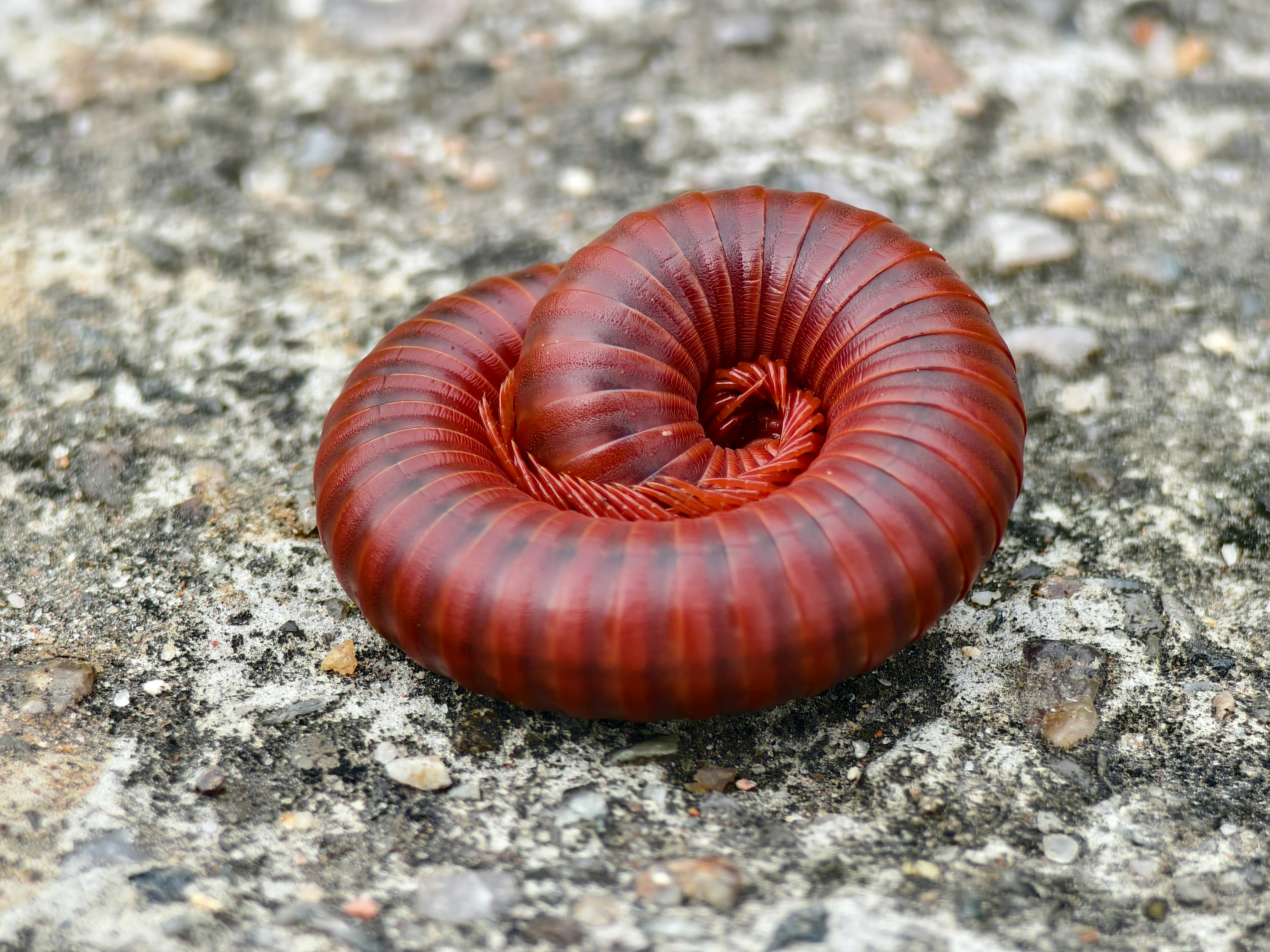
Milliwedes, often confused with centipedes, are elongated, many‑legged arthropods that feed on decaying plant material. In the home they are generally harmless— they don’t bite, sting, or damage structures—but their presence can tell a homeowner a lot about the environment inside and around the house.
Georgia’s humid climate creates the perfect backdrop for milliwedes. When moisture levels rise, especially after a heavy rainstorm, the soil and leaf litter become saturated, prompting these creatures to seek drier refuge inside basements, crawl spaces, and foundation cracks. In other words, a sudden milliwede sighting often points to excess moisture that could also invite mold, termites, or wood‑rot fungi.
According to the National Oceanic and Atmospheric Administration, Georgia ranks among the top 5 states for annual rainfall, averaging 50‑55 inches per year. That steady influx of water keeps the ground perpetually damp, especially in low‑lying neighborhoods like Decatur where drainage can be slow.
During the rainy season, saturated soil pushes milliwedes upward through foundation cracks and utility openings. Homeowners often see them near doorways, windowsills, or exterior walls—clear signs water is entering where it shouldn’t. Fixing these gaps early stops the insects before they become a nuisance.
Locally, Decatur experiences a pronounced rain‑driven surge in milliwede activity each spring and early summer. The combination of warming temperatures and frequent thunderstorms creates a seasonal “window” when the insects emerge in large numbers, often crawling across patios, windowsills, or even entering homes through tiny openings.
Because milliwedes are essentially nature’s moisture alarm, a spike in their numbers should prompt a closer look at your property’s water management. Identifying the source—whether it’s a leaky pipe, poor grading, or inadequate ventilation—can prevent more serious infestations down the line. That’s where a professional millipede inspection becomes valuable: a trained technician can pinpoint hidden moisture problems, recommend corrective steps, and, if needed, apply safe treatments to keep your home comfortable and pest‑free.
What Milliwedes Are and How They Behave
Taxonomy and Basic Anatomy
Milliwedes belong to the class Diplopoda, order Polydesmida. Their name comes from the Greek “milli” (thousand) and “pous” (foot), even though most species have between 200 and 400 legs. The body is divided into dozens of ring‑like segments, each bearing two pairs of legs after the first few “head” segments. A hard exoskeleton protects them, and tiny eyespots on the head help them navigate in low light.
Life Cycle
In Georgia the cycle begins when a female lays clusters of 30‑80 eggs in moist soil or leaf litter. After two to three weeks the eggs hatch into miniature juveniles that already have a few leg pairs. They molt up to 12 times, adding more segments and legs with each stage. Adults emerge in late spring and can live 2‑4 years, reproducing through the warm months of May through September. The breeding season aligns with the region’s rainy periods, which provide the humidity needed for egg development.
Behavior Patterns
Milliwedes are strictly nocturnal; they stay hidden during daylight and become active after sunset. Their primary attraction is moisture, so they gravitate toward damp basements, crawl spaces, and any cracks that let rain seep in. Mulch, garden beds, and leaf litter near a home’s foundation act as highways, allowing them to move inside through tiny gaps around pipes or siding. When conditions become too dry, they retreat to deeper soil layers, but a sudden wet spell can drive large numbers into homes in search of shelter. They also release a mild defensive secretion when disturbed, which is harmless to humans but can be a nuisance.
Real‑World Example from Decatur
In April 2024 a homeowner in the Avondale neighborhood reported a “millipede invasion” after a three‑inch rainstorm. Within 24 hours, dozens of milliwedes were found crawling across the kitchen floor and in the basement. The homeowner later learned that the storm had saturated the mulch beds and created a temporary pool of water behind the foundation wall, prompting the insects to seek drier ground inside the house.
When treatment is necessary, Anthem Pest Control recommends products that appear on the EPA‑approved pesticide list. These formulations are vetted for human safety and environmental impact, ensuring that any control measures protect both your family and the surrounding ecosystem. We also prioritize low‑odor, low‑toxicity options that comply with Georgia’s state regulations.
Step‑by‑Step: The Milliwede Inspection Process
When a milliwede invasion threatens your Decatur home, a thorough inspection is the first line of defense. Anthem Pest’s technicians follow a proven, systematic approach that uncovers hidden entryways, moisture sources, and breeding sites—all within a single 1‑2 hour visit. Understanding each phase helps you feel confident that nothing is left to chance.
Initial Yard Assessment
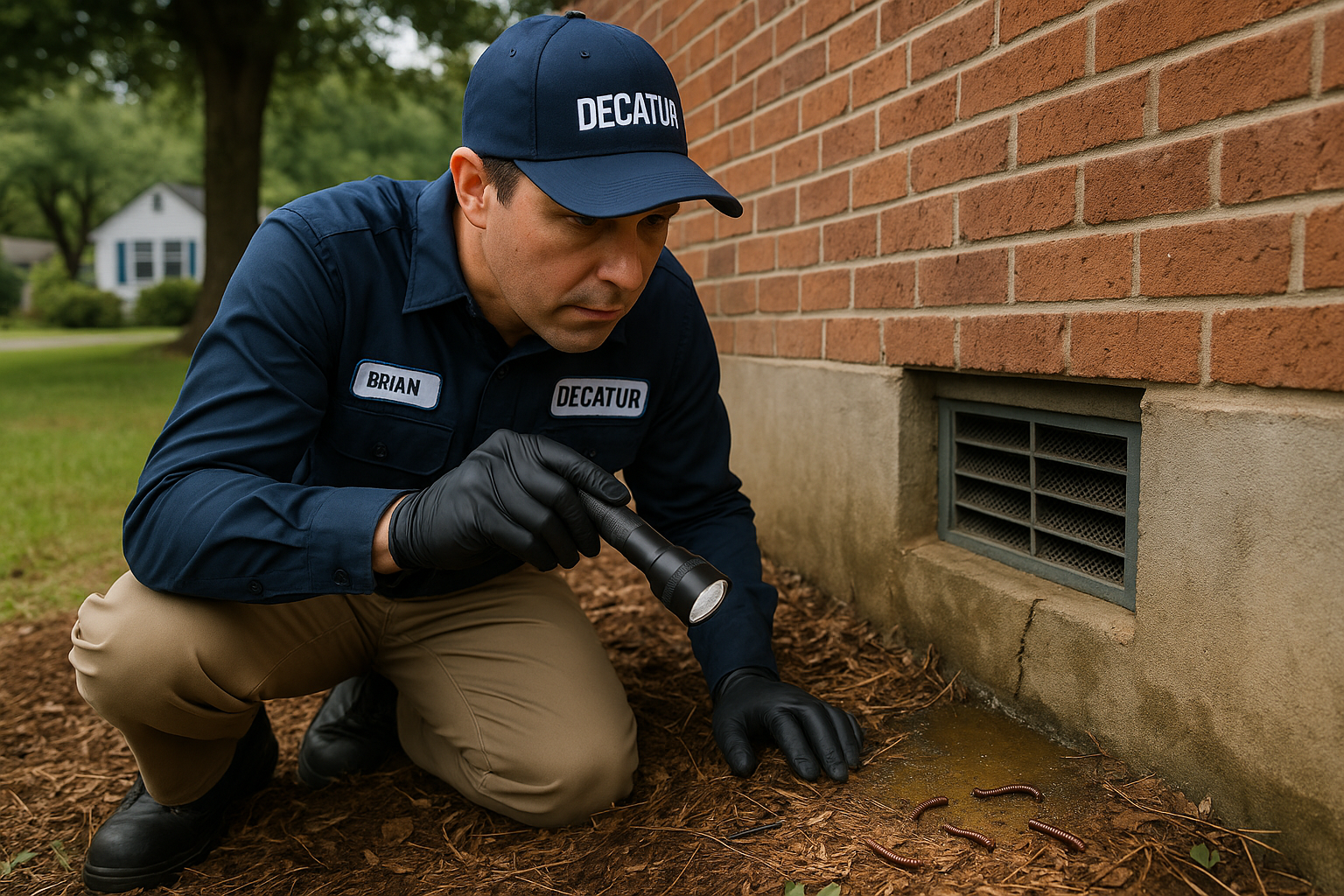
The inspection begins outside, where most milliwedes first appear. A technician walks the perimeter, paying close attention to mulch beds, decorative planters, and any organic material that can hold moisture. They look for:
- Excessive dampness in shaded corners or under patio stones.
- Decomposing leaves, wood chips, or garden waste that serve as food.
- Improper grading that directs rain toward the foundation.
Spotting a moisture hotspot early can prevent milliwedes from migrating indoors, especially after a heavy rain. In Decatur’s humid climate, even a small patch of soggy mulch can become a night‑time highway for thousands of tiny crawlers.
Entry Point Identification
After the yard, the technician turns attention to the home’s envelope. Every crack, gap, or poorly sealed opening is a potential gateway. The focus areas include foundation cracks, door sweeps, window seals, and roof eaves. A real‑world example from Decatur‑Eastside illustrates why this step matters: after a severe thunderstorm, a single hairline crack in a basement wall let thousands of milliwedes pour in, overwhelming the family within 48 hours.
During the inspection, the technician:
- Uses a flashlight and moisture meter to locate hidden fissures.
- Checks door sweeps for wear and ensures windows close tightly.
- Inspects roof eaves and soffits, where rain can drip onto the foundation.
Documenting each opening allows Anthem Pest to recommend precise sealing solutions, cutting off the insects’ preferred route.
Habitat Review
Even with all entry points sealed, milliwedes will thrive if the environment inside the home remains hospitable. The technician conducts a habitat review, searching for standing water, organic debris, and leaky gutters that keep humidity levels high.
Key observations include:
- Basement corners where condensation gathers on concrete walls.
- Kitchen or bathroom cabinets storing damp towels or food scraps.
- Gutter overflow that drips onto the foundation, creating a perpetual damp zone.
Improper drainage is the silent driver of infestations. When water pools near the foundation, it seeps into cracks, raising indoor humidity and inviting milliwedes to set up camp. Identifying these conditions lets homeowners take corrective action—such as re‑grading the landscape or fixing a gutter—before the next storm.
Report & Treatment Plan
At the end of the walkthrough, the technician compiles a detailed report. This document outlines:
- All observed moisture sources and entry points.
- Specific locations where milliwedes were found or likely to congregate.
- Recommended structural repairs, such as sealing foundation cracks or installing door sweeps.
- Suggested environmental controls, including a de‑humidifier for basements that stay above 60 % relative humidity.
- A customized barrier application—typically a perimeter treatment that repels milliwedes from crossing into the home.
The report is presented in plain language, so you know exactly what needs fixing and why. Anthem Pest also provides a transparent cost estimate, ensuring there are no surprise fees.
Average inspection duration: 1‑2 hours. This timeframe allows a comprehensive evaluation without unnecessary disruption to your daily routine.
Red Flags That Mean It’s Time for a Pro
Even the most diligent DIYer can miss a tell‑tale sign that a millipede problem has moved beyond simple sealing and cleaning. Below are the red‑flag conditions that should trigger an immediate call to a licensed pest‑control professional.
More than 50 millipedes in a single room
If you count upwards of fifty millipedes crawling across a floor, countertop, or inside a closet, the infestation has likely established a hidden breeding site. At that density, DIY methods such as vacuuming or spot‑treating will only provide temporary relief while the colony continues to expand.
Visible defensive secretions causing skin irritation
Many millipedes release a liquid from their pores when threatened. This secretion can contain chemicals that irritate skin, eyes, or respiratory passages. When you or family members notice itching, redness, or a mild rash after contact, the CDC flags this as a health‑concern that warrants professional intervention.
Repeated invasions despite DIY sealing
Homeowners often start by caulking cracks, installing door sweeps, and reducing moisture. If you find millipedes reappearing week after week despite those efforts, it indicates that entry points remain hidden or that an internal source—like decaying wood or leaf litter in a crawl space—needs specialized treatment.
Seasonal spikes after the first major rain of summer
Rainfall drives millipedes out of the soil and into homes seeking dry shelter. A sudden surge right after the first heavy summer storm is a classic seasonal pattern. When the spike persists for more than a few days, it suggests the outdoor population is overwhelming your home’s natural barriers.
Typical cost of a professional millipede barrier treatment ranges from $150 to $300. This price usually covers a thorough inspection, targeted perimeter applications, and a follow‑up visit to confirm the barrier’s effectiveness. Prices may vary slightly based on square footage and the severity of the infestation, but reputable companies like Anthem Pest Control keep the quote transparent and upfront.
What to expect when you contact a pro: A reputable service will respond within 24 hours to schedule an on‑site assessment. During the visit, the technician will identify entry points, discuss any health concerns, and provide a detailed written estimate before any work begins. After treatment, most companies offer a warranty period during which they will return at no extra charge if millipedes reappear.
Local Experts Who Can Eliminate Milliwedes Fast
Choosing a pest‑control company that knows Decatur inside and out can be the difference between a quick fix and a lingering infestation. Local expertise means technicians understand the unique soil composition, humidity patterns, and neighborhood landscaping that attract milliwedes. It also guarantees faster response times, pricing that reflects the area’s cost of living, and treatment plans that fit the rhythm of your community. Below is a quick comparison of the four most trusted providers serving Decatur homeowners.
| Provider | Key Service | Decatur‑Specific Advantage | Approx. Price* |
|---|---|---|---|
| Anthem Pest | 24‑hour emergency response & EPA‑approved barrier | Decatur‑specific pricing and local technician network | $120‑$180 per treatment |
| Smart Solutions | Moisture‑reduction program with natural repellents | 17‑year track record in Decatur neighborhoods | $100‑$160 per treatment |
| Arrow Exterminators | Integrated pest‑management (IPM) & Sentricon termite system | Comprehensive service packages for multi‑pest homes | $130‑$190 per treatment |
| PestNation | Drone roof inspections + yearly contract option | High‑tech diagnostics for hard‑to‑reach entry points | $115‑$175 per treatment |
Neighborhood Success Stories
Homeowners across Decatur have already seen measurable results from these providers. In Avondale, Anthem Pest’s rapid‑response barrier treatment halted a sudden milliwede surge within 48 hours, protecting both historic homes and newer townhouses. Over in Decatur Heights, Smart Solutions paired moisture‑reduction landscaping with botanical repellents, cutting indoor sightings by more than 80 percent after a single season. Oakhurst residents who chose Arrow Exterminators praised the company’s integrated approach, noting that the same visit that addressed milliwedes also included termite monitoring and ant prevention—an all‑in‑one peace of mind.
Why Anthem’s Barrier Treatment Stands Out
Anthem Pest’s flagship offering is the EPA‑approved barrier spray, a thin yet resilient film applied around the home’s foundation, crawl spaces, and exterior walls. The formulation contains a low‑toxicity insect growth regulator (IGR) that interferes with milliwede molting cycles, effectively stopping the colony before it can establish a foothold inside. Because the barrier is designed for the specific soil pH and moisture levels found in Decatur, it adheres longer than generic products, often remaining effective for up to six months with minimal re‑application.
During the initial visit, a certified technician conducts a thorough perimeter inspection, identifying high‑traffic entry points such as cracked siding, utility openings, and landscape mulch beds. The barrier is then applied using a low‑pressure sprayer that ensures even coverage without over‑saturating the soil—a crucial step in preventing runoff and protecting nearby gardens. Homeowners receive a detailed map of treated zones, so they can see exactly where the protection lies and understand any future maintenance needs.
One of the most reassuring aspects of Anthem’s service is the 24‑hour emergency line. Milliwedes tend to appear in large numbers after heavy rains, and a sudden influx can be alarming. With Anthem’s on‑call team, a homeowner can schedule a same‑day follow‑up if the initial barrier shows any gaps. This rapid response, combined with transparent pricing that reflects Decatur’s market, makes Anthem Pest a reliable choice for families who want both speed and lasting protection.

How Homeowners Can Reduce Milliwede Attractants
Before you call a pest‑control pro, there are several simple chores you can do around the house that make it far less inviting to millipedes. These steps focus on cutting off moisture and shelter—two things millipedes love. These habits are quick, inexpensive, and can be tackled with tools you already have.
1. Clear leaf litter and wood debris weekly
Millipedes spend most of their lives hidden in damp organic matter. By raking away fallen leaves, pine needles, and shredded bark at least once a week, you remove their preferred hiding spots. Keep garden beds, patios, and the perimeter of your home free of accumulated mulch that stays wet for days.
2. Fix drainage problems
Standing water around the foundation is a magnet for moisture‑loving pests. Inspect gutters and downspouts every spring and fall; clean out leaves and debris that can cause overflow. Make sure downspouts discharge at least three feet away from the house, and consider adding splash‑blocks or a French drain if water pools near the footing.
3. Seal cracks larger than ¼ inch
Even a tiny opening can become a highway for millipedes seeking indoor shelter. Walk the exterior of your home with a flashlight and locate gaps around windows, doors, utility penetrations, and the foundation. Fill any opening wider than a quarter‑inch with a high‑quality silicone caulk—this remains flexible and resists weathering.
4. Use de‑humidifiers in basements during the rainy season
Basements are natural reservoirs of humidity. Running a de‑humidifier set to 45‑50 % relative humidity keeps the air dry enough to discourage millipedes from venturing upward. Empty the water reservoir regularly and place the unit where air circulates freely.
5. Follow proven moisture‑management practices
Research from the University of Georgia Extension shows that homes that maintain low indoor moisture levels experience significantly fewer arthropod infestations, including millipedes. The study recommends regular ventilation, prompt leak repairs, and consistent yard drainage as key preventive measures. Read the full UGA Extension report for detailed guidance.
By integrating these five habits into your seasonal home‑maintenance routine, you’ll dramatically lower the chance that millipedes find a foothold inside your Decatur house. Early action not only prevents damage but also reduces the need for costly chemical treatments. If you notice persistent activity despite these efforts, it may be time to let Anthem Pest Control conduct a professional inspection and tailor a treatment plan.
FAQ: Milliwedes in Decetown Homes
Are milliwedes harmful to humans or pets?
Milliwedes are strictly detritivores; they feed on decaying organic matter and do not bite, sting, or transmit diseases. While they won’t harm a child or a cat, large congregations can trigger allergic reactions or skin irritation from the tiny hairs on their bodies. In most cases the irritation is mild and resolves with a simple wash, but it’s a good reason to keep numbers low [1].
How often should a property be treated?
We recommend a seasonal inspection after the first major rain of the year—typically late March to early April in Decatur. Rain drives milliwedes out of the soil and into homes, so a post‑rain check lets us spot early activity and apply a preventive barrier before populations explode. For homes with a history of infestations, a second treatment in late summer (August) can provide extra peace of mind [2].
Are the treatments pet‑safe?
All of Anthem Pest’s milliwede programs use EPA‑approved products that have been rigorously tested for safety around dogs, cats, and even fish ponds. The active ingredients are applied at the label‑specified rate, creating a barrier that kills insects on contact while leaving negligible residue. Homeowners are advised to keep pets off treated zones for 30 minutes, after which normal activity can resume safely [3].
How long does a barrier last?
A professionally applied perimeter barrier typically remains effective for 6‑12 months, depending on weather exposure and lawn maintenance. Heavy rains, aggressive mowing, or the use of high‑phosphorus fertilizers can degrade the treatment faster. Regular inspections allow us to reapply exactly when the barrier’s potency begins to wane, ensuring continuous protection without over‑treating the property [4].
Take Action with Anthem Pest Today
Millipedes are more than a creepy‑crawl; they’re a clear sign that excess moisture is seeping into your foundation, crawl spaces, or basements. When water accumulates, it creates the perfect breeding ground not only for millipedes but also for mold, termites and other unwanted guests. Catching the problem early means you can address the source of the dampness before it turns into a full‑scale infestation, saving you time, stress, and costly repairs.
Act within 48 hrs of a heavy rain to prevent a full‑scale invasion. The sooner you respond, the easier it is to halt the millipede march and keep your home dry and comfortable.
Anthem Pest is offering a free, no‑obligation evaluation by a locally trained technician. We’ll inspect your property, identify moisture hotspots, and recommend a targeted treatment plan that fits your budget.
Ready to protect your home? Call us at 877‑371‑8196 or visit Anthem Pest Control to schedule your complimentary quote.
Our friendly team is here to make the process painless—simply set up the free inspection, relax while we handle the details, and enjoy a millipede‑free home you can be proud of. Because a dry home stays healthy, our preventive solutions also protect against future pest problems, giving you peace of mind year‑round.