Why Home Gardens Attract Pests

When you plant a tree, lay down a bed of mulch, or add a decorative shrub, you’re not just creating curb‑appeal—you’re also building a miniature ecosystem. That ecosystem offers shelter, food, and breeding sites for a wide range of insects and other pests. Understanding how everyday landscaping choices turn your yard into a welcoming neighborhood for unwanted guests is the first step toward smarter, pest‑resistant gardening.
How Plantings Create Insect Havens
Trees and large shrubs provide shade and moisture, conditions that many insects love. The bark of mature trees offers cracks for ants and termites to tunnel, while leaf litter and dense foliage create humid micro‑climates perfect for earwigs and roaches. Ground‑cover plants and low‑lying perennials trap moisture against the soil surface, encouraging mosquito larvae to develop in standing water that collects in leaf pockets or poorly drained mulch.
Typical Garden‑Related Pests and Their Damage
Ants establish colonies in the soil under flower beds, protecting aphids that sap plant sap and spread disease. Termites can silently chew through wooden planters, fence posts, and even the foundations of nearby structures. Earwigs hide in mulch and emerge at night to chew on tender foliage, leaving ragged edges on leaves. Mosquitoes breed in any stagnant water left in saucers, birdbaths, or even a damp mulch mound, turning a pleasant evening outdoors into a biting nightmare.
Early Warning Signs to Watch For
- Chewed or irregularly shaped leaves—often a sign of earwigs, caterpillars, or ant‑protected aphids.
- Soil disturbance such as small tunnels, sand‑like pellets, or piles of sawdust—classic termite activity.
- Increased nocturnal activity, especially a sudden swarm of flying insects around lights—usually mosquitoes or nocturnal beetles.
- Visible ant trails leading from the garden to your home’s foundation, indicating a potential indoor infestation.
Landscaping Tips That Reduce Pest Harborage
Simple adjustments to how you space, mulch, and prune can dramatically cut down the places pests love to hide.
- Proper Plant Spacing: Give shrubs and trees enough room (generally 2–3 feet between stems) to improve air circulation and reduce moisture buildup.
- Mulching Best Practices: Keep mulch no deeper than 2–3 inches and pull it back at least 6 inches from the base of trees and structures to prevent direct contact with wood.
- Regular Pruning: Trim dead or overgrown branches monthly during the growing season to eliminate damp, shaded pockets where insects shelter.
- Eliminate Standing Water: Empty saucers, clean birdbaths weekly, and ensure proper drainage in low‑lying areas to stop mosquito breeding.
- Use Physical Barriers: Install fine mesh around the trunks of young trees or wrap foundation walls with termite‑resistant flashing.
By recognizing how your garden’s design influences pest behavior and by applying these straightforward landscaping tweaks, you can enjoy a vibrant outdoor space without inviting a constant battle with insects. When in doubt, a quick inspection and a call to a trusted professional like Anthem Pest Control can keep small problems from becoming big infestations.
Spotting Earwigs in Your Yard
What an Earwig Looks Like
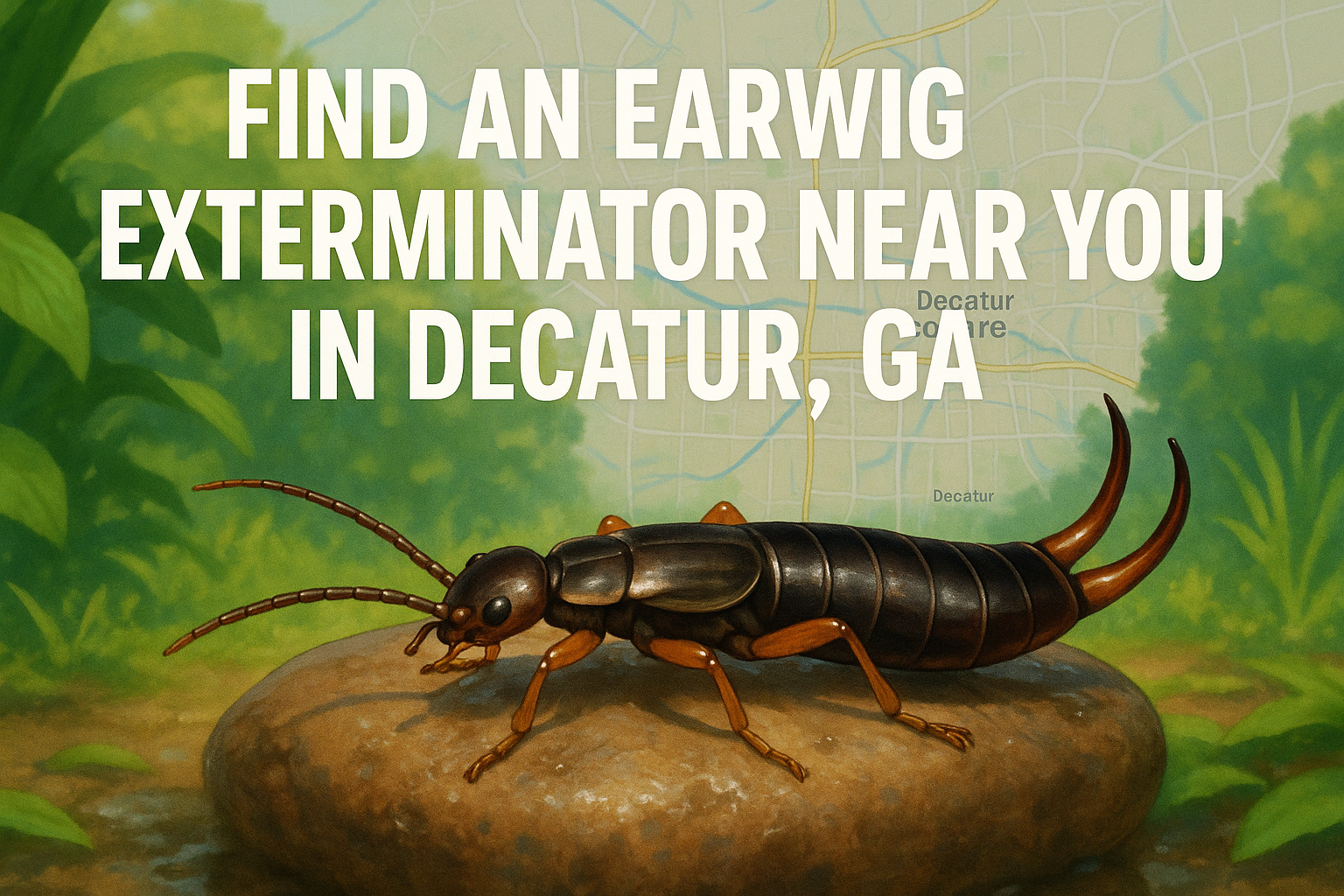
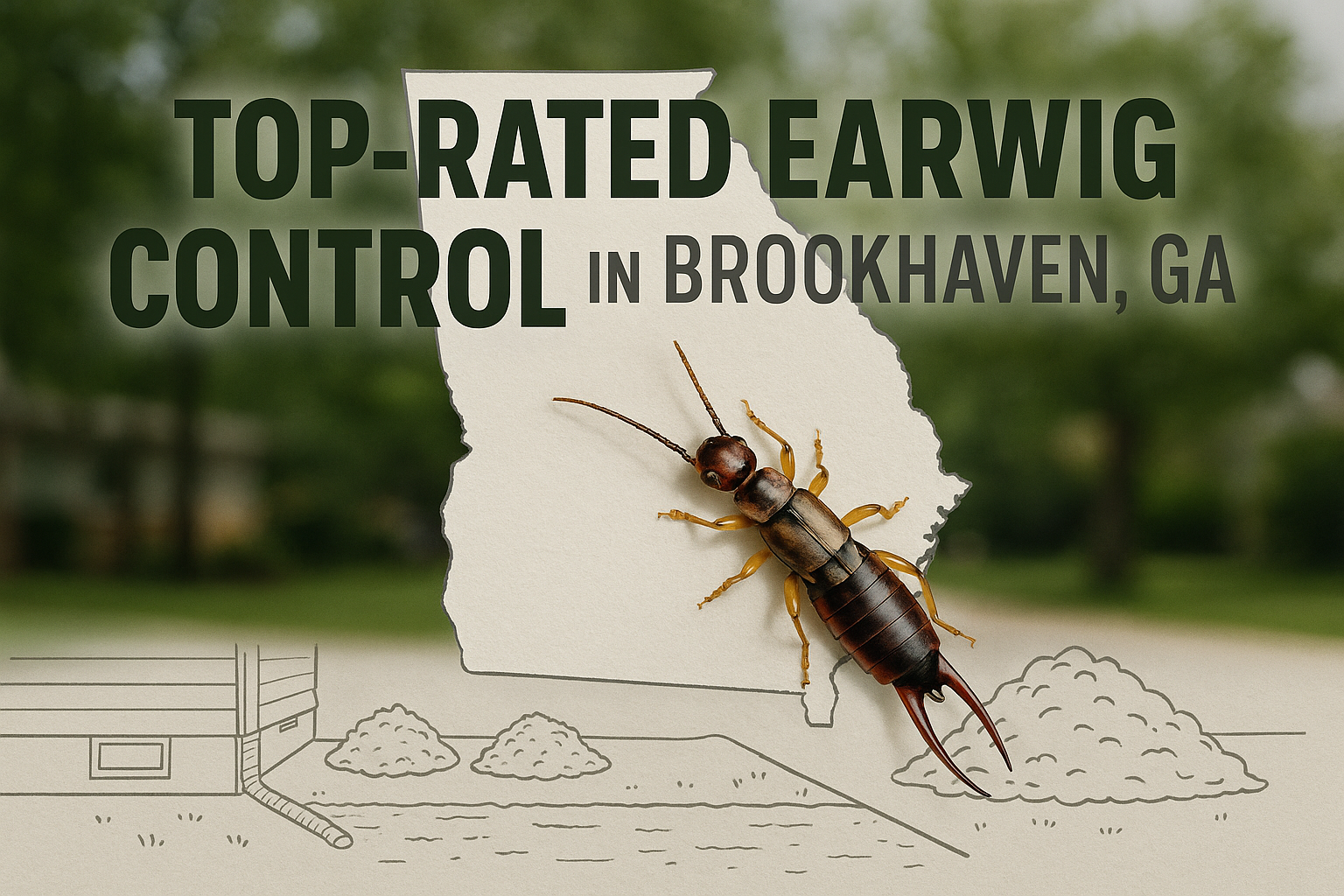
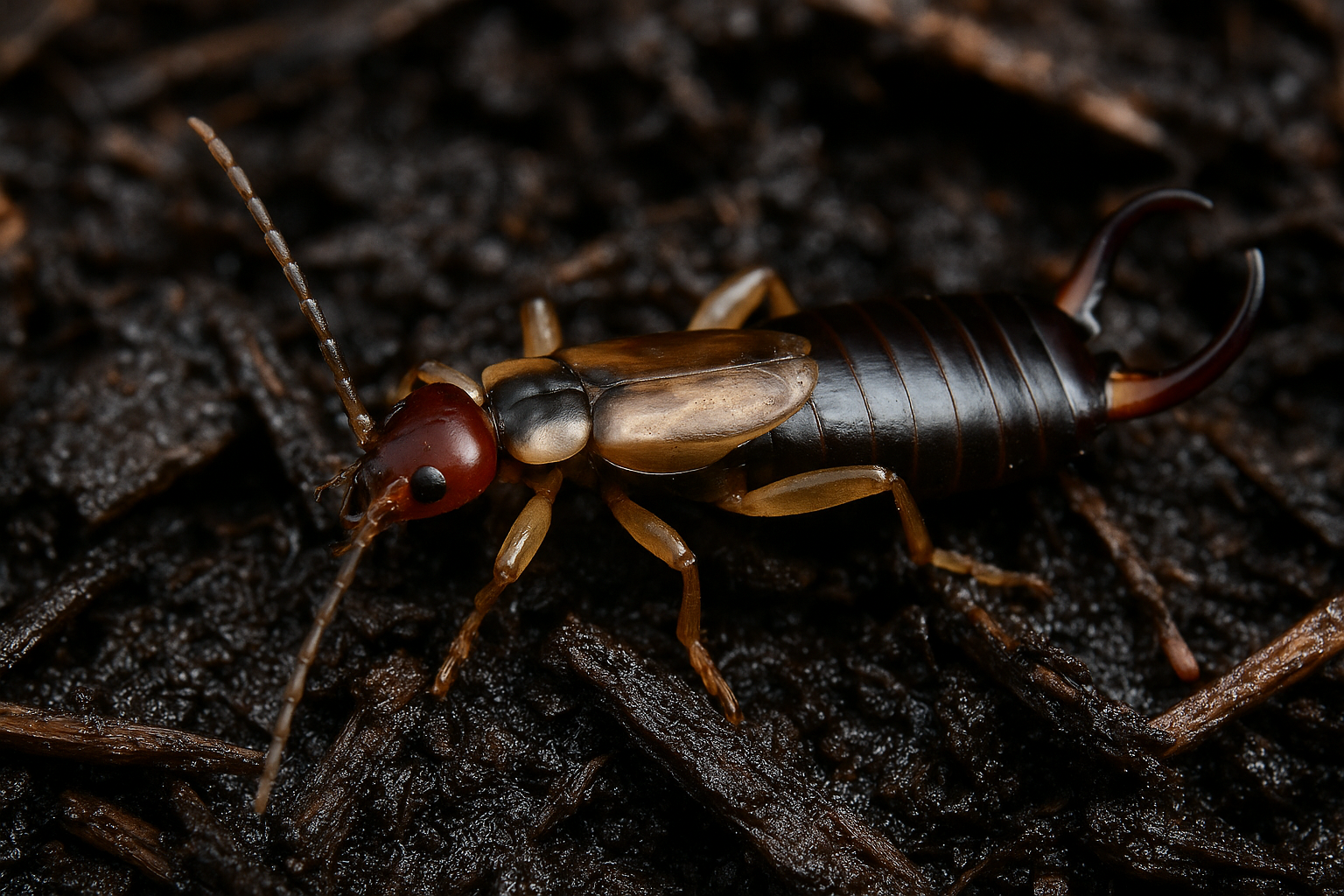
Georgia’s common earwig (Forficula auricularia) is instantly recognizable once you know what to look for. Adults are a glossy, dark‑brown to black, elongated body that measures roughly 1 to 1.5 inches (2.5–3.8 cm) long. Their most distinctive feature is a pair of forceps‑like pincers at the rear of the abdomen—these are larger in males and can look intimidating, but they’re primarily used for mating and self‑defense, not for harming humans.
Where They Hang Out
Earwigs thrive in moist, sheltered environments. In a typical yard you’ll find them underneath damp mulch, within leaf litter, or tucked into the crevices of garden beds where irrigation keeps the soil slightly wet. They also love the shade offered by building foundations, deck railings, and the undersides of stones. If you notice a consistently damp spot—perhaps a low‑lying area that collects runoff—that’s a hotspot for earwig activity.
Friends or Foes? Benefits vs. Risks
Earwigs play a subtle but valuable role in a balanced garden ecosystem. They are opportunistic predators, feeding on aphids, mites, and other soft‑bodied insects that can damage ornamental plants. This natural pest control can reduce the need for chemical sprays. However, when earwig numbers swell, they may turn to tender foliage, seedlings, and even fruit, leaving ragged edges that look like tiny bites. Inside the home, they’re attracted to damp basements, crawl spaces, and bathrooms—usually seeking moisture, not food, and they rarely cause structural damage.
Confirming an Earwig Issue
Before calling a professional, perform a quick visual inspection. Walk through your garden at dusk; earwigs are most active after dark and will often scuttle across paths or under plant leaves. Set up a few simple traps: place a damp piece of cardboard or a shallow dish of sugar‑water near mulch and check it each morning for captured insects. Nighttime surveys with a flashlight can also reveal clusters hidden in leaf litter. If you consistently find more than a handful per trap or notice feeding damage on plants, it’s a sign the population may be exceeding the natural balance.
Quick DIY Controls
Most earwig problems can be reduced with a few homeowner‑friendly steps. First, thin out mulch and replace it with a coarser, well‑draining material to lower moisture retention. Repair any leaky irrigation heads or drainage issues that keep soil soggy. Next, clear away excess leaf litter and debris where earwigs hide. For immediate reduction, lay out sticky traps—commercially available or homemade with a piece of cardboard coated in a thin layer of petroleum jelly—along garden borders and near building foundations. Replace traps weekly and monitor the catch count; a steady decline indicates your measures are working.
Remember, a modest earwig presence is often beneficial, but when they become a nuisance, these low‑cost, environmentally friendly actions can keep them in check without the need for harsh chemicals. If the problem persists despite diligent DIY efforts, Anthem Pest Control is ready to assess the situation and recommend a targeted, safe treatment plan tailored to your home and garden.
Professional Perimeter Treatments for Long‑Term Protection
Imagine a invisible moat that keeps ants, spiders, and even rodents from ever stepping onto your porch. That’s exactly what a professional perimeter insecticide barrier does – it creates a chemical shield right around the foundation, doorways, and drainage lines so pests are stopped before they can infiltrate your home.
What a Perimeter Barrier Actually Is
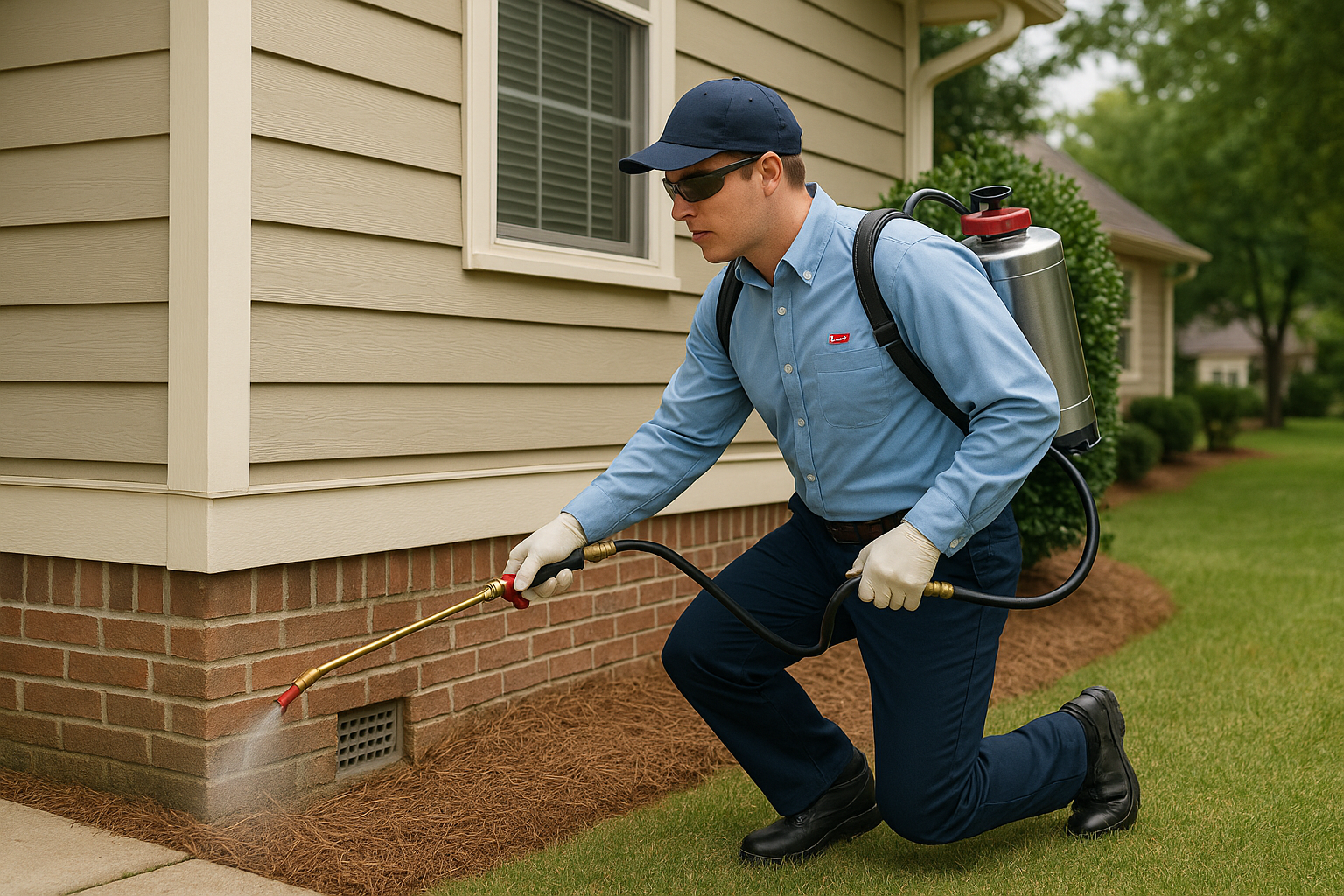
A perimeter barrier is a thin, continuous line of EPA‑approved insecticide applied to the exterior surfaces of a house. The product is formulated to repel or kill crawling insects and gnawing rodents the moment they cross the line. Because the treatment is placed where pests first encounter your structure, it dramatically reduces the chance of an infestation taking hold inside.
How a Technician Applies the Treatment
- Inspection – The technician walks the entire exterior, noting cracks, gaps, and high‑traffic entry points. This step determines where extra attention is needed.
- Clearing Debris – Leaves, mulch, and other organic matter are removed from the foundation to ensure the spray reaches the soil and concrete directly.
- Spraying Around the Foundation – Using a low‑pressure sprayer, the professional coats the foundation wall, footing, and the first 12‑18 inches of soil. The mist forms a uniform barrier that remains effective for weeks to months, depending on the product.
- Addressing Drainage – Water channels are treated to prevent pests from using moisture pathways to travel toward the house.
- Targeting Entry Points – Cracks, vent openings, and utility penetrations receive a focused application, sealing off the most common routes for ants, cockroaches, and rodents.
Safety First: What You Need to Know
Anthem Pest only uses products that have passed rigorous EPA testing for indoor safety and environmental impact. Technicians wear gloves, respirators, and eye protection, and they advise homeowners to keep children, pets, and food items away from the treated zone for at least two hours. Before the appointment, you’ll be asked to move outdoor furniture, garden tools, and any decorative items that could be inadvertently sprayed.
Cost Overview: Flat‑Fee vs. Annual Plan
Pricing can vary based on square footage, property layout, and local pest pressure. Most homeowners choose between a one‑time flat fee and a recurring annual maintenance plan. Below is a quick comparison:
| Pricing Model | What’s Included | Average Cost | Best For |
|---|---|---|---|
| Flat‑Fee (One‑Time) | Initial inspection, single barrier application, safety briefing | $199‑$349 | Homeowners who want a single season of protection |
| Annual Plan | Initial inspection, barrier re‑application every 6‑8 weeks, priority scheduling, discounted follow‑up services | $399‑$599 per year | Those seeking continuous, long‑term defense against seasonal invasions |
When Is the Right Time to Schedule?
Timing can make a huge difference in efficacy. The ideal windows are:
- Early Spring – As temperatures rise, insects become active. Treating now stops them before they colonize your yard.
- After Heavy Rains – Moist soil encourages ants and rodents to explore new routes. A fresh barrier redirects them away.
- Before New Plantings – When you add flower beds or vegetable gardens, you often disturb the soil. Applying a barrier first prevents pests from hitching a ride with your new plants.
By aligning treatment with these seasonal cues, you give the barrier the best chance to stay intact and effective throughout the year.
Choosing a professional perimeter treatment means you get a scientifically tested barrier, a trained technician who knows every crack and crevice, and a safety protocol that DIY sprays simply can’t match. For homeowners who want peace of mind and long‑term protection, the investment pays off in fewer pest sightings, lower risk of damage, and a healthier living environment.
Secure Your Home with Anthem Pest Control
Every garden decision you make—whether it’s the type of mulch you spread, the plants you choose, or how you manage irrigation—creates a ripple effect that can either invite or deter pests. Early detection is the linchpin of a successful defense; spotting a few ants near the compost or noticing increased mosquito activity after a rainy spell gives you the chance to act before an infestation spreads.
Why Choose Professional Help?
- Expertise you can trust: Our technicians have years of experience identifying hidden entry points and the life cycles of common household pests.
- Safe, EPA‑approved products: We use treatments that protect your family, pets, and the environment while delivering lasting results.
- Guaranteed outcomes: If pests return within the service window, we’ll re‑treat at no extra cost, giving you peace of mind.
Anthem Pest Control doesn’t just eliminate pests; we build a proactive shield around your home. By scheduling a thorough inspection, you’ll receive a detailed, transparent quote—free of hidden fees—so you know exactly what to expect. Our seasonal protection plans are designed to keep your yard and interior pest‑free year after year.
Take the Next Step Today
Ready to protect your garden and living spaces? Call us at 877‑371‑8196 or visit anthempest.com to book your free, no‑obligation quote. A quick phone call now can prevent a summer of unwanted guests, giving you the confidence that your home is secure no matter the season.