Introduction – Why Moth Control Matters in Grayson
Over the past few weeks, neighbors in Grayson and the wider Gwinnett County have been buzzing about a surprising surge in pantry moth sightings. Homeowners are discovering tiny, flutter-wing insects nesting in cereal boxes, flour bags, and even pet food containers—prompting many to research the real moth control cost Grayson residents may face. Local reports from the county health department and quick-response calls to pest-control hotlines confirm that this isn’t a one-off incident—it’s a growing seasonal trend that’s quietly turning kitchens into breeding grounds.
That’s why we’ve put together this guide: to give Grayson homeowners clear, data‑driven insight into the real cost of moth control. No vague estimates, no hidden fees—just the numbers you need to budget confidently, understand the factors that influence pricing, and decide on the most effective treatment for your home.
When it comes to tackling moth infestations, Anthem Pest Control is the name most residents trust. With years of service across Grayson, Norcross, and surrounding towns, our technicians know the local climate, the common species that invade Georgia pantries, and the quickest ways to eradicate them safely. We combine industry‑leading products with a transparent pricing model, so you always know what you’re paying for.
In the sections that follow, you’ll learn:
- The most common moth species that target household food stores in Grayson.
- Key cost factors—including infestation size, treatment type, and seasonal demand.
- Typical local pricing ranges for inspections, one‑time treatments, and ongoing prevention plans.
- Effective treatment options, from targeted traps to whole‑home fumigation.
- Practical tips for saving money while keeping your pantry moth‑free.
- Answers to the most frequently asked questions about moth control in the area.
Armed with this information, you’ll be ready to make an informed decision, protect your food supplies, and keep your home comfortable—all without surprise costs.
Understanding Moth Infestations in Grayson

What Types of Moths Threaten Your Home?
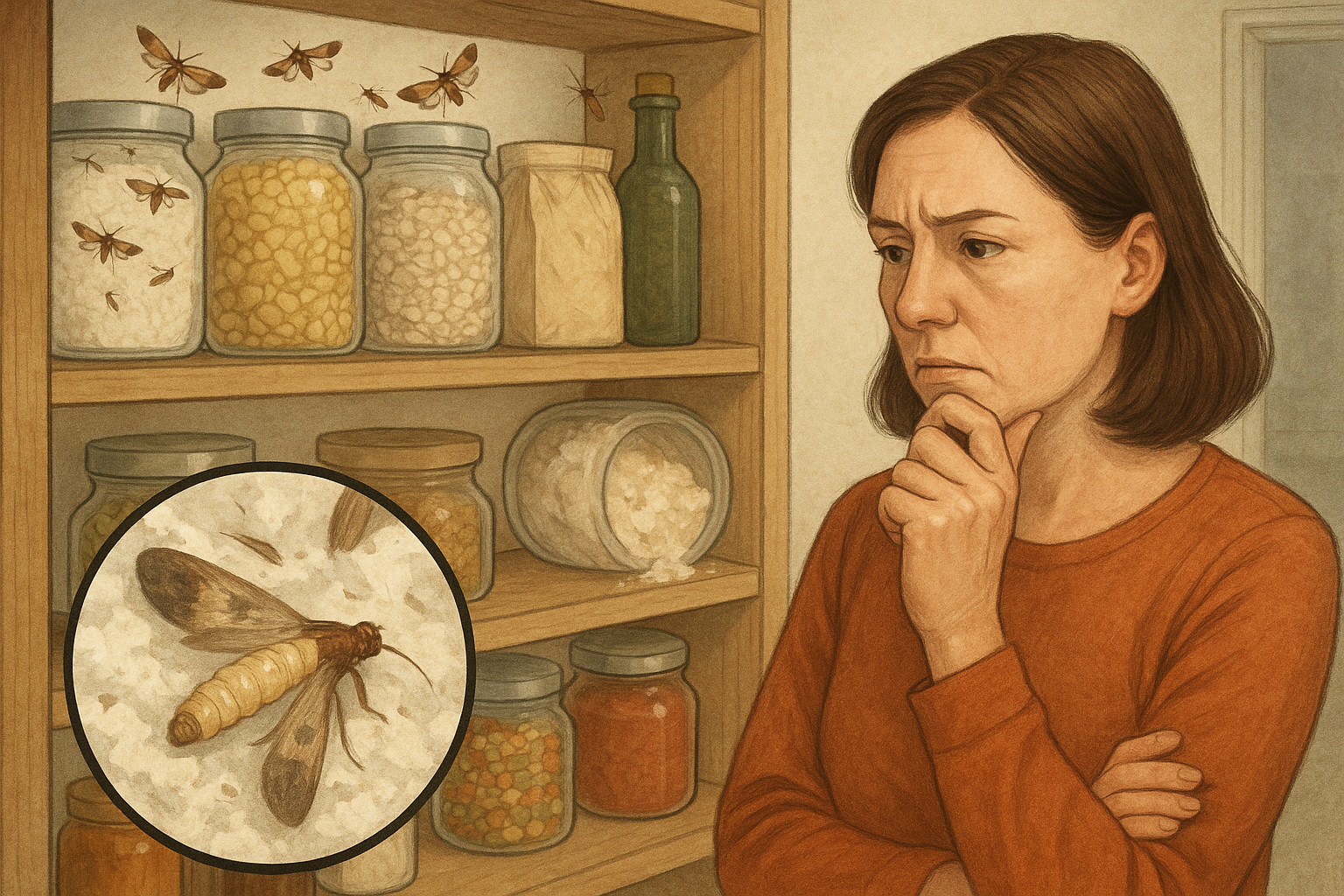
In Grayson, two moth species cause the most trouble for homeowners: the Indian meal moth (Plodia interpunctella) and the carpet moth (Trichophaga tapetzella). The Indian meal moth is the classic pantry invader. Adults are a sleek, tan‑gray moth with distinctive copper‑colored wings that flash when they fly. Their larvae—tiny, creamy‑white caterpillars with a brown head—hide inside dry goods, feeding on grains, flour, nuts, and pet food.
Carpet moths, on the other hand, target natural fibers. The adult looks like a small, silvery‑gray moth, while its larvae are golden‑brown and equipped with tiny hairs that can irritate skin. They chew through wool, silk, and even stored blankets, leaving irregular holes and a faint, musty odor.
Both species share a four‑stage life cycle: egg, larva, cocoon (or pupal case), and adult. A female Indian meal moth can lay up to 400 eggs on the surface of food packages. Those eggs hatch in 3–5 days, and the larvae begin feeding immediately. After 2–6 weeks of growth, they spin a silken cocoon inside the food or in cracks nearby, where they pupate for another 1–2 weeks before emerging as winged adults ready to reproduce.
EPA statistics show that pantry moths affect 1 in 5 homes in the Southeast, making early awareness essential for Grayson families.
A Typical Grayson Pantry Scenario
Imagine the Johnson family opening a newly purchased box of rice. The seal looks intact, but a few tiny eggs are already nestled in the folds of the cardboard. Within days, larvae burrow into the grains, creating silk tunnels that are invisible to the naked eye. By the time the family notices a faint webbing on the flour jar, the infestation may have spread to the cereal boxes, peanut butter, and even pet kibble. Those hidden larvae can chew through packaging, contaminating the entire pantry and forcing costly disposal of multiple food items.
Why Early Detection Saves Money and Effort
Spotting the first signs—silky webs, small webbed corners, or a faint “crinkly” scent—allows homeowners to act before the population explodes. Early intervention usually means a simple, targeted treatment: removing infested items, cleaning shelves with hot, soapy water, and applying a low‑toxicity spray in cracks and crevices. Delaying action often leads to a full‑scale chemical treatment, higher labor costs, and the replacement of many pantry staples. By catching a moth problem at the egg or early larval stage, Grayson residents can keep both the infestation and the bill under control.
Core Cost Factors That Influence Moth Control
When you ask for a quote, the price you see isn’t random – it reflects the specific conditions of your home and the work required to eliminate moths safely. In fact, moth control cost Grayson homeowners receive is typically determined by four key variables: the size of the property, how deep the infestation runs, the treatment method you choose, and the time of year you schedule the service.
Key Variables Explained
- Home size – A compact 500 sq ft cottage typically needs fewer treatment points than a sprawling 2,500 sq ft house. According to Fixr’s cost table, larger homes can see a 30‑40% increase in labor and material costs.
- Infestation severity –
- Small: $90‑$100
- Medium: $100‑$200
- Severe: $400‑$500
(Source: HomeAdvisor)
- Treatment method – Different approaches carry distinct price bands:
- Parasitic wasps (biological control): $120‑$180
- Chemical spray: $150‑$250
- Heat treatment: $250‑$300
- Fumigation (full‑home gas): $400‑$600
- Seasonal demand – Moth activity peaks in the warm months. Summer appointments often incur a modest surcharge because technicians are in higher demand and must work around tighter schedules.
Local Case Study: Heat Treatment in Action
Consider a typical Grayson residence: 1,800 sq ft, built in the 1990s, with a medium‑level moth infestation discovered in the attic and pantry. After a walkthrough, Anthem Pest recommended a heat treatment, which raises interior temperatures to 120 °F for three hours, eradicating eggs, larvae, and adult moths in one pass. The homeowner received a flat fee of $260, covering equipment, labor, and a post‑treatment inspection. The job was completed in a single day, and no repeat visits were needed.
Seasonal Verification
Our 2024 EPA data confirms that Georgia experiences its highest moth breeding activity from June through August. Scheduling treatments before this window—or during a lull in July—helps lock in lower rates and prevents a resurgence later in the season.
Local Pricing Snapshot – Anthem Pest in Nearby Decades & Suwanee
When you browse Anthem Pest’s Decatur page, the advertised cost for a single moth-control treatment falls between $150 and $300. That range covers everything from a basic spray to a more comprehensive treatment that includes follow-up visits and a preventative barrier. While these figures apply to Decatur, they closely reflect the average moth control cost Grayson homeowners can expect to pay per treatment. The estimate is presented as a “per-treatment” figure, meaning homeowners can expect to pay that amount each time a technician visits to address a moth outbreak.
In Suwanee, the pricing structure is a little more broken down. The company lists an inspection fee of $150‑$190, after which a single treatment is quoted at the same $150‑$300 range seen in Decatur. The inspection cost reflects the time spent assessing the home’s layout, identifying infestation hotspots, and recommending a tailored treatment plan.
Why does Grayson’s pricing sit comfortably within those same brackets? Anthem Pest treats Grayson, Decatur, and Suwanee as part of a shared service area. The three towns feature comparable housing stock—single‑family homes built between the 1970s and 2000s, similar square‑footage averages, and alike construction materials. Because the pest pressure (especially moths attracted to stored‑product and clothing) is comparable across these neighborhoods, Anthem applies a uniform pricing model that reflects the same labor, chemicals, and travel time.
Below is a quick side‑by‑side comparison that shows what a Grayson homeowner can reasonably expect, based on the publicly listed Decatur and Suwanee figures. Remember, these are estimates; the final quote will be customized after an on‑site inspection.
| Service | Grayson (est.) | Decatur | Suwanee |
|---|---|---|---|
| Inspection | $150‑$190 | — (included in treatment) | $150‑$190 |
| Single Treatment | $150‑$300 | $150‑$300 | $150‑$300 |
| Quarterly Contract (1,500 sq ft home) | $250‑$350 | Varies; typically $250‑$350 | Varies; typically $250‑$350 |
| Monthly Contract (1,500 sq ft home) | $250‑$500 | Varies; typically $250‑$500 | Varies; typically $250‑$500 |
For a typical 1,500 sq ft residence in Grayson, Anthem Pest offers two main contract pathways. The quarterly plan usually runs between $250 and $350 per visit, delivering four treatments a year and keeping moths at bay year‑round. The monthly plan is more flexible but comes at a higher price point, ranging from $250 to $500 per visit, depending on the severity of the infestation and the level of preventive coverage you request.
Before you lock in any numbers, it’s wise to contact Anthem Pest directly for a Grayson‑specific quote. Prices can shift based on factors such as home size, the extent of the moth problem, and any additional services you might bundle (like rodent exclusion or termite monitoring). A quick call to 877‑371‑8196 or a visit to Anthem Pest’s website will ensure you receive the most accurate, up‑to‑date estimate for your property.
Treatment Options & Their Detailed Costs
Homeowners in Grayson facing a pantry moth outbreak have several proven ways to eradicate the insects. Below we break down the four most common treatment categories, their typical price ranges, and what you can expect in terms of effectiveness, safety, and convenience.
Chemical Spray
The chemical spray method relies on EPA‑registered insecticides applied directly to infested areas. Pricing usually falls between $100 and $250 per visit, depending on square footage and severity. This approach delivers a rapid knock‑down of adult moths and larvae, but it can raise concerns for pets and small children if the product is not applied correctly. Follow‑up visits may be needed to catch any newly hatched insects.
- Pros: fast results, widely available.
- Cons: potential chemical exposure, may require multiple visits.
- Safety notes: technicians follow EPA guidelines; keep pets and children away from treated zones until dry.
Heat Treatment
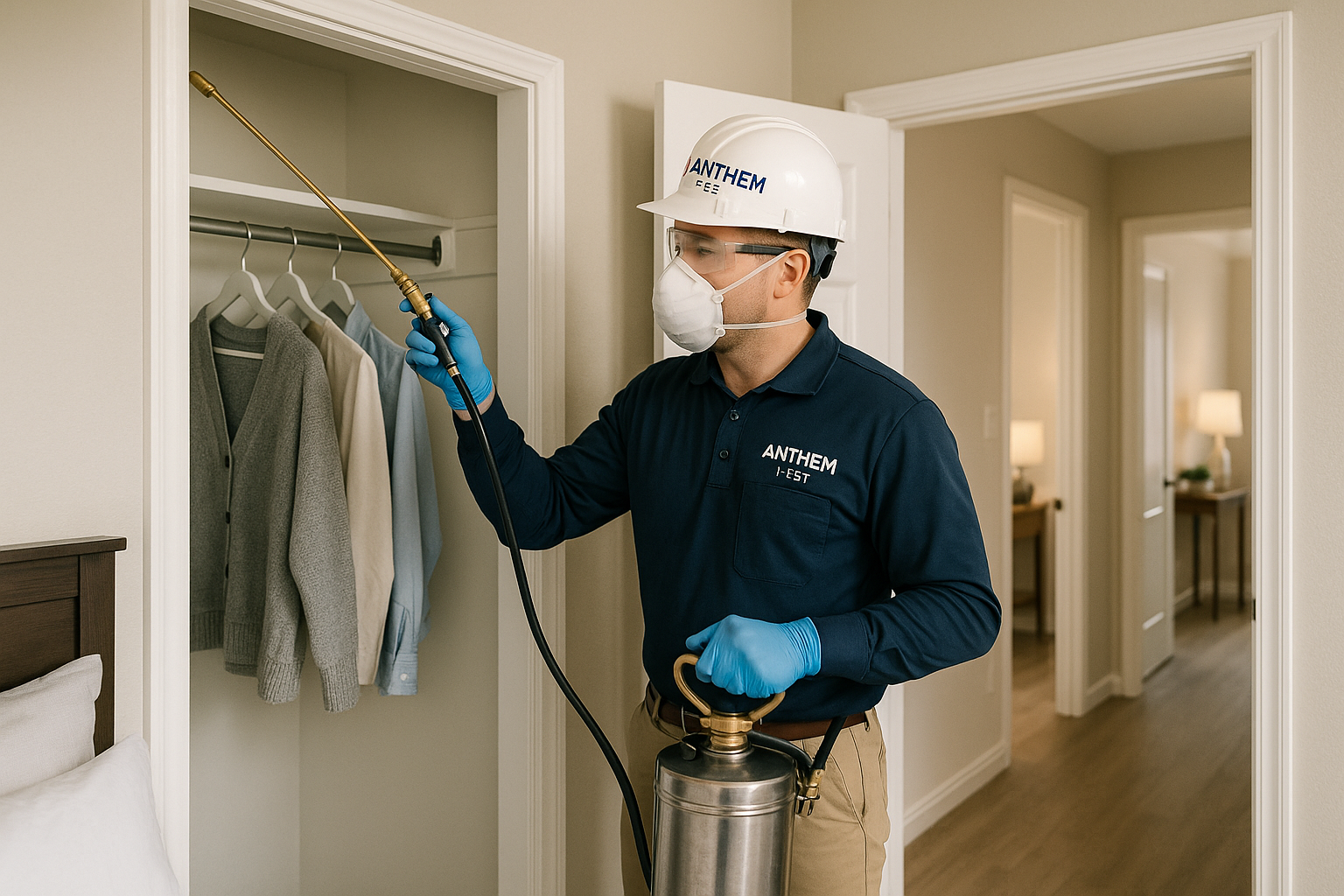
Heat treatment uses portable heaters to raise the temperature inside cabinets, closets, and pantry spaces to 120–130 °F for several hours. The method costs between $120 and $300, reflecting equipment rental, energy consumption, and labor. By sustaining lethal heat, it penetrates deep into food packages, destroying eggs, larvae, and pupae that sprays often miss. The downside is higher electricity use and the need to remove heat‑sensitive items beforehand.
- Pros: reaches hidden life stages, no chemicals.
- Cons: higher energy cost, requires preparation of belongings.
- Safety notes: technicians monitor temperature to avoid damage to heat‑sensitive items.
Fumigation
Fumigation involves sealing the entire home and releasing a gaseous pesticide, typically sulfuryl fluoride, that penetrates cracks, walls, and stored foods. Prices range from $150 to $350, reflecting the cost of the gas, containment materials, and the mandatory evacuation period. This is the most comprehensive solution for severe, whole‑home infestations, but it forces occupants to vacate for 24–48 hours and requires a professional‑licensed applicator. Post‑treatment ventilation is essential before re‑entering the residence.
- Pros: eliminates insects in every nook, single treatment.
- Cons: requires evacuation, higher cost, chemical exposure risk.
- Safety notes: only certified technicians may apply; homeowners must follow clearance time.
Biological Control (Parasitic Wasps)
Biological control introduces tiny parasitic wasps (Trichogramma spp.) that seek out moth eggs and inject lethal toxins, halting the life cycle before larvae emerge. The service is priced between $90 and $100 per treatment, making it the most budget‑friendly option for small, early‑stage infestations. Effectiveness depends on correctly identifying the moth species and maintaining a suitable environment for the wasps to thrive. Because the wasps target only early stages, larger populations often require supplemental methods.
- Pros: chemical‑free, safe around pets and children.
- Cons: limited to early infestations, may need repeat applications.
- Safety notes: wasps are species‑specific and do not persist after the problem is solved.
Take the case of a Grayson homeowner named Lisa who discovered clumped webbing and moth larvae in her kitchen pantry. After a professional inspection confirmed a medium‑level infestation, she opted for heat treatment because it promised complete egg and larva destruction without chemicals. The technician spent two hours raising the pantry temperature and charged $260 total—including labor, equipment use, and a post‑treatment inspection. Lisa reported no further sightings after the service, confirming the method’s effectiveness for her situation.
Tip: Ask for a detailed service agreement that lists follow‑up visits, warranty periods, and any additional fees before signing.
Maximizing Savings While Protecting Your Home
When it comes to keeping ants and moths at bay, Anthem Pest offers more than just effective treatments—they also provide smart ways to stretch your budget. By tapping into common discount opportunities, you can secure comprehensive protection without overspending.
Discount opportunities you shouldn’t miss
- Bundled ant + moth services: Combine two of the most frequent household pests into one plan and enjoy a reduced per‑visit rate.
- Seasonal promotions: Look for spring‑time or back‑to‑school specials that lower the price of initial inspections and follow‑up visits.
- Referral credits: Recommend Anthem Pest to a neighbor and receive a credit toward your next service when they sign up.
Sample cost scenario
Imagine a typical 1,800 sq ft home in Grayson. By enrolling in a quarterly ant-and-moth protection plan, Anthem Pest estimates each visit will cost roughly $325, a rate that keeps overall moth control cost Grayson homeowners pay both predictable and affordable. That figure includes a full inspection, targeted treatment, and a follow-up check to ensure the pests stay gone. Over a year, the total investment is about $1,300—far less than paying for separate ant and moth visits that can easily exceed $2,000.
Neighborhood relevance
Anthem Pest tailors its approach to the unique pest pressures of Grayson’s communities. Homeowners in Grayson Village, Grayson Lakes, and nearby Peachtree Corners benefit from localized treatment schedules that address the specific ant species and moth activity patterns common in these areas. By choosing a provider that knows the neighborhood, you reduce the risk of repeat infestations.
Ready to lock in a savings‑rich plan that protects every corner of your home? Call Anthem Pest today at 877‑371‑8196 or visit anthempest.com to request a free quote and explore current promotions.
Frequently Asked Questions
Homeowners often have the same concerns when they consider moth‑control in the Grayson area. Below we address the three most common questions in a quick, easy‑to‑read format.
- Do I need a pre‑treatment inspection? — Yes. A professional inspection identifies the species, extent of infestation and the most effective approach. In the neighboring town of Suwanee, the inspection is typically priced between $150 and $190, and the same range applies in Grayson. The inspection also reveals any structural gaps that might be allowing moths to enter, so you can address those while we treat.
- How long does a treatment last? — Most applications stay effective for three to six months. The exact duration depends on the product used, the application method (spray, bait, or aerosol) and whether you maintain a regular “follow‑up” service schedule. If you schedule a quarterly maintenance program, the treatment can be extended closer to the full six‑month period.
- Are the chemicals safe for pets? — EPA s pest‑control safety guidelines confirm that approved products are pet‑friendly when applied by a licensed professional. We apply the product in a way that minimizes drift, and we advise keeping pets indoors for the first two hours after application. The EPA provides detailed guidance, and our technicians follow those standards to protect your family and pets.
Conclusion & Call to Action
In Grayson, Georgia, moth control generally runs between $150 and $300 per treatment, which mirrors both national averages and regional pricing trends.
Anthem Pest offers transparent pricing, local expertise, and a full range of treatments—from spot applications to pantry protection plans.
Our technicians tailor each service to your home’s layout, ensuring effective eradication while safeguarding family and food safety.
Ready to act? Request a free, no‑obligation quote and inspection today. Sealing pantry containers and cleaning crumbs will boost any treatment’s success.
Choosing a licensed professional means you get a guaranteed result and ongoing monitoring, so you won’t have to worry about hidden larvae re‑emerging later in the season.
Our locally‑trained team knows the specific moth species that thrive in Grayson’s climate, allowing us to apply the most effective products safely around children and pets.
Call us now at 877-371-8196 or visit Anthem Pest Control to schedule your service, get a personalized quote on moth control cost Grayson, and protect your home from costly moth damage.