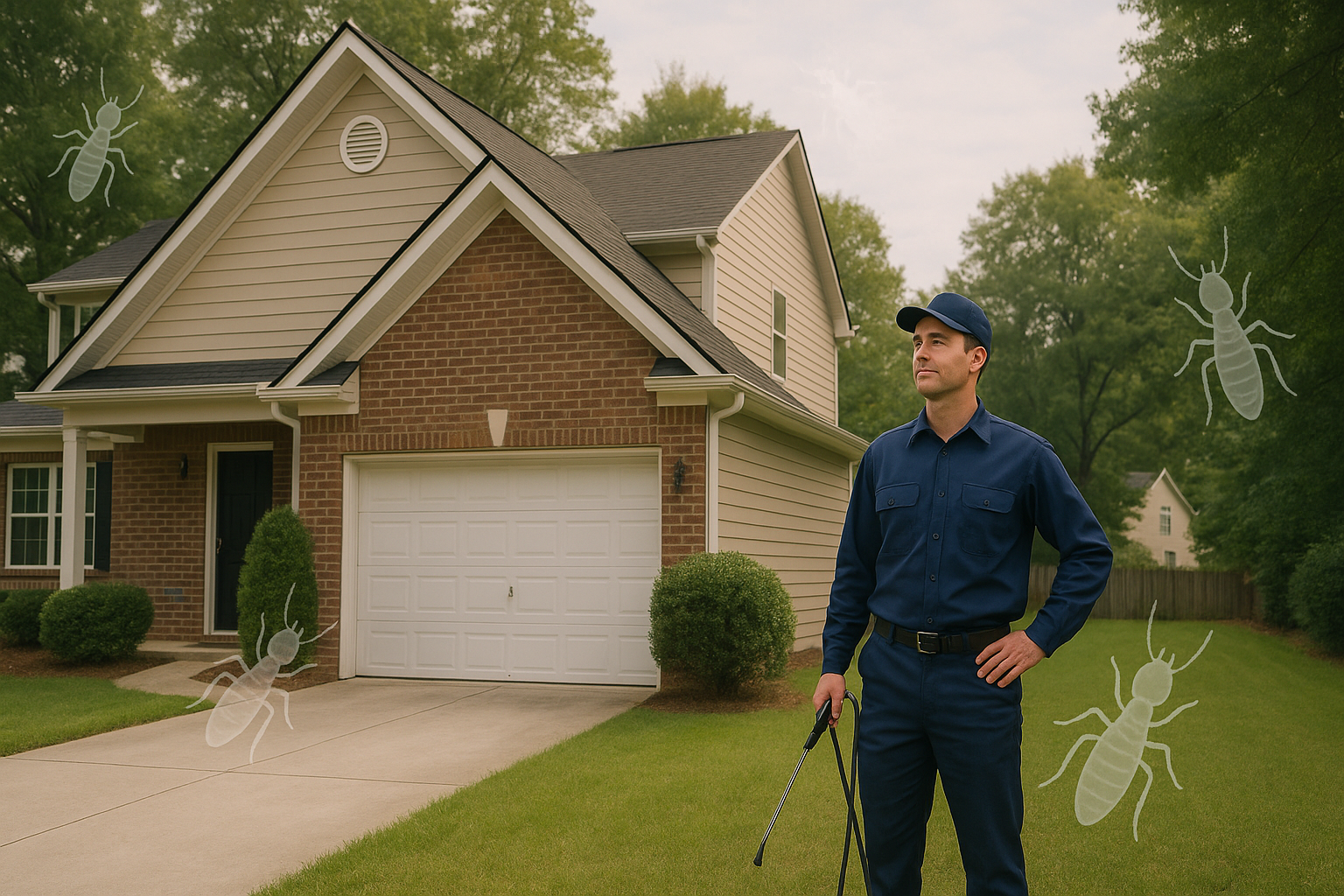
The Hidden Threat of Termites in Snellville

Every year, termites chew through roughly $5 billion worth of U.S. property, according to data from the EPA and the National Pest Management Association (NPMA). That staggering figure isn’t just a national statistic—it’s a reminder that a silent, unseen army is lurking beneath the foundations of homes across the country, including yours in Snellville.
Termites don’t announce their presence with loud noises or obvious signs. They work quietly, tunneling through wood, drywall, and even concrete, gradually eroding structural integrity. The damage often goes unnoticed until it manifests as sagging floors, cracked walls, or costly repairs, directly slashing property value and compromising the safety of your family.
Understanding the true cost of termite control is essential because it transforms an unexpected emergency into a manageable line item on your household budget. Transparent pricing lets homeowners plan for the three key expenses: a professional inspection to detect hidden colonies, the treatment needed to eradicate them, and any follow‑up repairs that may be required after the infestation is cleared.
This guide is designed to give you exactly that clarity. We’ll break down the specific cost ranges you can expect in Snellville, from initial inspections to the most effective treatment options. You’ll also learn which factors—such as property size, infestation severity, and treatment method—drive those numbers, empowering you to budget confidently and protect your home before termites cause irreversible damage.
Understanding Terment Threats in Snellville
Two termite species dominate the Georgia landscape, and both make their home in the suburbs of Scottsdale. The aggressive Form of Sawn Termite (often called “big‑box” termites) can swarm into a property in just weeks, while the more common Subterr anium Termite stays hidden below the foundation, silently chewing wood for months before you ever notice a sign.
Why Snellville’s Climate Fuels Their Activity
Our area enjoys long, humid summers—exactly the kind of environment termites love. Moisture seeps into soil, softening wood and creating a perfect pathway for the termites to travel. Add to that the prevalence of older, wood‑frame homes that dominate many neighborhoods, and you have a recipe for rapid colony expansion. Even a small leak in a basement or a damp crawl‑space can become a highway for these pests.
Local Data Shows Higher Risk
According to the Georgia Department of Agriculture, a typical 2,500‑sq‑ft home in Snell‑ville experiences a **12 % higher infestation rate** than the state average. This isn’t a chance‑hand‑tuned statistic; it reflects the combined impact of our humid climate, the abundance of wooden structures, and the proximity of neighboring properties that may already be compromised.
Why Early Inspection Is Critical
Because both Formosan and Subterr‑an‑ium termites can cause extensive damage before any visible evidence appears, the most effective defense is a proactive inspection. Catching a colony in its early stages not only preserves the structural integrity of your home but also avoids the steep repair costs that follow a full‑scale infestation. A thorough, professional inspection during the first half of summer—when termite activity peaks—gives you the best chance to act before the pests gain a footh‑foot‑foot‑foot‑foot‑foot‑foot‑foot‑foot‑foot‑foot‑foot‑foot‑foot‑foot‑foot‑foot‑foot‑foot‑foot‑foot‑foot‑foot‑foot‑foot‑foot‑foot‑foot‑foot‑foot‑foot‑foot‑foot‑foot‑foot‑foot‑foot‑foot‑foot‑foot‑foot‑foot‑foot‑foot‑foot‑foot‑foot‑foot‑foot‑foot‑foot‑foot‑foot‑foot‑foot‑foot‑foot‑foot‑foot‑foot‑foot‑foot‑foot‑foot‑foot‑foot‑foot‑foot‑foot‑foot‑foot‑foot‑foot‑foot‑foot‑foot‑foot‑foot‑foot‑foot‑foot‑foot‑foot‑foot‑foot‑foot‑foot‑foot‑foot‑foot‑foot‑foot‑foot‑foot‑foot‑foot‑foot‑foot‑foot‑foot‑foot‑foot‑foot‑foot‑foot‑foot‑foot‑foot‑foot‑foot‑foot‑foot‑foot‑foot‑foot‑foot‑foot‑foot‑foot‑foot‑foot‑foot‑foot‑foot‑foot‑foot‑foot‑foot‑foot‑foot‑foot‑foot‑foot‑foot‑foot‑foot‑foot‑foot‑foot‑foot‑foot‑foot‑foot‑foot‑foot‑foot‑foot‑foot‑foot‑foot‑foot‑foot‑foot‑foot‑foot‑foot‑foot‑foot‑foot‑foot‑foot‑foot‑foot‑foot‑foot‑foot‑foot‑foot‑foot‑foot‑foot‑foot‑foot‑foot‑foot‑foot‑foot‑foot‑foot‑foot‑foot‑foot‑foot‑foot‑foot‑foot‑foot‑foot‑foot‑foot‑foot‑foot‑foot‑foot‑foot‑foot‑foot‑foot‑foot‑foot‑foot‑foot‑foot‑foot‑foot‑foot‑foot‑foot‑foot‑foot‑foot‑foot‑foot‑foot‑foot‑foot‑foot‑foot‑foot‑foot‑foot‑foot‑foot‑foot‑foot‑foot‑foot‑foot‑foot‑foot‑foot‑foot‑foot‑foot‑foot‑foot‑foot‑foot‑foot‑foot‑foot‑foot‑foot‑foot‑foot‑foot‑foot‑foot‑foot‑foot‑foot‑foot‑foot‑foot‑foot‑foot‑foot‑foot‑foot‑foot‑foot‑foot‑foot‑foot‑foot‑foot‑foot‑foot‑foot‑foot‑foot‑foot‑foot‑foot‑foot‑foot‑foot‑foot‑foot‑foot‑foot‑foot‑foot‑foot‑foot‑foot‑foot‑foot‑foot‑foot‑foot‑foot‑foot‑foot‑foot‑foot‑foot‑foot‑foot‑foot‑foot‑foot‑foot‑foot‑foot‑foot‑foot‑foot‑foot‑foot‑foot‑foot‑foot‑foot‑foot‑foot‑foot‑foot‑foot‑foot‑foot‑foot‑foot‑foot‑foot‑foot‑foot‑foot‑foot‑foot‑foot‑foot‑foot‑foot‑foot‑foot‑foot‑foot‑foot‑foot‑foot‑foot‑foot‑foot‑foot‑foot‑foot‑foot‑foot‑foot‑foot‑foot‑foot‑foot‑foot‑foot‑foot‑foot‑foot‑foot‑foot‑foot‑foot‑foot‑foot‑foot‑foot‑foot‑foot‑foot‑foot‑foot‑foot‑foot‑foot‑foot‑foot‑foot‑foot‑foot‑foot‑foot‑foot‑foot‑foot‑foot‑foot‑foot‑foot‑foot‑foot‑foot‑foot‑foot‑foot‑foot‑foot‑foot‑foot‑foot‑foot‑foot‑foot‑foot‑foot‑foot‑foot‑foot‑foot‑foot‑foot‑foot‑foot‑foot‑foot‑foot‑foot‑foot‑foot‑foot‑foot‑foot‑foot‑foot‑foot‑foot‑foot‑foot‑foot‑foot‑foot‑foot‑foot‑foot‑foot‑foot‑foot‑foot‑foot‑foot‑foot‑foot‑foot‑foot‑foot‑foot‑foot‑foot‑foot‑foot‑foot‑foot‑foot‑foot‑foot‑foot‑foot‑foot‑foot‑foot‑foot‑foot‑foot‑foot‑foot‑foot‑foot‑foot‑foot‑foot‑foot‑foot‑foot‑foot‑foot‑foot‑foot‑foot‑foot‑foot‑foot‑foot‑foot‑foot‑foot‑foot‑foot‑foot‑foot‑foot‑foot‑foot‑foot‑foot‑foot‑foot‑foot‑foot‑foot‑foot‑foot‑foot‑foot‑foot‑foot‑foot‑foot‑foot‑foot‑foot‑foot‑foot‑foot‑foot‑foot‑foot‑foot‑foot‑foot‑foot‑foot‑foot‑foot‑foot‑foot‑foot‑foot‑foot‑foot‑foot‑foot‑foot‑foot‑foot‑foot‑foot‑foot‑foot‑foot‑foot‑foot‑foot‑foot‑foot‑foot‑foot‑foot‑foot‑foot‑foot‑foot‑foot‑foot‑foot‑foot‑foot‑foot‑foot‑foot‑foot‑foot‑foot‑foot‑foot‑foot‑foot‑foot‑foot‑foot‑foot‑foot‑foot‑foot‑foot‑foot‑foot‑foot‑foot‑foot‑foot‑foot‑foot‑foot‑foot‑foot‑foot‑foot‑foot‑foot‑foot‑foot‑foot‑foot‑foot‑foot‑foot‑foot‑foot‑foot‑foot‑foot‑foot‑foot‑foot‑foot‑foot‑foot‑foot‑foot‑foot‑foot‑foot‑foot‑foot‑foot‑foot‑foot‑foot‑foot‑foot‑foot‑foot‑foot‑foot‑foot‑foot‑foot‑foot‑foot‑foot‑foot‑foot‑foot‑foot‑foot‑foot‑foot‑foot‑foot‑foot‑foot‑foot‑foot‑foot‑foot‑foot‑foot‑foot‑foot‑foot‑foot‑foot‑foot‑foot‑foot‑foot‑foot‑foot‑foot‑foot‑foot‑foot‑foot‑foot‑foot‑foot‑foot‑foot‑foot‑foot‑foot‑foot‑foot‑foot‑foot‑foot‑foot‑foot‑foot‑foot‑foot‑foot‑foot‑foot‑foot‑foot‑foot‑foot‑foot‑foot‑foot‑foot‑foot‑foot‑foot‑foot‑foot‑foot‑foot‑foot‑foot‑foot‑foot‑foot‑foot‑foot‑foot‑foot‑foot‑foot‑foot‑foot‑foot‑foot‑foot‑foot‑foot‑foot‑foot‑foot‑foot‑foot‑foot‑foot‑foot‑foot‑foot‑foot‑foot‑foot‑foot‑foot‑foot‑foot‑foot‑foot‑foot‑foot‑foot‑foot‑foot‑foot‑foot‑foot‑foot‑foot‑foot‑foot‑foot‑foot‑foot‑foot‑foot‑foot‑foot‑foot‑foot‑foot‑foot‑foot‑foot‑foot‑foot‑foot‑foot‑foot‑foot — the sooner you catch them, the less damage you’ll face.
Inspection Costs: The First Step to Protection
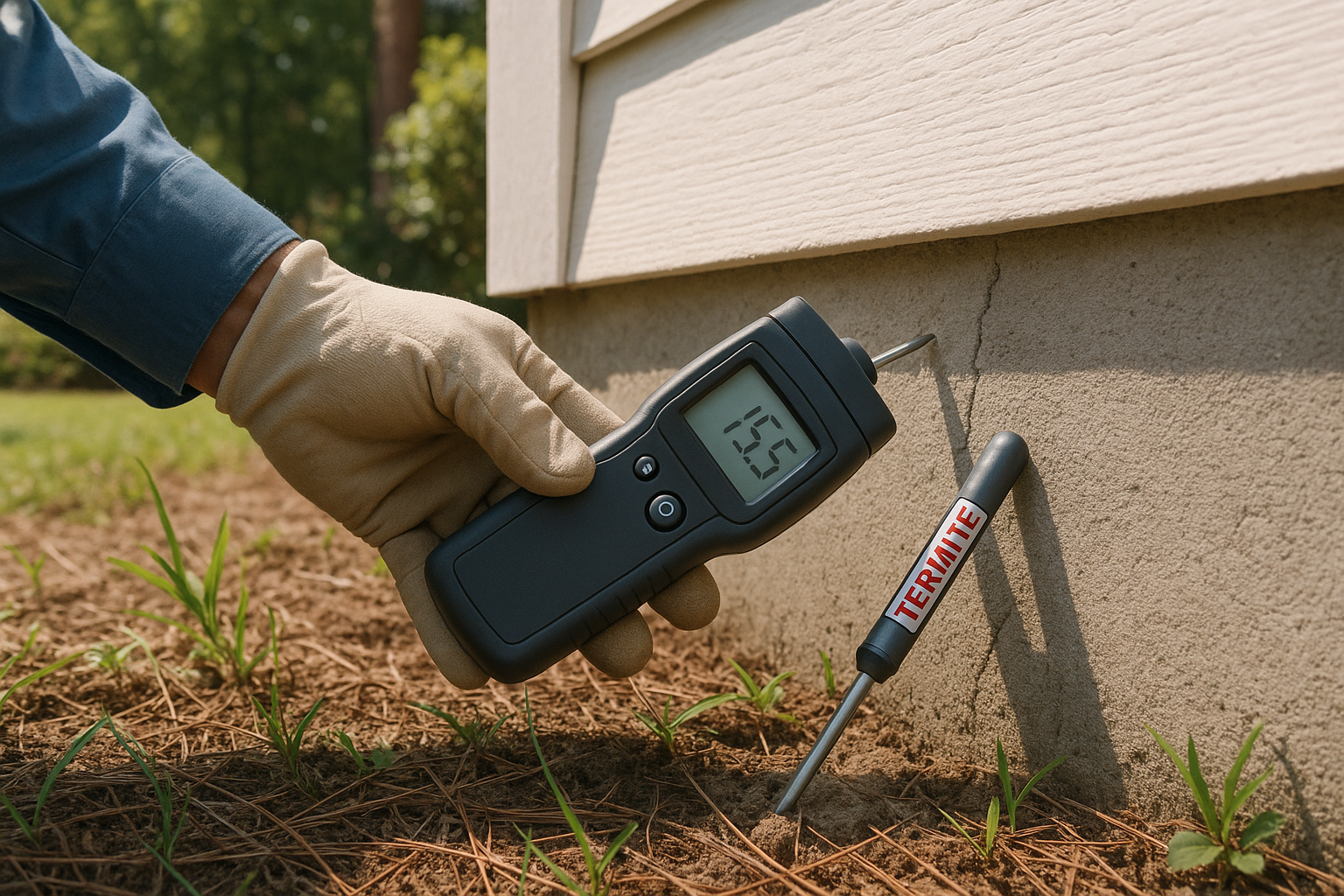
Before any treatment can begin, a certified technician conducts a thorough termite inspection. The process starts with a visual walk‑through of every room, attic, crawl space and foundation wall, looking for mud tubes, damaged wood, and tell‑tale signs of activity. Next, the inspector runs a moisture meter over suspect areas; termites thrive in damp wood, so moisture readings help pinpoint hidden colonies. Finally, the professional installs bait‑station probes at strategic access points—typically along perimeter walls, near utility penetrations and in high‑moisture zones—to monitor for foraging termites over the coming weeks.
Why pay for an inspection? A professional assessment catches infestations before they cause costly structural damage. Early detection can mean a simple bait‑station program rather than expensive wall‑treatments, and most insurance policies require documented inspections before they will cover repair costs.
In Snellville, the cost of this initial inspection varies widely. According to HomeYou, homeowners pay anywhere from $74 to $728 per visit, with most paying an average range of $238 – $347. The wide spread reflects differences in property size, the number of access points that need probing, and seasonal demand for inspections.
Before the technician arrives, clear any clutter from basements, attics and crawl‑spaces, and make sure exterior doors and windows are accessible. Turning off sprinklers for a day can help the moisture meter read more accurately, and noting any recent wood repairs gives the inspector clues about potential entry points.
| Scenario | Low End | Median | High End |
|---|---|---|---|
| Small condo (under 1,200 sq ft) | $74 | $210 | $350 |
| Average single‑family home (1,800 sq ft) | $180 | $260 | $420 |
| Large ranch or multi‑story (3,200 sq ft+) | $500 | $620 | $728 |
Several key factors drive where a particular quote lands within that range. Home size is the most obvious—larger footprints require more time, more moisture‑meter readings, and additional bait stations. Number of access points such as crawl‑space vents, utility openings and deck skirtings also adds labor and material costs. Finally, the season matters: inspections performed during peak termite activity (late spring through early fall) often carry a premium because technicians are in higher demand.
To illustrate, a local provider quoted $210 for a 1,800‑sq‑ft bungalow with two crawl‑space vents and a modest perimeter. The same company estimated $580 for a 3,200‑sq‑ft ranch that featured four deck skirtings, three utility penetrations and a larger, moisture‑prone foundation. Both homeowners received the same thorough visual exam, moisture‑meter sweep and bait‑station placement; the price difference simply reflects the extra time and materials needed to protect a bigger, more complex structure.
Treatment Options and Their Costs
DIY Bait Treatments
For homeowners who prefer to take the first step themselves, a popular option in the Snell‑area is the DIY bait system offered by HomeYou. The starter kit begins at $430 and includes two to three bait stations that are placed around the perimeter of the house, typically near the foundation, skirting, or any wood‑touching concrete. Once installed, the stations sit in the soil and release a cellulose‑based bait laced with a slow‑acting termiticidal ‑ usually hexaconazole or similar. Termites discover the bait, share it with the colony, and gradually die off.
Because the bait is a living lure, it requires periodic inspection—usually every two to three months—to ensure the bait is still attractive and to replace any “burnt” stations. This ongoing maintenance is the main trade‑off for the lower upfront price.
- Pros: modest initial out‑of‑pocket expense, no need to vac‑vac the home, and you keep full control of placement.
- Cons: you must schedule and perform the inspections yourself, the system takes several weeks to show a noticeable reduction in activity, and it may not be sufficient for a heavy infestation.
Professional Fumigation
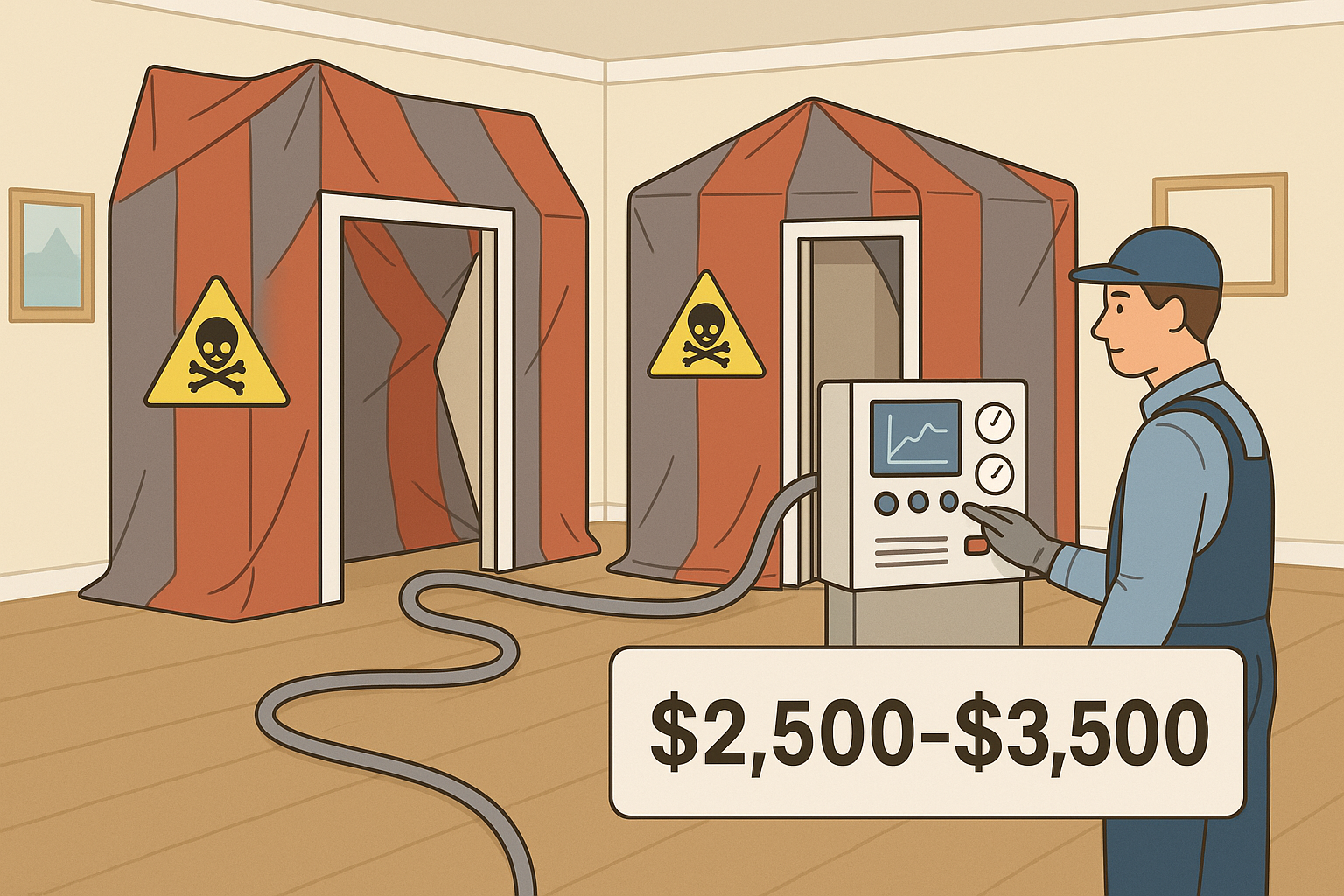
When a property has a severe, house‑wide infestation, many local companies—HomeYou and Active Pest Control among them—recommend a full‑house fumigation. The total cost in the greater Atlanta region, including Snellville, typically falls between $2,500 and $3,500
The method uses a sealed “gas‑tent” that encloses the entire structure. A potent fumigant, usually fumacide — often a formulation of hexachlorobenzene or a newer, EPA‑approved alternative — is released into the tent, penetrates every void, and kills termites in all stages of development within a few hours. After the tent is removed, the house must be ventilated for a prescribed period before it is safe to re‑enter. Nationally, the average for a 2,520‑sq‑ft home sits between $1,300 and $1,500. Georgia’s average aligns closely with that figure, so the $2,500‑$3,500 range reflects the additional labor, equipment, and insurance costs associated with a full‑scale tent in a suburban setting. Both Termidor HP 2 and Sentricin are considered “premium” barrier or bait solutions that sit somewhere between DIY and full‑scale fumigation. The key difference lies in how they attack the colony: Local providers such as Cook’s and Arete price these systems based on house size, soil type, and the extent of the existing infestation. A typical quote for a 2,200‑sq‑ft home in Snellville is around $1,800, which includes initial installation and the first year of monitoring. Regardless of the initial method, most homeowners benefit from a yearly “maintenance” contract. These packages cover periodic bait checks, touch‑up applications for barrier systems, and any needed retreat‑treatment if termites are spotted during the season. In the local market, annual service ranges from $120 to $250
The package usually includes: These figures give a realistic picture of what a homeowner can expect to spend in the first year of protection. The choice ultimately hinges on the severity of the infestation, the homeowner’s willingness to handle periodic inspections, and the value placed on peace of mind versus upfront cost. Termite treatment is essential for halting an active colony, but it doesn’t magically rebuild the wood, beams, or foundation that the insects have already compromised. Once the pests are eliminated, the structural damage they left behind must be addressed as a separate line item in your home‑maintenance budget. Industry data from Breda Pest and Active Pest shows that homeowners in Georgia can expect the following expenses for repairing termite‑induced damage: When you combine these figures, the average total cost to restore a single compromised zone falls between $300 and $646. The range varies based on wood type, accessibility, and whether reinforcement of load‑bearing elements is required. Consider the case of a Snellville homeowner who discovered a severe infestation after noticing hollow spots in the basement floor and sagging support beams. After a professional treatment cleared the termites, the repair contractor quoted $3,200 to replace 12 ft of damaged joist, reinforce the foundation with steel brackets, and apply a moisture‑resistant sealant. This figure includes both material costs and the specialized labor needed to meet local building codes. The difference between a $300‑$646 repair and a $3,200 overhaul often hinges on how quickly the problem is identified. A routine inspection can catch early wood erosion before it spreads to load‑bearing components. Prompt treatment stops further consumption, allowing you to limit repairs to a few localized patches rather than undertaking extensive structural reinforcement. In practice, homeowners who schedule annual termite inspections and act on the first signs—such as mud tubes, discarded wings, or subtle wood hollowing—typically face only the lower end of the repair spectrum. Delaying action lets the colony expand, increasing the volume of compromised material and, consequently, the labor hours required to restore safety. When you request a quote from Anthem Pest Control, the estimate will outline the extermination fee separately from any anticipated repair work. Knowing that treatment alone does not cover reconstruction helps you allocate funds appropriately and avoid surprise invoices later in the year. By treating termites early and planning for the inevitable repair costs, you protect both your home’s structural integrity and your wallet. If you suspect activity or have noticed signs of damage, reach out to a local professional today—prevention and timely remediation are the most cost‑effective strategies for homeowners in Snellville. Choosing the right Snellville termite‑control company is as important as the treatment itself. Local providers understand the area’s soil, common species, and city codes, and they can respond faster with technicians who know your neighborhood. Local knowledge can shave weeks off the eradication timeline because technicians understand which termite species are most aggressive in Gwinnett County and which treatment zones are hardest to reach. Cook’s uses traditional liquid barriers, Arete focuses on low‑impact baits, while Anthem Pest combines both with a digital monitoring system that notifies you via a mobile app. Below is a side‑by‑side snapshot of what each company typically offers. High‑risk homes—those with wooden foundations, moisture‑prone yards, or a history of termites—should be inspected every six months, according to the National Association of Pest Professionals. For average houses in the Snellville area, an annual inspection is typically enough, especially if the property stays dry and wood‑to‑soil contact is limited. Spring and fall are the most effective months for catching early activity. Seasonality in the Atlanta‑Metro region means termites are most active during warm, humid months, so timely inspections prevent larger infestations. Many local companies, including Anthem Pest Control, offer bundled packages that cover termites plus ants, rodents or seasonal pests. Bundling can shave 10‑15 % off the total bill, but the termite barrier must be applied first and allowed to cure before any other chemicals are sprayed to preserve effectiveness. Local firms often provide flexible payment options: Ask for a written schedule and any early‑termination fees so you can compare the total cost to the advertised flat‑rate In Snellville, a typical termite inspection runs between $238 and $347, while treatment costs can vary widely—from $430 for a spot‑treatment up to $3,500 for a full‑home barrier. If damage has already occurred, homeowners should budget an additional $300 to $650 for each affected area to cover repairs. Catching termites early saves far more than the inspection fee. A single colony can chew through a hundred square feet of wood in months, leading to structural repairs that easily exceed $10,000. By pairing an early inspection with a comprehensive maintenance plan, you lock in lower yearly rates and avoid costly emergency work. Early detection also lets you take advantage of preventative treatments that are cheaper than structural repairs. Don’t wait for visible damage. Schedule a professional inspection today to lock in the most favorable rates before the summer surge drives prices up. Anthem Pest Control offers transparent pricing, a 30‑day guarantee on all treatments, and a team of locally‑trained technicians who understand the unique termite pressures in Snellville. Our goal is to protect your home without surprise fees or hidden clauses. We use EPA‑approved products that are safe for children and pets, and our technicians follow a detailed inspection checklist to ensure no hidden galleries are missed. Ready to get started? Call us at 877‑371‑8196 or visit Anthem Pest Control for a free quote. Quickly eliminate silverfish infestations in Dunwoody with proven emergency steps, expert treatment options, and local prevention tips to protect your home and family. Discover the true cost of flea control in Woodstock, GA, with transparent pricing, what drives those fees, and why professional treatment protects your home and family. A comprehensive guide for Suwanee homeowners on locating, evaluating, and hiring a trusted cockroach exterminator, with local insights, cost expectations, and prevention strategies. Discover how Brookhaven homeowners can identify, prevent, and eliminate flea infestations with expert tips, local insights, and trusted service options from Anthem Pest Control. Discover precise cost ranges for cockroach control in Kennesaw, GA, compare one‑time treatments vs. monthly plans, and learn how to choose the most effective, budget‑friendly solution for your home. Discover affordable, effective rat control in Brookhaven, GA. Learn real costs, proven treatment steps, top local providers, and expert prevention tips to protect your home and family. Anthem Pest experts are trained to identify and treat all types of pest issues. Since every home is unique, we customize a treatment plan tailored specifically to your property and needs. Anthem Pest experts are trained to identify and treat all types of pest issues. Since every home is unique, we customize a treatment plan tailored specifically to your property and needs.Termidor HP 2 & Sentricon Systems
Maintenance & Monitoring Packages
Three Typical Total‑Cost Scenarios for a Homeowner in Snellville
Repair Costs After Termite Damage
Typical Repair Cost Ranges
Real‑World Example from Snellville
Why Early Detection Saves Money
Budgeting for Both Treatment and Repair
Choosing a Local Service Provider
Local knowledge makes a difference
Top Snellville Termite‑Control Companies
Quick Comparison
Provider
Inspection Fee
Treatment Options
Warranty Length
Avg Rating
Cook’s Pest Control
$79
Liquid barrier, Spot treatment
2 years
4.2
Arete Pest Control
$69
Bait stations, Eco‑gel
3 years
4.5
Anthem Pest
Free inspection
Liquid barrier + Bait
Quick Answers to Common Termite Questions
How often should I schedule inspections?
Can I combine termite treatment with other pest services?
What financing options are available?
Protect Your Home with Professional Termite Service
Related articles
Emergency Silverfish Control in Dunwoody, Georgia: What to Do Right Now
How much does flea control cost in Woodstock, Georgia?

Find a Cockroach Exterminator Near You in Suwanee, GA: Local Guide

Find a Flea Exterminator Near You in Brookhaven, GA: Local Guide
How much does cockroach control cost in Kennesaw, Georgia?

Top-Rated Rat Control in Brookhaven, Georgia: Cost, Treatment & Tips

Get a Free Quote for Pest, Mosquito & Termite Control
Get a Free Quote for Pest, Mosquito & Termite Control Today!


Ste 130 Duluth, GA 30096