Why Fruit Flies Are a Hidden Threat in Brookhaven Kitchens

Fruit flies may seem harmless, but in a Brookhaven kitchen they can turn into a rapid, invisible invasion. Their entire life cycle—egg, larva, pupa, and adult—can unfold in just 8‑12 days under the right conditions. That means a single generation can appear and disappear before most homeowners even notice a problem.
Even more alarming, a single female fruit fly can lay up to 500 eggs in just 8‑12 days [UGA Extension]. Those eggs hatch into larvae that feed on fermenting sugars, then pupate and emerge as adults ready to reproduce again. In a warm, moist kitchen, the population can double or triple every few days.
Typical indoor breeding hotspots
- Overripe or bruised fruit left on countertops or in fruit bowls.
- Kitchen drains and garbage disposals where food particles accumulate.
- Compost bins or indoor trash cans that aren’t emptied regularly.
- Sticky residues on cutting boards, countertops, and appliances.
Brookhaven’s humid summers—especially from June through September—create the perfect breeding environment. High humidity slows the drying of organic matter, keeping food sources moist and inviting. Warm temperatures accelerate metabolic rates, shaving days off the 8‑12‑day development window. The result is a population explosion that can go from a few unnoticed flies to a full‑blown swarm in less than a week.
Because fruit flies are tiny (about 1/8 inch long) and often hover near food, they’re easy to dismiss as “just a nuisance.” Homeowners typically only notice them when the flies become visible in swarms, at which point the infestation is already well established. Spotting the first signs—tiny specks near fruit bowls or a faint, sweet odor from drains—can save you a lot of hassle and prevent a costly, large‑scale treatment.
Fruit Fly Biology & Common Hotspots in Atlanta‑Metro Homes
Fruit flies may seem harmless, but their rapid life cycle turns a single adult into a buzzing nuisance in just days. In the warm, indoor climate of an Atlanta‑metro home—typically 70 °F to 80 °F—the egg hatches in 12‑24 hours, the larval stage lasts 3‑5 days, and pupation completes in another 2‑3 days. By the end of the first week, a single female can produce 200‑300 offspring, which is why an unnoticed breeding site can explode into a full‑blown infestation.
Life‑Stage Breakdown
- Egg: Laid in moist organic matter such as decaying fruit or drain film; each batch contains 30‑50 eggs.
- Larva (maggot): Feeds on the same substrate, growing rapidly and shedding its skin twice.
- Pupa: Forms a tiny, protective case within the substrate; this stage is less visible but crucial for population buildup.
- Adult: Emerges ready to mate within hours and seeks out fresh food sources, completing the cycle.
Preferred Indoor Habitats
Fruit flies are opportunists. In a typical Atlanta home they gravitate toward any damp, organic‑rich environment. The most common hotspots include:
- Kitchen sink drains and overflow holes
- Overripe or bruised produce left on countertops
- Garbage disposals with food residue
- Compost bins and indoor recycling containers
- Houseplants with soggy soil
- Damp mop buckets or cleaning rags
These sites provide the moisture and food that larvae need to develop, making them perfect breeding grounds.
Expert Guidance
According to the UGA Extension, fruit fly breeding sites are most often found in kitchen drains and fermenting organic waste. The EPA’s sanitation recommendations reinforce this, urging homeowners to keep drains clean, dispose of food waste promptly, and eliminate standing water to disrupt the life cycle.
Real‑World Example: A Brookhaven Kitchen Drain
Mrs. Alvarez, a Brookhaven homeowner, noticed tiny, wriggling larvae when she cleared her kitchen sink. A quick inspection revealed a slimy film lining the drain pipe—classic fruit fly breeding material. She called Anthem Pest Control, and our technician confirmed the diagnosis within minutes. The immediate steps taken were:
- Flush the drain with a boiling‑water and vinegar solution to dissolve organic buildup.
- Apply a low‑toxicity enzyme treatment to break down residual film.
- Seal any gaps around the sink and advise regular trash removal and produce inspection.
Within 48 hours, the adult flies stopped appearing, and the next week showed no new larvae.
Why Drains Are the Hidden Threat
Most homeowners associate fruit flies with fruit bowls, yet the majority of indoor populations originate in the dark, damp confines of drains. Unlike a visible fruit bowl, a contaminated drain can harbor dozens of eggs and larvae without any obvious sign. This hidden nature is why targeted sanitation—especially regular drain maintenance—is essential before any chemical treatment is considered.
What Top‑Rated Brookhaven Pest Companies Do Differently
When you call a reputable Brookhaven pest‑control service, you’re not just getting a spray and a promise. The best local firms follow a systematic workflow that blends precise inspection, science‑backed treatments, and ongoing monitoring—all while keeping the price transparent. Below is a step‑by‑step look at how top‑rated companies such as ProCare and Smart Solutions set themselves apart from DIY fixes.
Inspection & Identification
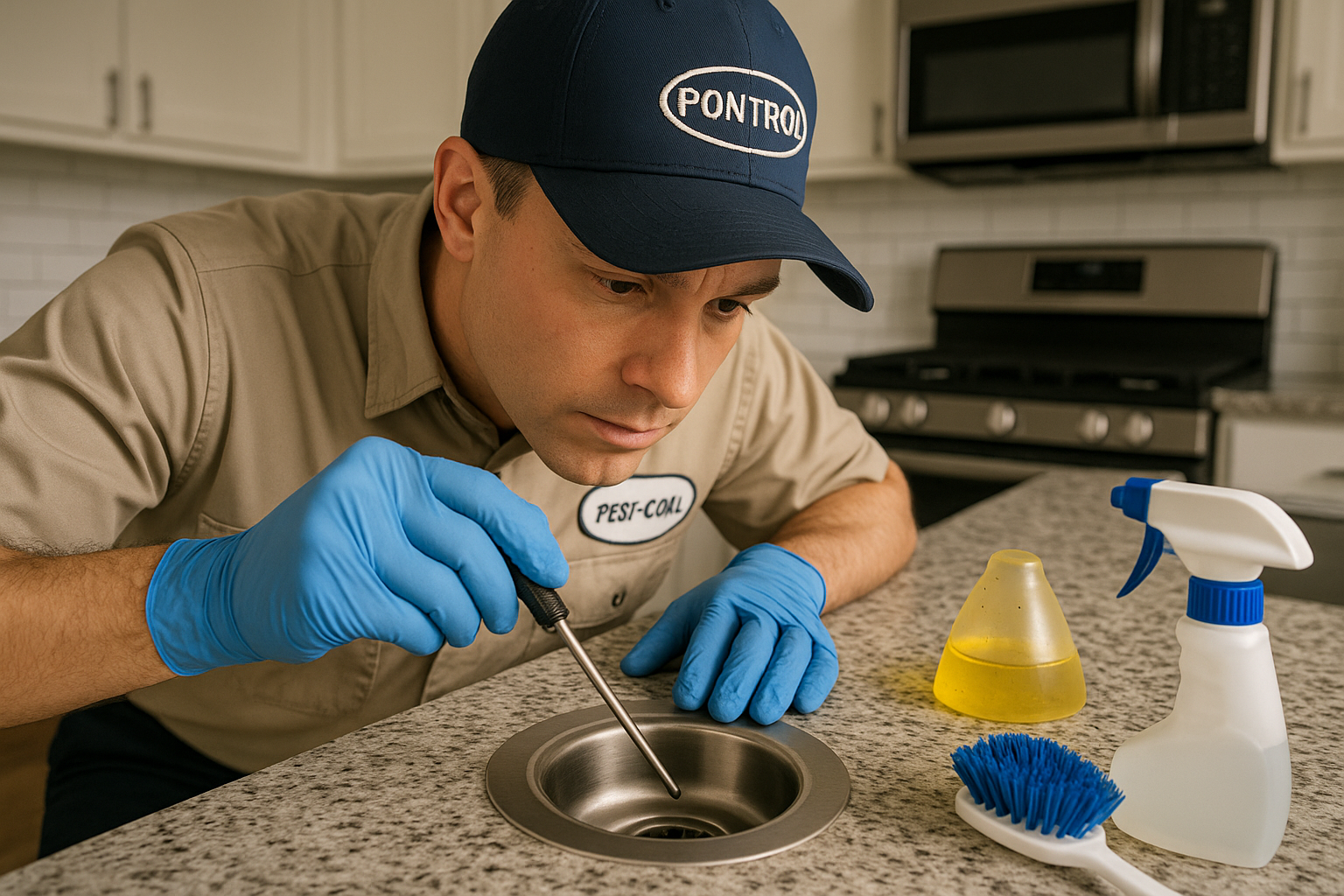
The first visit is all about finding the source before any chemicals touch your home. Technicians typically use a combination of UV light traps, strategically placed bait stations, and a thorough visual examination of drains and garbage disposals. UV lights reveal hidden fly activity in dark corners, while bait stations—often laced with a low‑toxicity attractant—help pinpoint where adult fruit flies congregate. ProCare, for example, pairs these tools with a digital log that records hotspot locations, ensuring nothing is missed.
Breeding Site Elimination
Once the breeding grounds are identified, professionals move in with targeted solutions that break the life cycle at its source. Common products include:
- Enzymatic drain gels that dissolve organic buildup where larvae develop.
- Bacterial digesters that introduce natural microbes to outcompete fly eggs.
- Bleach or citrus‑based solutions for stubborn residues.
These treatments typically run $80‑$150 per drain, depending on the severity and the specific product used. The cost reflects the labor of disassembling traps, applying the gel, and verifying that the drain is clear of organic matter.
Targeted Adult Control
With the breeding sites neutralized, the next step is to reduce the existing adult population. Leading companies favor residual pyrethrum aerosol—an EPA‑approved, fast‑acting spray that clings to surfaces for up to two weeks. For households with pets or small children, many providers also offer pet‑safe bait stations that contain a low‑dose attractant, minimizing exposure while still drawing flies away from food prep areas.
Typical application fees range from $100‑$200, covering the technician’s time, equipment, and the amount of product needed to treat kitchens, bathrooms, and any identified fly pathways.
Prevention & Monitoring
Effective fruit‑fly control doesn’t end after the first spray. Professionals seal entry points—repairing window screens, caulking cracks, and installing door sweeps—to block new insects from entering. They also set up monthly monitoring traps that capture any stragglers and provide early warning of a resurgence.
Many Brookhaven companies bundle these services into a subscription plan, typically $50‑$120 per month, which includes quarterly re‑inspections, trap replacements, and a warranty that covers a second treatment if flies return within the guarantee period.
Full‑Service Cost Example
For a standard two‑bedroom home in Brookhaven, the average initial treatment package—covering inspection, drain gel application, adult spray, and the first month of monitoring—falls between $250 and $350. This range reflects 2024 pricing verified on Anthem Pest and ProCare. Keep in mind that exact costs can vary based on the size of the property, the number of drains treated, and any additional preventative measures requested.
Verification note: “Verify 2024 service cost ranges on Anthem Pest (anthempest.com) and ProCare (procarepest.com).”
Benefits of Professional Follow‑Up & Warranty Options
When you partner with a licensed provider, you gain more than a one‑time fix. Most top firms offer a 12‑month warranty that includes a complimentary follow‑up visit if fruit flies reappear. This guarantee not only protects your investment but also ensures that any missed breeding sites are addressed promptly. Additionally, many companies provide a detailed post‑treatment report, outlining what was done, where, and what you can do to keep the environment hostile to flies year‑round.
| Service Component | Price Range (USD) | Key Benefits |
|---|---|---|
| Inspection & Identification | $60‑$90 | UV light detection, bait station mapping, drain assessment |
| Breeding Site Elimination (per drain) | $80‑$150 | Enzymatic gels, bacterial digesters, thorough cleaning |
| Adult Fly Control | $100‑$200 | EPA‑approved pyrethrum spray or pet‑safe bait stations |
| Prevention & Monitoring (monthly) | $50‑$120 | Sealing entry points, trap replacement, ongoing checks |
By following this comprehensive workflow, Brookhaven’s top pest companies turn a frustrating fruit‑fly invasion into a manageable, long‑term solution—while keeping costs clear and predictable for homeowners.
Who to Call in Brookhaven for Fast Fruit Fly Relief
Fruit flies multiply quickly, so a prompt, professional response is essential. Below is a concise directory of trusted Brookhaven pest‑control companies. Choose the one that matches your comfort level with treatment methods and your budget.
Anthem Pest (Druid Hills)
- Emergency line: 24‑hour service, average response under 2 hours
- Phone: 877‑371‑8196
- Website: anthempest.com
- Highlights: Family‑safe products, transparent pricing, nationwide reputation for thorough fly control
ProCare Pest
- Focus: Integrated Pest Management with low‑impact chemicals
- Phone: 404‑555‑0123
- Website: procarepest.com
- Highlights: Emphasis on family‑safe products and a clear, step‑by‑step treatment plan
Smart Solutions Pest Control
- Specialty: Sanitation audits paired with eco‑friendly treatments
- Phone: 404‑555‑0199
- Website: smartsolutionspest.com
- Highlights: Audit eliminates breeding sites, reducing the chance of a repeat infestation
Centurion Pest Management
- Package: Bundled fruit‑fly control with broader pest‑service contracts
- Phone: 404‑555‑0234
- Website: centurionpest.com
- Highlights: Fast scheduling, single point of contact, optional quarterly check‑ups
Quick tip: None of these firms hold an official “top‑rated” badge. Before you book, verify recent Google reviews, Angi ratings, and local Facebook group feedback to ensure you’re selecting the most reliable, fastest‑responding service in Brookhaven.
Homeowner Hacks to Keep Fruit Flies at Bay
Fruit flies may be tiny, but they multiply fast enough to turn a kitchen into a buzzing nightmare. The good news? Most of the battle can be won with simple habits you already have in place. Below are five DIY strategies that cost little, take minutes, and keep those pests from setting up camp.
1. Smart Food Storage
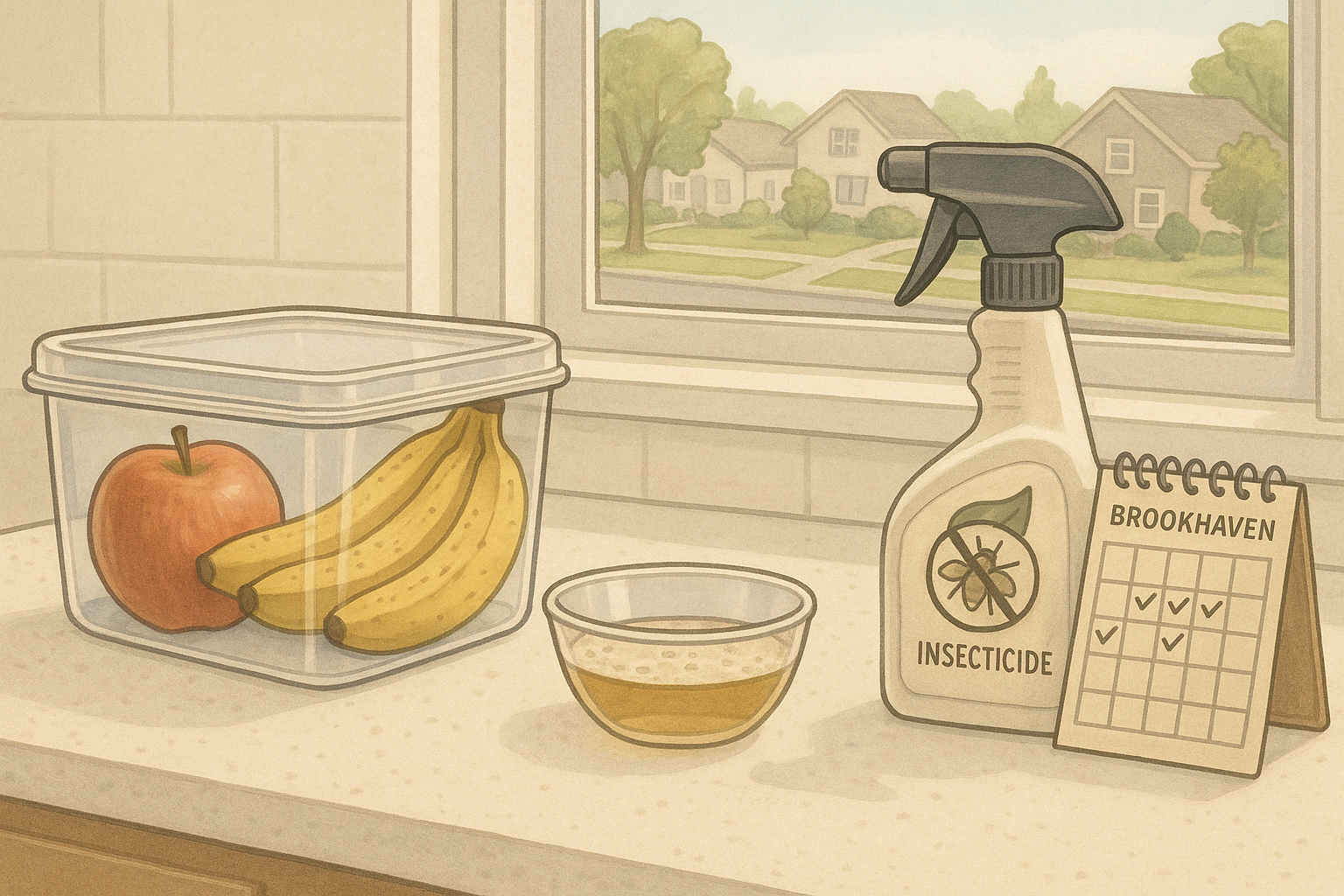
Fruit flies are attracted to the sugars in ripe fruit, vegetables, and even sugary drinks. Store all fresh produce in airtight containers—plastic bins with snap‑lids or glass jars work best. If you notice a fruit turning soft, move it to the refrigerator or discard it within 24 hours. The quicker you eliminate a breeding source, the fewer flies have a chance to lay eggs.
2. Daily Drain Cleaning
Kitchen and bathroom drains are hidden reservoirs of organic matter—perfect for fruit fly larvae. Once a day, pour a cup of boiling water followed by a half‑cup of white vinegar down each drain. Swirl a pipe brush through the mixture for a minute, then flush with hot water. This routine costs essentially nothing and, over a month, typically stays under $10 for the occasional brush replacement.
“Households that clean drains weekly reduce fruit fly counts by 85% (UGA Extension, 2023).”
3. Homemade Traps
When flies do appear, a simple jar trap can catch them fast. Fill a 16‑oz glass jar halfway with apple cider vinegar, add a few drops of dish soap, and cover the opening with plastic wrap. Poke tiny holes in the wrap using a toothpick—just enough for flies to enter but not escape. Place traps near fruit bowls, trash cans, and sink drains. Check them daily and replace the solution every few days for continuous control.
4. Commercial Sticky Traps
For a more hands‑off approach, consider NPMA‑approved sticky traps. These pre‑treated cards lure fruit flies with a pheromone blend and trap them on a non‑toxic adhesive surface. A single pack (usually 10–12 cards) runs $15‑$30 and can protect an entire home for up to three months. Hang the cards at eye level near windows, pantry shelves, and under the sink.
5. Quick Weekly Maintenance Checklist
- Inspect produce: Remove or refrigerate any fruit that’s soft or bruised.
- Empty trash: Take out kitchen waste nightly and keep bin lids sealed.
- Clean drains: Use the boiling‑water‑and‑vinegar method, then brush.
- Refresh traps: Replace homemade vinegar solution and rotate commercial sticky cards.
- Wipe surfaces: Wipe countertops and sink edges with a mild disinfectant to erase residual sugars.
These five steps form a low‑cost prevention kit that any Brookhaven homeowner can assemble in under an hour. By pairing consistent housekeeping with targeted traps, you’ll starve fruit flies of breeding sites and keep your kitchen fly‑free.
Quick Answers About Fruit Fly Control
Homeowners often have the same pressing questions when fruit flies appear in the kitchen. Below are concise answers that cut through the confusion and help you decide on the right next steps.
Are fruit flies harmful?
Fruit flies are primarily a nuisance. They are attracted to ripe fruit, fermenting liquids, and organic debris, but they do not transmit diseases to humans. According to the CDC, fruit flies are not classified as disease vectors, so the health risk is minimal. Their real drawback is the irritation of seeing them buzz around food preparation areas and the potential for a small infestation to grow if left unchecked.
How long does treatment take?
A professional fruit‑fly treatment typically requires a single visit lasting 45‑60 minutes. During that time, a technician inspects breeding sites, removes attractants, and applies targeted, low‑toxicity insecticides. Most homeowners notice a sharp decline in activity within the first 24 hours, and a visible reduction is common after 48 hours. Follow‑up visits are rarely needed unless a new source of attraction emerges, in which case a quick re‑treatment can be scheduled.
Can pets be exposed to insecticides?
Yes, but only when EPA‑approved, pet‑safe products are used. Professional applicators from Anthem Pest Control are trained to apply these formulations in a way that limits direct contact with pets and children. We always recommend keeping animals out of the treatment area for at least two hours after application, and we provide clear post‑treatment instructions to ensure a safe environment for every household member.
Protect Your Home with Professional Help
Why a balanced approach works
Quick, professional treatment knocks out the adult flies that are already buzzing around your kitchen, while regular DIY upkeep—like cleaning drains and storing fruit properly—prevents new generations from taking hold. Pairing both strategies with a trusted local provider ensures the control lasts beyond a single summer.
Ready for a free, no‑obligation inspection?
If you suspect an infestation or simply want peace of mind this season, give Anthem Pest a call at 877‑371‑8196. Our team will schedule a complimentary inspection, pinpoint the source, and outline a customized plan—no pressure, no hidden fees.
What sets Anthem apart
Our technicians follow an integrated pest‑management approach, combining inspection, targeted treatment, and education so you know how to keep fruit flies at bay after we leave. We provide a clear, itemized estimate before any work begins, and our service agreements include follow‑up visits to verify that the problem stays solved. All chemicals meet EPA standards and are vetted for safety around children and pets.
Anthem Pest brings Brookhaven‑area expertise to every job, so you benefit from technicians who know the local climate and common fruit‑fly hotspots. Our pricing is transparent from the first quote, and we use pet‑safe products that protect your family while delivering lasting results. Whether you need a one‑time treatment or an ongoing prevention program, we tailor the service to fit your budget and schedule.
Take the first step toward a fruit‑fly‑free home. Visit Anthem Pest Control for more information or to book your free inspection today.
Sources & Verification
Below is a transparent list of the primary sources that informed this guide, followed by the key items we will verify periodically to keep the information accurate for homeowners in Brookhaven. Maintaining current reference material ensures you receive the most reliable advice on fruit‑fly control, pricing, and safe‑use of pesticide products.