Why House Flies Are More Than a Nuisance in Decatur

In Decatur, a house fly buzzing around your kitchen is more than an annoyance; it’s a moving vehicle for disease. These insects land on garbage, pet waste, and raw foods, picking up bacteria such as Salmonella, Shigella, and E. coli, then deposit them on surfaces you touch or eat from.
The CDC guidance warns that house flies can spread pathogens from feces to food, turning a simple summer gathering into a health risk. Their guidance on sanitation emphasizes eliminating breeding sites and maintaining strict kitchen hygiene to break the fly‑to‑food contamination cycle.
Decatur’s warm, humid climate creates the perfect incubator for fly reproduction. From June through August, average temperatures hover around 85°F with high humidity, shortening the life cycle from egg to adult to just a week. This rapid turnover means a single pair can produce hundreds of offspring, quickly overwhelming a home’s natural defenses.
Because flies multiply so quickly, visual inspections alone often miss hidden breeding sites such as clogged drains, over‑watered potted plants, or uncovered compost bins. A professional inspection pinpoints these hotspots, evaluates sanitation practices, and recommends targeted treatments that protect both health and comfort.
That’s why Anthem Pest Control emphasizes a thorough house‑fly inspection as the first step toward lasting control. By identifying problem areas early, we can apply safe, effective solutions before the summer surge turns a minor nuisance into a serious health threat.
Local expertise matters because Decatur’s neighborhoods each have unique micro‑environments—dense housing, mature trees, and community gardens that can harbor fly larvae. Anthem’s technicians know which areas to treat, from exterior eaves to indoor waste stations, and they follow EPA‑approved methods that safeguard children and pets. Scheduling a professional inspection ensures you’re not just swatting flies, but eliminating the source of contamination.
The Biology and Behavior of House Flies in a Southern City
Four‑Stage Life Cycle
House flies (Musca domestica) develop through four distinct stages: egg, larva (commonly called maggot), pupa, and adult. A healthy female can lay 150–200 eggs on a moist, organic surface, and under Decatur’s summer temperatures—often soaring above 90°F (32°C)—those eggs hatch in just 12–24 hours. The larval phase lasts 3–5 days, after which the maggots spin a silky cocoon and become pupae; within another 2–4 days the adult emerges, completing a full cycle in roughly 7–10 days.
Rapid Population Growth in the Southeast
Because the life cycle shortens as heat and humidity rise, house‑fly numbers can explode during the warm months. The National Pest Management Association’s 2024 report notes that “in the Southeast, house fly populations can double every 5‑7 days during peak humidity” (NPMA 2024 report). This exponential growth means that a single breeding site can generate dozens of adult flies in less than two weeks if left unchecked.
Local Breeding Hotspots in Decatur
Decatur’s suburban layout and climate create several micro‑environments where flies can thrive:
- Outdoor garbage cans: Warm, moist waste provides an ideal egg‑laying substrate.
- Compost piles: Decomposing organic matter supplies both food and moisture for larvae.
- Pet waste: Uncollected dog or cat droppings retain enough moisture to support maggot development.
- Poorly sealed kitchen drains: Organic film inside drains offers a hidden refuge for eggs and early‑stage larvae.
Regular sanitation of these sites—tight‑fitting lids on trash containers, turning compost regularly, prompt removal of pet waste, and routine drain cleaning—disrupts the fly’s reproductive cycle and dramatically reduces indoor incursions.
Quick Fact Box: Summer Humidity
Average summer relative humidity in Decatur: ≈78 %
This high moisture level fuels rapid fly development and shortens the time between generations.
Inspection vs. DIY: What You Gain from a Professional Walk‑Through
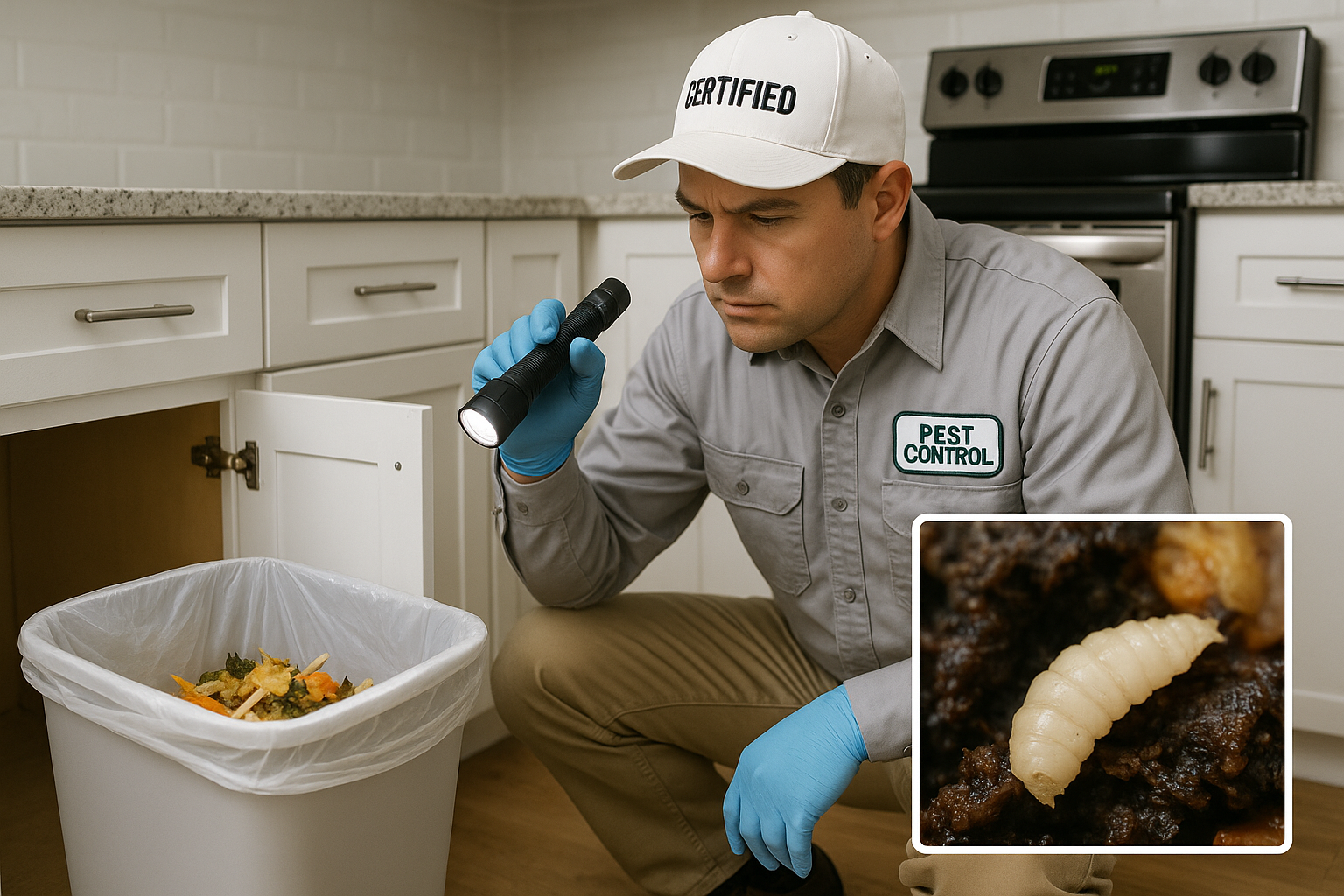
When a house fly buzzes around your kitchen, the first instinct is to grab a flypaper or spray and hope the problem disappears. While that quick fix may knock out a few adult flies, it rarely addresses the source of the infestation, and it leaves you guessing about what you might have missed.
DIY detection relies on what you can see with the naked eye—adult flies perched on windowsills, light fixtures, or food prep areas. Those visible signs tell you a problem exists, but they reveal nothing about where the insects are actually breeding. A single fly can travel several feet from its nest, so the spot you notice is often far from the true entry point.
Professional pest specialists know that house flies love warm, moist environments hidden from everyday view. Crawlspaces, attic insulation, and even underground utility chases can harbor eggs, maggots, and decaying organic matter that fuels a rapid population surge. Without a flashlight, moisture meter, and knowledge of building construction, a homeowner will rarely uncover these concealed hotspots during a casual walk‑through.
When you decide to sell your Decatur home, a documented pest inspection becomes a valuable piece of the transaction packet. Lenders and title companies often require proof that the property is free of active infestations, and a professional report can protect you from post‑sale claims or insurance disputes that might otherwise cost thousands.
As Anthem Pest reminds Decatur homeowners:
“A thorough inspection prevents costly re‑treatments.” – Anthem Pest
Beyond paperwork, a professional walk‑through delivers peace of mind. Trained technicians map every potential entry—cracked screens, vent gaps, door sweeps—and match them to the fly’s life cycle. That precise identification lets you target repairs, sealants, and localized treatments rather than spraying the entire house, which saves time, money, and chemical exposure.
Cost Savings Over Time
While a DIY approach may seem cheaper upfront, hidden colonies often require multiple follow‑up treatments. Each additional visit adds labor fees, product costs, and the risk of missed hotspots that rebound quickly. A single comprehensive inspection, followed by a targeted action plan, typically reduces total spend by 30‑40% compared with repeated DIY attempts.
In short, a professional inspection turns guesswork into a clear, documented strategy—protecting your home, your wallet, and your future resale value.
Step‑by‑Step: The House Fly Inspection Process in Decatur
Arrival & Safety Briefing
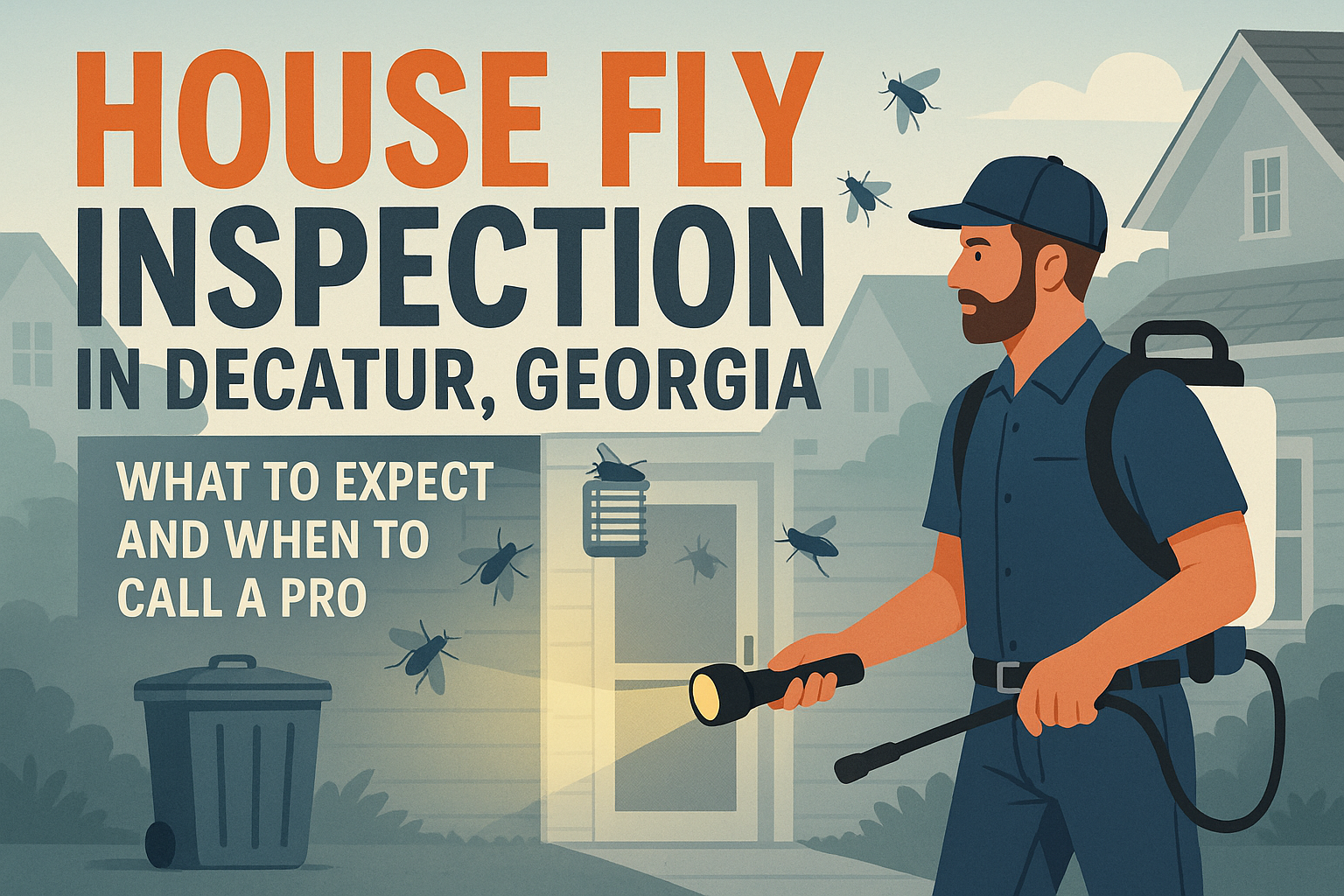
When the technician arrives, they’ll greet you at the door, introduce themselves, and lay out a quick safety briefing. You’ll see a compact flashlight for low‑light areas, a moisture meter to spot hidden damp zones, and a high‑resolution camera for documentation. This short intro usually takes 3‑5 minutes and sets the tone for a transparent, professional inspection.
Interior Survey
The inspector begins inside, focusing on kitchens, dining rooms, bathrooms, and any garbage storage spaces. They’ll scan countertops for food residues, check under appliances for crumbs, and look for standing water in sinks or pet dishes. Cracked window screens and door sweeps are examined closely because they’re prime entry points for flies.
Exterior Survey
Next, the technician moves outdoors. Patios, trash enclosures, compost bins, crawlspaces, and vent openings are all inspected. They’ll note any debris piles, overflowing trash cans, or moisture‑rich areas that attract house flies. In Decatur’s historic neighborhoods—especially along East Ponce de Leon Avenue—older homes often have gaps around exterior doors that need special attention.
Identification of Entry Vectors
During the walk‑through, the inspector pinpoints specific entry vectors: gaps in screens, unscreened vents, and worn door sweeps. For example, many homes on East Ponce de Leon Avenue have original wooden doors with narrow gaps that let flies slip inside during warm evenings. Each vector is marked on a digital floor plan so you can see exactly where repairs are needed.
Documentation
Every finding is photographed with the on‑board camera. The images are instantly uploaded to a secure portal, and a digital report is generated on the spot. The report includes a clear description of each issue, a severity rating, and a recommendation sheet that outlines immediate fixes and long‑term prevention strategies.
Customer Q&A
After the inspection, the technician sits down for a brief Q&A. You’ll receive a printable sanitation checklist that covers daily habits and seasonal tasks. Typical checklist items include:
- Wipe down kitchen counters and appliances after each use.
- Empty and clean trash cans weekly; use tight‑fitting lids.
- Repair any cracked screens or torn door sweeps within 48 hours.
- Eliminate standing water in pet dishes, plant trays, and gutters.
- Store compost in sealed containers away from exterior doors.
Inspection Duration
The entire process—from arrival to the final Q&A—generally takes 45‑60 minutes. This timeframe is confirmed on Anthem Pest’s service page, which states that a thorough house‑fly inspection in Decatur typically falls within this window.
Red Flags That Mean It’s Time for a Certified Technician
Even the most diligent homeowner can be caught off‑guard when house flies seem to multiply despite regular cleaning. If you find yourself scrubbing countertops, taking out the trash daily, and still see flies buzzing around, that persistence is a clear signal that the infestation has moved beyond a simple hygiene issue.
Another warning sign is the appearance of maggots in indoor trash cans, drains, or even behind appliances. Maggots are the larval stage of flies and indicate that eggs have been laid and are hatching inside your home’s moist environments. Their presence means the breeding cycle is already in full swing, and DIY measures rarely eradicate it.
Count the flies. When you notice dozens of flies per hour in high‑traffic rooms such as the kitchen, dining area, or family room, the population density has reached a level that can quickly become a health hazard. This rapid turnover overwhelms ordinary traps and sprays, and professional‑grade treatments become necessary.
Health symptoms among family members should never be ignored. If anyone reports nausea, vomiting, diarrhea, or other food‑borne illness signs after eating at home, it’s likely that flies have contaminated food surfaces. These illnesses can spread quickly, especially to children and the elderly, making immediate professional intervention essential.
Quick Decision‑Tree for Self‑Assessment
Start by asking yourself: Are flies still present after daily cleaning? If yes, move to the next question: Do you see maggots in trash cans or drains? A “yes” here means the infestation is breeding indoors. If you answer “no,” check the fly count: Are there more than 20 flies per hour in a single room? A high count triggers the need for professional treatment. Finally, consider health: Has anyone experienced food‑borne illness symptoms? If any answer is affirmative, call a certified technician right away. Skipping any step could allow the problem to worsen, leading to costly damage and health risks.
A certified technician brings EPA‑registered products, targeted application methods, and a follow‑up plan that guarantees the fly cycle is broken. Their expertise also includes identifying hidden breeding sites that most homeowners miss, ensuring long‑term peace of mind.
Effective Fly Control Solutions and What They Cost in Decatur
When a house fly makes a home in Decatur, the first step isn’t a chemical spray—it’s a clean‑up conversation. Every Anthem Pest inspection includes free sanitation advice. Our technicians walk through your kitchen, pantry, and waste areas, pointing out food residues, standing water, and garbage‑handling habits that attract flies. Simple changes—like tightening sink seals, using covered trash cans, and wiping down counters nightly—can dramatically cut the number of flies before any treatment is even applied.
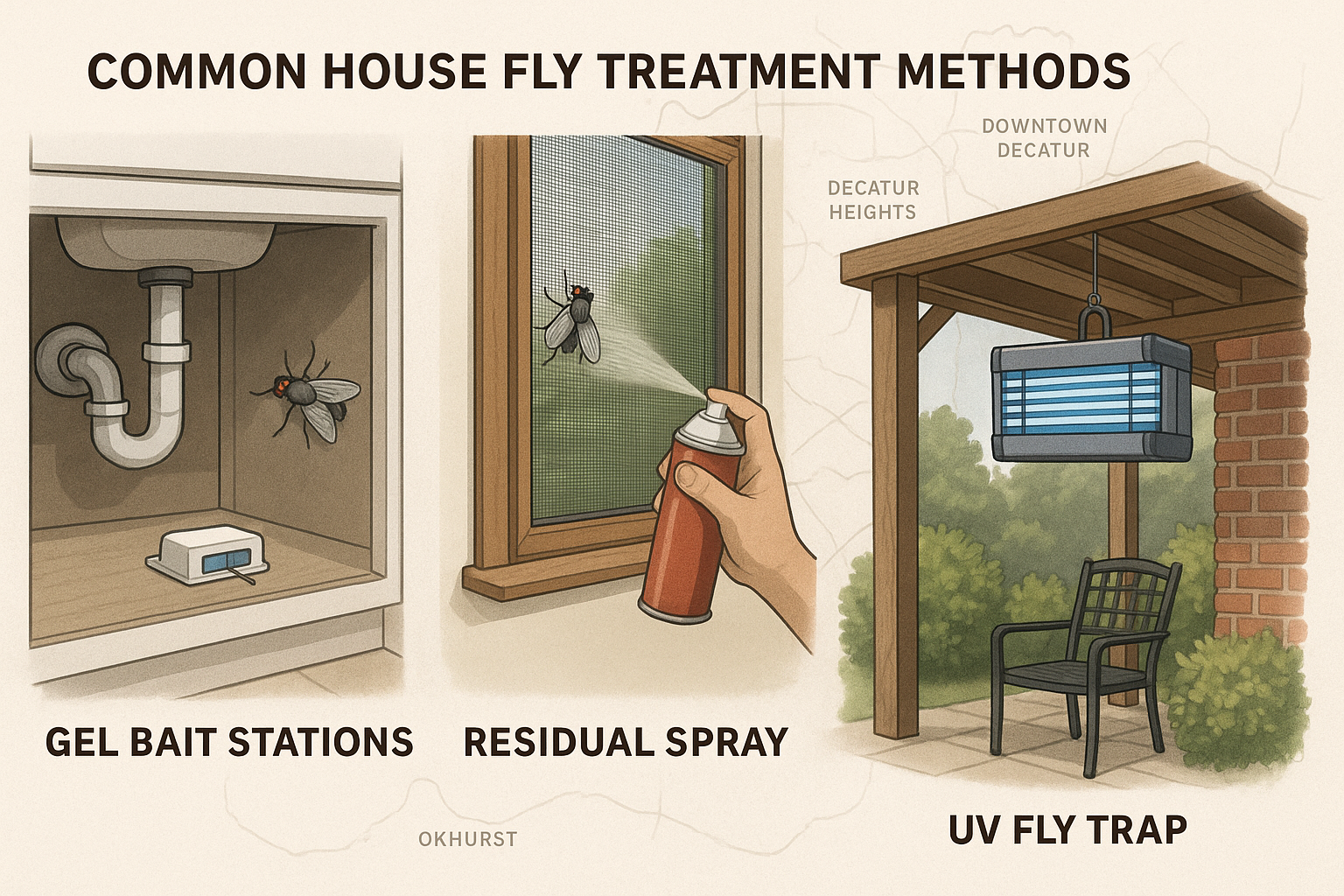
Gel Baits: Targeted, Low‑Visibility Control
Gel baits are a favorite for homeowners who want a discreet solution that works where flies congregate. Technicians apply a thin line of attractant gel under sinks, behind appliances, and in other hidden crevices where flies rest. The gel contains an insecticide that the flies ingest and carry back to the breeding site, breaking the life cycle.
- Typical cost: $45‑$70 per treatment
- Application: One‑time placement; re‑application may be needed if the gel dries out or after heavy cleaning.
Residual Sprays on Entry Points
Flies often enter through doors, windows, and vents. A residual spray creates a chemical barrier that kills flies on contact and continues to work for weeks. Our technicians focus on the frames, sills, and any cracks that provide a pathway into your living space.
- Typical cost: $80‑$120 per application
- Application: Professional spray applied to exterior and interior entry zones; usually scheduled once per season, with a follow‑up if needed.
UV Fly Traps: Passive Monitoring and Reduction
UV traps attract flies with a blue light and capture them on a sticky surface. They’re especially useful in garages, basements, or pantry areas where flies linger but don’t necessarily bite. Because they don’t rely on chemicals, they’re safe around pets and children.
- Cost per unit: $30‑$55
- Recommended quantity: 2‑3 traps per home, positioned near high‑traffic fly zones.
- Maintenance: Replace the sticky pad every 2‑4 weeks for optimal performance.
Integrated Pest Management (IPM) Package
For homeowners who want a comprehensive, season‑long strategy, Anthem Pest offers an Integrated Pest Management (IPM) package. This plan combines sanitation coaching, gel bait placement, residual spraying, and regular monitoring visits. The goal is to keep flies out year‑round while minimizing chemical use.
- Typical quote: $180‑$250 for a full season
- What’s included: Initial inspection with sanitation advice, three to four follow‑up visits, gel bait re‑applications, and a set of UV traps.
- Benefit: Predictable cost, proactive prevention, and a single point of contact for any fly‑related concerns.
All pricing above reflects the most recent 2025 rates posted on Anthem Pest’s official pricing page. We encourage Decatur homeowners to verify the current house‑fly treatment pricing before scheduling, ensuring complete transparency and confidence in the investment.
DIY Steps to Keep House Flies Out Year‑Round
1. Remove waste daily and seal it
Flies are attracted to food scraps. Empty kitchen trash cans every evening and replace the liner. Use bins with tight‑fitting lids or a rubber gasket; a sealed container cuts the odor trail flies follow. For outdoor bins, add a second, larger container with a lid to keep the scent contained.
2. Clean drains with enzyme cleaners
Organic buildup in kitchen and bathroom drains creates a perfect breeding ground. Once a week, pour a cup of an enzyme‑based cleaner down each drain, let it sit for 15 minutes, then flush with hot water. Enzymes break down food particles without harsh chemicals, keeping the pipe interior unattractive to flies.
3. Repair or replace damaged screens
Even a tiny tear in a screen can become a fly highway. Inspect every window and door screen each month. If you spot a hole, most Decatur hardware stores can patch it for under $10, but a full replacement typically runs $15‑$30 per screen. A quick DIY swap with a new screen keeps the interior sealed and saves you a professional call.
4. Tidy the landscape
Standing water in birdbaths, clogged gutters, or low spots in the lawn acts like a fly nursery. Empty and scrub containers weekly, and level any depressions that hold rain. Keep compost bins at least three feet from house walls and cover them with a tight‑fitting lid. This removes both moisture and food sources that lure flies.
5. Follow a seasonal sanitation calendar
Flies surge in early summer and after heavy rainstorms. Mark your calendar for a deep‑cleaning day in late May—wipe countertops, mop floors, and vacuum corners. Repeat the same routine after any period of prolonged rain. Consistent, seasonal sanitation creates a hostile environment that flies simply won’t tolerate.
Your Decatur Fly‑Control Partners
When house flies start buzzing around your kitchen, a quick call to a local professional can stop the invasion before it spreads. Below are the vetted partners we recommend for Decatur homeowners, plus the official guidelines that keep your family safe.
- Anthem Pest Control – Phone: 877‑371‑8196. Free, no‑obligation inspection and transparent pricing. Visit their Decatur service page.
- Active Pest Control – Complimentary quote and a customized fly‑control plan for Dekalb County homes. Schedule online.
- EPA pest‑control guidelines for flies – Safe application rates, approved products, and environmental precautions. Read the EPA guidelines.
- CDC sanitation recommendations – Proper waste management, regular cleaning of food‑prep areas, and eliminating breeding sites. View CDC advice.
Professional fly control blends targeted chemical treatments with integrated pest‑management practices, reducing the need for DIY sprays that can linger on countertops. By partnering with certified technicians, you ensure compliance with EPA standards and benefit from ongoing monitoring that prevents future infestations. Both Anthem and Active Pest Control maintain state‑licensed crews, use low‑toxicity products, and offer service guarantees for peace of mind.
Following CDC sanitation steps can often reduce fly activity by up to 50% before any chemical treatment is needed.
Take Action Today for a Fly‑Free Home
Fly infestations may seem harmless, but they can quickly turn into health hazards, food contamination, and a constant nuisance. Regular inspections catch these problems before they spread, allowing a targeted treatment that protects your family and property.
Flies are more than an annoyance; they are vectors for disease. A single female house fly can lay up to 500 eggs, spreading bacteria such as Salmonella, E. coli, and Shigella across countertops, dishes, and pet food.
Because we serve Decatur daily, our technicians recognize the local hotspots—humid basements, outdoor garbage areas, and pet‑friendly yards—where flies thrive. We tailor each treatment to your home’s layout, ensuring lasting protection without unnecessary chemicals.
By choosing a professional inspection you gain:
- Accurate identification of fly species and breeding sites.
- Customized treatment plans that use safe, EPA‑approved products.
- Long‑term prevention strategies that keep flies from returning.
- Peace of mind knowing a certified technician has sealed every entry point.
Don’t wait for the next swarm to land on your kitchen counter. Anthem Pest offers a free, no‑obligation inspection that pinpoints the source of the problem and outlines the most effective solution.
Ready to protect your home? Call 877‑371‑8196 for a free quote, or visit our website to schedule your inspection online. Our friendly team is standing by to answer questions and set up a convenient appointment.
Visit Anthem Pest Control today and take the first step toward a fly‑free home.