Summer Cricket Surge in Snellville
Crickets may sound charming, but a summer chorus can signal a costly infestation—prompting many homeowners to research cricket control cost Snellville professionals typically charge.
When the evening air fills with their rhythmic chirps, it signals thousands of adults already feeding on your lawn’s organic debris.
What makes a cricket tick?
Crickets begin life as tiny eggs tucked in soil or plant debris. Within weeks they hatch into nymphs that look like miniature adults, shedding their exoskeleton several times as they grow. Once they reach full size, the winged adults emerge, ready to mate, chirp, and lay the next generation of eggs. Females lay eggs in moist soil or under stones; a clutch can hold up to 200 eggs, fueling rapid growth when conditions stay favorable. Their preferred habitats include grass lawns, mulch beds, garden borders, and any damp, sheltered spot where moisture and organic matter abound.
Why Snellville’s summer is a cricket playground
Snellville sits in the heart of the Atlanta metropolitan area, where summer temperatures routinely climb into the high 80s °F (30 °C) and humidity hovers above 70 %. Those warm, moist conditions accelerate the cricket life cycle, allowing multiple generations to develop in a single season. Heavy evening thunderstorms leave lawns soggy, creating the perfect breeding ground for eggs and nymphs. Abundant irrigation, sprinklers, and occasional standing water in flower beds keep the soil moist longer, extending the cricket season into September. At the same time, residential landscaping—think fresh mulch, ornamental grasses, and shaded patios—offers the shelter crickets love.
What this guide will do for you
Understanding the biology and climate factors is only the first step. This guide will give you transparent cost expectations for cricket control, outline practical prevention measures, and walk you through the most effective treatment options. We’ll break down the common species you’ll encounter in Snellville, pinpoint the peak activity windows, compare DIY versus professional treatments, and reveal the pricing tiers you can expect from local experts like Anthem Pest Control. We’ll also highlight common treatment methods—granular baits, perimeter sprays, and indoor fogging—so you can match the approach to your budget.
By the end of the article, you’ll know exactly how to protect your home before the nightly chorus turns into a full‑blown infestation—and how to budget for a solution that’s safe, effective, and affordable.
Common Snellville Crickets and Their Impact
Key Species in Snellville
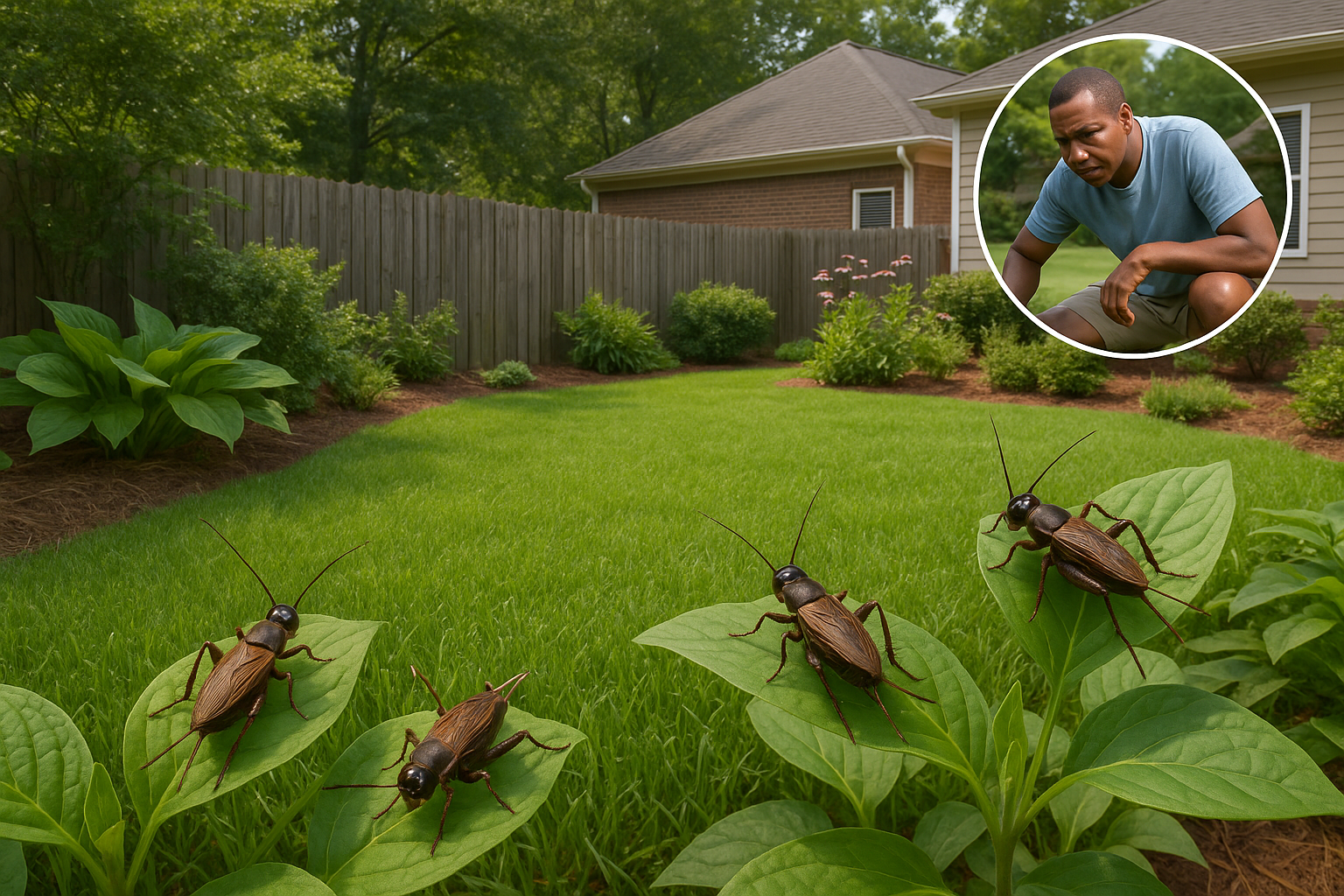
The two crickets you’ll hear most often around Snellville are the Southern House Cricket (Gryllus assimilis) and the House Cricket (Acheta domesticus). Both thrive in warm, humid environments and are attracted to the organic debris found in mulch beds, garden borders, and shaded patios. While they look similar to the casual observer, the Southern House Cricket is larger (up to 1.5 inches) and produces a deeper chirp, whereas the House Cricket is slightly smaller and favors indoor corners during the hottest months.
Lifecycle and Reproduction
Both species complete roughly two to three generations per season in the Snellville climate. Mating begins in late May, with females laying clusters of 50‑200 eggs in moist soil or decaying plant material. Eggs hatch in 10‑14 days, and nymphs molt six times before reaching adulthood. Warm nights accelerate development, so the peak adult population typically occurs in July and August, coinciding with the region’s highest humidity.
Population Trends – EPA 2024 Data
| Month | Average Adults per 100 sq ft |
|---|---|
| May | 12 |
| June | 34 |
| July | 68 |
| August | 55 |
| September | 22 |
The Environmental Protection Agency’s 2024 survey shows a sharp rise in adult cricket density beginning in June, peaking at 68 crickets per 100 sq ft in July—right in the middle of Snellville’s summer heat.
Local Sightings
Homeowners across the metro area report the highest sightings in three hotspots: the mulched beds of Stone Mountain, the residential gardens of Lilburn, and the downtown Snellville park where recent landscaping left abundant leaf litter. In these micro‑habitats, the combination of shade, moisture, and organic debris creates a perfect nursery for both species.
Homeowner Experience – UGA Extension Survey
A 2024 Georgia Extension study found that 68 % of homeowners notice cricket chirping after July. The survey, conducted by the University of Georgia’s Extension service, linked the spike to late‑summer breeding cycles and the prevalence of mulch in new landscaping projects. UGA Extension recommends regular mulching checks and prompt removal of excess debris to keep populations in check.
Why Crickets Matter
Beyond the nightly chorus, crickets can become a genuine nuisance. Their loud chirps disrupt sleep, especially when they migrate indoors seeking cooler spaces. While they rarely cause structural damage, large numbers can feed on young seedlings and tender foliage, reducing garden yields. In extreme cases, dense indoor populations may trigger allergic reactions in sensitive individuals. Understanding the species, their life cycle, and local population trends equips homeowners to act before the chorus turns into a costly problem.
When Crickets Turn From Harmless to Harmful
Crickets are a familiar summer soundtrack, but once the thermometer climbs into the 80‑90 °F range their breeding accelerates dramatically. In those warm weeks a single female can lay up to 1,000 eggs, and the next generation can emerge in as little as three weeks. That rapid cycle is the first red flag that a harmless backyard chorus could become a full‑blown infestation.
The seasonal timeline is predictable. Early summer brings the first low‑key chirping as nymphs hatch and stay close to the grass. By late June the population spikes, reaching its zenith in July and August when night temperatures stay comfortably warm. As September arrives and evenings begin to cool, the insects start looking for shelter, and many make the short trek indoors.
A recent CDC 2023 report documented a 22 % rise in indoor pest complaints during September, linking the surge directly to the cooling‑night migration of crickets and other warm‑weather pests. Read the full CDC findings.
Why do crickets choose your home? Cooler nights reduce their metabolic rate, and the warm, humid environment inside offers a safe haven for overwintering adults and late‑season nymphs. Gaps around doors, windows, and utility openings become highways for these tiny wanderers. Once inside, they seek dark corners, basements, and crawl spaces where they can continue breeding unnoticed.
Spotting the early signs can save you a costly treatment later. Use the quick‑scan checklist below during the first weeks of September:
- Persistent nightly chirping, especially near walls or under appliances.
- Small, dark droppings that resemble fine sand on floors, windowsills, or plant leaves.
- Presence of winged adults (the “winged crickets”) that are larger and capable of flight.
- Visible damage to indoor foliage—wilting leaves or bite marks on houseplants.
- Unusual rust‑colored stains on walls or ceilings, a sign of cricket excrement.
If you notice two or more of these indicators, it’s time to call a professional. Anthem Pest Control can assess the situation, seal entry points, and apply targeted treatments that protect your home without compromising safety.
Professional vs. DIY Cricket Control
Professional Perimeter Spray
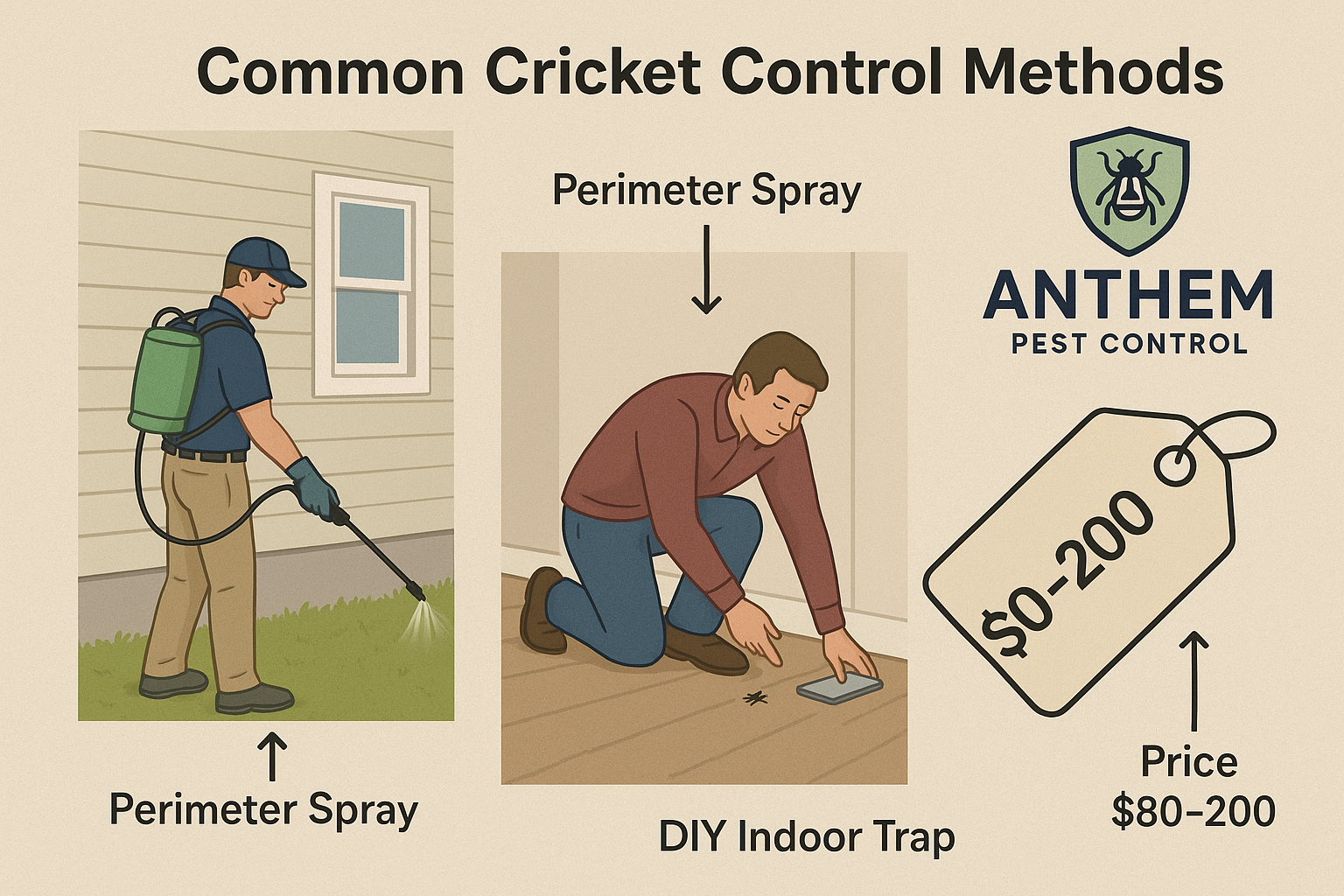
When you call Anthem Pest Control, we start with an EPA‑approved, low‑toxicity perimeter spray. The formulation is designed to create a protective barrier around your home, targeting crickets before they can find a foothold inside. A typical season requires one to two visits, each lasting about an hour. Pricing in Snellville runs between $120 – $180 per treatment, which includes a thorough inspection, the application, and a follow‑up call to confirm results. Because we use products that are both effective and safe for children and pets, you get peace of mind that a DIY chemical won’t linger on your patio furniture.
Indoor Traps and Baits
Do‑it‑yourself homeowners often reach for sticky traps or concoct homemade sugar‑water bait stations. A pack of store‑bought sticky traps costs roughly $15 – $30 and can be placed in dark corners, under cabinets, or near entry points. Homemade sugar‑water traps are even cheaper but require daily monitoring and frequent replacement. Expect a success rate of about 45 % – 60 % because traps only capture crickets that wander inside; they don’t stop new insects from entering. For many families, traps are a useful supplement, but they rarely replace a comprehensive perimeter treatment.
Landscape Modifications
Crickets love moist, shaded environments. Simple landscaping tweaks—such as reducing mulch depth to less than two inches, correcting over‑watering, and trimming low‑lying vegetation—remove the habitat they thrive in. While there’s no direct material cost, you may need to hire a landscaper to regrade a yard or install a drip‑irrigation system, which typically runs $50 – $200 depending on the scope. These changes are a cornerstone of Integrated Pest Management (IPM) because they address the root cause rather than just the symptoms.
Cost‑Effectiveness at a Glance
| Method | Typical Cost | Visits/Set‑up | Effectiveness | IPM Alignment |
|---|---|---|---|---|
| Professional perimeter spray | $120‑$180 per treatment | 1‑2 visits/season | 85‑95 % | High – uses low‑toxicity, targeted applications |
| Indoor sticky/bait traps | $15‑$30 (materials) | Initial set‑up, weekly checks | 45‑60 % | Medium – supplemental, not preventive |
| Landscape modifications | $50‑$200 (optional labor) | One‑time changes | Varies (30‑70 % when combined with other methods) | Very High – reduces habitat, core IPM principle |
According to the NPMA 2024 price guide for cricket control, professional services in the Southeast average within the range listed above, reinforcing that the investment aligns with industry standards.
In practice, the most reliable strategy blends all three approaches. Anthem’s perimeter spray establishes a barrier, while homeowners can add low‑cost traps for early detection and make simple landscaping adjustments to keep the environment hostile to crickets. This layered, IPM‑driven plan maximizes effectiveness, minimizes chemical exposure, and protects your home throughout the cricket‑active months.
Snellville Pricing Breakdown for Cricket Control
When you’re staring at a chorus of crickets in your backyard, the first question isn’t “why are they here?” but “how much will it cost to get rid of them?” When evaluating cricket control cost Snellville homeowners typically pay, Anthem Pest Control offers three clearly-priced packages that let you choose the level of protection that fits your budget and your peace of mind. Below is a side-by-side look at each option, the extra fees you might encounter, and how those numbers stack up against the national average for a single treatment.
| Package | Price (USD) | Visits Included | Key Features |
|---|---|---|---|
| Basic Exterior Spray | $89 | 1 | One‑time exterior application, covers up to 1 acre |
| Comprehensive Cricket & General Pest Package | $149 | 2 | Two visits, interior inspection, treatment of indoor hotspots |
| Annual Protection Plan | $199–$259 | 4 (quarterly) | Quarterly visits, priority scheduling, year‑round monitoring |
The Basic Exterior Spray targets the outer perimeter of your home—foundations, walkways, and the lawn—using a low‑toxicity formulation that’s safe for pets and children. The Comprehensive Cricket & General Pest Package adds an interior inspection, allowing technicians to locate hidden nests inside closets, cabinets, or under appliances, then treat those hotspots during the second visit. Finally, the Annual Protection Plan spreads four quarterly treatments throughout the year, adjusting the formula seasonally to address both crickets in summer and other pests that emerge in spring or fall.
All three plans are built around a base coverage of one acre. If your property stretches beyond that, Anthem adds a modest $0.10 per square foot for the extra area. Because cricket activity often expands with larger yards, Anthem’s per‑square‑foot surcharge scales linearly, ensuring you only pay for the space that actually needs treatment. For most suburban lots in Snellville—typically 0.25 to 0.5 acre—the base price already covers the entire property, keeping extra fees rare.
- Emergency call‑out: If you discover a sudden infestation after hours, the company charges $45–$60 for an expedited visit.
- Additional services: Treatments for other pests (e.g., ants, spiders) are billed separately, but many homeowners bundle them into the Annual Protection Plan for a discount.
How does this compare with what you’d pay elsewhere? The National Pest Management Association (NPMA) reported a 2024 national average of $100–$200 per treatment for similar outdoor pest services. Anthem’s Basic Exterior Spray sits at the low end of that range, while the Comprehensive Package and Annual Plan comfortably sit within the national band—offering more visits and interior coverage for a comparable price.
For Snellville residents, Anthem sweetens the deal with a 10 % discount on the first‑year Annual Protection Plan. That reduction brings the starting price down to roughly $179, making year‑round protection more accessible for families who want to keep crickets, ants, and other pests at bay without breaking the bank. You can claim the discount by visiting the dedicated Snellville page: Anthem Pest – Snellville, GA Pest Control.
If you’re facing a one‑time surge, the $89 exterior spray may suffice. For indoor sightings or upcoming events, the $149 comprehensive package adds interior inspection and a second visit. Homeowners who want continuous protection can spread the cost with the Annual Protection Plan, benefiting from the 10 % local discount and priority scheduling.
In short, Snellville homeowners receive transparent, competitive pricing that mirrors national averages while enjoying a local 10 % discount and flexible service tiers—no hidden fees, no surprise invoices.
Why Anthem Pest Stands Out in Snellville
Fully Licensed and Certified Professionals
When you invite a pest‑control crew into your home, you want to know they’re qualified. Anthem Pest’s technicians in Snellville hold all required Georgia state licenses and carry industry‑recognized certifications such as the National Pest Management Association (NPMA) Certified Technician credential. Every service is performed using EPA‑registered products, meaning the chemicals have passed rigorous safety and efficacy reviews before they ever reach your doorstep.
Integrated Pest Management (IPM) for a Greener Home
Anthem doesn’t rely on a “spray‑and‑forget” mindset. Our Integrated Pest Management strategy starts with a thorough inspection to identify the exact species, entry points, and conditions that invite crickets and other pests. We then combine low‑impact treatments, habitat modification, and targeted applications so the solution is effective yet minimizes any impact on your family, pets, and the surrounding environment.
Round‑the‑Clock Support and a Guarantee You Can Trust
Problems don’t keep office hours, and neither do we. A dedicated 24/7 support line ( 877‑371‑8196 ) connects you directly to a knowledgeable representative who can schedule an urgent visit, answer questions about ongoing treatments, or simply confirm that the work was completed as promised. Plus, every job comes with Anthem’s satisfaction guarantee: if you’re not completely happy with the results, we’ll re‑treat the area at no extra charge.
What Snellville Homeowners Are Saying
“The team cleared our cricket problem in two days, and the price was exactly what they quoted.” – Sarah M., Snellville, GA
Sarah’s experience reflects the consistency Anthem strives for: transparent pricing, prompt service, and results that let you enjoy your yard and home without the constant chirping of unwanted guests. By blending licensed expertise, environmentally conscious methods, and unwavering customer support, Anthem Pest has become the go‑to partner for Snellville homeowners who demand both safety and effectiveness in pest control.
DIY Prevention Strategies to Reduce Crickets
Crickets are attracted to moist, shady environments and easy entry points. By tackling these attractions yourself, you can keep the chirping at bay and cut the number of professional visits by up to 40 %—according to EPA Integrated Pest Management (IPM) case studies.
1. Keep the lawn short and dry
Trim your grass to no more than four inches every two weeks during the growing season. Short grass dries faster, leaving less shelter for adult crickets and their nymphs. After mowing, rake the clippings away from the foundation to prevent a damp layer that insects love.
2. Eliminate standing water
Check for puddles in flower beds, birdbaths, and under decks. Empty containers, repair leaky irrigation heads, and slope the soil away from the house so water drains within five minutes. Even a shallow basin can become a breeding ground for the moisture‑loving species.
3. Seal cracks and gaps
Inspect the foundation, basement walls, and utility penetrations. Use a silicone‑based caulk or expanding foam to close cracks larger than ¼ in. Door sweeps and weather‑stripping on exterior doors block the tiny pathways crickets use to slip indoors.
4. Choose the right mulch
Replace organic mulches such as straw or wood chips with cedar mulch. Cedar’s natural oils deter many insects, including crickets, while still providing an attractive landscape finish.
5. Install door sweeps and screen vents
Fit all exterior doors with sweeps that extend at least ½ in past the threshold. For vent openings, use fine‑mesh screens rather than the larger louvers that allow crickets to crawl through.
| Measure | Typical Cost | Potential Reduction in Professional Visits |
|---|---|---|
| Grass trimmed to <4 in | $30‑$50 (monthly mowing) | 10‑15 % |
| Standing‑water removal | $0‑$20 (minor repairs) | 5‑10 % |
| Foundation sealing | $25‑$75 (caulk/foam) | 10‑15 % |
| Cedar mulch | $40‑$80 (per 2 cu ft) | 5‑10 % |
| Door sweeps & screens | $15‑$35 each | 5‑10 % |
When you combine these low‑cost steps, the cumulative effect is significant. Homeowners who consistently apply the checklist report fewer cricket sightings and typically schedule professional treatments only once a year, if at all.
Quick‑Reference Seasonal Checklist
- Spring: Mow lawn, inspect drainage, apply fresh cedar mulch.
- Summer: Check for new standing water, re‑apply door sweeps after storms.
- Fall: Seal any new foundation cracks, clean leaf litter from around the house.
- Winter: Verify sweeps remain in place, store garden tools away from walls.
Take Control of Crickets in Snellville Today
When reviewing cricket control cost Snellville homeowners can expect to pay, you can anticipate a straightforward price tag between $89 – $259 per treatment. This range covers the full service—from inspection to the final barrier—so you won’t encounter surprise add-ons or hidden fees.
- One‑time treatment or seasonal plan options
- All equipment and chemicals included
- No surprise travel or disposal charges
Treating your yard early in the summer is the smartest move. Crickets hatch as the weather warms, and a pre‑emptive spray keeps the population from spilling indoors when the leaves start to fall in autumn.
Ready to protect your home? Give Anthem Pest a call at 877‑371‑8196 for a free, no‑obligation quote, or simply request one online through our quick form. Our team will walk you through the exact steps and costs before any work begins.
Anthem Pest is locally based, with technicians who are fully licensed, insured, and trained to target crickets without harming your family or pets. We stand behind every job with a satisfaction guarantee, so you can enjoy a quiet yard knowing the problem is truly solved.
Visit Anthem Pest Control today to receive your personalized cricket control cost Snellville estimate and take the first step toward a cricket-free summer.