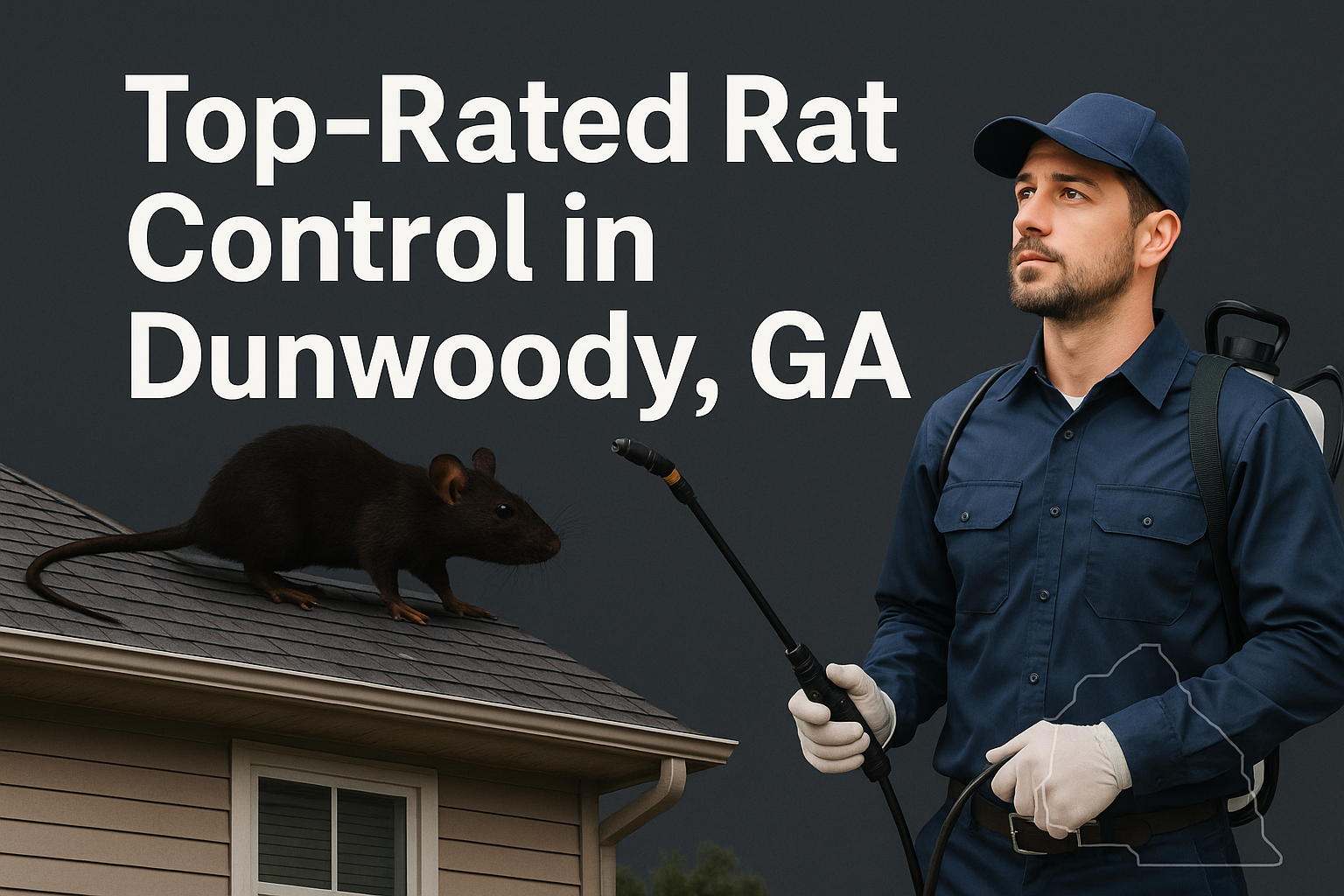
Rat Activity Surge in Dunwoody – Why Homeowners Must Act
In the first half of 2023 the Dunwoody Police Department’s 311 system logged a 22% jump in rodent-related complaints compared with the same period last year. That spike isn’t just a statistic—it’s a warning bell for every homeowner who values a safe, clean home and highlights the growing need for professional rat control Dunwoody GA residents can rely on. Neighborhoods like Brookhaven and Peachtree Corners have reported similar spikes, indicating a citywide trend.
Why the rise matters
Rats thrive in the Atlanta metro area, and their presence brings three major threats:
- Disease transmission: Rats can carry leptospirosis, salmonella, and hantavirus, contaminating surfaces and food supplies.
- Structural damage: Their gnawing habit weakens wiring, insulation, and even wooden framing, increasing fire risk and costly repairs.
- Food contamination: A single rat can spoil an entire pantry, leaving droppings and urine that render food unsafe.
These threats can quickly turn a pleasant home into a health hazard, especially for families with children or pets.
Climate and landscape – a perfect storm
Dunwoody’s humid subtropical climate provides the moisture rats love, while the dense suburban layout—lush lawns, mature trees, and tightly packed homes—creates endless pathways for them to move unnoticed. Warm, damp evenings encourage breeding, and the abundance of gardens, compost piles, and pet food stations offers a year‑round buffet. The combination of warm nights and abundant vegetation means rat populations can double in just a few weeks if left unchecked.
Act now with a local expert
When a rat problem surfaces, speed is essential. Anthem Pest Control is the EPA‑registered, locally based service that guarantees a 48‑hour response to any rodent alert in Dunwoody. Their technicians know the neighborhood’s unique entry points and use proven, low‑toxicity treatments that protect families and pets while eliminating the infestation at its source. Their 48‑hour guarantee means a technician will be at your door within two days, armed with EPA‑approved baits and traps.
By choosing Anthem, you’re not only getting a rapid, professional response—you’re partnering with a team that monitors local trends, adjusts strategies seasonally, and offers transparent pricing so you never face surprise fees.
What’s next?
The sections that follow will walk you through how to spot early signs of rat activity, what treatment options are most effective for Dunwoody homes, and practical steps you can take today to keep your property rodent‑free.
What Makes Dunwoody a Hotspot for Rats

Dunwoody sits in the heart of the humid subtropical zone, meaning mild winters, hot and humid summers, and plenty of rainfall throughout the year. Those conditions keep vegetation lush and, more importantly for rodents, maintain a steady supply of water and shelter. Unlike colder regions where rats hibernate or die off, the climate here allows breeding cycles to continue year‑round, producing multiple litters every month.
Seasonal activity spikes from May through October. During these months, outdoor food sources such as fallen fruit, garden produce, and insect populations swell, encouraging rats to forage aggressively. As the season progresses and natural forage wanes, the animals turn to human‑provided meals, intensifying their presence around homes, trash cans, and pet food stations.
Local habitats that invite infestation
Three landscape features in Dunwoody create perfect rat hideaways:
- Mature oak and pine trees – Their expansive root systems and leaf litter form hidden pathways that rats use to travel between yards.
- Brook Run Park’s dense underbrush – The park’s thick vegetation offers cover, nesting sites, and easy access to nearby residential streets.
- Older homes with crawl spaces – Many neighborhoods contain houses built before modern building codes, leaving gaps, vent openings, and insulated crawl spaces that rodents can infiltrate.
National data underscores the risk. The CDC estimates that 1–2 million rodent‑related illnesses occur annually in the United States (2024 update). Closer to home, the EPA reports that roughly 30 % of Georgia residences experience rat sightings each summer, a figure that climbs even higher in suburban pockets like Dunwoody where green space abounds.
Homeowner story: a warning sign in the attic
Consider the experience of a Dunwoody Village homeowner, Sarah M., who noticed faint gnaw marks on her attic insulation after a storm. A few days later she found dark droppings tucked behind stored cardboard boxes. The signs pointed to an active infestation feeding on stored pantry items and nesting in the warm, undisturbed attic space. Without prompt professional intervention and expert rat control Dunwoody GA homeowners trust, the problem could have spread to wiring, insulation, and even the home’s structural integrity.
Understanding why Dunwoody’s climate, seasonal patterns, and local habitats converge to favor rats helps homeowners recognize early warning signs and act before damage escalates. The next step is learning how to identify rat activity and the health risks that accompany it.
By staying aware of these factors, you can partner with a trusted pest‑control professional to protect your home.
Spot the Rat – Species, Signs, and Health Risks
Common Rat Species in Dunwoody
The two rats that most often invade homes in Dunwoody are the Norway rat (Rattus norvegicus) and the Roof rat (Rattus rattus). Norway rats are the larger of the pair, sporting a stout, brown‑gray body that measures 10‑18 inches from nose to tail tip. They prefer ground‑level burrows, sewers, and garden debris. Roof rats are slimmer, dark‑brown to black, and excel at climbing; you’ll typically find them nesting in attics, roof spaces, or high up in trees.
How to Identify Them
Key visual cues help you tell these pests apart:
- Size: Norway rats average 12‑16 inches; Roof rats are usually 7‑10 inches.
- Tail length: Norway rat tails are thick and shorter than the body; Roof rat tails are long, thin, and often as long as the body.
- Ears: Norway rats have relatively small, rounded ears; Roof rats display larger, more pointed ears.
- Nesting spots: Ground burrows, compost piles, and crawl spaces for Norway rats; high rafters, ceiling insulation, and dense foliage for Roof rats.
Health Risks You Can’t Ignore
Rats are more than a nuisance—they’re disease carriers. The CDC’s 2023 rodent‑borne disease fact sheet lists three primary threats:
- Leptospirosis: Bacterial infection spread through urine that can cause fever, kidney damage, or liver failure.
- Hantavirus Pulmonary Syndrome: Inhalation of aerosolized droppings or saliva can lead to severe respiratory illness; mortality rates can exceed 30 % without prompt treatment.
- Salmonella: Contamination of food surfaces by rat feces can trigger gastrointestinal distress, vomiting, and diarrhea.
Quick Homeowner Checklist
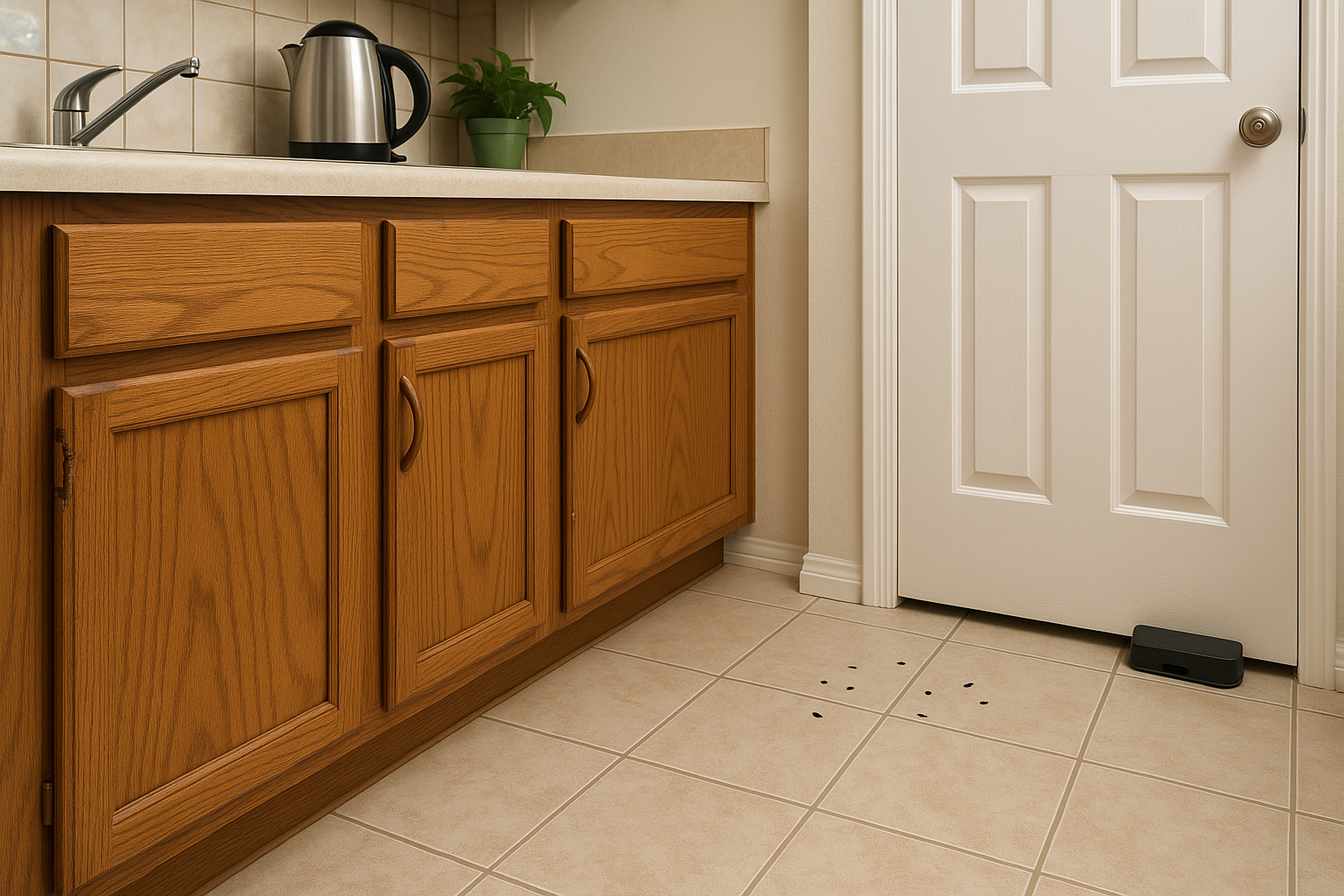
- Fresh droppings—black, rice‑shaped pellets about ½ inch long.
- Gnaw marks on wood, plastic, or wiring.
- Noisy scurrying in walls, ceilings, or attic spaces, especially at night.
- Grease or smudge tracks along walls where rats travel.
- Unexplained disappearance of stored food or pet kibble.
Spotting any of these signs early gives you a fighting chance to stop an infestation before it spreads disease throughout your home. Prompt identification and professional treatment are the safest path to protect your family’s health.
From Inspection to Elimination – Professional Rat Treatment Process
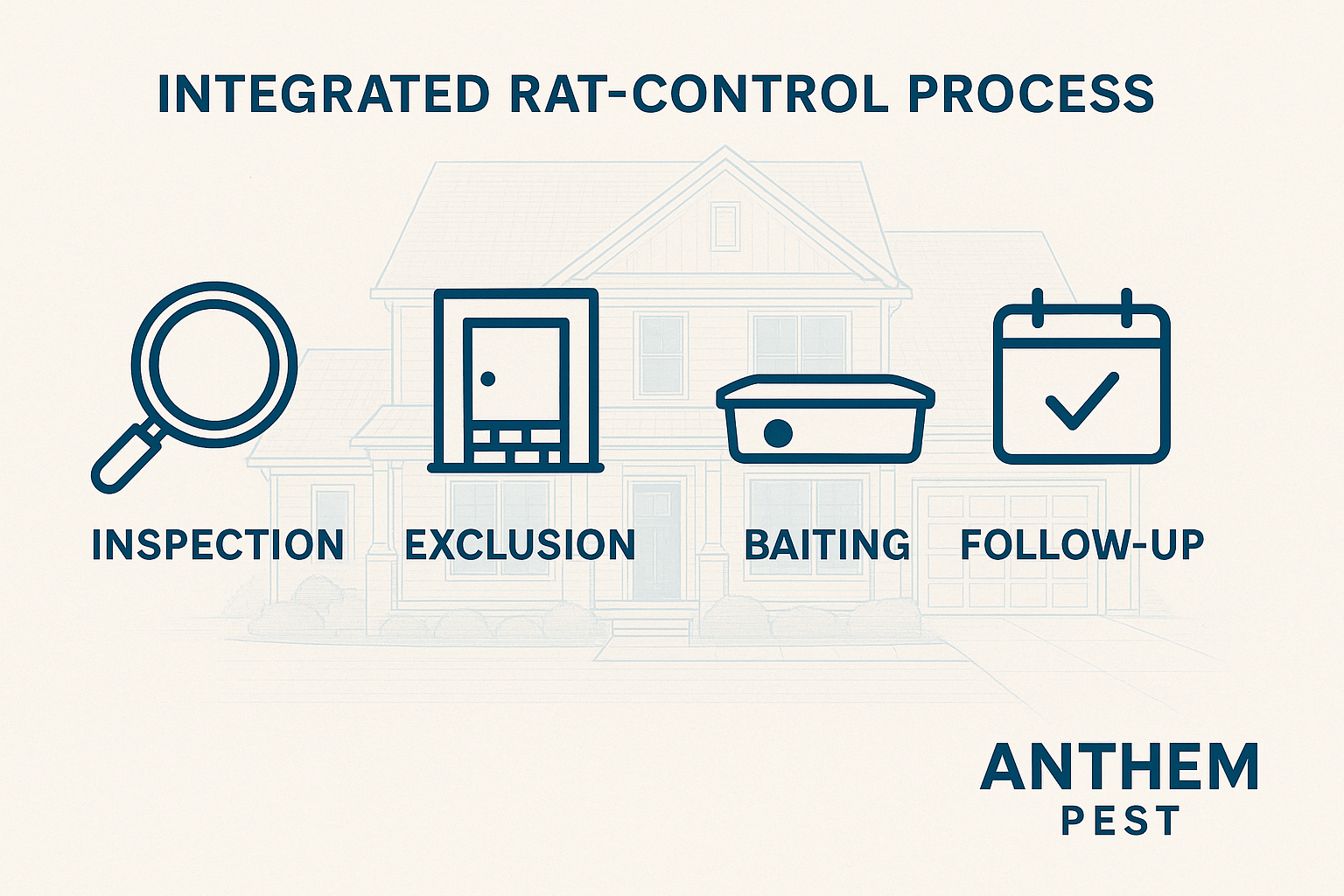
1. Initial Inspection
When you call Anthem Pest Control for professional rat control Dunwoody GA, our certified technician arrives within our guaranteed 48-hour response window. The first step is a thorough visual walk-through of every room, attic, crawl space and exterior foundation. We complement the naked-eye survey with an infrared camera that reveals hidden nesting sites, warm-body activity and even the faint heat signature of a rat moving behind insulation. While we’re inside, we trace potential entry points—cracks, utility openings, and vent gaps—so we know exactly where the invaders are getting in. We also collect samples of droppings and gnaw marks, which are sent to our lab for species confirmation. Within an hour of completing the walkthrough, you receive a detailed report that maps hot spots and outlines the next steps.
2. Exclusion Techniques
Once entry routes are identified, we move to exclusion, the cornerstone of any long‑term rat control plan. Following the National Pest Management Association (NPMA) guidelines, we seal every opening larger than ¼ inch with durable materials. Steel‑wool packing, cement‑based caulks, and custom‑fabricated vent covers create a rat‑proof barrier that lasts for years. Small gaps around pipes, wiring, and HVAC ducts are treated with a combination of expandable foam and metal mesh, ensuring that no clever rodent can squeeze through. Doors are fitted with self‑closing hinges, and all vent openings receive stainless‑steel mesh covers that resist corrosion. For larger gaps, we install custom‑fabricated metal flashing that blends with the home’s exterior.
3. Baiting & Trapping
With the house sealed, we address the existing population. Anthem uses only EPA‑approved rodenticides, applied in tamper‑resistant bait stations that protect children and pets. In addition, we strategically place snap traps and live‑catch traps along walls, behind appliances and near identified runways. Each trap is set at the optimal height—about 2 to 3 inches off the floor—where rats travel most frequently. All bait stations are lockable and labeled, and we walk you through the location of each device so you know they’re out of reach of curious children. Our low‑toxicity formulations are approved for indoor use, minimizing any health risk while remaining lethal to rodents. Our technicians follow strict safety protocols, wearing gloves, using protective eyewear, and documenting every placement for future monitoring.
4. Integrated Pest Management (IPM)
Elimination is only half the battle; prevention is the other. Our IPM approach blends sanitation, structural repairs, and scheduled monitoring visits. We advise homeowners on proper food storage, waste management, and landscaping trims that eliminate outdoor harborage. Any needed repairs—such as fixing broken soffits or reinforcing foundation cracks—are coordinated with trusted local contractors. We tailor the sanitation plan to your lifestyle—guiding you on proper garbage storage, compost bin placement, and yard debris removal. Seasonal monitoring is scheduled before peak rat activity in late summer, giving you a proactive edge. Finally, we return every 30‑45 days for a follow‑up inspection, resetting traps and refreshing bait stations to keep the rat population at zero.
Below is a quick look at the 2024 Metro Atlanta pricing averages for each service tier. These figures reflect the transparent, all‑inclusive rates Anthem offers to Dunwoody homeowners.
| Service | Price Range (USD) |
|---|---|
| Initial Inspection | $75 – $120 |
| Exclusion (per home) | $200 – $500 |
| Baiting & Trapping | $150 – $300 |
| Full‑service Package (Inspection, Exclusion, Baiting, IPM) | $500 – $950 |
These transparent rates include all labor, materials, and a 30‑day warranty, so you never face surprise charges. Choosing a professional service saves you from the hidden costs of DIY attempts—ineffective traps, wasted bait, and the risk of structural damage caused by unchecked gnawing. With Anthem’s four‑step process, you get a clear roadmap, a fixed price range, and the peace of mind that your home will stay rat‑free.
Everyday Actions to Keep Rats Out
Keeping rats out starts long before an infestation. Simple daily habits turn your home into an unwelcome place for these nocturnal gnawers. Below are low‑cost actions and a seasonal timeline to stay ahead.
Secure Your Trash
Choose trash cans with tight‑fitting lids or metal rat‑proof containers. Transfer kitchen waste daily and empty outdoor bins weekly. Removing the scent trail denies rats an easy food source.
Landscape Maintenance
Trim tree or shrub branches within two feet of the roof; they act as rat highways. Keep grass short and prune dense shrubbery. A tidy yard removes shelter and hidden pathways.
Food Storage
Store pet food, birdseed, and outdoor feed in sealed metal containers—plastic bags are easy to chew. Sweep kitchen floors after meals and wipe countertops to erase crumbs. Fewer food sources mean less attraction.
Repair Leaks
Check pipes, faucets, and the roof for drips; even a slow leak gives rats water. Fix faulty seals and clear gutters that let water pool near the foundation. Dry conditions push rodents elsewhere.
Yard Clean‑up
Remove leaf piles, debris, and firewood stacked against the house. Keep compost bins sealed and at least three feet from the foundation, and stack wood off the ground. A clean perimeter eliminates nesting spots.
Seasonal Schedule
Do a deep clean in early April before summer rat activity spikes. In October, inspect for new entry points, replace damaged screens, and reset traps. This two‑step calendar keeps protection year‑round.
Use the checklist below to verify each prevention step during your seasonal walk‑through.
- Ensure all trash cans have tight‑fitting lids.
- Trim trees and shrubs within two feet of the roof.
- Store pet food and birdseed in sealed metal containers.
- Sweep kitchen floors and wipe countertops after meals.
- Repair any dripping pipes, faucets, or roof leaks.
- Remove leaf piles, debris,
Why Anthem Pest Stands Out in Dunwoody
Anthem Pest is fully licensed by the Georgia Department of Agriculture, which means every technician follows state‑mandated safety and efficacy standards. This license isn’t just a piece of paper—it guarantees that the chemicals we apply are approved for residential use and that our staff completes ongoing training on the
Quick Answers to Common Rat Questions
Below are the fastest answers to the three questions homeowners ask most often about rat problems.
How long does a rat infestation last without treatment?
Rats multiply quickly. If you spot a single sighting and do nothing, the colony can persist for weeks, but most experts see a dramatic spike after about six to twelve weeks. During that window the population can double every 30‑45 days, meaning what started as a few gnawing noises can become a full‑blown infestation with extensive structural damage, contaminated food, and increased health risks.
Are the chemicals safe for pets?
Anthem’s rodent control program relies on EPA‑registered products that are formulated for low toxicity to non‑target animals. We place the bait inside sealed, tamper‑proof stations that lock out children and pets while still allowing rats to enter. The active ingredients break down quickly in the environment, and our technicians follow strict placement guidelines, so the chance of accidental exposure is minimal.
What is the warranty on exclusion work?
When we seal entry points, install mesh, and repair gaps, Anthem backs the work with a 12‑month warranty. If a rat manages to re‑enter through a point we previously treated, we’ll return at no extra charge to reassess, re‑seal, and apply additional bait if needed. The guarantee covers both the exclusion materials and the labor, giving homeowners peace of mind that their home stays protected for a full year.
Knowing these facts helps you act quickly and protect your family.
Protect Your Home – Call Anthem Pest Today
Acting quickly when you spot rat activity is the single most effective way to prevent disease transmission, protect structural damage, and avoid the steep costs that arise from unchecked infestations. Certified pest‑control professionals have the tools and knowledge to contain a problem before it spreads, making early intervention both safe and economical.
Anthem Pest brings deep local expertise to Dun‑woody homeowners. Our technicians are trained in an Integrated Pest Management (IPM) program that combines inspection, targeted treatment, and long‑term prevention. You’ll receive transparent pricing with no hidden fees, and a clear action plan that outlines every step we’ll take to keep rodents out of your home. Our locally based team knows the common entry points in older Atlanta‑area homes and can tailor solutions to your property’s specific layout.
We recommend scheduling a thorough inspection before the May‑October peak season, when rat activity naturally climbs. An early appointment gives us the opportunity to set up barriers, seal entry points, and apply preventative treatments while the weather is still favorable.
When you choose Anthem Pest, you’re partnering with a team that understands Dunwoody’s unique challenges and is committed to keeping your family safe. Our free, no‑obligation quote lets you see exactly what’s needed without surprise fees.
Ready to protect your home? Call us today at 877-371-8196 or visit Anthem Pest Control for trusted rat control Dunwoody GA homeowners rely on and request your complimentary quote and inspection.