Gnat Nuisance in Snellville – What Homeowners Need to Know
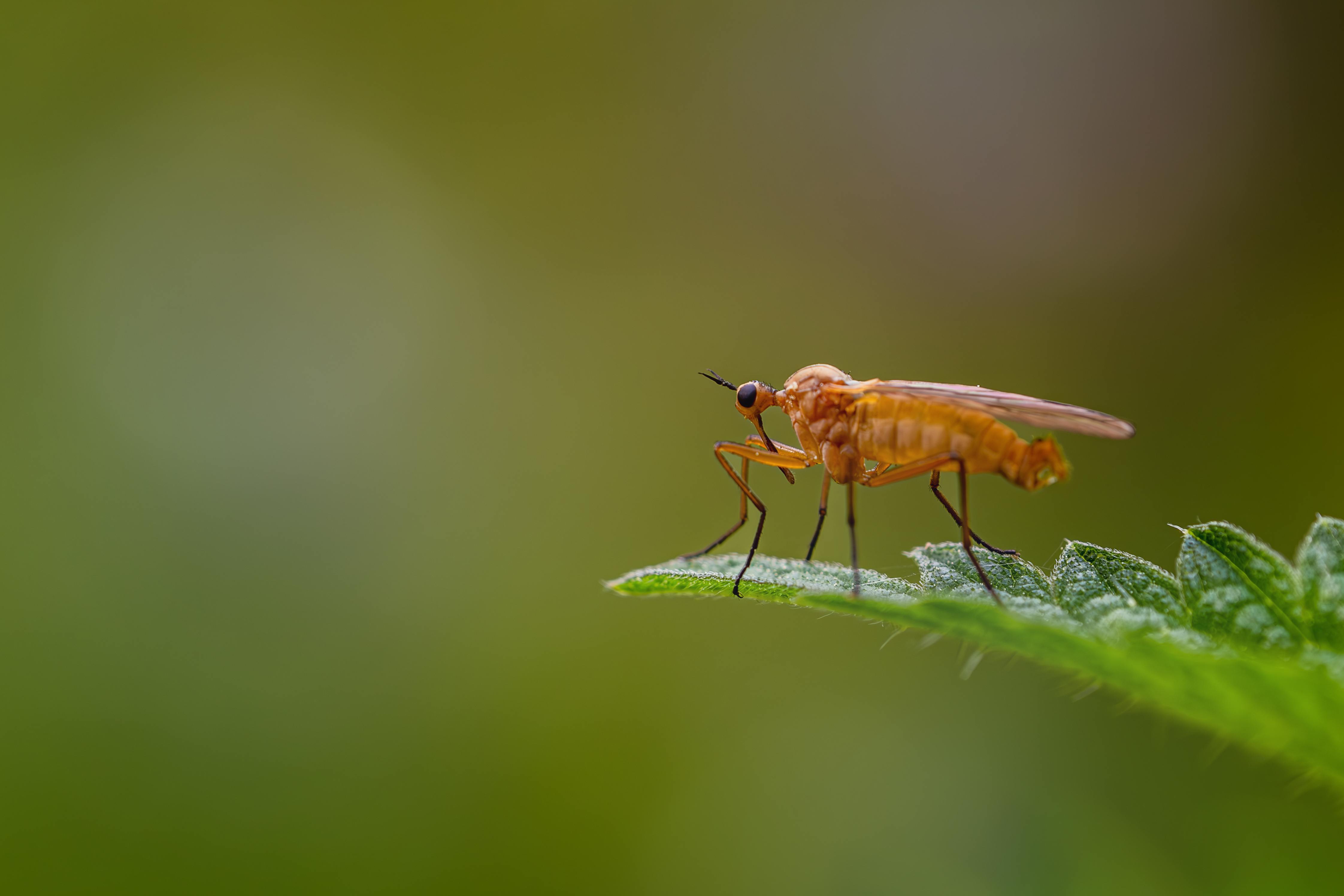
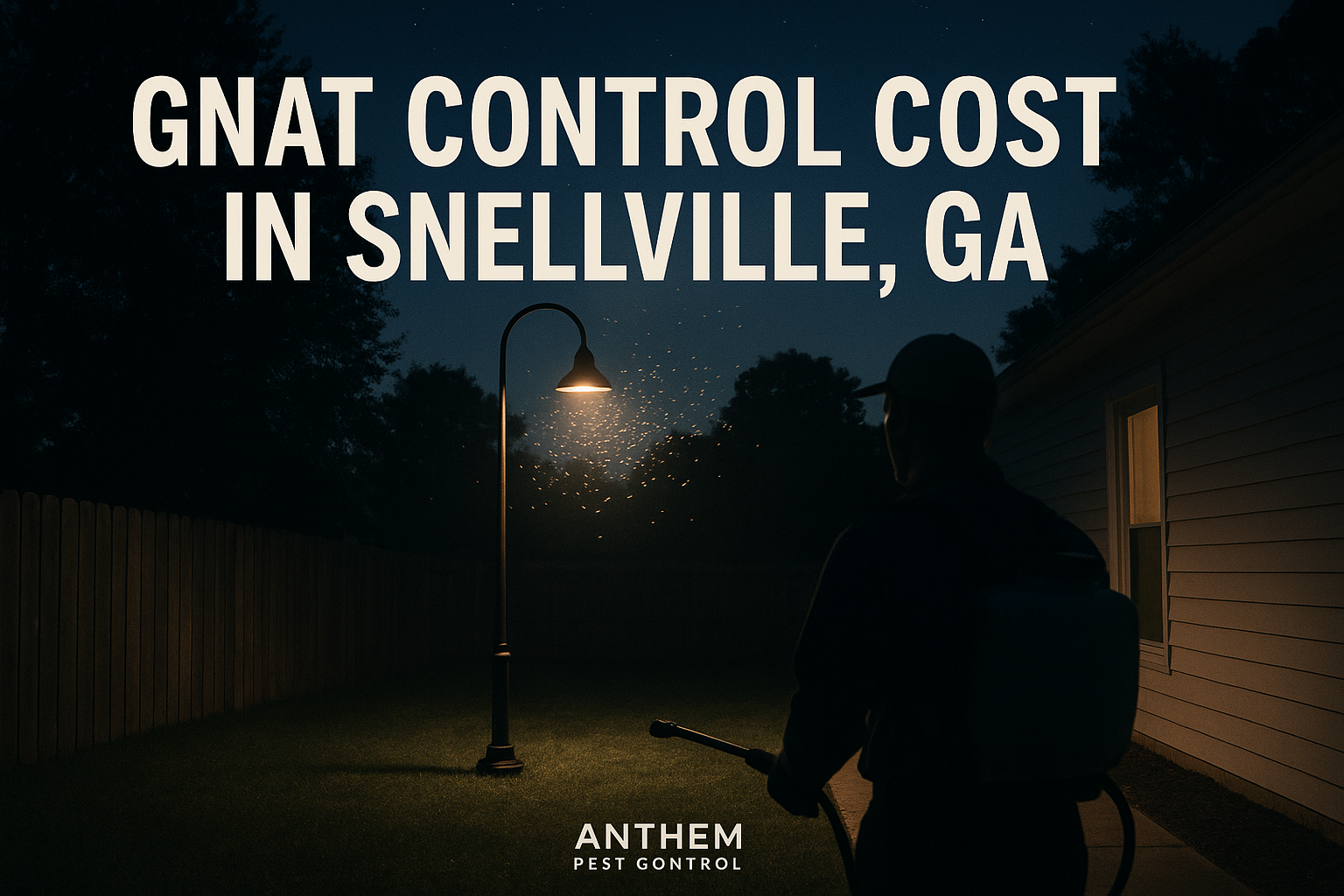
When the Georgia summer rolls in, most homeowners in Snellville start worrying about mosquitoes, ticks, and the occasional wasp. What often flies under the radar, however, are gnats—tiny, almost invisible insects that love to gather around damp soil, outdoor lighting, and the foliage of indoor plants. As infestations grow, many residents begin researching the true gnat control cost Snellville homeowners can expect before scheduling treatment. A single gnat may seem harmless, but a swarm can quickly turn a backyard barbecue or a bedroom into an irritating, sleepless zone.
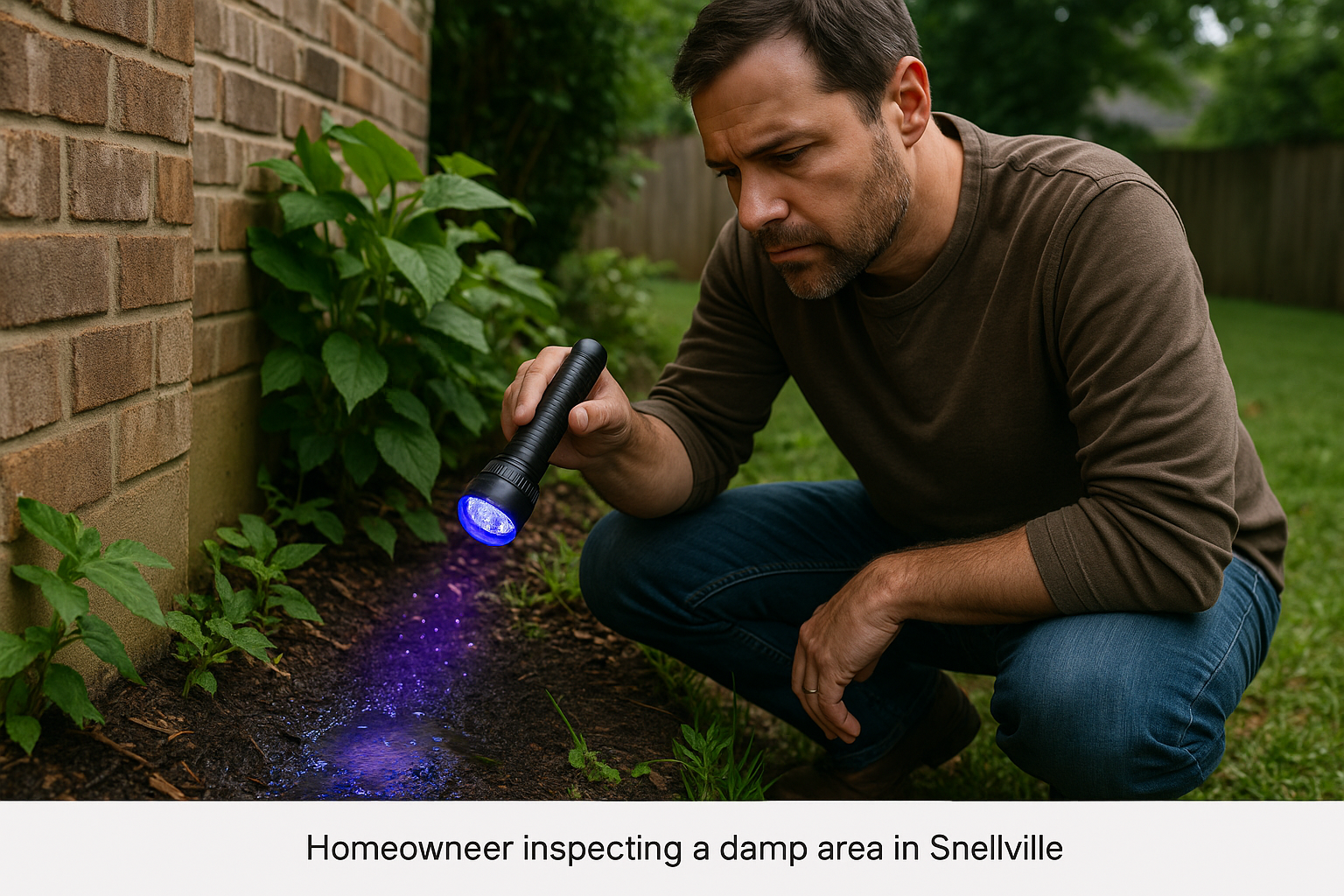
Snellville’s climate is a perfect storm for these pests. The city’s humid summers, combined with frequent afternoon thunderstorms, create moist environments that gnats adore. Suburban landscaping—think ornamental shrubs, water features, and well‑kept lawns—provides the shade and moisture needed for their larvae to thrive. Even a modestly watered garden or a leaky faucet can become a breeding hotspot within days.
Homeowners typically ask three questions when gnats appear:
- “How much will it cost to get rid of them?”
- “Will the treatment actually keep them away, or is it just a quick fix?”
- “Can I handle the problem myself, or do I need a professional?”
In this article we’ll answer those questions by focusing on three clear goals:
- Transparent Pricing: We’ll break down the typical cost structure for gnat control in Snellville, so you know exactly what you’re paying for.
- Factor Analysis: We’ll examine the local conditions—humidity levels, landscaping choices, and seasonal patterns—that influence both the severity of an infestation and the price of treatment.
- Anthem Pest’s Added Value: We’ll show why partnering with a locally‑trained, data‑driven team like Anthem Pest gives you more than just a spray; you get a comprehensive plan that prevents future outbreaks.
Expect data‑driven insights drawn from recent service calls across Gwinnett County, plus real‑world examples of how a simple change—such as adjusting irrigation timing or installing low‑intensity lighting—can cut treatment costs by up to 30 %. By the end of this section, you’ll understand why gnats are more than a minor annoyance and how a strategic approach can keep your home comfortable without breaking the bank.
Common Gnat Species and Local Climate
Fungus gnats
Fungus gnats are tiny, dark‑colored insects that spend most of their life cycle in the soil. They are attracted to the moist, organic matter found in houseplant pots, greenhouse trays, and shaded garden beds. Adults hover weakly near foliage, while their larvae feed on fungal growth and decaying roots, often causing yellowing or stunted growth in ornamental plants.
Biting midges
Also known as “no‑see‑ums,” biting midges form outdoor swarms that can be especially bothersome during dusk and early morning. Unlike fungus gnats, they bite human skin, leaving itchy red welts. These insects breed in wet, marshy areas such as pond edges, storm drains, and heavily irrigated lawns, making them a common nuisance in Snellville’s humid summer evenings.
Fruit flies
Fruit flies are attracted to fermenting fruit, vegetables, and sugary residues in kitchens and compost bins. While they are not true gnats, they are frequently grouped with them because of their size and behavior. Their rapid life cycle means an uncovered bowl of ripe fruit can become a breeding hotspot within days, leading to noticeable indoor infestations.
How Snellville’s climate fuels gnat activity
Snellville experiences a subtropical climate characterized by high humidity, frequent summer rainstorms, and lush, well‑watered lawns. These conditions keep soil moisture levels consistently high, providing an ideal environment for gnat eggs and larvae to develop. The combination of warm temperatures (often above 80°F) and ample precipitation from May through July creates a perfect breeding window for all three species.
According to the Georgia Department of Public Health, 42% of households report gnat sightings during peak summer months. The survey highlights that sightings spike in May, peak in June, and begin to decline by late July as temperatures start to drop and irrigation practices shift for fall landscaping.
What Drives Gnat Control Prices
Property size
Square footage and yard acreage are the first numbers a technician looks at when estimating gnat control cost Snellville homeowners can expect. A modest 1,500-sq-ft home with a small garden will need far fewer spray points than a 3,500-sq-ft property with a sprawling lawn and multiple patios. Larger footprints increase the amount of product, labor time, and equipment needed, which directly lifts the price tag.
Infestation severity
Not all gnat problems are created equal. A light infestation—perhaps an occasional indoor sighting near a houseplant—usually calls for a single, targeted treatment. Moderate cases, where gnats gather on a patio or around outdoor lighting, require a broader barrier and possibly a follow‑up visit. Severe swarms that blanket decks, grills, and outdoor furniture demand extensive coverage, multiple applications, and sometimes specialized products, all of which raise the overall cost.
Treatment type
Homeowners can choose from several service models. A one‑time spray is the most straightforward and often the cheapest option, ideal for short‑term relief. Monthly barrier programs keep a protective layer of insecticide in place, spreading the expense over twelve visits but delivering continuous peace of mind. Integrated Pest Management (IPM) combines chemical treatments with habitat modification, monitoring, and education; it’s the most comprehensive—and typically the most expensive—approach.
Seasonal timing
Gnat activity peaks in early summer, when many companies offer promotional rates or bundled discounts to attract new customers. Booking during this window can shave 10‑15 % off the standard price. Conversely, an unexpected surge in the fall—often triggered by heavy rains—may be classified as an emergency service, prompting higher labor charges and premium product fees.
Local labor rates
Anthem Pest Control’s licensed technicians in Snellville earn an average hourly wage that reflects the region’s cost of living and certification requirements. Labor is a significant portion of the bill because each visit involves careful inspection, precise application, and thorough cleanup. When local wages rise, you’ll see a proportional increase in the quoted price.
| Variable | Typical Impact on Price | Example Adjustment |
|---|---|---|
| Property size | Low → High | +$50‑$200 per 1,000 sq ft |
| Infestation severity | Light → Severe | +$75‑$250 for moderate‑severe |
| Treatment type | One‑time → IPM | +$100‑$400 for monthly/IPM |
| Seasonal timing | Early summer discount vs. fall emergency | -10% discount / +15% surcharge |
| Local labor rates | Standard → Premium | +5%‑15% based on technician wage |
Typical Pricing for Gnat Control Options
When it comes to gnat control, homeowners in Snellville often wonder how much they’ll actually pay. At Anthem Pest Control, we believe in clear, upfront pricing so you can budget with confidence. Below are the most common treatment options, each broken down by the typical cost you’ll see on a service invoice.
- One‑time exterior spray: Ideal for a quick knock‑down of a visible gnat hotspot. For homes up to 2,000 sq ft, the price usually falls between $120 and $180. This includes a thorough inspection, targeted spraying around doors, windows, and yard perimeters, and a follow‑up call to ensure the treatment was effective.
- Monthly barrier program (4 visits per year): Perfect for ongoing protection during peak gnat season. Expect an annual investment of $350‑$480. Each visit reinforces the exterior barrier, treats any new breeding sites, and adjusts the formulation based on weather patterns and gnat activity levels.
- Integrated Pest Management (IPM) package: A comprehensive approach that blends chemical treatments with habitat modification, such as drainage improvement and vegetation trimming. Annual pricing ranges from $500 to $650. The package includes an initial deep‑clean assessment, quarterly treatments, and a detailed report on preventive actions you can take around the property.
- Travel surcharge: If your home sits in an outlying neighborhood like Sun City or Peachtree Corners, a modest travel fee of $15‑$25 per visit may be added. This covers the extra mileage and time required for our technicians to reach your location.
The price ranges above reflect data from the NPMA’s 2023 Pest Control Pricing Survey, which aggregates thousands of service quotes across the United States. Factors that influence where a particular job lands within the range include square footage, severity of the infestation, and any special site conditions (e.g., dense landscaping or proximity to standing water).
Choosing the right plan hinges on your comfort level with risk and how proactive you want to be. A one‑time spray can be a cost‑effective stop‑gap, but if gnats return each summer, the barrier or IPM options often prove more economical over time by reducing repeat visits and limiting the need for emergency treatments.
Comparing Treatment Methods
When gnats start buzzing around your patio or kitchen, the first question most homeowners ask is, “What’s the best way to get rid of them without breaking the bank?” In Snellville, you have three primary options: chemical spray, traps, and biological controls. Below, we break down each method’s price range, speed of knock‑down, and overall effectiveness so you can decide what fits your budget and your comfort level.
Chemical Spray
A professional-grade spray typically costs between $120 and $180 per application. The product is applied as a perimeter barrier or a targeted mist, delivering a fast knock‑down—often within minutes of treatment. On a scale of 1 to 10, most technicians rate its effectiveness at 8/10, especially for moderate to heavy infestations. The trade‑off is a higher upfront cost and a need for re‑application every 2–4 weeks during peak season.
Traps (Sticky or UV)
Traps are the most budget‑friendly entry point, ranging from $30 to $50 per set. They work by luring gnats to a sticky surface or an ultraviolet light source. While the initial expense is low, their effectiveness rating sits around 5/10 for large swarms because they only capture a fraction of the population. Traps are best used as a supplemental tool alongside another primary treatment.
Biological Controls (Bacillus thuringiensis)
Biological agents such as Bacillus thuringiensis (Bt) are applied in a liquid or granule form for $80–$120 per treatment cycle. Bt targets gnat larvae in the soil, disrupting their life cycle without harming beneficial insects, pets, or children. Homeowners who prioritize an eco‑friendly approach often rate this method at 7/10 for effectiveness. It takes a bit longer—usually 24–48 hours—to see a noticeable decline, but the environmental impact is minimal.
Real‑World Savings Example
Consider a Snellville homeowner who originally scheduled monthly chemical sprays at $150 each. After consulting with Anthem Pest Control, they switched to a quarterly barrier using Bt, costing $100 per cycle. Over a year, the switch saved $75 while still keeping gnat numbers under control.
Pros and Cons Overview
| Method | Cost per Treatment | Speed of Action | Environmental Impact | Effectiveness Rating |
|---|---|---|---|---|
| Chemical Spray | $120‑$180 | Immediate (minutes) | Moderate (synthetic chemicals) | 8/10 |
| Traps (Sticky/UV) | $30‑$50 | Slow (hours‑days) | Low (non‑toxic) | 5/10 |
| Biological Controls (Bt) | $80‑$120 | Moderate (24‑48 hrs) | Very Low (natural bacteria) | 7/10 |
Choosing the right method depends on three factors: how quickly you need relief, how much you’re willing to spend, and how important an eco‑friendly solution is to you. If you need an instant fix and can budget for it, a chemical spray is the most reliable. For homeowners who prefer a greener approach and can wait a day or two, biological controls strike a solid balance between cost and effectiveness. And if you’re looking for a low‑cost, supplemental line of defense, traps can help keep numbers in check while you decide on a longer‑term strategy.
Seasonal Timing and Savings Opportunities
Peak Gnat Season and Early Intervention
In Snellville, gnat activity spikes between May and July when warm temperatures and abundant moisture create ideal breeding grounds, directly influencing overall gnat control cost Snellville homeowners may face during peak season. Females lay hundreds of eggs in standing water, and the larvae develop rapidly, turning a few backyard puddles into a full-scale nuisance. Treating your property before this window—ideally in late April or early May—interrupts the life cycle before the first generation can emerge, dramatically reducing the number of insects you’ll have to fight later in the summer. An early application also means we can use a lower concentration of active ingredients, which is gentler on your lawn, garden beds, and pets. Homeowners who act now often avoid the frantic, higher-dose treatments that become necessary once populations explode.
Cost Savings with Early‑Summer Bookings
Anthem Pest Control rewards proactive homeowners with a 10 % discount through our “Snellville Summer Savings” promotion. The offer applies to any gnat control service scheduled before June 1, giving you a lower price while still catching the pests at the most vulnerable stage of their development. Because we can treat fewer nests and limit repeat visits, the reduced labor and material costs are passed directly to you. To claim the discount, simply call 877‑371‑8196 or schedule online before the deadline, and our technician will confirm the promotion on the service order.
Guidelines from EPA’s Integrated Pest Management
The EPA’s Integrated Pest Management (IPM) program emphasizes timing as a core principle: apply treatments when pests are most susceptible and before they cause economic damage. By aligning our service calendar with these guidelines, we not only comply with best‑practice standards but also protect beneficial insects that might otherwise be harmed by untimely applications. We also incorporate monitoring tools—such as sticky traps and moisture assessments—to determine the precise moment when a targeted spray will be most effective, keeping unnecessary applications to a minimum.
Quick Tip for Maximum Impact
Schedule your treatment just before the first major rain event of the season. A light rain after application helps move the insecticide into the soil and water‑filled breeding sites where gnats lay their eggs, extending the residual effect without over‑application. Check your local forecast and aim for a day when a light shower is expected within 24 hours; the added moisture drives the treatment deeper into the breeding sites where gnats thrive. Give us a call early, lock in the “Snellville Summer Savings,” and enjoy a gnat‑free yard all season long.
DIY Methods vs. Professional Services
Common DIY options
Many homeowners reach for the pantry and the closet when gnats start buzzing. A vinegar trap—simply a bowl of apple cider vinegar topped with dish soap—can be assembled for under $5. Citronella candles and homemade oil sprays (mixing water, a few drops of eucalyptus or peppermint oil, and a touch of dish detergent) typically cost $10‑$30 for a weekend of “treatment.” While these remedies are cheap and easy, their reach is limited to the immediate area where they’re placed, and they rarely affect the breeding sites hidden in drains, compost piles, or over‑watered soil.
Why professionals have the edge
Licensed pest technicians bring EPA‑approved products that are formulated to penetrate the entire life cycle of gnats, not just adult flies. A trained technician can locate hidden breeding grounds, apply treatments at the correct dosage, and follow safety protocols that protect your family and pets. Because the service is performed under a professional’s liability coverage, you’re covered if a product causes unexpected damage. Most reputable companies, including Anthem Pest Control, back their work with a guarantee—if gnats return within a set period, they’ll re‑treat at no extra charge.
Safety first for pets and children
DIY mixtures often rely on essential oils or household cleaners that can irritate sensitive skin or cause respiratory distress in small children and animals. Professional‑grade formulations are tested for indoor use and applied in calibrated amounts, reducing the risk of over‑exposure. Moreover, technicians wear protective equipment and follow strict disposal rules, ensuring that no harmful residues linger on countertops or play areas.
How to decide
Use the following decision‑tree as a quick guide:
- Assess severity: a few gnats in one room vs. a persistent swarm throughout the house.
- If the problem is isolated and recent, try a DIY trap for 48‑72 hours.
- If gnats persist, or if you have young children, pets, or a health condition, contact a licensed professional.
- Schedule a service appointment; the technician will perform an inspection, recommend a treatment plan, and provide a written guarantee.
Anthem Pest’s Local Value Proposition
When a gnat invasion turns your backyard into a buzzing nightmare, Snellville homeowners need a partner who understands the neighborhood’s unique climate and landscape. Anthem Pest delivers that local expertise with a 24‑hour response promise, meaning a certified technician can be at your door within the same day you call—whether you live in Stonebridge, Woodhaven, or East Snellville.
Why Snellville Residents Choose Anthem Pest
- Rapid, 24‑hour response: Our dispatch team monitors calls around the clock, so you never wait days for help.
- Neighborhood‑specific knowledge: Technicians have mapped the most common breeding sites in Snellville’s humid subtropics, from shaded patio corners to over‑watered flower beds.
- Certified professionals: Every field agent holds state certification and ongoing training on the latest gnat control methods.
- Transparent pricing: No hidden fees—just a clear, upfront estimate on our gnat‑control pricing page.
- Satisfaction guarantee: If gnats return within 30 days, we’ll revisit the property at no extra charge.
- Free follow‑up visit: After the initial treatment, we schedule a complimentary check‑in to ensure the problem stays solved.
Our commitment to honesty extends to the chemicals we use. Anthem Pest relies exclusively on EPA‑approved formulations that target adult gnats and their larvae without endangering pets, children, or beneficial insects. By pairing these products with an integrated approach—soil treatment, standing‑water drainage, and habitat modification—we attack the pest cycle at every stage.
“The team arrived on time, treated our patio, and the gnats were gone within days – best service in Snellville!”
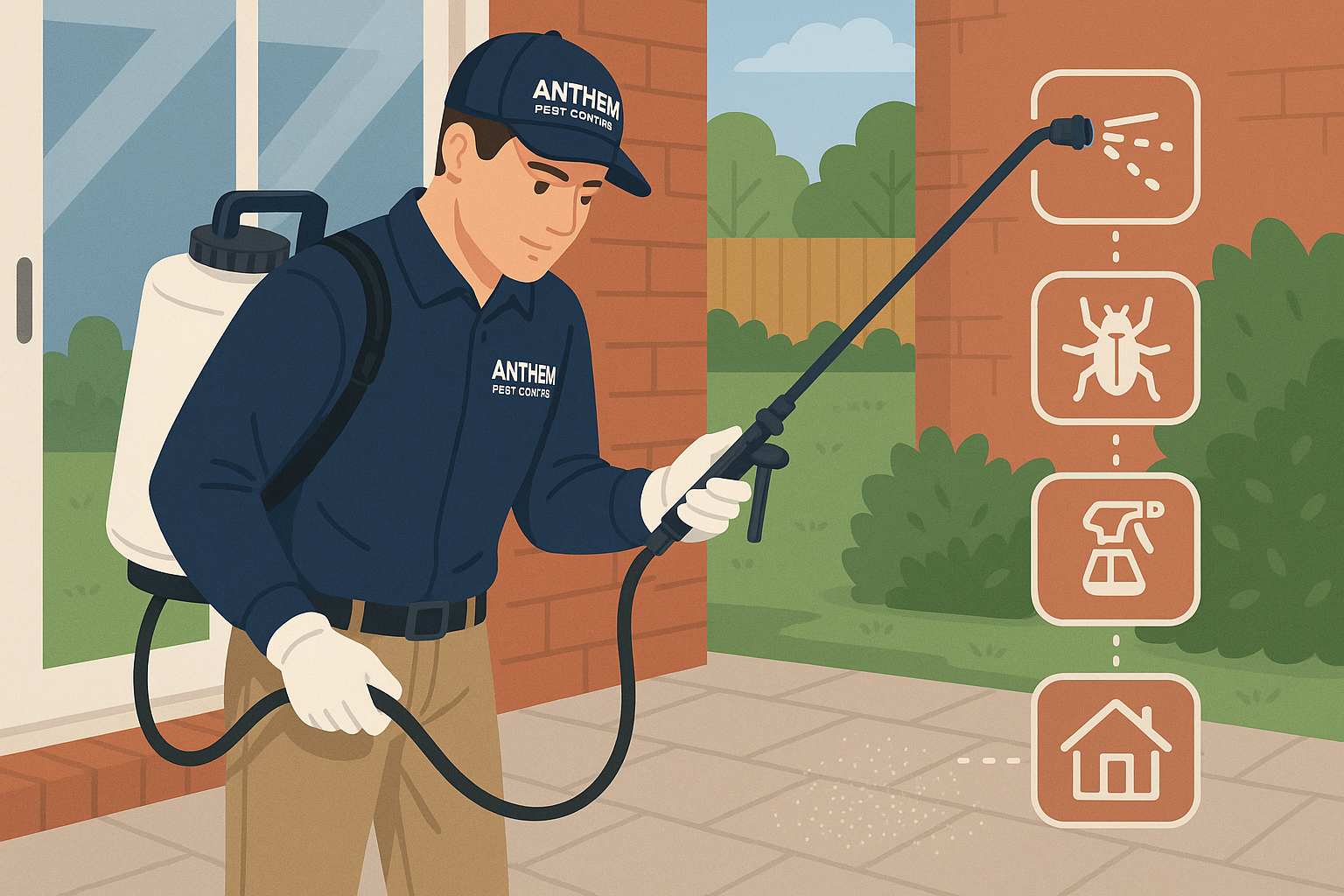
This quick win isn’t a fluke; it’s the result of a systematic process. First, we conduct a thorough inspection to pinpoint breeding hotspots. Next, we apply a low‑residue, EPA‑approved spray that creates a residual barrier lasting up to three weeks. Finally, we advise homeowners on simple landscape tweaks—like trimming dense foliage or fixing leaky irrigation—that keep gnats from returning.
For Snellville homeowners, the value proposition is simple: fast, local service backed by certified experts, crystal‑clear pricing, and a guarantee that protects your investment. When you choose Anthem Pest, you’re not just buying a treatment; you’re gaining a neighborhood ally who keeps your outdoor spaces enjoyable and gnat‑free.
Frequently Asked Questions
How quickly will gnats disappear after treatment?
In most Snellville homes, you’ll notice a sharp drop in gnat activity within 24‑72 hours of a professional application. The adult flies that are attracted to lights and damp areas are knocked down almost immediately, while larvae in soil or mulch may take a bit longer. For moderate infestations, full control is typically achieved in 5‑7 days; severe cases that involve extensive breeding sites can require up to two weeks of follow‑up treatments to break the life cycle completely.
Are the chemicals safe for pets and children?
Yes. Anthem uses EPA‑approved products that are formulated for low toxicity in residential settings. Our technicians follow label directions to the letter, applying the correct dosage and allowing the recommended re‑entry interval before anyone re‑enters the treated area. For detailed safety information, you can review the EPA pesticide safety sheet. As a best practice, we advise keeping pets and children away from the exact spray zones for a short period, typically 30‑60 minutes, to ensure maximum safety.
Can I combine gnat control with mosquito or ant services for a discount?
Absolutely. Anthem offers bundled‑service discounts that let you protect your yard from gnats, mosquitoes, ants, and other pests in a single, coordinated visit. By scheduling multiple treatments at once, you not only simplify your pest‑management plan but also receive a reduced rate compared with separate orders. Give us a call at 877‑371‑8196 or visit our website to request a customized quote that fits your specific needs.
Take the Next Step for Gnat‑Free Living
What Determines the Cost?
Understanding what drives the price of gnat control helps you compare options with confidence. The size of your property is the first variable—larger yards or multi‑story homes require more product and longer application times. Infestation level follows; a light seasonal presence costs less than a heavy, entrenched population. The type of treatment—whether a single outdoor fog, a targeted indoor spray, or an ongoing barrier—adds another layer of cost. Seasonal timing matters too, as peak summer demand can raise labor rates, while off‑season work often comes at a discount.
Why Professional Control Pays Off
Beyond the numbers, professional gnat control protects your health, comfort, and property value. Gnats are more than a nuisance; they can carry bacteria and aggravate allergies, especially around outdoor dining areas and pools. A thorough, licensed treatment eliminates breeding sites, reducing the risk of future outbreaks and sparing you costly DIY trial‑and‑error products. Homebuyers also notice a well‑maintained yard, and pest‑free grounds can boost curb appeal and resale price. In short, the upfront investment safeguards long‑term wellbeing and financial returns.
Ready for a Free Quote?
Ready to see exactly what a customized plan would cost for your Snellville home? Call us today at 877‑371‑8196 or visit our website for a free, no‑obligation quote. Our online form captures a few details about your property and gnat activity, then our local team prepares a transparent estimate within 24 hours.
Transparent Pricing You Can Trust
Anthem Pest uses a clear, itemized quote so you know exactly where every dollar goes. We break down costs for inspection, treatment materials, labor, and any follow‑up visits. No hidden fees, no surprise mark‑ups—just a straightforward price that reflects the scope of work and the quality of service you receive.
Our Snellville team is ready to assess your home, recommend the most cost‑effective plan, and ensure lasting relief – all with transparent pricing you can trust. We combine industry‑leading products with locally trained technicians, so you get fast results without compromising safety for your family or pets. Let us take the guesswork out of gnat control, so you can enjoy your yard again.
Ready to take control of your gnat control cost Snellville estimate and enjoy lasting relief? Visit Anthem Pest Control today to schedule your free inspection and customized quote.