Emergency Spider Control in Brookhaven, GA: Why Immediate Action Matters

When a spider bites, the situation can quickly shift from a harmless nuisance to a medical emergency—making immediate spider control Brookhaven homeowners can depend on essential. Certain species inject venom that destroys tissue, leading to necrotic lesions that may take weeks to heal, while others trigger severe allergic reactions that can progress to anaphylaxis. Because the body’s response can worsen within hours, waiting for a “watch-and-wait” approach puts both health and peace of mind at risk.
Brookhaven’s humid subtropical climate creates the perfect backdrop for spiders to thrive year‑round. Warm temperatures above 70°F (21°C) combined with high humidity levels keep insects active, providing a steady food source for spiders. Even during cooler winter months, the region’s mild nights prevent the dramatic population drop seen in drier, colder climates, meaning you can encounter spiders inside your home at any time. These conditions not only boost spider reproduction but also drive them indoors as they seek shelter from rain and temperature swings.
Local data underscores the urgency. The 2024 Brookhaven Health Department report documented twelve confirmed brown‑recluse bites in just the first six months of the year—an increase of 40 % over the previous year. Brown‑recluse venom is notorious for causing painful, necrotic wounds, and the report highlighted that delayed treatment was a common factor in the more severe cases.
For a homeowner, the sight of a spider in the kitchen or bedroom can trigger immediate anxiety. Uncertainty about whether the spider is dangerous, how quickly the bite could spread, and what steps to take next can feel overwhelming. That’s why a clear, actionable plan is essential: identify the spider, assess the bite, and call a qualified professional—like Anthem Pest Control—without hesitation.
Understanding the health stakes and the local environment sets the stage for the next crucial step: learning to recognize the most dangerous species that call Brookhaven home. In the following section, we’ll break down the key identifiers for brown‑recluse, black‑widow, and other high‑risk spiders, so you can act with confidence.
Know the Threats: Brown Recluse, Black Widow, and Common House Spiders
When a spider shows up in your Brookhaven home, the first instinct is often fear. Knowing the visual clues can turn panic into a practical response. The Black Widow is unmistakable once you spot its glossy black body and the bright red hourglass on the underside of its abdomen. It typically measures 1.5 inches (including leg span) and prefers dark, undisturbed corners—think garages, sheds, or outdoor woodpiles.
The Brown Recluse is smaller, usually 0.5 inches long, with a light‑tan to dark‑brown coat. Its signature is a violin‑shaped pattern on the dorsal side, with the “neck” pointing toward the abdomen. This spider favors quiet indoor spaces such as closets, basements, and under furniture, especially during the cooler months when it seeks shelter.
Most households also host the Common House Spider (often a Parasteatoda tepidariorum). These are harmless, ranging from 0.3‑0.5 inches, and display a mottled brown‑gray body with no distinctive markings. They spin irregular cobwebs in corners, ceilings, and window frames. While they can be startling, their bite is comparable to a mild bee sting and rarely requires medical attention.
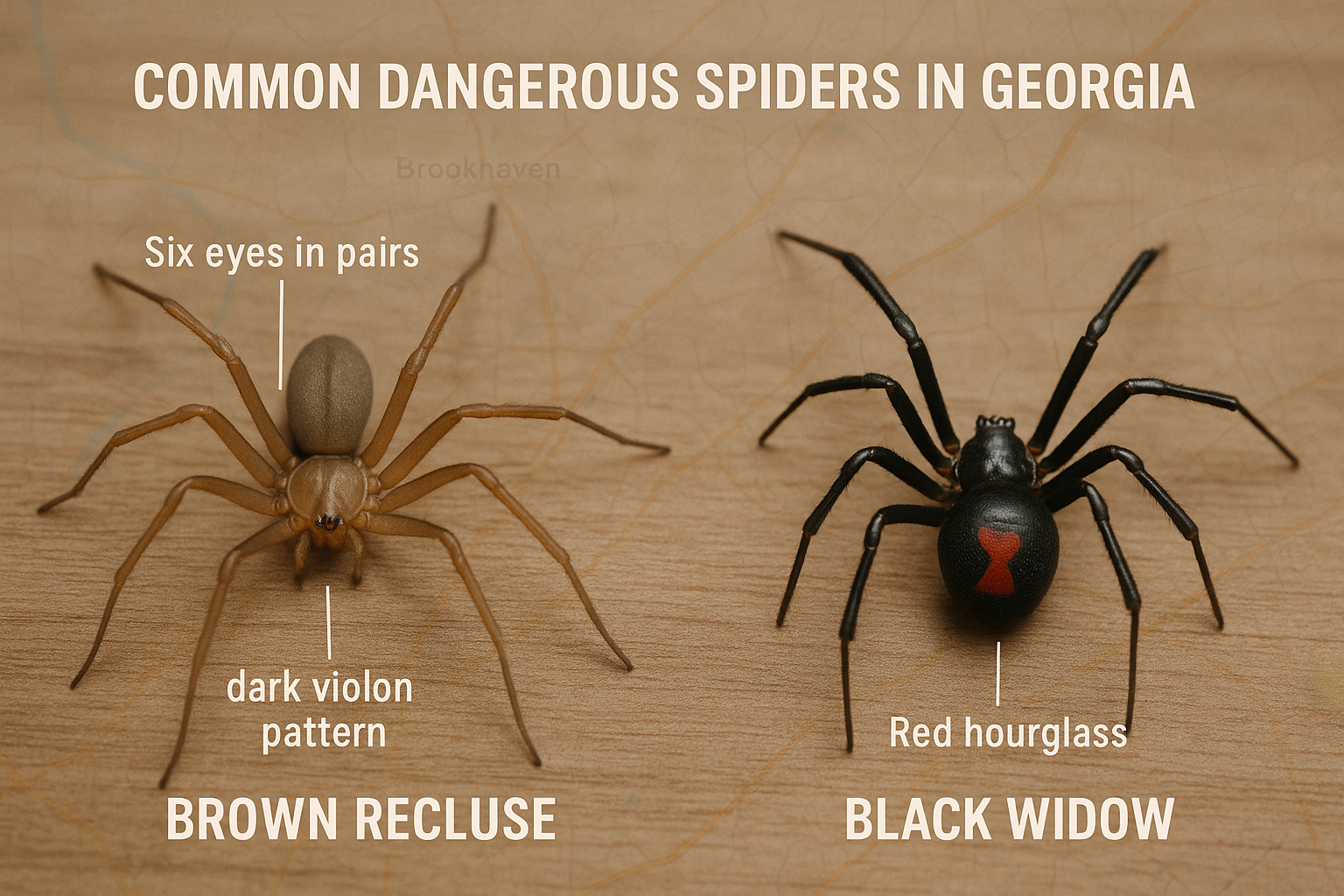
Georgia’s public‑health data underline why identification matters. EPA records show roughly 1,500 spider‑related medical visits each year across the state, and the 2023 CDC surveillance confirms that most severe cases involve Black Widow or Brown Recluse bites. Misidentifying a harmless house spider as a venomous species can trigger unnecessary emergency calls, costly treatments, and needless anxiety.
| Spider | Size & Markings | Bite Symptoms | Seasonal Prevalence |
|---|---|---|---|
| Black Widow | 1.5 inches total; glossy black, red hourglass on ventral abdomen | Intense muscle cramps, abdominal pain, sweating; symptoms appear within 30 minutes | Late spring to early fall (May‑Oct) |
| Brown Recluse | 0.5 inches; tan‑brown, violin‑shaped dorsal pattern | Localized necrosis, itching, fever; onset 2‑8 hours after bite | Fall and winter (Oct‑Feb) when seeking indoor shelter |
| Common House Spider | 0.3‑0.5 inches; mottled brown‑gray, no distinct markings | Mild redness, itching, short‑lived pain; comparable to a bee sting | Year‑round, with higher indoor sightings in summer |
Accurate identification empowers you to act wisely—calling a professional for a confirmed Black Widow or Brown Recluse, while safely removing a benign house spider on your own. It also helps Anthem Pest Control focus treatment where it truly matters, saving you time, money, and unnecessary worry.
What to Do Right Now: 5 Critical Actions
Step 1: Stay calm and avoid sudden movements
Seeing a spider in your living space can trigger an instant panic response, but a rapid wave of motion can provoke the spider to bite or release defensive chemicals. Take a deep breath, keep your hands steady, and give yourself a moment to assess the situation before you act.
Step 2: Isolate the area
Close the door to the room where the spider was spotted and shut any nearby doors that lead to other parts of the house. If you have children or pets nearby, gently guide them to a safe zone. This containment prevents the spider from wandering into high‑traffic zones where an accidental encounter could occur.
Step 3: Keep children and pets away; do not attempt to crush the spider
Even non‑venomous spiders can cause allergic reactions when their bodies are crushed, releasing silk proteins and, in the case of venomous species, tiny amounts of toxin into the air. Crushing also fragments the exoskeleton, making it harder to identify the species later. Keep little ones and furry friends at least a few feet away until you have a safe plan.
Step 4: Document the spider with a photo for later identification
Use your smartphone to snap a clear, close‑up picture from a safe distance. Good lighting and a steady hand will help capture key markings—such as the hourglass shape on a black‑widow’s abdomen—that professionals need for accurate identification. Store the image on your phone or email it to a trusted neighbor or your pest‑control provider.
Step 5: Safely capture the spider using a glass jar and a piece of cardboard
Place a clear glass jar or cup gently over the spider, then slide a sturdy piece of cardboard underneath to trap it. Lift the jar, keeping the cardboard in place, and carry the container outside to release it far from your home. A Brookhaven homeowner recently used this method to capture a black‑widow that had taken refuge in a garage, avoiding a painful bite and allowing a professional to confirm the species.
Following these five steps buys you time and reduces the risk of envenomation or allergic exposure while you arrange for a qualified technician from Anthem Pest Control to assess and treat any underlying infestation.
Red Flags That Require Expert Help
When a spider encounter turns from nuisance to danger, it’s time to set aside the DIY kit and call a professional.
Watch for these bite symptoms that signal medical urgency:
- Necrotic skin lesions that turn black and fail to heal.
- Severe, throbbing pain that spreads beyond the bite site.
- Rapid swelling, redness, or bruising.
- Nausea, vomiting, or fever.
- Difficulty breathing, chest tightness, or rapid heart rate.
- Systemic reactions such as dizziness or loss of consciousness.
The CDC guidelines state that any bite accompanied by necrosis or systemic symptoms should be evaluated by a healthcare professional within hours.
Beyond the bite itself, several on‑site scenarios indicate that professional help is mandatory:
- Multiple spiders detected in a single area, suggesting a hidden colony.
- Spiders residing in hard‑to‑reach locations—attics, crawl spaces, wall voids, or ceiling panels.
- Unknown or potentially dangerous species, especially black widows, brown recluses, or unfamiliar tarantulas.
Multiple spiders often mean an infestation that can quickly spread to other rooms, while hidden nests in attics or crawl spaces limit safe treatment application.
If you cannot positively identify the spider, the risk of a serious bite rises dramatically, making expert identification essential.
In Brookhaven, Anthem Pest Control maintains a 24‑hour emergency response window. A qualified technician will be on‑site within a day of your call, reducing exposure and preventing a small problem from becoming a household crisis.
Don’t gamble with your health or your home’s integrity—when any of these red flags appear, dial 877‑371‑8196 and let the experts handle the rest.
Effective Control Methods: Chemical vs. Non‑Chemical
Chemical Options
When spiders invade a Brookhaven home, many homeowners reach for a fast‑acting spray. EPA‑approved pyrethroid formulations are the industry standard because they knock down spiders on contact and leave a residual barrier that protects walls, baseboards, and window frames for weeks. Technicians typically apply a thin mist in interior spaces and a more concentrated spray in cracks, crevices, and voids where spiders hide.
Anthem Pest’s 2024 pricing reflects both the product cost and the expertise required for thorough coverage. Below is a quick reference for the most common chemical treatments:
| Treatment Type | Price Range (USD) | EPA Toxicity Rating |
|---|---|---|
| Full‑home pyrethroid spray (residual) | $120 – $180 | Low (Category III) |
| Spot‑treatment for cracks & crevices | $130 – $200 | Low (Category III) |
| Combination indoor/outdoor package | $200 – $250 | Low (Category III) |
All pyrethroid products used by Anthem Pest carry a low EPA toxicity rating (Category III), meaning they pose minimal risk when applied correctly. Nonetheless, safety protocols are non‑negotiable.
Non‑Chemical Options
For homeowners who prefer a pesticide‑free approach, several mechanical and environmental tactics can keep spiders at bay without a single spray.
- Sticky traps: Place adhesive traps along baseboards, under furniture, and near entry points. They capture wandering spiders and give you a visual cue of activity levels.
- Vacuum removal: A regular vacuum routine—especially in corners, under appliances, and in attic spaces—physically extracts spiders, eggs, and webbing.
- Habitat reduction: Declutter storage areas, seal cracks with caulk, and control indoor moisture with dehumidifiers or proper ventilation. Spiders thrive in dark, damp hideaways, so eliminating those conditions removes their shelter.
Non‑chemical methods are virtually cost‑free beyond the price of traps or a good vacuum, but they require consistent homeowner effort. When combined with a professional inspection, they can dramatically extend the life of any chemical treatment you choose.
Safety Considerations
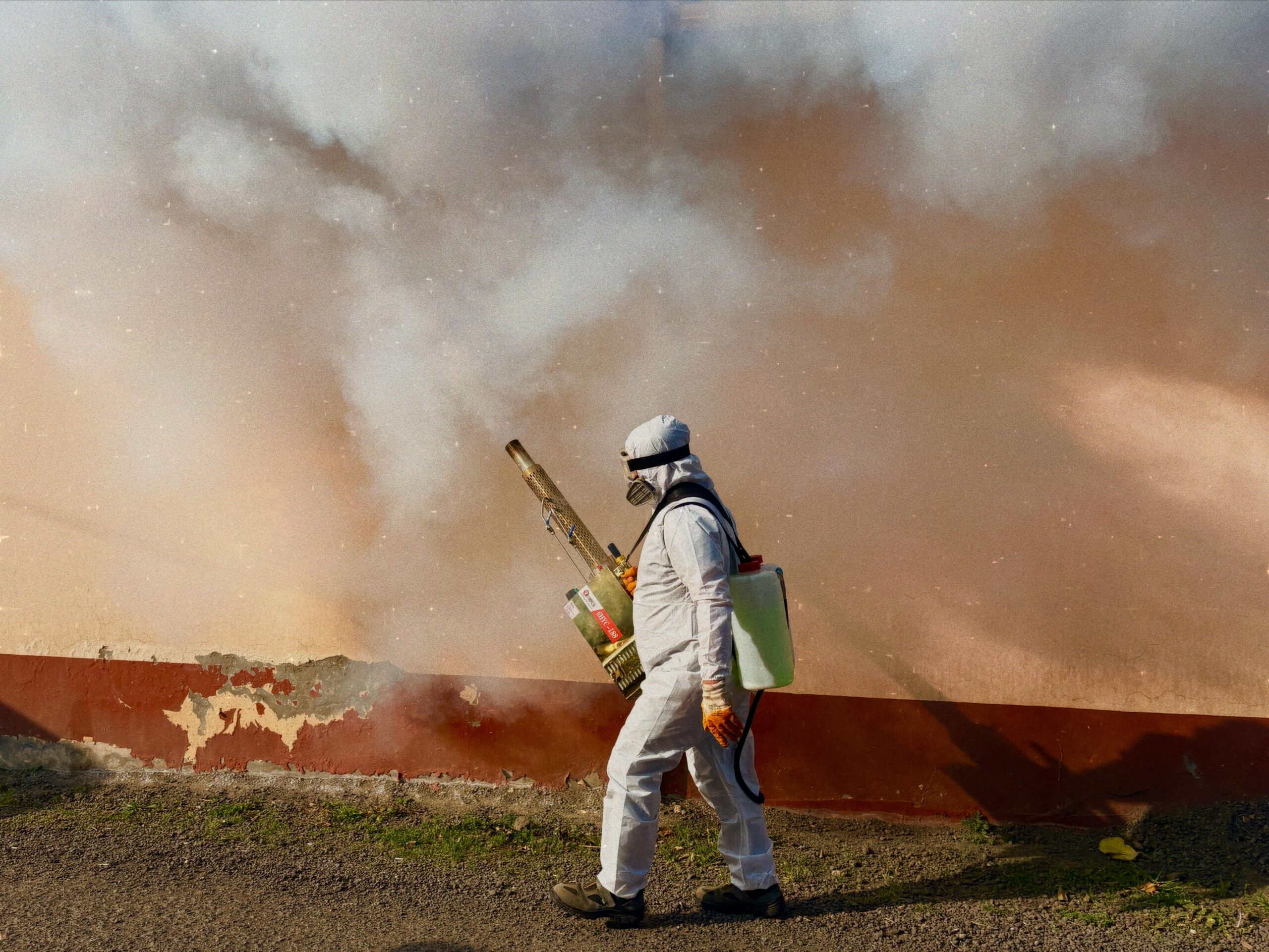
After a chemical spray, ventilate the treated rooms for at least 30 minutes. Open windows and run fans to disperse any lingering vapors. Occupants, especially children and pets, should stay out of the area until the surface feels dry to the touch.
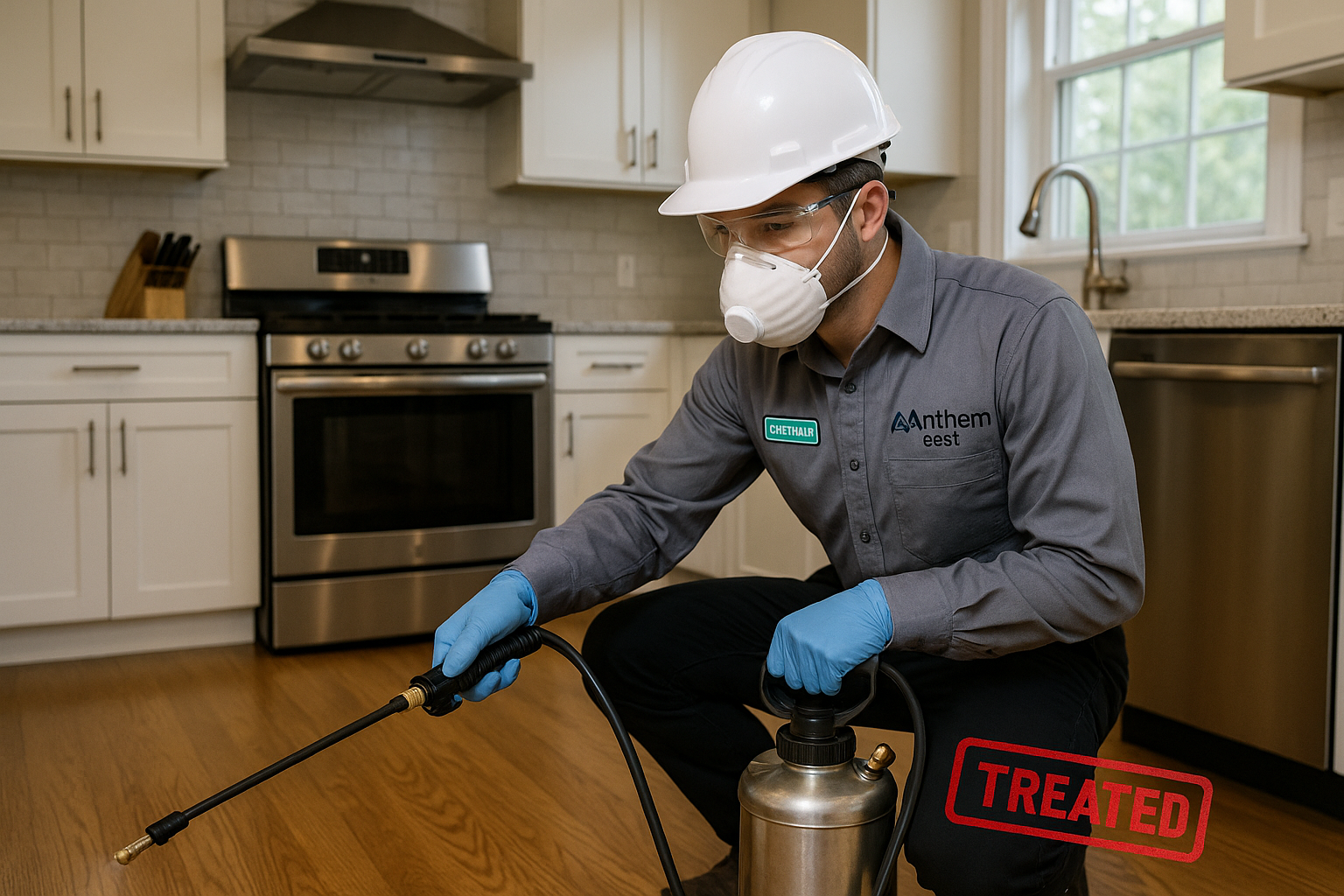
Technicians wear protective gloves, masks, and eye protection during application. Homeowners are advised to keep these items on hand if they need to perform spot‑treatments themselves, though professional service is always the safest route.
Follow‑Up Inspections
Spider populations can rebound if a single treatment is the only line of defense. Anthem Pest recommends a follow‑up inspection within two weeks of the initial service. This visit confirms that residual chemicals are still active, evaluates trap captures, and identifies any new entry points that may have been missed.
By pairing a targeted chemical application with diligent non‑chemical practices and a timely re‑inspection, Brookhaven homeowners can achieve lasting spider control while keeping their families and pets safe.
What You’ll Pay for Emergency Spider Services
Itemized Costs
When a spider infestation turns urgent, knowing the exact fees for professional spider control Brookhaven services helps you act fast without surprise charges. Typical line-item pricing looks like this:
- Inspection: $75 – $100 – a thorough walk‑through and identification of spider species.
- Emergency Treatment: $150 – $300 – immediate application of EPA‑approved solutions to halt activity.
- Follow‑up Visit: $50 – $75 – ensures the treatment held and any lingering spiders are removed.
How Anthem Pest Stacks Up
Anthem Pest simplifies budgeting with flat‑rate pricing that aligns with—or undercuts—the industry norm. According to the 2024 NPMA Pricing Survey (2024 NPMA Pricing Survey), the national averages for these services fall within the ranges shown below.
| Service | Anthem Pest (Flat Rate) | Market Average (2024) |
|---|---|---|
| Inspection | $85 | $75 – $100 |
| Emergency Treatment | $225 | $150 – $300 |
| Follow‑up Visit | $60 | $50 – $75 |
Flexible Payment & Guarantees
Anthem Pest understands that emergencies strain both time and budget. That’s why we offer:
- 0 % interest financing for qualified homeowners, spread over 6 or 12 months.
- A 100 % satisfaction guarantee – if spiders return within 30 days, we’ll retreat at no extra cost.
- Seasonal discounts of up to 15 % during spring and fall, when spider activity peaks.
Transparent pricing, financing options, and a solid guarantee mean you can focus on clearing your home, not on hidden fees.
Long‑Term Spider Prevention for Your Home
Even after an emergency treatment, spiders will keep looking for shelter, food, and water. The most reliable way to keep future invasions at bay is to make your house and yard less inviting. Below are the practical steps you can take today, and a printable checklist to help you stay on track.
Seal Entry Points
Spiders slip through the tiniest gaps. Inspect the exterior of your home and seal any openings you find.
- Apply caulk to cracks around windows, doors, foundation, and utility penetrations.
- Install door sweeps on all exterior doors to block the gap at the threshold.
- Repair or replace damaged window screens, and tuck mesh tightly around vents.
- Use weather‑stripping around interior doors that lead outside.
Reduce Outdoor Lighting That Attracts Insects
Insects are the primary food source for most spiders. By cutting down the light that draws insects, you also reduce spider activity.
- Swap white‑hot or blue‑rich bulbs for yellow‑or amber LEDs, which are less attractive to flying insects.
- Turn off porch and patio lights when not in use, especially after dusk.
- Position lights away from doors and windows, or use motion‑sensor fixtures that stay off most of the night.
Yard Maintenance Tips
A tidy yard eliminates the outdoor shelters spiders love.
- Keep grass trimmed to no more than 4 inches; short grass reduces hiding spots.
- Rake away leaf litter, pine needles, and mulch that pile up against the foundation.
- Store firewood at least 3 feet away from the house and elevate it off the ground.
- Remove debris such as old tires, pallets, or garden tools that can serve as permanent shelters.
Seasonal Tips
Spider activity follows predictable patterns. Adjust your vigilance accordingly.
- Summer‑Fall: Black‑widow and brown‑recluse females are most active. Focus on sealing cracks and limiting outdoor lighting.
- Winter: Many spiders migrate indoors seeking warmth. Check attic vents, crawl‑space openings, and basement windows for gaps.
- Early spring is an ideal time for a thorough exterior inspection before the breeding season begins.
Printable Home‑Audit Checklist
Print this table, check each item as you complete it, and keep it on your fridge or in a home‑maintenance binder.
| Task | Completed |
|---|---|
| Caulk interior and exterior cracks | ☐ |
| Install door sweeps on all exterior doors | ☐ |
| Repair or replace damaged window screens | ☐ |
| Replace bright bulbs with amber LEDs | ☐ |
| Trim lawn to ≤4 inches | ☐ |
| Remove leaf litter and mulch from foundation | ☐ |
| Store firewood ≥3 feet from house, off the ground | ☐ |
| Inspect attic, crawl‑space, and basement for gaps | ☐ |
| Schedule a professional inspection before spring | ☐ |
Brookhaven’s Spider Calendar: When Risks Rise
Georgia Extension’s annual spider survey shows two clear windows of heightened danger in Brookhaven, reinforcing the importance of proactive spider control Brookhaven homeowners can schedule ahead of peak activity. Black-widow activity climbs sharply from May through July, peaking in July, while brown-recluse sightings surge later, from August through October, with the highest counts in September. These patterns mirror the insects that each species prefers for food, and they give homeowners a reliable timetable for proactive steps.
Visualizing the Peaks
Imagine a simple bar‑graph: the horizontal axis lists the months, and two colored bars rise above each month—one red for black widows, one green for brown recluse. The red bar reaches its tallest point in July, then tapers off, while the green bar climbs through August, peaks in September, and gradually declines by October. This visual cue makes it easy to see when each spider is most active.
Aligning Prevention Tasks with the Calendar
By syncing your home‑maintenance calendar with these spikes, you can dramatically lower the chance of an emergency call.
- May–June (pre‑black‑widow peak): Inspect outdoor lighting and seal cracks around doors and windows.
- July (black‑widow peak): Trim vegetation away from the foundation and clear debris where webs can form.
- August (brown‑recluse rise): Declutter basements, storage closets, and wood piles; keep these areas dry.
- September–October (brown‑recluse peak): Conduct a thorough interior inspection, focusing on closets, under furniture, and crawl spaces.
During each peak, schedule a professional inspection with Anthem Pest Control. Our technicians can apply targeted treatments exactly when the spiders are most vulnerable, preventing colonies from establishing before they become a health hazard. Even simple actions—like moving firewood away from the house or using tight‑fitting screens—combined with timely professional service, keep Brookhaven homeowners safe throughout the year.
Local Expertise You Can Trust
When a spider infestation strikes at night, you need a team that not only knows the pests but also holds the credentials to handle them safely. At Anthem Pest, every technician serving Brookhaven is an EPA‑registered applicator and a state‑licensed pest control specialist. These certifications mean we follow strict federal and Georgia regulations, using approved products and methods that protect your family, pets, and the environment.
What sets us apart is our 24‑hour emergency line. A single call to 877‑371‑8196 connects you with a local technician who can be on your doorstep within hours, no matter the time of day. Our crew lives and works in Brookhaven neighborhoods such as Peachtree Corners, North Druid Hills, and the historic district, so they understand the unique construction styles and spider hotspots in each area.
Our technicians also carry a mobile diagnostic kit for on‑site analysis.
“I called Anthem after spotting a massive tarantula in my garage. Within 45 minutes a technician arrived, explained the treatment, and had the spider gone for good.” — Emily R., Brookhaven
Because we focus on speed without sacrificing quality, our emergency treatments include a targeted spider‑control service that combines indoor residual sprays with exterior barrier applications. The result is a fast‑acting knock‑down of active spiders and a long‑lasting shield that discourages re‑infestation.
Choosing Anthem means you’re backed by a locally rooted, fully certified team that treats every spider call as a priority. With transparent pricing, safe products, and a reputation built on rapid, effective service, we’re the trusted partner Brookhaven homeowners rely on when spiders show up uninvited.
Frequently Asked Questions
Can I kill a spider myself?
Yes, you can squish or spray a DIY insecticide, but it may leave eggs behind, and many indoor sprays are toxic if inhaled or absorbed through skin. Professional treatments target the entire web network and use EPA‑approved products that minimize health risks.
How long does treatment last?
Most residential spider programs rely on pyrethroid‑based sprays that keep a protective barrier for about four to six weeks. In Brookhaven’s humid climate, a second visit after a month ensures any survivors are caught before they reproduce.
Is the spray safe for kids and pets?
The products we use carry EPA’s “restricted use” label, meaning they are safe when applied according to directions. We advise keeping children and pets out of treated rooms for at least two hours and ventilating the area before normal use.
What if I’m bitten?
Most spider bites cause only mild redness and itching. Clean the site with soap and water, apply a cold pack, and monitor for swelling or fever. Seek medical attention if symptoms worsen, if you notice necrosis, or if you have a known allergy to insect venom.
Do I need regular inspections?
Yes. Seasonal spiders seek shelter as temperatures shift, and Brookhaven’s warm, humid weather encourages rapid breeding. A yearly or twice‑yearly inspection lets us spot new entry points, treat hidden nests, and keep your home spider‑free year round.
Sources & Verification
Anthem Pest Control relies on authoritative, science‑based resources to guide every emergency spider‑control recommendation we share with Brookhaven homeowners. The following organizations provide the foundational data on spider biology, bite risk, and approved treatment methods.
- CDC – Spider Bite Prevention: the Centers for Disease Control and Prevention outlines symptom recognition, first‑aid steps, and the public‑health statistics that shape our bite‑response protocols.
- EPA – Spider Control Guidelines: this EPA page lists federally registered indoor pesticides, safety precautions, and environmental considerations that keep our treatments both effective and compliant.
- NPMA – Spider Management Best Practices: the National Pest Management Association offers industry‑wide best‑practice standards, including inspection techniques and integrated pest‑management (IPM) strategies.
Verification notes: We are in the process of confirming the 2024 Brookhaven spider‑bite incident numbers with the DeKalb County Health Department to ensure our emergency guidance reflects the most current local data. Simultaneously, we are cross‑checking the EPA’s latest roster of indoor‑approved spider pesticides so that every product we recommend meets federal safety requirements and is suitable for residential use in Georgia.
Take Action Today – Call Anthem Pest for Emergency Spider Control
When a spider invasion strikes, every minute counts. Rapid response prevents the problem from spreading, while accurate identification ensures we target the right species with the most effective treatment. Trusting a certified professional eliminates guesswork, guarantees safety for your family, and delivers lasting results.
Anthem Pest stands ready with transparent pricing, a 24‑hour emergency line, and deep local knowledge of Brookhaven’s spider activity patterns. Our technicians arrive equipped with EPA‑approved products and proven protocols, so you can feel confident that the job is done right the first time.
- Clear, upfront cost estimates – no hidden fees.
- 24/7 emergency hotline for immediate dispatch.
- Locally trained specialists who understand Georgia’s pest landscape.
Ready to protect your home? Request a free, no‑obligation quote today and let our team get to work right away. Call us now at 877‑371‑8196 or click the link below to start the process.
We’re here to help, and we’ll treat your spider situation with the urgency it deserves.
Visit Anthem Pest Control for fast, reliable spider control Brookhaven homeowners trust.